
The Philosophical Naturalist: Early Women Reflecting on Humanity's Place in Nature

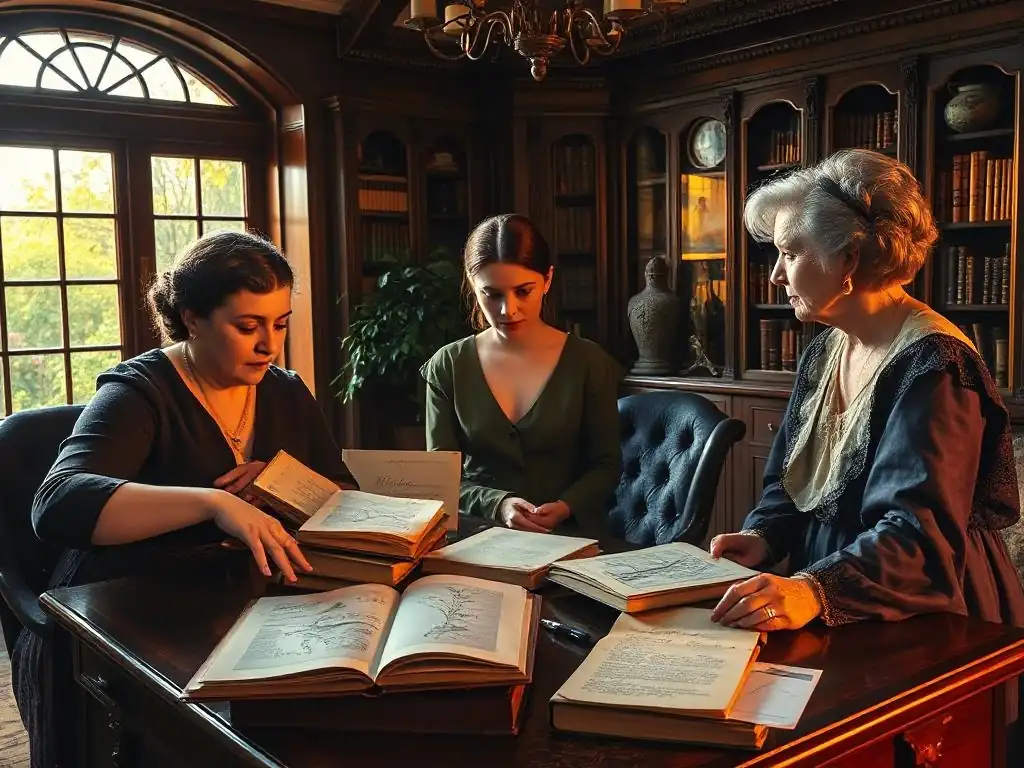
Welcome to WomenInScienceHistory.com, a dedicated space celebrating the often-unsung brilliance of women who shaped the scientific landscape. Dive into fascinating stories of resilience and innovation, and prepare to be inspired. Ever wondered how early female thinkers grappled with our connection to the natural world? Our feature article, exploring women in science philosophy, titled "The Philosophical Naturalist: Early Women Reflecting on Humanity's Place in Nature," unearths groundbreaking perspectives that continue to resonate today.
Discover their profound insights and the challenges they overcame, as we explore the intersection of environmental science and philosophical thought. What drove these women to explore humanity's place within the grand tapestry of nature? Read on to find out...
- Introduction: Pioneering Women in Science, Philosophy, and Naturalism
- Early Female Naturalists and Their Philosophical Insights
- Common Themes in Early Women's Science Philosophy
- Challenges Faced by Women in Exploring Science and Philosophy
- The Legacy of Early Women in Science Philosophy
- Conclusion: Celebrating the Philosophical Contributions of Early Women Naturalists
-
Frequently Asked Questions
- What is WomenInScienceHistory.com all about?
- How does the website address the challenges faced by women in science?
- What does "The Philosophical Naturalist: Early Women Reflecting on Humanity's Place in Nature" focus on?
- Why is it important to highlight "Women in Science Philosophy"?
- How can WomenInScienceHistory.com inspire future generations?
- Final Reflection: Embracing Nature's Wisdom
- Embrace Wonder: Discover Your Connection to the Natural World!
Introduction: Pioneering Women in Science, Philosophy, and Naturalism
The Undervalued Contributions of Early Women Naturalists
Despite significant intellectual contributions, the roles of early women naturalists in shaping our understanding of science and philosophy often remain largely unacknowledged in historical accounts. These pioneering figures, operating within highly restrictive societal frameworks, quietly forged paths in observation, experimentation, and theoretical reflection, offering unique perspectives that diverged from the prevailing male-dominated narratives. Their work represents a crucial, yet frequently overlooked, dimension of early scientific inquiry and philosophical thought.
The common misconception that serious scientific and philosophical inquiry was exclusively a male domain, especially before the 19th century, has unfortunately obscured the rich tapestry of early women's contributions. By focusing solely on prominent male figures, historians have inadvertently sidelined the profound insights and discoveries made by women who engaged deeply with the natural world and its broader implications. Recognizing these "women in science philosophy" is essential for a complete and accurate history of scientific progress.
Setting the Stage: Defining Philosophical Naturalism Before the 19th Century
Before the 19th century, philosophical naturalism was not a rigid, formalized school of thought, but rather an overarching approach that grounded understanding of the world in natural phenomena, often integrating observational science with broader philosophical questions about existence, purpose, and humanity's role. This perspective emphasized empirical observation and reasoned inquiry into the physical world as the primary means to truth, often leading to conclusions that challenged supernatural explanations or anthropocentric views.
In this era, the boundaries between science, philosophy, and even theology were far more fluid than they are today. Natural philosophers, regardless of gender, frequently moved between detailed observation of the natural world and profound metaphysical or ethical reflections. This integrated approach provided a fertile ground for early women to articulate their unique "women in science philosophy," allowing their observations of nature to inform and shape their deeper insights into the fundamental principles governing life and the universe.
Early Female Naturalists and Their Philosophical Insights
Examining Maria Merian and Her View on Metamorphosis
Maria Sibylla Merian (1647–1717) stands as a towering figure among early entomologists and scientific illustrators. Breaking convention, she embarked on a two-year expedition to Suriname from 1699 to 1701, a monumental undertaking for a woman of her time, where she meticulously documented the life cycles of insects and plants. Her magnum opus, Metamorphosis Insectorum Surinamensium (1705), showcased exquisite illustrations and detailed descriptions of insect metamorphosis, a process largely misunderstood at the time.
Merian's work transcended mere classification; her deep engagement with metamorphosis implicitly reflected on profound philosophical themes of change, transformation, and the intricate design of nature. She did not just record facts; she observed the dynamic, interconnected processes of life, offering a unique "women in science philosophy" perspective that saw nature as a continuous, evolving system rather than a static collection of discrete entities. Her detailed observations hinted at an underlying order and interconnectedness that spoke to deeper truths about existence.
Margaret Cavendish's Holistic Reflections on Nature
Margaret Cavendish, Duchess of Newcastle (1623–1673), was a remarkably prolific and unconventional natural philosopher, poet, and playwright. Her extensive writings, including Observations upon Experimental Philosophy (1666) and The Blazing World (1666), showcased a mind deeply engaged with the scientific debates of her era, yet unafraid to challenge prevailing mechanistic philosophies. She often corresponded with prominent male scientists and philosophers, engaging their theories with her own unique insights.
Cavendish rejected the popular Cartesian dualism that separated mind from matter and viewed nature as a passive machine. Instead, she posited a vitalistic philosophy where all matter possessed an inherent sentience and self-motion, advocating for a holistic understanding of the natural world where all parts were interconnected and active. Her "women in science philosophy" offered a powerful counter-narrative, proposing that nature was a living, intelligent entity, thus contributing significantly to early discussions on the fundamental nature of reality and consciousness.
Mary Anning and the Ethics of Paleontological Discovery
Mary Anning (1799–1847), a self-taught fossil collector from Lyme Regis, made groundbreaking discoveries that revolutionized early paleontology. Despite her humble origins and lack of formal education, her keen eye and meticulous excavation skills led to the discovery of the first complete Ichthyosaur skeleton (around 1811), the first nearly complete Plesiosaur (1823), and the first Pterosaur found outside Germany (1828). Her findings provided critical evidence for extinction and deep time, challenging established scientific and religious paradigms.
While Anning herself did not publish philosophical treatises, her discoveries had profound implicit philosophical and ethical dimensions. Her fossils provided tangible proof of life forms that no longer existed, directly challenging the prevailing belief in a static, recently created Earth. This implicitly raised questions about the vastness of geological time, the process of extinction, and humanity's place within a much older, dynamic planetary history. Her work, though observational, contributed immensely to the intellectual ferment that reshaped the "women in science philosophy" of natural history and our understanding of life's impermanence.
Common Themes in Early Women's Science Philosophy
The Interconnectedness of All Things: A Recurring Theme
A recurring theme in the work of many early women naturalists was a profound emphasis on the intricate interconnectedness within ecosystems. This perspective often contrasted with the more reductionist tendencies emerging in some male-dominated scientific circles, which focused on isolating and categorizing individual components. These women frequently observed how life forms, geological processes, and environmental conditions were inextricably linked, forming a complex, interdependent web.
For instance, Maria Merian's detailed depictions of entire life cycles, including plants, insects, and their mutual dependencies, vividly illustrated this interconnectedness. Similarly, Margaret Cavendish's philosophical framework posited an animated, self-moving matter where all elements of nature were inherently related. This deep ecological awareness, long before the term "ecology" existed, is a hallmark of "women in science philosophy" from this period, showcasing a holistic vision of nature that resonates strongly with modern environmental thought.
Women's Unique Perspective on Human-Nature Relationships
Early women thinkers often adopted a less anthropocentric view of human-nature relationships compared to their male counterparts. Perhaps influenced by their roles in domestic life, gardening, or botanical pursuits, they frequently fostered a closer, more empathetic connection to nature, seeing humanity as part of, rather than dominant over, the natural world. Their perspectives often de-emphasized the notion of human mastery and control.
This outlook is evident in the writings and observations of figures like Merian, who engaged with nature through a lens of profound respect and detailed observation of its inherent processes, rather than solely for utilitarian purposes. This contrasted sharply with the prevalent "mastery over nature" paradigm that often characterized early modern science. The nuanced "women in science philosophy" that emerged from these perspectives contributed to an early, subtle advocacy for stewardship and partnership with the natural environment.
Moral Implications of Scientific Understanding, as seen by early female thinkers
For many early women engaged in scientific and philosophical inquiry, the pursuit of knowledge was not merely about accumulating facts but also about understanding the moral order or ethical responsibilities inherent in nature. Their observations often led them to reflections on how humanity ought to interact with the world, suggesting that scientific understanding carried with it certain moral implications.
While not always explicitly articulated as formal ethical treatises, the works of these early female thinkers, through their detailed descriptions and philosophical reflections, subtly or overtly suggested ethical considerations regarding human interaction with the environment. For example, the profound respect for life cycles seen in Merian's work, or Cavendish's insistence on the inherent vitality of all matter, implicitly laid groundwork for future discussions in "women in science philosophy" related to ecological morality and responsible engagement with the natural world.
Challenges Faced by Women in Exploring Science and Philosophy
Societal Barriers to Women's Intellectual Pursuits
In the pre-19th century era, pervasive societal norms rigorously confined women primarily to domestic roles, severely restricting or even outright forbidding their engagement in intellectual pursuits outside the home. Formal education for women was largely nonexistent beyond basic literacy and accomplishments deemed suitable for marriage, such as needlework or music. This meant that women with scientific or philosophical inclinations faced immense pressure to conform to traditional expectations.
This restrictive environment compelled women interested in "women in science philosophy" to be largely self-taught, relying on private libraries, informal mentorships, or hidden study. Their pursuit of knowledge often had to be conducted in secret or framed as a genteel hobby rather than serious intellectual work, making their eventual achievements all the more remarkable in defiance of deeply entrenched gender biases.
Overcoming Limited Access to Education and Resources
Beyond societal expectations, early women faced concrete challenges in accessing the fundamental resources necessary for scientific and philosophical inquiry. Universities were exclusively male domains, scientific societies rarely admitted women, and even access to scientific instruments, laboratories, or specialized texts was severely limited. This institutional exclusion created significant hurdles for aspiring female naturalists and thinkers.
To overcome these limitations, many women employed extraordinary ingenuity. Maria Merian leveraged her artistic talents and family connections to secure an expedition to Suriname, while Mary Anning honed her skills through practical, hands-on fossil hunting in a specific geological region, essentially creating her own laboratory in the field. These examples underscore the immense determination required by "women in science philosophy" to carve out spaces for their intellectual and scientific endeavors.
The Struggle for Recognition in a Male-Dominated Field
Even when early women naturalists made significant discoveries or formulated profound philosophical insights, they frequently encountered skepticism, plagiarism, or outright dismissal from the male-dominated scientific establishment. Their work was often attributed to male relatives, mentors, or collaborators, or simply ignored in published accounts and scientific discussions, denying them rightful credit.
The struggle for acknowledgement was a pervasive and often disheartening experience for these pioneers, with many only receiving posthumous recognition, if at all. The narratives of "women in science philosophy" are replete with stories of their contributions being marginalized or entirely erased from the historical record, underscoring the long and arduous fight for equity and the ongoing imperative to reclaim their rightful place in the annals of scientific and philosophical history.
The Legacy of Early Women in Science Philosophy
Inspiring Future Generations of Female Scientists and Philosophers
The stories of these pioneering women serve as incredibly powerful role models, demonstrating unequivocally that intellectual curiosity, scientific acumen, and profound philosophical insight are not confined by gender. Their resilience in the face of immense societal barriers and their unwavering dedication to understanding the natural world provide tangible inspiration for modern women contemplating careers in STEM fields and philosophy.
By actively bringing their narratives to light, we provide concrete examples of "women in science philosophy" who broke through entrenched barriers, showing what is possible despite adversity and fostering a more inclusive and diverse vision of scientific endeavor. Their lives and works encourage future generations to pursue their intellectual passions fearlessly, contributing to a more equitable and representative scientific community.
Redefining the Scope of Environmental Ethics
The holistic and interconnected views articulated by early women naturalists significantly, though often subtly, contributed to the nascent development of environmental ethics. Their emphasis on the intricate relationships within ecosystems, and their often less anthropocentric perspectives, predated formal ecological movements by centuries, providing a foundational groundwork for later environmental thought.
Their insights, frequently rooted in meticulous observation and a worldview that prioritized respect and stewardship over exploitation, offer valuable historical precedents for contemporary discussions on sustainability, conservation, and humanity's ethical obligations to the planet. The "women in science philosophy" of this era provides a rich, historical lens through which to view the evolution of environmental thought, enriching modern ecological discourse.
The Lasting Impact on Our Understanding of Humanity's Place in Nature
The contributions of these early women profoundly, albeit often indirectly, shifted perspectives on humanity's relationship with the natural world. Their philosophical naturalism, whether through detailed biological observation or grand metaphysical systems, consistently challenged purely anthropocentric views, advocating for a more integrated understanding of human existence within the broader tapestry of life.
Ultimately, their diverse yet converging philosophical naturalism laid foundational groundwork for modern ecological thought and continues to inform how we perceive ourselves as integral parts of, rather than separate from, the intricate web of life. The enduring impact of "women in science philosophy" from this period is evident in our evolving collective understanding of nature's complexity and humanity's inherent place within it.
Conclusion: Celebrating the Philosophical Contributions of Early Women Naturalists
Reclaiming the Narratives of Women in Science History
It is imperative to actively seek out, research, and promote the stories of women who were historically marginalized or entirely erased from scientific and philosophical narratives. This ongoing reclamation is not merely an act of historical correction but is vital for constructing a complete, accurate, and inclusive understanding of human intellectual progress and the true origins of scientific thought.
By celebrating these "women in science philosophy," we not only honor their individual achievements and the immense personal sacrifices they made but also directly challenge persistent biases within academic and popular historical accounts. This recognition inspires a more equitable and diverse future for science, ensuring that future generations are aware of the full spectrum of human contribution.
Further Research: Exploring the Influence of Early Women on Later Naturalists
The intellectual legacy of these early women naturalists and philosophers warrants continued academic and public inquiry. Further research should delve deeper into how their pioneering ideas, observations, and philosophical frameworks may have subtly or directly influenced later scientific and philosophical movements, even if their contributions were uncredited or diffused through the works of male contemporaries.
Encouraging critical exploration into this rich, often unexplored, intellectual heritage of "women in science philosophy" is crucial. By understanding their profound and enduring impact on our collective understanding of nature and humanity's place within it, we can fully appreciate the breadth and depth of their contributions to the foundational principles of environmental science and philosophy.
Frequently Asked Questions
What is WomenInScienceHistory.com all about?
WomenInScienceHistory.com is a website dedicated to celebrating the contributions of women to various scientific fields throughout history. It features biographies, discussions of their work, and the challenges they faced. The goal is to inspire future generations.
How does the website address the challenges faced by women in science?
The website directly addresses the challenges by highlighting the obstacles and biases women faced in male-dominated fields. It showcases their perseverance and resilience in overcoming these barriers. This helps to contextualize their achievements.
What does "The Philosophical Naturalist: Early Women Reflecting on Humanity's Place in Nature" focus on?
This title suggests a focus on early women who explored philosophical questions related to science, particularly regarding humanity's relationship with the natural world. It implies an examination of their unique perspectives on scientific and philosophical concepts.
Why is it important to highlight "Women in Science Philosophy"?
Highlighting "Women in Science Philosophy" is important because it sheds light on overlooked contributions and challenges the historical narrative of a male-dominated field. It demonstrates that women have always been involved in shaping scientific thought.
How can WomenInScienceHistory.com inspire future generations?
By showcasing the stories of pioneering women in science, WomenInScienceHistory.com provides role models and inspiration for young girls and women interested in STEM fields. It demonstrates that success is possible, despite the challenges.
Final Reflection: Embracing Nature's Wisdom
The journey through the lives and works of these early philosophical naturalists reveals a profound truth: humanity's understanding of itself is inextricably linked to its understanding of nature. Their pioneering efforts, often overlooked, laid the groundwork for a more holistic and inclusive scientific perspective, one that continues to resonate deeply in our current climate crisis and the ongoing quest for gender equality in STEM fields.
The impact of these women extends far beyond their individual contributions; they challenged societal norms and paved the way for future generations of women in science philosophy. Their dedication serves as a powerful reminder that diverse voices are essential for a complete and nuanced understanding of the world around us. Look deep into nature, and then you will understand everything better.
- Albert Einstein, a sentiment these women embodied long before it became a mainstream ideal.
As we reflect on their legacy, let us be inspired to cultivate a deeper connection with the natural world and to champion the voices of those who have historically been marginalized. Let us strive to emulate their intellectual curiosity, their unwavering commitment to truth, and their profound respect for the delicate balance of life. Embrace the wisdom of the philosophical naturalists and, in doing so, contribute to a future where science and philosophy are enriched by the perspectives of all.
Embrace Wonder: Discover Your Connection to the Natural World!
Thank you for delving into the inspiring lives of these early philosophical naturalists. We hope you've found a renewed appreciation for their insightful perspectives. Now, it's your turn to engage!
Here are a few ways you can continue your journey:
- Reflect on your own experiences in nature. Identify one aspect of the natural world that sparks your curiosity and write about it in your journal.
- Explore the works of other female naturalists and philosophers.
- Share this article with someone who would appreciate learning about these pioneering women.
What small step can you take today to reconnect with the natural world and deepen your understanding of our place within it?