
Historical Context
Discover the untold stories behind the glass ceilings with our Historical Context section, where we explore the pivotal moments that shaped women’s journeys in science. From the evolution of academic opportunities that slowly opened university doors, to the dramatic shifts during the Cold War and Space Race that turned female mathematicians and engineers into hidden heroes, this hub connects the dots between world events and scientific progress. Uncover how wars and global crises—especially World War I and II—both disrupted and unexpectedly accelerated women’s roles in labs, codebreaking, and medicine, while also tracing the rise of women’s science networks that built solidarity across borders. We bring you global perspectives that challenge Western-centric narratives, revealing how cultural, political, and social upheavals worldwide alternately stifled or sparked female innovation. Whether you’re a history buff, a student, or a curious mind, these rich narratives provide essential context for understanding the systemic barriers and breakthroughs that define women in STEM today.
 Global Perspectives on Women in Science
 Women in Science - World War I & II
 Wars & Global Events - Impact on Women in Science
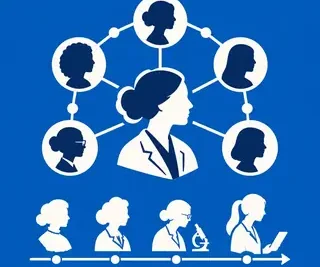 Evolution of Women's Science Networks
 Women in Science - Cold War & Space Race
 Evolution of Academic Opportunities for Women
Historical Context of Women in Science
Understanding the historical context of women in science is essential to appreciating their achievements and the barriers they overcame. This category explores how social, political, and academic shifts shaped the participation of female scientists, from restricted education to their crucial roles during global conflicts. Whether you’re a student, researcher, or enthusiast, these resources provide a nuanced look at the evolving landscape of scientific inquiry and gender equality.
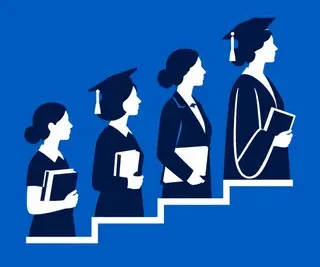
🔬 Evolution of Academic Opportunities for Women
This subcategory traces the slow opening of university doors to women, from 19th-century exclusion to modern doctoral programs. Expect detailed timelines of landmark institutions like Vassar College and the University of Zurich, which admitted women earlier than many rivals. You’ll also find profiles of trailblazers like Mary Somerville and Marie Curie, who navigated hostile environments to pursue advanced degrees. The content highlights how policy changes, such as coeducation mandates and scholarship programs, gradually dismantled formal barriers, though informal prejudice persisted for decades.
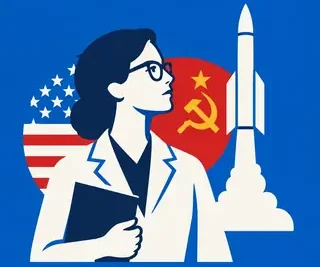
🚀 Women in Science - Cold War & Space Race
During the Cold War, scientific talent became a national security asset, inadvertently creating openings for women. This section covers the pivotal roles of female mathematicians, engineers, and computer scientists in NASA’s early missions, including Katherine Johnson and Margaret Hamilton. It also examines Soviet programs where women like Valentina Tereshkova achieved spaceflight firsts. Expect analyses of how military-funded research, Sputnik-era urgency, and STEM workforce shortages provided unprecedented professional niches, even as political tensions shaped the gendered division of labor in laboratories and launch pads.
🌐 Evolution of Women's Science Networks
Professional networks have been lifelines for women in science, often compensating for exclusion from male-dominated academies. Here, you’ll explore the founding of organizations like the Association for Women in Science (AWIS) and the International Council of Women’s science committees. The content details how informal correspondence circles of the 1700s evolved into structured advocacy groups, funding initiatives, and mentorship programs by the 20th century. These networks not only shared research but also campaigned for equal pay, childcare support, and recognition, creating sustainable communities that continue to foster female scientific leadership.
🌍 Wars & Global Events - Impact on Women in Science
Global conflicts and crises have paradoxically accelerated women’s scientific participation by depleting male labor forces. This subcategory explores how World War I, the Great Depression, and postwar reconstructions created emergency roles for women in chemistry, medicine, and engineering. Expect case studies on women like Florence Sabin, who led public health efforts during wartime, and the lesser-known story of female agronomists who maintained food supplies. The analysis considers how such events shifted public perception, only to see many women pushed back into domestic roles once peace returned, revealing the fragility of wartime gains.
⚔️ Women in Science - World War I & II
World War I and II serve as dramatic turning points, with women moving into research labs, codebreaking units, and munitions factories. This section dives into specific contributions, such as the women of Bletchley Park who decrypted Enigma messages, and chemists like Dorothy Hodgkin who developed essential wartime pharmaceuticals. You’ll learn about recruitment campaigns, training programs, and the tactical necessity that overrode gender biases. The narrative also critiques how these opportunities were framed as temporary, often erasing women’s career continuity in post-war historiography, a pattern this site seeks to correct.
🌏 Global Perspectives on Women in Science
Scientific history is not monolithic; this subcategory uncovers regional differences in women’s advancement. It examines pioneers from non-Western contexts, such as Indian physicist Anna Mani, Japanese biochemist Yoshiko Toyama, and Brazilian geneticist Florinda Pomeraning. Expect discussions on how colonialism, cultural norms, and national development policies created unique pathways and obstacles. Comparative tables and essays highlight how countries like the USSR and China opened technical education to women earlier than many Western nations, while others relied on missionary schools or colonial administrations, producing a rich, varied tapestry of female scientific achievement worldwide.
Frequently Asked Questions
Why is historical context important when studying women in science?
Historical context reveals the systemic barriers and accidental openings that shaped women’s careers, avoiding a simplistic “great women” narrative. It demonstrates how wars, educational reforms, and networks amplified opportunities, while also explaining persistent underrepresentation. Understanding this past helps modern policymakers and educators replicate successful interventions and avoid repeating exclusions, making it essential for both scholarship and advocacy.
How did wars truly change opportunities for female scientists?
Wars temporarily abandoned gender norms to meet labor shortages, placing women in high-stakes roles like codebreaking, radiology, and ballistics testing. However, these gains were often reversed post-war, as men reoccupied positions and societal pressure pushed women back to domesticity. The lasting impact was not immediate retention but a shift in public evidence of women’s competence, fueling later feminist movements in science during the 1960s and 1970s.
What were the first formal academic programs for women in science?
The first were women’s colleges like Mount Holyoke (1837) and Vassar (1861), offering science curricula similar to men’s schools. Coeducational universities such as Zurich (1867) and London (1878) admitted women to degrees earlier than many American institutions. Graduate programs opened slowly, with Johns Hopkins first accepting female medical students in 1893. These early programs laid groundwork, but still restricted advanced research roles until the 20th century.
How did women’s science networks operate before the internet?
Women’s networks relied on newsletters, annual conferences, and personal correspondence to share discoveries and job leads. Organizations like the British Federation of University Women (1907) and the American Association of University Women (1881) facilitated exchange scholarships and research grants. Informal salons and “science clubs” in major cities also connected women across disciplines, circumventing male-only professional societies that barred them from attending or voting.
Can you name a scientist from a non-Western country featured in this category?
Yes, Anna Mani of India, who overcame caste and gender barriers to become a pioneering meteorologist and physicist, contributing to India’s space program instrumentation. Also notable is Salimuzzaman Siddiqui’s collaborator, Begum Azizul Haque in Pakistan, who advanced botanical chemistry. These figures demonstrate that global scientific progress is not exclusively Western, and their stories are central to our “Global Perspectives” section.