
Coding the Future: Young Women Technologists Revolutionizing Digital Game Art

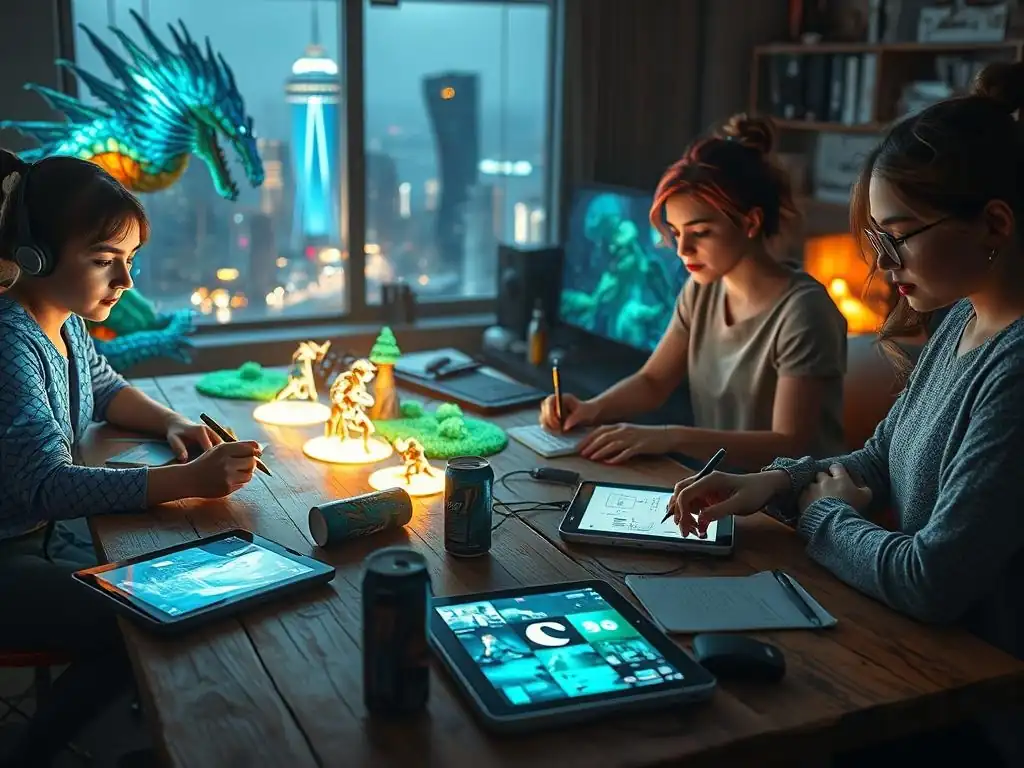
Welcome to WomenInScienceHistory.com, where we unearth the remarkable stories of women who shaped the world of science! Delve into the often-overlooked contributions of brilliant female minds and discover their enduring legacies. Are you ready to explore how the next generation is breaking barriers? Then, join us as we explore the fascinating world of Young women game art, and witness how these technologists are coding the future of digital entertainment. Prepare to be inspired!
- Introduction: Young Women's Increasing Role in Digital Game Art
- Overcoming Challenges: Young Women's Experiences in a Male-Dominated Field
- Technical Expertise: Young Women's Contributions to Digital Game Art Innovation
- Leadership and Influence: Young Women Shaping Digital Game Art
- Education and Training: Empowering Young Women in Digital Game Art
- Notable Young Women in Digital Game Art: Trailblazers and Innovators
- The Future of Digital Game Art: A More Inclusive and Creative World
- Conclusion: Celebrating Young Women's Achievements and Inspiring Future Generations
-
Frequently Asked Questions
- What is the primary focus of WomenInScienceHistory.com?
- What kind of content can I find on WomenInScienceHistory.com?
- How does WomenInScienceHistory.com aim to inspire future generations?
- What makes "Coding the Future: Young Women Technologists Revolutionizing Digital Game Art" relevant to WomenInScienceHistory.com?
- How can I use WomenInScienceHistory.com to learn more about women in technology, specifically in game art?
- Final Reflection: Empowering Creativity and Innovation
- Ignite Your Inner Game Dev Genius!
Introduction: Young Women's Increasing Role in Digital Game Art
The Importance of Diversity in Digital Game Art
The landscape of digital game art is rapidly evolving, and with it, the critical recognition of diversity as a cornerstone of innovation and authentic representation. When young women contribute their unique perspectives to game art, it enriches the visual storytelling, character design, and environmental aesthetics, moving beyond traditionally male-centric narratives and visual tropes. This influx of varied viewpoints leads to more relatable characters, inclusive worlds, and ultimately, games that resonate with a broader global audience, which, according to industry reports, is increasingly diverse itself, with women comprising nearly half of all gamers worldwide.
Furthermore, a diverse art team is inherently more creative. By bringing together artists from different backgrounds, genders, and experiences, studios foster an environment where novel ideas flourish and conventional artistic boundaries are pushed. This collaborative synergy can lead to breakthroughs in visual styles, user interface design, and overall game aesthetics, ensuring that the next generation of games is not only technologically advanced but also culturally rich and visually captivating. The presence of young women game art professionals directly influences this creative expansion, ensuring that the art truly speaks to everyone.
Addressing the Gender Gap in Game Art Professions
Despite the growing number of women playing video games, the representation of women in game development roles, particularly in art, has historically lagged. While precise figures fluctuate, industry surveys from organizations like the International Game Developers Association (IGDA) have indicated that women typically constitute around 20-25% of the overall game development workforce, with specific roles like lead artist or art director often having even lower female representation. This gap is not merely a matter of equity; it directly impacts the industry's ability to innovate and appeal to its vast female player base.
Addressing this disparity requires targeted initiatives, from educational programs encouraging young women to explore game art careers to mentorship networks that support their entry and advancement. By actively promoting and hiring young women game art talent, studios can begin to rebalance their teams, leading to more inclusive creative processes and ultimately, more successful and universally appealing titles. The industry is beginning to recognize that neglecting half of the creative talent pool is a missed opportunity for growth and artistic excellence.
Overcoming Challenges: Young Women's Experiences in a Male-Dominated Field
Breaking Down Barriers and Stereotypes in Game Art
Young women entering the digital game art field often encounter deeply entrenched stereotypes and systemic barriers that can hinder their progress. One common challenge is the perception that technical art roles or leadership positions are inherently more suited for men, despite ample evidence of women's exceptional skills in these areas. This can manifest as subtle biases in hiring, project assignments, or even in the way feedback is delivered, sometimes leading to feelings of isolation or imposter syndrome among talented young women game art professionals.
Another significant barrier is the persistent issue of underrepresentation, which can create a lack of visible role models and mentors for aspiring female artists. When young women see few senior female artists or art directors, it can be challenging to envision a clear path for their own career progression. However, through sheer talent and perseverance, many young women are actively dismantling these stereotypes, proving that creativity, technical prowess, and leadership are gender-neutral attributes, and their contributions are essential to the evolution of game aesthetics.
Strategies for Success and Advancement in Game Art
To navigate and thrive within a historically male-dominated industry, young women game art professionals employ a range of effective strategies. Building a robust portfolio that showcases diverse skills and a unique artistic voice is paramount, serving as undeniable proof of their capabilities. Networking actively within the industry, attending conferences, and participating in online communities also provide crucial opportunities for connection, collaboration, and learning from peers and mentors.
Furthermore, many young women are finding success by specializing in emerging areas of game art, such as procedural art generation, virtual reality (VR) and augmented reality (AR) art, or real-time rendering, where the playing field may be less saturated with established male figures. Advocating for their work, seeking out leadership opportunities, and actively challenging biases through their successes are also vital components. By embracing continuous learning and maintaining a strong professional network, young women game art artists are not only securing their own success but also paving the way for future generations.
Technical Expertise: Young Women's Contributions to Digital Game Art Innovation
Specializations: Character Design, Environment Art, Animation, and More
Young women game art specialists are making significant inroads across a broad spectrum of technical and creative disciplines within the industry. In character design, their unique perspectives are leading to more diverse, nuanced, and visually striking protagonists and antagonists that break away from traditional archetypes, appealing to a wider demographic of players. For instance, a young woman might excel at sculpting highly detailed 3D models with intricate textures, bringing complex personalities to life through subtle facial expressions and dynamic poses.
Beyond characters, many young women are excelling in environment art, crafting immersive and believable game worlds, from fantastical landscapes to gritty urban sprawls, using advanced techniques in lighting, texture mapping, and asset creation. Others specialize in animation, imbuing characters and objects with fluid, lifelike movement, or in technical art, bridging the gap between artistic vision and engine capabilities by optimizing assets and developing custom tools. Their contributions are fundamental to pushing the visual fidelity and artistic ambition of modern games.
Developing Cutting-Edge Digital Game Art
The innovative contributions of young women game art professionals are not limited to traditional artistic roles; they are also at the forefront of developing cutting-edge techniques and workflows. Many are proficient in advanced software like Unreal Engine 5 or Unity, leveraging tools such as Nanite for unprecedented geometric detail or Lumen for realistic global illumination. They are also exploring the potential of AI-assisted art generation tools, using them to accelerate workflows and generate novel visual concepts.
For example, a young female technical artist might develop custom shaders that allow for dynamic weather effects or realistic material properties, or create intricate particle systems that simulate explosions or magical effects with stunning realism. Their expertise extends into areas like photogrammetry, where real-world objects are scanned and converted into 3D models, or procedural generation, creating vast and detailed environments with minimal manual input. These technical innovations are not just about aesthetics; they directly impact game performance and the feasibility of creating increasingly complex and visually rich interactive experiences.
Leadership and Influence: Young Women Shaping Digital Game Art
Leading Game Art Teams and Studios
The increasing presence of young women in leadership roles within game art teams and studios marks a significant shift in the industry's dynamics. These individuals are not just contributing artists; they are visionaries who guide creative direction, manage complex projects, and mentor junior artists. For example, a young woman might rise to become a Lead Character Artist, overseeing a team responsible for the entire visual pipeline of a game's cast, from concept to final in-game model. Her leadership ensures artistic consistency, technical quality, and timely delivery of assets.
In some cases, young women are even founding their own indie game studios, taking on roles as Art Directors or Creative Directors. These entrepreneurial ventures allow them to fully realize their artistic visions and build diverse teams from the ground up, free from the constraints of larger, more traditional companies. Their leadership styles often emphasize collaboration, empathy, and innovation, fostering environments where creativity thrives and team members feel empowered to contribute their best work, setting new benchmarks for industry culture.
Influencing Trends and Aesthetics in Game Art
Beyond direct leadership, young women game art professionals are exerting a profound influence on current and future trends in digital game aesthetics. Their unique perspectives are challenging conventional artistic norms and pushing the boundaries of visual expression. For instance, a young woman's distinctive art style might inspire an entire indie game's visual identity, leading to critical acclaim and a burgeoning following, subsequently influencing other artists and studios.
They are also instrumental in advocating for more inclusive and diverse character designs, moving away from hyper-sexualized or stereotypical portrayals towards more authentic and relatable representations. This influence extends to the creation of richer, more varied environments that reflect a global tapestry of cultures and biomes. Through their portfolios, public talks, and professional networks, these young women are not just creating art; they are shaping the very visual language of interactive entertainment, ensuring that digital game art evolves in a more representative and creatively expansive direction.
Education and Training: Empowering Young Women in Digital Game Art
Game Art Programs and Specialized Training
The pathway for young women into digital game art is increasingly paved by specialized educational programs and focused training initiatives. Universities and art schools worldwide now offer dedicated degrees in game art, digital animation, and interactive media design, providing comprehensive curricula covering everything from foundational drawing and sculpting to advanced 3D modeling, texturing, rigging, and animation using industry-standard software. These programs are vital for equipping aspiring young women game art professionals with the technical skills and theoretical knowledge required for the industry.
Beyond formal degrees, a wealth of online courses, workshops, and bootcamps provide accessible and flexible learning opportunities. Platforms like ArtStation Learning, Gnomon Workshop, and various university extension programs offer specialized modules in areas such as concept art for games, environment design for real-time engines, or character art pipelines. These resources are crucial for continuous skill development and for allowing young women to specialize in niche areas that align with their artistic passions and career goals.
Mentorship and Networking Opportunities in Game Art
Crucial to the success and retention of young women in digital game art are robust mentorship and networking opportunities. Mentorship programs, both formal and informal, connect aspiring or early-career artists with experienced professionals who can offer guidance, share insights, and provide constructive feedback on portfolios and career paths. These relationships are invaluable for navigating the complexities of the industry and for building confidence.
Networking events, industry conferences like GDC (Game Developers Conference), and online communities such as Women in Games International or diverse art communities on platforms like Discord and LinkedIn, provide vital spaces for young women to connect with peers, potential employers, and collaborators. These connections can lead to job opportunities, collaborative projects, and a sense of community that combats feelings of isolation. Actively participating in these networks empowers young women game art artists to build their professional presence and find supportive allies within the field.
Notable Young Women in Digital Game Art: Trailblazers and Innovators
The Impact of Emerging Female Art Directors
While specific individual names of young women who have reached widespread public renown as game art directors are still emerging, the collective impact of those stepping into these roles is undeniable. For instance, a young woman acting as an Art Director at a burgeoning independent studio might be responsible for defining the entire visual aesthetic of a critically acclaimed indie title.
Her vision could lead to a unique blend of hand-painted textures with modern rendering techniques, resulting in a visually distinct and memorable experience that garners significant industry attention and praise. Her leadership ensures that the game's art direction is cohesive, innovative, and deeply resonant with its narrative themes.
These emerging leaders are not just executing a vision; they are often shaping it from the ground up, influencing everything from character silhouettes to environmental storytelling. Their work demonstrates a profound understanding of visual language and its power in interactive media, proving that artistic leadership is increasingly diverse and dynamic.
Innovators in Character and Concept Art
Young women are also at the forefront of innovation within character and concept art, pushing the boundaries of design and visual storytelling. Consider a young woman who specializes in creating highly expressive 3D character models for a major AAA title. Her work might involve pioneering new techniques for realistic hair rendering or developing advanced facial rigs that allow for unprecedented emotional depth in characters. She might be responsible for designing iconic protagonists or memorable villains that resonate globally with millions of players.
Similarly, in concept art, a young woman might be developing groundbreaking visual styles that blend traditional painting techniques with digital tools, creating worlds and characters that are both fantastical and believable. Her concepts often serve as the foundational visual blueprint for entire games, influencing the entire development pipeline and setting the artistic tone for a project. These young women game art innovators are directly shaping the visual future of gaming.
Experts in Technical Art and Tools Development
Another critical area where young women are demonstrating unique expertise is in technical art and the development of custom art tools. For example, a young woman might excel as a Technical Artist, bridging the gap between artistic vision and engineering constraints. She could be responsible for optimizing complex game assets to run smoothly on various platforms without sacrificing visual quality, or for developing custom Python scripts within Maya or Blender that automate tedious artistic tasks, significantly improving the efficiency of the entire art team.
Her expertise might also extend to creating advanced material shaders or post-processing effects that give a game its distinctive visual flair, or implementing procedural generation systems for vast, detailed environments. These technical young women game art experts are crucial enablers, ensuring that artistic ambitions can be realized within the technical limitations of game engines, directly impacting the final visual quality and performance of a game.
The Future of Digital Game Art: A More Inclusive and Creative World
The Growing Demand for Digital Game Art Professionals
The global video game industry continues its rapid expansion, with market revenues estimated to reach approximately $187.7 billion in 2023, according to Newzoo. This exponential growth fuels an ever-increasing demand for skilled digital game art professionals across all specializations, from concept artists and 3D modelers to animators, technical artists, and UI/UX designers. As games become more visually complex and immersive, the need for talented artists who can craft compelling worlds and characters intensifies.
This demand translates into significant career opportunities for young women game art enthusiasts, offering diverse roles within established AAA studios, burgeoning independent companies, or even in adjacent fields like virtual reality experiences, architectural visualization, or film pre-visualization. The industry is actively seeking fresh perspectives and innovative talent to meet the creative and technical challenges of next-generation gaming, ensuring a robust job market for those with the requisite skills.
The Importance of Attracting and Retaining Young Women in Digital Game Art
Attracting and retaining young women in digital game art is not merely a matter of social equity; it is a strategic imperative for the industry's sustained growth and creative vitality. Research consistently demonstrates that diverse teams lead to enhanced creativity, better problem-solving, and ultimately, more successful products that appeal to a broader audience. When young women game art artists contribute, they bring unique lived experiences and cultural insights that enrich the visual narratives and character designs, making games more universally relatable and impactful.
Retaining these talented individuals requires fostering inclusive work environments that value their contributions, offer equitable opportunities for advancement, and address issues of bias or discrimination. By prioritizing mentorship, flexible work arrangements, and a supportive culture, studios can ensure that young women not only enter the field but also thrive and grow into leadership roles, contributing their artistic vision for years to come.
Building a More Diverse and Creative Digital Game Art Workforce
Building a truly diverse and creatively rich digital game art workforce requires a concerted, multi-faceted effort from educational institutions, industry leaders, and individual professionals. This includes implementing outreach programs in schools to introduce young girls to game art as a viable and exciting career path, providing scholarships and grants specifically for young women pursuing game art degrees, and developing internship programs that offer practical, hands-on experience.
Within studios, fostering an inclusive culture involves unconscious bias training, implementing clear anti-harassment policies, and actively promoting women into leadership positions. It also means celebrating the achievements of young women game art professionals through industry awards, speaking opportunities, and media features. By dismantling barriers and actively championing diversity, the industry can cultivate a workforce that is not only more equitable but also infinitely more creative, innovative, and reflective of the global gaming community.
Conclusion: Celebrating Young Women's Achievements and Inspiring Future Generations
Recognizing the Value of Young Women's Perspectives in Digital Game Art
The profound value of young women's perspectives in digital game art cannot be overstated. Their contributions are fundamental to crafting visually rich, emotionally resonant, and culturally diverse interactive experiences that captivate players worldwide. From pioneering new artistic techniques to shaping the visual identity of blockbuster titles, these young women are injecting fresh creativity and vital inclusivity into an industry that constantly seeks innovation. Their unique artistic voices are challenging conventions, enriching character design, and building immersive worlds that truly reflect the vast spectrum of human experience.
By bringing their distinct viewpoints to the canvas of game development, young women game art professionals are not just creating pretty pictures; they are crafting narratives, evoking emotions, and building communities through the power of visual storytelling. Their work ensures that the digital realms we explore are not only technologically advanced but also deeply meaningful and representative of a global audience.
Encouraging More Young Women to Pursue Careers in Digital Game Art
To sustain the artistic evolution and commercial success of the gaming industry, it is imperative to actively encourage and empower more young women to pursue careers in digital game art. This involves showcasing the inspiring achievements of current female artists, providing accessible educational resources, and creating supportive networks that guide them through their academic and professional journeys. By highlighting the diverse roles available—from concept artist and character modeler to animator and technical artist—we can illuminate the myriad pathways into this dynamic field.
Investing in mentorship, fostering inclusive studio cultures, and celebrating every success, big or small, are crucial steps in building a pipeline of talented young women game art professionals. By doing so, we ensure that the next generation of games is not only visually stunning but also creatively diverse, culturally rich, and universally appealing, truly reflecting the boundless potential of human imagination.
Frequently Asked Questions
What is the primary focus of WomenInScienceHistory.com?
The website focuses on celebrating the contributions of women to various scientific fields throughout history. It highlights their groundbreaking work and the challenges they overcame.
What kind of content can I find on WomenInScienceHistory.com?
You'll primarily find biographies of pioneering female scientists, discussions of their work, and insights into the obstacles they faced in male-dominated fields. The goal is to inspire future generations.
How does WomenInScienceHistory.com aim to inspire future generations?
By sharing the often overlooked narratives of women in science, the website hopes to motivate and encourage young people, especially young women, to pursue careers in STEM.
What makes "Coding the Future: Young Women Technologists Revolutionizing Digital Game Art" relevant to WomenInScienceHistory.com?
The article highlights young women technologists making significant contributions to a field that combines technology and art, showcasing their impact and innovation in digital game art.
How can I use WomenInScienceHistory.com to learn more about women in technology, specifically in game art?
The site offers a platform to learn about the historical context of women in science and technology, providing inspiration and context for understanding the current contributions of young women in fields like game art.
Final Reflection: Empowering Creativity and Innovation
The journey we've explored through the lens of young women technologists in digital game art highlights a powerful truth: innovation thrives where diverse voices are amplified. The stories shared within this article are not merely anecdotes; they represent a seismic shift in the landscape of game development, a field historically dominated by a single perspective. By championing the contributions of these young women, we are not only celebrating their achievements but also unlocking the potential for richer, more inclusive, and ultimately, more compelling gaming experiences for everyone.
This exploration of "Young women game art" has profoundly underscored the importance of representation and mentorship in fostering a vibrant and equitable tech industry. Witnessing the passion and ingenuity of these young creators reinforces the belief that talent knows no gender. Their work is a testament to the transformative power of diverse perspectives, shaping not only the games we play but also the culture surrounding them. You can't be what you can't see,
a sentiment that resonates deeply when considering the impact of these role models on future generations of aspiring game artists.
Now, as you reflect on the stories and insights shared, consider how you can contribute to this ongoing revolution. Whether you are a seasoned developer, a budding artist, or simply a passionate gamer, ask yourself: how can I actively support and uplift young women in technology? Let us all commit to fostering environments where creativity flourishes, where diverse voices are celebrated, and where the future of digital game art is shaped by the brilliance of all.
Ignite Your Inner Game Dev Genius!
Thanks for exploring the inspiring world of young women transforming digital game art! Now that you've seen the incredible potential, it's time to turn that inspiration into action.
- Dive deep: Start creating your own digital art! Even small steps with free software can spark a powerful journey.
- Expand Your Horizons: Explore resources, tutorials, and online communities dedicated to women in game development. Find your tribe and unlock a new level of skill!
- Inspire Others: Share this article and champion the achievements of these amazing young women. Let's build a future where everyone has a seat at the table!
What game concept are you most excited to bring to life? Let's hear about your dreams in the comments below!