
From Recipe to Reaction: Documenting the Lost Chemical Work of 18th C. Women

Welcome to WomenInScienceHistory.com!
Delve into the extraordinary, often untold stories of women who shaped the scientific landscape. This site celebrates their ingenuity, resilience, and groundbreaking discoveries. Prepare to be captivated by the vital, yet frequently obscured, contributions of women to science throughout history.
Interested in learning more? Our featured article, "**From Recipe to Reaction: Documenting the Lost Chemical Work of 18th Century Women Chemistry **," unearths the hidden chemical practices and insights of women during a pivotal era. Discover how these unsung pioneers transformed everyday knowledge into groundbreaking advancements. What secrets did their notebooks hold, and how did their contributions shape the future of chemistry? Explore the article below to unravel their fascinating legacy.
- From Recipe to Reaction: Documenting the Chemical Work of 18th C. Women
- Introduction: Unveiling the Hidden Contributions of 18th Century Women in Chemistry
- The Chemical World of 18th Century Women: Beyond the Kitchen
- Challenges in Recovering the Chemical Work of 18th Century Women
- Methods for Documenting and Reconstructing 18th Century Women's Chemistry
- Case Studies: Illuminating Specific Examples of 18th Century Women in Chemistry
- Preserving and Sharing the Discoveries: Making 18th Century Women's Chemistry Accessible
- The Significance of Recognizing 18th Century Women in Chemistry: A Call to Action
-
Frequently Asked Questions
- How prevalent was the involvement of 18th-century women in chemistry, despite being largely undocumented?
- What types of chemical activities were 18th-century women primarily involved in?
- What were some of the key challenges faced by women pursuing chemistry in the 18th century?
- How does "WomenInScienceHistory.com" aim to address the historical lack of recognition for 18th-century women in chemistry?
- What is the significance of understanding the chemical work of 18th-century women in the broader context of scientific history?
- Final Reflection: Unearthing Hidden Legacies
- Unearth History: Become a Chemical Archivist!
From Recipe to Reaction: Documenting the Chemical Work of 18th C. Women
The Overlooked Legacy of Female Experimenters in the 1700s
The 18th century, a period often celebrated for the Enlightenment and the nascent stages of modern chemistry, frequently overlooks the significant, albeit often undocumented, contributions of women. While figures like Antoine Lavoisier and Joseph Priestley dominate the narrative of chemical discovery, countless women were engaged in sophisticated chemical practices within their households, workshops, and even informal intellectual circles.
These 18th century women, operating outside the formal scientific institutions of the time, were adept at processes such as distillation, fermentation, dyeing, and the preparation of medicinal compounds, all of which are fundamentally chemical in nature. Their work, though rarely published in scientific journals or presented to academies, formed a vital part of the era's practical and applied chemistry.
This historical oversight stems partly from the societal structures that limited women's access to formal education and public recognition, pushing their intellectual and experimental endeavors into the private sphere. Consequently, their chemical knowledge was often transmitted through oral tradition, personal letters, or handwritten recipe books, rather than through formal scientific treatises. Unearthing this rich legacy of 18th century women in chemistry requires a deliberate effort to look beyond traditional academic sources and delve into the often-neglected archives of domestic and artisanal life.
Why Documenting Their Chemical Work Matters Today
Documenting the chemical work of 18th century women is not merely an academic exercise; it is a crucial step towards a more accurate and inclusive understanding of scientific history. By bringing these hidden contributions to light, we challenge the pervasive myth that scientific progress was solely the domain of men, especially within the context of early modern chemistry. Acknowledging the practical chemical acumen of these women corrects historical narratives and provides a more complete picture of how scientific knowledge evolved and was applied across society. This includes recognizing their roles in areas from household management to early industrial processes.
Furthermore, uncovering the stories of these pioneering 18th century women in chemistry offers invaluable role models for contemporary and future generations of female scientists. Their perseverance in the face of societal barriers, their ingenuity in experimenting with available resources, and their deep understanding of chemical principles, even without formal titles, serve as powerful inspirations. By celebrating these often-unsung heroines, we demonstrate that scientific curiosity and capability transcend gender and formal recognition, thereby encouraging greater diversity and inclusion in STEM fields today.
The Chemical World of 18th Century Women: Beyond the Kitchen
Domestic Practices and Chemical Knowledge in the 18th Century
The 18th-century household was, in many respects, a vibrant laboratory where women routinely engaged in complex chemical processes. Far from being simple domestic chores, activities like soap making, brewing, and food preservation required a precise understanding of chemical reactions. For instance, the production of soap involved the saponification of fats with lye (potassium hydroxide or sodium hydroxide), a process demanding careful measurement and control of temperature to yield a usable product. Similarly, baking and brewing relied on the controlled fermentation of starches and sugars by yeast, transforming raw ingredients into staples through intricate biochemical pathways.
Beyond these everyday necessities, women often managed extensive gardens and distilleries, extracting essential oils, floral waters, and potent spirits. These distillations, often performed with rudimentary but effective apparatus, required a knowledge of boiling points and condensation, showcasing an applied understanding of physical chemistry. Surviving recipe books from the period, such as those held in the British Library's collection, contain hundreds of detailed instructions for these processes, indicating a widespread practical chemical literacy among 18th century women.
Women's Roles in Early Pharmaceutical and Medicinal Preparations
Women played a central and often overlooked role in the preparation and administration of medicines throughout the 18th century. As household managers, nurses, and often the primary caregivers, women were responsible for concocting a vast array of herbal remedies, tinctures, poultices, and balms. This involved not only the identification and cultivation of medicinal plants but also the chemical extraction of their active compounds through processes like maceration, decoction, and distillation. For example, the preparation of laudanum, a common pain reliever, involved the precise dissolution of opium in alcohol, a chemical process requiring careful measurement and understanding of solubility.
Many apothecaries' wives and daughters were actively involved in the compounding of prescriptions, grinding powders, mixing ointments, and preparing infusions, effectively operating as skilled laboratory technicians. While their names rarely appeared on official documents, their hands-on involvement was critical to the daily functioning of medical practice. This practical engagement with pharmacopoeia demonstrates a sophisticated, applied knowledge of chemistry, essential for creating effective and safe medicinal preparations for their families and communities.
Dyeing, Textile Production, and Applied Chemistry in Women's Hands
The vibrant textile industry of the 18th century was deeply reliant on complex chemical processes, many of which were overseen or performed by women. Dyeing, in particular, was a highly chemical art, involving the interaction of natural pigments with fibers, often requiring mordants to fix the color.
Women, both in domestic settings for household textiles and in small-scale workshops, were experts in preparing and applying dyes derived from plants, insects, and minerals. For example, achieving a rich red often involved cochineal, an insect-derived dye, which required precise application with tin or alum mordants to achieve the desired hue and colorfastness.
The preparation of fibers, from cleaning and scouring wool to bleaching linen, also involved chemical treatments. These processes demanded an understanding of the properties of various chemicals—such as alkalis for cleaning or acids for brightening—and their reactions with different fabrics. The extensive practical knowledge of 18th century women in these areas, from preparing indigo vats for blue fabrics to extracting madder for reds, represents a significant, yet often uncredited, contribution to applied chemistry and the burgeoning industrial economy of the era.
Challenges in Recovering the Chemical Work of 18th Century Women
The Scarcity of Documented Evidence: Lost Recipes and Experiments
A significant hurdle in documenting the chemical work of 18th century women is the profound scarcity of formal, published evidence. Unlike their male counterparts, who often had access to scientific societies, journals, and university presses, women's experimental findings were rarely recorded in a manner considered "scientific" by the standards of the time.
Their chemical knowledge was typically embedded in ephemeral forms: handwritten recipe books, personal letters, household inventories, or oral traditions passed down through generations. These documents, if they survived at all, were often considered domestic ephemera rather than valuable scientific records, leading to their neglect or destruction over time.
For instance, while a male chemist might publish a detailed account of a new distillation technique, an 18th century woman might simply refine a family recipe for rosewater, meticulously noting adjustments in a personal manuscript that was never intended for public consumption. The sheer volume of such "lost recipes" and undocumented experiments represents a vast, unexplored archive of practical chemical knowledge. Recovering these fragments requires painstaking archival research and a re-evaluation of what constitutes "scientific documentation."
Societal Barriers and Limited Access to Formal Scientific Education
The 18th century presented formidable societal barriers that severely limited women's participation in formal scientific endeavors. Women were generally excluded from universities, academies, and scientific societies, which were the primary venues for scientific training, collaboration, and dissemination of knowledge. This exclusion meant that even highly intelligent and capable 18th century women interested in chemistry could not pursue formal degrees or engage in public scientific discourse on an equal footing with men. Their education, if any, was typically confined to domestic instruction, often focused on accomplishments rather than rigorous scientific inquiry.
Consequently, any chemical knowledge acquired by women was largely self-taught, gained through apprenticeship within family businesses (like apothecaries or dye-works), or through informal intellectual networks. This lack of formal training and institutional affiliation meant that their experimental work, however sophisticated, was rarely recognized or legitimized by the scientific establishment. The absence of a formal platform for learning and sharing contributed directly to the invisibility of 18th century women in chemistry within the official historical record.
The Attribution Problem: Recognizing Women's Contributions in Collaborative Work
Another significant challenge in documenting the chemical work of 18th century women is the pervasive "attribution problem." In an era where scientific collaboration often occurred within family units, women's contributions were frequently subsumed under the names of their male relatives—husbands, fathers, or brothers. A woman might actively participate in laboratory experiments, prepare reagents, meticulously record observations, or even contribute theoretical insights, yet the credit for the discovery or publication would almost invariably go to the male head of the household.
A prominent example, though still widely acknowledged, is Marie Anne Paulze Lavoisier, who was an indispensable partner in her husband Antoine Lavoisier's groundbreaking chemical experiments. She translated key scientific texts, illustrated his laboratory apparatus with remarkable precision, and actively participated in the experiments, yet her name is often relegated to a footnote in the history of the Chemical Revolution. This pattern of uncredited collaboration means that much of the chemical work performed by 18th century women remains hidden within the achievements attributed solely to men, making its recovery a complex act of historical re-evaluation.
Methods for Documenting and Reconstructing 18th Century Women's Chemistry
Analyzing Recipe Books and Household Manuscripts for Chemical Insights
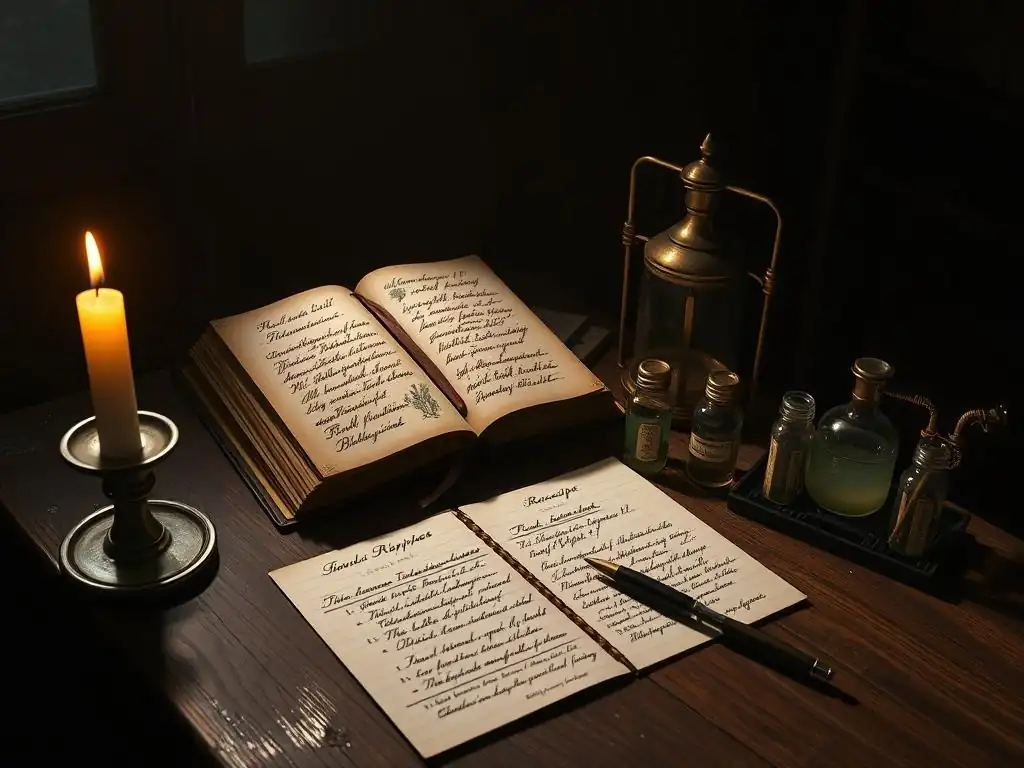
One of the most fruitful avenues for documenting the chemical work of 18th century women lies in the meticulous analysis of surviving recipe books and household manuscripts. These documents, often dismissed as mere culinary or domestic guides, frequently contain detailed instructions for a wide range of chemical processes.
Researchers carefully transcribe and interpret these "recipes," looking for precise measurements, descriptions of chemical reactions (e.g., "when it turns cloudy" or "until it precipitates"), and the use of specific chemical reagents. For instance, a recipe for making "rose water" might detail distillation techniques, while one for "preserving fruit" could reveal an understanding of osmotic pressure or fermentation inhibition.
These manuscripts, often passed down through generations, provide invaluable glimpses into the practical chemical knowledge and experimentation occurring outside formal scientific institutions. They reveal not only the specific chemical preparations but also the underlying principles understood by their female authors, such as the importance of temperature control, the role of acidity, or the properties of different solvents. Cataloging and digitizing these scattered documents, which number in the tens of thousands across various archives, is crucial for building a comprehensive picture of 18th century women's chemistry.
Examining Historical Records: Apothecary Lists, Estate Inventories, and Letters
Beyond recipe books, a wealth of chemical information can be gleaned from other less obvious historical records, such as apothecary lists, estate inventories, and personal letters. Apothecary records, for example, might detail the purchase of specific chemical compounds like mercury, sulfur, or various salts by women, indicating their involvement in medicinal preparations or other chemical endeavors.
Estate inventories, often compiled upon death, can list laboratory equipment, chemical substances, or books on chemistry owned by women, suggesting their active engagement with the field. For instance, an inventory from a gentlewoman's estate in the 1780s might list a still, retorts, crucibles, and various mineral acids, providing tangible evidence of a home laboratory.
Personal letters, while not formal scientific papers, often contain casual mentions of experiments, requests for specific chemical ingredients, or discussions of practical problems that required chemical solutions. These informal communications can provide crucial context and direct evidence of women's intellectual engagement with chemistry. For example, a letter from a woman discussing the effectiveness of a new dye or a method for preserving foodstuffs offers direct insight into her practical chemical application.
Utilizing Modern Chemical Analysis to Recreate Historical Processes: Pigment Analysis in Textile Dyeing
Modern scientific techniques offer a powerful means to reconstruct and validate the chemical processes employed by 18th century women, particularly in fields like textile dyeing. Analytical methods such as High-Performance Liquid Chromatography (HPLC), Mass Spectrometry (MS), and Fourier-Transform Infrared Spectroscopy (FTIR) can be used to identify the specific dyes and mordants present in historical fabrics. By analyzing extant textiles from the period, researchers can determine the exact chemical compounds used by women dyers and then reverse-engineer the historical dyeing processes.
For example, identifying indigo and alum in an 18th-century blue fabric allows researchers to recreate the indigo vat dyeing process, which required precise control of reduction and oxidation reactions. Similarly, the detection of madder and iron mordants indicates a specific chemical interaction used to achieve particular red hues. This interdisciplinary approach, combining historical research with cutting-edge chemical analysis, provides empirical evidence of the sophisticated chemical knowledge and practical skills of 18th century women in chemistry, moving beyond mere speculation to tangible scientific reconstruction.
Case Studies: Illuminating Specific Examples of 18th Century Women in Chemistry
Marie Anne Paulze Lavoisier: A Partner in the Chemical Revolution
Marie Anne Paulze Lavoisier (1758–1836) stands as a pivotal, though often underappreciated, figure in the Chemical Revolution of the late 18th century. As the wife and indispensable collaborator of Antoine Lavoisier, she was far more than a mere assistant; she was an active participant in his groundbreaking experiments that laid the foundations of modern chemistry.
Fluent in English, she translated critical scientific texts, most notably Richard Kirwan's Essay on Phlogiston (1787), which was instrumental in helping her husband refute the phlogiston theory. Her translations allowed Lavoisier and his French colleagues to engage directly with the cutting-edge chemical thought emerging from Britain.
Beyond translation, Madame Lavoisier was a talented artist and illustrator. Her precise and detailed drawings of the laboratory apparatus and experimental setups used by Lavoisier are invaluable historical records, providing clear visual documentation of the methods and instruments employed during this transformative period in chemistry. She meticulously maintained laboratory notebooks, ensuring the accurate recording of experimental data, and actively participated in the experiments, often hosting prominent scientists in their home laboratory. Her intellectual contributions and practical involvement were crucial to the success and dissemination of the "new chemistry."
Jane Marcet: Popularizing Chemistry Through Conversational Textbooks
Jane Marcet (1769–1858), though publishing her most famous work slightly into the 19th century, drew heavily on 18th-century chemical knowledge and played a crucial role in popularizing chemistry for a broad audience, including women. Her seminal work, Conversations on Chemistry, published anonymously in 1806 but reflecting years of engagement with chemical principles, became an immediate bestseller and remained a standard textbook for decades. The book adopted an engaging conversational format, presenting complex chemical concepts through dialogues between a knowledgeable tutor (Mrs. B) and two curious pupils (Caroline and Emily).
Marcet's work meticulously explained fundamental chemical principles, such as the composition of air, the nature of acids and bases, and the processes of combustion and oxidation, all within an accessible framework. She described experiments in detail, allowing readers to replicate them at home. The success of Conversations on Chemistry demonstrated a significant public appetite for scientific education and proved that complex subjects like chemistry could be made comprehensible and engaging for non-specialists, including the many 18th century women who sought to expand their intellectual horizons.
Elizabeth Fulhame: Pioneering Work in Photochemistry and Reduction
Elizabeth Fulhame (fl. 1794), an English chemist, made significant contributions to the understanding of reduction reactions and the nascent field of photochemistry in the late 18th century. In 1794, she published An Essay on the Propagation of the Combustion of the Atmosphere, a remarkable treatise that detailed her extensive experiments on the reduction of metallic salts by light and other agents. Her work explored how various substances, such as hydrogen, phosphorus, and even light, could reduce metallic compounds in aqueous solutions to their pure metallic form.
Fulhame's research was particularly groundbreaking for its focus on water as an essential component in these reduction processes, a concept that challenged prevailing theories of the time. She observed that when metallic salts like gold, silver, or platinum were exposed to light or certain organic materials in the presence of water, they would precipitate as pure metals.
This detailed exploration of chemical reduction laid foundational groundwork for understanding photography and catalysis, areas that would flourish in the 19th century. Her work clearly positions her as a significant figure among 18th century women in chemistry, whose contributions were recognized by some prominent male scientists of her era, such as Benjamin Thompson (Count Rumford).
Preserving and Sharing the Discoveries: Making 18th Century Women's Chemistry Accessible
Creating Digital Archives of Recovered Recipes and Experiments
To truly make the chemical work of 18th century women accessible, the creation of comprehensive digital archives of recovered recipes and experiments is paramount. Many thousands of handwritten recipe books, household manuals, and personal letters from the 18th century are scattered across various libraries, archives, and private collections worldwide.
Digitizing these fragile documents, making them searchable, and transcribing their contents allows researchers and the public alike to access this invaluable primary source material from anywhere in the world. Projects like "The Eighteenth Century Commonplace Book" or initiatives by major libraries to digitize their manuscript collections are slowly bringing these hidden chemical insights to light.
These digital repositories can include not only the original images of the manuscripts but also annotated transcriptions, allowing for the systematic analysis of chemical terminology, ingredients, and processes used by 18th century women. Such archives facilitate comparative studies, enabling scholars to identify patterns, regional variations, and the evolution of chemical practices over time. This concerted effort to preserve and make accessible the physical evidence of 18th century women's chemistry is a vital step in integrating their contributions into the broader history of science.
Educational Initiatives: Integrating Women's History in Chemistry Curricula
Integrating the history of 18th century women in chemistry into formal educational curricula is essential for ensuring that their contributions are no longer overlooked. From high school chemistry classes to university-level history of science courses, educators can incorporate specific examples of female chemical pioneers and their work. This could involve discussing Marie Anne Paulze Lavoisier's role in the Chemical Revolution, exploring the practical chemical knowledge embedded in Jane Marcet's Conversations on Chemistry, or highlighting Elizabeth Fulhame's pioneering work in reduction reactions.
Beyond individual biographies, curricula can explore the broader context of 18th century women's engagement with chemistry through domestic practices, early industrial roles, and medicinal preparations. By presenting chemistry not just as a series of abstract theories but as a field deeply intertwined with everyday life and accessible to diverse practitioners, educators can inspire a wider range of students, particularly young women, to pursue scientific careers. This reframing of chemical history helps to correct historical inaccuracies and promotes a more inclusive understanding of scientific development.
The Importance of Public Engagement: Sharing Stories of Female Chemical Pioneers
Public engagement plays a critical role in bringing the stories of 18th century women in chemistry to a wider audience beyond academia. Websites like WomenInScienceHistory.com, museum exhibits, public lectures, and popular science articles are crucial platforms for sharing these compelling narratives. By presenting the practical ingenuity, intellectual curiosity, and challenges faced by these women, public engagement initiatives can make history resonate with contemporary audiences. For instance, an exhibit might recreate an 18th-century home laboratory, demonstrating the processes of distillation or dyeing, and highlighting the women who performed these chemical tasks.
Furthermore, documentaries, podcasts, and social media campaigns can effectively disseminate these stories, reaching millions and fostering a broader appreciation for the diverse origins of scientific knowledge. By making the contributions of 18th century women in chemistry relatable and inspiring, public engagement fosters a greater awareness of the often-hidden figures who shaped our understanding of the chemical world. This collective effort ensures that their legacy is not confined to academic journals but becomes a shared part of our cultural and scientific heritage.
The Significance of Recognizing 18th Century Women in Chemistry: A Call to Action
Inspiring Future Generations of Female Scientists
Recognizing and celebrating the chemical work of 18th century women holds profound significance for inspiring future generations of female scientists. By shining a light on the ingenuity, perseverance, and intellectual prowess of figures like Marie Anne Paulze Lavoisier, Jane Marcet, and Elizabeth Fulhame, we provide powerful role models that demonstrate that scientific curiosity and capability have always transcended gender. These historical figures, who navigated significant societal barriers to engage with complex chemical principles, offer tangible proof that women have always been integral to scientific advancement.
In an era where efforts are still underway to increase female representation in STEM fields, highlighting these historical precedents can be incredibly empowering. Knowing that 18th century women were actively experimenting, theorizing, and contributing to chemical knowledge, even without formal recognition, can motivate young girls and women today to pursue their scientific passions, reminding them that they are part of a long and rich lineage of female innovators in chemistry and beyond.
Correcting Historical Narratives: Acknowledging the Breadth of Scientific Contributions
The deliberate effort to document the chemical work of 18th century women is fundamental to correcting and enriching historical narratives. For too long, the history of science, particularly chemistry, has been presented as a linear progression driven almost exclusively by male figures in formal institutions.
This narrow perspective not only omits vital contributions but also distorts our understanding of how scientific knowledge was actually generated, disseminated, and applied across society. By integrating the stories of 18th century women in chemistry, we acknowledge the breadth of scientific contributions, recognizing that significant advancements often emerged from diverse contexts, including the home, the workshop, and informal intellectual networks.
This more inclusive historical account reveals that practical chemical knowledge was widespread and deeply integrated into daily life, often driven by women's roles in household management, health, and artisanal production. Acknowledging their sophisticated understanding of chemical processes—from soap making to textile dyeing—presents a far more nuanced and accurate picture of scientific development during this transformative period, emphasizing the pervasive nature of chemical inquiry.
Further Research: Opportunities to Expand Our Understanding of Women's Roles in 18th Century Chemistry
The ongoing work to uncover the contributions of 18th century women in chemistry is by no means complete; it represents a vibrant and expanding field of research. There remain countless unexamined recipe books, personal letters, estate inventories, and other archival documents that likely hold further clues about women's chemical endeavors. Future research opportunities abound, including regional studies that focus on specific industries or communities where women were particularly active in chemical processes, such as glassmaking, pottery, or specific agricultural chemistry.
Moreover, interdisciplinary approaches, combining historical scholarship with modern scientific analysis (e.g., archaeometry on historical pigments or medicinal residues), offer exciting avenues for reconstructing and validating historical chemical practices. Expanding our understanding of 18th century women's roles in chemistry is not just about adding names to a list; it is about fundamentally re-evaluating the origins and evolution of scientific knowledge, ensuring that the full spectrum of human ingenuity is recognized and celebrated. This ongoing exploration promises to further enrich our collective scientific heritage.
Frequently Asked Questions
How prevalent was the involvement of 18th-century women in chemistry, despite being largely undocumented?
Many 18th-century women were actively involved in chemistry, often through domestic practices like cooking and medicine. However, their contributions were rarely formally documented or recognized due to social barriers and a lack of formal education opportunities.
What types of chemical activities were 18th-century women primarily involved in?
They were commonly involved in practical applications of chemistry, such as pharmaceutical preparations, dyeing textiles, and food preservation techniques. These skills were frequently passed down through families and applied in household management.
What were some of the key challenges faced by women pursuing chemistry in the 18th century?
Women faced significant challenges, including limited access to education, exclusion from scientific societies, and social expectations that relegated them to domestic roles. Their work was often attributed to male family members.
How does "WomenInScienceHistory.com" aim to address the historical lack of recognition for 18th-century women in chemistry?
The website aims to highlight the overlooked contributions of these women by providing biographies, discussing their work, and exploring the barriers they faced. It seeks to inspire future generations and promote a more inclusive understanding of scientific history.
What is the significance of understanding the chemical work of 18th-century women in the broader context of scientific history?
Recognizing their contributions helps provide a more complete and accurate picture of scientific development. It also challenges the traditional narrative of science as a solely male domain and acknowledges the diverse range of individuals who contributed to its progress.
The journey through forgotten recipes and chemical experiments of 18th-century women reveals a powerful truth: scientific contributions are not solely defined by formal recognition, but also by the dedication and ingenuity of those who dared to explore the world around them. These women, often relegated to the domestic sphere, were actively engaging with chemistry, leaving behind a legacy that deserves to be acknowledged and celebrated.
This exploration into their work has profoundly impacted my understanding of historical narratives, revealing the urgent need to challenge conventional histories and actively seek out marginalized voices. Their stories, once obscured, now resonate with a powerful message of resilience and intellectual curiosity. The most effective way to do it, is to do it.
- Amelia Earhart. This quote encapsulates the spirit of these women, who, despite societal limitations, pursued their scientific passions with unwavering determination.
Let us not allow these stories to fade back into obscurity. Consider how you can contribute to a more inclusive understanding of history. Explore the untold narratives around you, champion the voices that have been silenced, and remember that every individual, regardless of their background, has the potential to leave an indelible mark on the world. Let's continue to unearth these hidden legacies and inspire future generations to embrace the power of curiosity and innovation.
Unearth History: Become a Chemical Archivist!
Thank you for exploring the fascinating world of 18th-century women's chemical work! Now, let's bring their stories to light and ensure their contributions are never forgotten. Here’s how you can get involved:
- Commit to transcribing at least one page from a digitized 18th-century recipe book. Every effort helps unlock vital information!
- Delve deeper: Research a specific woman mentioned and share your findings on our forum to connect with fellow enthusiasts.
- Spread the word! Recommend a newly discovered recipe from the era (with proper attribution) to your favorite food blogger or historical recreation group.
What previously unknown piece of chemical knowledge will you help us uncover and share with the world?