
The Quiet Revolutionary: How One Woman Chemist Subtly Changed Her Field Forever

Welcome to WomenInScienceHistory.com!
Delve into a world where brilliant minds defied expectations and shattered glass ceilings. Here, we illuminate the extraordinary contributions of women who shaped the scientific landscape. Ever wondered about the profound ripples caused by seemingly quiet revolutions? This week, we explore Marie Curie’s impact on chemistry, uncovering the groundbreaking discoveries and persistent spirit that forever altered the field. Prepare to be inspired by a legacy that continues to resonate today... what secrets will her story reveal?
- The Quiet Revolutionary: How Dorothy Hodgkin Subtly Changed Her Field Forever
- Introduction: Dorothy Hodgkin - A Pioneer in X-ray Crystallography
- Dorothy Hodgkin's Groundbreaking Work and its Impact
- Overcoming Obstacles: Challenges Faced by Women in Chemistry
- Dorothy Hodgkin's Lasting Legacy: Inspiring Future Generations
- Analyzing Dorothy Hodgkin's Contributions in the Context of Marie Curie's Impact on Chemistry
- Conclusion: Celebrating the Quiet Revolution of Dorothy Hodgkin
-
Frequently Asked Questions
- What was Marie Curie’s most significant contribution to chemistry?
- How did Marie Curie’s research impact the field beyond her direct discoveries?
- What were some of the major challenges Marie Curie faced as a woman in science?
- How did Marie Curie's work change the perception of women in STEM fields?
- What is the lasting legacy of Marie Curie’s impact on chemistry and beyond?
- Final Reflection: Echoes of Quiet Brilliance
- Ignite Your Inner Chemist: Discover, Connect, Inspire!
The Quiet Revolutionary: How Dorothy Hodgkin Subtly Changed Her Field Forever
Introduction: Dorothy Hodgkin - A Pioneer in X-ray Crystallography
Setting the Stage: The Landscape of Chemistry in the Mid-20th Century
In the mid-20th century, the field of chemistry was undergoing a profound transformation. While chemists had long excelled at synthesizing new compounds and analyzing their elemental composition, the precise, three-dimensional arrangement of atoms within complex molecules remained largely a mystery. Techniques like spectroscopy provided clues, but a definitive method for visualizing molecular structures at an atomic level was still in its nascent stages. This period saw a growing recognition that understanding a molecule's function, especially in biological systems, was intrinsically linked to its exact spatial configuration.
The challenge was particularly acute for large organic and biological molecules like proteins and vitamins, which defied traditional chemical analysis due to their sheer size and intricate folding. The ability to "see" these structures was critical for advancing biochemistry, pharmacology, and medicine. This quest for structural elucidation set the stage for a new era in chemistry, one that would be fundamentally shaped by the revolutionary power of X-ray diffraction and the brilliant mind of a quiet revolutionary.
Introducing Dorothy Hodgkin and Her Early Life
Dorothy Crowfoot Hodgkin, born in Cairo in 1910, developed an early fascination with crystals and geology, sparked by her parents' archaeological work. This foundational interest steered her towards chemistry and, more specifically, the burgeoning field of X-ray crystallography. She pursued her education at Somerville College, Oxford, and later at the University of Cambridge, where she worked with the pioneering crystallographer J.D. Bernal. Under Bernal's tutelage, Hodgkin was immersed in the experimental techniques of X-ray diffraction, learning to interpret the complex patterns produced when X-rays passed through crystalline substances.
Her early life was characterized by an insatiable curiosity and a meticulous approach to scientific inquiry. Despite the prevailing societal norms that often steered women away from rigorous scientific careers, Hodgkin was driven by an unwavering dedication to unraveling the secrets of molecular structure. Her training in the 1930s provided her with the theoretical knowledge and practical skills that would become the bedrock of her extraordinary career, positioning her at the forefront of a discipline poised to redefine chemistry.
Dorothy Hodgkin's Groundbreaking Work and its Impact
Dorothy Hodgkin's Research on Penicillin, Insulin, and Vitamin B12
Dorothy Hodgkin's career was marked by a series of monumental achievements in determining the structures of complex biological molecules, each pushing the boundaries of X-ray crystallography. Her first major success came during World War II with penicillin. In 1945, after years of painstaking work, her team successfully elucidated the complete structure of penicillin, a feat crucial for its synthetic production and understanding its antibacterial mechanism. This discovery was vital for mass-producing the antibiotic that saved countless lives.
A decade later, in 1955, Hodgkin achieved another spectacular breakthrough by determining the structure of vitamin B12. This was an immense undertaking, as B12 was the most complex non-protein molecule whose structure had ever been determined, involving over 180 atoms. The project took nearly eight years and required the nascent use of computers for complex calculations, demonstrating her foresight and collaborative spirit.
Finally, after a quest spanning over three decades, Hodgkin and her team solved the structure of insulin in 1969. This was a personal and scientific triumph, providing the first detailed atomic map of a protein hormone, a discovery that fundamentally changed the understanding of diabetes and protein function.
The Scientific Significance of Her Discoveries: Beyond Initial Observations
The scientific significance of Hodgkin's structural determinations extended far beyond mere observations; they provided fundamental insights that revolutionized various scientific disciplines. Her work on penicillin, for instance, not only confirmed its chemical structure but also revealed the unique beta-lactam ring, which was key to its antibacterial activity. This understanding paved the way for the development of synthetic penicillins and other antibiotics, allowing for tailored drug design.
The structure of vitamin B12 was equally impactful. It revealed the molecule's intricate coordination chemistry, particularly the central cobalt atom, offering critical insights into how enzymes function and how such a complex molecule could be synthesized biologically. For insulin, her structural model provided the blueprint for understanding how the hormone interacts with receptors and for developing improved insulin therapies. These discoveries transformed chemistry from a field of analysis and synthesis into one that could precisely visualize the molecular machinery of life, bridging the gap between chemistry, biology, and medicine.
How Her Research Differs from and Extends Marie Curie’s Impact on Chemistry
While both Dorothy Hodgkin and Marie Curie were Nobel laureates who profoundly influenced chemistry, their contributions operated on different, albeit complementary, frontiers. Marie Curie’s impact on chemistry was foundational, centered on the discovery of new radioactive elements, polonium and radium, and the pioneering establishment of the field of radiochemistry. Her work elucidated the inherent properties of matter at the atomic level, revealing the astonishing phenomenon of radioactivity and its applications in medicine and energy. Curie's focus was on elemental composition and the transformative power of the atom itself.
Dorothy Hodgkin's research, by contrast, focused on determining the precise, three-dimensional arrangement of atoms within incredibly complex organic and biological molecules. While Curie identified the basic building blocks and their energetic emissions, Hodgkin mapped out the intricate blueprints of life's essential molecules.
Her work extended the scope of chemistry from understanding atomic properties to visualizing molecular architecture, thereby providing direct, atomic-level insights into biological function. In essence, while Marie Curie’s impact on chemistry opened up the world of atomic transformation, Hodgkin's work built upon foundational chemical principles to reveal the structural secrets that govern life itself, paving the way for modern structural biology and drug design.
Overcoming Obstacles: Challenges Faced by Women in Chemistry
Dorothy Hodgkin conducted her groundbreaking research in an era where science, particularly at its higher echelons, remained overwhelmingly male-dominated. Throughout the mid-20th century, women in academic and research roles faced significant systemic barriers, including limited opportunities for advancement, fewer senior positions, and often, an unspoken skepticism regarding their intellectual capabilities. Hodgkin, though recognized for her brilliance, was not immune to these challenges. She often found herself one of the very few, if not the only, woman in scientific conferences and committees.
Her approach to navigating this landscape was often characterized by quiet perseverance and an unwavering focus on her scientific work. Rather than overtly confronting the established patriarchal structures, Hodgkin let the undeniable quality and significance of her research speak for itself. Her meticulous and rigorous scientific output gradually dismantled prejudices, proving that intellectual merit transcends gender. This quiet persistence allowed her to build a highly respected career and a productive research group, demonstrating that excellence was the most potent tool against discrimination.
Securing Funding and Recognition for Her Research
The field of X-ray crystallography, especially in its early stages and for complex molecules, was incredibly resource-intensive, requiring specialized equipment, significant computational power (even if rudimentary by today's standards), and a large, dedicated team. Securing consistent and adequate funding for such ambitious, long-term projects was a continuous challenge for Hodgkin. Despite the immense scientific potential of her work, the prevailing biases sometimes made it harder for women scientists to secure the same level of institutional support and grants as their male counterparts.
Furthermore, recognition, particularly in the form of prestigious appointments or leadership roles, often came slower for women. While her Nobel Prize in 1964 cemented her global recognition, it followed decades of diligent, often unsung, work. Hodgkin's dedication to her research, even when faced with financial constraints or delayed accolades, underscored her profound commitment to scientific discovery. She relied on a network of collaborators and the sheer weight of her scientific achievements to gradually secure the necessary resources and deserved recognition.
The Subtle Forms of Discrimination and How She Addressed Them
Beyond overt barriers, Dorothy Hodgkin also faced more subtle forms of discrimination, common for women in science during her time. These often manifested as being overlooked for key opportunities, having her contributions less prominently highlighted, or facing assumptions about her commitment due to her family responsibilities (she had three children). Unlike some contemporaries who might have chosen direct confrontation, Hodgkin's response was largely through her unwavering dedication to her research and her profound intellectual output.
Her strategy was to produce science of such undeniable quality and impact that it transcended any underlying biases. By focusing on the scientific questions with meticulous rigor and exceptional insight, she built an unassailable record of achievement. Moreover, she addressed systemic issues by example and through mentorship. She cultivated a supportive and collaborative laboratory environment where talent was nurtured regardless of gender, quietly empowering generations of scientists, including many women, to pursue their passions in chemistry and structural biology. Her quiet strength and intellectual prowess became her most effective tools against the subtle societal pressures she faced.
Dorothy Hodgkin's Lasting Legacy: Inspiring Future Generations
Her Influence on Subsequent Research in X-ray Crystallography and Structural Biology
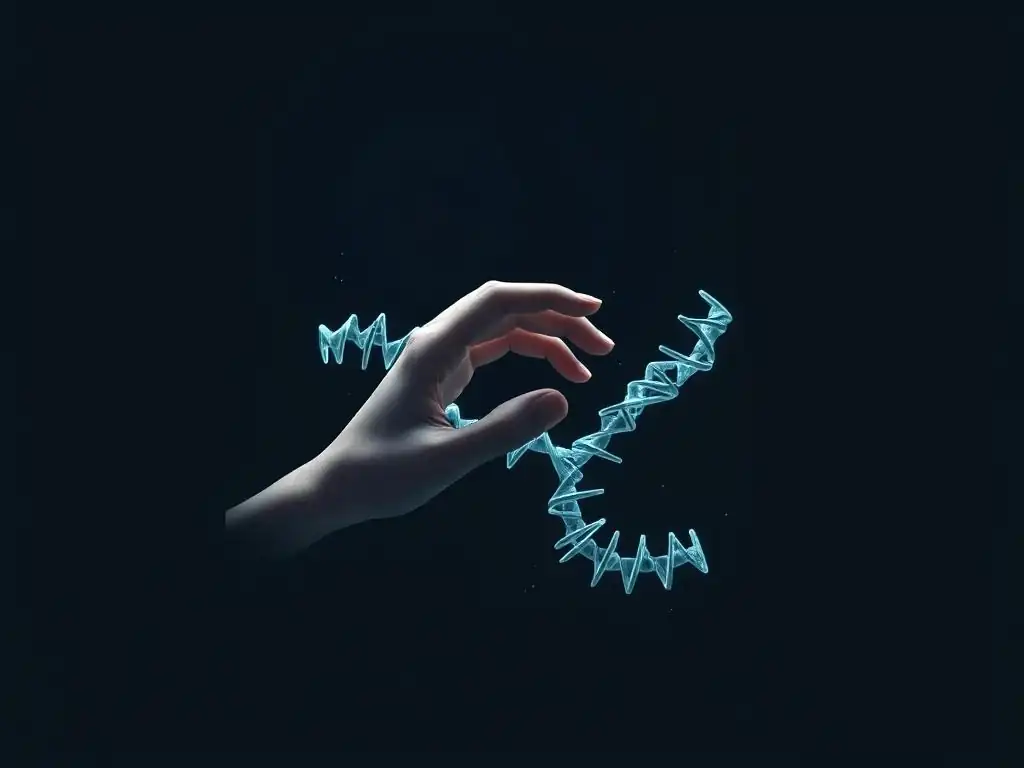
Dorothy Hodgkin's pioneering work laid the absolute foundation for the modern fields of X-ray crystallography and structural biology. Her successful determination of complex biological molecules like penicillin, vitamin B12, and insulin provided irrefutable proof of the power of the technique. Her methods, meticulous data analysis, and innovative approaches to solving increasingly complex structures became benchmarks for subsequent research. The techniques she refined and the principles she demonstrated were directly instrumental in the explosion of structural biology in the latter half of the 20th century.
Her work on insulin, in particular, opened the door to understanding protein structure at an atomic level, a crucial step for developing rational drug design and genetic engineering. The ability to visualize these molecules allowed scientists to understand their function, interactions, and how they could be modified for therapeutic purposes. Today, every new drug developed and every protein studied owes a debt to the foundational work of Hodgkin, whose insights continue to guide research in pharmaceutical sciences, biochemistry, and molecular medicine.
Mentoring and Supporting Emerging Scientists, Especially Women
Beyond her direct scientific contributions, Dorothy Hodgkin was renowned for her nurturing and collaborative approach to mentorship. Her laboratory at Oxford was a vibrant hub where students and researchers from diverse backgrounds were encouraged to thrive. She was known for her patience, intellectual generosity, and unwavering support for her mentees, fostering an environment where challenging problems could be tackled collectively. Many of her students went on to become prominent scientists in their own right, carrying forward her legacy of rigorous scientific inquiry.
Crucially, Hodgkin was a powerful, albeit quiet, advocate for women in science. As a leading female scientist in an era when such roles were rare, she served as an inspiring role model. She actively encouraged young women to pursue careers in chemistry and related fields, demonstrating through her own life that it was possible to achieve extraordinary scientific success while also balancing a family life. Her personal example and the supportive atmosphere of her lab played a significant role in empowering a new generation of female scientists, many of whom faced similar challenges in their nascent careers.
Dorothy Hodgkin's Awards, Recognitions, and Publications
Dorothy Hodgkin's groundbreaking achievements garnered her numerous prestigious awards and recognitions throughout her career. The pinnacle of these was the Nobel Prize in Chemistry in 1964, awarded "for her determinations by X-ray techniques of the structures of important biochemical substances." She was only the third woman, after Marie Curie and Irène Joliot-Curie, to receive the Nobel Prize in Chemistry, a testament to the monumental impact of her work. This award placed her firmly among the scientific elite.
In 1965, she was appointed to the Order of Merit by Queen Elizabeth II, a rare honor bestowed for exceptionally meritorious service in the armed forces or for conspicuous distinction in arts, learning, literature, or science. At the time, she was the only woman to hold this distinction. Hodgkin also received numerous honorary degrees from universities worldwide and was a fellow of the Royal Society. Her extensive publication record, comprising meticulous scientific papers detailing her structural determinations, served as a comprehensive record of her intellectual legacy and continues to be referenced by scientists globally.
Analyzing Dorothy Hodgkin's Contributions in the Context of Marie Curie's Impact on Chemistry
A Comparative Look at the Challenges Faced by Both Scientists
Both Marie Curie and Dorothy Hodgkin navigated scientific landscapes rife with gender bias, albeit in different historical contexts. Marie Curie, working at the turn of the 20th century, faced overt and institutionalized discrimination. She struggled for recognition in academia, was initially denied membership in the French Academy of Sciences, and often conducted her groundbreaking work in rudimentary, physically demanding conditions. Her Polish heritage also presented additional hurdles in Parisian scientific circles. Despite these formidable obstacles, her dual Nobel Prizes and her pioneering spirit fundamentally broke down barriers for women in science.
Dorothy Hodgkin, operating in the mid- to late-20th century, experienced a more subtle, yet persistent, form of discrimination. While outright exclusion was less common, women still contended with difficulties in securing senior academic positions, adequate funding, and equal professional esteem. Hodgkin also balanced a demanding research career with family life, a challenge often disproportionately borne by women. Both women, however, shared an indomitable spirit and an unwavering commitment to scientific truth, relying on the undeniable power of their discoveries to overcome societal and institutional resistance.
The Evolving Role of Women in Chemistry: From Curie to Hodgkin and Beyond
Marie Curie’s impact on chemistry was pivotal in demonstrating that women could conduct groundbreaking, independent experimental research and make profound discoveries that reshaped entire scientific disciplines. Her work on radioactivity not only opened up new fields but also served as a powerful symbol of women's intellectual capabilities in rigorous scientific inquiry. She fundamentally altered the perception of what a woman scientist could achieve, setting a precedent that inspired generations.
Dorothy Hodgkin built upon this foundational shift. While Curie pioneered new experimental domains, Hodgkin demonstrated women's capacity to lead complex, long-term, and computationally intensive structural chemistry projects, pushing the boundaries of an entirely new sub-discipline: structural biology. Her work showcased how women could excel in highly collaborative, technically sophisticated research environments, moving beyond individual discovery to orchestrate large-scale scientific endeavors. The progression from Curie's elemental discoveries to Hodgkin's molecular architecture reflects not only the evolution of chemistry itself but also the expanding and increasingly central role of women within it.
Dorothy Hodgkin's Unique Contribution to the Broader Chemical Field
Unlike Marie Curie’s impact on chemistry, which was primarily in defining radioactivity and discovering new elements, Dorothy Hodgkin's unique contribution was in revolutionizing our understanding of molecular architecture. She provided the first atomic-level blueprints for complex biological molecules, effectively bridging the gap between traditional chemistry and the emerging fields of biology and medicine. Before Hodgkin, scientists could synthesize and analyze molecules, but they could not "see" their precise three-dimensional shapes, which are crucial for biological function.
Her work established X-ray crystallography as the premier tool for structural elucidation, transforming chemistry from a field largely concerned with synthesis and elemental properties to one that could precisely visualize the intricate machinery of life. This structural insight was critical for the development of modern pharmacology, genetic engineering, and biotechnology. By unveiling the hidden geometries of penicillin, vitamin B12, and insulin, Hodgkin's work fundamentally reshaped our understanding of disease, drug action, and biological processes, setting a new paradigm for chemical and biological research that continues to drive innovation today.
Conclusion: Celebrating the Quiet Revolution of Dorothy Hodgkin
Reiterating Her Profound Influence on Chemistry
Dorothy Hodgkin's life work represents a quiet yet profound revolution in chemistry. Through her pioneering application of X-ray crystallography, she unlocked the intricate, three-dimensional structures of some of the most vital biological molecules known to science: penicillin, vitamin B12, and insulin. These achievements were not merely academic curiosities; they provided the fundamental insights necessary for the development of life-saving antibiotics, understanding complex metabolic processes, and revolutionizing diabetes treatment.
Her meticulous approach and unwavering dedication transformed the landscape of chemical and biological research, establishing structural biology as a cornerstone of modern science. Her influence continues to resonate in every laboratory engaged in drug discovery, protein engineering, and molecular medicine.
Her Enduring Inspiration for Aspiring Scientists
Beyond her monumental scientific discoveries, Dorothy Hodgkin remains an enduring source of inspiration for aspiring scientists, particularly women. Her career serves as a powerful testament to the impact of perseverance, intellectual rigor, and quiet determination in the face of significant challenges. Despite the subtle biases and limitations she encountered as a woman in a male-dominated field, she never wavered from her scientific quest.
Her ability to balance a demanding research career with a family life, while maintaining a collaborative and nurturing laboratory environment, offers a remarkable example of resilience and dedication. Hodgkin's legacy inspires future generations to pursue their scientific passions with integrity and an unwavering commitment to discovery, regardless of the obstacles they may face.
Remembering the Unsung Heroes of Women in Science History
Dorothy Hodgkin's story is a vital chapter in the broader narrative of women in science history—a narrative often overlooked or underrepresented. Like many other brilliant female scientists, her contributions were groundbreaking but sometimes overshadowed by the prevailing norms of her time. From the foundational work of Marie Curie’s impact on chemistry to Hodgkin's revolutionary insights into molecular architecture, women have consistently pushed the boundaries of human knowledge across all scientific disciplines.
Remembering and celebrating these unsung heroes is crucial not only to give them their rightful place in history but also to inspire a more inclusive future for science. Their stories remind us that scientific genius knows no gender, and that recognizing diverse contributions enriches our collective understanding of the world.
Frequently Asked Questions
What was Marie Curie’s most significant contribution to chemistry?
Marie Curie’s most significant contribution was her work on radioactivity. She discovered two new elements, polonium and radium, and developed techniques for isolating radioactive isotopes.
How did Marie Curie’s research impact the field beyond her direct discoveries?
Her work established the field of nuclear chemistry and radiochemistry. It paved the way for future advancements in medical treatments, such as radiation therapy for cancer.
What were some of the major challenges Marie Curie faced as a woman in science?
She faced gender discrimination and lack of recognition in a male-dominated field. Securing funding and laboratory space was significantly more difficult for her than for her male counterparts.
How did Marie Curie's work change the perception of women in STEM fields?
Marie Curie’s achievements served as a powerful role model for women. She demonstrated the intellectual capabilities and contributions women could make to science.
What is the lasting legacy of Marie Curie’s impact on chemistry and beyond?
Her legacy includes not only her scientific discoveries but also her perseverance and dedication. She inspired countless scientists and helped to break down barriers for women in STEM.
Final Reflection: Echoes of Quiet Brilliance
The story of this unsung chemist, though seemingly confined to the laboratory, resonates powerfully today, reminding us that profound change often emerges from quiet dedication and unwavering pursuit of knowledge. Her subtle yet significant contributions, much like Marie Curie's groundbreaking work, have quietly reshaped the landscape of chemistry, proving that revolutionary impact doesn't always require grand pronouncements.
The influence of her work, and the spirit of quiet determination she embodied, continues to inspire a new generation of scientists, particularly women, to challenge established norms and pursue their passions with unwavering focus. This legacy of subtle revolution is a powerful reminder that true progress often lies in the accumulation of small, persistent efforts. Never be afraid of what you are going to do, and never let anyone tell you that you can't do it.
- Marie Curie
As we reflect on the quiet revolution sparked by this remarkable woman, and the enduring impact of figures like Marie Curie, let us all embrace the power of subtle influence and unwavering dedication in our own lives. May we all strive to make our own quiet, yet profound, contributions to the world, leaving behind a legacy of positive change that echoes for generations to come.
Ignite Your Inner Chemist: Discover, Connect, Inspire!
Thank you for diving into the story of this remarkable woman and the quiet revolution she sparked. You've unlocked insights into her journey and the impact she had on the field of chemistry. Now, it's your turn to contribute and carry her legacy forward.
Here are a few ways you can take action:
- Dive deeper into the world of chemistry by exploring the biographies of other groundbreaking women scientists. You might just find your own inspiration!
- Share this article with your friends, family, and social networks to amplify the voices of women in science history and encourage a more inclusive STEM community.
- Surprise yourself and try a simple at-home chemistry experiment! You might uncover a hidden passion or gain a newfound appreciation for the science all around us.
What small action will you take today to honor the legacy of women in science and inspire the next generation of innovators?