
Petticoats and Pipettes: The Hidden Women of 19th Century Organic Chemistry Breakthroughs


Welcome to WomenInScienceHistory.com, where we unearth the remarkable stories of women who shaped the scientific world! Did you know that the 19th century, despite its societal constraints, saw a surge of brilliant women making groundbreaking contributions to organic chemistry? Prepare to be amazed as we delve into the lives and achievements of these forgotten pioneers – women who wielded both petticoats and pipettes – and discover the hidden history of 19th Century female organic chemists. Their stories are waiting to be told...
- Introduction: Unveiling the Forgotten Female Pioneers of Organic Chemistry
- The Societal Context: Barriers Faced by Women in 19th Century Science
- Prominent 19th Century Female Organic Chemists: Profiles in Perseverance
- Specific Organic Chemistry Contributions by 19th Century Women
- The Importance of Recognizing 19th Century Women in Organic Chemistry
- Resources for Further Exploration: Delving Deeper into the History of Women in Organic Chemistry
- Conclusion: Celebrating the Enduring Legacy of 19th Century Female Organic Chemists
-
Frequently Asked Questions
- What were some of the major challenges faced by 19th-century female organic chemists?
- Why are the achievements of 19th-century female organic chemists often overlooked?
- Can you provide an example of a groundbreaking discovery made by a 19th-century female organic chemist?
- How did the social and cultural norms of the 19th century impact the careers of female organic chemists?
- Where can I find more information about the lives and work of 19th-century female organic chemists?
- Final Reflection: Unearthing Forgotten Legacies
- Unveil Your Inner Scientist: Continue the Exploration!
Introduction: Unveiling the Forgotten Female Pioneers of Organic Chemistry
Acknowledging the Overlooked Contributions of Women in 19th Century Science
The annals of science history often present a narrative dominated by male figures, particularly when discussing groundbreaking advancements in fields like organic chemistry during the 19th century. However, beneath the surface of official recognition and institutional accolades, a cadre of intelligent and determined women quietly, yet significantly, contributed to the burgeoning scientific landscape. These women, often denied formal education and professional opportunities, found ingenious ways to pursue their scientific curiosities, laying foundational work that has frequently gone unacknowledged.
Their contributions, though sometimes indirect or uncredited, were vital to the era's scientific progress. From popularizing complex chemical concepts to conducting meticulous experimental work in domestic settings, these hidden figures challenged the prevailing societal norms that sought to confine them to the domestic sphere. Acknowledging their efforts is crucial to building a more complete and accurate understanding of scientific heritage.
The Persistent Gender Imbalance in the History of Organic Chemistry
The historical record of organic chemistry, like many scientific disciplines, suffers from a persistent gender imbalance. Textbooks and curricula traditionally highlight the achievements of prominent male chemists, inadvertently perpetuating the myth that women were largely absent or insignificant in this critical period of chemical development. This oversight not only diminishes the actual contributions of 19th Century female organic chemists but also presents a skewed view of how scientific knowledge was generated and disseminated.
This imbalance stems from a confluence of factors, including systemic discrimination, the exclusion of women from academic and professional networks, and the often-informal nature of their scientific pursuits. Consequently, the stories of truly pioneering 19th Century female organic chemists have been marginalized, making it imperative to actively seek out and celebrate their narratives to correct historical inaccuracies.
Why Focus on 19th Century Female Organic Chemists?
The 19th century was a transformative period for organic chemistry, witnessing the development of fundamental theories, new synthetic methods, and a deeper understanding of carbon compounds, which underpin modern life. Focusing on this era allows us to explore the unique challenges and triumphs faced by women who dared to enter a field that was rapidly professionalizing and consolidating its identity. Their experiences shed light on the broader societal restrictions placed upon women, as well as their remarkable resilience in overcoming these barriers.
By specifically examining the lives and work of 19th Century female organic chemists, we can uncover the diverse ways in which women engaged with science – from influential popularizers and educators to meticulous laboratory researchers. Their stories are not merely footnotes but integral chapters in the grand narrative of scientific discovery, deserving of prominent recognition for their perseverance and intellectual prowess.
The Societal Context: Barriers Faced by Women in 19th Century Science
Limited Educational Opportunities for Women in Chemistry
In the 19th century, formal higher education, especially in scientific disciplines like chemistry, was largely inaccessible to women. Universities and colleges were overwhelmingly male-dominated institutions, with many outright refusing admission to female students. Even when women were occasionally permitted to attend lectures, they were often barred from receiving degrees or participating in practical laboratory work, which was fundamental to mastering organic chemistry.
This meant that aspiring 19th Century female organic chemists had to forge unconventional paths to acquire knowledge. Many relied on self-education through books, private tutors, or by assisting male family members who were scientists. For instance, some women learned foundational chemical principles by observing and aiding their fathers or brothers in home laboratories, a testament to their dedication despite the severe limitations placed upon their access to structured learning environments.
Beyond institutional barriers, deeply ingrained social and cultural expectations profoundly hindered women's scientific pursuits. The prevailing ideology of "separate spheres" dictated that women's natural domain was the private, domestic realm, focused on home, family, and morality, while the public sphere of work, politics, and intellectual endeavor belonged to men. A woman engaging in serious scientific study was often seen as unfeminine, eccentric, or even a threat to the established social order.
These societal pressures created a formidable deterrent, making it difficult for women to justify, let alone pursue, a career in chemistry. Public opinion and family expectations often steered women away from demanding intellectual pursuits, reserving such endeavors for men. The few 19th Century female organic chemists who defied these norms demonstrated exceptional courage and conviction in challenging these pervasive cultural expectations.
The Struggle for Recognition in Male-Dominated Scientific Societies
Even if a woman managed to acquire scientific knowledge and conduct original research, gaining recognition for her work within the male-dominated scientific establishment of the 19th century was an immense challenge. Prestigious scientific societies, such as the Royal Society of London or the French Academy of Sciences, were exclusively male and served as crucial gatekeepers for publishing research, networking, and bestowing accolades. Women were explicitly excluded from membership and often from presenting their findings directly.
Consequently, the work of many 19th Century female organic chemists was either published anonymously, under a male pseudonym, or credited to a male colleague or family member who acted as an intermediary. This systemic lack of direct recognition meant that their breakthroughs often entered the scientific discourse without proper attribution, further obscuring their vital contributions and perpetuating the narrative that science was solely a male endeavor.
Prominent 19th Century Female Organic Chemists: Profiles in Perseverance
Jane Marcet: Popularizing Chemistry and Inspiring a Generation
Early Life and Education of Jane Marcet
Jane Marcet, born Jane Haldimand in London in 1769, was a British author whose profound interest in natural philosophy led her to become a significant figure in the popularization of science. Unlike many of her male contemporaries, Marcet did not receive a formal university education in chemistry. Her scientific understanding was cultivated through private lessons, diligent self-study, and attending lectures, including those given by prominent chemist Humphry Davy at the Royal Institution. This informal yet rigorous self-education was a common path for intellectually curious women of her era, who were largely excluded from institutional learning.
Her background as a well-educated woman from a wealthy Swiss merchant family provided her with the resources and leisure to pursue intellectual interests, which she channeled into making complex scientific concepts accessible to a wider audience. Marcet’s dedication to understanding the intricacies of chemical reactions and principles laid the groundwork for her pioneering educational work.
Key Contributions to Organic Chemistry Education by Jane Marcet
Marcet's most enduring legacy is her highly influential book, "Conversations on Chemistry: In Which the Elements of That Science Are Familiarly Explained and Illustrated by Experiments" (1806). This groundbreaking textbook, written in a dialogue format between a knowledgeable tutor (Mrs. B) and two curious pupils (Caroline and Emily), demystified chemistry, including early concepts of organic chemistry, for a broad readership. The book meticulously explained chemical principles, reactions, and the properties of various substances, making complex topics understandable to those without prior scientific background.
"Conversations on Chemistry" was an unprecedented success, going through 16 editions in Britain and numerous American editions, selling tens of thousands of copies throughout the 19th century. Its clear explanations and engaging style inspired countless individuals, notably including a young Michael Faraday, who credited Marcet's book with sparking his initial interest in chemistry. Her work effectively democratized scientific knowledge, particularly for women and children who had limited access to formal scientific instruction.
Overcoming Obstacles: Jane Marcet's Influence Through Writing
In an era when women were largely excluded from direct participation in scientific research and academic institutions, Jane Marcet ingeniously circumvented these obstacles by leveraging her literary talents. She adopted an anonymous publication strategy for her early works, a common practice for female authors to avoid gender bias. Her choice of the conversational format also allowed her to present scientific information in a manner deemed appropriate for female authors, subtly challenging the notion that science was solely a male domain.
Marcet’s influence extended far beyond her direct scientific contributions; she became a powerful advocate for science education for women and the general public. Her accessible writing style and commitment to clarity ensured that fundamental chemical principles, including those relevant to organic compounds, reached a vast audience, thereby fostering a generation more knowledgeable about the world around them. She demonstrated that intellectual influence could be wielded effectively outside the conventional male-dominated scientific establishment.
Mary Engle Pennington: A Trailblazer in Food Chemistry and Refrigeration
The Groundbreaking Research of Mary Engle Pennington
Mary Engle Pennington, born in Nashville, Tennessee, in 1872, stands as a remarkable figure among 19th Century female organic chemists, even though much of her career extended into the early 20th century. She earned her Ph.D. in chemistry from the University of Pennsylvania in 1895, an extraordinary achievement for a woman at the time, especially considering she was initially denied her degree in 1892 due to her gender, receiving only a "certificate of proficiency."
Her doctoral research focused on the chemistry of cryogenics, specifically the freezing points of various solutions, which laid a foundational understanding for her later work in refrigeration.
Pennington's early career involved analytical chemistry and bacteriology, but her most significant contributions came from her pioneering research in food preservation. She applied rigorous chemical and bacteriological principles to study the spoilage of perishable foods, developing scientific methods for their safe handling, storage, and transportation.
Mary Engle Pennington's Influence on Food Safety and Preservation
From 1905 to 1919, Mary Engle Pennington served as chief of the Food Research Laboratory at the U.S. Department of Agriculture (USDA), a role of immense responsibility and influence. In this capacity, she revolutionized the food industry by establishing scientific standards for the handling and storage of perishable goods, particularly eggs, milk, and poultry. Her research led to the development of improved chilling and freezing techniques, significantly extending the shelf life of food products and reducing waste.
She was instrumental in designing and implementing sanitary standards for cold storage warehouses and refrigerated railway cars. For instance, she developed specifications for insulated freight cars that maintained consistent low temperatures, ensuring that food could be transported across vast distances without spoilage. Her work directly contributed to a safer, more efficient food supply chain and had a profound impact on public health by reducing foodborne illnesses.
The Legacy of Mary Engle Pennington: Public Health Advocate
Mary Engle Pennington's legacy as a 19th Century female organic chemist (whose work spanned into the 20th century) is profound, marked by her dedication to public health. Her scientific innovations in refrigeration and food chemistry transformed how food was produced, processed, and consumed in the United States. She held multiple patents related to food preservation, including one for a method of preserving poultry. Her work was not merely theoretical; it was practical, impactful, and directly improved the quality of life for millions.
Beyond her scientific contributions, Pennington served as a tireless advocate for food safety, educating both industry professionals and the public. Her career demonstrates the critical role that dedicated chemists, regardless of gender, can play in solving pressing societal problems. She stands as a testament to perseverance and intellectual rigor in a field that was still developing its professional standards.
Agnes Pockels: Unveiling the Work of a Self-Taught Scientist
Discoveries and Innovations Attributed to Agnes Pockels in Surface Chemistry
Agnes Pockels, born in 1862 in Venice, Italy, to a German family, was an extraordinary self-taught scientist whose work in surface chemistry significantly predated formal academic research in the field. Lacking access to university education due to her gender, Pockels conducted her experiments in her modest home kitchen in Braunschweig, Germany. Her keen observational skills and meticulous experimental approach led her to investigate the behavior of thin films on water surfaces.
In 1891, Pockels wrote a letter to the renowned British physicist Lord Rayleigh, describing her simple yet ingenious method for measuring the surface tension of water and the effect of impurities on it. She developed a "trough" (now known as the Pockels trough or Langmuir-Pockels trough) using a modified kitchen sink and a sliding barrier, which allowed her to precisely manipulate and measure the area of liquid surfaces and the tension of monomolecular films. This device enabled the first quantitative studies of surface films, a foundational contribution to physical chemistry.
Challenges Faced by Agnes Pockels in Gaining Scientific Recognition
The primary challenge Agnes Pockels faced was her lack of formal scientific credentials and her status as a woman conducting "amateur" science. In the male-dominated scientific community of the late 19th century, research originating from a private kitchen by an unaccredited woman was highly unlikely to gain traction or be taken seriously. She relied on her brother, Friedrich Pockels, a physicist, to translate her findings from German to English and to forward her letter to Lord Rayleigh, who was known for his work on surface phenomena.
It was Lord Rayleigh's recognition of the profound significance of her observations that ultimately brought Pockels' work to light. He was so impressed by her experimental rigor and innovative technique that he arranged for her letter to be published in the prestigious journal "Nature" in 1891, appending a note acknowledging her as the primary discoverer. This rare intervention by a prominent male scientist was crucial in overcoming the systemic barriers Pockels faced.
Rediscovering Agnes Pockels' Contributions to Understanding Surface Tension
Agnes Pockels' pioneering work on surface films laid the groundwork for the modern understanding of surface chemistry and colloid science. Her simple yet effective "trough" method became a standard laboratory technique and was independently reinvented and popularized by Irving Langmuir, who later won the Nobel Prize in Chemistry for his work on surface phenomena. While Langmuir is often credited with the development of the trough, Pockels' earlier, independent discovery and meticulous observations are now widely recognized.
Her story is a powerful reminder of the hidden talents and contributions of 19th Century female organic chemists (or physical chemists in her case) who operated outside the traditional academic system. Pockels' legacy underscores the importance of looking beyond institutional affiliations to uncover the true breadth of scientific ingenuity, recognizing that significant discoveries can emerge from unexpected places and unconventional scientists.
Specific Organic Chemistry Contributions by 19th Century Women
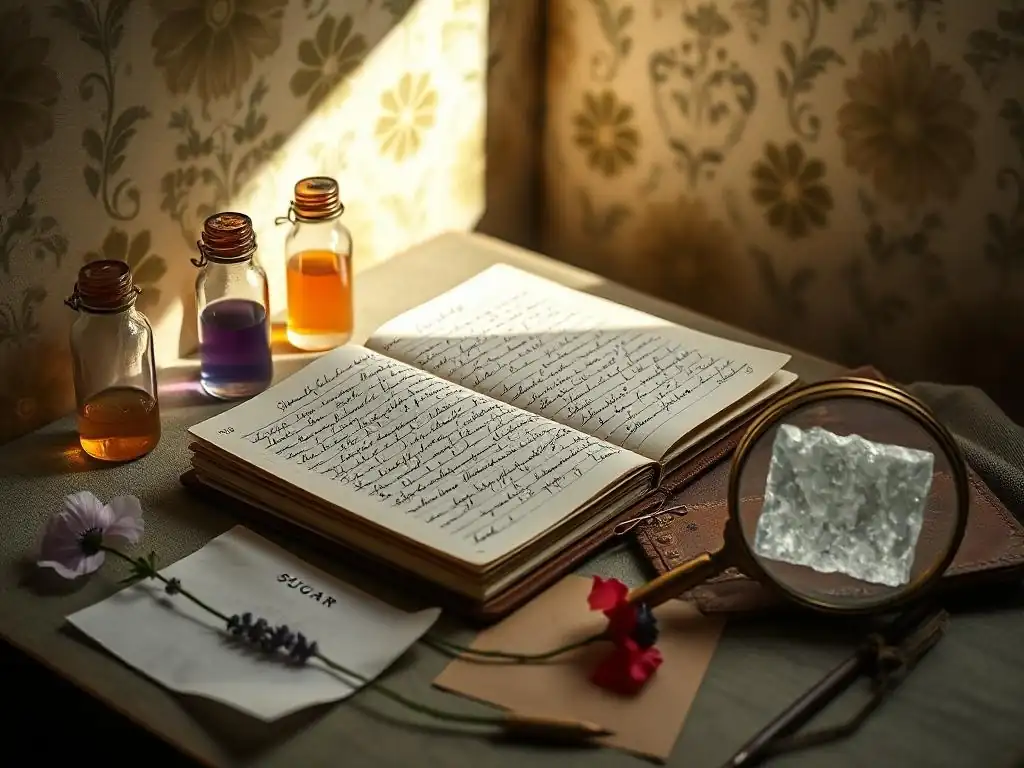
Popularization of Knowledge: Women's Role in Disseminating Chemical Information
While many women in the 19th century were barred from conducting formal academic research or holding university positions, their role in popularizing scientific knowledge, including principles of organic chemistry, was invaluable. Figures like Jane Marcet transformed complex scientific concepts into accessible, engaging narratives through books and lectures. "Conversations on Chemistry," for instance, explained the composition of organic substances, the nature of combustion, and the properties of various compounds in a manner understandable to a general audience.
These popular science efforts were critical in cultivating scientific literacy and inspiring future generations, including those who would later pursue careers in chemistry. By making chemistry less intimidating and more relatable, these 19th Century female organic chemists, through their educational endeavors, indirectly fostered a broader public appreciation for the discipline, which was essential for its continued growth and societal acceptance.
Women's Impact on Early Food Science and Analysis
The burgeoning field of food science in the 19th century provided a practical arena where women could apply their chemical knowledge, particularly in areas related to organic chemistry. Mary Engle Pennington's work exemplifies this, as she applied rigorous chemical and bacteriological analysis to understand the decomposition of organic matter in foodstuffs. Her research directly impacted public health by developing methods to prevent spoilage and ensure the safety of perishable foods like milk, eggs, and poultry.
Other women contributed to early food analysis through testing for adulterants, understanding nutritional compositions, and developing preservation techniques. These practical applications of organic chemistry were vital for an industrializing society, ensuring food security and improving public health. The work of these 19th Century female organic chemists often addressed immediate societal needs, demonstrating the tangible benefits of their scientific pursuits.
The Untold Stories Behind Collaborative Research Efforts
Many women contributed to 19th-century organic chemistry not as recognized principal investigators but as essential, often uncredited, collaborators in male-led laboratories or domestic settings. These "hidden figures" performed crucial tasks such as preparing reagents, conducting meticulous experiments, recording data, and even contributing to theoretical discussions. Their detailed analytical work and observational skills were often integral to the breakthroughs attributed solely to their male counterparts.
For example, many wives or sisters of prominent chemists were deeply involved in the daily operations of their husbands' or brothers' laboratories, effectively serving as highly skilled, unpaid assistants. While their individual contributions to specific organic chemistry breakthroughs may not be explicitly documented under their names, their presence and labor were indispensable to the progress achieved. Uncovering these collaborative efforts is vital to painting a more accurate picture of 19th-century scientific practice and acknowledging the collective intelligence that drove discovery.
The Importance of Recognizing 19th Century Women in Organic Chemistry
Challenging Historical Narratives: Reframing the History of Science
Recognizing the contributions of 19th Century female organic chemists is crucial for challenging and reframing conventional historical narratives of science. For too long, the history of chemistry has been presented as an overwhelmingly male endeavor, perpetuating a misleading and incomplete picture of scientific development. By bringing to light the innovative work of women like Jane Marcet, Mary Engle Pennington, and Agnes Pockels, we rectify historical omissions and provide a more accurate, inclusive account of how scientific knowledge was generated and disseminated.
This reframing not only enriches our understanding of the past but also underscores the systemic barriers that existed and how these women navigated them. It shows that scientific talent and curiosity were not exclusive to one gender, despite the societal structures that sought to limit women's participation.
Inspiring Future Generations of Female Scientists
The stories of these pioneering 19th Century female organic chemists serve as powerful sources of inspiration for future generations of scientists, particularly young women considering careers in STEM fields. Learning about women who defied immense societal and institutional obstacles to pursue their passion for chemistry demonstrates resilience, intellectual courage, and unwavering dedication. Their achievements, often accomplished against formidable odds, provide tangible role models that can encourage and empower contemporary aspiring female chemists.
By showcasing these historical figures, we send a clear message that women have always been, and continue to be, vital contributors to scientific progress. This visibility is essential for breaking down lingering stereotypes and encouraging greater diversity in today's scientific community.
Promoting Equity and Inclusion in STEM Fields
Acknowledging the historical struggles and triumphs of 19th Century female organic chemists is not merely an academic exercise; it is a vital step towards promoting greater equity and inclusion in contemporary STEM fields. Understanding the historical roots of gender imbalance in science helps inform and strengthen current efforts to dismantle systemic barriers, foster inclusive environments, and ensure equitable opportunities for all.
By celebrating these forgotten pioneers, we reinforce the principle that scientific merit and contribution should be recognized irrespective of gender, background, or societal prejudice. Their legacies serve as a powerful reminder that an inclusive scientific community is a more innovative and robust one, capable of addressing the complex challenges of the future.
Resources for Further Exploration: Delving Deeper into the History of Women in Organic Chemistry
Books and Articles on 19th Century Female Scientists
For those eager to delve deeper into the lives and work of 19th Century female organic chemists and other women in science, a growing body of scholarly literature is available. Biographies, historical analyses, and collections of essays shed light on their challenges and achievements. Look for titles that specifically address women's roles in chemistry, medicine, and the broader natural sciences during the Victorian era and preceding periods. Many academic presses and historical societies publish works dedicated to uncovering these overlooked narratives, providing rich details on specific discoveries and the societal context in which they occurred.
Archives and Collections Featuring Women's Scientific Work
Primary source materials are invaluable for understanding the experiences of 19th Century female organic chemists. University archives, national libraries, and specialized historical collections often hold letters, diaries, laboratory notebooks, and personal papers of pioneering women in science. Digital humanities projects are also increasingly making these resources accessible online, allowing researchers and enthusiasts to explore original documents that reveal the intricacies of their scientific lives and the networks they formed. These collections offer direct insights into their methodologies, challenges, and the intellectual landscape of their time.
Organizations Dedicated to Promoting Women in Science
Several contemporary organizations are dedicated to researching, promoting, and celebrating the contributions of women in science, both historically and in the present day. Groups like the American Chemical Society's Women Chemists Committee, various national organizations for women in STEM, and historical societies focused on science and technology often compile resources, host events, and publish materials that highlight the achievements of women in chemistry. Engaging with these organizations can provide further avenues for exploration and connect individuals with ongoing efforts to ensure that the legacies of 19th Century female organic chemists continue to inspire.
Conclusion: Celebrating the Enduring Legacy of 19th Century Female Organic Chemists
The stories of 19th Century female organic chemists represent just a fraction of the hidden histories waiting to be uncovered in the vast tapestry of scientific development. Many women contributed to chemistry and other scientific fields in ways that were often overlooked, undervalued, or simply unrecorded due to the prevailing gender biases of their time. Continuing to research and disseminate these narratives is not just an act of historical correction; it is an essential endeavor to ensure that the full scope of human ingenuity and effort in science is recognized.
Each newly discovered story enriches our collective understanding of scientific progress and highlights the diverse paths to discovery. It underscores the ongoing need for vigilance in ensuring that historical accounts are comprehensive and truly reflective of all who contributed.
Recognizing the Resilience and Ingenuity of These Pioneering Women
The lives of 19th Century female organic chemists are testaments to extraordinary resilience and ingenuity. Faced with systemic barriers to education, professional recognition, and societal acceptance, these women demonstrated remarkable determination to pursue their intellectual passions. Whether by pioneering educational methods, transforming industries through practical applications, or conducting groundbreaking research in unconventional settings, their contributions were born of deep curiosity and an unwavering commitment to scientific inquiry.
Their ability to adapt, innovate, and persevere in the face of adversity speaks volumes about their character and intellectual prowess. Their stories remind us that scientific progress is often the result of relentless effort and unconventional thinking, even when those efforts are initially marginalized.
A Call to Action: Supporting Women in Chemistry Today
The legacy of 19th Century female organic chemists serves as a powerful call to action for supporting women in chemistry and all STEM fields today. While significant progress has been made, challenges persist in achieving full equity and inclusion. By celebrating these historical pioneers, we honor their struggle and recognize the importance of fostering environments where all individuals, regardless of gender, can thrive and contribute their full potential to scientific discovery.
It is incumbent upon us to continue advocating for equitable access to education, mentorship, and leadership opportunities for women in chemistry. Ensuring that future generations of female organic chemists face fewer barriers and receive the recognition they deserve is the most fitting tribute to the trailblazing women who, with petticoats and pipettes, quietly revolutionized the world of chemistry.
Frequently Asked Questions
What were some of the major challenges faced by 19th-century female organic chemists?
They faced significant obstacles, including limited access to education and exclusion from professional societies. Societal biases also made it difficult for them to gain recognition for their scientific contributions.
Why are the achievements of 19th-century female organic chemists often overlooked?
Historical accounts often prioritized male scientists, leading to the marginalization of women's work. Many women also worked as assistants or collaborators without receiving proper credit.
Can you provide an example of a groundbreaking discovery made by a 19th-century female organic chemist?
While specific examples require individual biographies, many contributed to fundamental organic reactions and new compound synthesis. Discovering specific groundbreaking discoveries would require dedicated research on individual women in that era.
The prevailing belief was that women were not suited for scientific pursuits. This resulted in limited opportunities and societal pressure to conform to traditional gender roles.
Where can I find more information about the lives and work of 19th-century female organic chemists?
Websites like WomenInScienceHistory.com provide biographies and research summaries. Academic journals and historical archives also contain valuable information about their scientific contributions.
Final Reflection: Unearthing Forgotten Legacies
The stories we've explored, detailing the unacknowledged contributions of 19th-century female organic chemists, resonate powerfully today. In a world still striving for true gender equality in STEM fields, recognizing these pioneers is not just historical accuracy; it's a vital step in dismantling systemic biases and inspiring future generations of women scientists. Their struggles and triumphs, often hidden in the shadows of their male counterparts, deserve to be brought into the light, serving as a testament to their brilliance and resilience.
The impact of these women, though long obscured, continues to shape our understanding of scientific progress. Their dedication, often fueled by a passion that transcended societal limitations, reminds us that innovation knows no gender. The history of science is not a mere collection of facts and theories; it is a narrative of human endeavor, marked by both triumphs and failures, and shaped by the social and cultural contexts in which it unfolds.
This quote underscores the importance of acknowledging the full spectrum of contributors, ensuring that the narrative reflects the true diversity of scientific minds.
Now, consider the legacy of these remarkable women. How can we, in our own lives, actively challenge the biases that continue to marginalize underrepresented voices in STEM and beyond? Let us commit to seeking out and celebrating the contributions of those whose stories have been overlooked, ensuring that the future of science is one of inclusivity, equity, and boundless opportunity for all.
Unveil Your Inner Scientist: Continue the Exploration!
Thank you for delving into the captivating stories of these pioneering women in organic chemistry. Now that you've learned about their remarkable contributions, it's time to put that inspiration into action.
Here's how you can keep the spirit of discovery alive:
- Explore more unsung stories of women in STEM from the 19th century – you'll be amazed at what you find.
- Share this article with friends, family, and educators to inspire the next generation of female scientists.
- Research a female chemist from your local area and write a short blog post about her on social media, using the hashtag #HiddenWomenInSTEM.
What other forgotten female scientists do you know about, and how can we bring their achievements to light?