Explore the Untold Stories of Women in Physics at University Level
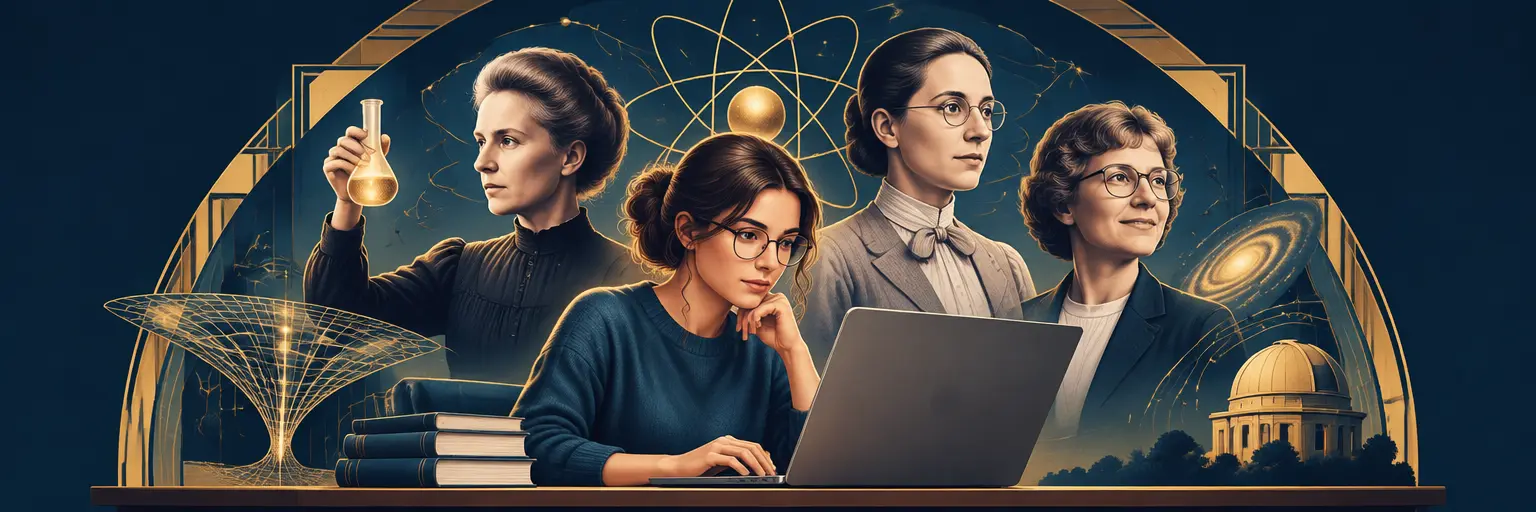
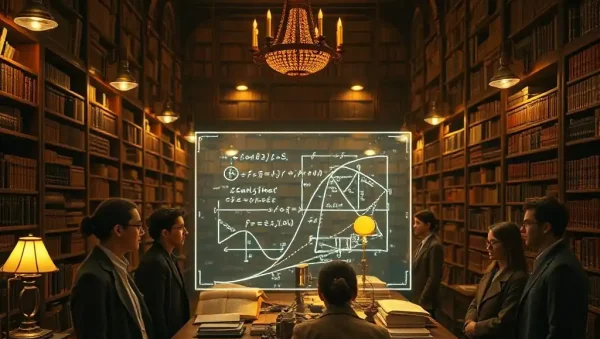
Dive into a curated collection of university-level online courses dedicated to the history of women in physics. This subcategory bridges rigorous academic scholarship with accessible digital learning, spotlighting pioneers like Marie Curie, Lise Meitner, and Chien-Shiung Wu. Expect detailed modules, primary source analyses, and interdisciplinary perspectives that examine both scientific breakthroughs and systemic barriers. Perfect for students, educators, or lifelong learners, these courses enrich your understanding of physics through a gender-inclusive lens.
🔬 Foundational Pioneers and Their Breakthrough Discoveries
Begin with the essential figures whose work reshaped physics yet often went unrecognized. Courses under this theme dissect the experimental and theoretical contributions of women from the 19th and 20th centuries—from Emmy Noether’s theorem to Cecilia Payne-Gaposchkin’s stellar composition findings. Expect video lectures, timelines, and archival photographs that contextualize their discoveries within contemporary scientific debates.
You will also explore why their achievements were marginalized, using historical papers and lab notebooks. Detailed case studies reveal collaborative networks, mentorship dynamics, and how institutional sexism shaped their career paths. By the end, you’ll grasp not just what these women discovered, but how they navigated hostile environments—offering powerful lessons in resilience and scientific integrity.
📚 Methodological Approaches in Feminist Science History
This facet focuses on the historiographical methods used to recover women’s roles in physics. University courses here teach you to critically analyze citation practices, oral histories, and institutional records. You’ll learn to identify gender bias in scientific narratives and apply intersectional frameworks—considering race, class, and nationality alongside gender. Expect assignments like reconstructing a forgotten physicist’s biography from primary sources.
Interactive modules include digital archives, podcast interviews with historians, and comparative studies of different national contexts (e.g., Soviet vs. American women physicists). By engaging with these methods, you gain transferable research skills while appreciating that history is not fixed but continuously interpreted. This is vital for anyone pursuing advanced studies in history, physics, or gender studies.
🧪 Laboratory Culture and Institutional Barriers
Move beyond biographies to examine the physics departments, laboratories, and professional societies that both hindered and sometimes aided women’s advancement. Courses analyze admission policies, funding disparities, and the "matilda effect" (underrecognition of female scientists). You’ll explore real-world cases like the Harvard College Observatory’s female "computers" and the Manhattan Project’s often-overlooked women physicists.
Expect module quizzes and discussion forums that bring in contemporary parallels, such as current gender gaps in STEM. You will also examine surviving correspondence and administrative memos to see how subtle biases operated daily. This thematic focus equips you to identify structural obstacles that persist today, making it especially relevant for policy advocates and diversity officers in academia or industry.
🌍 Global Perspectives and Transnational Contributions
Expand your scope beyond Western-centric narratives. These courses highlight women physicists from Africa, Asia, Latin America, and the Middle East, such as Indian physicist Bibha Choudhuri or Iranian physicist Sohaila Afshar. You’ll learn about colonial scientific networks, post-war migrations, and how geopolitical shifts created unique opportunities or erased legacies. Video interviews with contemporary historians are paired with regional archival materials.
This section also compares educational systems—for instance, why more women entered physics in Tsarist Russia than in Victorian Britain. By examining diverse cultural contexts, you develop a nuanced global awareness that challenges “one-size-fits-all” historical accounts. Perfect for international relations majors or educators designing inclusive curricula, these modules offer a richer, more equitable story of science.
🛠️ From History to Practice: Teaching and Application
Finally, engage with courses that translate historical insight into actionable strategies for today’s classrooms and labs. These modules provide lesson plans, interactive timelines, and assessment tools for teaching women’s history in physics at secondary or post-secondary levels. You’ll also study how to counter stereotype threat and implicit bias using historical examples as inspiration.
Some courses include capstone projects where you design your own exhibit, digital resource, or workshop based on the learned content. Others feature guest lectures from current women physicists who reflect on how historical narratives influence their careers. This practical track is invaluable for science teachers, museum educators, or STEM outreach coordinators seeking evidence-based ways to inspire the next generation.
Frequently Asked Questions
Do I need a physics background to take these courses?
No, most courses are designed for multidisciplinary audiences. They explain scientific concepts clearly while prioritizing historical context. However, intermediate modules may assume basic familiarity with terms like quantum mechanics or spectroscopy. Always check the course syllabus for prerequisites—many offer optional refresher materials.
Can I earn university credit from these online courses?
Many university-partnered courses offer verified certificates or credit through platforms like Coursera or edX. Some are part of micro-credentials or undergraduate minors in history of science. Read the course description for "credit-eligible" badges or contact the hosting institution for transfer policies.
Are these courses self-paced or have set schedules?
The majority use a self-paced format with flexible deadlines, but a few live group classes include synchronous discussions. Weekly modules range from 2-5 hours. Free audit options remain available, though graded assignments require paid enrollment.
How do these courses handle controversial or missing historical records?
Instructors transparently discuss archival gaps, using triangulation from letters, institution records, and oral histories. They also address ethical issues around speculative reconstruction, ensuring you learn critical evaluation skills rather than oversimplified narratives.
Can I use these courses for professional development or advocacy?
Absolutely. Many educators, journalists, and STEM professionals use the content to improve diversity efforts. Look for "capstone" or "project" modules that let you create an actionable deliverable, such as a workshop plan or public article, which can bolster your portfolio.