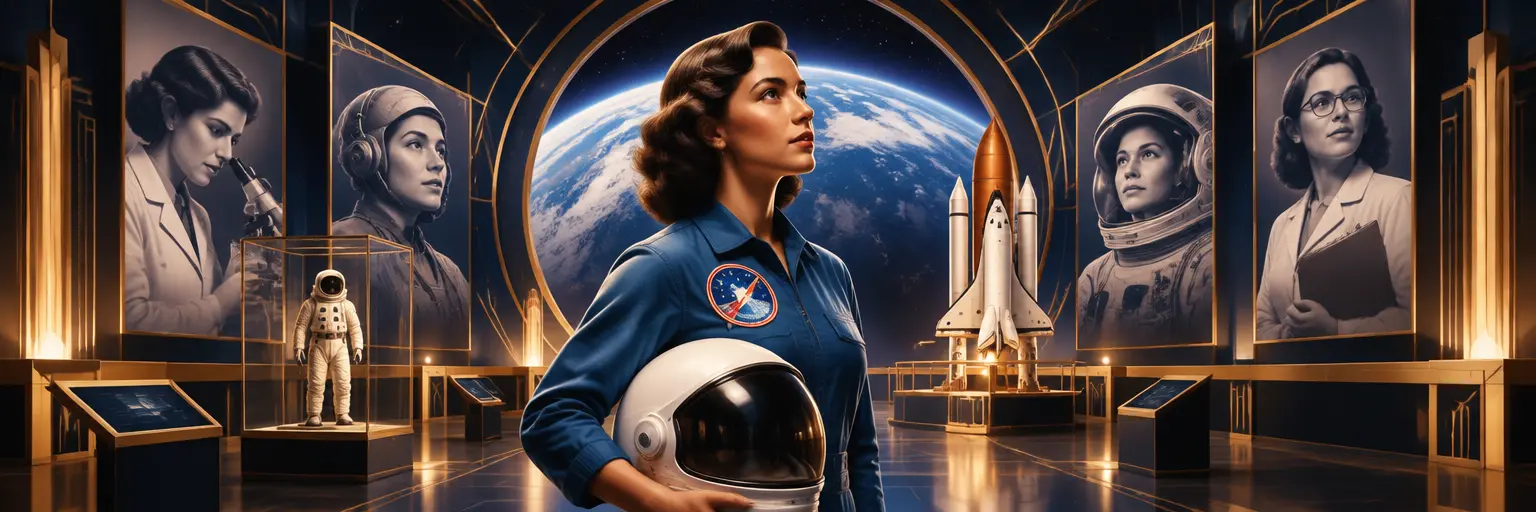
Discover the Legacy of Women in Space Exploration at Space Museums
Space museums dedicated to women in space exploration offer a unique journey through the triumphs, challenges, and groundbreaking achievements of female astronauts, engineers, and scientists. These institutions preserve artifacts, personal stories, and interactive exhibits that highlight how women broke barriers in a field once dominated by men. For enthusiasts of women’s history and science alike, these museums provide an inspiring and educational experience that honors pioneers like Valentina Tereshkova, Sally Ride, Mae Jemison, and many others.
🚀 Iconic Exhibits and Artifacts
When you visit a space museum focusing on women in space, you can expect to see original spacesuits, mission logs, personal letters, and even flown hardware used by female astronauts. These artifacts are displayed with rich contextual narratives, explaining the scientific rigors and personal sacrifices behind each mission. From the Vostok 6 capsule that carried Tereshkova to the Space Shuttle Challenger’s crew module mock-ups, every object tells a story of perseverance and innovation.
Beyond physical items, many museums feature digital archives with oral histories and rare photographs. Interactive kiosks let you explore flight trajectories, simulated zero-gravity environments, and communication logs, giving you a feel for what it’s like to work in orbit. These exhibits are carefully curated to emphasize the technical contributions of women, not just their symbolic roles, making them valuable resources for students, researchers, and casual visitors alike.
🌌 Insider Stories of Pioneering Women
One of the most compelling reasons to explore this subcategory is the immersive storytelling. Museums here often dedicate entire galleries to biographical narratives—from the first woman in space to contemporary commanders of the International Space Station. You’ll learn how Valentina Tereshkova’s 1963 flight was both a scientific and political milestone, and how Sally Ride’s 1983 mission inspired a generation of girls to pursue STEM careers.
These stories go beyond launch dates, delving into the rigorous training regimes, gender-based discrimination, and personal resilience that shaped these women’s paths. Audio guides and documentary loops feature interviews with the astronauts themselves, providing first-person insights. For anyone interested in the human side of space exploration, these narratives are both eye-opening and deeply motivating, showcasing how determination can overcome even the most formidable barriers.
🛰️ Educational Programs and Workshops
Space museums in this category are not passive display spaces; they actively engage visitors through hands-on workshops, planetarium shows, and STEM-focused classes. You can expect programs like “Build Your Own Rocket” for kids, “Women in Orbit” lecture series for adults, and even teacher resources that align with national science curricula. These educational initiatives are designed to make complex aerospace concepts accessible and exciting.
Many museums also partner with universities and space agencies to offer internship opportunities, citizen science projects, and live Q&A sessions with female engineers and mission controllers. Whether you’re a student considering a career in aerospace or a lifelong learner, these programs offer practical insights and mentorship. The goal is not just to preserve history but to actively shape the next generation of female space pioneers.
🧪 Research and Archival Access
For history buffs and academics, these museums often maintain extensive research libraries containing mission reports, personal correspondence, and technical drawings. You can request access to archives that detail the engineering challenges tackled by women like Mary Jackson or the navigational computations performed by Katherine Johnson. Such resources are invaluable for writing papers, creating documentaries, or simply deepening your knowledge.
Moreover, many institutions offer virtual research desks, allowing you to consult curators remotely for specific inquiries. Special exhibitions rotate throughout the year, focusing on themes like women in aerospace medicine, satellite technology, or Mars mission planning. These archives are meticulously digitized, ensuring that the contributions of women are not lost to time, but rather preserved for future scholarly work and public education.
🌟 Inspiring Future Generations
The ultimate mission of these space museums is inspiration. Through captivating exhibits, mentorship networks, and family-friendly activities, they aim to show young girls and boys that space is for everyone. You’ll find dedicated children’s zones where kids can “train” like astronauts, try on replica helmets, and navigate simulated lunar surfaces. These experiences are designed to spark curiosity and confidence.
Special events like “Girls in Space Day” or “Women in Aerospace Week” feature live demonstrations, panel discussions, and meet-and-greets with female professionals from NASA, ESA, and private companies like SpaceX. These occasions transform a museum visit into a transformative community experience. By connecting historical achievements with current opportunities, these institutions play a critical role in closing the gender gap in STEM fields, one inspiring visit at a time.
Frequently Asked Questions
Are there space museums specifically about women in space exploration?
Yes, while most major space museums have dedicated wings or galleries for women in space, some smaller specialty museums focus exclusively on this theme. Examples include the Women in Flight Museum and temporary exhibitions at the Smithsonian National Air and Space Museum. These venues offer in-depth, curated content on female astronauts, engineers, and scientists.
What are the best space museums to visit for this topic?
The U.S. Space & Rocket Center in Alabama, the Kennedy Space Center Visitor Complex in Florida, and the Cosmosphere in Kansas all have excellent exhibits on women in space. Internationally, the Memorial Museum of Cosmonautics in Moscow and the Science Museum in London also feature significant collections. Always check current exhibitions for special focuses on female pioneers.
Can I access educational resources about women in space online?
Absolutely. Many museums offer free downloadable lesson plans, virtual tours, and recorded lectures on their websites. The NASA History Office also provides extensive online archives, including interviews with female astronauts. For structured learning, platforms like Coursera and edX partner with museums to offer courses on space history, including modules on gender diversity.
Do these museums host events for children and students?
Yes, most host school field trips with hands-on workshops, summer camps, and weekend clubs focused on space science. For example, the Kennedy Space Center runs “Girls in STEM” days, while the Air and Space Museum offers family exploration kits. These events are designed to be interactive and age-appropriate, from elementary to high school levels.
How can I support or donate to museums preserving women’s space history?
You can become a member, make a direct donation, or adopt an artifact for restoration. Many museums also welcome volunteer educators and researchers. Check their official websites for specific giving programs, or consider endowing scholarships for young women pursuing aerospace careers. Your support helps maintain exhibits and educational outreach.