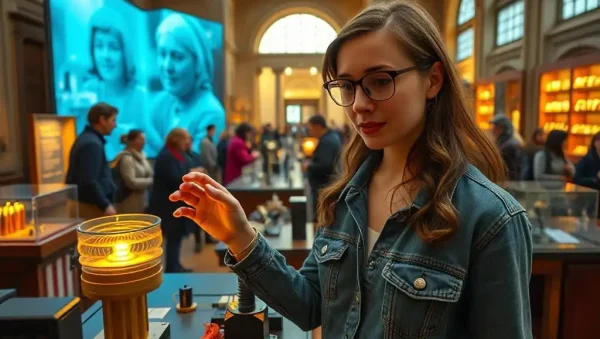
Explore Museums Celebrating Women in Science
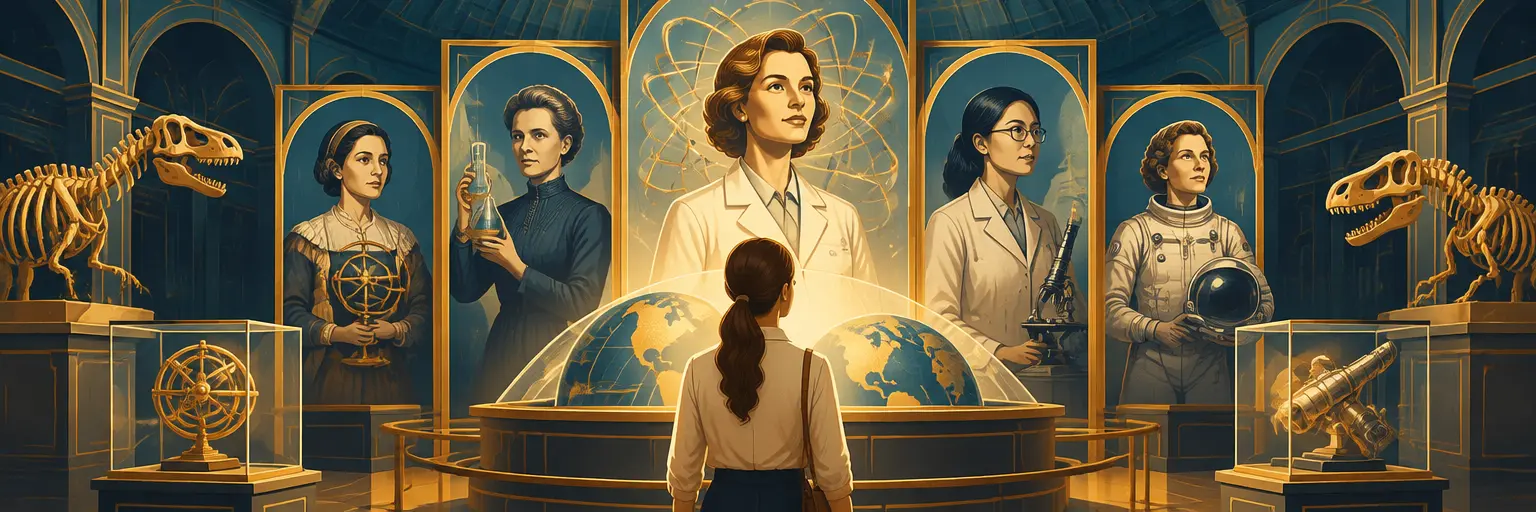
This global guide highlights museums and historical sites dedicated to honoring women who transformed science, technology, engineering, and mathematics (STEM). From dedicated halls within major institutions to independent memorials, these destinations offer immersive exhibits, original artifacts, and interactive storytelling. Whether you are a student, educator, or lifelong learner, this curated list helps you discover where to experience the legacy of trailblazing female scientists firsthand—planning your next educational journey with confidence and purpose.
🌍 Iconic Institutions with Permanent Exhibits
Many world-renowned museums now feature permanent galleries solely devoted to women in science. The Science Museum in London hosts the “Women in Science” wing, showcasing Marie Curie’s original lab equipment and Rosalind Franklin’s X-ray diffraction images. Similarly, the Smithsonian’s National Museum of American History dedicates a hall to Ada Lovelace and Grace Hopper, with interactive computing displays. These institutions provide a chronological narrative, from early naturalists to modern astronauts, ensuring visitors grasp the full scope of female contributions across centuries.
Expect to see personal letters, patent documents, and reconstructed laboratories that bring history to life. Many exhibits use augmented reality to simulate experiments, letting you follow the thought processes of these pioneers. Audio guides often include interviews with contemporary female scientists, connecting past achievements to current research. Check each museum’s website for temporary exhibitions and traveling shows that rotate annually, offering fresh perspectives and newly uncovered archives.
🏛️ Specialized Museums and Memorial Sites
Beyond mainstream institutions, specialized museums focus exclusively on women in science. The Nobel Prize Museum in Stockholm features a dedicated section on female laureates, including detailed holograms and personal narratives. The Ada Lovelace Centre in London, housed within the historic Babbage workshop, offers hands-on coding workshops and original analytical engine replicas. In the United States, the National Women’s History Museum in Alexandria, Virginia, runs a virtual exhibit with 3D tours of historic laboratories and field research stations.
Memorial sites also preserve the homes and workplaces of notable scientists. The Marie Curie Museum in Warsaw recreates her childhood rooms and early physics experiments, while the Rachel Carson Homestead in Springdale, Pennsylvania, offers guided nature walks along the trails that inspired her environmental research. These intimate settings provide a personal lens, revealing daily challenges and support networks that shaped their careers. Many offer educational programs for school groups and family-friendly scavenger hunts.
🧪 Interactive Learning Centers and Science Centers
Modern science centers have embraced interactive exhibits that celebrate women while teaching core STEM concepts. The Exploratorium in San Francisco features the “Pioneering Women” lab, where visitors can replicate Barbara McClintock’s genetic crossing experiments using digital models. The Ontario Science Centre in Toronto hosts a live demonstration stage, where female engineers from local universities conduct real-time chemistry shows and robotics battles. These venues emphasize hands-on participation, making abstract theories tangible.
Children and teens benefit from coding challenges, engineering design kits, and mentorship corners where current female scientists answer questions via video kiosks. Many centers offer night events, like “Girls in STEM After Dark,” with exclusive lab tours and career panels. Admission often includes access to temporary installations, such as virtual reality journeys inside deep-sea submersibles used by marine biologist Sylvia Earle. Check seasonal calendars for summer camps and weekend workshops that dive deeper into specialized fields.
📚 University Museums and Research Archives
University-affiliated museums often hold irreplaceable archives, original notebooks, and rare instruments. The University of Cambridge’s Whipple Museum houses the personal astrolabes and celestial maps of Caroline Herschel, along with digitized diaries accessible via touchscreen kiosks. MIT Museum’s “Women in Innovation” gallery displays prototype models from engineers like Sheila Widnall and biomedical devices by Rebecca Richards-Kortum. These institutions offer behind-the-scenes tours, allowing visitors to view conservation work and newly digitized manuscripts.
Research archives provide unique opportunities for scholars and casual researchers alike. The Library of Congress’s “Women of Science” collection includes oral histories, unpublished letters, and original patent filings, many available online. University museums often host colloquium series where historians and scientists discuss lesser-known figures, fostering a living dialogue. Many offer memberships with exclusive access to restoration labs and annual symposia, making them invaluable resources for educators developing curriculum units.
🗺️ Global Network and Virtual Tours
For those unable to travel, many museums offer comprehensive virtual tours and digital timelines. The Smithsonian’s online exhibit “Out of the Shadows” includes 360-degree room views, high-resolution artifact zoom, and downloadable educator guides. The European Digital Library for Women in Science aggregates content from twenty-two national museums, featuring asynced narratives in multiple languages. Virtual lectures and Q&A sessions are frequently archived for later viewing, ensuring global accessibility.
Interactive maps on this guide allow you to filter by region, scientific field, or time period. Many virtual tours include closed captions and descriptive audio for visually impaired visitors. Some museums partner with schools to offer live video field trips, where curators demonstrate artifact handling and answer student questions in real time. Check each venue’s digital calendar for monthly “Ask a Curator” webinars and themed weeks celebrating specific disciplines like marine biology or astrophysics.
Frequently Asked Questions
Which museums have the most comprehensive collections on women in science?
The Science Museum in London, Smithsonian’s National Museum of American History, and MIT Museum offer the most extensive permanent exhibits. Their collections span multiple centuries, include original artifacts and personal archives, and feature interactive displays. These institutions continuously update with new acquisitions, making them ideal for repeat visits.
Are there museums specifically dedicated to a single female scientist?
Yes, notable examples include the Marie Curie Museum in Warsaw, Poland, and the Rachel Carson Homestead in Pennsylvania, USA. The Ada Lovelace Centre in London also focuses exclusively on her work and legacy. These sites preserve original homes, laboratories, and personal belongings, offering intimate historical experiences.
Can I access these museum resources online for free?
Many museums provide free virtual tours, digitized archives, and downloadable educational materials. The Smithsonian and Library of Congress offer extensive online collections, while the European Digital Library for Women in Science aggregates content from multiple nations. Some exclusive lectures or workshops may require paid membership, but core digital resources are typically free.
Do these museums offer programs specifically for students and teachers?
Most venues have dedicated educator resource centers with curriculum-aligned lesson plans, primary source packets, and hands-on activity kits. Many offer on-site field trips with docent-led tours and workshop fees, plus free virtual sessions for distant classrooms. University museums often host summer research internships for high school students.
How can I find temporary exhibitions about women in science near me?
Check the official websites of national and regional science museums for their exhibition schedules. Use this guide’s interactive filter to view upcoming traveling shows, which often swap between partner institutions. Social media channels and museum newsletters frequently announce new installations and special preview events.