
Rescuing Legacies from Oblivion: How Museums Illuminate Forgotten Women of Space

Welcome to WomenInScienceHistory.com!
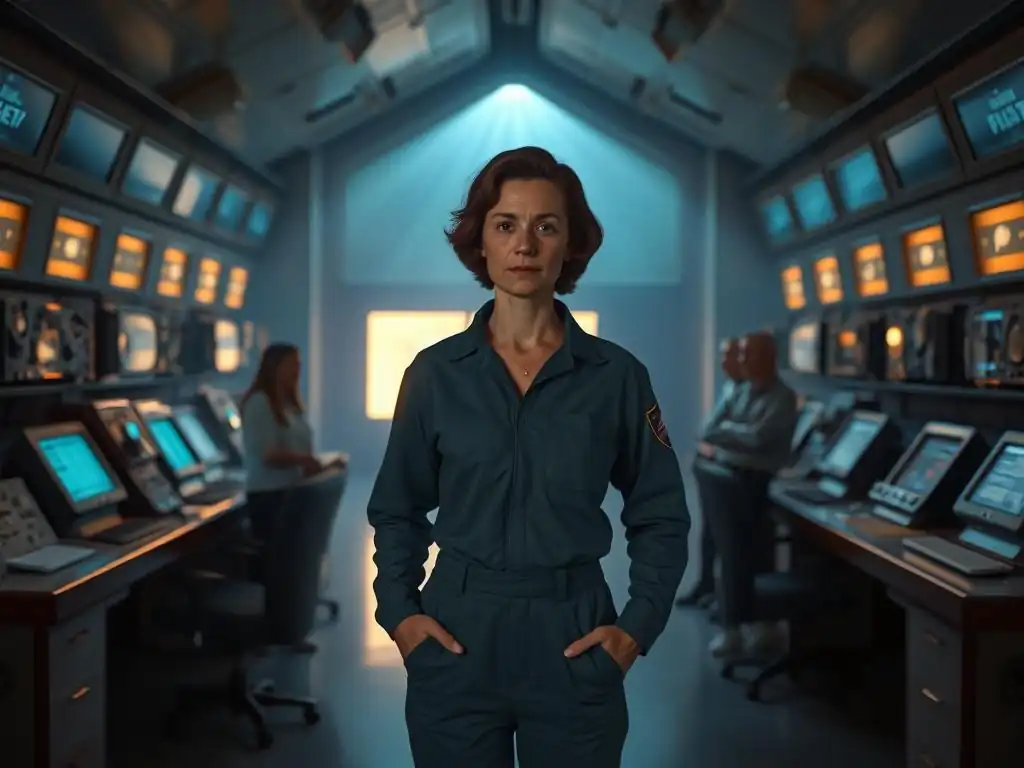
Dive into a world where brilliant minds defy limitations and rewrite history. Ever wondered about the unsung heroines who propelled us towards the stars? This week, we explore how museums are playing a crucial role in unveiling the stories of forgotten women in the field of space exploration. Prepare to be captivated as we delve into the mission to rescue their legacies from oblivion and discover how these institutions illuminate the contributions of remarkable women who shaped our understanding of the cosmos. Curious to know more? Let's embark on this journey of discovery together...
- The Urgent Need to Remember: Forgotten Women in Space History
- Unveiling the Unsung Heroines: Spotlight on Key Figures
- How Museums are Reclaiming the Narrative: Methods and Initiatives
- Highlighting Specific Museum Exhibits & Resources
- Engagement Opportunities: Inspiring Future Generations
- The Future of Remembering: Ensuring Women's Contributions are Never Forgotten
-
Frequently Asked Questions
- What is the main goal of "Rescuing Legacies from Oblivion: How Museums Illuminate Forgotten Women of Space"?
- Why are women's contributions to space exploration often overlooked?
- How can a "Forgotten Women Space Museum" help address this issue?
- What kinds of exhibits might a "Forgotten Women Space Museum" feature?
- What impact could a "Forgotten Women Space Museum" have on future generations?
- Final Reflection: Illuminating the Stars Within
- Ignite Your Curiosity: Champion Untold Stories!
The Urgent Need to Remember: Forgotten Women in Space History
Why Space Museums are Crucial for Preserving Women's Space Exploration Legacy
Space museums serve as indispensable physical repositories of human endeavor, offering tangible connections to the past that transcend mere historical accounts. They are uniquely positioned to counteract the pervasive historical omission of women's contributions, particularly in the male-dominated field of space exploration. By showcasing artifacts, documents, and personal stories, these institutions transform abstract achievements into concrete experiences, allowing visitors to grasp the true scale of ingenuity and perseverance of forgotten women space museum pioneers. Their curated exhibits provide vital context, illustrating not only scientific breakthroughs but also the societal challenges and triumphs faced by these remarkable individuals.
Moreover, museums fulfill a crucial educational mandate, inspiring current and future generations. When young visitors, especially girls, encounter the stories and tools of pioneering female scientists and engineers, it sparks a powerful sense of possibility. These direct encounters with historical figures and their groundbreaking work can ignite an interest in STEM fields, offering visible role models who defy traditional stereotypes. This direct engagement is essential for nurturing the next wave of innovators, ensuring that the narratives of women in science history continue to empower and guide.
The Problem: Overlooked Contributions of Women Space Pioneers
Historically, the contributions of women in science and technology, including space exploration, have been systematically marginalized or entirely ignored. This oversight stems from a complex interplay of societal norms, institutional biases, and a historical tendency to credit men for collaborative achievements. As a result, countless women who made fundamental advancements in rocketry, computing, engineering, and physiology for spaceflight found their work unacknowledged, their names absent from official records, and their legacies fading into obscurity. This skewed historical record presents an incomplete and inaccurate picture of human progress in space.
The impact of these overlooked contributions extends far beyond mere historical injustice. It perpetuates a narrative that diminishes the full scope of human talent and ingenuity applied to space exploration, and critically, it deprives aspiring young women of diverse and inspiring role models. When the stories of these forgotten women space museum heroes remain untold, it reinforces the misconception that STEM fields are primarily domains for men. Correcting this historical imbalance is not just about remembrance; it is about building a more inclusive and accurate understanding of our past to shape a more equitable future in science.
Unveiling the Unsung Heroines: Spotlight on Key Figures
Katherine Johnson, a brilliant mathematician, was far more than a "hidden figure" in the background of NASA's early triumphs; she was an indispensable human computer whose calculations were critical to the success and safety of groundbreaking missions. Her analytical prowess was trusted implicitly by astronauts, most notably John Glenn, who famously requested that Johnson personally verify the electronic computer's calculations for his orbital flight aboard Friendship 7 in 1962.
She meticulously computed trajectories, launch windows, and emergency return paths for Project Mercury and Apollo missions, including the Apollo 11 flight to the Moon. Her work was foundational, ensuring the precision required for spacecraft to navigate the vastness of space.
Johnson's career at NASA spanned over three decades, during which she navigated the complexities of both racial segregation and gender bias within the workplace. Despite these formidable barriers, her extraordinary accuracy and problem-solving abilities earned her profound respect. She contributed to the Space Shuttle program and the Earth Resources Satellite, showcasing her enduring impact on American space exploration. Her legacy is a testament not only to her incredible intellectual brilliance but also to her unwavering perseverance in a field that often failed to acknowledge the vital contributions of women of color.
Museums Featuring Katherine Johnson's Impact: Smithsonian National Air and Space Museum's "Early Flight" Gallery
The Smithsonian National Air and Space Museum in Washington D.C., a preeminent forgotten women space museum champion, actively illuminates Katherine Johnson's profound impact on early spaceflight. While not a dedicated exhibit solely to her, her story is powerfully integrated into galleries that explore the foundational years of space exploration, such as the "Early Flight" gallery which contextualizes the mathematical and engineering challenges of the era. Visitors can learn about the sophisticated calculations required for orbital mechanics and understand the human element behind the early space race.
The museum's broader narrative strives to highlight the essential role of "human computers" like Johnson, who were the backbone of NASA's initial successes, often working behind the scenes. Through interactive displays and historical documentation, the museum emphasizes that the triumph of spaceflight was a collective effort, dependent on the precision and dedication of individuals like Johnson who ensured missions were safe and successful. This integration helps to correct the historical record, ensuring her pivotal contributions are seen as central to the story of American space exploration.
Dr. Mae Jemison: Breaking Barriers and Inspiring Generations
Dr. Mae Jemison shattered barriers as the first African American woman to travel into space, embarking on the STS-47 mission aboard the Space Shuttle Endeavour in 1992. Her journey was exceptional not only for its historical significance but also for her remarkable multidisciplinary background. Before becoming an astronaut, Jemison earned a medical degree and served in the Peace Corps in Liberia and Sierra Leone, demonstrating a profound commitment to global health and service. Her diverse experiences as a physician, engineer, and astronaut showcased the vast potential of women in STEM.
Following her historic spaceflight, Dr. Jemison continued her trailblazing path, leaving NASA to pursue ventures focused on science literacy and technological development. She founded The Jemison Group, Inc., a technology consulting firm, and later the Dorothy Jemison Foundation for Excellence, through which she develops and implements programs like "Look Up," encouraging students to engage with science. Her ongoing advocacy for science education, particularly for underrepresented groups, and her emphasis on the importance of critical thinking continue to inspire generations, proving that the sky is not the limit for human achievement.
How Space Centers like Kennedy Space Center Visitor Complex Highlight Dr. Jemison's Journey
The Kennedy Space Center Visitor Complex in Florida, a vital forgotten women space museum venue, celebrates Dr. Mae Jemison's groundbreaking journey with prominence. Her story is typically integrated into exhibits that chronicle the Space Shuttle program, such as the Space Shuttle Atlantis exhibit, and within the U.S. Astronaut Hall of Fame. These areas often feature interactive displays, historical footage, and personal anecdotes that detail her rigorous training, her role on the STS-47 mission, and her lasting impact on space exploration and diversity.
Through these immersive presentations, the Visitor Complex ensures that Dr. Jemison's achievements are not merely recounted but are experienced by visitors. Her inclusion serves as a powerful reminder of the importance of representation in space, showcasing that astronauts come from all backgrounds and can achieve extraordinary feats. Such centers play a critical role in making the journeys of pioneers like Jemison accessible and inspiring, particularly for young women and minority groups considering careers in science and space.
Valentina Tereshkova: The First Woman in Space - Beyond the Headlines
Valentina Tereshkova etched her name in history on June 16, 1963, when she orbited the Earth 48 times aboard Vostok 6, becoming the first woman in space. This monumental achievement, predating American female astronauts by nearly two decades, was a significant propaganda coup for the Soviet Union during the intense Space Race. Tereshkova, a textile worker and accomplished amateur parachutist, was selected from hundreds of candidates due to her physical prowess and determination, embodying the Soviet ideal of the empowered female worker.
Her flight lasted nearly three days, demonstrating women's capability to withstand the rigors of space travel and perform complex maneuvers. Despite the political motivations behind her selection, Tereshkova’s courage and resilience were undeniable. After her mission, she became a prominent figure, advocating for women in science and serving in various political roles. Her pioneering journey remains a powerful symbol of breaking gender barriers in the ultimate frontier, challenging the prevailing notions of who could venture into the cosmos.
Yuri Gagarin Cosmonaut Training Center Museum and the Importance of Soviet-Era Women in Space
The Yuri Gagarin Cosmonaut Training Center Museum in Star City, Russia, stands as a crucial site for understanding the full scope of Soviet space history, including the narratives of forgotten women space museum pioneers like Valentina Tereshkova. The museum houses an extensive collection of artifacts, personal effects, and historical documents related to the early cosmonauts, offering an intimate glimpse into their lives and rigorous training. Visitors can explore the preserved living quarters, training facilities, and control rooms used by Tereshkova and her female cosmonaut colleagues.
This museum provides a vital counter-narrative to Western-centric accounts of space exploration, highlighting the significant, often overlooked, contributions of Soviet women. It showcases the unique challenges they faced and the extraordinary achievements they accomplished under the Soviet space program. By preserving these stories, the Yuri Gagarin Cosmonaut Training Center Museum ensures that the pioneering spirit and scientific contributions of women in Soviet space exploration are recognized and celebrated, offering a comprehensive view of humanity's reach for the stars.
How Museums are Reclaiming the Narrative: Methods and Initiatives
Interactive Exhibits: Engaging Visitors with Women's Space Stories
Modern space museums are increasingly leveraging interactive exhibits to engage visitors with the compelling stories of women in space. These innovative displays move beyond static presentations, incorporating touchscreens, immersive simulations, and hands-on activities that allow visitors to directly experience aspects of space travel and scientific discovery. For instance, a visitor might try to dock a virtual spacecraft, design a mission patch, or operate a robotic arm, all while learning about the female engineers and astronauts who pioneered these very tasks.
This dynamic approach not only makes the content more accessible and entertaining but also fosters a deeper understanding and appreciation for the challenges and triumphs of female space pioneers. By actively participating, visitors can develop empathy for the scientists and astronauts, grasp complex scientific principles more easily, and connect with the human element of space exploration. Such engagement is crucial for inspiring curiosity and encouraging a new generation to explore STEM fields, ensuring that the legacy of forgotten women space museum figures continues to resonate.
Example: Using Virtual Reality to Experience Astronaut Peggy Whitson's Spacewalk Simulation
Imagine stepping into a virtual reality (VR) experience at a leading forgotten women space museum that transports you to the International Space Station (ISS) alongside astronaut Peggy Whitson, the American woman with the most cumulative time in space. Through advanced VR headsets, visitors could "perform" a simulated spacewalk, experiencing the breathtaking views of Earth and the sensation of working in microgravity. The simulation might guide them through a repair task on the exterior of the ISS, replicating the intricate procedures Whitson herself has executed.
This immersive technology offers an unparalleled opportunity to convey the physical and mental demands of spaceflight, providing a visceral understanding of the challenges astronauts face. By embodying the experience of a record-holding female astronaut like Whitson, the VR simulation not only entertains but also inspires, demonstrating the extraordinary capabilities of women in extreme environments and potentially sparking a profound interest in space careers among young visitors.
Archival Preservation: Recovering and Showcasing Lost Documents and Artifacts
A fundamental, yet often unseen, method by which museums reclaim the narrative of women in space is through meticulous archival preservation. This involves the systematic identification, acquisition, and conservation of historical documents, photographs, oral histories, and physical artifacts related to women's contributions to space exploration. Many of these materials might have been overlooked, undervalued, or simply not prioritized for collection in the past, leading to significant gaps in the historical record. Museums actively seek out these forgotten pieces of history, from personal diaries of female engineers to obscure technical reports authored by women.
This dedicated preservation work is paramount because it provides the raw material for all subsequent educational and exhibition efforts. By safeguarding these primary sources, museums ensure that the nuanced stories and critical roles of forgotten women space museum figures are not lost to time. These recovered materials allow historians and curators to build more accurate, comprehensive, and inclusive narratives, ensuring that future generations have access to a complete picture of humanity's journey into space, enriched by the invaluable contributions of women.
The Role of the National Archives and Records Administration in Preserving Women's Space History
The National Archives and Records Administration (NARA) plays a pivotal and often unsung role in preserving the history of women in space. As the official repository for federal government records, NARA holds vast collections pertaining to NASA's history, which inherently includes the contributions of countless women who worked as engineers, scientists, mathematicians, administrators, and astronauts. NARA's efforts involve not only the physical preservation of millions of documents, photographs, and audiovisual materials but also their ongoing digitization, making these invaluable records accessible to researchers and the public worldwide.
This extensive work by NARA provides the foundational primary source materials that museums and educational institutions rely upon to develop accurate and compelling exhibits about women in space. For example, researchers can access mission reports, personnel files, and correspondence that reveal the specific roles and challenges faced by women like the "human computers" at Langley, or the female scientists who conducted groundbreaking research. NARA's commitment ensures that the historical record is as complete as possible, allowing for a more nuanced and accurate portrayal of women's vital, often forgotten women space museum contributions to space exploration.
Educational Programs: Inspiring Future Generations of Female Scientists
Museums are at the forefront of inspiring future generations of female scientists through a diverse array of educational programs. These initiatives range from interactive workshops tailored for school groups to engaging public lectures and summer camps, all designed to illuminate the achievements of women in space and encourage participation in STEM fields. Programs often incorporate hands-on activities, such as building and launching model rockets, coding simple space simulations, or designing astronaut habitats, directly linking theory to practical application.
These educational efforts are critical in addressing the gender gap in STEM by providing visible role models and creating supportive learning environments. Many programs feature female scientists and engineers as mentors, offering direct interaction and guidance to young participants. By demystifying scientific careers and showcasing the exciting possibilities within space exploration, museums actively work to dismantle stereotypes and empower girls to pursue their passions in science, technology, engineering, and mathematics, ensuring that the legacy of forgotten women space museum pioneers continues to inspire.
STEM Initiatives Focused on Women in Space at the California Science Center
The California Science Center, a prominent forgotten women space museum venue, exemplifies dedication to inspiring young women through its robust STEM initiatives focused on space exploration. The center regularly hosts "Girls in STEM" events and specialized workshops where participants can engage directly with topics like aerospace engineering, astrophysics, and mission control operations. These programs often feature female scientists and engineers as guest speakers, sharing their personal journeys and demystifying careers in space-related fields.
One notable initiative might include a workshop where girls design and test miniature spacecraft, guided by female mentors, learning about propulsion, aerodynamics, and structural integrity. These hands-on experiences not only build practical skills but also foster confidence and a sense of belonging in scientific disciplines. By providing such engaging and supportive environments, the California Science Center plays a crucial role in breaking down traditional barriers and encouraging young women to envision themselves as the next generation of space explorers and innovators.
Highlighting Specific Museum Exhibits & Resources
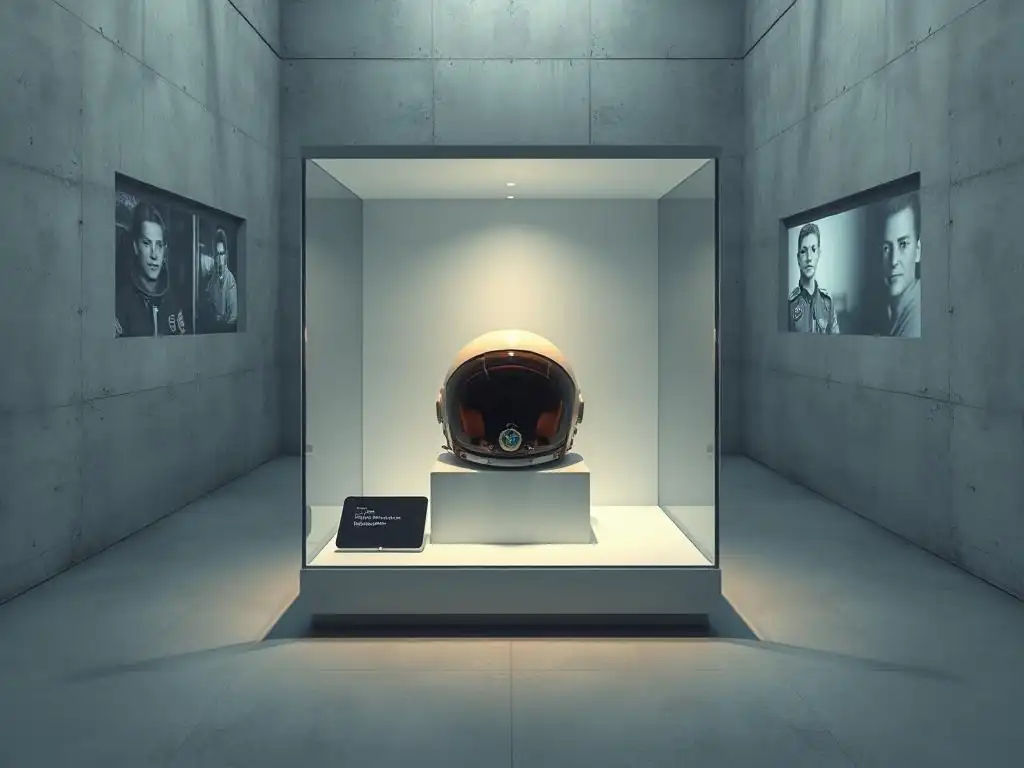
The National Air and Space Museum Exhibit on Women in Aerospace Engineering
The National Air and Space Museum frequently features exhibits that delve into the profound contributions of women in aerospace engineering, extending beyond the well-known astronaut figures. These exhibits meticulously detail the often-overlooked roles of women who designed, tested, and built the very components that made spaceflight possible. Visitors can explore displays on female aerodynamicists, propulsion engineers, and materials scientists, whose intellectual rigor and technical expertise were indispensable to the advancement of aviation and space technology.
Such exhibits are crucial for illustrating the diverse spectrum of roles women played in space exploration, many of which occurred behind the scenes but were absolutely critical to mission success. They highlight how women navigated complex technical challenges, often in environments where their expertise was initially doubted, proving their capabilities through sheer talent and perseverance. This comprehensive approach ensures that the stories of all forgotten women space museum contributors, from the engineers to the astronauts, are fully recognized and celebrated.
Exploring the Contributions of Beatrice Muriel Hill Tinsley
Within the broader context of women in aerospace, museum exhibits might feature the groundbreaking work of Beatrice Muriel Hill Tinsley, an astrophysicist whose theoretical contributions profoundly reshaped our understanding of galactic evolution. While not an astronaut or an engineer in the traditional sense, her pioneering research in the 1970s explored how galaxies change over cosmic time, demonstrating that galaxies are not static but evolve through star formation and interactions. Her models helped explain the observed colors and luminosities of galaxies, a fundamental aspect of understanding the universe.
An exhibit highlighting Tinsley's work would connect her theoretical astrophysics to the observational data collected by space telescopes and probes, demonstrating the intricate relationship between theoretical science and space exploration. By showcasing her intellectual rigor and persistence in a field dominated by men, a forgotten women space museum can illustrate that women's contributions to space science encompass the full spectrum of scientific inquiry, from the practicalities of spacecraft design to the most profound questions about the cosmos itself.
The Adler Planetarium's Online Archive of Women in Space Exploration
In an era of increasing digital accessibility, institutions like the Adler Planetarium are developing vital online resources, such as dedicated archives focused on women in space exploration. These digital repositories serve as powerful tools for research and education, making historical materials available to a global audience far beyond the physical museum walls. An online archive might feature digitized photographs, rare documents, oral history transcripts, and educational materials, all curated to tell the comprehensive stories of female astronauts, scientists, and engineers.
These digital resources democratize access to historically marginalized narratives, breaking down geographical and financial barriers to learning. Researchers, students, and enthusiasts can delve into primary source materials from anywhere in the world, gaining direct insights into the challenges and triumphs of women in space. The Adler Planetarium's commitment to such an archive ensures that the legacies of forgotten women space museum figures are not only preserved but actively shared, fostering deeper understanding and inspiring new scholarship.
Accessing Digital Resources and Primary Source Materials
The availability of digital resources and primary source materials online is transforming how the history of women in space is studied and understood. By making digitized photographs, personal letters, technical reports, and oral histories readily accessible, museums and archives empower individuals to engage directly with the historical record. This direct access allows for a more nuanced interpretation of events and personal experiences, moving beyond simplified narratives to explore the complexities of women's roles in space exploration.
These digital collections are invaluable for students conducting research projects, educators developing lesson plans, and the general public seeking to learn more about the unsung heroines of space. They provide a rich tapestry of information that highlights the varied contributions, the systemic obstacles overcome, and the sheer intellectual power of women in science. The ease of accessing these materials ensures that the stories of forgotten women space museum pioneers can be widely disseminated and studied, fostering a more complete and accurate understanding of human achievement in space.
Engagement Opportunities: Inspiring Future Generations
The widespread popularity of the film "Hidden Figures" provided an unparalleled opportunity for museums and educational institutions to create compelling resources that delve deeper into the stories of the pioneering African American women mathematicians at NASA. Museums now offer workshops, lesson plans, and discussion guides that build upon the film's narrative, providing historical context, exploring the scientific principles involved, and highlighting the broader challenges of racial and gender discrimination faced by these brilliant women. These resources transform a popular cultural phenomenon into a powerful educational tool.
By leveraging the film's recognition, museums can engage a broader and more diverse audience, introducing them to the real lives and profound contributions of Katherine Johnson, Dorothy Vaughan, and Mary Jackson. These educational materials encourage critical thinking about the historical context, foster discussions about equity in STEM, and inspire students to recognize the intellectual power and perseverance demonstrated by these forgotten women space museum figures. The impact of such outreach extends far beyond the classroom, shaping perceptions and encouraging aspirations.
Leveraging the Popularity of "Hidden Figures" for Educational Outreach
The immense popularity of "Hidden Figures" acted as a powerful catalyst, significantly boosting public interest in the overlooked contributions of women, particularly women of color, in space exploration. Museums swiftly capitalized on this momentum, developing tailored educational outreach programs that drew in audiences eager to learn more about the real stories behind the film. This cultural phenomenon allowed institutions to broaden their reach, attracting visitors who might not typically engage with historical science exhibits.
By offering tours, lectures, and interactive experiences directly linked to the film's themes, museums effectively transformed a cinematic narrative into a tangible historical lesson. This strategy not only educated millions about the vital roles of women in early spaceflight but also sparked renewed conversations about diversity and inclusion in STEM fields. The enduring legacy of "Hidden Figures" continues to empower museums to highlight more nuanced and previously forgotten women space museum narratives, inspiring a new generation to pursue scientific and historical inquiry.
Space-Themed STEM Programs for Girls: Promoting Hands-on Learning
Museums and science centers are increasingly offering specialized space-themed STEM programs explicitly designed for girls, aiming to foster early interest and confidence in scientific pursuits. These programs often involve hands-on, experiential learning activities such as building and launching rockets, designing lunar habitats, programming robotic rovers, or conducting simulated space missions. The curriculum is crafted to be engaging and empowering, demonstrating the exciting possibilities within STEM fields without the traditional gender stereotypes.
These initiatives, often hosted at a forgotten women space museum or a science center, create a supportive and encouraging environment where girls can experiment, collaborate, and problem-solve. By providing access to equipment, expert mentors, and compelling role models, these programs help to demystify complex scientific concepts and build essential skills. The goal is not only to educate but also to inspire a sense of agency and belonging, encouraging young girls to envision themselves as future astronauts, engineers, and scientists who will shape humanity's next steps in space.
Partnering with Local Schools to Offer Exclusive Workshops
To maximize their impact and reach a wider, more diverse audience, many museums and science centers actively partner with local schools to offer exclusive space-themed STEM workshops for girls. These collaborations allow museums to tailor their educational content to specific curriculum needs and provide access to students who might not otherwise have the opportunity to visit the museum or participate in specialized programs. Such partnerships can involve bringing museum educators directly into classrooms or hosting dedicated field trips for school groups.
These collaborations often lead to sustained engagement, with schools integrating museum resources into their regular science curricula and students developing long-term interests in STEM. By working directly with educators, museums can ensure that their programs are both informative and align with learning objectives. This synergistic approach creates a powerful pipeline, fostering curiosity and providing practical pathways for young girls to explore careers in science and space, ensuring that the stories of forgotten women space museum pioneers continue to inspire tangible educational outcomes.
Museum Memberships and Donations: Supporting Women in Space Initiatives
Financial contributions through museum memberships and direct donations are absolutely vital for sustaining and expanding initiatives dedicated to celebrating women in space. These funds directly support the development of new exhibits, the painstaking work of archival preservation, the creation of innovative educational programs, and the ongoing research necessary to unearth more forgotten women space museum stories. Without this community support, museums would struggle to maintain their collections, conduct vital research, or reach diverse audiences with their inspiring narratives.
By becoming a member or making a donation, individuals directly contribute to the preservation of history and the inspiration of future generations. These contributions enable museums to acquire new artifacts, digitize historical records, and offer free or subsidized educational programs to underserved communities. Supporting these institutions means investing in a more complete and equitable understanding of human achievement, ensuring that the legacies of women in science are not merely remembered but actively celebrated and made accessible for all.
Encouraging Visitors to Contribute to Preservation Efforts
Museums actively encourage visitors to contribute to their preservation efforts, highlighting the direct link between public support and the ability to continue their crucial work. This encouragement often comes through clear messaging about the cost of artifact conservation, exhibit design, and educational outreach. Visitors are made aware that their contributions, whether through membership fees, direct donations, or even purchasing items from the museum shop, directly fund the ongoing recovery and celebration of the stories of women in space.
By fostering this sense of shared responsibility, museums cultivate a community invested in the accurate portrayal of history. They emphasize that every contribution, no matter the size, helps to ensure that the achievements of forgotten women space museum figures are not only safeguarded for posterity but also brought to light for contemporary audiences. This collective support is essential for maintaining the vibrancy of these institutions and ensuring that the narratives of women in science are continually enriched and accessible for future generations.
The Future of Remembering: Ensuring Women's Contributions are Never Forgotten
Expanding Museum Collections to Include More Diverse Voices
The future of remembering women's contributions in space hinges on the deliberate and proactive expansion of museum collections to include more diverse voices. This involves moving beyond the already recognized figures to actively research and acquire materials related to women from various ethnic, racial, and socioeconomic backgrounds, as well as those in less-recognized but equally vital roles within space exploration. This includes women who worked in manufacturing, logistics, medical support, and countless other behind-the-scenes capacities.
This commitment to diversity in collecting ensures that the full tapestry of women's involvement in space is represented, preventing future generations from encountering forgotten women space museum narratives. It means actively seeking out oral histories, personal archives, and community records that might shed light on previously marginalized experiences. By broadening the scope of what is collected and exhibited, museums can present a more accurate, inclusive, and inspiring historical narrative that reflects the true breadth of human talent.
Utilizing Technology to Enhance the Visitor Experience
Technology holds immense promise for enhancing the visitor experience and deepening engagement with the stories of women in space. Future museum exhibits could leverage advanced virtual reality (VR) and augmented reality (AR) to create truly immersive environments, allowing visitors to "walk" alongside female astronauts on the ISS, or "witness" the calculations of a human computer in a 1960s control room. AI-powered interactive displays could offer personalized learning paths, adapting content based on a visitor's interests and questions.
These technological innovations will make the lives and contributions of women in space more vivid, accessible, and relatable than ever before. Interactive simulations can demystify complex scientific principles, while digital storytelling platforms can bring personal narratives to life with unprecedented detail. By embracing these tools, museums can ensure that the legacies of forgotten women space museum figures are not only preserved but actively experienced, captivating new audiences and inspiring a profound connection to their achievements.
Creating a Lasting Legacy for Future Generations of Women in Science
The overarching goal of museums in highlighting women's contributions to space exploration is to create a lasting legacy that ensures their achievements are never again forgotten. This involves weaving their stories inextricably into the fabric of scientific history, making them central to the narrative rather than mere footnotes. By consistently showcasing the intellectual brilliance, perseverance, and groundbreaking work of women in space, museums help to dismantle outdated stereotypes and establish new, inclusive benchmarks for scientific aspiration.
Ultimately, by illuminating these often-overlooked legacies, museums do more than just honor the past; they actively shape the future. They inspire young girls to pursue STEM careers, demonstrating that gender is no barrier to reaching for the stars. The continued dedication of museums to preserving and celebrating the stories of forgotten women space museum pioneers ensures that future generations of women in science will have a rich heritage of role models, empowering them to push the boundaries of knowledge and achieve their own extraordinary feats in the cosmos.
Frequently Asked Questions
What is the main goal of "Rescuing Legacies from Oblivion: How Museums Illuminate Forgotten Women of Space"?
The main goal is to highlight how museums can play a crucial role in bringing the stories of forgotten women in space to the public. It focuses on rescuing their contributions from obscurity.
Why are women's contributions to space exploration often overlooked?
Women's contributions are often overlooked due to historical biases and the male-dominated nature of the scientific fields. This leads to a lack of visibility and recognition in traditional narratives.
How can a "Forgotten Women Space Museum" help address this issue?
A dedicated museum can provide a platform to showcase the biographies, research, and achievements of these women. It ensures their legacies are preserved and accessible to a wider audience.
What kinds of exhibits might a "Forgotten Women Space Museum" feature?
Exhibits could include biographical displays, interactive simulations of their work, and artifacts related to their contributions. The goal is to create an engaging and educational experience.
What impact could a "Forgotten Women Space Museum" have on future generations?
It can inspire young women to pursue careers in STEM fields by showcasing the success and resilience of these pioneers. It also promotes a more inclusive and accurate understanding of science history.
Final Reflection: Illuminating the Stars Within
The stories we've explored, of women whose contributions to space exploration were once relegated to the shadows, are not just historical footnotes; they are a powerful reminder that history is not a fixed narrative, but a constantly evolving tapestry woven with threads of untold experiences. Their brilliance, perseverance, and dedication, often overlooked in their time, resonate deeply with the ongoing fight for equity and recognition in STEM fields today.
The rediscovery and celebration of these forgotten women through initiatives like the "Forgotten Women Space Museum" is profoundly impactful. It's a testament to the power of institutions to rewrite narratives and inspire future generations, especially young girls, to pursue their dreams without limitation. The most effective way to do it, is to do it.
- Amelia Earhart, a sentiment that echoes the spirit of these women who defied expectations and pushed the boundaries of what was possible.
Now, as we close this chapter, let us carry forward the torch of remembrance. Let us actively seek out and amplify the voices of those who have been historically marginalized. Let us ensure that the legacies of these forgotten women of space, and countless others like them, continue to illuminate the path toward a more inclusive and equitable future, inspiring us all to reach for the stars, knowing that our own stories, too, have the power to shape the world.
Ignite Your Curiosity: Champion Untold Stories!
Thank you for delving into the vital role museums play in showcasing the incredible, yet often overlooked, women who shaped space exploration. Now, let's keep their legacies burning bright!
- Visit a local science museum and actively seek out exhibits highlighting women's contributions. Challenge yourself to learn something new about a female innovator you've never heard of before.
- Share this article with three friends or colleagues and spark a conversation about the importance of inclusive historical narratives.
- Become a volunteer at a museum or historical society, offering your skills to help research and promote the stories of unsung heroines in science and technology.
Which forgotten woman in science's story will you help to unveil and share with the world today?