Explore Medical History Museums Dedicated to Women Pioneers in Medicine
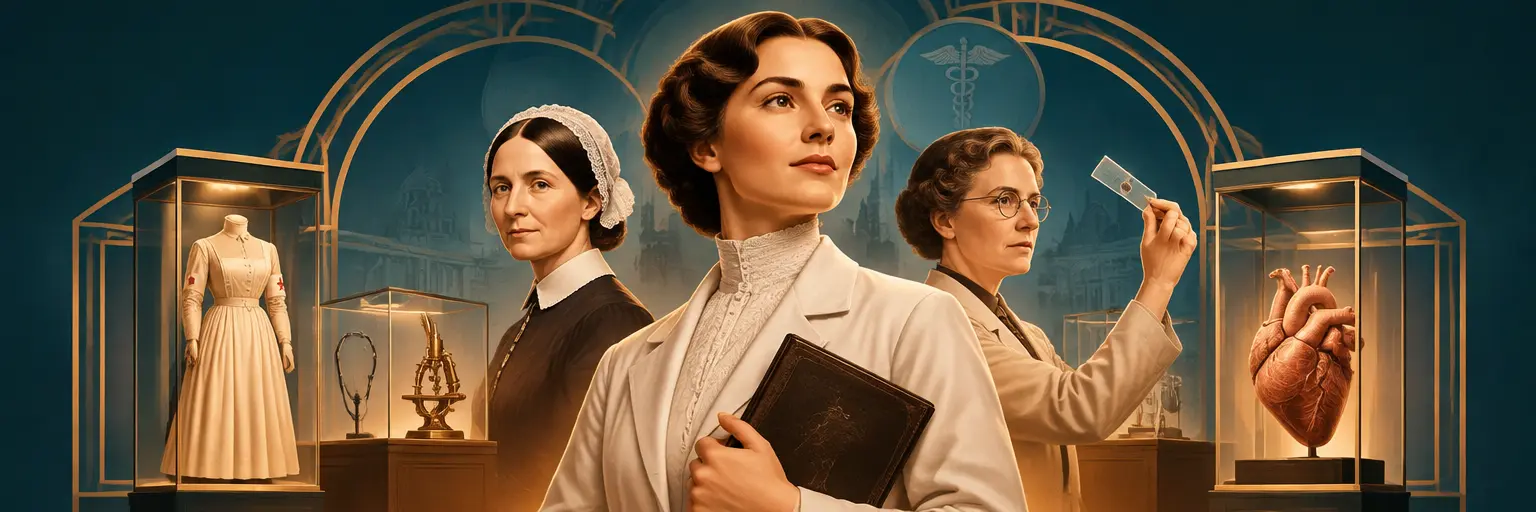
Step into the fascinating world of medical history museums that honor the courageous women who broke barriers in healthcare. These institutions preserve the legacies of female physicians, surgeons, nurses, and researchers who transformed medicine despite immense societal resistance. From the first female doctors to Nobel laureates, these museums offer immersive exhibits, rare artifacts, and personal stories that inspire and educate. Whether you are a student, historian, or curious traveler, discovering these sites provides a powerful lens into how women shaped modern medical practice.
🏛️ Iconic Museums Showcasing Female Medical Trailblazers
Several renowned museums feature dedicated wings or entire collections focused on women in medicine. The Women’s Medical Heritage Center in Philadelphia houses over 5,000 artifacts, including surgical tools used by Dr. Elizabeth Blackwell, the first woman to receive a medical degree in the U.S. Similarly, the Florence Nightingale Museum in London celebrates the founder of modern nursing, with exhibits on her sanitary reforms and Crimean War contributions. These spaces offer interactive timelines, period-accurate dioramas, and personal letters that bring their struggles and triumphs to life.
Beyond the well-known names, smaller regional museums like the Marie Curie Museum in Warsaw and the Mary Edwards Walker Collection in Oswego highlight lesser-known pioneers. Visitors can examine early X-ray machines, 19th-century surgical instruments, and handwritten research notes. Each display emphasizes the intellectual rigor and resilience required to overcome exclusion from medical schools, professional societies, and hospital roles. These institutions serve as vital educational resources, often collaborating with universities to host lectures and temporary exhibits.
🔬 Rare Artifacts and Personal Archives
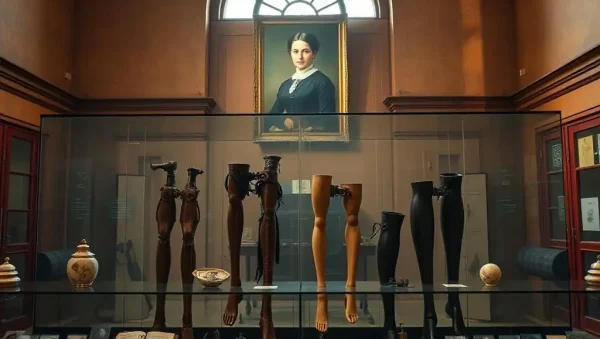
One of the most compelling reasons to visit these museums is their unparalleled artifact collections. Expect to see original diplomas from all-male institutions that reluctantly admitted women, along with protest letters and petitions from female applicants. Some museums display customized medical tools, such as smaller forceps designed for woman physicians, and early stethoscopes used by female practitioners who were barred from touching male patients. Personal journals, prescription pads, and lab equipment from researchers like Gerty Cori and Rosalind Franklin provide intimate glimpses into daily scientific work.
Digital archives also make these collections accessible worldwide. Many museums offer online databases with high-resolution scans of letters, photographs, and patents. For example, the NIH’s History of Medicine Division features digitized scrapbooks from Dr. Alice Hamilton, a pioneer in occupational health. These resources allow researchers, educators, and genealogy enthusiasts to trace the professional paths of female medical pioneers, uncovering mentorship networks and collaborative achievements that traditional histories often omit.
📚 Educational Programs and Guided Tours
Medical history museums excel at transforming static exhibits into dynamic learning experiences. Many offer guided tours led by historians or physicians who share untold anecdotes, such as how Dr. James Barry disguised her identity for decades to serve as a military surgeon. Workshops frequently include hands-on activities like replica artifact handling, where visitors can hold a 19th-century apothecary scale or practice suturing techniques. Schools often book these programs to align with STEM curricula, emphasizing problem-solving and perseverance among women.
Lectures and panel discussions are staples, with topics ranging from “Women in Anesthesia” to “Female Inventors of Medical Devices.” Annual events, such as Women’s History Month specials, feature living pioneers who share their journeys alongside historical figures. For remote audiences, virtual reality tours and live-streamed Q&A sessions broaden reach. These educational initiatives ensure that the legacy of these women remains vibrant, encouraging visitors to consider their own potential in medicine and science.
🌍 Global Representation and Diverse Narratives
While Western pioneers dominate popular accounts, museums increasingly spotlight diverse global contributions. The Indian Medical Heritage Museum in Hyderabad features Dr. Kadambini Ganguly, one of South Asia’s first female physicians, alongside tribal healers who employed botanical remedies. Likewise, the Museum of African American Medicine in Chicago honors Dr. Rebecca Crumpler and Dr. May Chinn, who faced both gender and racial discrimination. These exhibits challenge monolithic histories and illustrate how cultural contexts shaped medical innovation.
Comparisons across regions reveal surprising parallels and unique adaptations. European museums emphasize university admissions battles, while African and Asian institutions highlight colonial-era restrictions and traditional medicine roles. The Latin American Museum of Women Healers in Mexico City explores curanderas and midwives, integrating Indigenous knowledge systems. By presenting these multifaceted narratives, museums foster a more inclusive understanding of medical progress, celebrating achievements while acknowledging systemic obstacles that persist even today.
🩺 Inspiring Future Generations Through Exhibits
Women pioneer museums are not merely repositories of the past; they actively inspire tomorrow’s healthcare leaders. Interactive stations let visitors simulate diagnostic reasoning or engage in “meet the pioneer” holograms that answer questions. Mentorship programs connect high school students with female physicians, using museum artifacts as conversation starters. Many institutions offer scholarships and fellowships named after historical figures, funding research that continues their unfinished work.
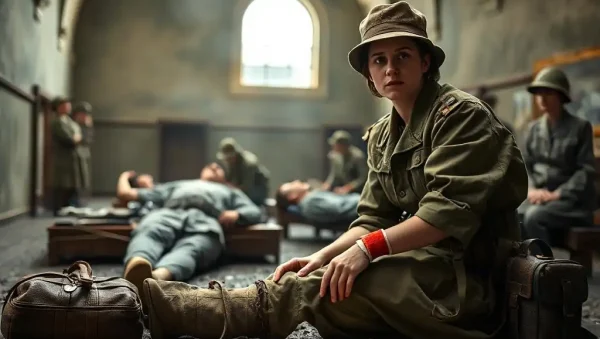
Art and storytelling blend in poignant installations, such as a replica of a field hospital where Clara Barton cared for soldiers, or an audio walk through Dr. Virginia Apgar’s delivery room. These emotional experiences leave lasting impressions, prompting visitors to reflect on their own biases and aspirations. With visitor feedback often shaping new exhibits, museums remain responsive to contemporary issues like medical inequality and women’s health research gaps, reinforcing their relevance in public discourse.
Frequently Asked Questions
What is the oldest medical museum dedicated to women pioneers?
The Florence Nightingale Museum in London, opened in 1989, is among the oldest continuously operating institutions fully dedicated to a female medical pioneer. However, the International Museum of Women in Medicine in Barcelona traces its origins to a 1920s collection of female physicians’ portraits, making it a contender for the earliest formal archive.
Can I view artifacts online if I cannot visit in person?
Yes, most major museums offer extensive digital galleries. The National Library of Medicine hosts a free virtual exhibit called “Changing the Face of Medicine,” featuring over 300 women pioneers with digitized letters, photos, and biographies. Many smaller museums also provide downloadable educational kits and 3D artifact scans.
Are there any temporary exhibits focusing on women of color in medicine?
Absolutely. The National Museum of African American History and Culture frequently rotates exhibits on Black female physicians, while the Smithsonian’s Latino Center has featured Latina nurses and midwives. Check each museum’s calendar, as these special shows often travel to partner institutions regionally.
How can teachers incorporate these museum resources into classrooms?
Many museums offer free lesson plans aligned with national science and social studies standards. For example, the Women’s Museum of California provides downloadable worksheets on primary source analysis. Additionally, virtual field trips allow classrooms to interact live with curators, making integration seamless for remote or hybrid learning.
Do these museums offer opportunities for researchers or volunteers?
Yes. Most institutions have research fellowships for historians and medical students, often funded by philanthropic foundations. Volunteer roles include archival digitization, tour guiding, and exhibit curation. Contact the museum’s education department for open positions or collaborative projects, especially during Women’s History Month.