
Fueling Future Scientists: A Global Tour of Museums Celebrating Women's Contributions

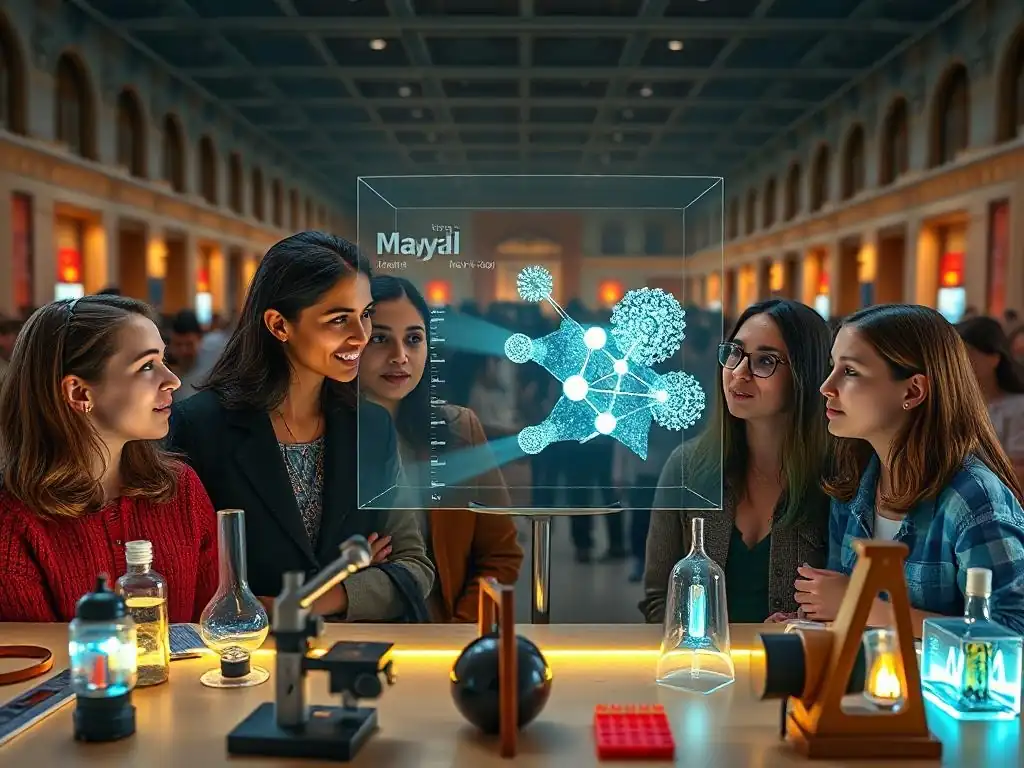
Welcome to WomenInScienceHistory.com, where we unearth the remarkable stories of women who shaped the scientific world! Prepare to be inspired as we delve into the lives and legacies of these pioneering figures. This time, join us on a virtual journey around the globe as we explore the best Women Scientists Museum Tours, offering a unique window into their groundbreaking achievements and the obstacles they overcame. Curious to know where you can experience their brilliance firsthand? Let the adventure begin!
- Exploring Women Scientists Museum Tours Worldwide: A Global Guide
- Why Visit Museums Dedicated to Women in Science History?
- Featured Women Scientists Museum Tours: A Geographic Breakdown
- Planning Your Women Scientists Museum Tour: Tips & Resources
- Supporting Women in Science: Beyond Museum Tours
- Conclusion: Embracing the Legacy of Women in Science
-
Frequently Asked Questions
- What types of museums typically feature exhibits on women scientists?
- Why is it important to visit museums that highlight women in science?
- What are some common challenges faced by women scientists that might be highlighted in museum exhibits?
- Are there virtual museum tours available that focus on women scientists?
- How can women scientists museum tours inspire future generations?
- Final Reflection: Illuminating Legacies, Inspiring Futures
- Ignite Your Inner Explorer!
Exploring Women Scientists Museum Tours Worldwide: A Global Guide
Embarking on women scientists museum tours offers a profound journey into the often-untold narratives of scientific discovery and innovation. These specialized tours and dedicated museum sections worldwide serve as vital educational hubs, illuminating the groundbreaking work and enduring legacies of women who shaped various scientific disciplines. From the pioneering efforts in mathematics to revolutionary strides in physics and biology, these institutions provide invaluable insights into the historical context and societal challenges faced by female researchers.
A global guide to these unique destinations reveals how museums are actively working to rectify historical omissions, ensuring that the contributions of women in science are not only acknowledged but also celebrated. Each location provides a distinct lens through which visitors can engage with complex scientific concepts and appreciate the perseverance required to break barriers. These women scientists museum tours are essential for anyone seeking a more comprehensive understanding of scientific history and the pivotal role women have played within it.
Why Visit Museums Dedicated to Women in Science History?
Inspiring Future Generations of Women Scientists Through Museum Visits
Visiting museums dedicated to women in science history serves as a powerful source of inspiration, particularly for young girls and aspiring scientists. When children see tangible evidence of women's achievements—original artifacts, interactive displays, and compelling biographies—it shatters preconceived notions about who can excel in STEM fields. These women scientists museum tours provide relatable role models, illustrating that scientific curiosity and groundbreaking discoveries are not exclusive to any gender. By showcasing these historical figures, museums help to normalize the presence of women in laboratories, observatories, and research institutions.
The impact of such exposure can be profound, encouraging greater participation and confidence among female students considering STEM careers. For instance, studies indicate that early exposure to diverse role models significantly influences career aspirations. A visit to a museum highlighting figures like Marie Curie or Rosalind Franklin can ignite a lifelong passion for discovery, demonstrating that even against significant societal resistance, women have made, and continue to make, monumental contributions. These educational experiences are crucial for fostering an inclusive future in science.
Unveiling Overlooked Contributions: Women Scientists' Historical Impact
One of the most critical functions of these specialized women scientists museum tours is to unveil the myriad contributions that have historically been overlooked or attributed to male counterparts. For centuries, societal biases and institutional barriers often marginalized women's intellectual work, leading to their exclusion from textbooks and public recognition. Museums actively work to correct these historical inaccuracies by presenting meticulously researched accounts and artifacts that highlight the true scope of women's impact.
Consider, for example, the work of Lise Meitner, whose crucial contributions to the discovery of nuclear fission were initially unacknowledged in the Nobel Prize awarded to her male collaborator. Museums dedicated to science history now explicitly detail her pivotal role, ensuring that her genius is rightfully recognized. By bringing these stories to the forefront, these institutions not only honor individual legacies but also provide a more complete and accurate understanding of scientific progress, demonstrating that innovation often arises from diverse perspectives and collaborative efforts, even when credit was not equally shared.
Interactive Exhibits: Engaging with Science and Women's History
Interactive exhibits are a cornerstone of modern women scientists museum tours, transforming passive observation into an engaging and immersive learning experience. These hands-on displays allow visitors of all ages to directly interact with scientific principles and historical contexts, making complex ideas more accessible and memorable. From virtual reality simulations that transport you into a historical laboratory to touch-screen displays detailing scientific timelines, interactivity fosters a deeper understanding of women's contributions.
For example, an exhibit might allow visitors to manipulate a model of DNA to understand Rosalind Franklin's crystallography work, or simulate the challenges faced by early female astronomers using a historical telescope. This direct engagement not only demystifies scientific concepts but also personalizes the struggles and triumphs of women in science. By actively participating, visitors gain a more profound appreciation for the ingenuity and perseverance of these pioneering women, making their stories resonate far beyond the museum walls.
Featured Women Scientists Museum Tours: A Geographic Breakdown
North America: Showcasing American Women in Science
- The Bakken Museum (Minneapolis, USA): Nestled in Minneapolis, The Bakken Museum is dedicated to the history of electricity and magnetism, and their intersection with life. While not exclusively focused on women, its exhibits provide a unique lens through which to appreciate the foundational ideas that influenced women thinkers and innovators in scientific realms, such as Mary Shelley, whose literary contributions explored scientific themes of electricity and life in Frankenstein. The museum's collection includes rare books, artifacts, and instruments that illustrate the evolution of these powerful forces, contextualizing the environment in which many women scientists, often working in the shadows, made their own significant intellectual contributions to understanding these phenomena. Visitors can explore how early scientific investigations laid the groundwork for future discoveries, many of which were advanced by women whose names may not always be prominently featured but whose influences were undeniably present.
- Canada Science and Technology Museum (Ottawa, Canada): The Canada Science and Technology Museum in Ottawa offers a comprehensive look at Canadian innovation and scientific achievement, often featuring exhibits that highlight contributions by Canadian women in various scientific fields. While not solely a women scientists museum, it frequently incorporates narratives of pioneering female engineers, researchers, and innovators into its broader displays. Recent exhibitions have, for example, showcased the work of women in fields ranging from telecommunications to environmental science, acknowledging their integral role in shaping Canada's technological landscape. The museum's commitment to inclusive storytelling ensures that visitors gain a richer understanding of Canadian scientific history, recognizing that women have always been at the forefront of discovery and application, contributing to advancements in medicine, agriculture, and space exploration.
Europe: Celebrating European Women's Scientific Achievements
- Science Museum (London, UK): The Science Museum in London is a global leader in showcasing scientific and technological breakthroughs, with dedicated sections that delve into the history of British science. Within its vast collections, visitors can find compelling exhibits on notable women like Ada Lovelace, often credited with being the world's first computer programmer, whose visionary work on Charles Babbage's Analytical Engine is explored in detail. Another prominent figure is Hertha Ayrton, an accomplished electrical engineer, mathematician, and inventor, whose pioneering research on electric arcs and ripples in sand is also highlighted. These women scientists museum tours within the Science Museum provide a crucial platform for understanding their intellectual prowess and the significant challenges they overcame in a male-dominated scientific community, offering insights into their groundbreaking contributions that continue to influence modern technology and engineering.
- Musée Curie (Paris, France): Located in the very laboratory where Marie Curie conducted her groundbreaking research, the Musée Curie in Paris offers an intimate and profoundly inspiring experience. This historical site provides a direct window into the life and work of one of history's most renowned women scientists. Visitors can explore Marie Curie's office and laboratory, preserved as they were during her lifetime, gaining an unparalleled sense of her dedication and the conditions under which she made her revolutionary discoveries. The museum vividly recounts her monumental achievements in radioactivity, including the isolation of polonium and radium, which earned her two Nobel Prizes—one in Physics and one in Chemistry. It also honors the legacy of her daughter, Irène Joliot-Curie, who also won a Nobel Prize, showcasing a remarkable family tradition of scientific excellence and resilience.
Asia & Oceania: Highlighting Women Scientists' Global Impact
- Miraikan (Tokyo, Japan): The National Museum of Emerging Science and Innovation, known as Miraikan, in Tokyo, Japan, is a cutting-edge institution exploring the latest advancements in science and technology. While its focus is broad, Miraikan consistently showcases Japanese innovations that include significant contributions from women in various fields, particularly robotics, space technology, and sustainable development. Exhibits often feature leading female researchers and engineers who are shaping Japan's technological future, providing a contemporary perspective on women's roles in STEM. For instance, displays on advanced robotics frequently highlight the work of female roboticists and AI specialists. These dynamic women scientists museum tours within Miraikan demonstrate that scientific leadership and innovation are increasingly diverse, offering inspiring examples of women at the forefront of global technological progress.
- Questacon (Canberra, Australia): Questacon, Australia's National Science and Technology Centre in Canberra, is renowned for its highly interactive science exhibits designed to engage and educate visitors of all ages. The museum frequently integrates narratives highlighting Australian women in STEM fields into its diverse displays. Through hands-on experiments and engaging presentations, Questacon makes complex scientific concepts accessible while subtly weaving in the stories of female scientists, engineers, and mathematicians who have made significant contributions to Australia's scientific landscape. For example, exhibits on environmental science might feature the work of female conservationists, or displays on medical breakthroughs could highlight the achievements of Australian women in health research. These women scientists museum tours at Questacon inspire curiosity and demonstrate that science is a field open to everyone, regardless of gender.
Planning Your Women Scientists Museum Tour: Tips & Resources
Essential Resources for Planning Museum Visits:
Planning successful women scientists museum tours requires thoughtful preparation to maximize the experience. A primary resource is the official website of each museum, which typically offers up-to-date information on opening hours, ticket prices, special exhibitions, and accessibility features. Many museums now offer online booking options, which can save time and ensure entry, especially for popular institutions. Additionally, look for downloadable museum guides or audio tours that can enhance your visit by providing deeper context to the exhibits.
Beyond individual museum sites, reputable cultural and tourism websites often compile lists of science museums, sometimes with filters for specific themes like women in science. Educational platforms may also offer curated itineraries or lesson plans that can be adapted for a museum visit, particularly useful for families or school groups. Prior to your women scientists museum tours, checking public transport routes and nearby dining options can also contribute to a smoother and more enjoyable day.
Maximizing Your Learning Experience:
To truly maximize your learning during women scientists museum tours, consider engaging in some pre-visit research about the specific women scientists featured or the scientific concepts explored. This foundational knowledge will allow you to connect more deeply with the exhibits and appreciate the nuances of their contributions. Once at the museum, take advantage of guided tours led by docents or educators, as they often provide invaluable insights and anecdotes not readily available through static displays.
Engage with interactive exhibits thoughtfully, taking time to understand the principles they demonstrate. Don't hesitate to ask questions of museum staff; their expertise can unlock further understanding. After your visit, reflect on what you learned, perhaps by journaling or discussing your favorite discoveries with others. Connecting the historical achievements of these women to current scientific challenges or personal interests can further solidify the learning experience and reinforce the enduring legacy of women in science.
Supporting Women in Science: Beyond Museum Tours
Donate to Organizations Supporting Women in STEM
Beyond engaging with women scientists museum tours, a tangible way to support the advancement of women in science is through financial contributions to organizations dedicated to promoting gender equity in STEM. Numerous non-profit organizations work tirelessly to provide scholarships, mentorship programs, and professional development opportunities specifically for women pursuing scientific careers. These donations can directly impact the ability of aspiring female scientists to access education, conduct research, and overcome financial barriers.
For instance, supporting organizations that fund STEM scholarships for undergraduate or graduate women ensures that talented individuals can pursue their academic passions without undue financial strain. Similarly, contributions to programs that connect experienced female scientists with emerging talent foster crucial mentorship relationships, guiding the next generation through their careers. Every donation, regardless of size, contributes to building a more diverse and inclusive scientific community, helping to cultivate the future leaders in science.
Advocate for Gender Equity in Science
Advocating for gender equity in science extends beyond financial support and involves actively challenging biases and promoting inclusive practices within scientific institutions and society at large. This can take many forms, from speaking out against gender stereotypes in educational materials to supporting policies that promote equal pay and representation in scientific leadership roles. Engaging in public discourse and raising awareness about the systemic barriers women still face in STEM fields is a powerful form of advocacy.
Participate in initiatives that champion diverse hiring practices, encourage flexible work arrangements, and foster supportive environments where women scientists can thrive. Your voice can help influence decision-makers and shift cultural norms within scientific communities. By actively advocating for fair treatment and equal opportunities, you contribute to dismantling the historical obstacles that have long hindered women's full participation in science, ensuring that talent and merit are the sole determinants of success.
Inspire the Next Generation
Inspiring the next generation of women scientists is a crucial and deeply personal way to support the cause, building directly upon the narratives encountered during women scientists museum tours. This involves serving as a role model, mentor, or simply encouraging young girls to explore their scientific curiosities. Share stories of groundbreaking women in science, highlight diverse career paths in STEM, and emphasize that scientific inquiry is open to everyone.
Whether through volunteering at local science fairs, speaking at schools, or simply nurturing a child's natural curiosity about the world around them, your efforts can make a profound difference. Encourage critical thinking, problem-solving, and a love for discovery. By actively engaging with and inspiring young minds, you contribute to cultivating a new cohort of female scientists who are confident, capable, and ready to make their own indelible marks on the world of scientific innovation.
Conclusion: Embracing the Legacy of Women in Science
Frequently Asked Questions
What types of museums typically feature exhibits on women scientists?
Often, you'll find exhibits on women in science within science museums, history museums, and university-affiliated museums. These exhibits often showcase their contributions to various fields.
Why is it important to visit museums that highlight women in science?
Visiting these museums helps to raise awareness of their achievements and inspire future generations, especially young girls, to pursue careers in STEM fields. It also helps correct the historical record.
What are some common challenges faced by women scientists that might be highlighted in museum exhibits?
Exhibits often address gender bias, lack of recognition, and limited access to resources that women faced throughout history in science and technology.
Are there virtual museum tours available that focus on women scientists?
Yes, many museums offer virtual tours and online resources that highlight the accomplishments of women scientists, allowing access from anywhere in the world. This makes learning about them more accessible.
How can women scientists museum tours inspire future generations?
By showcasing their groundbreaking discoveries and perseverance, these tours serve as powerful examples of what women can achieve in STEM, encouraging young people to follow their passions.
Final Reflection: Illuminating Legacies, Inspiring Futures
The journey through museums celebrating women in science, as explored in this article, underscores a vital truth: history is not just a record of the past, but a powerful blueprint for the future. These institutions are more than repositories of artifacts; they are vibrant ecosystems nurturing the next generation of scientific innovators, ensuring that the contributions of women, often overlooked, are finally brought to light.
This exploration of "Women scientists museum tours" has profoundly impacted my understanding of the ongoing struggle for recognition and the importance of accessible role models. Seeing these museums as beacons of hope, actively shaping perceptions and inspiring young minds, is incredibly moving. You can't be what you can't see,
as Marian Wright Edelman so eloquently stated. These museums are making the invisible visible, empowering girls and women to envision themselves as scientists, engineers, and mathematicians.
Now, I invite you to reflect on the power of representation and the responsibility we all share in fostering a more inclusive scientific community. Visit a museum, support these institutions, and share the stories of these remarkable women. Let us collectively ensure that the legacies of these pioneers continue to fuel the dreams of future scientists, creating a world where every child, regardless of gender, has the opportunity to reach for the stars.
Ignite Your Inner Explorer!
Thank you for diving into the world of women in science! We hope this global museum tour has sparked your curiosity and appreciation for their incredible contributions. Now, it's your turn to make an impact.
- Plan a visit to one of these inspiring museums and immerse yourself in their stories.
- Share this article with educators and young people to encourage them to discover more women in STEM.
- Start a local chapter of "Women in Science History" and organize your own museum visit or event to celebrate women in your community.
Which woman in science, featured in these museums or elsewhere, most inspires you to pursue your own passions?