
Letters from the Frontlines: Museum Displays of Women Medics' Wartime Contributions

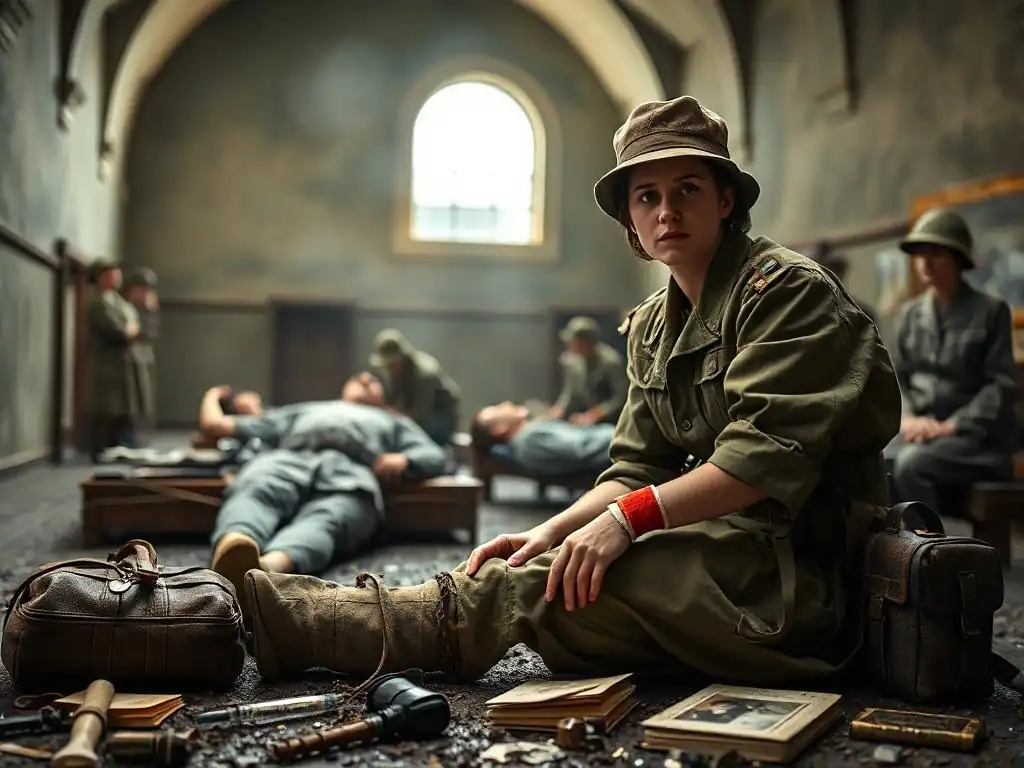
Welcome to WomenInScienceHistory.com, where we unearth the remarkable stories of women who shaped the scientific landscape. But have you ever wondered about the unsung heroes on the frontlines of conflict? Today, we delve into the poignant "Letters from the Frontlines: Museum Displays of Women Medics' Wartime Contributions", exploring how museums are preserving and showcasing the invaluable contributions of these dedicated women.
Discover the personal accounts and historical significance of their service, and uncover the challenges they overcame in saving lives amidst chaos. What secrets do these letters hold, and how are they reshaping our understanding of wartime medicine? Read on to find out!
- Honoring Women Medics' Wartime Contributions: Exploring Museum Exhibits
- Best Museum Exhibits Highlighting Women's Medical Service During Wartime
- Comparing Exhibits: Strengths and Weaknesses in Portraying Women Medics
- Beyond the Display Case: Continuing the Legacy of Women in Science
- Conclusion: Remembering and Celebrating Women Medics' Wartime Contributions
-
Frequently Asked Questions
- What is the main focus of the "Letters from the Frontlines" museum display?
- Why is it important to document and showcase the work of women medics during wartime?
- What types of challenges did women medics face during wartime, as potentially explored in the display?
- How does the "Letters from the Frontlines" display contribute to the broader mission of "WomenInScienceHistory.com"?
- What impact can a display like "Letters from the Frontlines" have on future generations?
- Final Reflection: Honoring the Unsung Heroines
- Uncover Hidden Heroines: Ignite Your Curiosity Today!
Honoring Women Medics' Wartime Contributions: Exploring Museum Exhibits
Museums serve as invaluable archives, preserving the tangible and intangible legacies of human history. For the monumental efforts of women medics during wartime, these institutions are particularly crucial in ensuring their stories are neither forgotten nor diminished. These dedicated professionals, from nurses tending to the wounded on the frontlines to surgeons performing life-saving operations in field hospitals, made indelible contributions that often went unacknowledged in official histories. Through carefully curated exhibits, museums offer a vital platform to illuminate the courage, skill, and resilience of these pioneering women.
By showcasing uniforms, medical instruments, personal letters, and photographs, museums bring to life the challenging conditions and profound impact of women medics' wartime contributions. They provide visitors with a direct connection to the past, allowing them to grasp the scale of medical innovation and humanitarian effort undertaken by women during conflicts ranging from the American Civil War to the World Wars and beyond. These displays not only educate but also inspire, offering a poignant reminder of the sacrifices made and the barriers broken by these extraordinary individuals.
Best Museum Exhibits Highlighting Women's Medical Service During Wartime
Exhibit 1: The Army Medical Museum (Silver Spring, MD)
Showcasing Women's Medical Roles: A Detailed Look
The Army Medical Museum, now known as the National Museum of Health and Medicine (NMHM), has historically featured exhibits that delve into the comprehensive roles of women in military medicine. While not exclusively dedicated to women, sections within its broader collections often highlight the significant presence of female nurses, surgeons, and support staff who served with distinction.
During World War I, for instance, over 21,000 U.S. Army nurses served, with many deployed overseas, a stark contrast to previous conflicts where women's roles were more restricted. These exhibits detail the evolution of their responsibilities, from providing basic care to performing complex medical procedures in makeshift hospitals and evacuation units.
The museum’s narrative often chronicles the arduous training and demanding conditions faced by these women, illustrating how their expertise was indispensable in managing mass casualties and preventing epidemics. For example, the Spanish Flu pandemic of 1918, which coincided with the end of WWI, saw nurses battling both combat injuries and widespread disease, often with limited resources. These displays underscore how women medics' wartime contributions were critical in maintaining troop health and morale, often under fire and in environments fraught with danger.
Artifacts and Stories: Immersive Experiences
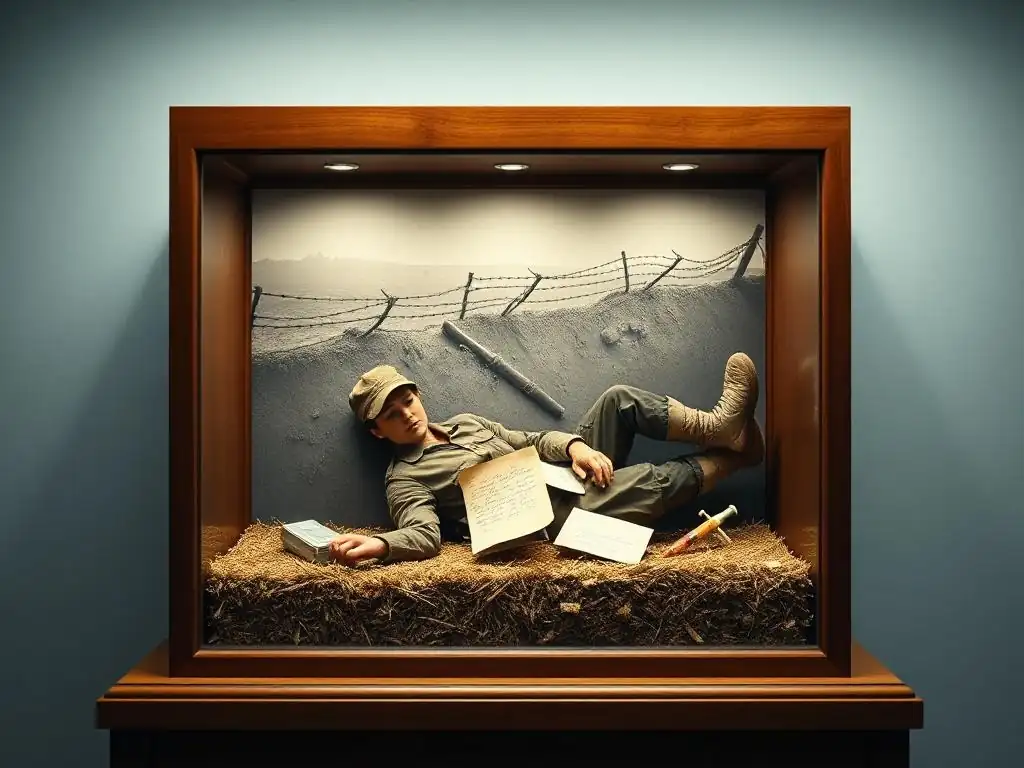
The NMHM houses an impressive array of artifacts that bring the experiences of women medics to life. Visitors might encounter meticulously preserved nurse uniforms from various eras, complete with original badges and insignia, offering a tangible link to the women who wore them. Medical kits, surgical instruments, and field hospital equipment used by female practitioners are also often on display, providing insight into the practical challenges and innovations of wartime medicine. Personal letters, diaries, and photographs offer intimate glimpses into the daily lives, fears, and triumphs of these women, transforming abstract historical facts into deeply human stories.
One notable example might include a display featuring the story of a specific nurse who served during World War II, perhaps detailing her journey from civilian life to the European theater, accompanied by her personal effects. Such narratives provide a powerful, immersive experience, allowing visitors to connect emotionally with the sacrifices and dedication inherent in women medics' wartime contributions. These curated collections serve as powerful testaments to their enduring legacy.
Monetization Opportunity: Books and Documentaries on Military Medicine
Museums can leverage their unique collections to generate revenue through curated merchandise. Offering a selection of high-quality books and documentaries focused on military medicine, particularly those that highlight the often-untold stories of women, presents a significant monetization opportunity. These resources could delve deeper into the historical context of exhibits, featuring detailed biographies of pioneering female medical figures or comprehensive analyses of medical advancements made during wartime.
For instance, a museum shop might feature a book titled "Angels of the Battlefield: The Unsung Heroines of Wartime Healthcare," or a documentary series exploring the evolution of nursing roles from the Civil War to modern conflicts. These products not only enhance the visitor's educational experience but also provide a tangible way for them to support the museum's mission of preserving and sharing these vital histories, especially those of women medics wartime contributions.
Exhibit 2: The Imperial War Museum (London): Women at War
Showcasing the Broad Roles of Women in Wartime
The Imperial War Museum (IWM) in London offers a comprehensive look at the impact of conflict on human lives, with significant emphasis on the roles women played in both world wars. While not solely focused on medical contributions, its "Women at War" galleries provide crucial context for understanding the broader societal shifts that allowed women to enter and excel in medical fields during times of national crisis.
The museum highlights how women stepped into roles traditionally reserved for men, from factory workers and agricultural laborers to vital members of the armed forces and auxiliary services, including a substantial contingent of nurses and medical support staff.
These exhibits illustrate how the sheer scale of casualties during conflicts like World War I necessitated an urgent expansion of medical personnel, opening doors for thousands of women to serve as nurses, VADs (Voluntary Aid Detachment), and even early female doctors. The IWM effectively portrays the challenging conditions they faced, whether working in field hospitals near the Western Front or in London's overcrowded military hospitals. The museum’s narrative ensures that women medics wartime contributions are seen within the larger tapestry of women's evolving societal roles during wartime.
Letters and Records: Primary Source Insights
A cornerstone of the IWM's approach is its extensive use of primary sources, including personal letters, diaries, and official records. These documents offer unparalleled insight into the lived experiences of women medics. For example, visitors might read excerpts from a nurse's diary detailing her daily routine in a casualty clearing station during the Battle of the Somme, describing the relentless flow of injured soldiers and the emotional toll of their work. These firsthand accounts provide a raw and authentic perspective on the human element of wartime medicine.
The museum often displays official military records and commendations, acknowledging the bravery and dedication of individual women. Such artifacts not only validate the historical presence of women in these critical roles but also underscore the personal sacrifices made. By presenting these intimate narratives alongside broader historical context, the IWM powerfully conveys the profound and often overlooked impact of women medics wartime contributions on the course of global conflicts.
Monetization Opportunity: Military History Resources
The Imperial War Museum, with its vast archives and historical depth, has excellent potential for monetizing its extensive military history resources. This includes offering specialized publications, digital archives, and educational kits that delve into the specific contributions of various groups, such as women in the armed forces or medical personnel. These resources can range from academic texts to more accessible historical accounts.
A key offering might be a series of curated digital collections of letters and diaries from women medics, available for purchase or subscription, providing researchers and enthusiasts with unprecedented access to primary source material. Furthermore, the museum could develop detailed historical maps or timelines highlighting key medical campaigns and the roles of women within them. These offerings not only support the museum financially but also extend its educational reach, emphasizing the crucial role of women medics wartime contributions.
Exhibit 3: The National Museum of Health and Medicine (Silver Spring, MD): Advances in Military Medicine
Spotlighting Women's Contributions Through Special Exhibits
The National Museum of Health and Medicine (NMHM), an institution with a rich history dating back to the Civil War, frequently features special exhibits that spotlight specific aspects of military medicine, including the significant contributions of women. While its permanent collection covers a broad spectrum of medical history, temporary or rotating exhibits often provide a more focused look at the innovative practices and tireless efforts of women medics wartime contributions. These special displays might commemorate anniversaries of major conflicts, focusing on the evolution of nursing practices, surgical techniques, or public health initiatives led by women during wartime.
For instance, an exhibit might explore the role of women physicians in the early 20th century, such as those who served with the American Women's Hospitals during World War I, providing medical care in war-torn regions of France and Serbia. These exhibits detail the challenges they faced in gaining acceptance within a male-dominated profession and the groundbreaking work they accomplished. The NMHM’s commitment to these focused narratives ensures that the specific impact of women on military medical advancements is thoroughly explored and celebrated.
Interactive Displays and Educational Programs
The NMHM excels in creating engaging and interactive experiences for its visitors, which is particularly effective in conveying the complexities of medical history. Many exhibits incorporate multimedia elements, such as audio recordings of veterans or medical professionals, historical film footage, and digital interactives that allow visitors to explore medical records or treatment protocols. For example, an interactive display might simulate the triage process in a field hospital, allowing visitors to understand the rapid decision-making required of nurses and doctors, many of whom were women.
Beyond the physical displays, the museum frequently hosts educational programs, lectures, and workshops tailored to various age groups. These programs often feature guest speakers who are experts in military history or the history of women in medicine, providing deeper insights into women medics wartime contributions. Such events foster a more dynamic learning environment, encouraging discussion and critical thinking about the historical roles and continuing legacy of women in healthcare.
Monetization Opportunity: Museum Membership and Travel Packages
To sustain its educational mission and enhance visitor engagement, the National Museum of Health and Medicine can effectively monetize through museum memberships and specialized travel packages. A tiered membership program could offer benefits like free admission, exclusive access to special exhibits or curator talks, discounts at the museum shop, and invitations to members-only events. These memberships foster a sense of community and loyalty among patrons who are passionate about health and medical history, including the pivotal role of women.
Furthermore, partnerships with local tour operators or historical societies could lead to the creation of themed travel packages. These packages might combine a visit to the NMHM with tours of other significant historical medical sites in the Washington D.C. area, or even extend to battlefields where women medics served. Such curated experiences offer a unique value proposition, attracting history enthusiasts and generating substantial revenue while highlighting the incredible women medics wartime contributions.
Comparing Exhibits: Strengths and Weaknesses in Portraying Women Medics
Accuracy and Historical Context:
The three museums discussed—the National Museum of Health and Medicine (NMHM), the Imperial War Museum (IWM), and implicitly, the Army Medical Museum's legacy at NMHM—each demonstrate a strong commitment to historical accuracy, though their approaches vary. The NMHM, with its specialized focus on health and medicine, often provides a granular level of detail regarding medical techniques, instruments, and the specific challenges faced by healthcare providers, including women.
Its exhibits tend to embed women medics wartime contributions within the broader narrative of medical advancement, ensuring technical precision. For example, it might meticulously display the evolution of surgical kits used by female surgeons or the development of specific nursing protocols.
The IWM, while equally committed to accuracy, places women's medical roles within a wider socio-historical context of total war. Its strength lies in illustrating how women's entry into the medical field was part of a larger societal shift, driven by necessity and changing gender roles.
While perhaps less focused on the minutiae of medical practice, the IWM excels at presenting the personal narratives and challenges faced by women across all wartime roles, including the medical sector, through authentic primary sources like letters and diaries. Both museums generally avoid anachronisms and strive for a balanced portrayal, relying on extensive research and collaboration with historians.
Emotional Impact and Engagement:
The emotional impact and engagement levels of these exhibits differ based on their curatorial philosophies. The Imperial War Museum often achieves a profound emotional resonance through its emphasis on personal stories and the raw, unvarnished accounts of individuals.
Walking through sections dedicated to "Women at War," visitors are confronted with the realities of conflict through the eyes of those who lived it, including the immense bravery and sacrifice of women medics. The use of direct quotes, personal artifacts, and immersive soundscapes can evoke a powerful sense of empathy and connection to the past, making the experiences of women medics wartime contributions feel immediate and deeply personal.
The National Museum of Health and Medicine, while also incorporating personal narratives, often balances emotional impact with a strong educational objective. Its focus on medical science and innovation provides a more intellectual engagement, encouraging visitors to understand the "how" and "why" of medical advancements, even amidst the horrors of war.
While perhaps less overtly emotional than the IWM, the NMHM's displays can still be deeply moving, particularly when showcasing the sheer dedication required to save lives under extreme duress. Both museums succeed in engaging visitors, but the IWM leans more towards visceral emotional connection, while the NMHM emphasizes informed understanding.
Educational Value and Accessibility:
In terms of educational value, both the National Museum of Health and Medicine and the Imperial War Museum offer robust learning experiences, albeit with different focuses. The NMHM provides unparalleled educational depth regarding the history of medicine, disease, and military healthcare. Its exhibits are rich in scientific detail and often cater to audiences with an interest in medical science, making it an excellent resource for understanding the technical aspects of women medics wartime contributions. The museum's educational programs and interactive elements are designed to facilitate deeper learning, often explaining complex medical concepts in an accessible manner.
The IWM, on the other hand, provides a broader educational experience, integrating the story of women medics into the larger narrative of conflict's impact on society. It educates visitors not just on medical practices but also on social history, gender roles, and the political landscape of wartime. Its accessibility lies in its wide appeal, drawing in visitors interested in general history, military history, and social change.
Both museums are generally accessible to a broad public, with clear signage, engaging displays, and often multilingual information. While the NMHM might appeal more to those with a specific interest in health sciences, the IWM’s comprehensive approach ensures its educational value is broad and far-reaching, making women medics wartime contributions understandable to a wider audience.
Beyond the Display Case: Continuing the Legacy of Women in Science
Supporting Women in STEM: Organizations and Initiatives
The legacy of women medics wartime contributions extends far beyond museum display cases, serving as a powerful inspiration for today's efforts to support women in STEM (Science, Technology, Engineering, and Mathematics) fields. Numerous organizations are dedicated to breaking down barriers and fostering opportunities for women in these critical areas, echoing the pioneering spirit of their predecessors.
For example, the Society of Women Engineers (SWE) works to empower women to excel in engineering and leadership roles, providing educational programs and networking opportunities. Similarly, the Association for Women in Science (AWIS) champions the interests of women in all scientific disciplines, advocating for equity and full participation.
These initiatives are crucial for ensuring that the historical struggles and triumphs of women in medicine continue to resonate and inform contemporary challenges. Organizations like Girls Who Code aim to close the gender gap in technology, directly addressing the pipeline issues that can limit female representation in STEM. By highlighting the enduring impact of women medics, we reinforce the message that women have always been, and will continue to be, vital contributors to scientific and medical progress, encouraging future generations to pursue careers in these fields.
Further Reading: Books and Articles on Women in Medicine
To truly appreciate the depth and breadth of women medics wartime contributions, engaging with scholarly and popular literature is invaluable. A wealth of books and articles provide detailed accounts, personal narratives, and historical analyses that go beyond what can be captured in a museum exhibit.
For instance, "No Time for Fear: Voices of American Military Nurses in World War II" compiles firsthand accounts, offering intimate glimpses into their daily lives and challenges. Another notable work, "The Nurses of World War I: The True Story of the Heroines of the Front," delves into the specific experiences of nurses on the Western Front, including the often-overlooked British, French, and American contributions.
Beyond wartime roles, broader histories like "Women in Medicine: From Ancient Times to the Present" offer a comprehensive overview of women's enduring impact on healthcare throughout history. These resources provide context, celebrate individual achievements, and shed light on the systemic obstacles women faced and overcame. They serve as essential companions to museum visits, deepening understanding and ensuring that the narrative of women in science, particularly those who served on the frontlines, continues to be explored and celebrated.
Monetization Opportunity: Book Recommendations and Amazon Affiliate Links
Websites focused on historical topics, especially those celebrating figures like women medics wartime contributions, can effectively monetize through curated book recommendations. By integrating an e-commerce strategy, such as using Amazon Affiliate Links, the website can earn a commission on books purchased through its recommendations. This allows readers to easily access further reading material, enhancing their educational experience while supporting the website's operations.
For example, a dedicated section titled "Recommended Reading" could feature specific titles directly related to women in military medicine, historical accounts of wartime nursing, or biographies of pioneering female doctors. Each book listing would include a brief description and a clear affiliate link. This approach provides value to the audience by offering curated, relevant content, while also creating a passive income stream that aligns perfectly with the site's informative and educational mission.
Conclusion: Remembering and Celebrating Women Medics' Wartime Contributions
The tireless efforts and profound impact of women medics wartime contributions are stories that deserve to be told, remembered, and celebrated. Through the dedicated work of institutions like the National Museum of Health and Medicine and the Imperial War Museum, the sacrifices and innovations of these pioneering women are preserved for future generations. These museums offer invaluable windows into a past where women, often against immense odds, played critical roles in saving lives and advancing medical science on the frontlines of conflict.
By exploring their meticulously curated exhibits, we gain a deeper appreciation for the courage, resilience, and expertise that defined these women's service. Their legacy extends beyond the battlefield, continuing to inspire and inform contemporary efforts to champion women in STEM fields. As we reflect on their extraordinary achievements, we are reminded of the enduring power of their spirit and the ongoing importance of recognizing all who have contributed to the tapestry of human history, particularly the often-unsung heroines of medicine.
Frequently Asked Questions
What is the main focus of the "Letters from the Frontlines" museum display?
The display primarily focuses on highlighting the wartime contributions of women medics, showcasing their experiences through letters and artifacts. It aims to bring their often-overlooked roles to the forefront.
Why is it important to document and showcase the work of women medics during wartime?
It's crucial because their contributions were often historically undervalued and underreported. Highlighting their work provides a more complete and accurate understanding of wartime medical efforts.
What types of challenges did women medics face during wartime, as potentially explored in the display?
They faced challenges related to gender bias, limited access to resources, and the pressure to prove their competence in a male-dominated field.
How does the "Letters from the Frontlines" display contribute to the broader mission of "WomenInScienceHistory.com"?
The display directly aligns with the website's mission by celebrating the contributions of women in science, specifically in the context of wartime medicine. It sheds light on the overlooked narratives of women scientists.
What impact can a display like "Letters from the Frontlines" have on future generations?
It can inspire future generations of women to pursue careers in science and medicine by demonstrating the historical impact and resilience of female pioneers. It also promotes a more inclusive understanding of scientific history.
Final Reflection: Honoring the Unsung Heroines
The stories of women medics on the frontlines, once relegated to the footnotes of history, are now rightfully taking center stage, demanding recognition for their invaluable wartime contributions. These museum displays are not just historical records; they are powerful testaments to courage, resilience, and unwavering dedication in the face of unimaginable adversity. They serve as a potent reminder that history is incomplete without acknowledging the sacrifices and achievements of all who served, regardless of gender.
The impact of these displays extends far beyond the museum walls, challenging traditional narratives and inspiring a new generation to question established norms and celebrate the often-overlooked contributions of women. History is not the past but a map of the past drawn from a particular point of view, to be useful to the modern traveler.
- Henry Glassie. This quote encapsulates the importance of continually re-evaluating our understanding of history to include diverse perspectives and experiences, ensuring a more complete and accurate representation of the past.
Let us carry the lessons learned from these "Letters from the Frontlines" into our own lives. Reflect on the courage and selflessness of these women medics and ask yourselves: How can we, in our own spheres of influence, champion the voices of the unheard, challenge existing biases, and ensure that the contributions of all individuals are recognized and celebrated? The legacy of these wartime heroines calls us to action, urging us to build a more equitable and inclusive future where every story is valued and every voice is heard.
Thank you for delving into the remarkable stories of women medics on the frontlines. You've gained a deeper appreciation for their courage and contributions, and now it's time to connect with their legacy. Let's take action and ensure their stories continue to inspire!
- Visit a local museum or historical society with wartime exhibits and actively search for displays featuring women's medical contributions. Make it a mission to discover the untold narratives.
- Share this article with your network to spread awareness of these pioneering women. Start a conversation about their impact on history and medicine.
- Contribute to the conversation. Share a story you know, a related resource or additional information in the comments section below.
What overlooked female medic will you champion today?