Discover the Future of Women in Science: Trends, Opportunities, and Impact
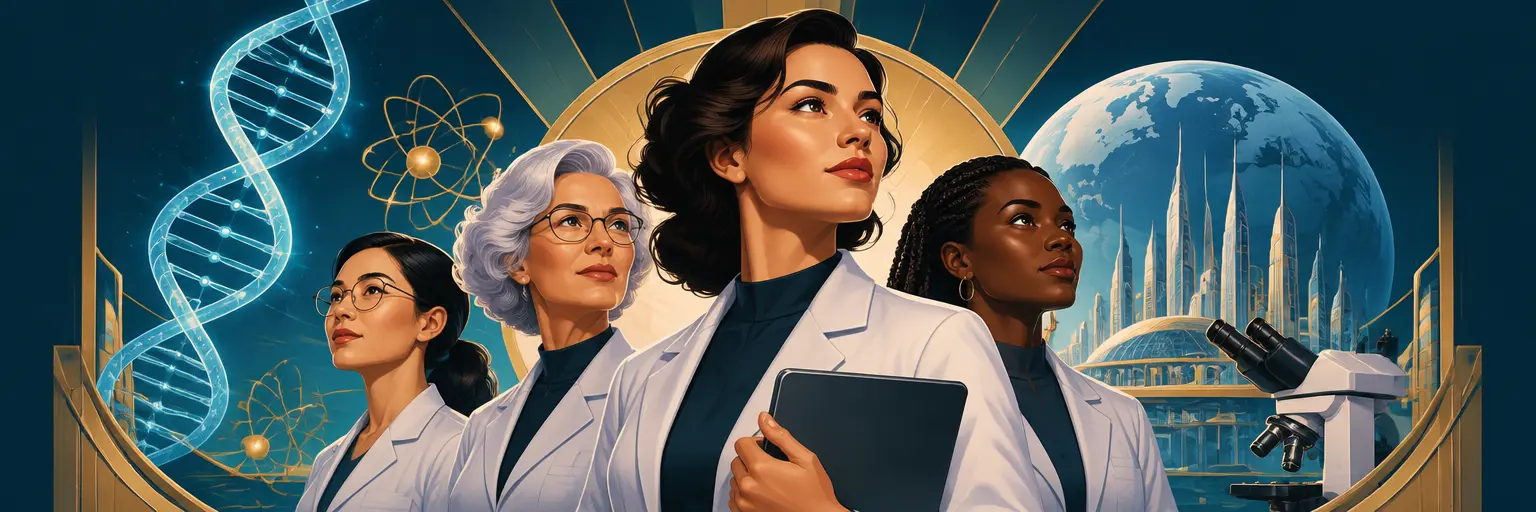
Welcome to the Future of Women in Science subcategory, part of our Contemporary Issues section at WomenInScienceHistory.com. Here, we bridge the inspiring past with the dynamic present and emerging tomorrow. You’ll explore actionable insights on closing gender gaps, fostering inclusive workplaces, and celebrating the next generation of female innovators. From policy shifts to technological breakthroughs, this hub empowers readers with knowledge to support, mentor, and advocate for women in STEM careers. Dive into evidence-based strategies, personal stories, and forward-looking analyses that make science truly equitable.
🚀 Emerging STEM Fields Women Are Leading
As artificial intelligence, biotechnology, climate science, and space exploration accelerate, women are increasingly stepping into leadership roles. This section highlights groundbreaking female pioneers in these cutting-edge domains—from CRISPR gene editing to sustainable energy solutions. You’ll learn about their research trajectories, collaborative approaches, and how they’re reshaping R&D priorities. Expect interviews, case studies, and trend forecasts that illuminate where female expertise is driving the most transformative innovations.
Beyond celebrating individual achievements, we analyze systemic enablers—such as targeted scholarships, inclusive hiring practices, and mentorship networks—that are propelling women into high-growth sectors. Whether you’re a student choosing a major, a professional pivoting fields, or an educator guiding talent, these narratives offer practical roadmaps. We also address challenges like algorithmic bias and funding disparities, providing evidence-based solutions to ensure the future of women in science remains vibrant and diverse.
🌍 Global Initiatives and Policy Shifts for Gender Equity
Policy makers, NGOs, and academic institutions worldwide are crafting ambitious frameworks to boost female participation in STEM. This section examines landmark initiatives like the UN’s Gender Equality in Science programs, EU Horizon Europe’s inclusion targets, and national STEM action plans in countries from Rwanda to Canada. You’ll uncover how quotas, parental leave reforms, anti-harassment regulations, and transparent promotion criteria are translating into measurable gains. We also spotlight grassroots movements that hold institutions accountable for equity metrics.
For professionals and advocates, we provide a toolkit: how to navigate funding opportunities, build cross-border collaborations, and influence local policy. Real-world data, success metrics, and failure analyses illustrate what works—and what doesn’t—in different cultural contexts. By understanding these systemic levers, readers can become more effective change agents, ensuring that the future of women in science is not left to chance but deliberately designed. Prepare to engage with visionary leaders who are turning ambition into enforceable law.
🔬 Mentorship, Sponsorship, and Allyship Strategies
Mentorship remains a proven accelerant for women’s scientific careers, but modern research shows sponsorship—active advocacy by senior leaders—is even more powerful. This category provides actionable frameworks for both mentees and mentors: how to find meaningful connections, set career-decision checkpoints, and navigate institutional politics. We include video tutorials, downloadable guides, and anonymized success stories from women who climbed from postgraduate to professorship or industry C-suite roles. Allyship, too, is demystified—what male colleagues can do to create safer lab cultures and equitable recognition.
The psychological aspects—imposter syndrome, stereotype threat, and work-life integration—are tackled with resilient, science-backed coping strategies. You’ll also see how peer-support circles and intergenerational mentoring programs (Gen Z to Baby Boomers) are reducing attrition rates. Each piece emphasizes practical, week-by-week actions that anyone can implement immediately. By leveraging these relational dynamics, we ensure that the future of women in science includes sustained support systems, not just initial breakthroughs.
📊 Data-Driven Progress: Measuring What Matters
Without robust data, advocacy remains anecdotal. This segment examines macro- and micro-level indicators tracking women’s participation across disciplines—publication authorship, grant awards, patent filings, leadership roles, and citation impacts. We dissect current gaps using interactive dashboards and visualizations that make complex statistics accessible. You’ll learn how pay equity audits, promotion parity indexes, and retention metrics are being implemented by top universities and multinational corporations. Our expert analysts also critique flawed measurement approaches that can mask persistent bias.
For institutional leaders, we offer benchmarking tools and annual reporting templates to monitor progress transparently. For researchers, we highlight open-access datasets perfect for studying gender dynamics in STEM. We also cover emerging fields like the ethics of AI in hiring and the role of big data in uncovering microaggressions. With this evidence base, stakeholders can make informed decisions that move beyond rhetoric. Truly, the future of women in science hinges on our collective ability to count what counts.
🚧 Overcoming Persistent Barriers: Bias, Burnout, and Balancing
Despite progress, women still face unconscious bias in peer review, exclusion from informal networks, and disproportionate caregiving duties. This section addresses these thorny issues head-on, with research-backed coping mechanisms and systemic interventions. We explore how flexible funding models, childcare support, and shared parental leave can mitigate burnout. Real-world testimonials from women in biochemistry, physics, engineering, and social sciences provide raw, honest accounts of navigating obstacles—and the innovative workarounds they devised. We also highlight institutional "train-the-trainer" programs to reduce bias in hiring and evaluation.
Psychological safety, set up for remote and hybrid labs, becomes a focus as well—how to foster collaborative cultures where women can speak up without fear. Additionally, we delve into intersectionality: how women of color, LGBTQ+ scientists, and those with disabilities experience compounded challenges. By naming these barriers, we empower readers to dismantle them strategically, whether through union advocacy, open-access education, or personal resilience. Only by confronting obstacles directly can we secure a genuinely inclusive future of women in science.
Frequently Asked Questions
Why is the future of women in science important for global progress?
Diverse teams drive innovation, solve complex problems faster, and produce higher-impact research. When women fully participate, we unlock a broader talent pool, leading to breakthroughs in medicine, climate, and technology. Inclusive science also ensures that products and policies serve all populations equitably, not just a subset. Thus, supporting women in STEM is not merely a fairness issue—it’s an economic and societal imperative.
What are the biggest challenges facing women entering science today?
Common barriers include implicit bias in hiring and publishing, unequal funding allocation, and lack of affordable childcare. Many also face workplace harassment, imposter syndrome, and the "leaky pipeline" where women drop out mid-career due to promotion inequities. Addressing these requires structural changes, mentorship, and institutional accountability to create truly supportive environments.
How can educators encourage young girls to pursue science careers?
Expose them early to relatable female role models, hands-on experiments, and growth-mindset praise. Use inclusive curricula that highlight women’s contributions, and provide out-of-school STEM clubs or camps. Combat stereotypes by showing science as creative, collaborative, and socially relevant. Most importantly, normalize failure as a learning step, not a setback, to build enduring confidence.
What role do male allies play in advancing women in science?
Male allies can actively amplify female colleagues’ contributions in meetings, cite their work, and mentor or sponsor them for leadership opportunities. They should also challenge sexist jokes, interrupt bias, and advocate for transparent promotion criteria. By sharing parental leave and domestic duties, they help level the playing field. Allyship is about daily actions, not just policy support.
Where can I find networking or funding resources for women in STEM?
Start with organizations like AWIS (Association for Women in Science), SWE (Society of Women Engineers), and Women in Tech Global. For funding, explore NSF ADVANCE grants, the L’Oréal-UNESCO For Women in Science program, and national science foundations’ diversity initiatives. Many universities also offer internal grants for women-led projects. Attend webinars and conferences to build your network and discover new opportunities.