Understanding Gender Bias in Scientific Research
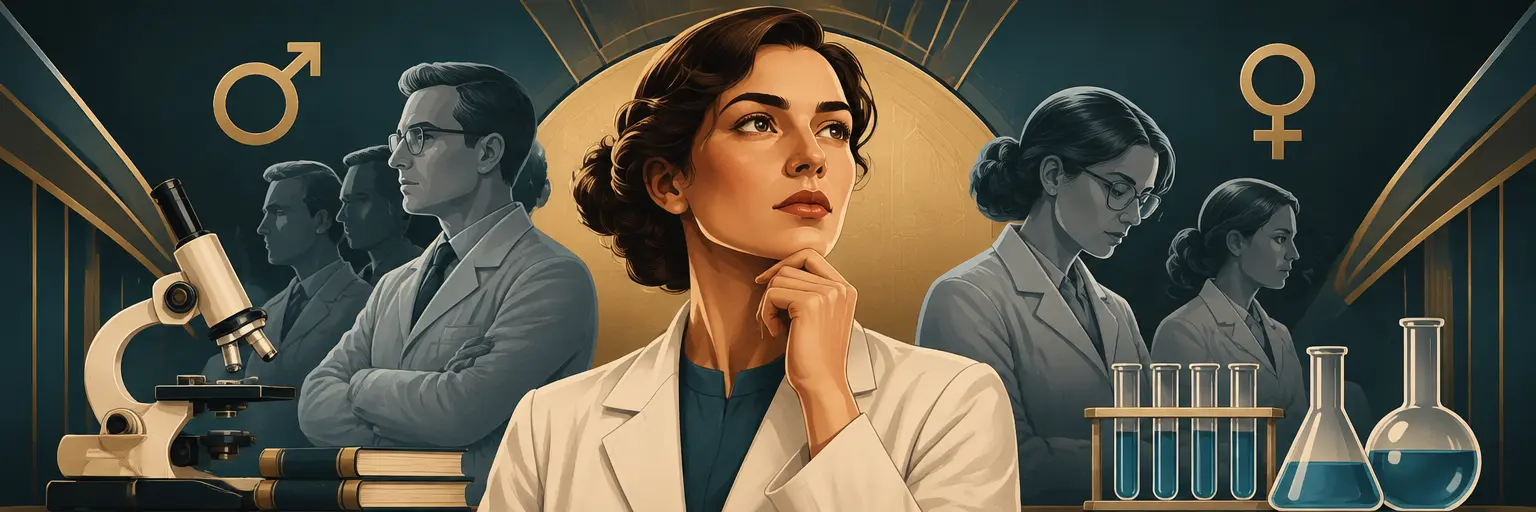
Gender bias in scientific research is a systemic issue that has historically skewed study designs, data interpretation, and funding priorities, often sidelining women's health and perspectives. On WomenInScienceHistory.com, this subcategory unpacks how bias—both explicit and implicit—has shaped everything from clinical trials to evolutionary biology, and how contemporary scientists are working to correct it. Explore the roots of this bias, its real-world consequences, and actionable steps toward more equitable science. Whether you are a student, researcher, or advocate, this page provides evidence-based insights to help you recognize and challenge inequities in the lab and beyond. Dive in to see why correcting gender bias is essential for scientific accuracy and social progress.
🔬 Historical Roots of Gender Bias in Research
Gender bias in science is not a modern anomaly—it is deeply embedded in centuries of research practice. Historically, male-centric perspectives dominated fields like anatomy and psychology, where women were often excluded or viewed as deviations from the male norm. For example, early medical texts described women's bodies as weaker versions of men’s, leading to misdiagnoses and neglected conditions. This subcategory explores landmark cases, such as the exclusion of women from early drug trials, and how these patterns became institutionalized.
Understanding these roots is crucial for spotting lingering assumptions today. From biased sampling methods to gendered language in academic papers, the past informs present protocols. By examining archival records and landmark studies, you’ll learn how bias is passed down through mentorship, peer review, and publication norms. This historical lens empowers researchers to question inherited frameworks and design studies that truly represent all genders, improving both ethics and data quality.
📊 Real-World Impacts on Health and Innovation
The consequences of gender bias extend far beyond academic debates—they directly affect healthcare, technology, and daily life. For instance, many common medications have been tested primarily on male subjects, leading to adverse reactions or ineffective dosages for women. Similarly, crash-test dummies modeled on male bodies have made car safety designs less protective for female passengers. This section reveals evidence from clinical research, engineering, and AI, showing how biased datasets produce biased outcomes.
By highlighting case studies—like the underdiagnosis of heart disease in women or the gender gap in voice recognition software—you’ll see the systemic cost of ignoring female biology and experiences. We also discuss how intersectional factors, such as race and age, compound these biases. Recognizing these impacts is the first step toward advocating for inclusive research protocols, which not only uphold ethical standards but also drive safer, more effective innovations for everyone.
🔄 Bias in Peer Review and Funding Allocation
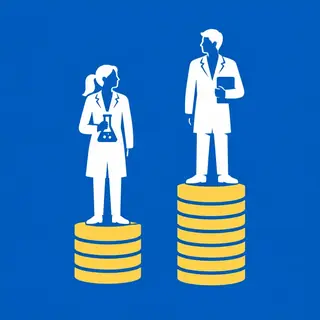
Even when women reach the lab bench, they face barriers in publication and funding. Studies show that grant proposals from women are less likely to receive funding than equally scored male proposals, and women’s papers are often cited less frequently. This subcategory dissects how peer review bias, networking gaps, and workload disparities create a "leaky pipeline" that pushes women out of STEM careers. We analyze data from national funding agencies and journal editorial boards to illustrate these trends.
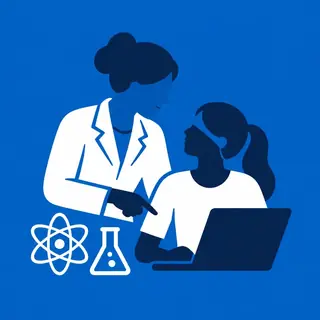
Moreover, we explore structural fixes, such as double-blind review, transparent funding criteria, and diversity quotas for editorial boards. You’ll also learn about grassroots initiatives like bias-training modules and mentorship programs that have shown measurable success. Addressing these systemic flaws not only supports individual women but also enriches scientific discovery with broader perspectives. For institutions, adopting these changes is a practical way to boost innovation and maintain credibility in a globalized research community.
🧬 Gendered Data in Biomedicine and Beyond
One of the most pressing issues is the lack of sex-disaggregated data in basic and translational research. For decades, animal models and cell lines often used only male subjects under the assumption that female hormonal cycles complicate results. This has led to gaps in understanding conditions like osteoporosis, autoimmune diseases, and pain responses that disproportionately affect women. Here, we delve into how gender bias manifests in study design, from sample selection to analysis techniques, and why correcting it is a matter of scientific rigor.
We also highlight breakthroughs driven by inclusive research, such as personalized medicine protocols that account for hormonal variations. Researchers are now using "sex as a biological variable" policies, mandated by major funders like the NIH, to ensure more robust outcomes. By exploring both pitfalls and progress, this section equips readers with the vocabulary and frameworks to advocate for better data collection. Ultimately, gendered data is not a niche issue—it is key to unlocking medical advancements that save lives across populations.
🚀 Promising Solutions and Emerging Activism
While the challenges are significant, a powerful movement is underway to dismantle gender bias in science. Today, journals require author contributions to reduce ambiguity, and open-access repositories force transparency in methodology. This section showcases innovative solutions like algorithmically auditing research designs, citizen science projects that gather diverse data, and independent watchdog groups that score institutions on gender equity. We also profile female scientists who are using their platforms to call out bias and mentor next-generation researchers.
Activism is also taking digital form, from viral hashtags like #FacesOfSci to online databases that track harassment in the field. Universities are enacting family-friendly policies, such as tenure clock extensions, to retain women in academia. By sharing these tools and stories, we aim to show that change is possible at individual, institutional, and societal levels. Whether you’re a student pushing for curriculum reform or a lab director restructuring hiring practices, this subcategory offers pragmatic steps to turn awareness into action and foster a truly inclusive scientific culture.
Frequently Asked Questions
What are common examples of gender bias in scientific studies?
Common examples include using only male cells or animals in preclinical research, overlooking symptoms specific to women in clinical trials, and assuming male-like responses in drug dosage. Bias also appears in language, like labeling female behaviors as "emotional" and male ones as "rational." Recognizing these patterns helps researchers design more inclusive protocols.
How does gender bias affect women’s health outcomes?
It leads to misdiagnosis, delayed treatment, and ineffective medications because treatments are often calibrated for male physiology. For instance, women are more likely to be under-treated for heart attacks due to differing symptom presentations. This bias also contributes to higher rates of adverse drug reactions in women, impacting overall quality of life.
Why is sex-disaggregated data important in research?
Sex-disaggregated data reveals how biological differences between males and females affect health, medication, and even engineering design. Without it, findings may only apply to half the population, leading to incomplete and sometimes dangerous conclusions. Mandating this data ensures research is applicable to all people, improving safety and efficacy.
What policies can institutions adopt to reduce gender bias?
Institutions can implement double-blind peer review, diversify funding committees, and require sex as a biological variable in grant applications. They can also offer bias training, flexible parental leave, and transparent promotion criteria. Monitoring publication and hiring metrics promotes accountability and fosters a supportive environment for women in STEM.
How can young researchers help combat bias in their own work?
Young researchers can actively seek out diverse literature, question sample selection, and request sex-disaggregated analysis when appropriate. They can also advocate for inclusive meeting practices and call out biased language in peer reviews. Engaging with feminist science studies and collaborating with interdisciplinary teams strengthens their ability to produce unbiased, high-impact research.