
Social & Societal Impact
Discover how pioneering women in science have transformed society and challenged deeply ingrained societal norms. From grassroots social movements that fought for equality in laboratories to the intersectional struggles of women in developing countries, this category explores the powerful ripple effects of female scientific achievement. Learn about the relentless fight for recognition, the delicate balance between family and career, and how these trailblazers not only advanced knowledge but also reshaped cultural expectations. Dive into narratives that highlight the crucial link between social justice and scientific progress, inspiring a more inclusive and equitable future for all.
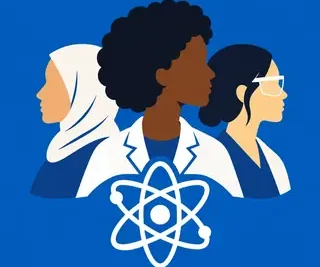 Intersectionality & Women in Science
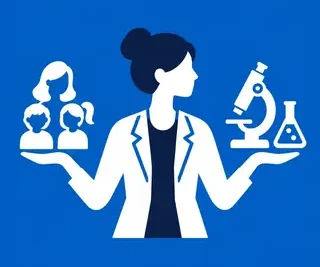 Family & Career Balance for Women in Science
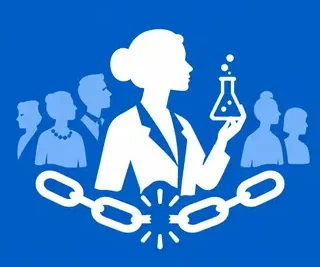 Societal Norms & Women in Science
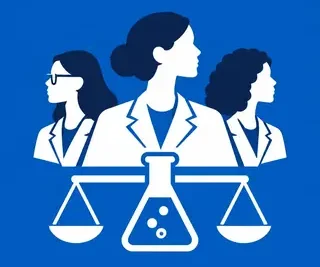 The Fight for Equality in Science
 Women in Science - Developing Countries
 Social Movements & Women in Science
Social & Societal Impact of Women in Science
Explore how female scientists have shaped—and been shaped by—society. From grassroots movements to global development, this category examines the social forces, cultural barriers, and policy shifts that define women’s participation in STEM. Learn about equality struggles, family dynamics, and overlapping identities that create unique challenges and triumphs for women across the scientific world.
🌍 Social Movements & Women in Science
Discover how feminist activism, civil rights campaigns, and scientific labor movements propelled women into laboratories and lecture halls. This section connects historical protests, from the suffrage era to modern #MeTooSTEM, with tangible gains in funding, mentorship, and institutional reform. Expect stories of collective action that overturned discriminatory hiring practices and opened doors for future generations.
🌱 Women in Science - Developing Countries
Uncover the unique challenges and innovations of female researchers in low-income and emerging nations. Here, you’ll find profiles of scientists who navigate limited infrastructure, cultural expectations, and resource scarcity while pioneering local solutions in agriculture, medicine, and climate science. The content highlights grassroots networks, mobile labs, and international collaborations that amplify their voices.
⚖️ The Fight for Equality in Science
Trace the legal battles, policy wins, and persistent gaps in gender parity across STEM fields. From Title IX to European gender-equality plans, this subcategory examines how quotas, parental leave, and funding reforms have changed the landscape—yet still fall short. It also details the ongoing fight against implicit bias, salary disparities, and underrepresentation in senior roles.
🏛️ Societal Norms & Women in Science
Analyze how cultural stereotypes, media portrayals, and educational systems shape whether girls see themselves as scientists. This section unpacks the “leaky pipeline” starting in childhood, the influence of toys and textbooks, and the impact of role models. Expect discussions on how norms shift slowly and how targeted interventions like mentoring programs can rewrire expectations.
👩👧👦 Family & Career Balance for Women in Science
Examine the double burden of caregiving and research that disproportionately affects female academics. This subcategory addresses outdated tenure clocks, limited childcare, and the “productivity penalty” during maternity leave. You’ll also find success stories of institutions implementing family-friendly policies and the rise of remote collaboration that eases geographic constraints.
🌈 Intersectionality & Women in Science
Understand how race, class, sexuality, and disability intersect with gender to create layered barriers—and unique perspectives—in STEM. This section highlights Black, Indigenous, Latinx, and disabled women scientists whose contributions are often doubly marginalized. It also explores inclusive mentorship models and how intersectional data drives better research questions and stronger teams.
Frequently Asked Questions
Why is the social impact of women in science important?
Social impact matters because scientific progress reflects who gets to participate. When women and marginalized groups enter STEM, research becomes more inclusive—addressing health, environmental, and technological needs previously ignored. Additionally, diverse teams produce higher-quality science, so understanding societal barriers directly improves innovation and societal trust in research.
What are common barriers for women in developing countries?
Barriers include limited access to advanced education, lack of lab equipment, cultural norms favoring men in leadership, and safety concerns during fieldwork. Women also face fewer networking opportunities and funding sources. However, many succeed via local NGOs, mobile technology, and female-led cooperatives that provide training and peer support, proving resilience despite systemic constraints.
How do societal norms discourage girls from science?
Norms emerge early through toys, media, and teacher bias that label science as “masculine.” Girls may internalize lower self-confidence in math, avoid physics due to peer pressure, and face fewer same-gender role models. These influences reduce STEM interest by age 15, highlighting the need for early interventions like women scientist school visits and gender-neutral curricula.
What policies help balance family and scientific careers?
Effective policies include paid parental leave for all genders, tenure clock extensions after childbirth, on-site childcare, and dual-career hiring assistance. Flexible funding that covers family-related travel and conference childcare also helps. Institutions embracing these measures show higher retention of female researchers and improved mental health, without sacrificing research output.
How does intersectionality improve scientific research?
Intersectionality reveals how overlapping identities—such as Black woman, disabled scientist, or LGBTQ+ researcher—create unique insights. For example, Tiera Guinn’s aerospace work benefited from her perspective as a Black woman. Inclusive teams ask broader questions, design more universal technologies, and avoid biased algorithms, leading to discoveries that serve all populations fairly.