
Politics of Preservation: Women Ecologists Navigating the Complexities of Science and Advocacy

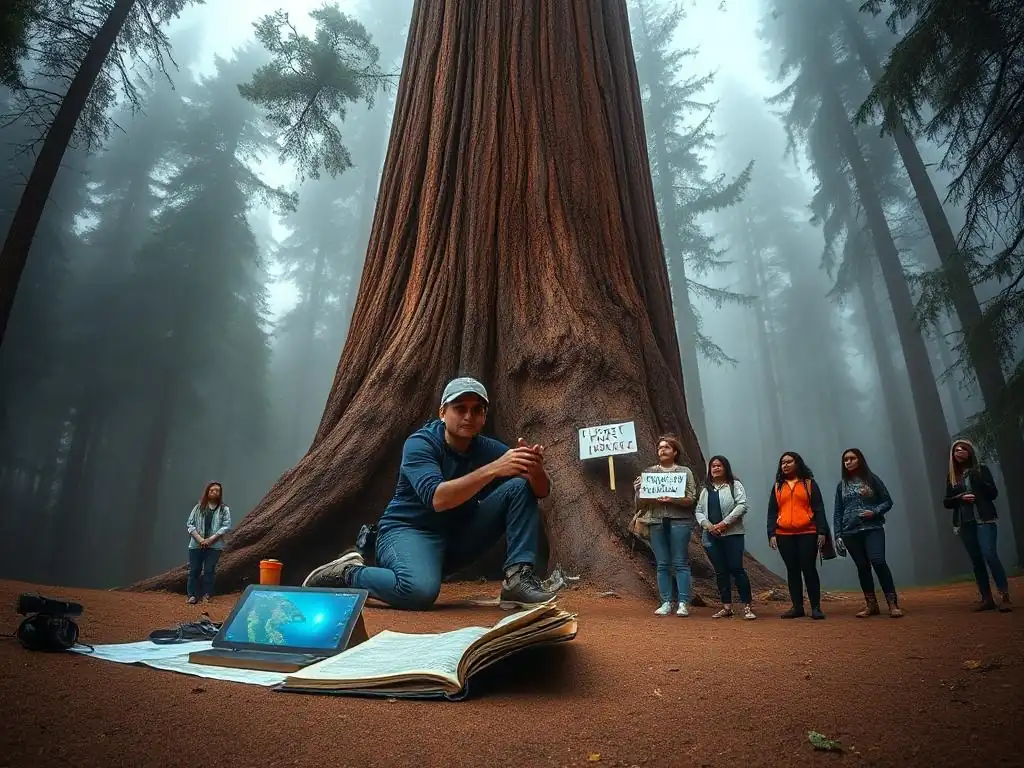
Welcome to WomenInScienceHistory.com, where we unearth the remarkable stories of women who shaped the scientific landscape. Did you know that women played a pivotal, yet often understated, role in the early days of environmental preservation? Dive into our latest article, " Politics of Preservation: Women Ecologists Navigating the Complexities of Science and Advocacy," to discover how these pioneering figures navigated the challenges of a male-dominated field while championing ecological causes. Their journey is a testament to resilience and a call to action – are you ready to explore their impactful legacy?
- Introduction: Women in Ecology – Pioneering Preservation Advocacy
- Early Pioneers: Laying the Foundation for Women Ecologists and Conservation
- Navigating the Complexities: Challenges Faced by Women Ecologists in Preservation
- Case Studies: Women Ecologists Leading Preservation Initiatives
- The Power of Advocacy: Amplifying Voices for Environmental Protection
- Modern Women Ecologists: Continuing the Legacy of Preservation
- The Future of Women in Ecology: Inspiring the Next Generation of Preservationists
- Conclusion: Celebrating the Enduring Impact of Women Ecologists on Preservation
-
Frequently Asked Questions
- What are some of the main challenges that Women in Science History aims to address?
- What does "Politics of Preservation" mean in the context of Women ecologists?
- How did early women ecologists contribute to preservation and advocacy?
- What role did WomenInScienceHistory.com play in highlighting the achievements of women ecologists involved in preservation?
- Why is it important to understand the history of women ecologists' involvement in preservation advocacy?
- Final Reflection: Empowering Voices for a Sustainable Future
- Ignite Your Advocacy: Shape the Future of Environmental Science!
Introduction: Women in Ecology – Pioneering Preservation Advocacy
Highlighting the Role of Women Ecologists in Environmental Preservation
From the earliest days of organized conservation to the cutting-edge of climate science, women ecologists have played an indispensable, though often underrecognized, role in environmental preservation. Their contributions extend beyond scientific discovery, encompassing tireless efforts in preservation advocacy that have shaped public policy and inspired global movements. These pioneering figures have consistently brought a unique blend of scientific rigor and passionate commitment to the urgent task of protecting Earth's biodiversity and natural resources.
Their work has been instrumental in identifying critical environmental issues, from the dangers of pesticides to the urgency of reforestation, and in proposing actionable solutions. Through their dedicated research and profound understanding of ecological systems, women ecologists have provided the foundational knowledge necessary for effective conservation strategies, demonstrating a steadfast commitment to both scientific truth and environmental stewardship.
The Intersection of Science, Politics, and Advocacy for Women in Ecology
Ecological challenges are rarely confined to the laboratory; they inherently involve complex interactions between scientific understanding, political will, and public engagement. Women ecologists often find themselves at the forefront of this intricate intersection, tasked not only with conducting vital research but also with translating their findings into compelling arguments for policy change and public action. This dual role requires a remarkable ability to navigate the often-turbulent waters where scientific consensus meets political expediency.
Their success in this arena hinges on their capacity for robust scientific analysis combined with persuasive preservation advocacy. Whether testifying before legislative bodies, organizing grassroots campaigns, or communicating through popular media, women ecologists have consistently demonstrated how evidence-based science can be leveraged to influence political decisions and mobilize communities toward environmental protection. This integration of expertise and activism is a hallmark of their enduring impact.
Early Pioneers: Laying the Foundation for Women Ecologists and Conservation
Rachel Carson - Early Contributions to Environmental Science
Rachel Carson stands as a monumental figure among women ecologists, whose groundbreaking work fundamentally altered the course of environmentalism. A marine biologist by training, her most influential book, Silent Spring, published in 1962, meticulously documented the devastating effects of synthetic pesticides, particularly DDT, on wildlife and human health. Carson’s rigorous scientific research, combined with her eloquent prose, exposed a widespread ecological crisis previously ignored or dismissed by the public and industry alike.
Silent Spring was more than a scientific treatise; it was a powerful act of preservation advocacy that ignited the modern environmental movement. Despite fierce attacks from chemical companies and some government officials who sought to discredit her findings, Carson steadfastly defended her research. Her courage and integrity in the face of intense opposition demonstrated how scientific truth, when passionately articulated, could challenge powerful economic interests and spur significant regulatory reforms, including the eventual ban of DDT in the United States in 1972.
Rosalie Edge - Shaping Conservation Strategies
Rosalie Edge, though not formally an ecologist, was a formidable conservationist and a key figure in early preservation advocacy, setting a precedent for future women ecologists. Disillusioned with the perceived inaction of established conservation organizations, she founded the Emergency Conservation Committee (ECC) in 1929. Edge was a relentless and uncompromising advocate for wildlife, particularly birds of prey, which were then largely unprotected and often persecuted. She was instrumental in publicizing the need for stricter conservation laws and more aggressive land acquisition for wildlife refuges.
Her direct and often confrontational approach led to significant victories. Edge’s tenacious preservation advocacy was crucial in establishing the nation's first sanctuary for birds of prey, Hawk Mountain Sanctuary in Pennsylvania, which opened in 1934. She also played a pivotal role in the expansion of the Olympic National Park in Washington state, battling powerful logging interests. Edge's unwavering commitment to environmental protection, often against overwhelming odds, exemplified the fierce dedication that would characterize many women ecologists in their future struggles for preservation.
Gender Bias in Scientific Research and Funding for Women Ecologists
Historically and, to a lesser extent, currently, women ecologists have faced significant gender bias within scientific research and funding structures. This bias manifests in various forms, from fewer opportunities for fieldwork and leadership roles to disparities in grant allocation and recognition. Studies have shown that women scientists, across various disciplines, are often underrepresented in senior academic positions and receive a smaller percentage of top-tier research grants compared to their male counterparts, limiting their capacity to conduct large-scale, impactful studies.
This systemic bias can severely impede the progress of women ecologists, making it harder for them to secure the resources necessary for extensive research or to lead major preservation initiatives. The struggle to gain equal footing means that their innovative ideas and critical findings may be overlooked, slowing down the pace of environmental conservation. Addressing these entrenched biases is crucial to unlocking the full potential of women ecologists in preservation advocacy.
Balancing Scientific Rigor with Advocacy in Environmental Conservation
One of the inherent complexities for women ecologists is the delicate balance between maintaining scientific objectivity and engaging in passionate preservation advocacy. The scientific community often expects a detached, impartial stance, yet the urgency of environmental crises demands active intervention and communication. Critics may attempt to undermine the credibility of women ecologists by accusing them of being "too emotional" or "biased" when they advocate for environmental protection, even when their advocacy is firmly rooted in robust data.
Navigating this tension requires exceptional skill. Women ecologists must effectively translate complex scientific findings into clear, compelling messages for policymakers and the public, while rigorously defending the integrity of their research. Their ability to bridge the gap between empirical data and urgent calls to action is vital for driving conservation efforts, but it also places them under intense scrutiny, demanding a high level of resilience and strategic communication.
Overcoming Political Obstacles in Preservation Efforts
Environmental preservation advocacy is inherently political, often pitting conservation goals against powerful economic interests, such as fossil fuel industries, large-scale agriculture, or development corporations. Women ecologists frequently encounter significant political obstacles, including resistance from industry lobbyists, unsupportive government officials, and the slow pace of legislative change. Their proposals for environmental protection can be met with skepticism, delay tactics, or outright opposition, requiring immense persistence.
To overcome these barriers, women ecologists have had to become adept at navigating complex political landscapes. This often involves extensive lobbying, participating in public hearings, engaging with media, and building broad coalitions across diverse sectors. Their unwavering commitment to scientific principles, coupled with a strategic understanding of political processes, enables them to push for critical policy reforms and ensure that preservation initiatives gain traction despite formidable opposition.
Case Studies: Women Ecologists Leading Preservation Initiatives
Wangari Maathai and the Green Belt Movement - A Success Story Led by a Woman Ecologist
Wangari Maathai, a Kenyan biologist and Nobel Peace Laureate, founded the Green Belt Movement (GBM) in 1977, transforming environmentalism into a powerful force for social change and women's empowerment. Initially focused on combating deforestation and providing fuelwood for rural communities, the GBM rapidly expanded to address issues of soil erosion, water scarcity, and biodiversity loss. Maathai’s vision was holistic, linking ecological restoration directly to human well-being and democratic rights.
Under Maathai's leadership, the Green Belt Movement mobilized hundreds of thousands of rural women to plant trees, providing them with seedlings and training in sustainable land management. By 2004, the movement had successfully planted over 30 million trees across Kenya, mitigating deforestation and improving the livelihoods of countless individuals. This monumental achievement stands as a testament to the transformative power of grassroots preservation advocacy led by a visionary woman ecologist.
The Scientific Basis for Reforestation and Land Conservation
The Green Belt Movement's success was deeply rooted in sound ecological principles. Maathai, with her scientific background, understood that reforestation was not merely about planting trees but about restoring degraded ecosystems. The movement focused on planting indigenous tree species, which are better adapted to local conditions and support native biodiversity, unlike fast-growing exotics. This approach helped to stabilize soils, improve water retention in watersheds, and enhance local microclimates, combating desertification.
Furthermore, the GBM integrated traditional knowledge with modern conservation techniques, empowering local communities with the scientific understanding necessary for long-term land stewardship. Women learned about seed collection, nursery management, and the ecological benefits of different tree species, transforming them into active participants in preservation advocacy. This blend of scientific literacy and community engagement ensured the sustainability and ecological effectiveness of the reforestation efforts.
Political Challenges and Advocacy Strategies Employed
Wangari Maathai and the Green Belt Movement faced immense political opposition from the Kenyan government, particularly during the authoritarian rule of President Daniel arap Moi. Maathai was repeatedly harassed, arrested, and even assaulted for her activism, which often challenged corrupt land grabs and criticized environmental mismanagement. The government attempted to discredit her work, viewing environmental preservation advocacy as a subversive political act.
Despite these severe challenges, Maathai employed courageous advocacy strategies. She mobilized rural women as a powerful, non-violent force, using tree planting as a symbol of resistance and hope. She also skillfully engaged international media and human rights organizations, drawing global attention to the environmental and political struggles in Kenya. Her unwavering commitment to peaceful protest and her ability to link environmental issues to broader human rights and democratic freedoms ultimately garnered international support, demonstrating the resilience required for impactful women ecologists preservation advocacy.
Results and Impact of the Initiative
The tangible results of the Green Belt Movement are profound: over 51 million trees planted across Kenya by 2017, significant reduction in soil erosion, improved access to clean water, and enhanced biodiversity. Beyond these ecological gains, the movement empowered hundreds of thousands of women, providing them with income, education, and a voice in their communities. These women became agents of change, transforming their landscapes and their lives.
Maathai's work earned her the Nobel Peace Prize in 2004, recognizing her holistic approach that linked environmental sustainability, peace, and human rights. The Green Belt Movement inspired similar grassroots initiatives worldwide, proving that community-led preservation advocacy can achieve monumental environmental and social impacts. Her legacy continues to underscore the vital role of women ecologists in driving sustainable development and fostering environmental justice globally.
Dian Fossey and Mountain Gorilla Conservation - Lessons Learned from a Woman-Led Initiative
Dian Fossey, an American primatologist, dedicated her life to the conservation of mountain gorillas in Rwanda, establishing the Karisoke Research Center in 1967. Her pioneering work involved immersive, long-term observation of gorilla families in their natural habitat, providing unprecedented insights into their behavior and social structures. At a time when mountain gorillas faced imminent extinction due to poaching and habitat loss, Fossey's efforts were a desperate, yet ultimately impactful, act of preservation advocacy.
Fossey's fierce dedication to the gorillas, often at great personal risk, brought international attention to their plight. Her direct, confrontational approach to anti-poaching, while controversial, highlighted the severe threats faced by these animals. Her work laid the groundwork for future conservation strategies, demonstrating the critical role of dedicated women ecologists in species protection.
Understanding the Ecological Context of Mountain Gorilla Habitats
Fossey's research was fundamentally ecological, focusing on understanding the mountain gorilla's unique habitat in the Virunga Volcanoes, a chain of dormant volcanoes spanning Rwanda, Uganda, and the Democratic Republic of Congo. She meticulously documented their diet, ranging patterns, and social dynamics within the montane cloud forests. This scientific understanding was crucial, as it revealed the gorillas' dependence on specific high-altitude vegetation and the fragility of their fragmented habitat.
Her studies provided critical data on population size (estimated at only a few hundred individuals in the 1960s), birth rates, and causes of mortality, primarily poaching and human encroachment. This ecological insight formed the scientific backbone for her preservation advocacy, emphasizing that effective conservation required not just protecting the animals themselves, but also safeguarding their entire ecosystem from human pressures.
Navigating Political Landscapes for Conservation Success
Dian Fossey operated within a highly complex and often unstable political landscape in Rwanda, marked by poverty, civil unrest, and competing interests from local communities, poachers, and nascent tourism industries. Her direct and uncompromising advocacy strategies against poachers, which sometimes involved destroying snares and confronting individuals, often put her at odds with local authorities and communities. This confrontational style, while effective in raising awareness and deterring some poaching, also created significant friction.
Despite the controversies, Fossey's relentless preservation advocacy drew global attention to the plight of mountain gorillas, leading to increased international funding and eventually stronger anti-poaching legislation and park protection. Her work highlighted the difficult choices and personal sacrifices often required of women ecologists when navigating the intricate political and socio-economic realities of conservation.
The Role of Community Engagement in Sustainable Preservation
While Fossey's initial approach prioritized direct protection and was often at odds with local communities, her legacy has underscored the evolving understanding of sustainable conservation. Post-Fossey, it became increasingly clear that long-term preservation advocacy for mountain gorillas required integrating the needs and involvement of local populations. Conservation efforts have since shifted towards community-based conservation models, where economic benefits from tourism (like gorilla trekking) are shared with local communities, providing incentives for protection.
This evolution demonstrates a crucial lesson: for conservation to be truly sustainable, women ecologists and other conservationists must engage with and empower local communities. By fostering a sense of ownership and providing alternative livelihoods, these collaborative approaches ensure that the human element is a partner, not an adversary, in the vital work of preserving endangered species and their habitats.
The Power of Advocacy: Amplifying Voices for Environmental Protection

Women Ecologists as Effective Communicators and Advocates
Women ecologists often possess exceptional communication skills, enabling them to translate complex scientific data into accessible and compelling narratives for diverse audiences. Their ability to connect emotionally with the public, while maintaining scientific rigor, makes their preservation advocacy particularly powerful. They are adept at explaining the intricate workings of ecosystems and the dire consequences of environmental degradation in ways that resonate deeply with policymakers, media, and everyday citizens.
Through public lectures, published articles, documentaries, and social media, women ecologists amplify critical messages about climate change, biodiversity loss, and pollution. Their personal experiences and unwavering dedication to environmental protection often inspire action and garner widespread support for conservation initiatives, making them highly effective voices in the global movement for environmental protection.
Building Coalitions for Preservation: Engaging Diverse Stakeholders
Effective preservation advocacy rarely happens in isolation; it requires the concerted effort of diverse stakeholders. Women ecologists frequently demonstrate a remarkable aptitude for building broad coalitions, bringing together scientists, non-governmental organizations, local communities, indigenous groups, government agencies, and even businesses. They understand that tackling complex environmental issues demands a multi-faceted approach and shared responsibility.
These collaborative partnerships strengthen conservation efforts by pooling resources, expertise, and influence. By fostering dialogue and finding common ground, women ecologists facilitate the creation of comprehensive strategies that address ecological, social, and economic dimensions of environmental problems. This inclusive approach is crucial for developing sustainable solutions and achieving lasting impact in preservation initiatives.
Using Science to Inform Policy and Drive Conservation Action
The bedrock of effective environmental preservation advocacy is sound scientific research. Women ecologists conduct foundational studies that identify environmental problems, predict future impacts, and develop evidence-based solutions. Their research provides the crucial data needed to understand ecosystem health, track species populations, and assess the effectiveness of conservation interventions.
This scientific evidence is then strategically employed to inform policy and drive conservation action. Women ecologists present their findings to legislative bodies, participate in expert panels, and contribute to international environmental agreements, ensuring that policy decisions are grounded in the best available scientific understanding. Their commitment to using data to influence decision-making is paramount in translating ecological knowledge into tangible conservation outcomes.
Modern Women Ecologists: Continuing the Legacy of Preservation
Sandra Diaz - Leading Research and Conservation Efforts
Sandra Díaz, an Argentine ecologist, is a leading figure in understanding how biodiversity loss impacts ecosystem function and services. Her pioneering research focuses on plant functional traits, exploring how the characteristics of plants influence ecosystem processes like nutrient cycling and carbon sequestration. Her work provides critical insights into the consequences of human-induced environmental changes on the very systems that sustain life.
Díaz has been a prominent voice in global assessments, notably serving as a co-chair for the Intergovernmental Science-Policy Platform on Biodiversity and Ecosystem Services (IPBES) Global Assessment Report on Biodiversity and Ecosystem Services. In this role, her scientific expertise directly informs international preservation advocacy and policy recommendations, highlighting the urgent need for action to halt biodiversity decline. Her contributions exemplify the ongoing influence of women ecologists in shaping global environmental policy.
Jane Lubchenco - Advocating for Sustainable Practices
Jane Lubchenco is a distinguished American marine ecologist whose career seamlessly integrates cutting-edge research with high-level preservation advocacy and policy leadership. Her academic work has focused on marine ecosystems, climate change, and sustainable fisheries. In 2009, she was appointed Administrator of the National Oceanic and Atmospheric Administration (NOAA) by President Barack Obama, becoming the first woman to hold this position.
During her tenure at NOAA, Lubchenco championed science-based decision-making, advocating for sustainable fishing practices, ocean conservation, and climate change adaptation. She played a pivotal role in strengthening NOAA's scientific capacity and in implementing policies designed to protect marine biodiversity and enhance coastal resilience. Her leadership demonstrated how a leading woman ecologist can directly influence national and international environmental policy and drive significant conservation action.
The Future of Women in Ecology: Inspiring the Next Generation of Preservationists
Encouraging Young Women to Pursue Careers in Environmental Science
Inspiring the next generation of women ecologists is crucial for addressing the escalating global environmental crisis. Encouraging young women to pursue careers in environmental science involves providing early exposure to STEM fields, showcasing diverse role models, and creating accessible educational pathways. Initiatives that offer hands-on experiences in nature, mentorship opportunities, and scholarships can significantly impact a young woman's decision to enter this vital field.
A diverse scientific workforce, inclusive of more women ecologists, brings varied perspectives, innovative approaches, and a broader range of solutions to complex environmental challenges. By actively nurturing their interest and talent, we ensure that the future of preservation advocacy is robust, dynamic, and representative of the global community it serves.
Addressing Systemic Barriers to Women's Advancement in Ecology
To ensure that women ecologists can thrive and lead, it is imperative to address and dismantle systemic barriers that continue to impede their advancement. These barriers include issues such as the gender pay gap, underrepresentation in leadership positions, and challenges related to work-life balance in demanding scientific careers. Institutions must implement policies that promote diversity, equity, and inclusion, fostering environments where talent is recognized and rewarded regardless of gender.
Creating equitable opportunities means actively combating implicit biases in hiring, promotion, and funding decisions. By removing these obstacles, the field of ecology can fully benefit from the intellectual capital and dedication of women ecologists, accelerating progress in environmental preservation advocacy and scientific discovery.
The Importance of Mentorship and Support for Women Ecologists
Mentorship and strong support networks are critical for the professional development and retention of women ecologists. Experienced professionals can provide invaluable guidance, share career insights, and help navigate the unique challenges faced by women in science. Mentors can open doors to research opportunities, provide constructive feedback, and offer encouragement during difficult periods.
Equally important is the power of peer support and community among women ecologists. Networks that connect female scientists foster a sense of belonging, facilitate knowledge sharing, and provide platforms for collective preservation advocacy. This collaborative spirit empowers women ecologists to persist in their vital work, ensuring their voices are heard and their contributions are celebrated throughout their careers.
Conclusion: Celebrating the Enduring Impact of Women Ecologists on Preservation
Recognizing the Vital Role of Women in Environmental Conservation
The history of environmental conservation is profoundly shaped by the unwavering dedication and scientific acumen of women ecologists. From the foundational warnings of Rachel Carson to the grassroots empowerment of Wangari Maathai and the high-level policy leadership of Jane Lubchenco, these remarkable individuals have demonstrated extraordinary courage, intellectual rigor, and an unyielding commitment to preservation advocacy. Their contributions have not only advanced our scientific understanding of the natural world but have also inspired global movements, protected countless species and habitats, and influenced critical environmental policies.
Their vital role extends beyond their individual achievements; they have collectively challenged prevailing norms, overcome significant gender biases, and tirelessly worked to ensure that environmental protection remains a paramount global concern. The enduring impact of women ecologists on environmental preservation advocacy is undeniable and continues to be a driving force for positive change.
A Call to Action: Supporting Women in Science and Advocacy for a Sustainable Future
As the world faces unprecedented environmental challenges, from climate change to biodiversity collapse, the insights and leadership of women ecologists are more indispensable than ever. It is a collective call to action to not only recognize their past and current contributions but also to actively support and empower the next generation of women in ecology. This means investing in their education, ensuring equitable opportunities, fostering inclusive environments, and amplifying their voices in science and policy.
Empowering women ecologists and championing their preservation advocacy is not merely about gender equity; it is about securing a more sustainable, equitable, and resilient future for all. By supporting these dedicated scientists and advocates, we strengthen our collective ability to understand, protect, and restore our planet, ensuring that the legacy of environmental stewardship continues for generations to come.
Frequently Asked Questions
What are some of the main challenges that Women in Science History aims to address?
The site aims to address the underrepresentation and overlooked narratives of women in science by highlighting their contributions and the challenges they faced in male-dominated fields. It seeks to inspire future generations by showcasing these pioneering figures.
What does "Politics of Preservation" mean in the context of Women ecologists?
"Politics of Preservation" refers to the complex interplay between scientific knowledge, ecological advocacy, and the political landscape that women ecologists navigated while fighting for conservation. It highlights the challenges of influencing policy and public opinion.
How did early women ecologists contribute to preservation and advocacy?
Early women ecologists contributed significantly through groundbreaking research, raising public awareness, and directly advocating for the protection of natural environments. They often faced societal barriers but persevered in their efforts.
What role did WomenInScienceHistory.com play in highlighting the achievements of women ecologists involved in preservation?
WomenInScienceHistory.com plays a crucial role by providing a platform to showcase the biographies, research, and advocacy work of these often-overlooked women. It ensures their contributions are recognized and celebrated.
Why is it important to understand the history of women ecologists' involvement in preservation advocacy?
Understanding this history is essential because it challenges historical biases, provides role models for future scientists, and illuminates the ongoing struggle for gender equity in science and conservation. It also highlights the importance of diverse perspectives in addressing environmental challenges.
Final Reflection: Empowering Voices for a Sustainable Future
The narratives shared within this article illuminate a crucial truth: the intersection of women ecologists, preservation, and advocacy is not just a historical account, but a vibrant and essential force shaping our present and future. The challenges and triumphs of these pioneering women resonate deeply in a world grappling with unprecedented environmental crises, reminding us that diverse perspectives are paramount in crafting effective and equitable solutions.
The enduring impact of these women extends far beyond scientific data and policy recommendations. Their unwavering dedication to preservation, often in the face of systemic barriers, serves as a powerful inspiration for future generations of scientists and advocates. It underscores the importance of not only understanding ecological complexities but also actively engaging in the political landscape to protect our planet. We cannot solve our problems with the same thinking we used when we created them.
- Albert Einstein. This quote encapsulates the need for fresh perspectives, like those offered by women ecologists, to navigate the intricate web of environmental challenges.
As you reflect on the stories of these remarkable women, consider your own role in the ongoing struggle for preservation. How can you amplify the voices of those working tirelessly to protect our planet? How can you contribute to a more inclusive and equitable approach to environmental advocacy? Let their courage and resilience inspire you to become an active participant in shaping a sustainable future for all.
Ignite Your Advocacy: Shape the Future of Environmental Science!
Thank you for exploring the vital role of women in ecology and their ongoing fight for preservation. Now, empowered by their stories, it's your turn to make a difference.
- Champion a local environmental cause: Identify an issue impacting your community and dedicate time each week to volunteer, advocate, or educate others.
- Share this article to inspire further awareness of women's contributions to ecological science, and tag someone who needs to read it!
- Start a conversation about the challenges women face in STEM fields and share actionable insights.
What small step will you take this week to honor the legacy of these trailblazing women and protect our planet?