
Designing Resilient Futures: Visionary Women in Urban Planning & Civil Works History

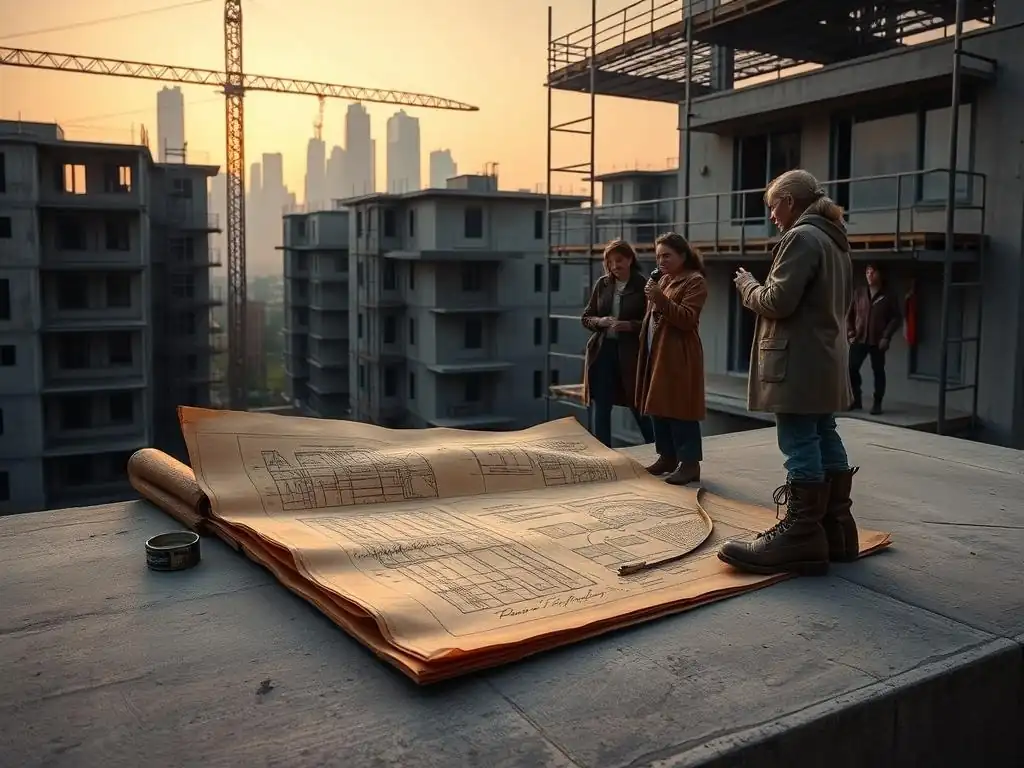
Welcome to WomenInScienceHistory.com!
Dive into the fascinating world where innovation meets resilience, and discover the untold stories of women who shaped our cities and infrastructure. This month, we're spotlighting Women in Urban Planning History, exploring the groundbreaking contributions of female architects, engineers, and visionaries who, against all odds, designed the very landscapes we inhabit. Intrigued to learn how these pioneering women navigated a male-dominated field and left an indelible mark on urban development? Let's unravel their legacy together.
- Introduction: Recognizing Women's Impact on Urban Development
- Pioneering Women in Early Urban Planning
- Key Figures in Women Urban Planning History: Case Studies
- Breaking Barriers: Women in Civil Works History
- Modern Women in Urban Planning and Civil Works
- The Legacy of Women Urban Planning History
- Resources for Learning More About Women in Science History and Civil Engineering
- Conclusion: Celebrating Women's Contributions to Urban Resilience
-
Frequently Asked Questions
- What are some of the key contributions women urban planning history have made to the field?
- Why is it important to study the history of women urban planning history?
- What were some common challenges faced by women urban planning history in their careers?
- How did women urban planning history influence the development of more inclusive and equitable cities?
- Where can I find more information about specific women urban planning history and their work?
- Final Reflection: Building Bridges to Tomorrow
- Empower Change: Become a City Shaper!
Introduction: Recognizing Women's Impact on Urban Development
The Undervalued Role of Women in Shaping Cities
For centuries, the narrative of urban development and civil engineering has predominantly focused on male figures, often overlooking the profound and multifaceted contributions of women. From conceptualizing community spaces to designing essential infrastructure, women have played pivotal, albeit often uncredited, roles in shaping the built environment. This historical omission has led to a skewed understanding of how cities and public works evolved, obscuring the ingenuity and perseverance of countless female pioneers.
Recognizing the full scope of women urban planning history is crucial not only for historical accuracy but also for understanding the diverse perspectives that have influenced our urban landscapes. Many women approached urban challenges with a holistic vision, integrating social welfare, public health, and community needs into their design philosophies, thereby enriching the fabric of cities in ways that traditional, infrastructure-focused approaches often did not.
Why Women Urban Planning History Matters
Delving into women urban planning history is more than just a historical exercise; it is an essential step towards inspiring future generations and fostering more inclusive practices in contemporary urban design. By spotlighting the achievements of these visionary women, we challenge persistent stereotypes about gender roles in STEM fields and highlight the importance of diverse voices in creating equitable and resilient communities. Their struggles and triumphs offer invaluable lessons on perseverance, innovation, and advocacy within male-dominated professions.
Furthermore, understanding the historical context of women's involvement in urban development allows us to appreciate the systemic barriers they faced, from limited access to education and professional networks to outright discrimination in employment. Celebrating their legacy provides a powerful counter-narrative, demonstrating that despite significant obstacles, women have consistently contributed groundbreaking ideas and practical solutions to complex urban challenges, leaving an indelible mark on the built world.
Pioneering Women in Early Urban Planning
Ethel Bailey Furman: A Drafter's Perspective on National Parks
Ethel Bailey Furman (1893-1972) stands as a notable figure in the early 20th century, becoming one of the first African American women to practice architecture in the United States. While her primary focus was residential design, her work as a drafter and her contributions to public projects, including designs for national parks, illustrate a broader engagement with the built environment that touches upon elements of civil works and landscape planning. Her meticulous drafting skills were instrumental in translating conceptual designs into detailed blueprints, a foundational step in any large-scale construction or planning endeavor.
Furman's career was marked by persistent challenges, including racial and gender discrimination, which often limited her access to larger, more visible projects typically associated with urban planning. Despite these barriers, she maintained her own architectural practice in Washington D.C. for over 40 years, demonstrating remarkable resilience and a deep commitment to her profession. Her contributions, though perhaps not explicitly labeled "urban planning" at the time, were integral to the physical development of communities and public spaces, underscoring the diverse ways women urban planning history unfolded.
Overcoming Societal Barriers in Civil Works History
The early 20th century presented immense societal barriers for women aspiring to careers in civil works and urban planning. Prevailing norms dictated that women's roles were primarily domestic, and fields like engineering were considered exclusively male domains. This meant women often faced significant resistance in gaining admission to engineering schools, securing apprenticeships, or finding employment in professional firms. Those who did manage to enter these fields frequently encountered skepticism regarding their capabilities and were often relegated to less visible or supportive roles, such as drafting or clerical work, despite possessing advanced technical skills.
Despite these formidable obstacles, many women persevered, carving out niches and making critical contributions that are now being recognized as part of women urban planning history. Their determination to pursue their passions in engineering and design fields laid the groundwork for future generations. These pioneers not only contributed technically but also challenged deeply ingrained societal expectations, slowly but surely opening doors for more women to enter and excel in professions vital to the development of modern infrastructure and urban landscapes.
Key Figures in Women Urban Planning History: Case Studies
Jane Addams (1860-1935), a Nobel Peace Prize laureate, is renowned for her pioneering work in social work and community development. While not a conventional urban planner in the engineering sense, her profound influence on social reform had direct and lasting impacts on urban design and community-based planning. Addams believed that the physical environment played a crucial role in social well-being, advocating for improvements in housing, sanitation, and public spaces as fundamental components of a healthy urban society. Her holistic approach integrated social justice with the practicalities of urban living.
Addams's work at Hull House, a settlement house she co-founded in Chicago in 1889, served as a living laboratory for community-based urbanism. Through its various programs, Hull House addressed the immediate needs of its immigrant neighbors while simultaneously demonstrating how thoughtful urban interventions could foster social cohesion and improve living conditions. This practical engagement with the urban fabric makes her an indispensable figure in women urban planning history.
Addams' contributions to community-based planning
Addams's contributions to community-based planning were revolutionary for her time. She championed the idea that urban planning should originate from the needs and voices of the community itself, rather than being imposed top-down. Her efforts led to significant reforms in Chicago's urban environment, including advocating for garbage collection, public health initiatives, and safe housing codes. She understood that clean streets and sanitary living conditions were not just aesthetic improvements but essential elements for public health and social stability.
Furthermore, Addams was instrumental in establishing playgrounds, public baths, and community centers, believing these spaces were vital for fostering social interaction and healthy development, especially for children in densely populated urban areas. Her focus on neighborhood-level improvements and civic engagement directly influenced later movements in urban planning that emphasized human-centered design and participatory processes, cementing her place as a foundational figure in women urban planning history.
Hull House: A Model for Socially Conscious Urbanism
Hull House, located in the impoverished 19th Ward of Chicago, became a renowned model for socially conscious urbanism. It offered a wide array of services including a kindergarten, a day nursery, an art gallery, a public kitchen, and a gymnasium, serving an average of 2,000 people weekly by 1900. Beyond providing direct services, Hull House functioned as a hub for social research and advocacy, systematically documenting the living conditions and challenges faced by urban residents. This data-driven approach informed Addams's policy recommendations for urban reform.
The physical layout and programs of Hull House itself exemplified a vision for integrated urban living, where community, education, and welfare were intertwined. It demonstrated how a single urban intervention could serve as a catalyst for broader social and physical improvements in a neighborhood. Hull House's enduring legacy highlights how settlement houses, spearheaded by women like Addams, were critical sites for developing and implementing early forms of community-oriented urban planning, profoundly influencing the evolving field of women urban planning history.
Lillian Moller Gilbreth: Efficiency and Ergonomics in the Home and City
Lillian Moller Gilbreth (1878-1972) was a pioneering industrial psychologist and engineer, often recognized for her contributions to scientific management and ergonomics. While much of her work focused on improving efficiency in industrial settings and the home, her principles had a tangible impact on the design of urban infrastructure and public spaces, particularly concerning accessibility and user-friendliness. Gilbreth's unique perspective, integrating psychological principles with engineering, offered a human-centered approach to design that was ahead of its time.
Her advocacy for "human factors" in design extended beyond factory floors to public spaces and even city planning, making her an indirect yet significant contributor to women urban planning history. Gilbreth understood that the efficiency of movement, safety, and comfort in daily life were heavily influenced by the built environment. Her insights into how people interact with their surroundings provided valuable guidance for creating more functional and accessible urban spaces.
Applying scientific management to household design
Gilbreth's most widely recognized application of scientific management was in redesigning household tasks and kitchen layouts to improve efficiency and reduce strain for homemakers. Her "kitchen practical" designs, developed in the 1920s and 30s, introduced concepts like the work triangle (sink, stove, refrigerator) and standardized counter heights, which are still foundational to modern kitchen design. These innovations aimed to minimize wasted motion and maximize productivity within the domestic sphere.
This focus on optimizing everyday environments had broader implications for urban design. If a kitchen could be made more efficient and ergonomic, so too could public spaces, offices, and even entire neighborhoods. Her work demonstrated that detailed analysis of human movement and interaction with space could lead to more effective and comfortable designs, a principle that is now central to accessible urban planning and universal design, contributing to the rich tapestry of women urban planning history.
Gilbreth's influence on urban infrastructure and accessibility
Beyond the home, Gilbreth's principles indirectly influenced urban infrastructure, particularly in the realm of accessibility and user experience. Her emphasis on understanding human movement patterns and reducing fatigue led to considerations for public spaces, such as optimal placement of public amenities, efficient circulation in buildings, and designs that accommodated people of varying physical abilities. She advocated for designs that were intuitive and easy to navigate, reducing barriers to participation in public life.
Though not directly designing city layouts, Gilbreth's ergonomic insights contributed to the growing awareness among engineers and designers that human comfort and efficiency were paramount in creating functional environments. Her work helped lay the intellectual groundwork for later developments in accessible design for public transportation, buildings, and parks, making her an unsung hero in the evolution of thoughtful urban infrastructure and a key figure in women urban planning history.
Emily Warren Roebling: The Unseen Engineer of the Brooklyn Bridge
Emily Warren Roebling (1843-1903) stands as one of the most remarkable figures in civil engineering history, her contributions to the construction of the Brooklyn Bridge being legendary, though often overlooked. While her husband, Washington Roebling, was the Chief Engineer, a severe illness during the project's construction left him largely incapacitated. It was Emily who stepped into this unprecedented role, acting as his eyes, ears, and voice on site, translating his instructions, handling complex calculations, and managing day-to-day operations.
Her unparalleled dedication and extraordinary grasp of engineering principles were critical in completing one of the most iconic civil works projects of the 19th century. Emily Roebling's story is a powerful testament to the hidden talents and crucial, often unrecognized, efforts of women in monumental engineering feats, significantly enriching the narrative of women in civil works history.
Roebling's role in project management and problem-solving
Emily Roebling's role in the Brooklyn Bridge project was far more than that of a simple assistant. She became the de facto chief engineer, mastering complex concepts such as cable construction, stress analysis, and bridge specifications. She meticulously relayed instructions from her husband, who was confined to his sickbed, to the assistant engineers and foremen on site. Crucially, she also communicated the challenges and progress back to him, effectively becoming the central nervous system of the entire operation.
Her responsibilities included managing contracts, negotiating with suppliers, and even representing the project to the public and political figures. She was adept at problem-solving, often making critical on-the-spot decisions that kept the immense project moving forward, facing down skeptics who doubted a woman's ability to oversee such an undertaking. Her leadership and technical acumen during a period of immense pressure highlight her extraordinary contribution to women in civil works history.
Impact on the field of bridge construction
Emily Roebling's direct involvement in the Brooklyn Bridge's construction had a profound, albeit often unacknowledged, impact on the field of bridge construction. Her practical experience navigating the complexities of a large-scale infrastructure project, from material procurement to managing a diverse workforce and technical challenges, provided invaluable lessons. The successful completion of the Brooklyn Bridge, a marvel of 19th-century engineering, owes much to her diligent oversight and technical understanding.
While her name might not appear on engineering blueprints as a designer, her executive function and technical expertise were indispensable. Her story serves as a powerful reminder that significant contributions to civil engineering and urban infrastructure have come from unexpected places, often from women working behind the scenes. Her legacy underscores the importance of recognizing all who contributed to the advancement of civil works, forever changing our understanding of women in civil works history.
Breaking Barriers: Women in Civil Works History
The Fight for Recognition in a Male-Dominated Field
The journey for women in civil works and urban planning has been a persistent struggle against deeply entrenched gender biases. For much of history, professional engineering societies and educational institutions were largely closed off to women, limiting their access to the formal training and professional networks essential for career advancement. Even when women managed to acquire the necessary qualifications, they often faced significant challenges in securing employment, being dismissed as "unsuited" for the demanding nature of civil engineering or urban planning work.
This systemic resistance meant that many talented women were relegated to supportive roles or had to work harder to prove their competence. Their contributions were frequently minimized, overlooked, or attributed to male colleagues. The fight for recognition was not just about individual achievement but about challenging a professional culture that actively excluded women, making the achievements of pioneers in women in civil works history even more remarkable.
Notable Achievements of Women in Civil Engineering
Despite the pervasive barriers, women have made groundbreaking contributions to civil engineering throughout history. Beyond Emily Warren Roebling's instrumental role in the Brooklyn Bridge, other women quietly broke ground. For example, Nora Stanton Blatch Barney, granddaughter of Elizabeth Cady Stanton, became one of the first women to earn a civil engineering degree from Cornell University in 1905 and was the first female junior member of the American Society of Civil Engineers (ASCE). Her work included designing steel structures and assisting with the construction of New York City's aqueduct system.
Later, figures like Elsie Eaves became the first woman elected to full membership in ASCE in 1927, after a distinguished career in engineering journalism and statistical analysis of construction costs. These women, among others, demonstrated exceptional technical prowess and resilience, laying foundational elements for future infrastructure development and ensuring their place in the evolving narrative of women in civil works history.
Limited Opportunities and the Struggle for Equal Pay
Even as some women gained entry into civil engineering and urban planning fields, they frequently encountered limited career opportunities and faced significant pay disparities compared to their male counterparts. Women were often steered towards less prestigious or lower-paying roles, such as drafting, research, or administrative support, rather than project management or design leadership. Promotion pathways were often obstructed, making it difficult for women to advance to senior positions despite their qualifications and experience.
The struggle for equal pay was, and in some areas remains, a persistent issue. Women were routinely paid less for the same work, a reflection of the undervaluation of their labor and the prevailing belief that men were the primary breadwinners. This economic disadvantage not only impacted individual women but also deterred others from pursuing careers in these fields, highlighting the deep-seated inequities that have shaped women urban planning history and women in civil works history.
Modern Women in Urban Planning and Civil Works

Contemporary Female Leaders Shaping Our Cities
Today, women are increasingly at the forefront of urban planning and civil works, leading complex projects and shaping the future of cities worldwide. These contemporary female leaders bring diverse perspectives and innovative approaches to addressing pressing urban challenges, from climate resilience and sustainable infrastructure to equitable housing and transportation. Their growing presence in leadership roles signifies a significant shift from historical patterns, though the journey towards full equity continues.
These leaders are not just designing buildings or roads; they are conceptualizing integrated urban systems that prioritize human well-being, environmental sustainability, and social justice. Their work is a testament to the enduring impact of the pioneers in women urban planning history and women in civil works history, demonstrating how far the fields have come and the immense potential for future female contributions.
Innovative Approaches to Sustainable Urban Development
Modern women in urban planning and civil works are pioneering innovative approaches to sustainable urban development. They are champions of green infrastructure, designing systems that integrate natural processes to manage stormwater, improve air quality, and enhance biodiversity within urban settings. Many are leading projects that focus on circular economy principles, aiming to minimize waste and maximize resource efficiency in construction and urban operations.
Furthermore, female leaders are instrumental in promoting public transport solutions, advocating for walkable and bike-friendly cities, and developing mixed-use communities that reduce reliance on private vehicles. Their work often emphasizes community engagement and participatory design, ensuring that sustainable solutions are tailored to local needs and foster a strong sense of ownership among residents. This forward-thinking approach is building upon and expanding the legacy of women urban planning history.
Janette Sadik-Khan: Transforming New York City's Streets
Janette Sadik-Khan served as the Commissioner of the New York City Department of Transportation (NYC DOT) from 2007 to 2013, leaving an indelible mark on one of the world's most complex urban environments. Her tenure was characterized by bold, innovative initiatives that dramatically reshaped New York City's streets, prioritizing pedestrians, cyclists, and public transit over private vehicles. She championed the creation of new public plazas, bike lanes, and bus rapid transit routes, fundamentally altering how New Yorkers navigate their city.
Under her leadership, NYC DOT implemented over 400 miles of new bike lanes, transforming the city's cycling infrastructure. She oversaw the conversion of iconic spaces like Times Square and Herald Square into pedestrian plazas, reclaiming vast expanses of asphalt for public enjoyment. Sadik-Khan's approach demonstrated that even in a dense metropolis, thoughtful urban design could significantly improve quality of life and promote sustainable mobility, making her a leading figure in contemporary women urban planning history.
The Legacy of Women Urban Planning History
Inspiring Future Generations of Female Engineers and Planners
The legacy of women urban planning history and women in civil works history is a powerful source of inspiration for future generations of female engineers and planners. By highlighting the achievements of pioneering women, we provide tangible role models who demonstrate that careers in these fields are not only possible but also deeply impactful. Seeing how women have overcome adversity and made significant contributions encourages young girls and women to pursue their interests in STEM.
Educational initiatives and mentorship programs that specifically showcase these historical figures play a crucial role in demystifying these professions and breaking down traditional gender stereotypes. This historical understanding fosters a sense of belonging and empowers aspiring female professionals to envision themselves as leaders and innovators in shaping the built environment, ensuring a more diverse and inclusive future for urban development.
Continuing the Fight for Equity and Inclusion in Urban Design
While significant progress has been made, the fight for equity and inclusion in urban design and civil engineering is far from over. Women, particularly women of color, still face challenges related to representation, leadership opportunities, and equitable pay. Continuing to advocate for inclusive practices, diverse hiring, and equitable career progression is essential to build on the foundations laid by earlier generations of women.
Furthermore, a truly inclusive urban design process must ensure that the voices and needs of all community members, especially marginalized groups, are heard and integrated into planning decisions. This ongoing commitment to equity ensures that urban spaces are not only physically resilient but also socially just, embodying the holistic vision that many pioneering women in women urban planning history championed from the outset.
The Importance of Mentorship and Role Models
Mentorship and the presence of strong role models are indispensable for nurturing the next wave of female engineers and planners. Connecting aspiring professionals with experienced women who have navigated the complexities of these fields provides invaluable guidance, support, and encouragement. Mentors can offer practical advice, share insights into career pathways, and help mentees overcome challenges, fostering confidence and professional growth.
The historical narratives of women in science and engineering offer powerful examples of resilience and innovation. By actively promoting these stories and facilitating mentorship relationships, we can create a supportive ecosystem that empowers women to thrive in urban planning and civil works, ensuring that their unique perspectives continue to enrich the design and development of our future cities.
Resources for Learning More About Women in Science History and Civil Engineering
Relevant Books, Articles, and Online Archives
To further explore the rich tapestry of women urban planning history and women in civil works history, a wealth of resources is available. Key texts include:
- From the Ground Up: Women and Architects in Nineteenth-Century America by Mary Woods Hinman.
- Women in Engineering: Pioneers and Trailblazers by Margaret E. Layne.
- The Grandest of Enterprises: Emily Warren Roebling, the Roeblings, and the Brooklyn Bridge by Erica Wagner.
- Twenty Years at Hull-House by Jane Addams (autobiography).
- Numerous academic journals and online archives such as those from the Society of Women Engineers (SWE) and the American Society of Civil Engineers (ASCE) often feature articles and historical documents on women's contributions.
These resources provide detailed biographies, historical context, and analyses of the impact of women in these vital fields, offering deeper insights into their struggles and triumphs.
Organizations Supporting Women in STEM Fields
Several organizations are dedicated to supporting and promoting women in STEM fields, including engineering and urban planning. These groups offer networking opportunities, mentorship programs, scholarships, and advocacy for greater equity and inclusion:
- Society of Women Engineers (SWE): An international organization that empowers women to succeed and advance in engineering and be recognized for their life-long contributions.
- Women's Transportation Seminar (WTS International): Dedicated to building the future of transportation through the global advancement of women.
- American Society of Civil Engineers (ASCE) - Committee on Diversity and Inclusion: Works to promote a diverse and inclusive civil engineering profession.
- American Planning Association (APA) - Women and Planning Division: Focuses on the role of women in planning and addressing gender equity issues in the profession.
Engaging with these organizations can provide valuable support and connection for anyone interested in pursuing or advancing a career in these fields, while also helping to preserve and celebrate women urban planning history.
Conclusion: Celebrating Women's Contributions to Urban Resilience
The Enduring Impact of Women in Civil Works History
The enduring impact of women in civil works history and women urban planning history is undeniable. From the foundational structural integrity of a bridge to the nuanced social fabric of a community park, women's contributions have been integral to shaping the resilient and functional urban environments we inhabit today. Their foresight, technical prowess, and unwavering commitment to public good, often against immense odds, have left an indelible mark on the built world.
By systematically recognizing these often-overlooked narratives, we gain a more complete and accurate understanding of how our cities have been designed and constructed. This acknowledgment not only honors the past but also enriches our contemporary understanding of urban development, demonstrating that diverse perspectives are essential for creating truly sustainable and equitable urban futures.
Looking Ahead: A More Inclusive Future for Urban Planning
Looking ahead, the future of urban planning and civil works must be one defined by greater inclusivity and equity. The lessons learned from women urban planning history underscore the critical importance of fostering environments where all voices are heard, and all talents are utilized. As cities face complex challenges like climate change, rapid urbanization, and social inequality, the diverse perspectives and innovative solutions that women bring to the table are more crucial than ever.
By actively promoting gender diversity in leadership, education, and practice, we can ensure that future urban development is not only technologically advanced but also deeply human-centered and socially just. Celebrating the historical contributions of women serves as a powerful reminder that a truly resilient future is one built by everyone, for everyone.
Frequently Asked Questions
What are some of the key contributions women urban planning history have made to the field?
Women have significantly shaped urban planning by championing socially conscious designs, advocating for community engagement, and pioneering sustainable development practices.
Why is it important to study the history of women urban planning history?
Studying this history reveals overlooked perspectives and contributions, challenges the male-dominated narrative of the field, and inspires future generations of planners.
What were some common challenges faced by women urban planning history in their careers?
Common challenges included gender bias, limited access to leadership positions, and a lack of recognition for their innovative ideas.
How did women urban planning history influence the development of more inclusive and equitable cities?
They prioritized designs that addressed the needs of marginalized communities, advocated for affordable housing, and promoted accessibility for all residents.
Where can I find more information about specific women urban planning history and their work?
Resources like scholarly articles, biographies, and websites such as WomenInScienceHistory.com offer detailed information on pioneering women and their impact on urban planning.
Final Reflection: Building Bridges to Tomorrow
The stories we've explored, highlighting the pioneering contributions of women in urban planning and civil works history, are not simply relics of the past. They are vibrant blueprints for a more equitable and resilient future, resonating powerfully in a world grappling with rapid urbanization and the urgent need for inclusive design. Their struggles and triumphs serve as a potent reminder that diverse perspectives are not just beneficial, but essential, for creating sustainable and thriving communities.
The impact of these visionary women extends far beyond the physical structures they helped create. Their legacy lies in the shift they inspired, a move towards a more human-centered approach to urban development, one that prioritizes social justice and environmental stewardship. This ongoing influence is perhaps best captured by the words of Jane Jacobs: Cities have the capability of providing something for everybody, only because, and only when, they are created by everybody.
As we reflect on the remarkable achievements of these women, let us not only celebrate their past contributions but also embrace the responsibility of carrying their vision forward. Consider how you can actively champion inclusivity and sustainability in your own community. How can you ensure that the voices of all are heard in shaping the spaces we inhabit? The future of our cities, and indeed our world, depends on our collective commitment to building bridges to a more resilient and equitable tomorrow.
Empower Change: Become a City Shaper!
Thank you for delving into the inspiring stories of visionary women who shaped our cities. Now it's your turn to contribute to a more resilient and equitable future.
Here's how you can take action:
- Actively advocate for inclusive urban planning in your local community by attending city council meetings and voicing your support for diverse representation in planning initiatives.
- Share this article with friends, family, and colleagues to spread awareness about the vital contributions of women in urban planning and inspire the next generation of city shapers.
- Research and document the unrecognized contributions of women in your own local urban planning or civil works history – let's amplify these untold stories!
What small change can you implement in your own neighborhood today to promote a more resilient and equitable urban environment?