Explore In-Depth Educational Resources on Women in Science
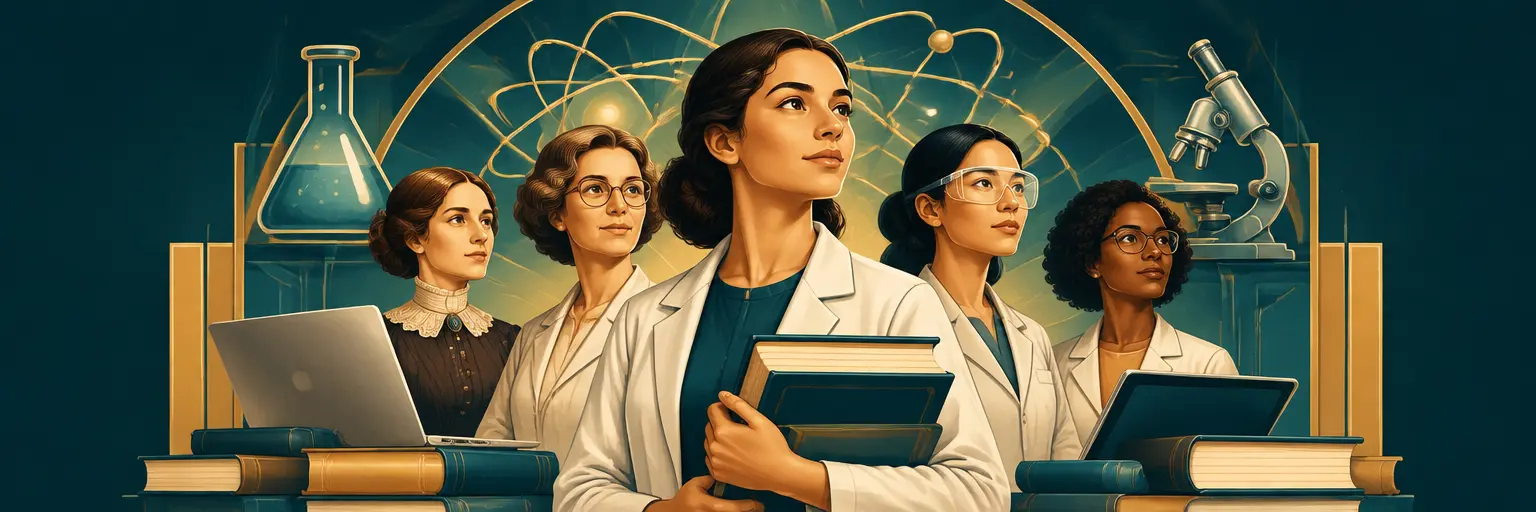
Welcome to our dedicated hub for educational resources on women in science. Here, you’ll find curated materials, lesson plans, and primary sources designed to illuminate the remarkable achievements of female scientists throughout history. Whether you’re an educator, student, or lifelong learner, this subcategory offers SEO-rich content focusing on STEM history, gender equality in research, and inspiring biographies. Dive into a treasure trove of knowledge that transforms overlooked narratives into powerful learning tools, ideal for classroom use or personal enrichment.
🔬 Biographical Learning Modules & Timelines
Delve into structured biographical modules that chronicle the lives and discoveries of pioneering women like Marie Curie, Rosalind Franklin, and Katherine Johnson. Each module includes a chronological timeline, key contributions, and interactive elements perfect for lesson integration. You’ll find downloadable PDFs, suggested discussion questions, and visual aids that make complex scientific histories accessible.
These resources are crafted to highlight the scientific breakthroughs and personal struggles of each figure, emphasizing how they overcame barriers. Expect curated reading lists, documentary links, and primary source excerpts that bring authenticity to the learning experience. Perfect for projects on women in STEM, these modules support both self-paced study and structured curricula.
📚 Classroom Activity Packs & Experiment Guides
Our activity packs translate historical achievements into hands-on experiments and projects for all ages. From recreating simple versions of Barbara McClintock’s genetic studies to exploring astronomy with Vera Rubin’s data, these guides include step-by-step instructions, material lists, and safety notes. Each pack aligns with national science education standards, ensuring valuable classroom use.
Beyond experiments, you’ll discover creative writing prompts, art projects, and group discussion frameworks that celebrate the diversity of women in science. These guides are designed to foster critical thinking and inspire the next generation of female researchers. Expect ready-to-print worksheets and assessment tools to track student engagement and comprehension.
🎓 Primary Source Archives & Document Analytics
Access a growing archive of digitized letters, lab notebooks, and original research papers from notable women scientists. We provide analytical guides that help users interpret these documents, highlighting contextual details about the era and scientific climate. This subcategory is a goldmine for postgraduate researchers and history enthusiasts seeking authentic evidence.
Each source is accompanied by a summary, annotated bibliography, and suggested citation formats. You’ll also find comparative analyses that show how these women’s work influenced modern fields. Use these materials to build robust arguments for essays or to deepen your appreciation of the historical evolution of science.
🧪 Multimedia Lectures & Visual Presentations
Stream engaging video lectures and slide presentations that cover major themes, from the “hidden figures” of space exploration to genetic pioneers in agriculture. Each lecture is segmented into digestible chapters, with transcriptions and key takeaways provided. Visual timelines and infographics simplify complex topics for quick learning.
Our multimedia selections include animated stories, interview clips with current female scientists, and panel discussions on overcoming bias. These resources enhance remote learning environments and serve as excellent supplementary material for flipped classrooms. Expect closed captions and downloadable slides to facilitate diverse learning preferences.
📖 Thematic Reading Lists & Book Clubs
Discover curated bibliographies spanning biographies, historical analyses, and fictionalized accounts of women in science. Our reading lists are categorized by level—from middle school to adult—and include annotations, trigger warnings, and discussion guides. Explore themes like contributions to medicine, physics breakthroughs, and underrepresented voices.
For book club facilitators, we provide structured meeting guides with sample questions, character analyses, and historical context. These lists are regularly updated to include recent publications and classic works. This resource fosters a community of readers dedicated to celebrating female achievements in STEM.
Frequently Asked Questions
Are these educational resources free to use?
Yes, all resources in this subcategory are completely free for personal and educational use. You may download, print, and share materials for classroom or non-commercial purposes. We only request attribution when redistributing, and we update our collection regularly to ensure accuracy and relevance.
Can I request a specific topic or scientist for a new educational module?
Absolutely! We welcome suggestions from educators and learners. Use our contact form to propose a scientist or theme, and our team will prioritize creating resources that fill gaps in existing coverage. We aim to expand our library based on community needs and historical significance.
Do these resources align with national science curriculum standards?
Our activity packs and learning modules are designed with flexibility in mind, aligning with Next Generation Science Standards (NGSS) and Common Core where applicable. Each resource includes alignment notes or suggestions for adaptation, ensuring seamless integration into diverse educational frameworks.
How often are the primary source archives updated?
We update the archives monthly with newly digitized documents from partner institutions. Subscribers to our newsletter receive notifications of additions, along with brief summaries and suggested usage tips. This ensures you always have access to the latest historical findings.
Are there resources suitable for elementary school students?
Yes, we offer simplified biographies, colorful infographics, and beginner-friendly experiments tailored for grades K-5. These materials use engaging visuals and simple language to introduce young learners to notable female scientists, fostering early interest in STEM careers.