
From Hypothesis to HistoryMaker: Tracing Women's Scientific Journeys (Activity Pack)

Welcome to WomenInScienceHistory.com!
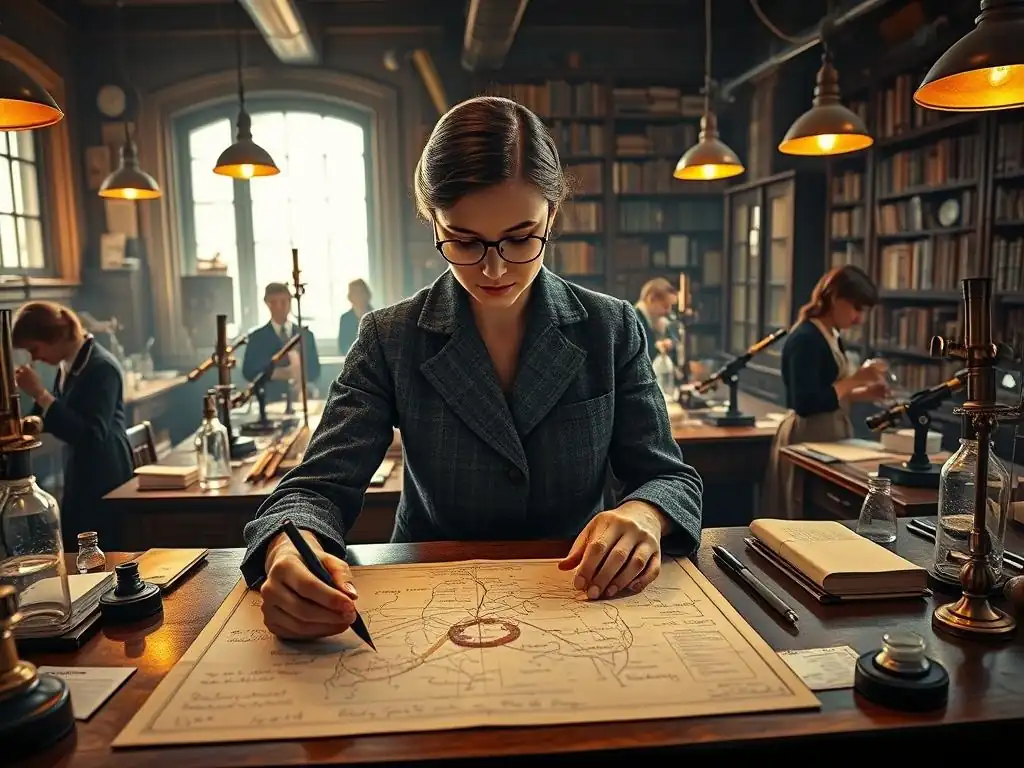
Dive into the fascinating world of groundbreaking discoveries and untold stories. Ever wondered how women shaped the scientific landscape, overcoming immense obstacles to leave their indelible mark? Our mission is to illuminate those contributions and inspire the future. Start your exploration with our Women’s science history activity pack, a gateway to engaging and interactive learning that brings these remarkable women and their achievements to life. Discover the untold narratives and unlock a deeper understanding of their impact – are you ready to begin your historical journey?
- Unveiling the "Women in Science Activity Pack": A Journey Through Scientific Discovery
- Exploring the Activity Pack: Content and Learning Objectives
-
Activity Types: Engaging with Women’s Scientific Achievements
- Biographies of Pioneering Female Scientists: Marie Curie Biography and Worksheet
- Interactive Timelines of Women's Contributions to Science: Timeline of Women in Physics
- Scientific Method Activities Inspired by Women Scientists: Rosalind Franklin's Photo 51 Experiment Simulation
- Research Projects: Uncovering Hidden Histories of Women in STEM: Research Project on Katherine Johnson's Contributions to NASA
- Benefits of Using the Women in Science Activity Pack
- Integrating the Activity Pack into Your Curriculum
- Accessing and Downloading the "Women in Science Activity Pack"
- Celebrating Women’s Science History: Beyond the Activity Pack
- Conclusion: Empowering the Future Through the Stories of Women in Science
-
Frequently Asked Questions
- What is the "From Hypothesis to HistoryMaker: Tracing Women's Scientific Journeys (Activity Pack)" about?
- Who is this activity pack designed for?
- What kind of activities are included in the "Women’s science history activity pack"?
- Why is it important to learn about women's contributions to science?
- Where can I find the "Women’s science history activity pack"?
- Final Reflection: Empowering Future Innovators
- Unleash Your Inner Curie: Take the Next Step!
Unveiling the "Women in Science Activity Pack": A Journey Through Scientific Discovery
Introducing the Women in Science Activity Pack
The "Women in Science Activity Pack" is a meticulously crafted educational resource designed to illuminate the groundbreaking contributions of women throughout scientific history. This comprehensive pack serves as an invaluable tool for educators, parents, and students alike, providing engaging activities and compelling narratives that bring the often-overlooked achievements of female scientists to the forefront. It aims to transform passive learning into an interactive journey, inspiring a deeper appreciation for the diverse minds that have shaped our understanding of the world.
This unique Women’s science history activity pack is more than just a collection of worksheets; it’s a portal to discovery, designed to spark curiosity and foster critical thinking about the scientific process and the societal contexts in which these women operated. By highlighting real challenges and triumphs, the pack ensures that the stories of these pioneering women resonate powerfully with today's learners, making the history of women in science accessible and profoundly impactful.
Why Focus on Women in Science?
Historically, the narratives of scientific discovery have predominantly centered on male figures, leaving the significant contributions of women largely unacknowledged or confined to footnotes. This historical oversight not only presents an incomplete picture of scientific progress but also deprives young learners, especially girls, of crucial role models who demonstrate that scientific brilliance knows no gender. Rectifying this imbalance is essential for a more equitable and accurate understanding of our shared scientific heritage.
Focusing on women in science, as this Women’s science history activity pack does, actively challenges prevailing stereotypes and promotes inclusivity in STEM education. By showcasing the ingenuity and perseverance of figures like Marie Curie, Rosalind Franklin, and Katherine Johnson, the pack demonstrates that scientific aptitude is universal and that diverse perspectives are vital for innovation. It inspires future generations to pursue their scientific passions, knowing that countless women have paved the way before them.
Exploring the Activity Pack: Content and Learning Objectives
Activity Pack Overview: What's Included?
The "Women in Science Activity Pack" is thoughtfully structured to provide a rich and varied learning experience. It comprises a diverse array of materials, including detailed biographical sketches, interactive timelines, hands-on experiment simulations, and engaging research project prompts, all meticulously designed to explore the lives and work of influential female scientists. Each component is crafted to complement the others, offering a holistic approach to understanding women's pivotal roles in scientific advancement across various disciplines.
Within this comprehensive Women’s science history activity pack, users will discover printable worksheets, discussion guides, and instructions for group activities, making it adaptable for classroom settings, homeschooling environments, or independent study. The content spans multiple scientific fields, from physics and chemistry to mathematics and biology, ensuring a broad exposure to the diverse contributions of women and making the history of women in science both fascinating and educational.
Learning Objectives: Empowering Students with Knowledge of Women in Science
A primary objective of the "Women in Science Activity Pack" is to equip students with a solid knowledge base regarding the achievements and challenges faced by pioneering female scientists. Learners will be able to identify key figures and their specific contributions, such as Lise Meitner's work on nuclear fission or Grace Hopper's innovations in computer programming. This foundational knowledge helps to correct historical inaccuracies and provide a more balanced view of scientific progress.
Beyond factual recall, this Women’s science history activity pack aims to foster critical thinking, research skills, and an appreciation for the scientific method through the lens of women's discoveries. Students will learn to analyze primary sources, evaluate historical contexts, and understand the societal barriers that many female scientists had to overcome. Ultimately, the pack seeks to inspire a new generation to pursue STEM fields, empowered by the stories of those who dared to innovate against the odds.
Activity Types: Engaging with Women’s Scientific Achievements
Biographies of Pioneering Female Scientists: Marie Curie Biography and Worksheet
The activity pack features in-depth biographies of pioneering female scientists, offering a personal glimpse into their lives and monumental achievements. A prime example is the section dedicated to Marie Curie, a Polish-French physicist and chemist renowned for her groundbreaking research on radioactivity. Born Maria Skłodowska in 1867, she moved to Paris to study and later, alongside her husband Pierre Curie, discovered the elements polonium and radium. Her unparalleled dedication led to her becoming the first woman to win a Nobel Prize (Physics, 1903) and the only person to win Nobel Prizes in two different scientific fields (Chemistry, 1911).
Accompanying Marie Curie's biography is a thoughtfully designed worksheet that encourages active engagement with her story. This component of the Women’s science history activity pack prompts students to consider the scientific methods she employed, the profound impact of her discoveries on medicine and physics, and the formidable societal obstacles she navigated as a woman in a male-dominated scientific community. Students might analyze her challenges in gaining recognition or reflect on the dangers she faced due to radiation exposure, making her journey relatable and inspiring.
Interactive Timelines of Women's Contributions to Science: Timeline of Women in Physics
The "Interactive Timelines" section of the activity pack allows students to visualize the chronological progression of women's contributions across various scientific domains. The "Timeline of Women in Physics," for instance, highlights key milestones from the early 20th century to contemporary breakthroughs. It features figures like Lise Meitner, who, in 1938, provided the theoretical explanation for nuclear fission, a discovery for which her male collaborator received the Nobel Prize. Another significant entry is Chien-Shiung Wu, whose 1956 experiment proved the non-conservation of parity, a fundamental principle of particle physics, challenging established laws.
This interactive element within the Women’s science history activity pack encourages students to not only identify prominent female physicists but also to understand the interconnectedness of their discoveries and the evolving landscape of scientific thought. Students can add their own research findings to the timeline, exploring lesser-known figures or regional contributions, thereby deepening their understanding of the cumulative nature of scientific progress and the often-unseen work of women in the field.
Scientific Method Activities Inspired by Women Scientists: Rosalind Franklin's Photo 51 Experiment Simulation
To bring the scientific method to life, the activity pack includes simulations inspired by the work of eminent female scientists. A compelling example is the "Rosalind Franklin's Photo 51 Experiment Simulation," which centers on the crucial X-ray diffraction image of DNA taken by Franklin in 1952. Franklin, a brilliant chemist and X-ray crystallographer, produced this seminal image, known as Photo 51, which provided critical evidence for the double helix structure of DNA, though her contribution was largely uncredited during the initial Nobel Prize recognition.
This simulation within the Women’s science history activity pack guides students through the process of scientific observation and deduction. Students might analyze simplified X-ray diffraction patterns, interpret visual data, and draw conclusions about molecular structures, mimicking the investigative process Franklin herself undertook. The activity emphasizes the importance of meticulous data collection and analysis, allowing students to experience a facet of the scientific inquiry that led to one of the 20th century's most significant biological discoveries, while also acknowledging Franklin's pivotal role.
The "Research Projects" component of the activity pack empowers students to become historical detectives, delving into the often-untold stories of women in STEM. A standout example is the "Research Project on Katherine Johnson's Contributions to NASA." Katherine Johnson, an African American mathematician, was a "human computer" whose manual calculations were critical to the success of early U.S. spaceflights. Her precise computations, including those for Alan Shepard's 1961 suborbital flight and John Glenn's 1962 orbital mission, were essential for trajectory analysis and emergency backup procedures, ensuring the safety of the astronauts.
This research project, a vital part of the Women’s science history activity pack, challenges students to explore primary and secondary sources to uncover the full scope of Johnson's impact on space exploration. Students might investigate the challenges she faced as both a woman and an African American in a segregated workplace, analyze the significance of her calculations for specific missions, and present their findings through essays, presentations, or digital exhibits. This activity not only highlights a remarkable individual but also encourages students to critically examine historical narratives and celebrate overlooked contributions in STEM.
Benefits of Using the Women in Science Activity Pack
Promoting Gender Equality in STEM Education
The "Women in Science Activity Pack" serves as a powerful tool in dismantling gender stereotypes prevalent in STEM fields. By consistently showcasing the intellectual prowess, resilience, and groundbreaking achievements of female scientists, the pack directly counters the misconception that science is a predominantly male domain. It provides tangible examples of women excelling in complex scientific endeavors, from theoretical physics to biomedical research, thereby broadening the perspectives of all students on who can be a successful scientist.
This intentional focus helps to create a more inclusive learning environment where girls can envision themselves pursuing scientific careers and boys can appreciate the contributions of their female peers and historical figures. The Women’s science history activity pack fosters a sense of equity by ensuring that the history of scientific discovery is presented in its true, diverse form, demonstrating that innovation flourishes when talent from all backgrounds is recognized and celebrated.
Encouraging Critical Thinking and Research Skills
Engaging with the "Women in Science Activity Pack" naturally cultivates essential critical thinking and research skills in students. Activities such as analyzing historical documents, interpreting experimental data from simulations, and conducting independent research projects on figures like Katherine Johnson require learners to move beyond rote memorization. Instead, they must analyze information, synthesize concepts, and draw informed conclusions, honing their analytical capabilities.
The varied nature of the tasks within this Women’s science history activity pack encourages students to question assumptions, evaluate sources, and formulate their own arguments based on evidence. Whether they are deciphering a timeline of historical scientific advancements or simulating an experiment, students are actively participating in the process of discovery, which strengthens their problem-solving abilities and prepares them for complex academic and real-world challenges.
Inspiring Future Generations of Female Scientists
Perhaps one of the most profound benefits of the "Women in Science Activity Pack" is its capacity to inspire. By bringing to life the stories of women who defied expectations and made significant scientific breakthroughs, the pack provides compelling role models for young learners, especially girls who may not typically see themselves reflected in traditional science curricula. Witnessing the perseverance of a Marie Curie or the ingenuity of a Rosalind Franklin can ignite a spark of curiosity and ambition.
This Women’s science history activity pack demonstrates that the path to scientific discovery is open to everyone, regardless of gender. It shows that challenges can be overcome with dedication and passion, encouraging girls to pursue their interests in STEM fields with confidence. By connecting historical achievements to contemporary possibilities, the pack serves as a powerful catalyst for empowering the next generation of female scientists, innovators, and leaders.
Integrating the Activity Pack into Your Curriculum
Sample Lesson Plans: Utilizing the Activity Pack Effectively
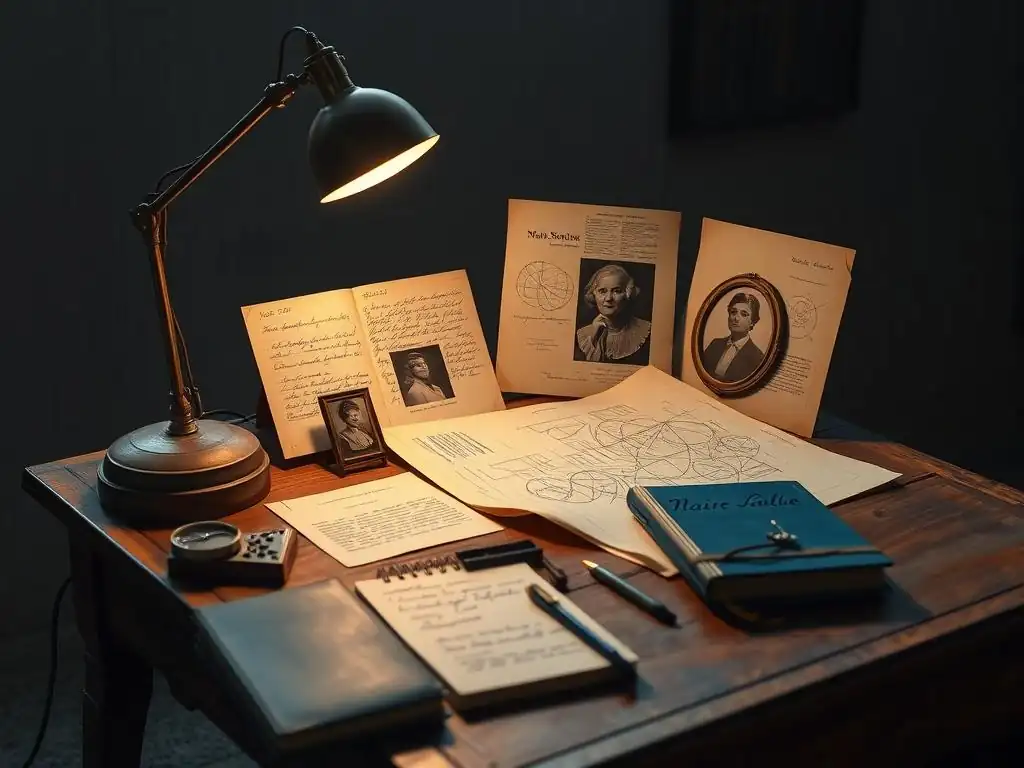
The "Women in Science Activity Pack" is designed for flexible integration into diverse educational curricula, offering numerous avenues for effective utilization. For instance, a middle school science teacher could dedicate a "Pioneering Women in Science Week," where each day focuses on a different scientist featured in the pack. Monday might involve the Marie Curie biography and worksheet, Tuesday the Rosalind Franklin experiment simulation, and so forth, culminating in a Friday presentation of the Katherine Johnson research projects.
Alternatively, educators can weave components of this Women’s science history activity pack into existing units. When teaching about DNA structure, the Rosalind Franklin simulation could be incorporated to provide historical context and highlight her crucial contribution. Similarly, during a unit on space exploration, the Katherine Johnson research project would offer an invaluable perspective on the human ingenuity behind early space missions, enriching the learning experience without requiring a complete overhaul of the curriculum.
Adapting Activities for Different Age Groups and Learning Styles
The versatility of the "Women in Science Activity Pack" allows for easy adaptation to suit various age groups and learning styles. For younger students (e.g., elementary school), educators can focus on the more narrative aspects of the biographies, emphasizing simple facts and the inspirational qualities of the scientists, perhaps using colorful visual aids or simplified versions of the worksheets. The interactive timelines can be used as a visual storytelling tool, with students adding simple drawings or key dates.
For older students (e.g., high school or early college), the activities within this Women’s science history activity pack can be expanded to include more complex research, critical analysis of historical bias, and in-depth discussions about the societal and political challenges faced by these women. Group projects can encourage collaborative learning, while individual assignments can cater to different learning styles, such as essay writing for verbal learners or designing presentations for visual learners, ensuring that the rich history of women in science is accessible to all.
Accessing and Downloading the "Women in Science Activity Pack"
Where to Find the Activity Pack on STEMeducationResources.org
The "Women in Science Activity Pack" is readily accessible through STEMeducationResources.org, a dedicated platform for high-quality educational materials. To locate this invaluable resource, users can navigate to the "Resources & Education" category, then select the "Educational Resources: Women in Science" subcategory. The activity pack is prominently featured within this section, allowing for straightforward discovery and access by educators, parents, and students interested in the history of women in science.
The platform's intuitive layout ensures that finding the Women’s science history activity pack is a seamless process. A search bar is also available for quick navigation, enabling users to directly input "Women in Science Activity Pack" or related keywords to instantly find the resource. This ease of access underscores the commitment to making comprehensive educational tools on women's contributions to science widely available to the global learning community.
Download Instructions and User Guide
Once located on STEMeducationResources.org, downloading the "Women in Science Activity Pack" is a simple, user-friendly process. Typically, users will find a clearly marked "Download" button or link associated with the pack. Clicking this initiates the download of a compressed file, which usually contains a collection of PDF documents, including all the biographies, worksheets, activity instructions, and supplementary materials, ensuring all components are available in a convenient format.
Upon successful download, users are encouraged to consult the accompanying "User Guide" which is an integral part of this Women’s science history activity pack. This guide provides comprehensive instructions on how to effectively utilize each component of the pack, offering pedagogical tips, suggested lesson plans, and guidance on adapting activities for different age groups or learning environments. It ensures that educators can maximize the educational impact of this powerful resource.
Celebrating Women’s Science History: Beyond the Activity Pack
Additional Resources on STEMeducationResources.org
While the "Women in Science Activity Pack" offers a robust foundation, STEMeducationResources.org is a treasure trove of further educational materials dedicated to celebrating women's contributions to science. Beyond the activity pack, users can explore an extensive library of articles, research papers, and case studies detailing the lives and discoveries of countless other pioneering female scientists. These resources provide deeper dives into specific fields, from astrophysics to environmental science, expanding the scope of learning.
The platform also features interactive modules, virtual exhibits, and supplementary lesson plans that complement the Women’s science history activity pack, allowing for continuous engagement with the subject matter. These additional resources are meticulously curated to ensure accuracy and educational value, providing a rich ecosystem for anyone passionate about exploring the often-untold stories of women who have shaped scientific history and inspired generations.
Further Exploration: Books, Websites, and Organizations Dedicated to Women in Science
To truly immerse oneself in the rich tapestry of women's science history, venturing beyond the activity pack is highly encouraged. Numerous acclaimed books offer compelling biographies and comprehensive analyses of the societal factors that influenced women's scientific careers, such as "Hidden Figures" which chronicles the African American women mathematicians at NASA or "The Immortal Life of Henrietta Lacks" exploring ethical issues in medical research. These texts provide nuanced perspectives and often delve into the personal struggles and triumphs of these remarkable individuals.
Furthermore, a wealth of dedicated websites and organizations actively promote and celebrate women in STEM. These platforms often feature updated research, news on contemporary female scientists, and advocacy for gender equality in scientific fields. Engaging with these external resources, while not part of the Women’s science history activity pack itself, can foster a broader understanding of the ongoing efforts to ensure women's contributions are fully recognized and to inspire future generations to pursue scientific excellence.
Conclusion: Empowering the Future Through the Stories of Women in Science
Frequently Asked Questions
What is the "From Hypothesis to HistoryMaker: Tracing Women's Scientific Journeys (Activity Pack)" about?
It's an educational resource celebrating the contributions of women in science. It aims to bring women’s science history to life through interactive activities.
Who is this activity pack designed for?
The activity pack is designed for students, educators, and anyone interested in learning more about the history of women in science. It's adaptable for various age groups and learning environments.
What kind of activities are included in the "Women’s science history activity pack"?
The pack includes a variety of engaging activities such as biography readings, research projects, creative writing prompts, and interactive games. These activities encourage exploration of groundbreaking women in science.
Why is it important to learn about women's contributions to science?
Learning about women's contributions helps to address historical biases and promote inclusivity. It inspires future generations by showcasing diverse role models in STEM fields.
Where can I find the "Women’s science history activity pack"?
The activity pack can be found on the WomenInScienceHistory.com website. Look for it under the "Activity Packs" or "Educational Resources" section.
Final Reflection: Empowering Future Innovators
The journey from a simple hypothesis to groundbreaking discovery is a testament to the power of human curiosity and perseverance, and highlighting the contributions of women in science is more crucial now than ever. As we've explored the remarkable stories of women who defied expectations and shattered barriers, it becomes clear that their legacy extends far beyond the laboratory, shaping our understanding of the world and inspiring future generations to pursue their scientific passions.
This exploration of women's scientific journeys has profoundly impacted my understanding of the cultural and social landscape. It's a reminder that progress is not linear, and the fight for equity and recognition in STEM fields is ongoing. The stories we've uncovered serve as powerful examples of resilience and ingenuity, reminding us that diverse perspectives are essential for scientific advancement. Science is not a boy's game, it's not a girl's game. It's everyone's game. It's about where we are and where we're going. Science is the how and the why of everything.
- Nichelle Nichols
As you delve into these activity packs and learn about the incredible women who shaped our world, I invite you to reflect on your own potential. What questions burn within you? What problems do you want to solve? Embrace your curiosity, challenge assumptions, and remember that you, too, have the power to contribute to the ongoing story of scientific discovery. Let these women's journeys inspire you to become the history makers of tomorrow.
Unleash Your Inner Curie: Take the Next Step!
Thank you for diving into the inspiring journeys of women in science! We hope you found their stories as captivating and empowering as we do. Now, it's your turn to build upon that inspiration.
Here are a few ways you can continue your exploration and honor their legacies:
- Download our exclusive "Hypothesis to HistoryMaker" Activity Pack to bring these incredible stories to life in your classroom or home!
- Share this article with a friend, family member, or colleague who might also be inspired by these groundbreaking women.
- Nominate a contemporary woman scientist in your community for our "Hidden Figures Today" spotlight – let's celebrate the unsung heroes of modern science!
What small experiment will you conduct today to honor the spirit of scientific discovery?