Explore the Digital Vault: Online Archives of Women in Science History
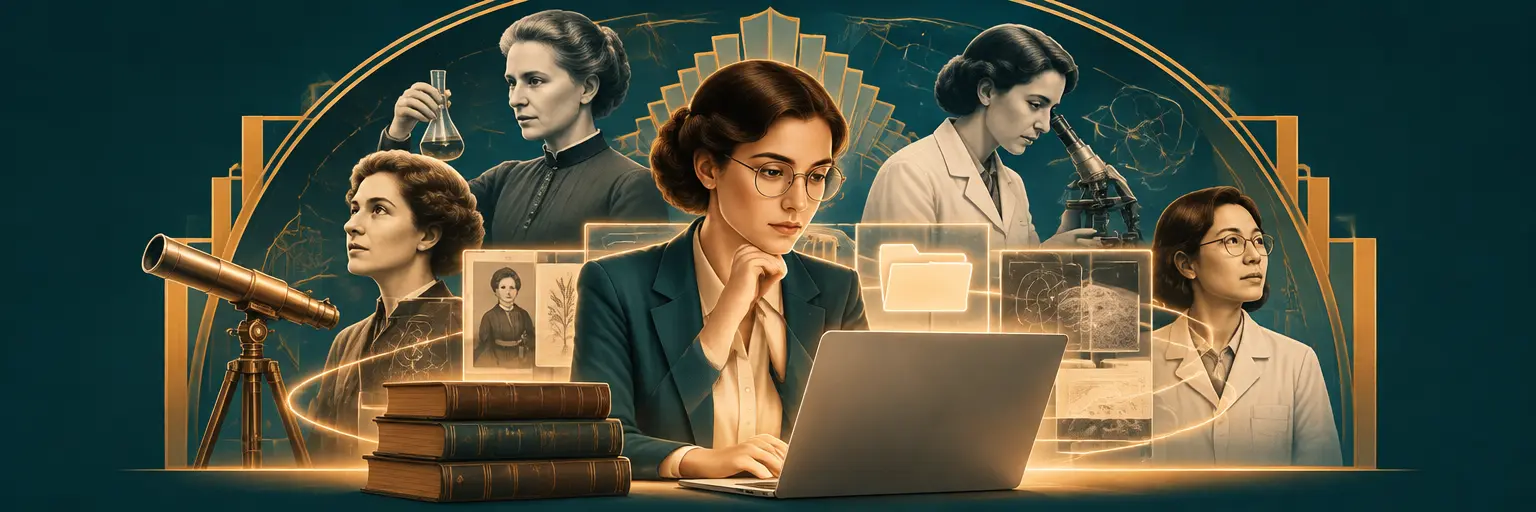
Dive into the rich, digital repositories dedicated to preserving the legacies of pioneering female scientists. This subcategory on WomenInScienceHistory.com curates the best online archives, digitized collections, and research databases that document the struggles and triumphs of women in STEM. Whether you are a student, educator, or history enthusiast, these resources offer primary sources, letters, and photographs that bring hidden narratives to life. Our goal is to make these invaluable records accessible, ensuring that the contributions of women in science are not just remembered but celebrated and studied for generations to come.
🔍 Primary Sources & Digitized Manuscripts
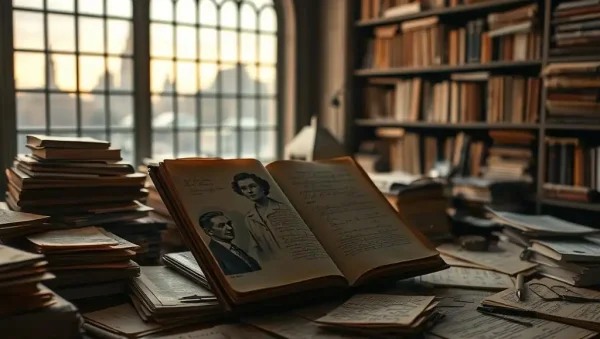
Here, you will find direct links to universities and museums that have digitized original lab notebooks, personal correspondence, and unpublished research notes. Expect to explore the handwriting of Marie Curie or the field journals of Barbara McClintock, offering an intimate glimpse into their daily work. These primary documents are crucial for researchers seeking authentic evidence and for educators wanting to show students the raw material of scientific discovery.
These archives often include high-resolution scans and transcriptions, making them searchable by keyword. For example, the Women in Science Digital Collection at Harvard and the Schlesinger Library provide open-access portals. This facet emphasizes the importance of historical accuracy and the excitement of seeing a scientist's own annotations, corrections, and brilliant ideas in real time.
📚 Thematic Exhibits & Curated Galleries
This section highlights online exhibitions that weave together photographs, audio interviews, and timeline-based stories. Unlike simple databases, these collections are curated to tell a cohesive narrative, such as "Women in Astronomy During the 19th Century." Expect rich, multimedia experiences that show the societal context, including the obstacles of educational exclusion and the innovative ways these women circumvented them. These exhibits are perfect for virtual classroom tours or casual deep-dives.
Curated galleries often include rare portraits, diagrams, and even videos from the late 20th century. Institutions like the Smithsonian Institution Archives and the Science History Institute have produced stunning, interactive webpages. You can expect to learn not just about the discoveries, but also about the personal networks and collaborative circles that supported these women, offering a holistic view of scientific history.
🌐 Global Databases & Finding Aids
For the serious researcher, this facet provides access to comprehensive, searchable databases that catalog women scientists across various disciplines and continents. These are not simple lists; they are cross-referenced directories with biographical sketches, publication lists, and institutional affiliations. Expect to use filtered searches for "chemistry" or "20th century" to find obscure but important figures, linking directly to their archival collections.
These global resources, such as the Biographical Database for Women in Science and the Women in Science & Engineering Archive, serve as the backbone for scholarly work. They feature authoritative metadata and peer-reviewed entries. This is your go-to tool for verifying facts, citing sources, or discovering a new heroine to feature in your own research or curriculum, ensuring no stone is left unturned in historical inquiry.
🔬 Oral Histories & Personal Testimonies
Immerse yourself in first-person accounts through audio and video oral history projects. These archives are powerful because they capture the voices, emotions, and professional reflections of living female scientists who worked from the 1940s to the present. Expect to hear conversations about breaking glass ceilings in physics or computer science, revealing the unspoken rules of mentorship and the grit required to persist.
Many universities, like the American Institute of Physics Oral History Project, have recorded lengthy, unfiltered interviews. This content is invaluable for humanizing science, showing that behind every equation and beaker is a person dealing with skepticism, family, and ambition. It offers profound insights that written records cannot convey, making the past feel immediate and relevant for today's struggles in gender equity.
📊 Metrics & Impact of Archival Research
This section explains how to use these archives effectively for quantitative analysis, such as measuring the frequency of female authorships in historical journals or mapping the migration of female academics between institutions. You will find tutorials on using API access or bulk downloads for research projects. Expect data visualizations that reveal patterns of collaboration and exclusion, providing concrete evidence for academic papers.
These resources are often used by historians of science and sociologists to measure the "lost" contributions of women. For example, you can analyze the citation rates of overlooked female pioneers versus their male counterparts. This facet equips you with the technical know-how to transform qualitative stories into compelling statistical arguments, strengthening the case for historical recognition and modern policy changes.
Frequently Asked Questions
Are these online archives free to access?
Yes, the vast majority of resources listed here are freely accessible to the public. Institutions like library digital collections and federal archives provide open access to fulfill their educational mission. Some specialized databases might require an institutional login, but we prioritize links that are no-cost, allowing anyone from students to hobbyists to explore without financial barriers.
Can I use these archives for my classroom or school project?
Absolutely. These archives are excellent for educational purposes. Most allow non-commercial educational use with proper citation, and many offer special "teacher" toolkits with ready-made lesson plans. We recommend checking each site's "Rights and Permissions" page, but generally, you can download images and quotes for assignments and presentations.
What is the best way to search for a specific female scientist?
Start with a targeted search using full name and field, such as "Caroline Herschel astronomy." If that fails, use the database's advanced search filters with a time period or country. Many archives have a "Browse by Discipline" option. Additionally, the Biographical Database is specifically designed for name-based queries, providing reliable entry points.
Are the primary source documents original, or are they transcriptions?
Most archives provide high-resolution scans of the original letters and notebooks, which are faithful reproductions of historical documents. Alongside these, they often include transcription panels to help you read faded or cursive handwriting. Both versions are offered so you can verify authenticity or easily quote from the text, ensuring accuracy in your work.
How often are new collections added to these archives?
Digital archives are continuously growing. Museums and universities frequently digitize new acquisitions to make them available online. Major updates occur quarterly or semi-annually, especially during funding cycles. We suggest subscribing to the RSS feeds or newsletters of your favorite institutions to receive alerts about new collections, ensuring you stay updated on the latest historical discoveries.