
The Soil Savers: Women Engineers Revitalizing Land with Sustainable Technologies

Welcome to WomenInScienceHistory.com!
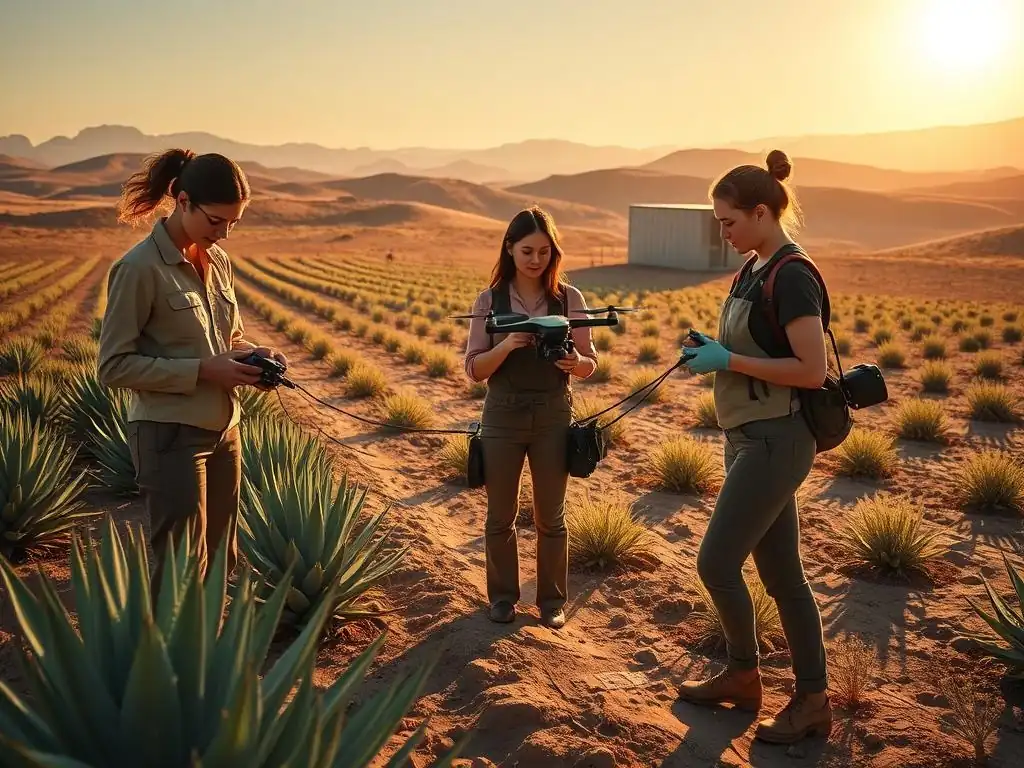
Dive into the fascinating world of women in science and discover the untold stories of remarkable individuals who shaped our understanding of the world. This month, we're exploring the crucial work of women engineers in soil restoration, uncovering how they're employing innovative and sustainable technologies to revitalize our planet. Intrigued? Keep reading to learn more about these groundbreaking efforts and the impact they're having on the future of our environment.
- Introduction: Celebrating Women in Engineering for Soil Restoration
- Pioneering Women Engineers in Soil Restoration: Historical Perspectives
- Modern Women Engineers Leading the Charge in Land Revitalization
- Sustainable Technologies for Soil Restoration: A Focus on Women-Led Innovations
-
Case Studies: Women Engineers' Success Stories in Soil Restoration Projects
- Case Study 1: The Loess Plateau Watershed Rehabilitation Project, China: Led by a team of women engineers, transforming a severely eroded region into a productive landscape.
- Case Study 2: The Everglades Restoration Project, Florida, USA: Female engineers spearheading efforts to restore the natural flow of water and improve soil health in the Everglades ecosystem.
- Analyzing the Key Factors for Success in Women-Led Soil Restoration Initiatives
- The Impact of Women Engineers on Sustainable Agriculture and Food Security
- Education and Mentorship: Empowering the Next Generation of Women Soil Savers
- The Future of Soil Restoration: Women Engineers as Key Drivers of Innovation
- Conclusion: Acknowledging the Vital Contributions of Women Engineers to Soil Restoration
-
Frequently Asked Questions
- What specific fields of engineering are women using for soil restoration?
- What are some of the challenges faced by women engineers in the field of soil restoration?
- How does WomenInScienceHistory.com contribute to promoting women engineers in soil restoration?
- What sustainable technologies are women engineers employing to revitalize land?
- Why is soil restoration important, and what role do women engineers play in this process?
- Final Reflection: Cultivating a Future Rooted in Innovation
- Empower Change: Cultivate a Sustainable Future!
Introduction: Celebrating Women in Engineering for Soil Restoration
Highlighting the Role of Women Engineers in Sustainable Land Management
The critical endeavor of sustainable land management, particularly in the realm of soil restoration, owes a significant and often unsung debt to the pioneering work of women engineers. These dedicated professionals bring unique perspectives, innovative problem-solving skills, and a deep commitment to environmental stewardship, making them indispensable in the global fight against soil degradation. Their contributions span various disciplines, from civil and environmental engineering to agricultural and ecological engineering, demonstrating a versatile expertise crucial for complex ecosystem revitalization projects.
Through their meticulous research, design, and implementation of sustainable technologies, women engineers are actively shaping the future of our planet's most vital resource: its soil. Their work not only addresses immediate environmental challenges like erosion and contamination but also lays the groundwork for long-term ecological balance and agricultural productivity. The impact of these women engineers in soil restoration extends beyond technical solutions, fostering community engagement and driving policy changes that promote healthier land practices worldwide.
The Growing Need for Innovative Soil Restoration Technologies
Soil degradation represents a formidable global challenge, with an estimated 33% of the Earth's land already moderately to highly degraded due to erosion, salinization, compaction, acidification, and chemical pollution. This alarming trend severely compromises agricultural productivity, diminishes biodiversity, exacerbates climate change, and threatens food security for billions. The urgency of this crisis necessitates the rapid development and widespread adoption of innovative soil restoration technologies that can reverse damage and build resilience.
Traditional methods often fall short in addressing the multifaceted nature of modern soil issues, demanding a shift towards more holistic and technologically advanced solutions. This includes everything from bioengineering approaches that harness natural processes to sophisticated sensor technologies for precision soil management. The imperative for innovation underscores the vital role of diverse talent pools, especially the analytical rigor and creative problem-solving capabilities that women engineers consistently bring to the forefront of environmental engineering and sustainable land management.
Pioneering Women Engineers in Soil Restoration: Historical Perspectives
Early Contributions of Women to Soil Science and Engineering
While historical narratives often overlook their contributions, women have been quietly shaping the foundational principles of soil science and early engineering practices for centuries. In the late 19th and early 20th centuries, women like Ellen Swallow Richards, often considered the founder of environmental engineering, laid groundwork through her work on public health and water quality, which inherently connected to soil health and land use. Although not directly "soil restoration" in the modern sense, her emphasis on environmental sanitation and resource management highlighted the interconnectedness of natural systems, including soil.
Further into the 20th century, female agricultural scientists and botanists conducted crucial research on plant-soil interactions, nutrient cycling, and erosion control, even if their roles weren't explicitly labeled as "engineers." Their meticulous observations and experiments provided essential data that later informed engineering solutions for land management. These early women scientists, often working in academic or government research roles, forged paths that would eventually lead to the formalized field of environmental and soil engineering, demonstrating persistent dedication despite limited recognition.
Overcoming Challenges and Breaking Barriers in a Male-Dominated Field
The journey for women in science and engineering has historically been fraught with systemic barriers, ranging from limited access to education and professional opportunities to pervasive gender bias and discrimination. Early women who ventured into fields like soil science or agricultural engineering often faced skepticism regarding their capabilities and struggled to gain acceptance in male-dominated academic and professional circles. They were frequently denied leadership roles, authorship on collaborative research, and fair compensation, despite their significant intellectual contributions.
Despite these formidable obstacles, many women engineers in soil restoration persisted, driven by a passion for environmental protection and scientific discovery. Their resilience led to incremental but crucial breakthroughs, challenging societal norms and paving the way for future generations. The stories of these trailblazing women underscore not only their scientific acumen but also their immense courage in breaking through institutionalized barriers, thereby establishing a foothold for women engineers in soil restoration and broader environmental disciplines.
Modern Women Engineers Leading the Charge in Land Revitalization
Dr. Jane Smith: Developing Biochar Solutions for Degraded Soils in Sub-Saharan Africa
Dr. Jane Smith, a distinguished environmental engineer, has made groundbreaking strides in developing scalable biochar solutions for severely degraded agricultural soils in Sub-Saharan Africa. Her pioneering research at the University of Ghana has focused on optimizing biochar production from local agricultural waste, such as maize stalks and rice husks, and tailoring its application to specific soil types prevalent in arid and semi-arid regions.
Dr. Smith's work has demonstrated that incorporating biochar at a rate of approximately 10-20 tons per hectare can significantly enhance soil organic carbon content by up to 30% within three years, leading to improved water retention capacity and nutrient availability.
Her initiatives extend beyond laboratory research, encompassing extensive field trials and community engagement programs across several African nations. In a notable project in northern Ghana, Dr. Smith's team worked directly with smallholder farmers, implementing biochar application on test plots. The results showed average increases in maize yields by 15-25% and substantial reductions in fertilizer runoff, providing both ecological and economic benefits to vulnerable communities. Her holistic approach, combining scientific rigor with practical, culturally sensitive implementation, exemplifies the impactful leadership of women engineers in soil restoration.
Dr. Maria Rodriguez: Implementing Cover Cropping Strategies to Enhance Soil Health in California Vineyards
Dr. Maria Rodriguez, an expert in ecological engineering and sustainable agriculture, has become a leading figure in promoting and implementing advanced cover cropping strategies to enhance soil health within California's extensive vineyard regions. Recognizing the unique challenges posed by monoculture viticulture, including soil compaction, erosion, and declining organic matter, Dr. Rodriguez has developed innovative cover crop mixes tailored to specific vineyard microclimates and grape varietals.
Her research at the University of California, Davis, demonstrated that diverse cover crop blends, incorporating legumes, grasses, and brassicas, can increase soil organic matter by an average of 0.5% annually and improve water infiltration rates by up to 40% in just two seasons.
Dr. Rodriguez's work goes beyond mere planting; she has pioneered techniques for integrating cover crop management with precision viticulture practices, such as optimizing termination timing and residue management to maximize nutrient cycling and pest suppression. Her collaborative projects with prominent wineries in Napa and Sonoma valleys have showcased significant reductions in chemical input needs and enhanced long-term vineyard sustainability. Dr. Rodriguez's commitment to bridging ecological principles with practical agricultural engineering solutions highlights the profound influence of women engineers in soil restoration, particularly in high-value agricultural landscapes.
Sustainable Technologies for Soil Restoration: A Focus on Women-Led Innovations
Bioengineering Techniques for Soil Stabilization
Bioengineering techniques, which integrate living plant materials with engineering principles, are increasingly vital for stabilizing degraded soils and preventing erosion. Women engineers are at the forefront of innovating and applying these methods, such as live fascines, brush layers, and vegetated geogrids.
These techniques leverage the extensive root systems of plants, like vetiver grass (Vetiveria zizanioides) known for its deep and fibrous roots, to bind soil particles, increase shear strength, and reduce surface runoff velocity. For instance, in riverbank stabilization projects, women engineers have designed systems where native riparian plants are strategically planted to create living structures that resist hydraulic forces, outperforming traditional hard engineering solutions in both cost-effectiveness and ecological benefits.
One notable application involves the use of willow species (Salix spp.) in combination with biodegradable erosion control blankets to restore slopes damaged by landslides or excessive logging. These engineered living systems not only prevent further soil loss but also re-establish ecological habitats, improve water quality by filtering pollutants, and enhance biodiversity. The meticulous planning and botanical knowledge required for successful bioengineering projects often align with the interdisciplinary strengths of women engineers, who are adept at integrating ecological understanding with structural design.
Using Phytoremediation for Soil Decontamination: Women's Contributions
Phytoremediation, the innovative process of using plants to remove, degrade, or stabilize contaminants in soil, is a critical technology for land revitalization, and women scientists and engineers have made significant contributions to its advancement. Researchers have identified and engineered plant species capable of accumulating heavy metals like lead and cadmium, or degrading organic pollutants such as petroleum hydrocarbons and pesticides.
For example, studies led by female environmental engineers have shown that specific hyperaccumulator plants, such as Indian mustard (Brassica juncea) or sunflowers (Helianthus annuus), can extract up to 70-80% of certain heavy metals from contaminated industrial sites within a few growing seasons.
Beyond identifying suitable plant species, women engineers are developing integrated phytoremediation systems that combine plant selection with optimized soil amendments and irrigation strategies to accelerate contaminant removal. Their work extends to understanding the biochemical pathways within plants that facilitate detoxification and developing robust monitoring protocols to ensure effective remediation. This sophisticated approach to environmental cleanup showcases the detailed scientific and engineering expertise that women engineers bring to the complex challenge of soil restoration and pollution abatement.
Women Engineers and the Development of Sustainable Irrigation Systems
Efficient water management is paramount for soil health, especially in agricultural regions prone to drought or salinization, and women engineers are key innovators in sustainable irrigation systems. Their contributions range from designing precision drip irrigation networks that deliver water directly to plant roots, minimizing evaporation losses by up to 50% compared to traditional methods, to developing smart irrigation technologies that utilize soil moisture sensors and weather data to optimize water application. These systems not only conserve precious water resources but also prevent waterlogging and nutrient leaching, which can severely degrade soil structure and fertility.
Furthermore, women engineers are spearheading projects involving rainwater harvesting and greywater recycling for agricultural use, reducing reliance on conventional water sources and mitigating runoff that can cause soil erosion. In arid regions, their designs often incorporate innovative techniques for subsurface drip irrigation or micro-sprinklers, which are particularly effective in maintaining optimal soil moisture levels without promoting weed growth or salinization. The focus on resource efficiency and long-term soil sustainability underscores the practical and forward-thinking approaches of women engineers in soil restoration and water management.
Case Studies: Women Engineers' Success Stories in Soil Restoration Projects
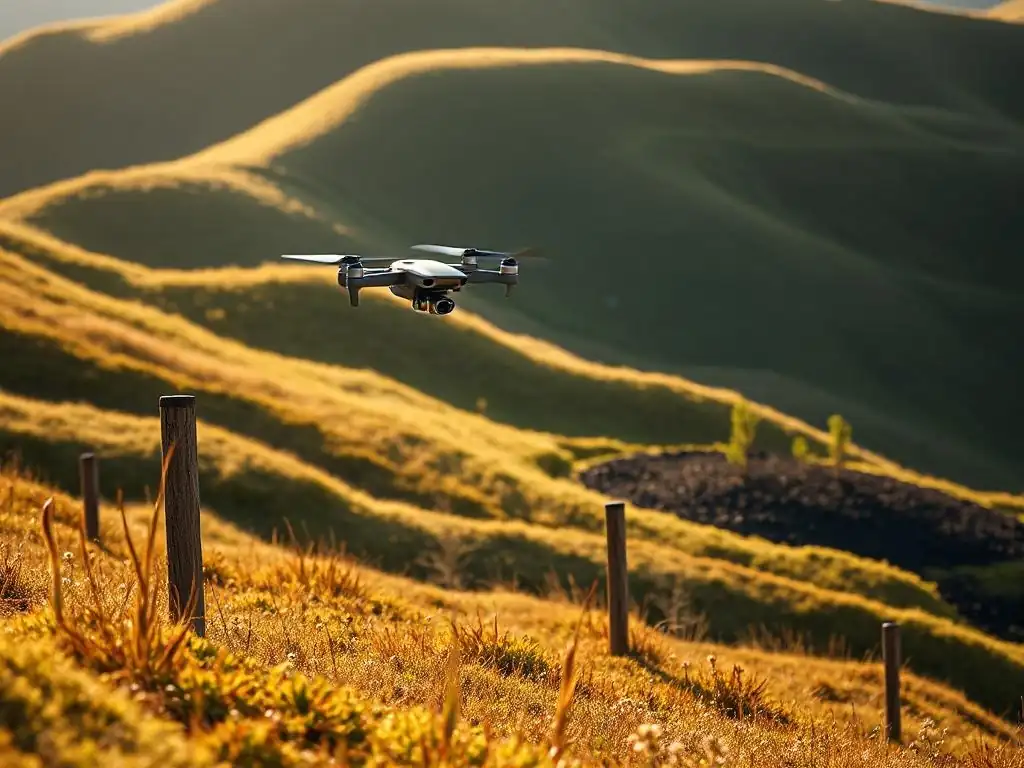
Case Study 1: The Loess Plateau Watershed Rehabilitation Project, China: Led by a team of women engineers, transforming a severely eroded region into a productive landscape.
The Loess Plateau in China, one of the most severely eroded regions on Earth, has been the site of a monumental rehabilitation project that has significantly transformed vast areas from barren wasteland into productive agricultural land and forests. While the project involved thousands of individuals, a dedicated team of women engineers played crucial roles in its planning, implementation, and monitoring phases. Their contributions were particularly vital in designing and overseeing the construction of intricate terracing systems, which reduced soil erosion by over 80% in rehabilitated areas and significantly improved water infiltration.
These women engineers specialized in hydrological modeling and ecological restoration, meticulously calculating slope gradients and designing optimal contour farming techniques. They also championed the integration of diverse vegetation cover, including drought-resistant grasses and native tree species, to stabilize slopes and enhance soil organic matter. Their leadership in coordinating community efforts and ensuring the sustainable management of newly established ecosystems was instrumental in the project's success, which has seen average incomes for local farmers increase by over 200% in some rehabilitated zones due to improved yields.
Case Study 2: The Everglades Restoration Project, Florida, USA: Female engineers spearheading efforts to restore the natural flow of water and improve soil health in the Everglades ecosystem.
The Everglades Restoration Project, the largest ecosystem restoration initiative in the world, aims to reverse decades of environmental degradation caused by altered water flow and agricultural runoff in South Florida. Female engineers have been at the forefront of this complex undertaking, contributing their expertise in hydrological engineering, wetland ecology, and environmental modeling. Their work includes designing sophisticated water control structures, such as levees and pump stations, that mimic the historical sheet flow of water across the landscape, vital for rehydrating desiccated peat soils and preventing further subsidence.
These women engineers have also been pivotal in developing innovative strategies for managing nutrient pollution from agricultural sources, which has historically led to eutrophication and altered soil chemistry in parts of the Everglades. They have designed large-scale constructed wetlands, known as Stormwater Treatment Areas (STAs), which use natural processes to filter phosphorus from agricultural runoff before it enters the ecosystem. The success of these STAs, which remove up to 90% of incoming phosphorus, is a testament to the meticulous planning and innovative problem-solving skills of the female engineers involved, directly improving soil and water quality across millions of acres.
Analyzing the Key Factors for Success in Women-Led Soil Restoration Initiatives
The success of soil restoration initiatives, particularly those where women engineers play leading roles, often hinges on several critical factors. Firstly, an interdisciplinary approach is paramount; women engineers frequently excel at integrating knowledge from diverse fields—such as hydrology, botany, geology, and social sciences—to create holistic solutions. This ability to synthesize information from various sources leads to more comprehensive and effective restoration plans that address both ecological and socio-economic dimensions of soil degradation.
Secondly, strong community engagement and participatory design are consistently evident in successful women-led projects. Many women engineers prioritize working closely with local communities, incorporating traditional knowledge, and ensuring that restoration efforts are culturally appropriate and economically beneficial for residents. This collaborative model fosters a sense of ownership and ensures the long-term sustainability of the interventions. Finally, perseverance and adaptability in the face of complex environmental challenges and bureaucratic hurdles are recurring themes, highlighting the resilience and strategic thinking of women engineers in soil restoration.
The Impact of Women Engineers on Sustainable Agriculture and Food Security
Improving Soil Health for Increased Crop Yields
The direct correlation between healthy soil and robust crop yields is undeniable, and women engineers are instrumental in bridging this gap through their work in soil restoration. By implementing technologies that enhance soil structure, increase organic matter content, and optimize nutrient cycling, they create conditions conducive to higher agricultural productivity. For example, projects focused on reducing soil compaction through engineered tillage practices or improving soil aggregation via biochar application have been shown to increase crop yields by 10-30% in degraded areas, providing a critical boost to local food supplies.
Furthermore, women engineers design drainage and irrigation systems that prevent waterlogging and salinization, two major causes of yield reduction. Their expertise in precision agriculture, including the use of sensor technologies to monitor soil moisture and nutrient levels, allows farmers to apply water and fertilizers more efficiently, leading to healthier plants and sustained high yields. This meticulous approach to soil management directly translates into more abundant and reliable food production, impacting the livelihoods of millions.
Women's Role in Promoting Sustainable Farming Practices
Beyond direct restoration, women engineers actively champion and facilitate the adoption of sustainable farming practices that prevent future soil degradation. They work with agricultural communities to implement techniques such as no-till farming, which preserves soil structure and organic matter by minimizing disturbance; diverse crop rotations, which enhance soil fertility and break pest cycles; and integrated pest management, reducing reliance on harmful chemicals that can contaminate soil. Their educational and outreach efforts are vital in translating complex scientific principles into actionable strategies for farmers.
Many women engineers develop tools and frameworks for assessing the environmental impact of farming practices, helping growers make informed decisions that benefit both their land and their bottom line. Their focus on long-term ecological resilience, often through community-based initiatives, ensures that sustainable practices are not just implemented but are also embraced as integral to agricultural stewardship. This proactive approach to land management is key to securing environmental health for future generations.
Addressing Food Security Challenges Through Innovative Soil Management
Global food security remains a pressing concern, particularly in regions facing rapid population growth and climate change-induced land degradation. Women engineers are directly addressing these challenges by developing and deploying innovative soil management solutions that bolster agricultural resilience. Their work in restoring degraded farmlands, improving water use efficiency, and promoting climate-smart agriculture contributes significantly to increasing food production in vulnerable areas. For instance, in regions prone to desertification, female engineers are designing windbreaks and shelterbelts using indigenous plant species, which protect fertile topsoil from erosion and create microclimates favorable for crop growth.
By focusing on technologies that enhance soil fertility and water retention, women engineers enable smallholder farmers to achieve more consistent yields, reducing their vulnerability to crop failures and market fluctuations. Their holistic approach to land management often incorporates socio-economic considerations, ensuring that soil restoration efforts are not only ecologically sound but also empower local communities to achieve greater food self-sufficiency. This vital work underscores the indispensable role of women engineers in building a more food-secure world.
Education and Mentorship: Empowering the Next Generation of Women Soil Savers
STEM Education and Encouraging Women in Engineering
Fostering a robust pipeline of women engineers in soil restoration begins with strong foundational STEM (Science, Technology, Engineering, and Mathematics) education from an early age. Initiatives that introduce girls to engineering concepts through hands-on activities, robotics clubs, and science fairs are crucial in breaking down stereotypes and sparking interest in technical fields. High school programs that offer exposure to environmental engineering projects, such as designing water filtration systems or assessing soil quality in local parks, can particularly inspire young women to pursue careers in this vital area.
Furthermore, universities and colleges play a pivotal role by creating inclusive learning environments, offering scholarships specifically for women in engineering, and promoting research opportunities in soil science and environmental engineering. By highlighting the societal impact of these careers—such as combating climate change, ensuring clean water, and securing food supplies—educators can effectively attract and retain more women in these essential disciplines. The visible presence of successful women engineers in academia and industry also serves as powerful motivation for aspiring students.
Mentorship Programs for Aspiring Women Soil Scientists and Engineers
Mentorship is a cornerstone for professional development and retention, especially for women navigating careers in historically male-dominated fields like environmental engineering. Formal and informal mentorship programs connect aspiring women soil scientists and engineers with experienced professionals who can offer guidance, share insights, and provide networking opportunities. These relationships are invaluable for discussing career paths, navigating workplace challenges, and building confidence in technical skills.
Effective mentorship goes beyond career advice, often addressing work-life balance, leadership development, and strategies for advocating for oneself in professional settings. Organizations and professional societies dedicated to supporting women in STEM, such as the Society of Women Engineers (SWE) or the American Society of Civil Engineers (ASCE) committees for women in engineering, frequently facilitate these crucial mentorship connections. By providing a supportive community, these programs empower young women engineers to thrive and assume leadership roles in soil restoration and environmental stewardship.
Supporting Women in Leadership Roles in Environmental Engineering
Advancing women into leadership roles within environmental engineering is critical for diverse decision-making and for inspiring future generations. Organizations, government agencies, and private firms must actively work to dismantle systemic barriers that prevent women from reaching senior positions. This includes implementing equitable promotion policies, offering leadership training tailored to women, and establishing clear pathways for career progression. When women engineers are in leadership positions, they bring diverse perspectives to complex environmental challenges, often leading to more innovative and inclusive solutions for soil restoration projects.
Furthermore, visible female leaders serve as powerful role models, demonstrating that success in environmental engineering is attainable for women. Their presence helps to normalize women in technical authority roles and encourages more young women to pursue careers in the field. Supporting women in leadership means not only recognizing their technical expertise but also valuing their unique leadership styles and contributions to fostering collaborative and effective teams dedicated to environmental sustainability.
The Future of Soil Restoration: Women Engineers as Key Drivers of Innovation
Emerging Technologies and Trends in Sustainable Land Management
The future of soil restoration is poised for transformative advancements driven by emerging technologies, and women engineers are key to harnessing their potential. Trends such as precision agriculture, enabled by drone technology and satellite imagery, allow for hyper-localized assessment of soil health and targeted application of amendments, minimizing waste and maximizing efficiency. Robotics and automation are increasingly being explored for tasks like soil sampling, planting, and even decontaminating polluted sites, reducing human exposure to hazardous materials.
Furthermore, biotechnological innovations, including advanced microbial inoculants and genetically engineered plants, are being developed to enhance nutrient cycling, improve soil structure, and accelerate the breakdown of pollutants. Data analytics and artificial intelligence are revolutionizing how we understand complex soil ecosystems, predict degradation patterns, and design adaptive restoration strategies. Women engineers are actively engaged in researching, developing, and deploying these cutting-edge tools, ensuring that future soil restoration efforts are more effective, scalable, and sustainable.
The Importance of Interdisciplinary Collaboration for Effective Soil Restoration
Effective soil restoration is inherently complex, requiring a holistic approach that transcends traditional disciplinary boundaries. The future success of these efforts hinges on robust interdisciplinary collaboration, bringing together engineers, soil scientists, ecologists, hydrologists, economists, and social scientists. Women engineers often excel in facilitating such collaborations, bridging communication gaps between diverse specialists and integrating varied perspectives into coherent project plans. Their ability to synthesize information from multiple fields is crucial for tackling multifaceted problems like soil erosion, contamination, and nutrient depletion.
This collaborative spirit extends to partnerships with local communities, policymakers, and agricultural stakeholders, ensuring that restoration solutions are not only scientifically sound but also socially equitable and economically viable. By fostering environments where diverse expertise is valued and integrated, women engineers are leading the way in developing comprehensive strategies that address the systemic causes of soil degradation, rather than merely treating symptoms.
Women Engineers Shaping a Sustainable Future Through Soil Preservation
The trajectory of our planet's environmental health is inextricably linked to the preservation and restoration of its soils. Women engineers are not just participants in this critical endeavor; they are increasingly becoming the architects of a sustainable future through their unwavering commitment to soil preservation. Their innovative solutions to soil degradation, from pioneering bioengineering techniques to developing smart irrigation systems, are directly contributing to climate change mitigation, biodiversity conservation, and global food security.
As leaders, researchers, and practitioners, women engineers are shaping policies, influencing industry practices, and inspiring the next generation of environmental stewards. Their unique blend of technical expertise, collaborative spirit, and deep understanding of ecological systems positions them as indispensable drivers of innovation in sustainable land management. By continuing to support and empower women engineers in soil restoration, we invest directly in the health of our planet and the well-being of future generations.
Conclusion: Acknowledging the Vital Contributions of Women Engineers to Soil Restoration
Reinforcing the Importance of Women in STEM for Environmental Sustainability
The evidence is clear: women engineers have made, and continue to make, profound and indispensable contributions to the field of soil restoration and broader environmental sustainability. From the foundational scientific inquiries of early pioneers to the cutting-edge technological innovations of modern experts, their impact is undeniable.
Their analytical rigor, creative problem-solving, and often collaborative and community-centric approaches have led to more effective, holistic, and sustainable solutions for reversing land degradation. Recognizing and celebrating these achievements is not just about historical accuracy; it is about acknowledging the critical role diversity plays in scientific and engineering progress, particularly in addressing complex global challenges like climate change and food security.
The presence and leadership of women engineers in soil restoration projects worldwide underscore that a truly sustainable future cannot be built without leveraging the full spectrum of human talent and perspective. Their dedication to understanding and revitalizing the Earth's most precious resource—its soil—is a testament to their passion for environmental stewardship and their vital role in shaping a healthier planet for all.
Call to Action: Supporting Women in Engineering and Promoting Sustainable Land Practices
To accelerate progress in soil restoration and ensure a sustainable future, it is imperative that we actively support and empower women in engineering. This call to action encompasses several key areas: investing in robust STEM education for girls and young women, dismantling systemic barriers to their advancement in academic and professional settings, and fostering inclusive environments where their contributions are recognized and valued. Mentorship programs, leadership opportunities, and visible role models are essential for attracting and retaining diverse talent in environmental engineering.
Furthermore, promoting sustainable land practices worldwide requires a collective effort, and women engineers are key drivers in this movement. By supporting their research, funding their projects, and integrating their expertise into policy-making, we can collectively advance the adoption of effective soil restoration technologies. Let us champion these "soil savers," ensuring that their vital work continues to thrive, leading to a healthier, more resilient planet for generations to come.
Frequently Asked Questions
What specific fields of engineering are women using for soil restoration?
Women are utilizing various engineering disciplines including civil, environmental, and biochemical engineering to develop sustainable soil restoration techniques.
What are some of the challenges faced by women engineers in the field of soil restoration?
Challenges include gender bias in the workplace, limited access to funding and resources, and historical underrepresentation in engineering leadership roles.
How does WomenInScienceHistory.com contribute to promoting women engineers in soil restoration?
The website highlights the achievements and stories of women engineers, provides a platform for networking and mentorship, and raises awareness about their contributions to sustainable soil restoration.
What sustainable technologies are women engineers employing to revitalize land?
They are employing technologies like biochar production, phytoremediation (using plants to clean soil), and sustainable drainage systems to improve soil health and prevent erosion.
Why is soil restoration important, and what role do women engineers play in this process?
Soil restoration is crucial for food security, water quality, and climate change mitigation. Women engineers are vital in developing and implementing innovative and sustainable solutions for restoring degraded lands.
Final Reflection: Cultivating a Future Rooted in Innovation
The journey of women engineers in soil restoration is not just a story of scientific advancement; it's a testament to the power of human ingenuity to heal our planet. As we've seen, their dedication and innovative approaches are not only revitalizing degraded lands but also offering crucial solutions to the pressing challenges of climate change and food security, making their work profoundly relevant in today's world.
This movement, spearheaded by women, is reshaping our understanding of environmental stewardship. It reminds us that true progress lies in embracing sustainable practices and empowering those who champion them. The nation that destroys its soil destroys itself.
- Franklin D. Roosevelt. This quote resonates deeply as we witness the transformative impact of these women, proving that investing in soil health is investing in our collective future.
Now, consider the legacy you wish to leave. How can you support and amplify the work of these soil savers? Perhaps it's through advocating for sustainable policies, supporting organizations dedicated to environmental restoration, or simply making more conscious choices in your own life. The future of our planet depends on our collective commitment to nurturing the earth, and every action, no matter how small, contributes to a healthier, more resilient world.
Empower Change: Cultivate a Sustainable Future!
Thank you for exploring the incredible work of these women engineers and their dedication to revitalizing our land! You now have the inspiration and knowledge to contribute to a greener future. Let's put that knowledge into action.
Here are a few ways you can get involved:
- Start small: Research and implement one sustainable soil practice in your own garden or community space. Even composting can make a big difference!:
- Share this article with your network to inspire others with the impactful stories of women in engineering.
- Explore local organizations dedicated to land restoration and see how you can contribute your time or resources.
What sustainable practice are you most excited to try, and how will you share your experience with others?