
The Lasting Imprint: How Female Mechanical Engineers Shaped Today's Technological Landscape

Welcome to WomenInScienceHistory.com!
Prepare to be amazed by the untold stories of brilliance and perseverance. Dive into "The Lasting Imprint: How Female Mechanical Engineers Shaped Today's Technological Landscape" and discover how these pioneering women defied expectations and revolutionized the field. Their ingenuity laid the foundation for many of the innovations we rely on today, yet their contributions often remain hidden. Uncover the remarkable journeys of these female mechanical engineers and explore the challenges they overcame to leave an indelible mark on history. What secrets will you uncover about their groundbreaking work and the obstacles they faced?
- Introduction: Recognizing the Unsung Heroines of Mechanical Engineering
- Early Pioneers: Laying the Foundation for Future Generations
- Mid-20th Century: Expanding Roles and New Opportunities
- Contemporary Contributions: Female Mechanical Engineers Leading Innovation
- Overcoming Persistent Challenges: Gender Bias and the STEM Gap
- The Future of Female Mechanical Engineers: Inspiring the Next Generation
- Conclusion: Celebrating the Legacy of Female Mechanical Engineers
-
Frequently Asked Questions
- What were some of the biggest obstacles faced by female mechanical engineers in history?
- Can you name a few pioneering female mechanical engineers and their notable contributions?
- How did the contributions of female mechanical engineers specifically impact modern technology?
- Why is it important to highlight the history of female mechanical engineers?
- Where can I find more information about the history of female mechanical engineers?
- Final Reflection: Celebrating Ingenuity and Inspiring Futures
- Ignite Your Engineering Passion!
Introduction: Recognizing the Unsung Heroines of Mechanical Engineering
Why Understanding the History of Female Mechanical Engineers Matters
Understanding the history of female mechanical engineers is crucial for several reasons, primarily to provide a more complete and accurate narrative of technological progress. For too long, the contributions of women in fields traditionally dominated by men have been overlooked or minimized, leading to an incomplete historical record. By acknowledging the ingenuity, perseverance, and groundbreaking work of these pioneering women, we not only correct historical oversights but also gain a richer appreciation for the diverse minds that have driven innovation. Their stories highlight immense resilience in the face of significant societal and professional barriers.
Moreover, recognizing this vital history serves as a powerful source of inspiration for future generations. When young women see tangible examples of female mechanical engineers who have excelled and made significant impacts, it demonstrates that a career in this challenging and rewarding field is not only possible but also within their reach. This historical perspective helps to dismantle persistent stereotypes about gender roles in STEM, encouraging more girls and women to pursue their interests in engineering and contribute their unique perspectives to solving complex global challenges.
Overcoming Barriers: The Challenges Faced by Women in Mechanical Engineering History
Throughout much of history, women aspiring to careers in mechanical engineering faced formidable barriers rooted in deeply entrenched societal norms and institutional discrimination. Access to higher education in engineering was severely restricted, with many universities either refusing to admit women to technical programs or offering limited, separate curricula that did not lead to professional recognition. Prevailing stereotypes often dismissed women's intellectual capabilities, particularly in fields requiring analytical and spatial reasoning, thereby discouraging them from pursuing engineering from an early age.
Even for the few women who managed to acquire engineering knowledge, whether through formal education or self-study, professional hurdles were immense. They frequently encountered skepticism, outright prejudice, and hostile work environments. Opportunities for employment were scarce, and when jobs were secured, women often faced lower pay, lack of recognition for their work, and limited avenues for advancement compared to their male counterparts. These systemic disadvantages meant that female mechanical engineers had to consistently prove their competence and dedication, often working in less visible roles, to gain any semblance of professional acceptance.
Early Pioneers: Laying the Foundation for Future Generations
Emily Warren Roebling: A Civil Engineer Who Oversaw the Completion of the Brooklyn Bridge
While primarily recognized for her contributions to civil engineering, Emily Warren Roebling's story exemplifies the profound impact women could have on monumental engineering projects, applying principles that underpin mechanical design and construction. After her husband, Washington Roebling, the Chief Engineer of the Brooklyn Bridge, became incapacitated by caisson disease in 1872, Emily stepped in to manage the vast project. She became the crucial liaison between her bedridden husband and the on-site engineers and workers, effectively taking over his duties and ensuring the bridge's continuity and eventual completion.
Emily Warren Roebling meticulously studied higher mathematics, stress analysis, cable construction, and material strength—all areas with significant overlap into mechanical engineering principles related to structural integrity and component design. She understood the complex calculations, managed contracts, dealt with suppliers, and navigated the intricate political landscape surrounding the project. Her self-taught expertise and unwavering dedication were instrumental in overcoming numerous technical and logistical challenges, culminating in the bridge's opening in 1883. Her practical application of engineering knowledge, without formal training, stands as a testament to the capabilities of women in engineering during an era of profound gender inequality.
Lillian Gilbreth: Applying Psychology to Improve Efficiency in Industrial Engineering
Lillian Gilbreth stands as a towering figure among early female engineers, bridging the gap between psychology and industrial engineering, a field deeply intertwined with mechanical engineering through process optimization and machine design. Alongside her husband, Frank Gilbreth, she pioneered time-and-motion studies, revolutionizing workplace efficiency and productivity. Their groundbreaking work involved meticulously analyzing human movements to identify and eliminate waste, influencing manufacturing processes and factory layouts globally.
After her husband's untimely death in 1924, Lillian Gilbreth continued their work independently, expanding into human factors engineering and ergonomics. She applied her unique blend of psychology and engineering to improve the design of everyday objects and environments, from kitchen layouts (like the "Gilbreth Kitchen," designed for maximum efficiency) to improving the design of household appliances and surgical tools.
Her mechanical engineering insights into human-machine interaction and system efficiency significantly impacted industrial practices and consumer product design, making her an undeniable force in the history of female mechanical engineers. She was the first woman elected to the National Academy of Engineering in 1965, a testament to her enduring impact.
The Societal Context: Gender Roles and Limited Opportunities in Early Mechanical Engineering
The late 19th and early 20th centuries were characterized by rigid societal gender roles that severely limited opportunities for women, particularly in professional fields like mechanical engineering. Women were largely expected to confine themselves to the domestic sphere, with education and career paths outside the home often viewed as unfeminine or unnecessary.
Consequently, educational institutions, particularly those offering technical degrees, were overwhelmingly male-dominated. Many prestigious engineering schools did not admit women to their undergraduate engineering programs until well into the 20th century; for example, MIT began admitting women to all departments in 1873, but their numbers in engineering remained minuscule for decades.
This pervasive societal context meant that even highly capable women who harbored an interest in mechanical engineering faced immense systemic barriers. Those who managed to acquire some form of technical education often found professional doors closed to them. Employers were reluctant to hire women for engineering roles, citing concerns about their physical strength, intellectual capacity, or potential disruption to male-dominated workplaces. This created a challenging environment where female mechanical engineers had to contend not only with the technical demands of their profession but also with deeply ingrained prejudices and a severe lack of opportunities.
Mid-20th Century: Expanding Roles and New Opportunities
The Impact of World War II on Women in Engineering
World War II dramatically altered the landscape for women in engineering, albeit temporarily, by creating an unprecedented demand for skilled labor in war-related industries. As millions of men deployed overseas, women were actively recruited to fill critical roles in factories, shipyards, and aircraft manufacturing plants. This national exigency compelled a re-evaluation of traditional gender roles, opening doors for women to engage in technical and engineering work previously considered exclusively male domains.
Women took on diverse responsibilities, from designing and testing machinery to overseeing production lines for tanks, planes, and other essential equipment. They applied core mechanical engineering principles in roles such as junior engineers, draftsmen, and technical assistants, contributing directly to the war effort's industrial output. Although many women were displaced from these roles once servicemen returned, the war years demonstrated women's capabilities and resilience in engineering, laying crucial groundwork for future advancements and shifting perceptions about female mechanical engineers.
Elsie Eaves: First Female Member of the American Society of Civil Engineers
Elsie Eaves, while primarily a civil engineer, represents a pivotal moment in the broader history of women gaining acceptance in established engineering professional bodies, which profoundly impacted all engineering disciplines, including mechanical. In 1926, Eaves made history by becoming the first female associate member of the American Society of Civil Engineers (ASCE), and just three years later, in 1929, she achieved full member status. This was a remarkable feat at a time when professional societies were almost exclusively male bastions, often resistant to female inclusion.
Her professional recognition within ASCE was a significant step towards legitimizing women's roles in engineering. Eaves had an extensive career in construction and engineering economics, notably as the manager of the market surveys department for Engineering News-Record, where she analyzed construction industry trends for over 30 years. Her long and distinguished career, coupled with her groundbreaking membership in a prominent engineering society, provided a crucial precedent and inspiration for other female engineers, helping to pave the way for greater acceptance and visibility for aspiring female mechanical engineers in professional circles.
The Rise of Women's Engineering Societies and Support Networks
The mid-20th century saw the vital emergence of dedicated women's engineering societies and support networks, which became indispensable for advancing the cause of female engineers. The Society of Women Engineers (SWE), founded in the United States in 1950, was a landmark organization. Its establishment provided a much-needed platform for women who were still a tiny minority in the engineering workforce, often feeling isolated in their workplaces and academic institutions. Similar organizations began to form internationally, recognizing the need for collective action.
These societies offered crucial support, mentorship, and advocacy. They facilitated professional development through conferences and workshops, shared experiences among members, and worked tirelessly to promote engineering as a viable and rewarding career path for women. By providing networking opportunities and a sense of community, these organizations played a critical role in challenging prevailing stereotypes, advocating for greater inclusion, and ultimately increasing the visibility and opportunities for female mechanical engineers across various industries.
Contemporary Contributions: Female Mechanical Engineers Leading Innovation
Women in Mechanical Engineering Today: A Growing Force
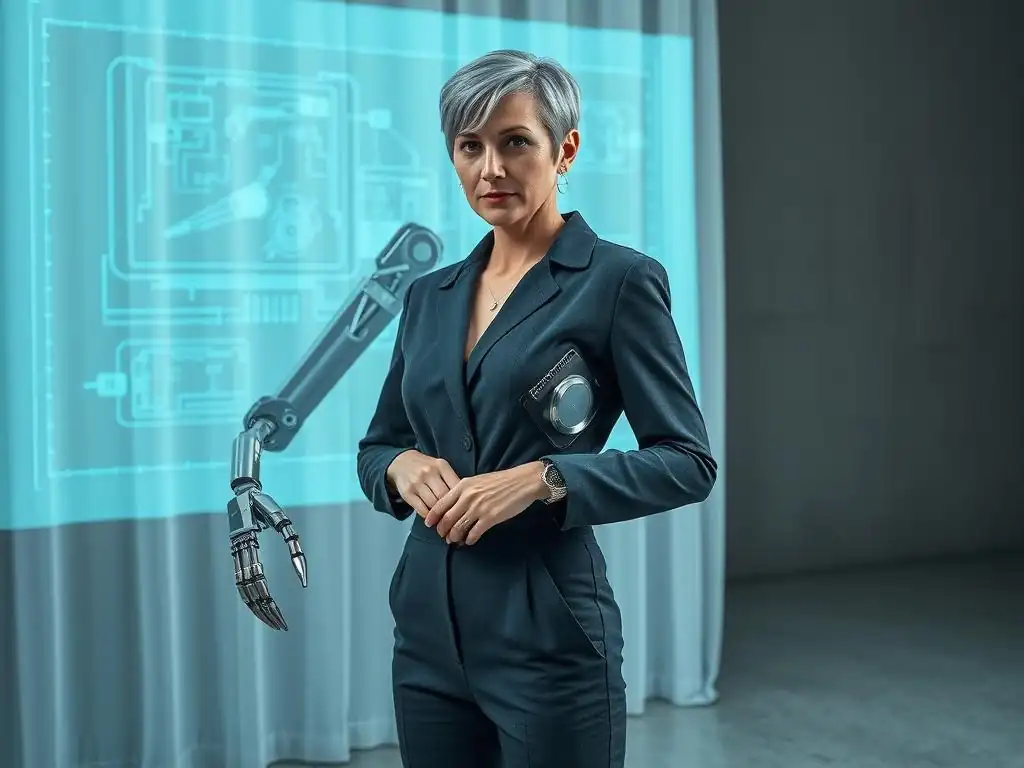
Today, women in mechanical engineering represent a growing force, though they still constitute a minority within the profession. While precise global figures vary, in the United States, women account for approximately 15-20% of mechanical engineering undergraduates and around 10-15% of the mechanical engineering workforce, a substantial increase from mid-century figures but still far from parity. This growing presence signifies a significant shift, with female mechanical engineers increasingly pursuing and succeeding in diverse roles across various industries, from traditional manufacturing to cutting-edge research and development.
Contemporary female mechanical engineers are not merely participating; they are often at the forefront of critical advancements. Their presence brings diverse perspectives, which are increasingly recognized as essential for fostering innovation and solving complex problems. Research consistently shows that diverse teams, including those with greater gender representation, tend to be more creative, efficient, and effective in problem-solving. This makes the contributions of today's female mechanical engineers indispensable for designing solutions that cater to a broader population and drive technological progress.
Key Areas of Impact: From Aerospace to Biomedical Engineering
Female mechanical engineers are making significant strides across a vast spectrum of industries, from traditional heavy industries like automotive and energy to cutting-edge fields such as aerospace and biomedical engineering. Their expertise in areas like fluid dynamics, thermodynamics, material science, robotics, and advanced manufacturing is crucial for developing next-generation technologies. They are involved in everything from optimizing industrial processes to designing high-performance components and complex systems.
This breadth of impact highlights the versatility of mechanical engineering and the diverse talents of women within the field. Whether it's designing more efficient engines, developing sustainable energy solutions, or creating life-saving medical devices, female mechanical engineers are at the heart of innovation, pushing the boundaries of what's possible and shaping the technological landscape of the 21st century.
Aerospace Engineering Contributions by Female Mechanical Engineers
In aerospace engineering, female mechanical engineers are pivotal in designing, analyzing, and optimizing components for both commercial aircraft and spacecraft. Their work spans critical areas such as propulsion systems, where they might design more fuel-efficient jet engines or develop advanced rocket propulsion technologies.
They are also instrumental in structural analysis, ensuring the integrity and safety of airframes and spacecraft, and in thermal management, designing systems to regulate extreme temperatures in aerospace environments. For instance, women engineers at major aerospace companies like Boeing and SpaceX contribute to the design of next-generation aircraft like the 787 Dreamliner or components for the Falcon 9 rocket and Crew Dragon capsule, impacting efficiency and reliability.
Their contributions extend to developing advanced materials that can withstand extreme conditions, crucial for both atmospheric and spaceflight. For example, female mechanical engineers might be involved in researching composite materials for lighter, stronger aircraft or thermal protection systems for re-entry vehicles. At agencies like NASA, women hold approximately 20% of engineering positions and are actively involved in crucial projects such as the development of the Mars rovers, the James Webb Space Telescope, and the Artemis program aimed at returning humans to the Moon, applying their expertise in mechanical design, robotics, and systems integration.
Biomedical Engineering Innovations Led by Women
Mechanical engineering plays a critical role in the advancement of biomedical technologies, and female mechanical engineers are at the forefront of these innovations. They are instrumental in designing and developing a wide array of medical devices, from sophisticated surgical tools and diagnostic equipment to life-changing prosthetics and implants. Their work combines an understanding of human physiology with mechanical principles to create solutions that improve patient outcomes and quality of life.
For example, female mechanical engineers have contributed significantly to the design of advanced robotic surgical systems, which enhance precision and minimally invasive procedures. They are also involved in developing biocompatible implants, such as hip and knee replacements, requiring a deep understanding of material science, biomechanics, and fatigue analysis to ensure durability and integration with the human body. Dr. Kristi L. Kiick, a renowned professor of Materials Science and Engineering, exemplifies this impact through her extensive research on biomaterials for tissue engineering and drug delivery, focusing on the mechanical properties of these novel materials for regenerative medicine applications.
Ayanna Howard: Revolutionizing Robotics and Artificial Intelligence
Dr. Ayanna Howard stands as an exemplary figure among contemporary female mechanical engineers and roboticists, whose work has profoundly impacted the fields of robotics and artificial intelligence. While her academic background includes a Ph.D. in Electrical Engineering, her career is deeply rooted in the interdisciplinary application of engineering principles to robotics, a core area for mechanical engineers concerned with the design, analysis, and control of mechanical systems. Her research focuses on intelligent systems, human-robot interaction, and assistive robotics, making her a leading voice in these rapidly evolving domains.
Dr. Howard's specific contributions include developing innovative robotic systems for diverse applications, from smart wheelchairs that provide enhanced mobility and autonomy to robots designed for pediatric therapy, assisting children with motor disabilities. She has also pioneered autonomous systems for hazardous environments, such as exploring glaciers and mapping terrain in disaster zones, where human presence is too dangerous.
Her leadership as the Dean of the Ohio State University's College of Engineering, and her previous roles at NASA's Jet Propulsion Laboratory and Georgia Tech, underscore her influence in shaping the future of technology and inspiring the next generation of female mechanical engineers to push scientific boundaries.
Overcoming Persistent Challenges: Gender Bias and the STEM Gap
Addressing the Ongoing Gender Imbalance in Mechanical Engineering
Despite significant progress over the decades, a persistent gender imbalance continues to characterize the field of mechanical engineering. Women remain a minority in both academic programs and the professional workforce.
Factors contributing to this imbalance include unconscious bias in hiring and promotion processes, a lack of visible female role models in leadership positions, and societal stereotypes that, from an early age, often subtly steer girls away from STEM fields. For instance, while women earned approximately 22% of all engineering bachelor's degrees in the U.S. in 2021, they accounted for only about 15% of mechanical engineering degrees, and their representation in the professional mechanical engineering workforce is even lower, hovering around 10-12%.
This ongoing disparity carries significant costs, both economic and innovative. Diverse teams are repeatedly proven to be more creative, solve problems more effectively, and lead to better financial outcomes for companies. The underrepresentation of women means that the field is not fully leveraging its potential talent pool, potentially leading to less innovative solutions that may not address the needs of a diverse global population. Addressing this imbalance requires concerted effort to challenge biases and foster inclusive environments.
Strategies for Promoting Women in STEM Fields
To effectively promote women in STEM fields, particularly mechanical engineering, a multi-faceted approach is essential, beginning from early education and extending through professional careers. One key strategy involves implementing engaging STEM education initiatives for girls in primary and secondary schools, designed to spark interest and build confidence in technical subjects. This includes hands-on activities, coding clubs, and science fairs that make engineering concepts accessible and exciting. Universities also play a crucial role by offering scholarships specifically targeted at female engineering students and implementing support programs designed to retain women throughout their demanding degree programs.
Furthermore, within the professional sphere, strategies include corporate diversity and inclusion initiatives aimed at addressing unconscious bias in hiring, promotion, and retention. Mentorship programs linking experienced female engineers with aspiring ones are vital, as are flexible work arrangements that help women balance career and family responsibilities, reducing attrition rates. Actively challenging gender stereotypes in media and public discourse, alongside showcasing successful female mechanical engineers, helps to normalize their presence and inspire more women to pursue these careers.
Mentorship and Role Models: The Importance of Female Leadership in Mechanical Engineering
Mentorship and visible role models are critically important for the advancement and retention of women in mechanical engineering. Experienced female mechanical engineers who have navigated the challenges of the profession can provide invaluable guidance, support, and encouragement to younger women entering the field. Mentors can offer practical advice on career development, help build professional networks, and provide a safe space to discuss challenges and triumphs, fostering confidence and resilience in a demanding environment. Studies indicate that women in STEM fields who have mentors are more likely to persist in their careers.
The power of visible role models cannot be overstated. Seeing successful women in leadership, technical, and academic roles within mechanical engineering helps to normalize their presence and dismantle outdated stereotypes about who can be an engineer. When young women and girls observe female mechanical engineers designing cutting-edge technologies, leading major projects, or heading research labs, it provides tangible proof that excellence in engineering is not gender-specific. This visibility inspires them to pursue similar paths, creating a positive feedback loop that encourages greater diversity and inclusion in the field for future generations.
The Future of Female Mechanical Engineers: Inspiring the Next Generation
Creating a More Inclusive and Equitable Field
The future of mechanical engineering hinges on creating a truly inclusive and equitable field where talent is recognized and nurtured irrespective of gender. This vision requires systemic changes across education, industry, and broader societal perceptions. In academic settings, efforts must continue to dismantle barriers to entry, foster supportive learning environments, and ensure curricula are free from bias. In industry, it means implementing robust diversity and inclusion policies that promote fair hiring practices, equitable pay, and clear pathways for career advancement for women.
Ultimately, a more inclusive field will lead to more robust innovation. When diverse perspectives are brought to bear on complex engineering challenges, the solutions are often more creative, comprehensive, and beneficial to a wider segment of society. The goal is to move beyond merely increasing numbers to fundamentally transforming the culture of mechanical engineering, making it a profession where all individuals feel valued, respected, and empowered to contribute their fullest potential, ensuring that diversity is not just a goal but an inherent characteristic.
Empowering Young Women to Pursue Mechanical Engineering Careers
Empowering young women to pursue careers in mechanical engineering is crucial for building a more diverse and innovative future. This empowerment begins early, through engaging and accessible STEM programs that spark curiosity and demonstrate the exciting real-world applications of mechanical engineering. Hands-on activities, interactive workshops, and visits to engineering facilities can demystify the profession and highlight how mechanical engineers solve pressing global problems, from designing sustainable energy systems to developing advanced robotics for healthcare.
It is equally important to foster supportive educational environments that challenge gender stereotypes in schools and homes. Encouraging girls to excel in math and science, providing them with strong role models, and celebrating their achievements in technical subjects are vital steps. By emphasizing that mechanical engineering is a creative, impactful, and rewarding career path open to everyone, we can inspire and equip the next generation of female mechanical engineers with the confidence and skills they need to thrive and make their indelible mark on the world.
The Continued Importance of Recognizing Female Contributions to Mechanical Engineering History
The continued importance of recognizing female contributions to mechanical engineering history cannot be overstated. By consistently highlighting the achievements of pioneering women like Lillian Gilbreth and contemporary leaders like Ayanna Howard, we ensure that their legacies are not forgotten and that their stories serve as perpetual sources of inspiration. This ongoing acknowledgment is essential for correcting historical oversights and for reinforcing the message that innovation and excellence in engineering are not limited by gender.
Moreover, by integrating these narratives into mainstream historical accounts and educational curricula, we foster a more comprehensive understanding of how our technological landscape has been shaped. Recognizing the intellectual prowess and perseverance of female mechanical engineers, both past and present, helps to dismantle lingering biases and encourages a more inclusive vision for the future of the profession. It sends a clear message to aspiring engineers that their potential is boundless, irrespective of their gender, and that their contributions will be valued and celebrated.
Conclusion: Celebrating the Legacy of Female Mechanical Engineers
Reflecting on the Impact of Women in Mechanical Engineering
The journey of women in mechanical engineering, from early pioneers who broke through immense societal and professional barriers to contemporary leaders driving cutting-edge innovation, is a testament to unwavering perseverance and intellectual brilliance. The technological landscape we inhabit today owes a significant debt to the ingenuity, resilience, and often overlooked contributions of female mechanical engineers. Their work has not only led to specific inventions and advancements but has also fundamentally reshaped industrial practices, improved efficiency, and contributed to the design of countless products and systems that define modern life.
Beyond their tangible engineering achievements, these women have profoundly impacted the professional environment. They have challenged deeply entrenched gender stereotypes, opened doors for future generations, and demonstrated that diversity is an indispensable asset in any technical field. Their collective legacy extends far beyond blueprints and algorithms; it encompasses a powerful narrative of determination that continues to inspire countless individuals to pursue their passions in science and engineering, enriching the entire profession.
A Call to Action: Supporting the Advancement of Women in Engineering
Celebrating the legacy of female mechanical engineers is not merely an act of historical recognition; it is a vital call to action for the future. To ensure continued progress and full realization of potential, we must actively support the advancement of women in engineering. This involves advocating for equitable policies in education and industry, investing in targeted STEM programs that encourage young women from diverse backgrounds, and actively promoting inclusive workplaces where all engineers can thrive.
It is our collective responsibility to nurture the next generation of female mechanical engineers, providing them with the resources, mentorship, and opportunities needed to excel. By fostering an environment where talent is recognized and celebrated without reservation, we ensure that the field of mechanical engineering continues to benefit from the full spectrum of human ingenuity, leading to a more innovative, equitable, and prosperous future for all.
Frequently Asked Questions
What were some of the biggest obstacles faced by female mechanical engineers in history?
Many female mechanical engineers faced significant gender bias and discrimination, limiting their access to education, employment, and recognition for their accomplishments. They often had to overcome societal expectations and prove their competence in male-dominated fields.
Can you name a few pioneering female mechanical engineers and their notable contributions?
While resources are still developing, many women contributed. The website aims to highlight specific examples of groundbreaking female mechanical engineers and their lasting impacts on various technological advancements. Specific names will be added as research continues.
How did the contributions of female mechanical engineers specifically impact modern technology?
Female mechanical engineers have contributed to advancements in various fields, including aerospace, automotive engineering, and robotics. Their innovations have paved the way for many technologies we use today.
Why is it important to highlight the history of female mechanical engineers?
Recognizing the history of female mechanical engineers is essential for promoting gender equality in STEM fields. It also helps to ensure that their contributions are not forgotten and inspires future generations of female scientists and engineers.
Where can I find more information about the history of female mechanical engineers?
This website, WomenInScienceHistory.com, is dedicated to showcasing the contributions of women in science, including female mechanical engineers. We aim to provide biographies, articles, and resources to further explore their impactful stories.
Final Reflection: Celebrating Ingenuity and Inspiring Futures
The journey through the history of female mechanical engineers reveals not just a chronicle of achievements, but a powerful testament to resilience and innovation. Their contributions, often overlooked, are undeniably woven into the fabric of our modern technological world, shaping everything from the cars we drive to the medical devices that save lives. Recognizing their impact is not merely an act of historical correction, but a vital step in fostering a more inclusive and equitable future for engineering.
The enduring legacy of these pioneering women continues to inspire and challenge the status quo. Their stories remind us that progress is rarely linear and that breaking barriers requires unwavering determination. You can waste your lives drawing lines. Or you can live your life crossing them.
- Shonda Rhimes. This quote perfectly encapsulates the spirit of these women who dared to defy expectations and forge their own paths in a male-dominated field, leaving an indelible mark on the cultural and social landscape of engineering.
Now, as you reflect on the remarkable achievements of these female mechanical engineers, consider how their stories can empower you. Let their perseverance fuel your own ambitions, whether you are an aspiring engineer, a seasoned professional, or simply someone who believes in the power of human ingenuity. Embrace the challenge of creating a more inclusive and innovative future, where every voice is heard and every talent is celebrated.
Ignite Your Engineering Passion!
Thank you for exploring the remarkable contributions of female mechanical engineers! We hope this article inspired you to appreciate their lasting impact on our world and perhaps even see yourself in their footsteps. Now, let's turn inspiration into action.
- Fuel the Future: Consider mentoring a young woman interested in STEM. Share your knowledge and inspire the next generation of female engineers.
- Dive Deeper: Explore the archives of WomenInScienceHistory.com and uncover even more untold stories of pioneering women in science.
- Spread the Word: Share this article with your network to ensure these vital contributions receive the recognition they deserve!
What small step will you take today to celebrate and support women in engineering?