
The Cookie That Conquered the World: Ruth Wakefield's Lasting Culinary Invention

Welcome to WomenInScienceHistory.com, where we uncover the remarkable stories of women who shaped the scientific landscape. Ever wondered how a culinary accident could revolutionize the world of baking? Dive into our latest article, "The Cookie That Conquered the World," to discover the fascinating tale of Ruth Wakefield, and her accidental, yet ingenious, invention of the chocolate chip cookie.
Learn how this innovative woman, though not a traditional scientist, applied her knowledge and resourcefulness in unexpected ways, leaving an indelible mark on Engineering & Technology and the world's palate. What lessons can we learn from her ingenuity and resourcefulness? Keep reading to find out!
- The Chocolate Chip Cookie: Ruth Wakefield's Enduring Legacy
- Ruth Wakefield: Innkeeper and Culinary Innovator
- The Birth of a Culinary Icon: The Chocolate Chip Cookie
- The Science Behind the Perfect Cookie
- Wakefield's Impact on the Culinary Landscape
- Modern Interpretations and Creative Variations
- The Enduring Appeal of the Chocolate Chip Cookie
-
Frequently Asked Questions
- What made Ruth Wakefield's invention, the chocolate chip cookie, so groundbreaking?
- Why is Ruth Wakefield considered a significant figure in "Women in Science History," even though she's known for a cookie?
- What challenges did Ruth Wakefield likely face as a woman in business and culinary arts during her time?
- How did Ruth Wakefield's "Toll House Inn" contribute to the popularity of the chocolate chip cookie?
- How does WomenInScienceHistory.com aim to shed light on the contributions of women like Ruth Wakefield?
- Final Reflection: A Crumble of Genius, A Legacy of Joy
- Unleash Your Inner Baker: Whip Up Some History!
Ruth Wakefield: Innkeeper and Culinary Innovator
Early Life and Education
Ruth Graves Wakefield, born in 1903 in Easton, Massachusetts, demonstrated an early aptitude for both culinary arts and business. Her educational journey led her to the Framingham State Normal School Department of Household Arts, where she graduated in 1924. This specialized training provided her with a strong foundation in home economics, nutrition, and food preparation, skills that would later become instrumental in her entrepreneurial success and, inadvertently, in the creation of a global culinary phenomenon.
Her background wasn't just theoretical; she worked as a dietitian and gave lectures on food. This practical experience, combined with her academic training, cultivated a deep understanding of ingredients, their properties, and how they interacted. It was this meticulous approach to food, rooted in both scientific principles and practical application, that set the stage for her later innovations at the Toll House Inn, where her ingenuity would forever link her name with the iconic Ruth Wakefield chocolate chip cookie.
The Toll House Inn: A Vision Realized
In 1930, Ruth and her husband, Kenneth Wakefield, purchased a historic tourist lodge in Whitman, Massachusetts. This establishment, originally built in 1709 as a toll house where travelers paid a toll to use the road, was transformed by the Wakefields into a charming and highly regarded restaurant and inn, which they aptly named the Toll House Inn. Ruth took charge of the kitchen, quickly earning a reputation for her wholesome, home-cooked meals and delicious desserts.
Under Ruth's meticulous guidance, the Toll House Inn became a beloved destination, attracting both local residents and travelers along the busy route between Boston and New Bedford. Guests flocked to enjoy her fresh seafood, hearty roasts, and, increasingly, her innovative baked goods. The inn's success was a testament to Ruth's dedication, her culinary prowess, and her innate understanding of hospitality, laying the groundwork for the unforeseen invention that would soon define her legacy: the Ruth Wakefield chocolate chip cookie.
The Accidental Invention: A Tale of Resourcefulness
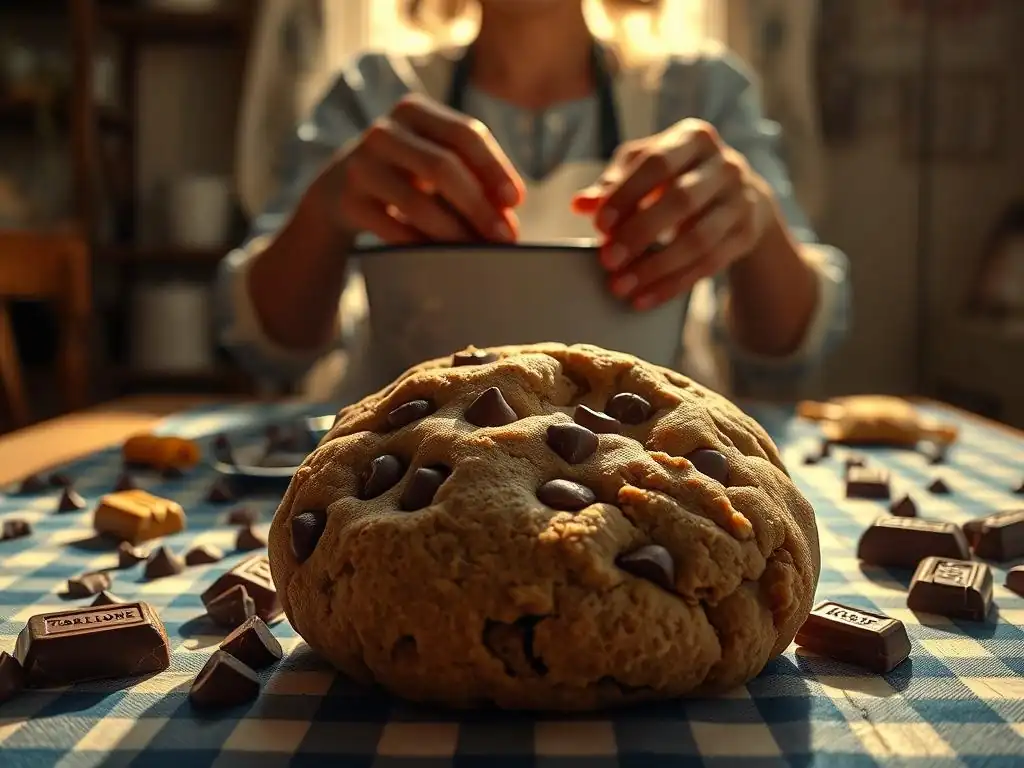
The widely celebrated origin story of the Ruth Wakefield chocolate chip cookie places its invention around 1938 at the Toll House Inn. The narrative suggests that Ruth, while preparing a batch of her popular butter drop cookies, ran out of baker's chocolate. Instead, she broke a Nestlé semi-sweet chocolate bar into small pieces, expecting them to melt and blend into the dough during baking. To her surprise, the chocolate pieces retained their form, softening but not fully dissolving, creating delightful pockets of chocolate within the cookie.
This "accidental" discovery wasn't just a stroke of luck; it was a testament to Ruth's keen observation and resourcefulness. Rather than discarding the batch, she recognized the unique appeal of the cookies with their distinct chocolate chunks. She began serving them to her guests, who quickly became enamored with the novel treat, marking the unassuming beginning of the world's most beloved cookie.
The original Toll House Cookie recipe, meticulously developed by Ruth Wakefield, featured a precise combination of ingredients that yielded a delightfully chewy yet slightly crisp cookie. Key components included one cup of butter, three-quarters of a cup of granulated sugar, three-quarters of a cup of brown sugar, two eggs, one teaspoon of vanilla extract, two and a quarter cups of all-purpose flour, one teaspoon of baking soda, and a half teaspoon of salt. The star ingredient, of course, was one cup of Nestlé semi-sweet chocolate, cut into small pieces.
Ruth's recipe was notable for its balanced proportions, which ensured consistent results. The blend of both white and brown sugars contributed to the cookie's texture and depth of flavor, while the baking soda provided the perfect lift. This thoughtful formulation, a hallmark of Ruth Wakefield's culinary precision, was what made the Toll House chocolate chip cookie an instant hit and a standard against which all future variations would be measured.
While the "accidental" invention story of the Ruth Wakefield chocolate chip cookie is widely popularized and lends a charming narrative to its creation, some culinary historians suggest that the reality might be a bit more nuanced. Given Ruth Wakefield's extensive background in household arts and her methodical approach to recipe development, it's plausible that the incorporation of chocolate chunks was not entirely unforeseen. She was known for her experimental nature in the kitchen, constantly seeking new and appealing dishes for her guests.
It’s possible that Ruth, aware of chocolate's melting properties, anticipated that the semi-sweet chocolate, with its higher cocoa solids content compared to baking chocolate, might hold its shape better. Regardless of whether it was a pure accident or a calculated experiment, the critical point remains Ruth's ingenuity in recognizing the potential of the non-melting chocolate pieces and her decision to embrace this distinctive characteristic, solidifying the chocolate chip cookie's place in culinary history.
Ingredient Interactions: The Chemistry of Taste and Texture
The delectable taste and texture of the Ruth Wakefield chocolate chip cookie are a result of complex chemical interactions among its core ingredients. Fats, primarily butter, contribute to tenderness and moisture, while also acting as a solvent for flavor compounds. Sugars – both granulated and brown – play a dual role: they provide sweetness and contribute to browning, but also influence spread and chewiness. Brown sugar, with its molasses content, adds moisture and a slight caramel note, enhancing chewiness.
Flour provides the structural framework through gluten development, which is carefully controlled to prevent an overly tough cookie. Leavening agents like baking soda react with acidic components (often from brown sugar or other minor ingredients) to produce carbon dioxide gas, creating the cookie's signature slight lift and airy pockets. This intricate interplay of fats, sugars, and leavening agents determines everything from the cookie's final spread on the baking sheet to its satisfying chew and golden-brown hue.
The Maillard Reaction: Achieving Golden-Brown Perfection
The characteristic golden-brown crust and rich, complex flavors of a perfectly baked chocolate chip cookie are largely attributed to the Maillard reaction. This non-enzymatic browning process occurs when amino acids and reducing sugars in the cookie dough are heated above approximately 285°F (140°C). As the cookie bakes, a cascade of chemical reactions produces hundreds of new flavor and aroma compounds, contributing to the desirable toasted, nutty, and sometimes caramel-like notes.
The Maillard reaction is distinct from caramelization, which primarily involves the browning of sugars alone. In the context of the Ruth Wakefield chocolate chip cookie, this reaction is crucial for developing the depth of flavor in the dough itself, complementing the sweetness of the chocolate. It's what gives the cookie its inviting appearance and enhances its overall sensory appeal, making each bite a rich experience beyond just sugar and chocolate.
Baking Techniques: Mastering Time and Temperature
Achieving the ideal texture for a chocolate chip cookie involves precise control over baking time and oven temperature. Most recipes, including variations of the original Ruth Wakefield chocolate chip cookie, recommend a temperature around 375°F (190°C). This relatively high temperature allows the edges of the cookie to set and brown quickly, while the center remains slightly soft and chewy. Baking time typically ranges from 9 to 11 minutes, depending on the oven and desired doneness.
Underbaking slightly, where the edges are golden but the center still looks a bit soft, often results in a chewier cookie once cooled. Overbaking, conversely, leads to a drier, crispier cookie. The cooling process is also vital: allowing cookies to cool on the hot baking sheet for a few minutes before transferring them to a wire rack helps them set properly and prevents them from breaking, ensuring the perfect structural integrity that makes the Ruth Wakefield cookie so satisfying.
Wakefield's Impact on the Culinary Landscape
From Local Favorite to Global Sensation
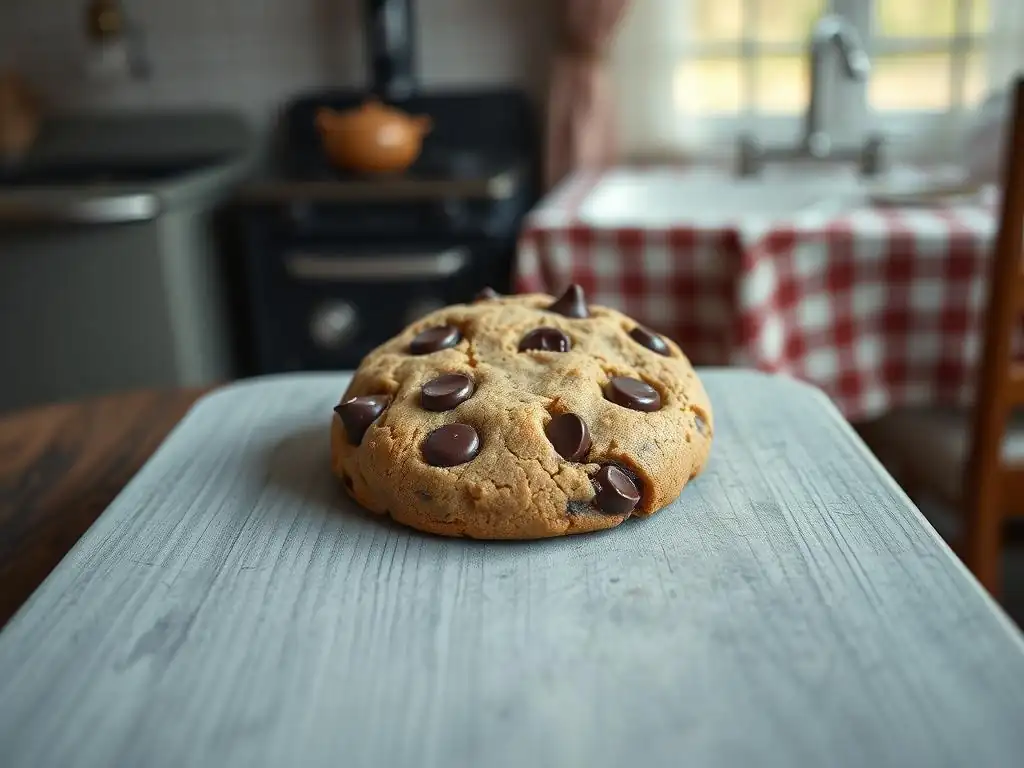
What began as a popular dessert at the Toll House Inn in Whitman, Massachusetts, rapidly transcended its local origins to become a national, and eventually global, phenomenon. The fame of the Ruth Wakefield chocolate chip cookie spread largely through word-of-mouth among the inn's patrons. Many guests requested the recipe, and Ruth, being generous with her culinary knowledge, readily shared it. This organic dissemination led to the recipe appearing in various local newspapers and even on popular radio shows across the United States.
By the early 1940s, the chocolate chip cookie had become a staple in American homes, a testament to its simple appeal and delicious taste. Its widespread adoption was also fueled by soldiers during World War II, who received care packages containing these comforting treats from home. They shared the cookies with comrades from different regions and even overseas, further cementing the cookie's status as a beloved American classic and paving its way to international recognition.
The Nestle Partnership: Mass Production and Marketing
The escalating popularity of the Ruth Wakefield chocolate chip cookie caught the attention of Nestlé, the chocolate manufacturer. Recognizing the immense potential, Nestlé entered into a pivotal agreement with Ruth Wakefield in 1939. In exchange for the rights to print the "Toll House Cookie" recipe on their semi-sweet chocolate bar wrappers, Nestlé reportedly offered Ruth a lifetime supply of chocolate, or a symbolic sum of one dollar, which she later confirmed was a more accurate reflection of the agreement.
This partnership was revolutionary. Nestlé began scoring their chocolate bars to make them easier to break into small pieces, and eventually introduced pre-packaged "Nestlé Toll House Semi-Sweet Chocolate Morsels" in 1940. This innovation made baking the Ruth Wakefield chocolate chip cookie incredibly convenient for home bakers, transforming it from a recipe shared on paper to a ubiquitous pantry staple. The strategic marketing and mass production by Nestlé cemented the cookie's place in virtually every American household and significantly contributed to its global reach.
A Lasting Culinary Legacy
Ruth Wakefield's contribution to the culinary world extends far beyond simply inventing a cookie; she fundamentally changed home baking and established a lasting legacy of practical innovation. Her meticulous approach to recipe development, coupled with her willingness to share her creations, democratized a gourmet-quality dessert, making it accessible to millions. The Ruth Wakefield chocolate chip cookie became more than just a treat; it became a symbol of American comfort food and ingenuity.
Her legacy is also significant for women in entrepreneurship and science, demonstrating how a background in household arts could lead to groundbreaking, widely adopted inventions. The cookie's enduring popularity, nearly a century after its creation, is a testament to the timeless appeal of her original recipe and her visionary approach to food. Wakefield's name remains synonymous with an invention that continues to bring joy to countless people worldwide, solidifying her status as a true culinary pioneer.
Modern Interpretations and Creative Variations
Gluten-Free and Vegan Adaptations
The enduring popularity of the Ruth Wakefield chocolate chip cookie has naturally led to numerous modern adaptations, catering to diverse dietary needs and preferences. For those with gluten sensitivities or celiac disease, traditional wheat flour is commonly replaced with gluten-free flour blends, often incorporating rice flour, almond flour, or oat flour. These adaptations aim to replicate the classic chewy texture while ensuring they are safe for consumption.
Similarly, the rise of plant-based diets has spurred the creation of delicious vegan chocolate chip cookies. Butter is typically substituted with plant-based margarines or coconut oil, and eggs are replaced with flax eggs (ground flaxseed mixed with water), applesauce, or commercial egg replacers. These vegan versions strive to maintain the rich flavor profile and satisfying chewiness of the original, proving the versatility of the Ruth Wakefield chocolate chip cookie concept across various dietary restrictions.
Gourmet and Artisanal Twists
Beyond dietary adaptations, the classic Ruth Wakefield chocolate chip cookie has inspired countless gourmet and artisanal twists, elevating the humble treat to new culinary heights. Chefs and home bakers alike experiment with different types of chocolate, moving beyond standard semi-sweet morsels to include high-quality dark chocolate chunks, milk chocolate discs, white chocolate, or even specialty flavored chocolates like ruby chocolate. Some variations incorporate a mix of different cocoa percentages for a more complex flavor profile.
Further enhancements include the addition of sea salt flakes sprinkled on top to balance the sweetness, or the incorporation of nuts like pecans, walnuts, or macadamias for added texture and richness. Spices such as cinnamon, nutmeg, or a hint of cayenne pepper can introduce subtle warmth or an unexpected kick. These creative variations demonstrate the enduring appeal and adaptability of the Ruth Wakefield chocolate chip cookie, transforming it from a simple comfort food into a canvas for culinary artistry.
A Symbol of Comfort and Nostalgia
The Ruth Wakefield chocolate chip cookie holds a unique and cherished place in the hearts of millions, serving as a powerful symbol of comfort and nostalgia. For many, the aroma of freshly baked chocolate chip cookies evokes vivid memories of childhood, warm kitchens, and loving homes. It's a taste that conjures feelings of security, simplicity, and happiness, making it a go-to treat during times of celebration or when seeking solace.
Its consistent presence in lunchboxes, after-school snacks, and family gatherings has cemented its role as a quintessential comfort food. The familiar chewiness, the melting chocolate pockets, and the sweet, buttery flavor combine to create an experience that transcends mere sustenance, offering a deeply emotional connection. This pervasive sense of warmth and familiarity ensures the enduring appeal of the Ruth Wakefield chocolate chip cookie across generations and cultures.
Wakefield's Place in Culinary History
Ruth Wakefield's invention of the chocolate chip cookie secures her an indelible place in culinary history, not just as an innovator but as a pioneering woman who significantly shaped daily life. Her creation stands as one of the most successful and widely adopted recipes of the 20th century, influencing countless subsequent baked goods and inspiring legions of home bakers and professional chefs. She demonstrated that groundbreaking culinary innovation could emerge from a resourceful kitchen in a small inn.
Her legacy extends beyond the cookie itself, highlighting the often-overlooked contributions of women to science, technology, and daily life. The Ruth Wakefield chocolate chip cookie remains a testament to her ingenuity, precision, and the enduring power of a simple, delicious idea. It is a fundamental part of global food culture, a beloved treat that continues to be baked, shared, and enjoyed by billions, ensuring her name is forever synonymous with this iconic invention.
Frequently Asked Questions
Ruth Wakefield's innovation wasn't just about adding chocolate; it was about creating a completely new type of cookie that quickly gained immense popularity and transformed the baking landscape. This simple change had a lasting impact on culinary habits.
While not a traditional scientist, Wakefield's systematic approach to baking and her impact on food science through recipe development and innovation qualify her. Her story highlights how women have contributed to various fields through practical application of knowledge.
What challenges did Ruth Wakefield likely face as a woman in business and culinary arts during her time?
Wakefield likely encountered gender bias in a male-dominated business world, potentially facing hurdles in securing resources and recognition. Navigating traditional gender roles and expectations could have also presented challenges.
The Toll House Inn served as a test kitchen and a venue to introduce and popularize the cookie. The high demand from guests at the Inn directly led to the cookie's widespread adoption and commercialization.
How does WomenInScienceHistory.com aim to shed light on the contributions of women like Ruth Wakefield?
The website highlights Ruth's story to showcase diverse contributions beyond traditional scientific fields, emphasizing the impact of women's innovations in unexpected areas. It aims to inspire future generations by presenting overlooked narratives of women's achievements.
Final Reflection: A Crumble of Genius, A Legacy of Joy
The story of Ruth Wakefield's chocolate chip cookie, as we've explored, is more than just a recipe; it's a testament to accidental brilliance and the enduring power of simple pleasures. Today, the chocolate chip cookie remains a global icon, a symbol of comfort and connection that transcends cultures and generations. Its ubiquity speaks volumes about the impact of a single, inspired culinary creation.
This humble cookie has not only shaped our palates but has also woven itself into the fabric of our social landscape. The enduring appeal of the chocolate chip cookie lies in its ability to evoke feelings of warmth, nostalgia, and shared joy, reminding us of simpler times and the comfort of home. Good food is very often, even most often, simple food.
- Anthony Bourdain. This quote perfectly encapsulates the magic of Wakefield's creation – its simplicity is its strength, its accessibility its enduring charm.
As we savor the last bite of this culinary journey, let us reflect on the profound impact of Ruth Wakefield's accidental masterpiece. What small act of creativity can you unleash today? What simple pleasure can you share with the world? Let the legacy of the chocolate chip cookie inspire you to embrace innovation, celebrate the unexpected, and spread a little sweetness wherever you go.
Unleash Your Inner Baker: Whip Up Some History!
Thank you for exploring the delicious story of Ruth Wakefield and the chocolate chip cookie! We hope you've been inspired by her ingenuity and enduring contribution to the culinary world. Ready to take action?
- Bake your own batch of chocolate chip cookies using Ruth Wakefield's original Toll House recipe. Experience the taste that captivated the world!
- Share this incredible story with a friend or family member. Let them discover the woman behind their favorite treat.
- Why not experiment with your own unique cookie variations? What unexpected ingredient could create the next culinary sensation?
What surprising twist will you add to your next batch of cookies, inspired by Ruth's innovative spirit?