
Engineering Your Dreams: How Historic Women Inspire Today's Mechanical Engineering Aspirants


Welcome to WomenInScienceHistory.com, where we unearth the remarkable stories of women who shaped the scientific world!
Dive into our latest article, " Engineering Your Dreams: How Historic Women Inspire Today's Mechanical Engineering Aspirants," and discover how the trailblazing spirit of women throughout history continues to fuel the ambitions of aspiring mechanical engineers today. What obstacles did they overcome, and how can their legacy inform your own path? Explore their contributions and prepare to be inspired!
- Introduction: The Enduring Legacy of Women in Mechanical Engineering
- Pioneers of Mechanical Engineering: Women Who Broke Barriers
- Lessons From the Past: Inspiration for Aspiring Female Mechanical Engineers
- Modern Mechanical Engineering: Building on the Foundations Laid by Women
- Resources for Aspiring Female Mechanical Engineers: Following in the Footsteps of History
- Conclusion: Empowering the Next Generation of Women in Mechanical Engineering
-
Frequently Asked Questions
- What were some of the major obstacles faced by women in mechanical engineering historically?
- How can the stories of historical women in mechanical engineering provide inspiration for aspiring engineers today?
- What kind of groundbreaking work did women in mechanical engineering contribute to in the past?
- Where can I find reliable information about women's contributions to mechanical engineering history?
- Why is it important to recognize and celebrate the history of women in mechanical engineering?
- Final Reflection: Building Bridges to the Future
- Ignite Your Inner Engineer!
Introduction: The Enduring Legacy of Women in Mechanical Engineering
Highlighting the Contributions of Women in Mechanical Engineering History
The narrative of mechanical engineering often centers on male figures, yet a closer look at history reveals a profound and enduring legacy of women who have shaped the field. From the earliest days of industrialization to the complex systems of the modern era, women have contributed significantly to design, innovation, and application within mechanical engineering. Their insights and dedication have, in many cases, laid foundational groundwork that continues to impact technological progress and improve daily life. This rich tapestry of "mechanical engineering women history inspiration" offers invaluable lessons.
These contributions, though frequently overlooked in traditional accounts, span a remarkable breadth. Women have been involved in everything from drafting and structural analysis to pioneering efficiency studies and developing new materials. Their work has not only pushed the boundaries of what is mechanically possible but also brought a crucial human-centered perspective to engineering challenges, ensuring that advancements served broader societal needs.
Inspiring Future Generations of Female Mechanical Engineers
Understanding the historical presence and impact of women in mechanical engineering is not merely an academic exercise; it is a powerful source of inspiration for the next generation. For young women contemplating careers in STEM, particularly in a field historically perceived as male-dominated, seeing concrete examples of female pioneers can be transformative. These stories dismantle stereotypes and illuminate pathways that might otherwise seem inaccessible.
The journey of women in mechanical engineering, marked by perseverance and ingenuity, serves as a compelling blueprint. It demonstrates that talent and determination transcend gender, and that diverse perspectives are essential for true innovation. By celebrating these historical figures, we empower aspiring female mechanical engineers to envision themselves as future leaders and innovators, carrying forward a proud tradition of impactful contributions.
Pioneers of Mechanical Engineering: Women Who Broke Barriers
Emily Roebling and Her Impact on Suspension Bridge Engineering
Emily Warren Roebling stands as a monumental figure in the history of civil and mechanical engineering, primarily for her pivotal role in the construction of the Brooklyn Bridge. When her husband, Washington Roebling, the Chief Engineer, became incapacitated by caisson disease in 1872, Emily stepped in to manage the colossal project. She meticulously studied higher mathematics, the intricacies of cable construction, stress analysis, and the complex engineering principles required to complete the world's then-longest suspension bridge.
For over a decade, Emily Roebling served as the de facto chief engineer, handling daily supervision, communicating with contractors and politicians, and ensuring the project's continuity. Her unparalleled dedication and mastery of engineering details were crucial in the bridge's successful completion in 1883. The Brooklyn Bridge, with its main span of 1,595.5 feet and a total length of 6,016 feet, was an engineering marvel of its time, and Emily's contributions, though largely informal, are a testament to her profound impact on suspension bridge mechanical engineering and her remarkable "mechanical engineering women history inspiration."
Lillian Gilbreth and Her Contributions to Industrial Engineering and Ergonomics
Dr. Lillian Moller Gilbreth, often hailed as the "First Lady of Engineering," was a pioneering industrial engineer and psychologist whose work profoundly influenced workplace efficiency and ergonomics. With a Ph.D. in Psychology from Brown University in 1915, she applied psychological principles to the mechanical and organizational aspects of industry. Alongside her husband, Frank Gilbreth, she developed time-and-motion studies, revolutionizing how tasks were analyzed and optimized for productivity and human comfort.
Gilbreth's contributions extended beyond theoretical frameworks; she was a practical inventor and innovator. Her insights led to improvements in numerous everyday items and industrial processes, including the design of the modern kitchen layout, the foot-pedal trash can, and shelves inside refrigerator doors. She was the first woman elected to the National Academy of Engineering in 1965, recognizing her groundbreaking work in human factors engineering, which integrated human needs and capabilities into mechanical design, setting a powerful precedent for future "mechanical engineering women history inspiration."
Overcoming Obstacles: Challenges Faced by Early Mechanical Engineering Women
The paths forged by early women in mechanical engineering were often fraught with immense challenges, reflecting the societal biases and limited opportunities of their eras. Many faced pervasive sexism, which manifested in denial of access to formal education, exclusion from professional societies, and skepticism regarding their capabilities. Women who managed to enter the field often worked in uncredited or subordinate roles, their intellectual contributions frequently attributed to male colleagues.
Beyond direct discrimination, early female engineers contended with a scarcity of female role models and professional networks, making their journeys solitary and arduous. They frequently had to prove their competence repeatedly, often exceeding male counterparts to gain even a modicum of recognition. Despite these formidable barriers, their unwavering determination and passion for solving complex mechanical problems allowed them to persevere, establishing a powerful legacy of resilience that continues to offer vital "mechanical engineering women history inspiration" for contemporary aspirants.
Lessons From the Past: Inspiration for Aspiring Female Mechanical Engineers
Perseverance and Determination: Learning from the Stories of Historic Mechanical Engineering Women
The narratives of historic women in mechanical engineering are replete with examples of extraordinary perseverance and determination. Figures like Emily Roebling, who essentially took over the monumental Brooklyn Bridge project under immense pressure and public scrutiny, exemplify an unwavering commitment to their craft despite personal adversity and societal skepticism. Similarly, Lillian Gilbreth navigated academic and professional barriers, proving that her unique blend of psychology and engineering could revolutionize industrial practices.
These stories offer a profound lesson for today's aspiring female mechanical engineers: success often requires an unyielding spirit in the face of setbacks. Whether it's overcoming challenging coursework, navigating competitive internships, or addressing gender bias in the workplace, the historical examples of these women demonstrate that tenacity is a powerful tool. Their journeys underscore that passion for problem-solving, coupled with steadfast resolve, can lead to groundbreaking achievements and lasting "mechanical engineering women history inspiration."
Innovation and Creativity: How Women Shaped the Field of Mechanical Engineering
Beyond their perseverance, historic women in mechanical engineering frequently brought unique perspectives that fueled innovation and creativity within the field. Lillian Gilbreth's pioneering work in ergonomics, for instance, wasn't just about making processes faster; it was about making them more human-centered, safer, and less fatiguing. This emphasis on user experience and human factors broadened the scope of mechanical engineering beyond pure machinery design to include the interaction between humans and engineered systems.
Other women, though perhaps less formally recognized, contributed to innovation through their meticulous attention to detail, novel problem-solving approaches, and interdisciplinary thinking. Their contributions often highlighted the need for practical, real-world solutions that improved quality of life, from household appliances to industrial safety mechanisms. This consistent thread of inventive thinking, applying mechanical principles in novel and impactful ways, provides a rich source of "mechanical engineering women history inspiration" for those looking to push boundaries today.
The Importance of Mentorship and Collaboration: Supporting Women in STEM
While many early women in mechanical engineering often worked in isolation or without formal female mentors, their stories implicitly highlight the critical role of support systems, whether through family collaboration or informal networks. Emily Roebling's partnership with her husband, though born of necessity, demonstrates the power of collaborative effort in achieving monumental engineering feats. Lillian Gilbreth, too, worked closely with her husband, forming a formidable intellectual partnership.
In the contemporary landscape, the importance of mentorship and collaboration for women in STEM cannot be overstated. Formal mentorship programs, peer networks, and supportive academic and professional environments are crucial for fostering growth, sharing knowledge, and navigating career challenges. Organizations dedicated to supporting women in mechanical engineering actively promote these connections, recognizing that a strong community is vital for empowering the next generation and ensuring a continuous flow of "mechanical engineering women history inspiration."
Modern Mechanical Engineering: Building on the Foundations Laid by Women
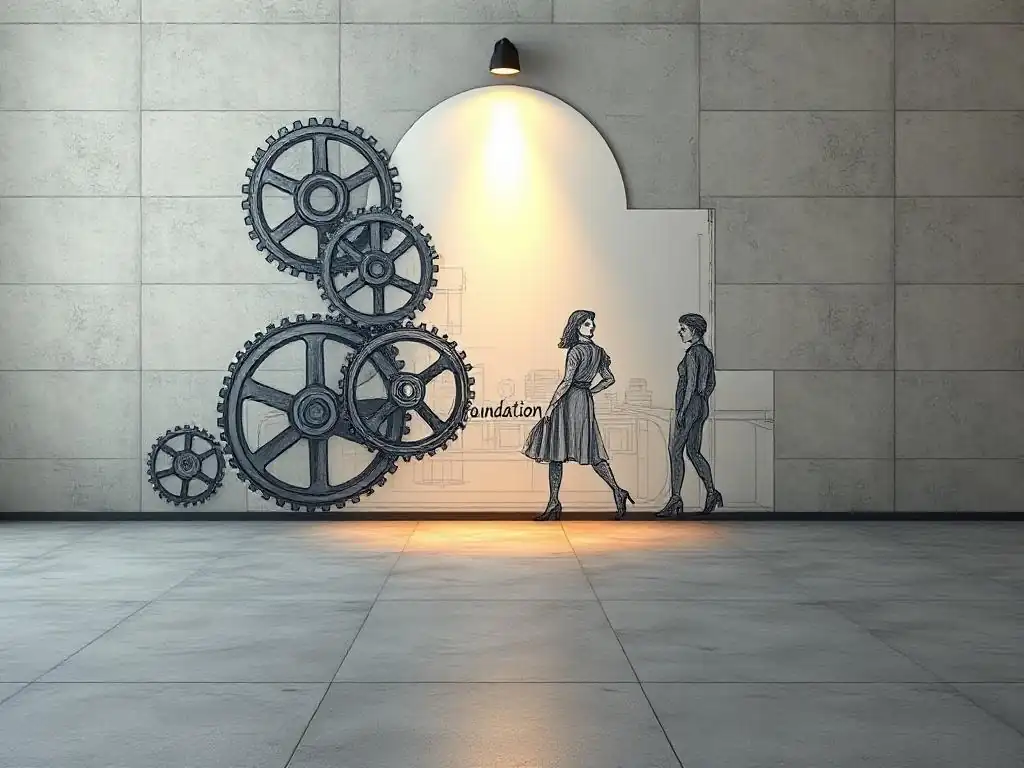
Current Trends and Opportunities in Mechanical Engineering for Women
Today's mechanical engineering landscape is dynamic and multifaceted, offering an ever-expanding array of opportunities for women. Emerging fields such as robotics, sustainable energy systems, biomechanics, advanced manufacturing, and aerospace engineering are particularly ripe for female talent. These areas often require interdisciplinary thinking, complex problem-solving, and a collaborative approach, skills where women consistently excel.
While still underrepresented, the percentage of women pursuing mechanical engineering degrees has seen a gradual increase over the last decade, reaching approximately 18-20% of undergraduate enrollments in some leading programs. This growth signifies a positive shift, creating more inclusive environments and opening doors to innovative research and development roles. Women are finding significant opportunities in designing everything from efficient electric vehicles to life-saving medical devices, building directly on the foundation of "mechanical engineering women history inspiration."
Showcasing Contemporary Female Mechanical Engineers: Ayanna Howard and Robotics
Dr. Ayanna Howard stands as a prominent example of a contemporary female mechanical engineer making significant strides in the field, particularly in robotics and artificial intelligence. With a Ph.D. in Electrical Engineering, her work often bridges electrical, computer, and mechanical engineering to create innovative robotic systems. She is renowned for her research in human-robot interaction, assistive technologies, and autonomous systems, developing robots that can assist in diverse environments, from children's hospitals to Antarctic glaciers.
Dr. Howard's pioneering efforts include developing the SnoMote robots for environmental monitoring in polar regions and creating intelligent robotic systems for pediatric therapy. Her leadership as the first woman to hold the position of Dean of the Ohio State University College of Engineering further underscores her impact. Her work exemplifies how modern mechanical engineering is evolving and how women are at the forefront of shaping its future, providing compelling "mechanical engineering women history inspiration" for today's students.
The Role of Women in Shaping the Future of Mechanical Engineering
The increasing presence and leadership of women are fundamentally reshaping the future of mechanical engineering. Their diverse perspectives lead to more inclusive designs, innovative solutions, and a broader consideration of societal needs in technological development. For instance, women are driving advancements in sustainable engineering, focusing on energy efficiency and environmentally friendly materials, ensuring that mechanical innovations contribute positively to global challenges.
Furthermore, women are playing crucial roles in the ethical development of emerging technologies like AI and robotics, ensuring that these powerful tools are designed with human well-being and societal impact in mind. Their participation is not just about representation; it's about enriching the intellectual fabric of the field, fostering greater creativity, and ensuring that mechanical engineering continues to address the complex problems of the 21st century in a more holistic and impactful way.
Resources for Aspiring Female Mechanical Engineers: Following in the Footsteps of History
Organizations Supporting Women in Mechanical Engineering
Numerous organizations are dedicated to supporting and empowering women in mechanical engineering, providing crucial networks, resources, and advocacy. The Society of Women Engineers (SWE) is a prime example, offering scholarships, professional development programs, and networking opportunities for women at all stages of their engineering careers, from students to seasoned professionals. SWE's global reach connects thousands of women, fostering a strong community.
Other valuable organizations include the Women in Engineering ProActive Network (WEPAN), which focuses on transforming engineering education and workplaces to be more inclusive, and various university-specific women in engineering programs. These groups play a vital role in providing mentorship, facilitating career growth, and celebrating the achievements of women in the field, drawing upon and contributing to the ongoing narrative of "mechanical engineering women history inspiration."
Scholarship and Grant Opportunities for Female Engineering Students
Financial support is a significant factor in pursuing an engineering education, and many scholarships and grants are specifically available for aspiring female mechanical engineers. These opportunities aim to alleviate financial burdens and encourage greater female participation in STEM fields. Professional organizations like SWE, as well as various corporations, foundations, and academic institutions, offer dedicated funding.
For example, many large engineering firms, technology companies, and defense contractors provide scholarships to women pursuing mechanical engineering degrees, often as part of their diversity and inclusion initiatives. These grants can cover tuition, research expenses, or living costs, making a career in mechanical engineering more accessible. Prospective students are encouraged to research these opportunities thoroughly through university financial aid offices and professional organization websites.
Recommended Reading: Books and Articles on Women in Mechanical Engineering History
To truly appreciate the "mechanical engineering women history inspiration," diving into dedicated literature is invaluable. A growing body of books and articles sheds light on the often-overlooked contributions of women to the field. These resources range from comprehensive biographies of individual pioneers to broader historical analyses of women's roles in industrial and technological revolutions.
Exploring works that detail the lives and achievements of early female engineers, inventors, and innovators can offer profound insights into the challenges they overcame and the ingenuity they displayed. Look for collections of essays on women in STEM, historical accounts of industrial development that include female perspectives, and academic articles that highlight specific mechanical engineering contributions by women. Such reading enriches understanding and deepens appreciation for their enduring legacy.
Conclusion: Empowering the Next Generation of Women in Mechanical Engineering
Celebrating the Achievements of Women in Mechanical Engineering
The journey through the history of women in mechanical engineering reveals a compelling narrative of innovation, perseverance, and groundbreaking achievement. From Emily Roebling's steadfast leadership on the Brooklyn Bridge to Lillian Gilbreth's revolutionary work in industrial efficiency and ergonomics, women have consistently pushed the boundaries of what is mechanically possible. Their contributions, though often understated, are integral to the advancements that have shaped our modern world.
It is imperative that we continue to research, document, and widely celebrate these accomplishments. By bringing these stories to the forefront, we not only give these pioneering women the recognition they deserve but also cultivate a more accurate and inclusive understanding of engineering history. This ongoing celebration is crucial for maintaining a vibrant source of "mechanical engineering women history inspiration."
Encouraging Young Women to Pursue Careers in Mechanical Engineering
The historical examples of women excelling in mechanical engineering serve as a powerful beacon for today's young women. They demonstrate that a career in this dynamic field is not only attainable but also deeply rewarding, offering opportunities to solve complex problems and make a tangible impact on society. Mechanical engineering encompasses a vast array of disciplines, from robotics and aerospace to sustainable energy and biomedical devices, ensuring a path for every passion.
We must actively encourage young women to explore these possibilities, providing them with the resources, mentorship, and support systems necessary to thrive. By highlighting the diverse applications of mechanical engineering and the significant roles women have played and continue to play, we can inspire a new generation to confidently pursue their dreams and contribute their unique talents to the field.
The Future is Female: Shaping a More Inclusive and Innovative Engineering Landscape
The future of mechanical engineering, and indeed all STEM fields, is undeniably linked to fostering greater inclusivity and diversity. As the challenges facing our world become increasingly complex, the need for diverse perspectives, creative solutions, and collaborative approaches becomes paramount. Empowering women in mechanical engineering means unlocking a vast reservoir of untapped potential and ensuring that the field benefits from the full spectrum of human ingenuity.
By building on the foundations laid by historic women and actively supporting contemporary female engineers, we are shaping a landscape where innovation flourishes, and solutions are more equitable and impactful. The continued influx of talented women into mechanical engineering will not only drive technological progress but also create a more representative and robust profession, truly embodying the spirit of "mechanical engineering women history inspiration" for generations to come.
Frequently Asked Questions
What were some of the major obstacles faced by women in mechanical engineering historically?
Historically, women faced significant barriers including gender bias, limited educational opportunities, and lack of mentorship in the field. These challenges often prevented them from pursuing their passion and making substantial contributions.
How can the stories of historical women in mechanical engineering provide inspiration for aspiring engineers today?
Learning about their resilience and achievements can be incredibly motivating, demonstrating that success is possible despite adversity. Their stories highlight the importance of perseverance and pushing boundaries.
What kind of groundbreaking work did women in mechanical engineering contribute to in the past?
Women have contributed to diverse areas, from designing machinery to developing new technologies, often in times of war or societal need. Their innovations have shaped various industries and advanced scientific knowledge.
Where can I find reliable information about women's contributions to mechanical engineering history?
Resources like WomenInScienceHistory.com, academic journals, and biographies offer valuable insights. These sources highlight their achievements and the impact they had on the field.
Why is it important to recognize and celebrate the history of women in mechanical engineering?
Recognizing their contributions helps correct historical imbalances, promotes diversity and inclusion, and inspires future generations of women to pursue careers in STEM fields.
Final Reflection: Building Bridges to the Future
The stories of pioneering women in mechanical engineering, as we've explored, aren't just historical anecdotes; they are living blueprints for future innovation. Their struggles and triumphs resonate deeply today, offering invaluable lessons and unwavering encouragement to aspiring engineers, particularly women, who are navigating a field still striving for true equity and representation.
The impact of these women extends far beyond the blueprints they drafted and the machines they designed. Their perseverance continues to shape the cultural landscape of engineering, challenging stereotypes and inspiring a new generation to break down barriers. Their legacies remind us that progress is not a passive occurrence, but an active pursuit fueled by courage and unwavering belief in one's potential. You can waste your lives drawing lines, or you can live your life crossing them.
- Shonda Rhimes, though speaking about writing, perfectly encapsulates the spirit of these pioneering women.
As we close this chapter, let us not simply admire these historical figures from afar. Instead, let their stories ignite a fire within you. Embrace their resilience, learn from their challenges, and dare to dream bigger than you ever thought possible. You, too, can engineer your dreams and build a future where innovation knows no gender.
Ignite Your Inner Engineer!
Thank you for exploring the remarkable stories of these pioneering women! We hope their journeys have sparked your own passion and ambition. Now, let's turn that inspiration into action.
- Embrace the challenge: Take the first step toward designing your own groundbreaking invention by brainstorming potential solutions to everyday problems.:
- Dive deeper: Explore resources and organizations dedicated to supporting women in STEM, such as the Society of Women Engineers, to find mentors and build connections.
- Share their legacy: Discuss these inspiring figures with friends and family, and encourage young girls to pursue their dreams in engineering and beyond.
What small, yet significant, change can you champion in your community to foster a more inclusive and innovative engineering environment?