
Echoes of Innovation: Hearing the Voices of Women in Chemical Engineering History

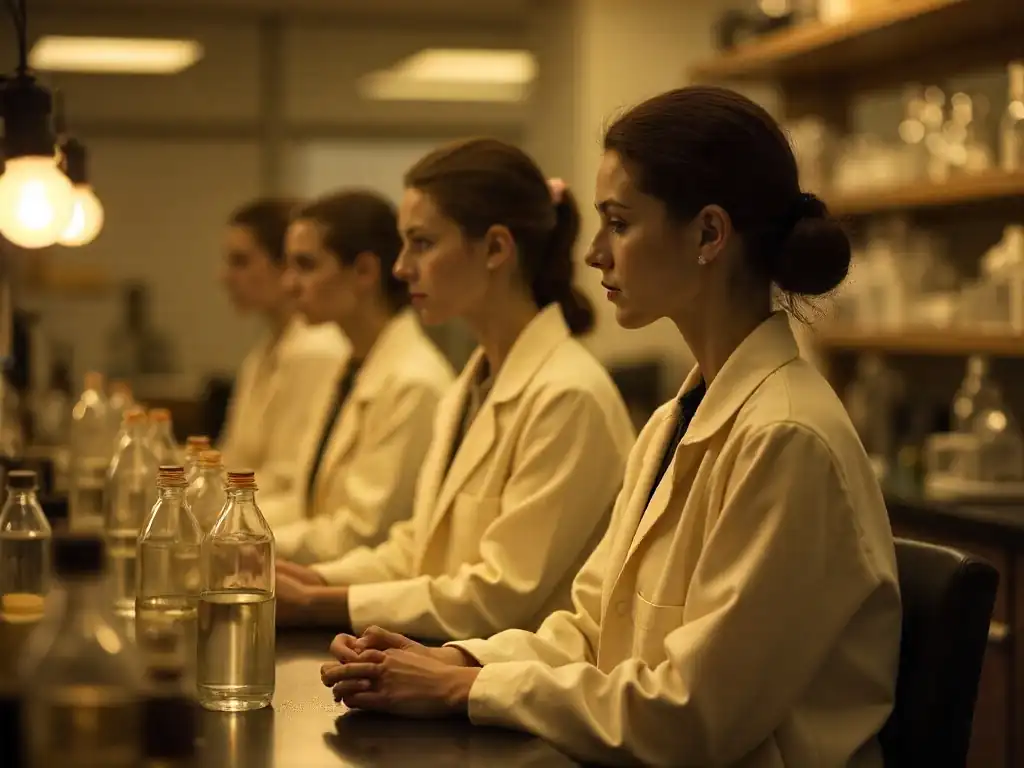
Welcome to WomenInScienceHistory.com!
Step into a world where the untold stories of female scientific pioneers come to life. Here, we celebrate the brilliance and resilience of women who shattered barriers and shaped the landscape of science. Today, we delve into the fascinating and often overlooked realm of Engineering & Technology, specifically exploring the women’s chemical engineering history challenges. Prepare to uncover the triumphs and tribulations that paved the way for future generations – a journey filled with ingenuity and perseverance. Ready to listen to the Echoes of Innovation?
- Introduction: Unveiling the Untold Stories of Women in Chemical Engineering
- Early Pioneers: Breaking Barriers in a Male-Dominated Field
- Landmark Achievements and Contributions of Women in Chemical Engineering
- Challenges Faced by Women in Chemical Engineering History: A Deep Dive
- Notable Figures: Profiles of Inspiring Women Chemical Engineers
- The Evolution of Opportunities for Women in Chemical Engineering
- The Ongoing Fight for Equality and Inclusion
- Resources and Further Reading on Women in Chemical Engineering History
- Conclusion: Celebrating the Enduring Legacy of Women in Chemical Engineering
-
Frequently Asked Questions
- What were some common challenges faced by women in chemical engineering history?
- How does WomenInScienceHistory.com contribute to understanding women's chemical engineering history?
- Why is it important to study women's chemical engineering history?
- What kinds of groundbreaking work did women in chemical engineering contribute to?
- Where can I find more in-depth information about specific women in chemical engineering history?
- Final Reflection: Amplifying Unheard Voices
- Ignite Your Chemical Engineering Passion!
Introduction: Unveiling the Untold Stories of Women in Chemical Engineering
Highlighting the Overlooked Contributions of Female Chemical Engineers
For too long, the narratives of innovation in chemical engineering have predominantly featured male figures, inadvertently sidelining the substantial and often groundbreaking contributions of women. From the early 20th century, when chemical engineering began to solidify as a distinct discipline, women were present, quietly yet fundamentally shaping processes, materials, and products that underpin modern society. Their work, ranging from the optimization of industrial processes to the development of novel compounds, has been instrumental in fields as diverse as pharmaceuticals, food science, and material design, often without receiving due credit or recognition in mainstream historical accounts.
These forgotten pioneers not only contributed technical expertise but also brought unique perspectives to complex problems, often working in isolation or facing significant institutional barriers. Their innovations, though sometimes attributed to male colleagues or simply absorbed into the general progress of the field, laid critical groundwork for subsequent advancements. Unearthing these stories is vital to understanding the full scope of chemical engineering's evolution and to acknowledge the intellectual fortitude and perseverance of these remarkable women.
Why Women's Chemical Engineering History Matters
Understanding the historical trajectory of women in chemical engineering is more than an academic exercise; it is crucial for inspiring future generations and fostering a truly inclusive scientific community. By illuminating the triumphs and women’s chemical engineering history challenges, we gain insight into the systemic issues that have historically impeded female participation and advancement in STEM fields. This historical context helps to inform current efforts aimed at promoting diversity, equity, and inclusion within engineering professions.
Moreover, recognizing these contributions corrects an incomplete historical record, providing a more accurate and comprehensive view of scientific progress. It celebrates the ingenuity and resilience of women who, despite facing immense societal and professional hurdles, pushed the boundaries of knowledge and applied science. Their stories serve as powerful testaments to perseverance, demonstrating that talent and dedication know no gender, and that acknowledging their legacy is essential for building a more equitable future in chemical engineering.
Early Pioneers: Breaking Barriers in a Male-Dominated Field
Margaret Hutchinson Rousseau and Her Groundbreaking Work in Penicillin Production
One of the most significant early figures in women’s chemical engineering history is Margaret Hutchinson Rousseau, a true pioneer whose work revolutionized pharmaceutical production. A graduate of MIT in 1937 with one of the first chemical engineering doctorates awarded to a woman, Rousseau was instrumental during World War II in designing the first commercial deep-tank fermentation plant for mass-producing penicillin. Before her intervention, penicillin production was a laborious and inefficient surface-culture process, yielding only small quantities.
Rousseau's expertise in process design and scale-up transformed penicillin from a scarce, life-saving drug into a widely available antibiotic. Her innovative design involved complex aeration and agitation systems necessary for the large-scale fermentation of the penicillin mold, a feat of chemical engineering that saved countless lives during the war and beyond. Her work at M.W. Kellogg Company exemplified how foundational chemical engineering principles could be applied to biological systems, setting a precedent for the modern biotechnology industry.
Overcoming Initial Resistance: Early Challenges Faced by Women in Chemical Engineering
The path for early women in chemical engineering was fraught with significant obstacles, reflecting the prevailing societal norms and gender biases of the time. Many universities were reluctant to admit women into engineering programs, and even after admission, female students often faced skepticism from male peers and faculty. For instance, in the early 20th century, institutions like MIT, while pioneering in admitting women, still saw very few female graduates in engineering disciplines, often less than 1-2% of the graduating class in technical fields.
Upon graduation, the women’s chemical engineering history challenges continued in the professional sphere. Job opportunities were scarce, and women were frequently relegated to research or laboratory roles rather than positions in design, production, or management. They often encountered outright discrimination in hiring, unequal pay for equivalent work, and a lack of mentorship or professional networks. Despite possessing the same qualifications as their male counterparts, these early female engineers had to consistently prove their capabilities and resilience to earn respect and establish their careers in a field that was overwhelmingly male-dominated.
Landmark Achievements and Contributions of Women in Chemical Engineering
Key Inventions and Discoveries by Women Chemical Engineers
Women chemical engineers have been at the forefront of numerous inventions and discoveries that have significantly advanced various industries. Their innovative minds have contributed to the development of new materials, more efficient processes, and critical scientific breakthroughs. For example, in the mid-20th century, women played roles in the burgeoning plastics industry, contributing to the understanding and synthesis of polymers that led to everyday items and specialized industrial components. Their work in laboratories often involved meticulous experimentation and process optimization, laying the groundwork for scalable production.
Beyond materials, women have also made strides in fields like catalysis and energy. While specific individual inventions are often hard to isolate in collaborative industrial settings, their collective impact on improving chemical reactions, developing new catalysts for petroleum refining, or enhancing energy conversion processes has been profound. These contributions, though sometimes overshadowed, represent a critical part of chemical engineering's progress, demonstrating the broad scope of their ingenuity.
Women's Impact on Specific Areas of Chemical Engineering: Food Science and Processing
The field of food science and processing has significantly benefited from the expertise of women chemical engineers, whose contributions have led to safer, more efficient, and innovative food production systems. From the early 20th century, as industrial food production grew, women applied chemical engineering principles to understand food preservation, quality control, and nutrient retention. For instance, they were instrumental in optimizing pasteurization processes for dairy products, ensuring public health by eliminating harmful bacteria while preserving nutritional value.
Their work extended to the development of new food products and processing techniques, such as improvements in canning, freezing, and dehydration methods that extended shelf life and reduced food waste. Many women chemical engineers worked in industrial laboratories, contributing to the formulation of new ingredients, enhancing flavor profiles, and ensuring the stability of processed foods. This often involved complex rheological studies, heat transfer calculations, and mass balance analyses, all critical to the large-scale production of a safe and diverse food supply.
Challenges Faced by Women in Chemical Engineering History: A Deep Dive
Systemic Barriers and Gender Bias in Chemical Engineering Education
The journey for women pursuing chemical engineering education has historically been fraught with systemic barriers and pervasive gender bias. In the early to mid-20th century, many universities maintained implicit or explicit quotas limiting female enrollment in engineering programs, viewing them as unsuitable for women. Even when admitted, female students often faced a lack of female role models among faculty, with women comprising less than 1% of engineering professors in many institutions until the late 20th century. This absence contributed to feelings of isolation and a lack of representation.
Furthermore, subtle and overt biases permeated the learning environment, from textbooks that exclusively featured male engineers to classroom dynamics where female students might be overlooked or underestimated. Access to certain facilities, like industrial labs or field placements, was sometimes restricted, further limiting their practical experience. These women’s chemical engineering history challenges in education meant that even highly capable women had to overcome significant institutional resistance simply to acquire the foundational knowledge and credentials necessary for a career in the field.
The Struggle for Recognition and Advancement in the Chemical Industry
Upon entering the workforce, women chemical engineers frequently encountered a "glass ceiling" that severely hampered their professional recognition and advancement. Despite their qualifications, they were often relegated to supportive roles, such as research assistants or technical writers, rather than being placed in leadership or design positions that offered greater visibility and impact. Salaries were frequently lower than those of their male counterparts for equivalent work, a disparity that persisted for decades and was rarely challenged due to social norms and lack of protective legislation.
Promotions to management or senior engineering roles were exceptionally rare, as decision-makers often harbored biases about women's leadership capabilities or commitment to long-term careers. Networking opportunities, crucial for career progression, were also limited, as women were often excluded from informal "old boys' clubs" where business decisions and collaborations were forged. These persistent women’s chemical engineering history challenges meant that many talented female engineers found their careers stagnating, their contributions undervalued, and their potential unfulfilled within the predominantly male corporate structures.
Balancing Career and Family: A Unique Hurdle for Women in Chemical Engineering
A particularly formidable set of women’s chemical engineering history challenges revolved around the societal expectation that women would be the primary caregivers and homemakers, often forcing them to choose between career progression and family life. Unlike their male colleagues, who were typically assumed to have partners managing domestic responsibilities, female engineers faced immense pressure to juggle demanding professional roles with traditional gender roles at home. The lack of institutional support, such as paid maternity leave, affordable childcare, or flexible work arrangements, made this balance incredibly difficult, if not impossible, for many.
This "double burden" frequently led to women taking career breaks, working part-time, or exiting the profession entirely, especially after marriage or childbirth. Those who persevered often did so at great personal cost, experiencing burnout or slowed career progression compared to men who did not face similar societal pressures. The absence of policies that acknowledged and supported women's unique life stages significantly contributed to the attrition of female talent from chemical engineering, impacting the overall diversity and innovation within the field for generations.
Notable Figures: Profiles of Inspiring Women Chemical Engineers

Frances Arnold and Her Achievements in Directed Evolution
One of the most celebrated contemporary figures in chemical engineering is Frances Arnold, whose groundbreaking work in directed evolution earned her a share of the Nobel Prize in Chemistry in 2018. A chemical engineer by training from Princeton University, Arnold pioneered methods for "directed evolution," a process that mimics natural selection to engineer enzymes and proteins with desired properties. Her innovative approach involves introducing random mutations into genes and then selecting for variants that exhibit improved function, accelerating the evolutionary process in a laboratory setting.
Arnold's methodology has revolutionized green chemistry, leading to more environmentally friendly manufacturing processes for pharmaceuticals, biofuels, and other chemicals. For instance, her engineered enzymes are used to produce sustainable aviation fuel and to synthesize drugs more efficiently, reducing waste and energy consumption. Her work not only showcases the immense potential of chemical engineering at the interface of biology but also serves as a powerful inspiration, demonstrating how fundamental engineering principles can lead to Nobel-winning scientific breakthroughs.
Edith Flanigen and Her Legacy in Zeolite Chemistry
Edith Flanigen stands as another towering figure in women’s chemical engineering history, particularly for her transformative contributions to zeolite chemistry. As a senior research fellow at Union Carbide, Flanigen spent over 40 years innovating in the field of molecular sieves, synthetic crystalline materials with uniform pores that act as highly selective catalysts and adsorbents. She is credited with the synthesis of over 200 different zeolites and is the inventor or co-inventor on more than 100 patents, making her one of the most prolific female inventors in history.
Her most significant achievement was the development of zeolite Y, a synthetic faujasite that dramatically improved the efficiency of petroleum refining. Zeolite Y became a cornerstone of fluid catalytic cracking (FCC), a process that converts crude oil into gasoline and other valuable products, leading to more efficient fuel production and reduced environmental impact. Flanigen's pioneering work in designing and synthesizing these complex materials has had a profound and lasting impact on the chemical industry, from petrochemicals to oxygen production for medical and industrial uses.
The Evolution of Opportunities for Women in Chemical Engineering
Changes in Education and Workplace Policies
Significant strides have been made in dismantling the educational and workplace barriers that historically faced women in chemical engineering. From the 1970s onwards, the advent of anti-discrimination laws and Title IX in the United States began to open doors, leading to a steady increase in female enrollment in engineering programs. Universities gradually adopted more inclusive admissions policies, and the number of women earning chemical engineering degrees grew from a mere handful in the mid-20th century to representing approximately 20-25% of graduates in many Western countries by the early 21st century.
In the workplace, the implementation of equal opportunity employment regulations and the rise of corporate diversity initiatives have slowly begun to address past inequities. Companies have increasingly recognized the value of diverse perspectives, leading to efforts to recruit and retain female engineers. While progress has been gradual, these policy changes have created a more welcoming environment, mitigating some of the traditional women’s chemical engineering history challenges and allowing more women to pursue and thrive in the field.
Mentorship and Support Networks for Women in Chemical Engineering
The establishment and growth of mentorship programs and professional support networks have been instrumental in fostering the advancement of women in chemical engineering. Organizations like the Society of Women Engineers (SWE), founded in 1950, and various committees within the American Institute of Chemical Engineers (AIChE) have provided invaluable platforms for networking, professional development, and mutual support. These groups offer mentorship opportunities, connecting aspiring female engineers with experienced professionals who can guide them through career decisions, offer advice on navigating workplace dynamics, and share insights into overcoming professional hurdles.
These networks provide a crucial sense of community and belonging, combating the isolation that many pioneering women experienced. They facilitate the exchange of knowledge, offer career resources, and champion the achievements of women in the field. The rise of formal and informal mentorship has played a vital role in empowering women, building confidence, and helping them to overcome the professional and personal women’s chemical engineering history challenges that persist even in modern contexts.
The Ongoing Fight for Equality and Inclusion
Addressing the Persistent Gender Gap in Chemical Engineering Leadership
Despite the notable progress in female representation within chemical engineering, a significant gender gap persists, particularly in leadership roles within academia and industry. While women now constitute a substantial portion of chemical engineering graduates, their presence in full professorships, senior management positions, and executive boards remains disproportionately low. For instance, in many top-tier chemical engineering departments, female full professors often represent less than 15-20% of the faculty, despite a much higher percentage of female graduate students and junior faculty.
This "leaky pipeline" at higher career stages indicates that systemic biases and implicit discrimination continue to pose women’s chemical engineering history challenges that prevent women from reaching the pinnacle of their professions. Addressing this requires more than just recruitment; it demands proactive strategies for retention, promotion, and leadership development, including transparent promotion criteria, mentorship programs specifically for leadership tracks, and accountability for diversity metrics at the highest levels of organizations.
Promoting Diversity and Inclusion in Chemical Engineering Research and Development
Promoting diversity and inclusion in chemical engineering research and development is not merely a matter of fairness; it is a strategic imperative for fostering innovation and solving complex global challenges. Diverse teams, encompassing a variety of backgrounds, perspectives, and experiences, have been shown to be more creative, resilient, and effective in problem-solving. In research, this means ensuring that women are equally represented in grant-funded projects, lead research groups, and participate in setting research agendas.
Efforts to enhance diversity and inclusion must extend to creating truly equitable environments where all voices are heard and valued. This involves actively challenging unconscious biases in hiring and promotion, fostering inclusive team cultures, and recognizing the unique contributions that diverse individuals bring to scientific inquiry. By prioritizing inclusion in R&D, the chemical engineering community can harness the full potential of its talent pool, driving forward cutting-edge discoveries and developing solutions that benefit all of society.
Resources and Further Reading on Women in Chemical Engineering History
Books and Articles on the History of Women in Chemical Engineering
For those interested in delving deeper into the rich and often overlooked history of women in chemical engineering, numerous scholarly books and historical articles provide valuable insights. These resources meticulously document the lives, careers, and scientific contributions of pioneering female engineers, often drawing on archival research, personal memoirs, and historical records. They explore the societal contexts, institutional barriers, and personal triumphs that defined the experiences of women who entered this challenging field.
Readers can find detailed biographies of individual engineers, as well as broader analyses of the trends and patterns of female participation in chemical engineering across different eras and geographies. These texts are essential for understanding the unique women’s chemical engineering history challenges and how they were navigated, providing a comprehensive picture of the evolution of the profession through the lens of gender.
Organizations Supporting Women in STEM and Chemical Engineering
Several professional organizations play a crucial role in supporting women in STEM fields, including chemical engineering, and are excellent resources for further engagement and learning. These organizations offer a range of services, including mentorship programs, networking events, scholarships, and advocacy for policies that promote diversity and inclusion. They serve as vital communities for female engineers, providing professional development opportunities and a platform for sharing experiences and best practices.
Many of these organizations also actively work to preserve and promote the history of women in science and engineering, often publishing articles, hosting conferences, and maintaining archives that highlight the achievements of past and present female innovators. Engaging with these groups offers a direct way to contribute to the ongoing efforts to empower women in chemical engineering and to ensure their historical contributions are recognized and celebrated.
Conclusion: Celebrating the Enduring Legacy of Women in Chemical Engineering
Inspiring Future Generations of Female Chemical Engineers
The stories of women in chemical engineering history are more than just historical footnotes; they are powerful narratives of resilience, intellect, and groundbreaking innovation that must inspire future generations. From Margaret Hutchinson Rousseau's scale-up of penicillin production to Frances Arnold's Nobel-winning directed evolution, these women demonstrated that scientific curiosity and engineering prowess know no gender. Their journeys, marked by profound women’s chemical engineering history challenges but ultimately by remarkable achievements, serve as a beacon for young girls and women considering a career in STEM.
By highlighting these pioneering figures, we aim to dismantle the outdated notion that engineering is a male-dominated domain and to encourage more diverse talent to pursue this vital field. Their legacies underscore the importance of perseverance in the face of adversity and illustrate the profound impact that dedicated individuals can have on the world. Celebrating their contributions is crucial for nurturing a new wave of female chemical engineers who will continue to push the boundaries of scientific discovery and technological advancement.
The Importance of Recognizing and Preserving Women’s Chemical Engineering History
Recognizing and preserving the history of women in chemical engineering is an essential endeavor for several compelling reasons. Firstly, it rectifies an incomplete historical record, ensuring that the full scope of human ingenuity and effort in shaping the modern world is accurately represented. Many women's contributions were historically overlooked, uncredited, or attributed to male colleagues, making deliberate efforts to unearth and highlight their work critically important.
Secondly, understanding the women’s chemical engineering history challenges provides invaluable context for ongoing efforts to achieve gender equality in STEM. By examining the systemic barriers, biases, and societal pressures faced by past generations, we can better identify and dismantle the remaining obstacles that continue to hinder women's full participation and leadership in the field today. Preserving this history not only honors the past but also serves as a powerful tool for advocacy, education, and inspiration, ensuring that the echoes of innovation from women in chemical engineering continue to resonate for generations to come.
Frequently Asked Questions
What were some common challenges faced by women in chemical engineering history?
Women faced significant gender bias and limited access to education and professional opportunities. They were often excluded from labs, research teams, and leadership roles.
How does WomenInScienceHistory.com contribute to understanding women's chemical engineering history?
The website provides biographies and stories of pioneering women in chemical engineering. It aims to highlight their contributions and the obstacles they overcame in a male-dominated field.
Why is it important to study women's chemical engineering history?
Studying this history helps correct historical inaccuracies and inspires future generations of female scientists and engineers. It also sheds light on the systemic barriers that women have faced.
What kinds of groundbreaking work did women in chemical engineering contribute to?
Women contributed significantly to fields like polymer chemistry, biochemical engineering, and environmental engineering. Despite facing discrimination, they made remarkable advancements in these areas.
Where can I find more in-depth information about specific women in chemical engineering history?
WomenInScienceHistory.com features detailed biographies and articles on numerous female chemical engineers. You can also find resources in academic journals and historical archives.
Final Reflection: Amplifying Unheard Voices
The journey through the challenges faced by women in chemical engineering history reveals a profound truth: progress is rarely a solitary endeavor. The stories of resilience, ingenuity, and persistent struggle detailed throughout this article are not relics of the past, but rather echoes that resonate powerfully in the present, reminding us that the fight for equity and inclusion in STEM fields is far from over.
This exploration into the lives and careers of pioneering women underscores the enduring impact of systemic barriers and the vital importance of actively dismantling them. Their experiences serve as a potent reminder that diverse perspectives are not just desirable, but essential for driving innovation and solving the complex challenges facing our world. You can't be what you can't see.
This quote, often attributed to Marian Wright Edelman, perfectly encapsulates the need for visible role models and a supportive environment that empowers women to pursue their passions in chemical engineering and beyond.
Let us not simply acknowledge the past, but actively shape a future where every aspiring chemical engineer, regardless of gender, has the opportunity to thrive. Consider how you can contribute to creating a more inclusive and equitable environment within your own sphere of influence. Advocate for policies that support women in STEM, mentor young female engineers, and amplify the voices of those who have historically been marginalized. The future of chemical engineering, and indeed the future of innovation itself, depends on our collective commitment to building a truly inclusive and equitable field.
Ignite Your Chemical Engineering Passion!
Thank you for exploring the inspiring contributions of women in chemical engineering! You've now gained insights into their groundbreaking work and resilience. Ready to make your own impact?
Here are a few ways to keep the momentum going:
- Boldly share this article with a budding engineer or mentor who needs a dose of inspiration.
- Delve into the archives of your local engineering society to uncover forgotten female pioneers in your region.
- Connect with a woman in chemical engineering – offer to buy her a coffee and hear her story!
What small step will you take this week to amplify the voices of women in chemical engineering?