
Powering a Nation: The Female Engineers Behind Electrical Infrastructure

Welcome to WomenInScienceHistory.com!
Dive into the electrifying history you thought you knew. This isn't just about circuit boards and wires; it's about the brilliant women who built the very foundation of our modern world. Explore the untold stories of female engineers and their pivotal role in shaping electrical infrastructure history, and discover the ingenuity and resilience that powered a nation. Intrigued? There's so much more to uncover...
- Introduction: Unsung Heroines of Electrical Engineering
- Early Pioneers: Women Breaking Barriers in Electrical Infrastructure Development
- Challenges and Triumphs: Overcoming Obstacles in a Male-Dominated Field
- Key Contributions of Female Engineers to Electrical Infrastructure Projects
- Modern-Day Leaders: Female Electrical Engineers Shaping the Future
- The Importance of STEM Education for Future Generations of Female Electrical Engineers
- Legacy and Inspiration: Honoring the Achievements of Female Electrical Engineers in Infrastructure
- Conclusion: The Future is Bright for Female Engineers in Electrical Infrastructure
-
Frequently Asked Questions
- How were women initially involved in electrical engineering history, particularly in relation to infrastructure?
- What were some of the major obstacles faced by female engineers in the electrical infrastructure field historically?
- Can you name a few prominent female engineers who made significant contributions to electrical infrastructure development?
- How did World War II impact the role of women in electrical engineering and infrastructure?
- How does WomenInScienceHistory.com aim to promote the stories of female engineers in electrical infrastructure history?
- Final Reflection: Illuminating the Future
- Ignite Your Engineering Passion!
Introduction: Unsung Heroines of Electrical Engineering
Recognizing the Historical Contributions of Female Engineers to Electrical Infrastructure
The intricate web of power lines, substations, and generating plants that forms a nation's electrical infrastructure is a monumental achievement of engineering. While the names of many male pioneers in this field are widely celebrated, the significant contributions of female engineers to electrical infrastructure history have often been overlooked or relegated to footnotes.
These pioneering women, often working against formidable societal and professional barriers, played crucial roles in designing, building, and maintaining the systems that brought electricity to homes, industries, and communities, fundamentally transforming modern life. Their ingenuity and perseverance laid foundational groundwork for the reliable power systems we depend on today.
Delving into the annals of electrical engineering reveals a rich tapestry of innovation where women, despite facing immense challenges, made indelible marks. From theoretical breakthroughs in power transmission to practical advancements in grid stability and renewable energy integration, the story of female engineers in electrical infrastructure is one of quiet revolution. Understanding their historical impact is not just about correcting an omission; it's about fully appreciating the collective human effort behind one of the most vital technological advancements, and inspiring future generations of female engineers to continue this legacy of innovation in power systems.
The Underrepresentation of Women in Electrical Engineering History
For much of its history, the field of electrical engineering, like many other STEM disciplines, was predominantly male-dominated, leading to a significant underrepresentation of women in both practice and historical narratives. Societal norms often steered women away from technical professions, viewing them as unsuitable for the perceived rigors of engineering. Those who did pursue careers in electrical infrastructure often faced systemic discrimination, limited access to education and training, and fewer opportunities for advancement compared to their male counterparts. This pervasive bias meant that their achievements, even when groundbreaking, were less likely to be recognized, documented, or celebrated.
This historical underrepresentation has created a skewed perception of who contributes to engineering and technological progress. Many groundbreaking projects and critical developments in electrical infrastructure might have had uncredited female engineers working behind the scenes, contributing their expertise in calculation, design, and problem-solving. Acknowledging this historical disparity is crucial for understanding the full scope of challenges faced by female engineers electrical infrastructure history and for actively working to ensure that contemporary contributions are fully recognized and celebrated, fostering a more inclusive future for the profession.
Early Pioneers: Women Breaking Barriers in Electrical Infrastructure Development
Edith Clarke: A Trailblazer in Early Electrical Systems
Edith Clarke stands as a towering figure in the early history of female engineers electrical infrastructure history, particularly for her groundbreaking work at General Electric and her contributions to the analysis of electrical power systems. Born in 1883, Clarke earned her master's degree in electrical engineering from MIT in 1919, a remarkable feat for a woman of her era.
She then joined GE, where she developed graphical methods and mathematical models that simplified the complex calculations required for analyzing electrical power transmission lines. Her most notable innovation was the "Clarke calculator," a device that solved equations involving electric current, voltage, and impedance in power lines, significantly reducing the time and effort needed for these critical computations.
Clarke's work was pivotal in making the design and operation of large-scale electrical grids more efficient and reliable. In 1921, she became the first woman to present a paper before the American Institute of Electrical Engineers (AIEE), titled "Steady-State Stability of Power Systems." Her contributions were not merely theoretical; they had direct practical applications in the burgeoning electrical utility industry.
In 1943, she became the first woman to be elected a Fellow of the AIEE, recognizing her profound impact on the field. Her career, spanning from the 1920s through the 1950s, exemplifies the intellectual rigor and practical ingenuity of early female engineers electrical infrastructure history.
Hertha Ayrton: Innovating in Arc Lamps and Electrical Engineering
Hertha Ayrton, born Phoebe Sarah Marks in 1854, was a British engineer, mathematician, and inventor whose work significantly advanced electrical technology, particularly in the realm of electric arc lamps. Her early education at Girton College, Cambridge, laid the foundation for her scientific career, though she faced the pervasive gender bias of the time, being denied a degree by Cambridge despite passing her examinations. Undeterred, Ayrton pursued her passion for electricity, focusing on the problems associated with electric arc lighting, which was then a primary source of illumination for public spaces and large buildings.
Ayrton's meticulous research revealed the underlying causes of the "hissing" and instability often observed in arc lamps, attributing them to the oxidation of the carbon electrodes. She developed improved designs for arc lamp carbons that significantly increased their efficiency, stability, and lifespan, making electric lighting more practical and widespread.
Her expertise led to her becoming the first woman elected to the Institution of Electrical Engineers in 1899 and the first woman to read her own paper before the Royal Society in 1904. Her contributions to understanding and improving electrical phenomena were fundamental to the development of reliable electrical infrastructure, cementing her place as a vital figure among female engineers electrical infrastructure history.
Challenges and Triumphs: Overcoming Obstacles in a Male-Dominated Field
Gender Bias and Discrimination Faced by Female Electrical Engineers
Throughout much of the 20th century, female electrical engineers encountered systemic gender bias and overt discrimination that significantly impeded their professional progress. From the moment they considered STEM fields, women often faced discouragement from educators, family, and society at large, who viewed engineering as an exclusively male domain. Once in the profession, they frequently encountered skepticism regarding their capabilities, were paid less than their male counterparts for equivalent work, and were often overlooked for promotions or challenging assignments. Many found themselves in supportive or subordinate roles, such as drafting or calculation, rather than leading design or project management.
These biases manifested in various forms, from subtle microaggressions to outright exclusion from professional networks and decision-making bodies. For instance, early professional organizations, including the AIEE, were slow to admit women as full members, limiting their opportunities for networking, knowledge sharing, and professional recognition. This environment of exclusion meant that female engineers electrical infrastructure history often had to work twice as hard to prove their competence and gain acceptance, enduring isolation and a lack of mentorship that male colleagues often took for granted.
Despite the formidable obstacles, many female engineers developed innovative strategies to navigate the male-dominated engineering landscape and achieve remarkable success. One common approach was to excel academically, demonstrating an undeniable mastery of technical skills and theoretical knowledge that could not be easily dismissed. Edith Clarke, for example, not only earned advanced degrees but also published extensively, solidifying her reputation through the undeniable quality of her scientific contributions. Persistence and resilience were paramount; many women learned to advocate for themselves, seeking out opportunities and challenging discriminatory practices where possible.
Furthermore, some women found success by specializing in emerging or niche areas of electrical engineering where established hierarchies were less rigid, or by working in government agencies or research institutions that might have been more open to diversity than traditional corporate settings. Others formed informal support networks, sharing advice and encouragement, recognizing the unique challenges faced by female engineers electrical infrastructure history. Their ability to adapt, innovate, and persevere in the face of adversity not only allowed them to build successful careers but also slowly began to chip away at the entrenched biases within the field.
The Impact of Mentorship and Support Networks
While formal mentorship programs for women in engineering were rare in the early to mid-20th century, informal support networks and the influence of key individuals played a crucial role in the success of female engineers electrical infrastructure history. For many women entering the field, finding an encouraging professor, a sympathetic supervisor, or even a fellow female student could provide invaluable guidance and emotional support. These informal mentors helped navigate academic challenges, offered career advice, and sometimes even opened doors to opportunities that might otherwise have been closed.
As more women entered electrical engineering, the development of professional organizations and affinity groups became increasingly important. Organizations like the Society of Women Engineers (SWE), founded in 1950, provided a formal structure for networking, mentorship, and advocacy. These groups offered a sense of community, a platform for sharing experiences, and a collective voice to address systemic issues. The ability to connect with other women who understood their unique challenges fostered a sense of belonging and empowered female engineers to persist and thrive, contributing significantly to the ongoing development of electrical infrastructure.
Key Contributions of Female Engineers to Electrical Infrastructure Projects
Designing and Implementing Electrical Grids: Hoover Dam Power Transmission
While specific named female engineers directly responsible for the design and implementation of the Hoover Dam's electrical transmission system are not widely documented in public records, it is known that women played critical, albeit often uncredited, roles in large-scale engineering projects of that era. During the 1930s, when the Hoover Dam was constructed, many female engineers and mathematicians were employed in roles that involved complex calculations, drafting, and testing for massive infrastructure projects.
They were essential in the detailed analysis of power flow, stress calculations for transmission towers, and the design of intricate wiring diagrams for power generation and distribution systems.
For instance, while not at Hoover Dam specifically, women engineers at companies like General Electric (where Edith Clarke worked) were instrumental in developing the very analytical tools and methods used to design such large power grids. Their work in calculating voltage drops, power losses, and system stability was fundamental to ensuring the efficient and reliable transmission of electricity from remote power plants to distant cities.
The success of projects like the Hoover Dam, which required transmitting vast amounts of power over hundreds of miles to Los Angeles and other cities, relied on the precise, often painstaking, calculations performed by engineers, including women who contributed significantly to the underlying electrical infrastructure design.
Advancements in Power Transmission and Distribution Technologies
Female engineers have made substantial contributions to the ongoing advancement of power transmission and distribution technologies, moving beyond early theoretical work to practical applications that enhance grid efficiency and reliability. In the latter half of the 20th century and into the 21st, women have been at the forefront of developing advanced control systems, smart grid technologies, and improved materials for conductors and insulators. Their work has been crucial in reducing power losses during transmission, optimizing load balancing, and enhancing the resilience of electrical grids against disruptions.
For example, female engineers have been instrumental in the development of Flexible AC Transmission Systems (FACTS) and High-Voltage Direct Current (HVDC) technologies, which allow for more efficient and controllable power flow over long distances and across different regions. Their expertise in areas like power electronics, control theory, and cybersecurity has been vital in designing the next generation of smart grids that can self-heal, integrate distributed energy resources, and withstand cyber threats. These contributions are fundamental to the modernization and future resilience of electrical infrastructure worldwide.
Innovations in Renewable Energy Integration within the Electrical Grid
As the world shifts towards sustainable energy, female engineers are playing an increasingly critical role in innovating how renewable energy sources are integrated into the existing electrical grid. The intermittent nature of sources like solar and wind power presents unique challenges for grid stability and reliability, requiring sophisticated engineering solutions. Women are leading research and development efforts in areas such as energy storage systems, advanced forecasting models for renewable output, and intelligent grid management systems that can seamlessly balance traditional and renewable generation.
Their work extends to designing microgrids for localized power resilience, developing algorithms for optimal dispatch of renewable energy, and creating innovative power converters that ensure compatibility between diverse energy sources and the grid. These contributions are not just about adding more clean energy; they are about fundamentally reimagining and redesigning the electrical infrastructure to be more flexible, robust, and environmentally sustainable. The leadership and technical prowess of female engineers are essential in shaping the future of a greener, more resilient electrical grid.
Modern-Day Leaders: Female Electrical Engineers Shaping the Future
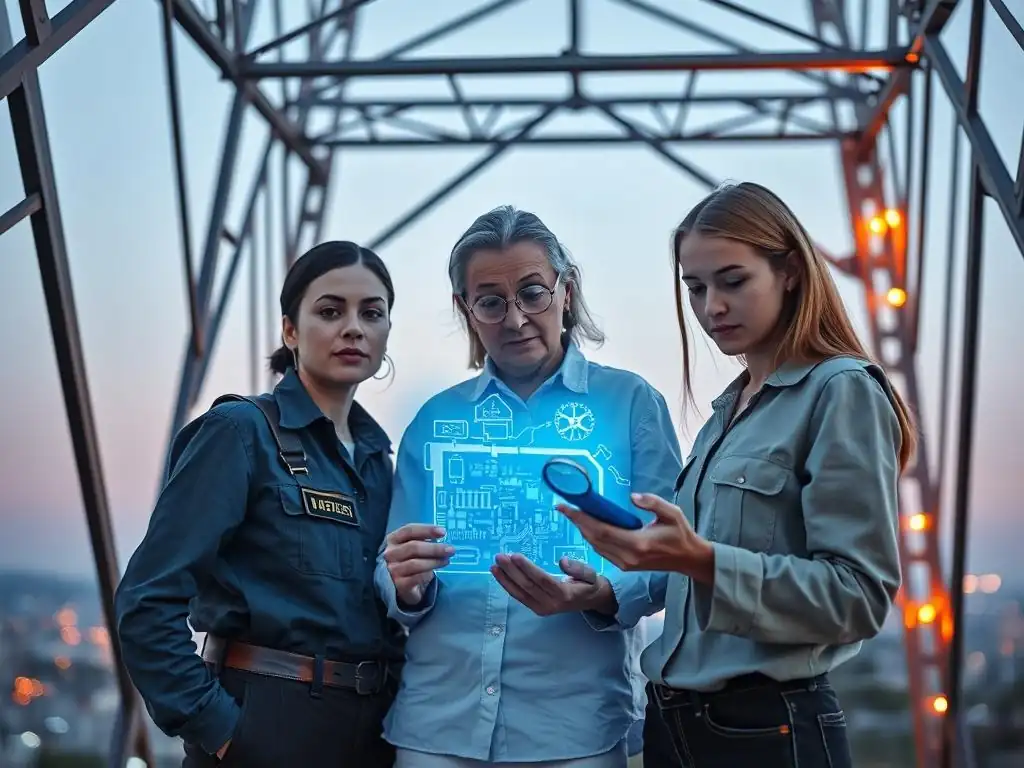
Debra Lew: Leading Sustainable Energy Initiatives
Debra Lew stands as a prominent modern leader among female engineers electrical infrastructure history, particularly for her extensive work in sustainable energy initiatives and the integration of renewable energy into power systems. As a Principal Engineer at the National Renewable Energy Laboratory (NREL), Lew has been instrumental in developing and applying advanced models and analyses to understand the impacts of high penetrations of renewable energy on grid operations and reliability. Her research focuses on the technical challenges and solutions for integrating variable renewable energy sources like wind and solar power into large-scale electrical grids, ensuring their stability and resilience.
Lew's contributions include leading significant studies on grid integration, advising utilities and policymakers on renewable energy strategies, and authoring numerous influential publications that shape the discourse around renewable energy integration. Her expertise is vital in guiding the transition to a cleaner energy future, demonstrating how sophisticated engineering can overcome the complexities of integrating diverse energy sources. Her work exemplifies how female engineers are at the forefront of designing the sustainable electrical infrastructure of tomorrow.
Wanda Reder: Improving Electrical Grid Reliability and Resilience
Wanda Reder is another impactful figure among female engineers electrical infrastructure history, widely recognized for her leadership in enhancing the reliability and resilience of electrical grids. With a distinguished career spanning decades in the power industry, including significant roles at S&C Electric Company and as a past president of the IEEE Power and Energy Society (PES), Reder has been a vocal advocate for grid modernization and the adoption of smart grid technologies. Her focus has been on improving the robustness of the electrical infrastructure against both natural disasters and cyber threats, ensuring uninterrupted power delivery.
Reder's work has emphasized the importance of advanced distribution automation, microgrids, and the development of intelligent systems that can quickly detect and respond to outages. She has championed initiatives that promote grid self-healing capabilities and greater energy independence through distributed generation. Her leadership in professional organizations like IEEE PES has been pivotal in setting industry standards and fostering collaboration among engineers to address the evolving challenges of maintaining a reliable and secure electrical grid. Her career illustrates the profound impact female engineers have on the operational integrity of national power systems.
The Growing Role of Women in Electrical Infrastructure Modernization
The landscape of electrical engineering is steadily evolving, with women playing an increasingly significant role in the modernization of electrical infrastructure globally. Beyond individual achievements, there is a growing presence of female engineers in leadership positions across utilities, technology companies, research institutions, and government agencies dedicated to power systems. This increasing representation is crucial for bringing diverse perspectives to complex challenges, from cybersecurity of the grid to the design of resilient urban power networks.
Women are actively involved in developing smart city initiatives that integrate advanced electrical infrastructure with other urban systems, designing and implementing large-scale renewable energy projects, and leading research into cutting-edge energy storage solutions. Their contributions are fundamental to creating a more efficient, sustainable, and adaptive electrical grid that can meet the demands of the 21st century. The growing influence of female engineers in electrical infrastructure modernization signifies a positive shift towards a more inclusive and innovative future for the field.
The Importance of STEM Education for Future Generations of Female Electrical Engineers
Encouraging Girls to Pursue Careers in Electrical Engineering
To continue the progress seen in the field, it is paramount to actively encourage girls from an early age to pursue careers in electrical engineering and other STEM fields. Historical biases and societal stereotypes have often deterred girls from considering these challenging but rewarding professions. Targeted educational programs, accessible role models, and engaging hands-on experiences can significantly shift perceptions and ignite interest. Introducing concepts of electricity, circuits, and power systems in an exciting and relatable way can spark curiosity and demonstrate the real-world impact of electrical engineering.
Highlighting the stories of pioneering female engineers electrical infrastructure history, such as Edith Clarke and Hertha Ayrton, can serve as powerful inspiration, showing girls that women have always been capable of groundbreaking contributions. Furthermore, emphasizing the creative problem-solving aspects of engineering, rather than just the technical difficulty, can make the field more appealing. Encouraging girls to explore their interests in science and math lays the groundwork for a future where they can confidently pursue careers in electrical infrastructure.
Addressing the Gender Gap in STEM Fields
Addressing the persistent gender gap in STEM fields, particularly in engineering disciplines like electrical engineering, requires a multi-faceted approach. This involves dismantling systemic barriers within educational institutions and workplaces, promoting equitable access to resources and opportunities, and challenging unconscious biases. Universities and colleges must actively work to create inclusive environments that support female students in engineering programs, offering mentorship, networking opportunities, and a sense of belonging. Furthermore, curriculum development should aim to be engaging and relevant, showcasing diverse applications of electrical engineering.
Beyond academia, industries must commit to equitable hiring practices, provide opportunities for professional development and leadership, and implement policies that support work-life balance for all employees. By fostering environments where female engineers feel valued, respected, and empowered, the profession can attract and retain more talent. Closing the gender gap is not just about fairness; it's about leveraging the full spectrum of human talent to solve the complex challenges facing electrical infrastructure and society at large.
Resources and Opportunities for Aspiring Female Engineers
A wealth of resources and opportunities now exists to support aspiring female engineers, a stark contrast to the limited options available to female engineers electrical infrastructure history. Organizations like the Society of Women Engineers (SWE) provide scholarships, mentorship programs, and a robust professional network. Many universities offer specific outreach programs, summer camps, and workshops designed to introduce young women to engineering concepts and provide hands-on experience. These initiatives help demystify the field and build confidence.
Furthermore, online platforms, forums, and communities dedicated to women in STEM offer accessible avenues for learning, networking, and finding inspiration. Scholarships specifically for women in electrical engineering are increasingly available, helping to alleviate financial barriers. Internships and co-op programs with utility companies, technology firms, and research labs provide invaluable practical experience and pathways into the industry. Leveraging these resources is crucial for enabling the next generation of female engineers to thrive and make significant contributions to electrical infrastructure.
Legacy and Inspiration: Honoring the Achievements of Female Electrical Engineers in Infrastructure
Celebrating the Impact of Women on Electrical Infrastructure Development
Celebrating the profound impact of women on electrical infrastructure development is not merely an act of historical correction; it is an essential step in inspiring future generations and fostering a more inclusive engineering community. From the theoretical breakthroughs of Edith Clarke that streamlined power system analysis to the practical innovations of Hertha Ayrton in lighting technology, women have consistently contributed to the foundational and ongoing evolution of electrical grids. Their work, often performed in the shadows of male-dominated fields, has directly led to more efficient, reliable, and safer power systems that underpin modern society.
Acknowledging these achievements means actively seeking out and documenting the stories of these unsung heroines, ensuring their names and contributions become integral parts of electrical engineering history. It involves recognizing that the comfort of a well-lit home, the efficiency of industrial processes, and the reliability of digital communication all owe a debt to the ingenuity and perseverance of female engineers electrical infrastructure history. This celebration reinforces the idea that engineering is a field for everyone, regardless of gender.
Inspiring Future Generations to Break Barriers and Innovate
The stories of female engineers electrical infrastructure history serve as powerful inspiration for young women considering careers in STEM. By showcasing role models who defied societal expectations and overcame significant obstacles, we can demonstrate that barriers are meant to be broken and innovation knows no gender. Learning about women who designed complex power systems, developed new technologies, or led major grid modernization projects can ignite a passion for engineering in girls and young women, showing them the vast possibilities within the field.
This inspiration extends beyond just encouraging entry into the field; it also motivates future generations to continue innovating and pushing the boundaries of what's possible in electrical infrastructure. Understanding the challenges faced by their predecessors can empower new engineers to advocate for diversity, equity, and inclusion, ensuring that the engineering landscape becomes even more welcoming and supportive. The legacy of these pioneers is not just about their past achievements, but about the future they help shape for aspiring female engineers.
The Ongoing Need for Diversity and Inclusion in Engineering
The journey towards full diversity and inclusion in engineering, particularly within the critical domain of electrical infrastructure, is an ongoing one. While significant progress has been made since the days when women were largely excluded, challenges persist in terms of representation, equitable opportunities, and inclusive workplace cultures. A diverse workforce brings a wider range of perspectives, experiences, and problem-solving approaches, which are invaluable for tackling the increasingly complex issues facing global electrical grids, from climate change adaptation to cybersecurity threats.
Promoting diversity and inclusion means actively working to dismantle remaining biases, fostering environments where all engineers feel respected and can thrive, and ensuring that leadership roles reflect the diversity of the talent pool. It also means continuing to support educational initiatives that encourage girls and underrepresented groups to pursue engineering. The continued recognition and support for female engineers electrical infrastructure history and their contemporary counterparts are essential for building a robust, innovative, and equitable engineering profession capable of powering the future.
Conclusion: The Future is Bright for Female Engineers in Electrical Infrastructure
Acknowledging the Progress Made and the Challenges Ahead
The journey of female engineers electrical infrastructure history is a testament to resilience, intellect, and unwavering dedication. We have seen how pioneers like Edith Clarke and Hertha Ayrton laid foundational groundwork, and how modern leaders like Debra Lew and Wanda Reder are shaping the future of power systems. Significant progress has been made in breaking down barriers and increasing the representation of women in electrical engineering. Educational institutions are more welcoming, and professional organizations actively support female engineers.
However, challenges remain. The gender gap, though narrowing, still exists, particularly in senior leadership and technical roles. Unconscious biases can still affect career progression, and the demand for skilled electrical engineers continues to grow, especially with the global shift towards renewable energy and smart grid technologies. It is crucial to acknowledge these persistent hurdles even as we celebrate the triumphs, ensuring that efforts to promote diversity and inclusion remain a priority.
The Continued Importance of Recognizing and Supporting Women in Electrical Engineering
Recognizing and supporting women in electrical engineering is not merely an ethical imperative; it is a strategic necessity for the future of global electrical infrastructure. Their unique perspectives, innovative problem-solving approaches, and contributions are vital for developing resilient, sustainable, and efficient power systems that meet the demands of a rapidly evolving world. By highlighting the achievements of female engineers electrical infrastructure history, we inspire new generations and ensure that the full spectrum of human talent is engaged in addressing critical energy challenges.
This ongoing support includes fostering inclusive educational environments, providing mentorship and networking opportunities, advocating for equitable workplaces, and celebrating their successes. By doing so, we not only empower individual women but also strengthen the engineering profession as a whole, making it more dynamic, innovative, and representative of the society it serves.
Envisioning a More Diverse and Equitable Future for the Field
Envisioning a more diverse and equitable future for electrical engineering means striving for a landscape where gender is no longer a barrier to entry, advancement, or recognition. It means a future where the contributions of female engineers are as widely known and celebrated as those of their male counterparts, and where their leadership is commonplace across all sectors of electrical infrastructure development. This future is one where innovation flourishes because it draws from the broadest possible pool of talent.
By continuing to champion STEM education for girls, dismantling systemic biases, and actively promoting inclusive practices, we can ensure that the next chapters of electrical infrastructure history are written by a truly diverse cohort of engineers. The legacy of the women who powered nations, often against tremendous odds, serves as a powerful reminder that diversity is not just an ideal, but a driving force for progress and a prerequisite for building a robust and sustainable electrical future for all.
Frequently Asked Questions
How were women initially involved in electrical engineering history, particularly in relation to infrastructure?
Early involvement often started with roles as calculators and assistants, performing meticulous calculations crucial for electrical system design. Some also contributed to early research and development within electrical companies.
What were some of the major obstacles faced by female engineers in the electrical infrastructure field historically?
They faced systemic discrimination, including limited educational opportunities and hiring biases, often being relegated to lower-paying or less prestigious roles. They also dealt with social expectations that discouraged women from pursuing careers in STEM.
Can you name a few prominent female engineers who made significant contributions to electrical infrastructure development?
While specific names are sometimes obscured, research reveals individuals who significantly advanced the field, often working behind the scenes. Identifying these individuals requires delving into archival records and company histories to uncover their contributions to specific electrical infrastructure projects.
How did World War II impact the role of women in electrical engineering and infrastructure?
The war created a labor shortage that opened opportunities for women in traditionally male fields like electrical engineering. They filled roles in designing, building, and maintaining electrical infrastructure vital to the war effort.
How does WomenInScienceHistory.com aim to promote the stories of female engineers in electrical infrastructure history?
The website showcases biographies, articles, and resources that highlight their groundbreaking work and the challenges they overcame. This includes focusing on the often-overlooked narratives of women who contributed to powering nations.
Final Reflection: Illuminating the Future
The journey through the history of female engineers in electrical infrastructure reveals not just past achievements, but a powerful and ongoing legacy of innovation and resilience that continues to shape our world today. Their contributions, often overlooked, are the very foundation upon which our modern, electrified society is built.
This exploration underscores the profound impact these women have had, and continue to have, on the cultural and social landscape. It reminds us that progress is not a linear path, but a tapestry woven with the threads of countless individuals, each contributing their unique skills and perspectives. The most effective way to do it, is to do it.
- Amelia Earhart. This quote encapsulates the spirit of these pioneering women who, despite facing significant obstacles, persevered and left an indelible mark.
As we reflect on the stories of these remarkable female engineers, let us be inspired to champion inclusivity and equity in STEM fields. Let us actively encourage and support the next generation of female engineers, empowering them to build a brighter, more sustainable, and more equitable future for all.
Ignite Your Engineering Passion!
Thank you for exploring the vital contributions of female engineers to electrical infrastructure. We hope you've found inspiration in their stories and a renewed appreciation for their impact. Ready to make your own mark?
- Research and connect with a local organization that supports women in STEM fields. You can volunteer your time or offer mentorship.
- Share this article to increase awareness of the unsung heroines of electrical engineering. Help inspire the next generation.
- Consider writing a short piece about a modern female electrical engineer you admire and submit it to your local school or community newsletter.
What small but impactful action will you take today to celebrate and support women in STEM?