
Educating for Change: Women Who Built the Foundations of Environmental Awareness

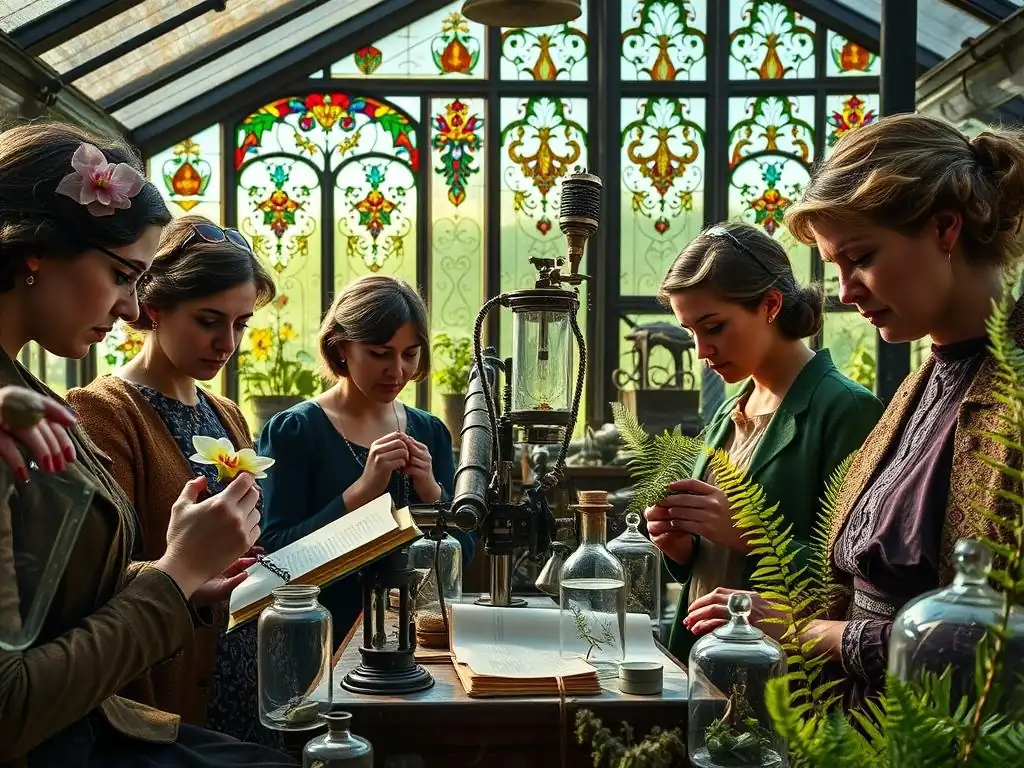
Welcome to WomenInScienceHistory.com!
Delve into the untold stories of brilliant minds and groundbreaking discoveries. Are you ready to uncover the legacy of women environmental science pioneers history? Their contributions, often hidden from the mainstream narrative, shaped our understanding of the natural world and laid the groundwork for modern environmentalism. Explore their journeys, their struggles, and their enduring impact on our planet, starting with our featured article…
- Introduction: Celebrating Women's Contributions to Environmental Science
- Early Pioneers: Women Championing Conservation
- 20th Century Trailblazers: Expanding the Scope of Environmentalism
- The Power of Education: Inspiring Future Generations of Environmentalists
- Overcoming Obstacles: Challenges Faced by Women in Environmental Science
- Legacy and Inspiration: The Enduring Impact of Women in Environmentalism
- Conclusion: Women's Vital Role in Shaping a Sustainable Future
-
Frequently Asked Questions
- What is "WomenInScienceHistory.com" about?
- Why is it important to study the history of women in environmental science?
- What kind of challenges did these women environmental science pioneers face?
- Can you name a few examples of "Women environmental science pioneers history" mentioned in "Educating for Change: Women Who Built the Foundations of Environmental Awareness"?
- How can learning about these women inspire future generations of scientists?
- Final Reflection: Seeds of Change, Roots of Resilience
- Ignite Your Environmental Passion!
Introduction: Celebrating Women's Contributions to Environmental Science
The Unsung Heroines of Environmentalism
Throughout history, the narratives of scientific discovery and societal change have often overlooked the profound contributions of women. In the realm of environmental science and conservation, this oversight is particularly striking, as countless women have been at the forefront of movements to understand, protect, and restore our planet. These unsung heroines, many of whom are pivotal women environmental science pioneers history, tirelessly worked to raise awareness, conduct groundbreaking research, and advocate for sustainable practices, often facing immense societal and professional barriers.
Their pioneering efforts, from early naturalists to modern-day activists, laid critical groundwork for the global environmental movement we recognize today. By challenging prevailing norms and dedicating their lives to ecological principles, these women not only advanced scientific understanding but also inspired a fundamental shift in how humanity perceives its relationship with the natural world, cementing their place as true pioneers in environmental thought and action.
Why Recognizing Women in Environmental History Matters
Recognizing the contributions of women environmental science pioneers history is not merely an act of historical correction; it is a vital step in inspiring future generations and fostering a more inclusive scientific community. When young women and girls see themselves reflected in the stories of scientific achievement, it dismantles stereotypes and empowers them to pursue careers in STEM fields, particularly environmental science, which desperately needs diverse perspectives to address complex global challenges.
Moreover, acknowledging these women highlights the multifaceted approaches and unique insights they brought to environmental issues. Their work often transcended traditional scientific boundaries, incorporating social justice, public health, and community empowerment into conservation efforts. This holistic view is crucial for developing effective and equitable solutions to environmental crises, underscoring why their stories must be prominently featured in any comprehensive account of environmental history.
Early Pioneers: Women Championing Conservation
Rachel Carson: The Silent Spring and its Impact
Rachel Carson, a marine biologist and writer, stands as an undeniable icon among women environmental science pioneers history. Her groundbreaking 1962 book, Silent Spring, meticulously documented the devastating effects of synthetic pesticides, particularly DDT, on wildlife and human health. Carson's rigorous research and compelling narrative challenged the prevailing notion of unlimited technological progress, revealing how widespread chemical use was poisoning ecosystems and silencing the songs of birds, hence the book's evocative title.
Silent Spring ignited a public outcry and is widely credited with catalyzing the modern environmental movement. Despite fierce opposition from chemical companies and some government agencies, Carson's work led to a significant shift in public policy, culminating in the nationwide ban of DDT in the United States in 1972, just a decade after the book's publication. Her fearless advocacy demonstrated the power of science communication to effect profound societal change and remains a testament to her enduring legacy.
Ellen Swallow Richards: The Mother of Environmental Science
Long before the term "environmental science" was coined, Ellen Swallow Richards was laying its foundational principles, earning her the unofficial title, "the Mother of Environmental Science." As the first woman admitted to the Massachusetts Institute of Technology (MIT) in 1873 and later its first female instructor, Richards pioneered the field of sanitary chemistry. Her work focused on understanding the intricate relationships between human health, domestic environments, and the broader natural world, a concept she termed "oekology," a precursor to modern ecology.
Richards' contributions were vast and practical, ranging from developing the first municipal water quality standards in Massachusetts in the 1880s to advocating for improved ventilation and sanitation in homes and schools. She championed "euthenics"—the science of improving living conditions—and founded the field of home economics, viewing the home as a microcosm of the larger environment. Her holistic approach to public health and ecological well-being truly established the interdisciplinary nature of environmental science, making her a crucial figure among women environmental science pioneers history.
20th Century Trailblazers: Expanding the Scope of Environmentalism
Wangari Maathai: The Green Belt Movement and African Environmentalism
Wangari Maathai, a Kenyan environmental and political activist, profoundly expanded the scope of environmentalism to include social justice and women's empowerment. In 1977, she founded the Green Belt Movement, a grassroots organization that encouraged women in rural Kenya to plant trees to combat deforestation, soil erosion, and desertification. Beyond its ecological impact, the movement empowered women by providing them with income, fostering community organization, and giving them a voice in environmental decision-making.
Under Maathai's leadership, the Green Belt Movement planted over 51 million trees across Kenya, significantly restoring degraded landscapes and improving local livelihoods. Her courageous activism often put her at odds with authoritarian regimes, but her unwavering commitment to environmental sustainability and human rights earned her international recognition. In 2004, Wangari Maathai became the first African woman and the first environmentalist to be awarded the Nobel Peace Prize, solidifying her place as a global leader among women environmental science pioneers history.
Lois Gibbs: Fighting for Environmental Justice at Love Canal
Lois Gibbs is a powerful example of a grassroots activist who brought the issue of environmental justice to the forefront of national awareness. In the late 1970s, as a concerned mother living in Niagara Falls, New York, Gibbs discovered that her neighborhood, Love Canal, was built on a hazardous waste dump. Alarmed by the high rates of illness and birth defects among her neighbors, she organized her community, forming the Love Canal Homeowners Association, despite having no prior experience in activism.
Gibbs' relentless advocacy, which included holding government officials accountable and staging protests, eventually forced the evacuation of over 800 families from Love Canal, with the federal government purchasing their homes. Her tireless efforts not only secured relocation for her community but also played a pivotal role in the creation of the Comprehensive Environmental Response, Compensation, and Liability Act (CERCLA), commonly known as the Superfund Act, in 1980. This landmark legislation established a federal program to clean up uncontrolled hazardous waste sites, making Lois Gibbs an essential figure in the women environmental science pioneers history of environmental justice.
The Power of Education: Inspiring Future Generations of Environmentalists

Women as Educators: Shaping Environmental Curriculum
Women have consistently played a crucial role in shaping environmental curriculum, both within formal educational institutions and through informal community programs. From elementary school teachers introducing concepts of recycling and conservation to university professors developing advanced courses in ecological restoration and climate science, women have been at the forefront of translating complex environmental issues into accessible and engaging learning experiences. Their pedagogical approaches often emphasize interdisciplinary connections, fostering a holistic understanding of environmental challenges that extends beyond scientific principles to include social, economic, and ethical dimensions.
Furthermore, many women educators have been instrumental in advocating for the integration of environmental literacy across various subjects, ensuring that students develop a comprehensive awareness of their ecological footprint and the interconnectedness of natural systems. Their dedication to fostering environmental consciousness from an early age helps cultivate a generation of informed citizens who are equipped to make sustainable choices and advocate for environmental protection, building directly upon the legacy of women environmental science pioneers history.
Mentorship and Role Models: The Influence of Women in Science
The influence of women as mentors and role models in environmental science cannot be overstated. For aspiring young scientists, seeing successful women in leadership positions within research, policy, and advocacy provides tangible proof that a career in environmentalism is achievable, regardless of gender. These mentors offer invaluable guidance, sharing their experiences, navigating challenges, and opening doors to opportunities that might otherwise be inaccessible. They provide practical advice on everything from fieldwork techniques and data analysis to grant writing and career navigation.
By actively engaging in mentorship, women scientists perpetuate a legacy of support and empowerment, ensuring that the next wave of environmental leaders is diverse and well-prepared. The narratives of women environmental science pioneers history, such as those of Rachel Carson or Wangari Maathai, serve as powerful inspirations, demonstrating resilience, intellectual prowess, and a profound commitment to environmental stewardship. Their stories motivate new generations to tackle urgent environmental issues with passion and dedication.
Overcoming Obstacles: Challenges Faced by Women in Environmental Science
Gender Bias in Scientific Fields
Historically, and in many respects still today, women in scientific fields, including environmental science, have faced significant gender bias. This bias manifests in various forms, from limited access to educational opportunities and funding in earlier centuries to present-day issues such as underrepresentation in senior leadership roles, lower pay, and fewer opportunities for recognition compared to their male counterparts. Pioneering women often had to overcome overt discrimination, having their research dismissed or their capabilities questioned simply because of their gender.
Even when their work was undeniably impactful, credit was sometimes misattributed or minimized. For instance, early female naturalists often published under pseudonyms or had their contributions overshadowed by male collaborators. While progress has been made, subtle biases persist in peer review, grant allocation, and promotion processes, making it a continuous challenge for women to achieve full equity and recognition in environmental science, despite their substantial contributions throughout women environmental science pioneers history.
Balancing Career and Family
Another significant obstacle faced by women in environmental science, as in many demanding professional fields, is the challenge of balancing career aspirations with family responsibilities. Societal expectations often place a disproportionate burden of childcare and domestic duties on women, which can severely impact their ability to dedicate long hours to fieldwork, laboratory research, or extensive travel often required in environmental careers. This can lead to career interruptions, slower professional advancement, or even women leaving the field altogether.
Many institutions have historically lacked adequate support systems such as flexible work arrangements, affordable childcare, or extended parental leave, making it difficult for women to maintain momentum in their careers after starting a family. This ongoing struggle to reconcile professional ambitions with personal life responsates contributes to the underrepresentation of women in senior scientific roles, highlighting a systemic issue that continues to affect the progression of women in environmental science, even as we celebrate women environmental science pioneers history.
Legacy and Inspiration: The Enduring Impact of Women in Environmentalism
Continuing the Fight for Environmental Protection
The tireless efforts of women environmental science pioneers history have laid an indelible foundation for the ongoing fight for environmental protection. Their breakthroughs in understanding ecological systems, their fierce advocacy for policy changes, and their ability to mobilize communities continue to resonate in contemporary environmental movements. Modern environmentalists, both male and female, build upon the scientific insights and social justice principles championed by figures like Rachel Carson, Ellen Swallow Richards, and Wangari Maathai.
Today, women remain at the forefront of climate change research, sustainable development initiatives, and grassroots conservation efforts worldwide. From leading international climate negotiations to developing innovative ecological restoration techniques, their work ensures that the legacy of environmental stewardship endures. The original battles fought by these pioneers against pollution, habitat destruction, and social inequity remain acutely relevant, inspiring new generations to continue the crucial work of protecting our planet.
Honoring the Contributions of Women
Honoring the contributions of women in environmentalism is essential not only for historical accuracy but also for inspiring future action. Platforms dedicated to sharing the stories of women environmental science pioneers history play a vital role in ensuring that their achievements are not forgotten or marginalized. By celebrating their resilience, intellectual prowess, and unwavering commitment, we provide powerful role models for young people considering careers in science and conservation.
Recognizing these women also highlights the diverse pathways to environmental leadership, demonstrating that impact can be achieved through scientific research, community organizing, policy advocacy, and education. Their narratives underscore the importance of inclusivity and diverse perspectives in addressing the complex environmental challenges of our time. By giving these women the recognition they deserve, we enrich the historical record and empower a more equitable and effective environmental movement for the future.
Conclusion: Women's Vital Role in Shaping a Sustainable Future
The Future of Environmentalism: A Call to Action
The indelible mark left by women environmental science pioneers history underscores their vital, often understated, role in shaping a sustainable future. From Ellen Swallow Richards' foundational work in public health and ecology to Rachel Carson's groundbreaking exposé on pesticides, and from Wangari Maathai's tree-planting revolution to Lois Gibbs' fight for environmental justice, these women have collectively built the framework for modern environmental awareness and action. Their dedication, often in the face of significant adversity, has empowered communities, influenced policy, and inspired generations to understand and protect our planet.
As we look to the future, the lessons learned from these pioneering women are more critical than ever. Addressing the escalating climate crisis, biodiversity loss, and pollution requires diverse voices, innovative solutions, and unwavering commitment. The ongoing participation and leadership of women in all facets of environmental science and advocacy are not merely desirable; they are absolutely essential to fostering a truly sustainable and equitable world for all.
Frequently Asked Questions
What is "WomenInScienceHistory.com" about?
The website celebrates the contributions of women to various scientific fields throughout history, particularly focusing on their groundbreaking work and the obstacles they overcame. It aims to inspire future generations by highlighting these often-overlooked stories.
Why is it important to study the history of women in environmental science?
Understanding the history of women in environmental science helps us recognize their crucial contributions and challenge the historical underrepresentation of women in STEM fields. It also provides role models for aspiring female scientists.
What kind of challenges did these women environmental science pioneers face?
These pioneers often faced gender discrimination, limited access to education and resources, and lack of recognition for their work in male-dominated scientific communities. They also had to overcome social expectations regarding women's roles.
Can you name a few examples of "Women environmental science pioneers history" mentioned in "Educating for Change: Women Who Built the Foundations of Environmental Awareness"?
While the article itself isn't available, it likely discusses women like Rachel Carson, author of Silent Spring, or Wangari Maathai, the Nobel Peace Prize laureate and environmental activist. These women are pivotal figures in environmental awareness.
How can learning about these women inspire future generations of scientists?
By showcasing the impactful work and resilience of these pioneers, we can encourage more women to pursue careers in environmental science. Their stories demonstrate that women can make significant contributions to solving environmental challenges and drive positive change.
Final Reflection: Seeds of Change, Roots of Resilience
The stories of these women environmental science pioneers are not just historical accounts; they are vibrant blueprints for our present and future. Their unwavering dedication to understanding and protecting our planet, often in the face of societal barriers, resonates powerfully today as we grapple with unprecedented environmental challenges. Their legacy reminds us that even seemingly small acts of courage and scientific inquiry can blossom into transformative movements.
The impact of these women extends far beyond scientific publications and policy changes. Their work has profoundly shaped the cultural landscape, fostering a deeper appreciation for the interconnectedness of all living things and inspiring generations to become environmental stewards. Their struggles and triumphs underscore the vital role of diverse voices in shaping a sustainable future, a lesson that remains critically important today. Never doubt that a small group of thoughtful, committed citizens can change the world; indeed, it's the only thing that ever has.
- Margaret Mead.
As we reflect on the lives and legacies of these remarkable women, let us be inspired to cultivate our own seeds of change. Consider how their pioneering spirit can inform your own actions, whether through advocating for sustainable practices, supporting environmental education, or simply fostering a deeper connection with the natural world. The foundations they laid are strong; it is now our responsibility to build upon them, ensuring a healthier and more equitable planet for all.
Ignite Your Environmental Passion!
Thank you for diving into the stories of these incredible women! You've now seen the power of individuals to shape our understanding of the environment. It's time to put that inspiration into action.
Here are some ways you can continue their legacy:
- Become a Citizen Scientist: Participate in local environmental monitoring projects and contribute directly to data collection.
- Share these inspiring stories: Help increase the visibility of these extraordinary women in your social networks.
- Explore your local environment: Visit a local nature reserve or park and make observations about the flora and fauna there.
What small change will you make today to protect our planet?