
Holistic Solutions: Women Integrating Social Justice and Psychology into Environmentalism

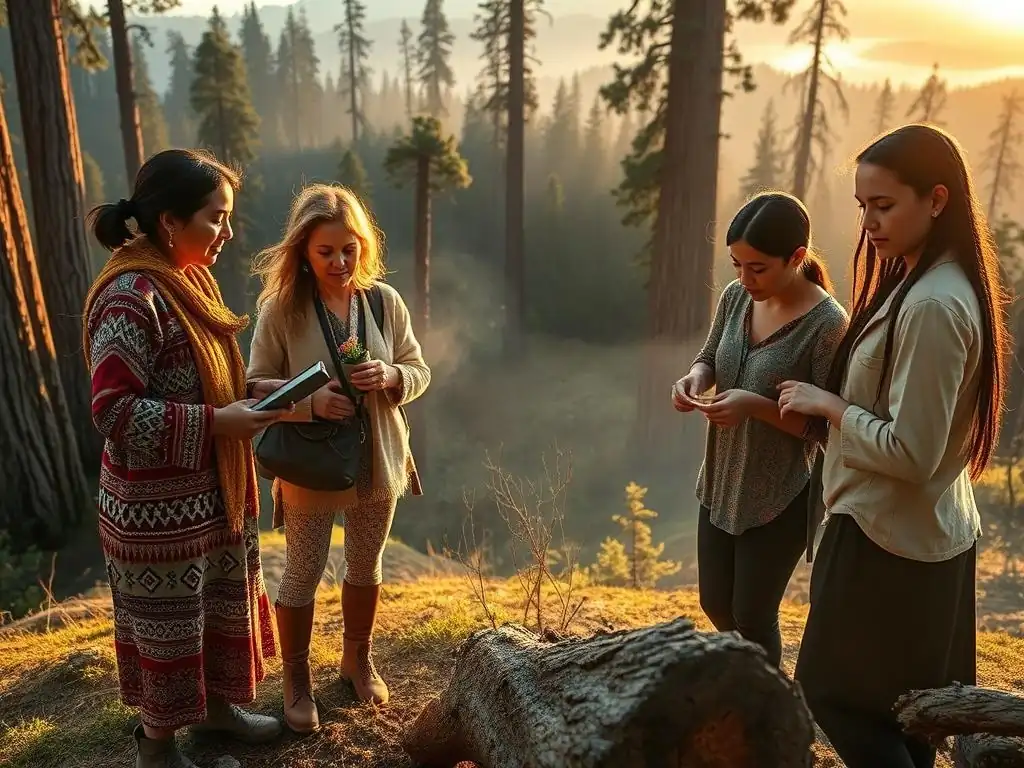
Welcome to WomenInScienceHistory.com, where we unearth the remarkable stories of women who shaped the scientific world! This week, we're diving deep into Holistic Solutions: Women Integrating Social Justice and Psychology into Environmentalism. Have you ever wondered how perspectives on women’s environmental psychology social justice are revolutionizing our approach to environmental challenges? Discover the pioneering women who are leading the charge, revealing the powerful intersection of science, social justice, and a healthier planet. Read on to explore their groundbreaking work and uncover the vital role of empathy and equity in creating a sustainable future.
- Introduction: Women in Science History and the Rise of Holistic Environmentalism
- The Intersection of Women's Environmental Psychology and Social Justice
- Case Studies: Women Leading the Charge in Environmental and Social Justice
- The Psychological Impact of Environmental Degradation on Women and Marginalized Communities
- Overcoming Barriers: Challenges Faced by Women in Environmental Social Justice
- Future Directions: Advancing Women’s Environmental Psychology and Social Justice
- Conclusion: Honoring the Legacy of Women in Environmental Science and Social Justice
-
Frequently Asked Questions
- What is Holistic Solutions: Women Integrating Social Justice and Psychology into Environmentalism about?
- Why is the integration of social justice important in environmentalism?
- How does psychology play a role in creating more effective environmental initiatives?
- What challenges have women historically faced in contributing to environmental science and related fields?
- How can WomenInScienceHistory.com inspire future generations of women in environmental science?
- Final Reflection: Empowering Change Through Integrated Action
- Ignite Change: Amplify Your Voice for Environmental Justice!
Introduction: Women in Science History and the Rise of Holistic Environmentalism
Celebrating Women's Contributions to Environmental Science in the 21st Century
The 21st century has witnessed a significant surge in the recognition and influence of women in environmental science, marking a pivotal shift from historical underrepresentation. Women are increasingly at the forefront of research, policy-making, and grassroots movements, bringing diverse perspectives and innovative solutions to complex ecological challenges. Their contributions are not just about adding numbers but about enriching the scientific discourse with approaches that often prioritize community engagement, intergenerational equity, and holistic well-being.
For instance, reports indicate a steady increase in female enrollment and graduation rates in environmental science programs globally, with some universities in the US reporting over 50% female students in these fields in recent years. This growing presence is transforming the landscape of environmental research and advocacy.
This burgeoning influence is particularly evident in how women are shaping the very definition of environmental solutions. Beyond traditional ecological studies, many female scientists and activists are championing interdisciplinary methods, recognizing that environmental problems are deeply intertwined with social structures and human behavior. They are advocating for solutions that are not only scientifically sound but also socially equitable and psychologically resonant.
This integrated approach, often termed women’s environmental psychology social justice, acknowledges that sustainable environmentalism requires understanding human interactions with nature, addressing systemic injustices, and fostering community resilience. The shift reflects a broader understanding that a healthy planet cannot exist without healthy, just societies.
The integration of environmentalism, social justice, and psychology represents a critical evolution in how humanity confronts ecological crises. For too long, environmental solutions were predominantly viewed through a purely scientific or technological lens, often overlooking the human dimensions of environmental degradation and conservation. However, the rise of fields like environmental psychology has underscored that human perceptions, behaviors, and well-being are central to achieving true sustainability. This recognition has paved the way for a more comprehensive framework where environmental issues are understood as symptoms of deeper societal inequities and psychological disconnects.
This interdisciplinary synthesis is particularly championed by many women who have historically been at the nexus of community care and environmental stewardship. They understand that issues like pollution disproportionately affect marginalized communities, creating environmental injustices that exacerbate existing social disparities. The psychological toll of living in degraded environments, or facing climate displacement, is immense, leading to phenomena like eco-anxiety and solastalgia.
By combining environmental science with social justice advocacy and the insights of environmental psychology, practitioners are developing solutions that address the root causes of environmental problems, empower vulnerable populations, and foster a deeper, more empathetic connection between humans and the natural world. This holistic perspective is foundational to advancing women’s environmental psychology social justice.
Defining Women’s Environmental Psychology: Understanding Human-Nature Interactions
Environmental psychology is a field dedicated to understanding the complex interplay between humans and their environments, exploring how physical surroundings influence human behavior, well-being, and perception, and conversely, how human actions impact the environment. When we speak of women’s environmental psychology, we delve into the unique ways women experience, perceive, and interact with their environments, often shaped by societal roles, cultural expectations, and disproportionate vulnerabilities.
For instance, in many parts of the world, women are primary gatherers of water and fuel, making them acutely aware of resource scarcity and environmental degradation. This direct daily interaction often fosters a profound connection to nature and a heightened sensitivity to its decline.
This gendered perspective highlights how women's roles as caregivers, community organizers, and stewards of household resources often place them at the front lines of environmental change. Research, such as studies on climate change perception, has shown that women in certain regions may report higher levels of concern about environmental issues than men, potentially due to their direct experience with resource scarcity or their role in ensuring family well-being.
Understanding these distinct experiences is crucial for developing effective and equitable environmental interventions. It informs how environmental messaging is received, how conservation programs are adopted, and how communities are mobilized for environmental action, all central to the principles of women’s environmental psychology social justice.
Social justice is not merely an adjunct to environmentalism but an indispensable foundation for achieving genuine and lasting sustainability. Environmental justice recognizes that marginalized communities—often low-income populations and communities of color—bear a disproportionate burden of environmental hazards, from proximity to polluting industries to inadequate access to clean water and green spaces.
For example, studies in the United States have consistently shown that communities of color are significantly more likely to live near hazardous waste sites or experience higher levels of air pollution compared to affluent white communities. This systemic inequity means that environmental degradation is not a neutral phenomenon; it is deeply entwined with historical injustices and power imbalances.
Therefore, any truly sustainable environmental solution must actively dismantle these disparities and ensure equitable access to environmental benefits and protection from harm. Ignoring social justice issues in environmental policy leads to fragmented and ultimately unsustainable outcomes, as it fails to address the root causes of vulnerability and conflict.
Integrating social justice means empowering affected communities, ensuring their participation in decision-making processes, and prioritizing their health and well-being. This commitment to fairness and equity ensures that environmental benefits are shared broadly and that the burdens of environmental protection do not fall disproportionately on those least able to bear them, aligning perfectly with the core tenets of women’s environmental psychology social justice.
The Unique Perspective of Women in Addressing Environmental Inequities
Women often bring a unique and vital perspective to addressing environmental inequities, frequently serving as powerful catalysts for change at the grassroots level. Their roles within families and communities, particularly in many developing nations, position them as primary managers of natural resources like water, food, and fuel. When these resources become scarce or contaminated due to environmental degradation, women and children are often the first and most severely impacted.
This direct experience of environmental injustice fuels their advocacy and leadership in demanding change. For instance, women have historically led protests against polluting industries in various communities, from the Niger Delta to Flint, Michigan, articulating the lived realities of environmental harm.
Moreover, women's traditional roles often foster strong community networks, which are crucial for collective action against environmental injustices. They frequently organize local initiatives, educate their peers, and mobilize for policy changes that protect their families and environments. Their leadership often emphasizes collaborative, inclusive, and empathetic approaches, moving beyond purely technical solutions to incorporate human well-being and social equity.
This leadership is not just about protesting but about building sustainable alternatives, fostering community resilience, and ensuring that environmental benefits are shared equitably. This holistic engagement exemplifies the practical application of women’s environmental psychology social justice in action, demonstrating how understanding human behavior and social dynamics can drive meaningful environmental progress.
Wangari Maathai and the Green Belt Movement
Maathai's Contribution to Reforestation and Women's Empowerment in Kenya
Wangari Maathai, a Nobel Peace Prize laureate, stands as a towering figure in the intersection of environmentalism, social justice, and women's empowerment. In 1977, she founded the Green Belt Movement (GBM) in Kenya, initially focused on combating deforestation, soil erosion, and desertification. What began as an environmental initiative quickly evolved into a powerful social movement, recognizing that ecological degradation was inextricably linked to poverty, disempowerment, and political oppression.
The GBM empowered rural women by paying them a small stipend to plant trees, providing them with an income source and enhancing their self-reliance. By 2004, the movement had successfully planted over 30 million trees across Kenya, significantly contributing to reforestation efforts and improving local ecosystems.
Maathai's genius lay in her ability to connect environmental restoration with broader issues of human rights, democracy, and economic development. She understood that giving women a direct stake in environmental stewardship through tree planting not only healed the land but also fostered a sense of agency and collective power.
This initiative addressed critical social justice issues by providing economic opportunities for marginalized women and ensuring local communities had access to vital resources like firewood and clean water. Her work demonstrated that environmental action could be a powerful tool for social change, improving livelihoods and challenging oppressive systems, embodying principles central to women’s environmental psychology social justice.
Applying Psychological Principles to Community Mobilization and Environmental Stewardship
Wangari Maathai's approach to the Green Belt Movement was deeply rooted in an intuitive understanding of human psychology and community dynamics. She recognized that for environmental conservation to be successful, it had to resonate with the immediate needs and aspirations of the people. By focusing on practical benefits—such as providing fuelwood, fodder for livestock, and improved soil fertility for crops—she tapped into the psychological motivation of self-preservation and tangible reward.
This direct link between planting trees and improving daily lives fostered a sense of ownership and responsibility among participants. The act of planting a tree, often seen as a simple ecological task, became a profound act of hope and empowerment.
Furthermore, Maathai skillfully employed principles of social psychology to mobilize communities. She facilitated collective action by organizing women into groups, fostering a sense of shared purpose and mutual support. The very process of working together to plant trees built social cohesion and strengthened community bonds, providing psychological benefits beyond the environmental outcomes.
Seeing the tangible results of their labor—a growing forest, healthier land—reinforced positive behaviors and instilled a powerful sense of accomplishment and pride. This psychological empowerment, combined with the practical benefits of reforestation, ensured the longevity and widespread adoption of the Green Belt Movement, making it a powerful example of applied women’s environmental psychology social justice.
Vandana Shiva and Seed Sovereignty
Shiva's Work on Biodiversity Conservation and Farmers' Rights in India
Vandana Shiva, an Indian environmental activist and ecofeminist, has dedicated her life to advocating for biodiversity conservation, seed sovereignty, and the rights of small farmers. Through Navdanya, an organization she founded in 1987, Shiva has championed the preservation of indigenous seeds, promoting organic farming practices as an alternative to industrial agriculture.
Her work directly challenges the dominance of multinational corporations in the agricultural sector, which she argues leads to monocultures, increased chemical use, and the erosion of local food systems. Navdanya has established over 150 community seed banks across India, conserving hundreds of rice varieties and other traditional crops, providing farmers with access to diverse, open-pollinated seeds.
Shiva's advocacy is deeply rooted in principles of social justice, recognizing that control over seeds and food systems is fundamental to food security and farmer autonomy. She highlights how the patenting of seeds and the promotion of genetically modified organisms (GMOs) disempower small farmers, pushing them into debt and dependence.
Her efforts aim to reclaim traditional knowledge and agricultural practices, asserting the rights of farmers to save, exchange, and develop their own seeds. This work is not just about environmental protection; it’s about ensuring economic justice, cultural preservation, and the fundamental right to healthy, diverse food for all, embodying critical aspects of women’s environmental psychology social justice.
Addressing Psychological Impacts of Industrial Agriculture on Small Farmers
Vandana Shiva's work also profoundly addresses the psychological impacts of industrial agriculture on small farmers, particularly in India. The shift from traditional, diverse farming to monoculture, often reliant on expensive chemical inputs and patented seeds, has led to immense financial strain and psychological distress for many rural communities.
Farmers frequently face crushing debt, crop failures due to reliance on a few susceptible varieties, and a loss of traditional ecological knowledge passed down through generations. This situation has contributed to a tragic phenomenon of farmer suicides in India, with hundreds of thousands reported over the past few decades, driven largely by economic hardship and despair.
Shiva's promotion of seed sovereignty and organic, biodiverse farming offers a powerful psychological antidote to this crisis. By empowering farmers to save and exchange their own seeds, Navdanya restores their autonomy and reduces their dependence on external corporations, alleviating significant financial and mental burdens.
The practice of traditional, diverse farming also reconnects farmers with their cultural heritage and the natural cycles of the land, fostering a sense of pride, purpose, and community resilience. This approach mitigates the psychological stress associated with industrial farming and promotes mental well-being by restoring control, dignity, and a sense of belonging, making it a crucial component of women’s environmental psychology social justice.
The Psychological Impact of Environmental Degradation on Women and Marginalized Communities
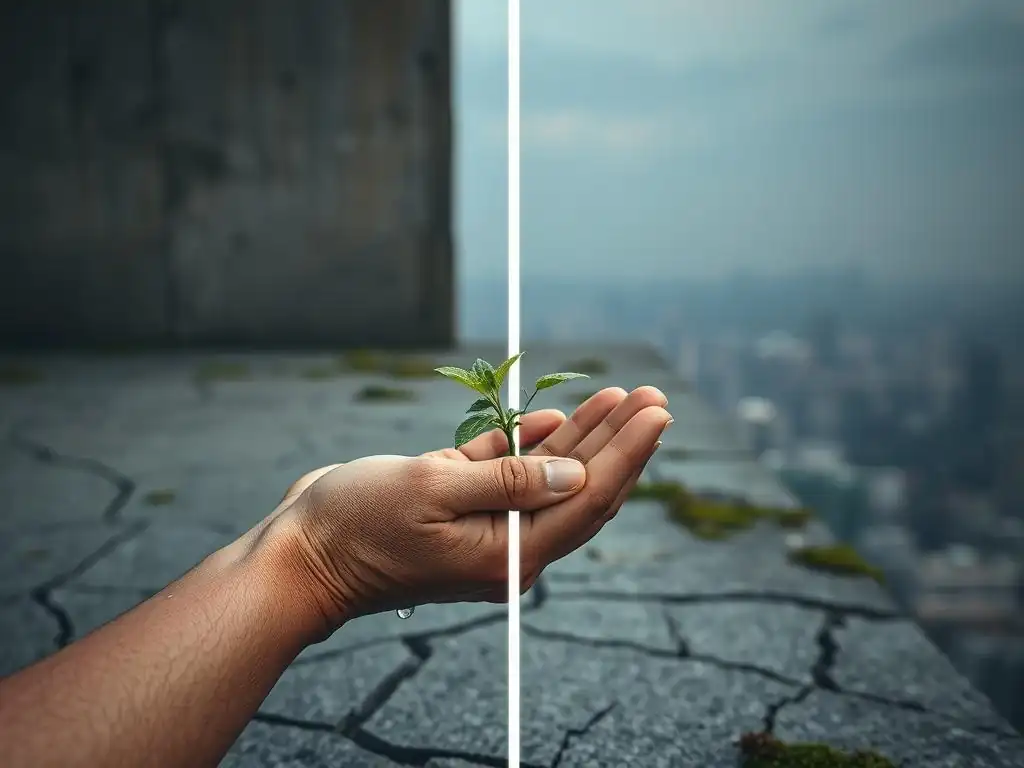
Environmental Stressors and Mental Health Disparities: A Gendered Perspective
Environmental degradation, from air pollution to climate change-induced disasters, imposes significant psychological burdens, often disproportionately affecting women and marginalized communities. Women, particularly in developing nations, are frequently the primary caregivers and resource managers, making them acutely vulnerable to environmental stressors. For instance, prolonged droughts or floods can lead to food insecurity and water scarcity, forcing women to travel longer distances for basic necessities, increasing their physical burden and exposure to risks.
This chronic stress can manifest as anxiety, depression, and even post-traumatic stress disorder (PTSD). Studies following climate-related disasters, such as hurricanes or severe heatwaves, have often shown higher rates of mental health issues among women compared to men, partly due to their caregiving responsibilities and the disruption to social support networks.
Moreover, marginalized communities, often already facing socio-economic disadvantages, are typically located in areas more susceptible to environmental hazards, such as industrial pollution or inadequate infrastructure to withstand extreme weather. Living in these "sacrifice zones" creates a pervasive sense of injustice and powerlessness, contributing to chronic stress and mental health disparities.
The constant exposure to pollutants, the fear of future environmental catastrophes, and the lack of agency in decision-making processes erode mental well-being. This intersection of environmental harm, social inequity, and mental health challenges underscores the urgent need for a women’s environmental psychology social justice framework to address these gendered and systemic impacts.
The Role of Environmental Psychology in Addressing Climate Anxiety and Eco-Grief
Environmental psychology plays a critical role in understanding and addressing the emerging mental health challenges posed by climate change, such as climate anxiety and eco-grief. Climate anxiety refers to the chronic fear of environmental doom, while eco-grief is the profound sense of loss felt for ecosystems, species, and traditional ways of life due to environmental degradation.
These psychological responses are increasingly prevalent, particularly among younger generations and those directly impacted by climate events. For example, a 2021 global study found that 84% of young people aged 16-25 were at least moderately worried about climate change, with 59% feeling "very" or "extremely" worried.
Environmental psychology offers frameworks and interventions to help individuals cope with these challenging emotions. It emphasizes the importance of fostering a sense of agency, promoting collective action, and strengthening connections to nature and community. Therapists are increasingly incorporating nature-based interventions, mindfulness practices, and community support groups to help individuals process their feelings and channel their concerns into constructive action. By validating these emotions and providing pathways for engagement, environmental psychology helps transform despair into resilience and action, which is fundamental to the practical application of women’s environmental psychology social justice principles in mental health support.
Building Resilience and Fostering Empowerment Through Nature-Based Interventions
Nature-based interventions offer powerful avenues for building psychological resilience and fostering empowerment, particularly within communities facing environmental stressors. Access to green spaces, community gardens, and natural environments has been consistently linked to improved mental well-being, reduced stress, and enhanced cognitive function. For instance, studies have shown that even short periods of exposure to nature can significantly lower cortisol levels and improve mood. For women and marginalized communities, who often have less access to safe green spaces, creating or reclaiming these areas can be especially transformative.
Community-led initiatives, such as urban gardening projects or local conservation efforts, not only restore degraded environments but also empower participants by providing opportunities for skill-building, social connection, and collective agency. Engaging in these activities can reduce feelings of helplessness, foster a sense of belonging, and strengthen community bonds.
For example, a community garden project in a low-income urban area can provide fresh produce, but equally important, it can create a hub for social interaction, knowledge sharing, and a shared sense of purpose. This empowerment through direct engagement with nature and community building is a cornerstone of women’s environmental psychology social justice, demonstrating how environmental action can simultaneously heal the land and nurture human well-being.
Despite increasing participation, women in environmental fields, particularly those focused on social justice, continue to navigate systemic inequalities and discrimination. These challenges manifest in various forms, including underrepresentation in leadership positions, persistent gender pay gaps, and subtle biases in hiring and promotion. For instance, while women may constitute a significant portion of entry-level environmental science roles, their representation tends to decline sharply at senior leadership levels in many organizations and government agencies. This "leaky pipeline" means that valuable female perspectives are often missing from crucial decision-making tables, hindering the integration of social justice and psychological insights into environmental policy.
Furthermore, women of color and those from other marginalized groups often face a "double burden" of discrimination based on both gender and race/ethnicity, making their journey even more challenging. They may encounter microaggressions, be overlooked for opportunities, or have their expertise questioned more frequently. This systemic discrimination not only affects individual careers but also limits the diversity of thought and experience within the environmental sector, which is detrimental to developing truly holistic and equitable solutions. Addressing these deep-seated inequalities is crucial for fostering a more inclusive and effective environmental movement that genuinely embodies women’s environmental psychology social justice.
The Importance of Mentorship and Support Networks for Women in Science
Given the systemic barriers, robust mentorship and support networks are indispensable for the retention and advancement of women in environmental science, particularly for those engaged in social justice work. Mentorship provides invaluable guidance, career advice, and emotional support, helping women navigate professional challenges and build confidence. A strong mentor can open doors to opportunities, share insights into navigating organizational politics, and advocate for their mentees. Research consistently shows that women who have mentors are more likely to stay in STEM fields and achieve leadership roles.
Beyond individual mentorship, formal and informal support networks, such as professional associations, online communities, and women's caucuses, create spaces for sharing experiences, collaborating on projects, and celebrating successes. These networks combat feelings of isolation, which can be prevalent in male-dominated fields, and provide a sense of belonging and solidarity. For women working at the intersection of environmental psychology and social justice, these networks are especially vital, as they often face unique challenges in integrating these diverse disciplines. These collaborative environments foster a sense of collective empowerment, essential for driving the agenda of women’s environmental psychology social justice forward.
Promoting Inclusive Leadership and Collaborative Solutions
Promoting inclusive leadership is paramount for transforming environmental fields into more equitable and effective arenas for change. Inclusive leadership means actively seeking out and valuing diverse perspectives, fostering an environment where all voices feel heard and respected, and ensuring that decision-making processes are transparent and participatory. This goes beyond mere representation; it involves fundamentally shifting power dynamics to empower marginalized groups and ensure that solutions are co-created with the communities they aim to serve. For example, organizations like the Environmental Justice Foundation actively promote community-led conservation, recognizing that local knowledge and leadership are critical for sustainable outcomes.
Furthermore, fostering collaborative solutions, rather than hierarchical ones, is essential for addressing complex environmental and social justice challenges. This involves breaking down disciplinary silos and encouraging interdisciplinary teamwork, bringing together experts from environmental science, psychology, sociology, and community organizing. Collaborative approaches emphasize shared responsibility, collective problem-solving, and mutual learning.
When women are empowered to lead in these collaborative settings, they often bring strengths in communication, empathy, and consensus-building, which are vital for forging holistic and enduring solutions to environmental injustices. This emphasis on shared leadership and diverse perspectives is central to advancing women’s environmental psychology social justice principles within the broader environmental movement.
To further advance women’s environmental psychology social justice, future research must prioritize a deeper exploration of the intricate links between environmental health, social well-being, and psychological impacts. This requires robust interdisciplinary studies that move beyond correlational data to investigate causal pathways and effective interventions. Specific research priorities include understanding the long-term psychological impacts of climate-induced displacement on women and families, especially in vulnerable regions like small island developing states or drought-prone areas. For instance, longitudinal studies tracking mental health outcomes in communities affected by repetitive climate disasters could provide crucial insights into resilience factors and effective support mechanisms.
Another critical area is to empirically validate the psychological benefits of traditional ecological knowledge and community-led conservation practices, particularly those spearheaded by indigenous women. This research should quantify how these practices contribute to mental well-being, social cohesion, and cultural identity, providing evidence for policy recommendations. Additionally, more research is needed on the effectiveness of nature-based therapeutic interventions for addressing eco-anxiety and environmental grief in diverse populations, moving beyond anecdotal evidence to rigorous empirical studies. These research efforts will provide the empirical foundation necessary to inform policy and practice in the burgeoning field of women’s environmental psychology social justice.
Educational Initiatives: Empowering Future Generations of Environmental Leaders
Empowering future generations of environmental leaders requires innovative educational initiatives that integrate environmental science, social justice, and psychology from an early age through higher education. Curricula should be developed to explicitly teach the interconnectedness of ecological systems, human behavior, and societal inequities. This means moving beyond traditional science education to include modules on environmental justice history, community organizing principles, and the psychological dimensions of climate change. For example, universities could expand interdisciplinary programs such as "Environmental Studies with a Social Justice Concentration" or "Applied Environmental Psychology," which are already seeing increased enrollment.
Furthermore, educational initiatives must actively promote STEM education for girls and young women from diverse backgrounds, ensuring that the next generation of environmental leaders reflects the global population. This involves creating accessible learning environments, providing scholarships, and developing mentorship programs that connect students with established female professionals in environmental fields. By fostering a holistic understanding of environmental challenges and equipping students with interdisciplinary skills, these initiatives will cultivate a cohort of leaders who are not only scientifically proficient but also socially conscious and psychologically astute, ready to champion the principles of women’s environmental psychology social justice.
To institutionalize the principles of women’s environmental psychology social justice, it is imperative to integrate social justice considerations directly into environmental regulations and policy frameworks. This requires a paradigm shift from policies that merely mitigate environmental harm to those that actively promote environmental equity and address historical injustices. Key policy recommendations include mandating comprehensive environmental justice impact assessments for all new industrial projects or infrastructure developments, ensuring that the potential psychological and social burdens on local communities are thoroughly evaluated and mitigated. For example, some progressive municipalities are already adopting "equity lenses" in their urban planning and environmental decisions.
Additionally, policies should prioritize "just transition" frameworks for communities reliant on fossil fuel industries, ensuring that the shift to renewable energy creates equitable economic opportunities and avoids further marginalizing vulnerable populations. This includes funding for job retraining, community development, and mental health support services.
Furthermore, environmental regulations should explicitly recognize and protect the rights of indigenous communities and local populations to self-determination over their lands and resources, acknowledging their traditional ecological knowledge as a vital component of sustainable management. These policy shifts are crucial for creating a future where environmental protection and social equity are inseparable, thereby solidifying the practical application of women’s environmental psychology social justice.
The Enduring Impact of Women's Contributions to a Sustainable Future
The enduring impact of women's contributions to environmental science and social justice is undeniable and increasingly recognized as foundational to building a sustainable future. From the pioneering work of Rachel Carson, who exposed the dangers of pesticides, to contemporary leaders like Wangari Maathai and Vandana Shiva, women have consistently brought unique perspectives, empathy, and a profound understanding of interconnectedness to the environmental movement. They have highlighted that ecological health is inextricably linked to human well-being, social equity, and psychological resilience.
Their leadership has broadened the scope of environmentalism, pushing it beyond purely scientific concerns to embrace the vital dimensions of human rights, community empowerment, and mental health. This holistic approach, often driven by the lived experiences and insights of women, has demonstrated that true sustainability cannot be achieved without addressing both ecological integrity and social justice.
The contributions of women in science have shown that the future of environmentalism lies in interdisciplinary solutions that integrate scientific rigor with a deep understanding of human behavior and societal structures. Their work has illuminated the critical role of women’s environmental psychology social justice in fostering a more equitable and harmonious relationship between humanity and the natural world.
By championing community-led initiatives, advocating for marginalized voices, and addressing the psychological impacts of environmental degradation, women have laid the groundwork for a more just and resilient planet. Their legacy is a testament to the power of integrating diverse knowledge systems and prioritizing human dignity alongside ecological preservation.
Inspiring Future Generations to Embrace Holistic Solutions
The stories and achievements of women in environmental science and social justice serve as a powerful source of inspiration for future generations. By highlighting their groundbreaking work, the challenges they overcame, and the transformative impact they had, we can encourage young women and men to pursue careers that bridge scientific inquiry with social activism and psychological insight. It is crucial to instill in upcoming leaders the understanding that environmental problems are not isolated scientific puzzles but complex human challenges requiring interdisciplinary approaches. This means fostering a generation that values collaboration, empathy, and a holistic perspective on sustainability.
Encouraging engagement with women’s environmental psychology social justice means nurturing individuals who are not only scientifically literate but also deeply committed to equity, equipped to understand the psychological dimensions of environmental issues, and capable of mobilizing communities for positive change. The future of our planet depends on leaders who can see beyond narrow disciplinary boundaries, who recognize that protecting the environment is inseparable from protecting human rights and fostering mental well-being. By celebrating the legacy of pioneering women, we empower and inspire new generations to embrace these holistic solutions, ensuring a more just, sustainable, and thriving world for all.
Frequently Asked Questions
This article explores how women are uniquely positioned to bridge the gap between environmentalism, social justice, and psychology. It highlights how understanding human behavior and addressing social inequalities are crucial for creating sustainable solutions. It showcases women's contributions to this field.
Integrating social justice ensures that environmental solutions don't disproportionately burden marginalized communities. It recognizes that environmental problems often exacerbate existing inequalities, and effective solutions must address these root causes to achieve equitable outcomes.
How does psychology play a role in creating more effective environmental initiatives?
Psychology provides insights into human behavior, motivations, and decision-making processes. Understanding these factors is crucial for designing effective environmental campaigns, promoting sustainable behaviors, and overcoming barriers to change within communities.
Women have faced gender bias, limited access to resources and opportunities, and a lack of recognition for their contributions in male-dominated scientific fields. They have often been excluded from decision-making processes related to environmental policy and research, despite their expertise.
How can WomenInScienceHistory.com inspire future generations of women in environmental science?
By showcasing the stories of pioneering women in science, the website provides role models and demonstrates the impact that women can have in addressing environmental challenges. It also helps to raise awareness of the importance of diversity and inclusion in STEM fields.
Final Reflection: Empowering Change Through Integrated Action
The journey we've explored, weaving together women's voices, environmentalism, social justice, and psychological insights, reveals a profound truth: sustainable change demands a holistic approach. The interconnectedness of these fields, often siloed, is not merely theoretical; it's a practical imperative for addressing the complex challenges facing our planet and its people. Ignoring the psychological roots of environmental degradation and the social injustices that exacerbate its impact is akin to treating a symptom without addressing the disease.
This integration has deeply resonated, highlighting the crucial role women play in leading this transformative movement. Witnessing the power of women's environmental psychology in action – their empathy, their collaborative spirit, and their unwavering commitment to justice – has been profoundly inspiring. It underscores the need to amplify these voices and create spaces where their unique perspectives can shape environmental policy and practice. We do not inherit the earth from our ancestors; we borrow it from our children.
This ancient proverb reminds us that our actions today have far-reaching consequences, and it is our moral obligation to ensure a just and sustainable future for generations to come.
Now, consider the power you hold to contribute to this vital movement. How can you integrate the principles of social justice and environmental psychology into your own life and work? What actions, however small, can you take to amplify the voices of women leading the charge for a more sustainable and equitable world? Let us all commit to fostering a future where environmental stewardship, social justice, and psychological well-being are not separate pursuits, but rather, interconnected pillars of a thriving society.
Ignite Change: Amplify Your Voice for Environmental Justice!
Thanks for exploring the inspiring intersection of social justice, psychology, and environmentalism. We hope you've found actionable insights to integrate into your own life and work. Now it's time to turn that inspiration into action!
- Commit to one eco-conscious change inspired by the intersection of psychology and environmentalism that you can maintain for at least one month. Start small, and watch it grow!
- Share this article with three friends, family members, or colleagues who are passionate about environmentalism and social justice. Let's expand the conversation!
- Explore related articles and resources on WomenInScienceHistory.com to delve deeper into the incredible contributions of women shaping our understanding of science and environmentalism.
What's one small, psychology-informed step you'll take this week to contribute to environmental justice?