
Wangari Maathai: Planting a Billion Trees – The Green Belt Movement's Revolutionary Founder

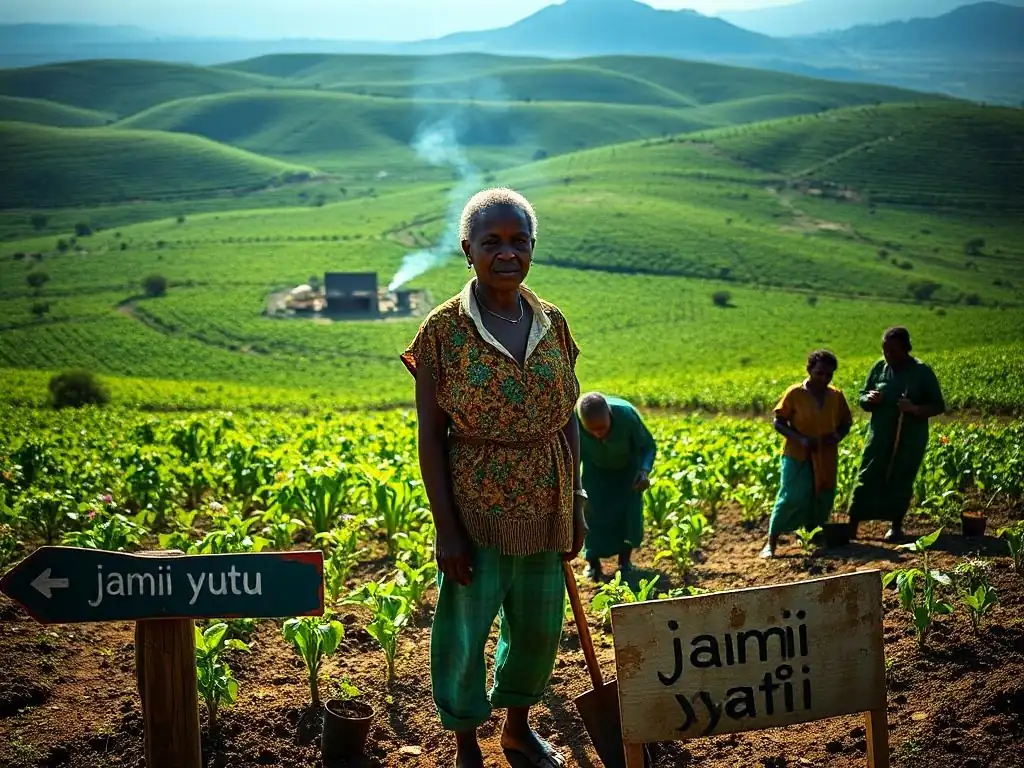
Welcome to WomenInScienceHistory.com, where we unearth the remarkable stories of women who shaped the scientific world. Today, we delve into the inspiring legacy of a true visionary in Environmental Science: Wangari Maathai. But her impact extends far beyond just scientific achievement. What drove this Nobel laureate to champion the environment and fight for social justice? Discover the incredible story of her groundbreaking work and the lasting impact of her Wangari Maathai environmental activism, and find out how one woman's dedication sparked a movement that continues to resonate globally.
- Introduction: Honoring Wangari Maathai's Legacy in Environmental Conservation
- Early Life and Education: The Foundations of Wangari Maathai's Environmental Activism
- The Genesis of the Green Belt Movement: A Grassroots Environmental Initiative
- Wangari Maathai's Environmental Activism: Confronting Political Opposition
- The Power of Reforestation: Wangari Maathai's Holistic Approach to Conservation
- Wangari Maathai's Nobel Peace Prize: Recognition of Her Global Impact
- Beyond Tree Planting: Wangari Maathai's Broader Environmental Vision
- Wangari Maathai's Lasting Impact on Women in Conservation
- Wangari Maathai: A Pioneer in Women's Environmental Leadership
- Conclusion: Celebrating Wangari Maathai's Enduring Contributions to Environmental Conservation and Women's Empowerment
-
Frequently Asked Questions
- What was Wangari Maathai best known for?
- How did Wangari Maathai's activism contribute to scientific understanding?
- What challenges did Wangari Maathai face as a woman in environmental activism?
- What is the Green Belt Movement and its impact?
- Why is Wangari Maathai considered a pivotal figure in environmental history?
- Final Reflection: Seeds of Hope and Enduring Legacy
- Ignite Your Inner Environmentalist: Plant Seeds of Change Today!
Introduction: Honoring Wangari Maathai's Legacy in Environmental Conservation
Wangari Maathai, a visionary Kenyan environmentalist and Nobel Peace Prize laureate, stands as a towering figure in the annals of conservation history. Her groundbreaking work, primarily through the establishment of the Green Belt Movement, transformed the landscape of environmental activism by linking it directly to poverty eradication, women's empowerment, and democratic governance. Maathai's unique approach demonstrated that environmental degradation is not merely an ecological problem but a deep-seated social and political issue, requiring holistic solutions.
This article delves into the remarkable life and enduring legacy of Wangari Maathai, exploring the origins of her profound Wangari Maathai environmental activism, the challenges she overcame, and the global impact of her tireless efforts. Her story is a powerful testament to the transformative potential of grassroots initiatives and the unwavering spirit of a woman who dared to challenge the status quo for the health of her nation and the planet.
Early Life and Education: The Foundations of Wangari Maathai's Environmental Activism
Growing Up in Kenya: Seeds of Environmental Awareness
Wangari Maathai was born in 1940 in Ihithe, a rural village in Nyeri, Kenya, nestled in the fertile highlands near Mount Kenya. Her childhood was deeply rooted in the rhythms of nature, surrounded by lush forests, clean rivers, and traditional agricultural practices that respected the land. She spent her early years tending to crops like maize, beans, and millet, and drawing water from pristine streams, experiences that instilled in her a profound connection to the natural world and an intuitive understanding of ecological balance.
However, even during her youth, Maathai witnessed the beginnings of environmental degradation as colonial and post-colonial policies encouraged the clearing of indigenous forests for cash crops like tea and coffee. This deforestation led to visible soil erosion and water scarcity, directly impacting the livelihoods of her community. These early observations of environmental decline, juxtaposed with her memories of a vibrant, healthy ecosystem, laid the crucial groundwork for her future Wangari Maathai environmental activism.
Academic Pursuits: From Biology to Veterinary Anatomy at Mount St. Scholastica and the University of Pittsburgh
Maathai's exceptional academic promise earned her a scholarship to study in the United States in 1960, as part of the "Kennedy Airlift" program that enabled promising young Kenyans to pursue higher education abroad. She attended Mount St. Scholastica College (now Benedictine College) in Atchison, Kansas, where she earned a Bachelor of Science degree in Biology in 1964. This foundational scientific training provided her with a systematic understanding of biological processes and ecosystems, sharpening her analytical skills.
Following her undergraduate studies, Maathai pursued a Master of Science degree in Biology at the University of Pittsburgh, completing her studies in 1966. Her advanced scientific education equipped her with the critical knowledge needed to identify and address environmental challenges with a rigorous, evidence-based approach.
Upon her return to Kenya, she became the first East African woman to earn a Ph.D. from the University of Nairobi in 1971, specializing in veterinary anatomy. This groundbreaking academic achievement not only shattered gender barriers but also provided her with a unique perspective on the intricate relationship between animal health, human well-being, and environmental integrity, further informing her future Wangari Maathai environmental activism.
The Genesis of the Green Belt Movement: A Grassroots Environmental Initiative
Addressing Deforestation and its Impact on Kenyan Women
By the mid-1970s, Kenya was facing a severe environmental crisis. Widespread deforestation, driven by commercial logging and agricultural expansion, had led to rampant soil erosion, desertification, and a critical shortage of fuelwood. The most immediate and profound impact of this environmental degradation was felt by rural women, who bore the primary responsibility for fetching water, collecting firewood, and growing food for their families. They were forced to walk increasingly long distances to find dwindling resources, leading to immense physical burden, reduced time for income-generating activities, and widespread malnutrition.
Recognizing this direct link between environmental decline and the disempowerment of women, Wangari Maathai, then a leader in the National Council of Women of Kenya, saw an opportunity for transformative action. She understood that simply talking about environmental problems was insufficient; practical, tangible solutions were needed. Her insight was that by addressing the environmental roots of poverty, especially among women, she could simultaneously foster ecological restoration and social empowerment, catalyzing a unique form of Wangari Maathai environmental activism.
Planting Trees, Empowering Communities: The Green Belt Movement's Core Principles
In 1977, Wangari Maathai initiated the Green Belt Movement (GBM) through the National Council of Women of Kenya, with the simple yet revolutionary idea of encouraging women to plant trees. The core principle was straightforward: provide women with tree seedlings, offer a small stipend for planting and nurturing them, and in doing so, address the immediate need for fuelwood and building materials while simultaneously combating deforestation and soil erosion. The first tree nurseries were established in collaboration with local communities, primarily women's groups.
The Green Belt Movement quickly evolved beyond mere tree planting. It became a holistic grassroots initiative focused on environmental conservation, community development, and sustainable livelihoods. The GBM promoted the planting of indigenous tree species to restore biodiversity and improve local ecosystems, encouraging agroforestry practices that integrated trees with crops to enhance food security. This approach empowered women economically by providing them with a direct income from the nurseries and a sense of ownership over their environment, laying the foundation for a powerful and enduring form of Wangari Maathai environmental activism that championed both ecological and human well-being.
Wangari Maathai's Environmental Activism: Confronting Political Opposition
Challenges and Obstacles Faced in Protecting Kenya's Forests
Wangari Maathai's unwavering commitment to environmental protection often placed her in direct conflict with the powerful and authoritarian government of President Daniel Arap Moi. Her activism directly challenged corrupt practices, including illegal land allocations and the privatization of public forests for personal gain. A prominent example of this confrontation was her courageous protest in the late 1980s against the proposed construction of a 60-story skyscraper in Uhuru Park, Nairobi, a vital green space and public gathering area. Despite immense political pressure and threats, Maathai rallied public opinion and international support, ultimately forcing the government to abandon the project.
These confrontations were not without severe repercussions. The government viewed Maathai's environmental and human rights advocacy as subversive and a direct threat to its authority. She faced constant harassment, public vilification through state-controlled media, and accusations of being a madwoman or an agent of foreign interests. Her defiance in the face of such intimidation underscored the immense personal risk involved in her pioneering Wangari Maathai environmental activism.
Imprisonment and Advocacy: Fighting for Environmental Justice
Maathai's relentless pursuit of environmental and democratic reforms led to multiple arrests and periods of imprisonment, particularly in the early 1990s. One notable instance occurred in 1992 when she was arrested and detained for participating in a hunger strike with other pro-democracy activists, demanding the release of political prisoners. Her courageous stand, often involving confrontations with riot police, brought international condemnation against the Kenyan government and highlighted the perilous conditions faced by activists fighting for justice.
Despite the personal hardship and danger, Maathai used her imprisonment and subsequent trials as platforms to amplify her message. She articulated the intrinsic link between environmental degradation, human rights abuses, and the lack of democratic governance. Her resilience and unwavering voice from behind bars garnered significant international attention and solidarity, turning her personal struggle into a symbol of the broader fight for environmental justice and human dignity. This period cemented her reputation as a fearless champion of Wangari Maathai environmental activism on both local and global stages.
The Power of Reforestation: Wangari Maathai's Holistic Approach to Conservation
The Environmental Impact of the Green Belt Movement's Tree Planting Efforts
The Green Belt Movement's primary environmental impact stems from its extraordinary tree planting efforts. By the time Wangari Maathai was awarded the Nobel Peace Prize in 2004, the movement had already facilitated the planting of over 30 million trees across Kenya. This monumental achievement continued to grow, reaching over 47 million trees by the time of her passing in 2011. These vast reforestation efforts significantly combated desertification and soil erosion, restoring degraded landscapes and protecting vital watersheds.
Beyond the sheer numbers, the GBM's work led to tangible ecological benefits. The planted trees stabilized soil, prevented runoff, and improved water retention, leading to the rejuvenation of springs and rivers. They also enhanced local biodiversity by providing habitats for various species and contributed to carbon sequestration, playing a role in climate change mitigation. The scale and sustained success of this reforestation program are a testament to the profound environmental impact of Wangari Maathai's environmental activism, demonstrating how local action can achieve significant ecological restoration.
Community Involvement: Empowering Women Through Sustainable Practices
A cornerstone of the Green Belt Movement's success was its deep commitment to community involvement, particularly the empowerment of rural women. Approximately 90% of the individuals involved in tree planting and nursery management were women. By providing them with tree seedlings, training in agroforestry, and a small income for their efforts, the GBM not only addressed environmental needs but also fostered economic independence and self-reliance among women. This approach transformed women from passive victims of environmental degradation into active agents of change.
The movement facilitated the establishment of thousands of community-based tree nurseries, managed by women's groups. This collaborative model built social capital, strengthened community bonds, and promoted a sense of collective responsibility for environmental stewardship. Women gained valuable skills, knowledge, and confidence, enabling them to advocate for their rights and participate more actively in local governance. This empowerment aspect is central to understanding the holistic and transformative nature of Wangari Maathai's environmental activism, proving that conservation can be a powerful tool for social justice.
Wangari Maathai's Nobel Peace Prize: Recognition of Her Global Impact
The Significance of Her Nobel Laureate Status for Environmental Advocacy
In 2004, Wangari Maathai made history as the first African woman and the first environmentalist to be awarded the Nobel Peace Prize. The Norwegian Nobel Committee cited her "contribution to sustainable development, democracy and peace," highlighting her unique approach that intertwined environmental protection with human rights and good governance. This prestigious recognition elevated environmental issues to an unprecedented level within global discussions on peace and security, validating Maathai's long-held belief that environmental degradation often fuels conflict and instability.
Her Nobel Laureate status provided an unparalleled platform for Maathai to articulate her vision on a global scale. It brought international attention to the Green Belt Movement's successful grassroots model, inspiring countless individuals and organizations worldwide to adopt similar integrated approaches to conservation and development. The prize underscored the interconnectedness of seemingly disparate global challenges and affirmed that environmental stewardship is not merely an ecological concern but a fundamental prerequisite for lasting peace and human well-being, further solidifying the global reach of her Wangari Maathai environmental activism.
Inspiring Future Generations of Environmental Leaders
Wangari Maathai's Nobel Peace Prize resonated far beyond the confines of environmental circles, becoming a powerful source of inspiration for future generations, particularly for women and marginalized communities. Her journey from a rural Kenyan village to the global stage demonstrated that significant change can originate from the ground up, proving that an individual, armed with conviction and perseverance, can challenge powerful forces and effect profound transformation.
She became a global icon, symbolizing resilience, integrity, and the power of collective action. Her story encouraged young people, especially women in developing nations, to pursue careers in science, conservation, and activism, showing them that their voices matter and that they too can be agents of change. Maathai's emphasis on linking local environmental problems to broader issues of social justice and human rights provided a comprehensive framework for emerging leaders, ensuring that the spirit of her Wangari Maathai environmental activism would continue to inspire and guide future movements.
Beyond Tree Planting: Wangari Maathai's Broader Environmental Vision
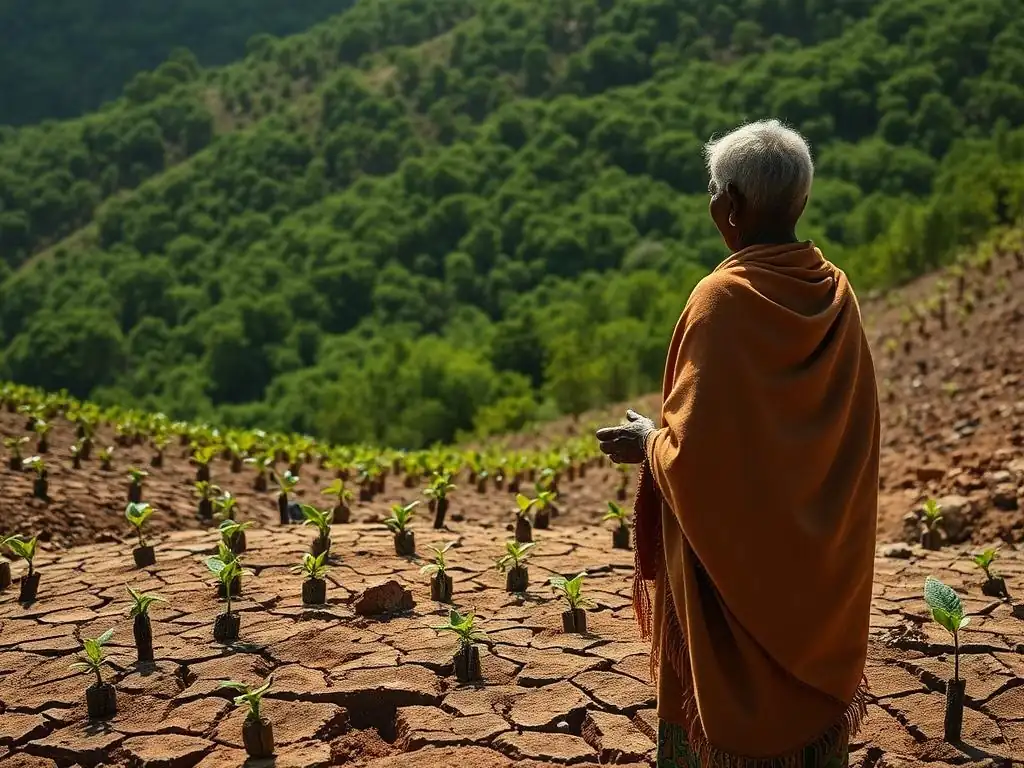
Promoting Democracy, Human Rights, and Sustainable Development
While the Green Belt Movement is synonymous with tree planting, Wangari Maathai's vision extended far beyond reforestation. She firmly believed that environmental degradation was a symptom of deeper societal ailments, including corruption, lack of democratic governance, and human rights abuses. Her activism therefore encompassed a vigorous fight for political freedom and accountability in Kenya. She was a vocal proponent for transparent governance, fair elections, and the protection of civil liberties, often risking her own safety in the process.
Maathai articulated a concept of "holistic development," where environmental protection is intrinsically linked with social equity, economic justice, and political freedom. She argued that true sustainable development could only be achieved when communities had a voice in decisions affecting their resources, when human rights were respected, and when natural resources were managed equitably for the benefit of all. This comprehensive philosophy defined her expansive Wangari Maathai environmental activism, making her a champion of both nature and human dignity.
Addressing Climate Change Through Environmental Stewardship
Although her primary work began before climate change became a mainstream global concern, Wangari Maathai's emphasis on reforestation and sustainable land management directly addressed key aspects of climate mitigation and adaptation. Trees act as vital carbon sinks, absorbing carbon dioxide from the atmosphere, and the millions of trees planted by the Green Belt Movement contributed significantly to reducing greenhouse gas concentrations. Her focus on restoring ecological integrity also enhanced the resilience of ecosystems to the impacts of a changing climate.
In her later years, Maathai became a prominent voice on the global stage, advocating for robust action on climate change. She consistently linked the local challenges of deforestation and desertification in Africa to the broader global climate crisis, urging developed nations to take responsibility for their historical emissions and calling for equitable solutions. She emphasized the importance of sustainable consumption patterns and global cooperation, demonstrating her foresight and the enduring relevance of her Wangari Maathai environmental activism in the face of humanity's most pressing environmental challenge.
Wangari Maathai's Lasting Impact on Women in Conservation
Breaking Barriers and Paving the Way for Female Environmentalists
Wangari Maathai's life was a testament to breaking barriers. As the first East African woman to earn a Ph.D. and the first African woman to win a Nobel Peace Prize, she shattered ceilings in both academia and global diplomacy. Her leadership in the Green Belt Movement, a domain often dominated by men, demonstrated the profound impact that women could have in environmental stewardship and community development. She challenged prevailing patriarchal norms, proving that women were not only capable of leading complex environmental initiatives but were often the most effective agents of change at the grassroots level.
Through her example, Maathai empowered countless women to take on leadership roles in conservation, advocating for their rights and demonstrating their inherent knowledge of natural resources. She highlighted that when women are empowered, entire communities benefit from improved environmental health, food security, and social well-being. Her legacy fundamentally altered perceptions of women's capabilities in the environmental field, making her a pioneering figure in women's leadership in conservation and a beacon of Wangari Maathai environmental activism.
Wanjira Mathai: Continuing the Legacy of the Green Belt Movement
The enduring impact of Wangari Maathai's work is powerfully evident in the continued efforts of her daughter, Wanjira Mathai, who has taken on a prominent role in advancing her mother's vision. Wanjira Mathai serves as the Vice President and Regional Director for Africa at the World Resources Institute and is also the Chair of the Wangari Maathai Foundation, ensuring that her mother's principles and methodologies continue to inspire and guide environmental action.
Wanjira, building on the foundation laid by her mother, continues to advocate for reforestation, climate resilience, and, critically, for women's leadership in environmental governance and decision-making processes. Through her work, the Green Belt Movement, now a globally recognized organization, continues to expand its reach, promoting sustainable practices and empowering communities across Africa and beyond. This continuation of the legacy ensures that the spirit of Wangari Maathai environmental activism remains a vibrant force for positive change in the world.
Wangari Maathai: A Pioneer in Women's Environmental Leadership
Lessons Learned from Wangari Maathai's Environmental Journey
Wangari Maathai's extraordinary journey offers invaluable lessons for anyone engaged in environmental conservation and social justice. Her life underscored the profound power of grassroots movements, demonstrating how collective action by ordinary citizens can lead to monumental change. She taught the world that environmental degradation is inextricably linked to poverty, human rights abuses, and a lack of democratic space, requiring integrated solutions. Her unwavering perseverance in the face of severe political opposition and personal threats serves as a powerful testament to the importance of conviction and resilience.
Perhaps one of her most enduring philosophies was the concept of "little things." Maathai often emphasized that while individually planting one tree might seem insignificant, the cumulative effort of millions of people planting trees can transform landscapes and lives. This philosophy highlights the importance of individual responsibility combined with collective action, providing a pragmatic and hopeful approach to addressing complex global challenges, a core tenet of her inspiring Wangari Maathai environmental activism.
Continuing Wangari Maathai's Vision: How to Get Involved in Environmental Conservation Today
Inspired by Wangari Maathai's vision, individuals and communities worldwide can actively contribute to environmental conservation today. Her work encourages direct engagement, whether it's through participating in local tree-planting initiatives, supporting community-led conservation projects, or advocating for sustainable policies in one's own region. Organizations like the Green Belt Movement continue to welcome support and involvement, offering tangible ways to contribute to reforestation and community empowerment.
Furthermore, Maathai's legacy calls upon us to recognize the interconnectedness of environmental health with social justice and human rights. Getting involved also means advocating for democratic governance, promoting gender equality, and supporting sustainable development practices that benefit both people and the planet. By embracing Wangari Maathai's holistic approach, we can all become active stewards of our environment, ensuring that her revolutionary Wangari Maathai environmental activism continues to thrive for generations to come.
Conclusion: Celebrating Wangari Maathai's Enduring Contributions to Environmental Conservation and Women's Empowerment
Wangari Maathai's life was a powerful symphony of environmental activism, human rights advocacy, and unwavering dedication to peace. As the founder of the Green Belt Movement, she not only facilitated the planting of tens of millions of trees across Kenya but also cultivated a profound sense of empowerment and agency within countless communities, especially among women. Her revolutionary approach demonstrated that ecological restoration, social justice, and democratic governance are not separate endeavors but intrinsically linked facets of sustainable development.
Her courageous confrontation of political corruption, her resilience in the face of imprisonment, and her eventual recognition with the Nobel Peace Prize cemented her status as a global icon. Wangari Maathai's environmental activism transformed the discourse around conservation, proving that the health of our planet is inseparable from the well-being and freedom of its people. Her enduring legacy continues to inspire future generations to stand up for environmental justice, champion women's leadership, and believe in the transformative power of collective action, one tree, one community, one empowered voice at a time.
Frequently Asked Questions
What was Wangari Maathai best known for?
Wangari Maathai is best known for founding the Green Belt Movement, an environmental organization that focused on tree planting and community empowerment in Kenya. Her work emphasized the link between environmental sustainability and social justice.
How did Wangari Maathai's activism contribute to scientific understanding?
While not a traditional scientist, her environmental activism profoundly impacted scientific understanding. She highlighted the ecological importance of forests and the detrimental effects of deforestation, influencing environmental policy and research.
What challenges did Wangari Maathai face as a woman in environmental activism?
Maathai faced significant political opposition and societal sexism. Her work challenged the status quo, leading to imprisonment and threats, highlighting the gender disparities and resistance faced by women in leadership.
What is the Green Belt Movement and its impact?
The Green Belt Movement is a grassroots environmental organization in Kenya that promoted tree planting and community empowerment. It has planted millions of trees, combating deforestation and improving the livelihoods of local communities.
Why is Wangari Maathai considered a pivotal figure in environmental history?
Wangari Maathai is considered pivotal because she connected environmental degradation with social and political issues. She demonstrated how environmental protection can empower communities and promote democracy, inspiring global environmental movements.
Final Reflection: Seeds of Hope and Enduring Legacy
The story of Wangari Maathai and the Green Belt Movement resonates powerfully today, perhaps even more so than ever, because the urgent need for environmental stewardship and community empowerment has never been greater. As we grapple with climate change, deforestation, and social inequalities, Maathai's unwavering commitment to planting trees and uplifting women serves as a potent reminder that even the smallest actions can spark transformative change on a global scale.
Wangari Maathai's legacy is not just about the trees she planted, but about the seeds of hope she sowed in the hearts of countless individuals. Her courage to challenge the status quo, her dedication to empowering marginalized communities, and her unwavering belief in the power of collective action continue to inspire environmental activists and social justice advocates worldwide. You cannot protect the environment unless you empower people, you inform them, and you help them understand that these resources are their own, that they must protect them.
This quote encapsulates the core philosophy that drove her life's work.
Let us all take a moment to reflect on Wangari Maathai's extraordinary life and the profound impact she had on our planet. Consider how you, too, can contribute to a greener, more equitable future. Plant a tree, support a local environmental initiative, or simply speak out against injustice. The seeds of change are within each of us; it's time to nurture them and let them blossom into a world worthy of future generations.
Ignite Your Inner Environmentalist: Plant Seeds of Change Today!
Thank you for exploring Wangari Maathai's inspiring journey with us. You've now seen how one woman's vision can spark a global movement of reforestation and empowerment. Ready to make your own impact?
Here are a few ways to get started:
- Take the first step: Plant a tree!: Whether it's in your backyard, a local park, or through a tree-planting organization, contribute to a greener future.
- Share Wangari Maathai's story with your friends and family to inspire others to get involved in environmental conservation.
- Research local environmental organizations in your area and commit to volunteering just one hour per month to support their efforts.
What small act of environmental stewardship will you commit to this week to honor Wangari Maathai's legacy?