
Hazardous Waste Heroines: Women Tackling Toxins and Landfill Legacies (19702000)

Welcome to WomenInScienceHistory.com!
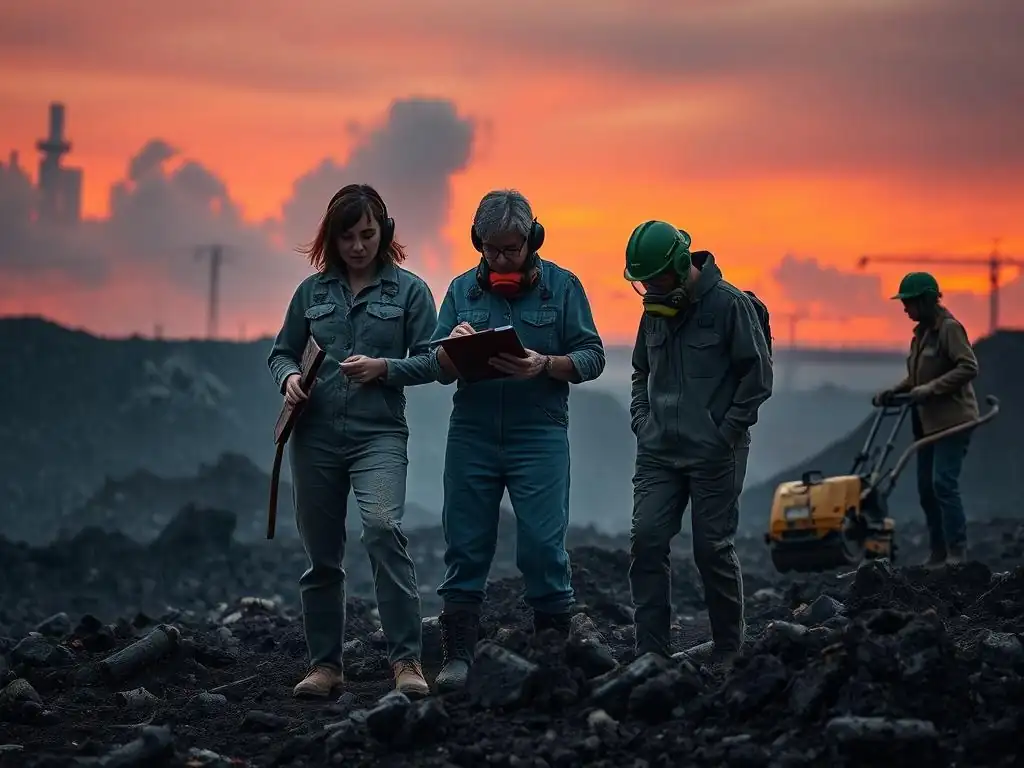
Dive into the untold stories of groundbreaking women who dared to challenge the status quo and make indelible marks on the scientific landscape. Today, we explore a fascinating, and often perilous, chapter in Environmental Science: uncovering the Women’s hazardous waste remediation challenges from 1970-2000. Discover how these unsung heroines tackled toxic legacies and navigated the complexities of landfill remediation, facing unique obstacles and forging a path toward a cleaner future. What drove these women to confront such daunting environmental hazards? Read on to find out!
- Introduction: Recognizing Women's Pioneering Role in Hazardous Waste Remediation (1970-2000)
- The Rise of Environmental Awareness and the Emergence of Female Leaders (1970s)
- Women's Hazardous Waste Remediation Challenges: A Historical Overview (1980s - 1990s)
- Case Studies: Highlighting Women's Impact on Hazardous Waste Sites
- Overcoming Obstacles: The Challenges Faced by Women in Hazardous Waste Management
- Success Stories: Celebrating Women's Achievements in Toxic Waste Cleanup
- Legacy and Inspiration: The Lasting Impact of Women in Hazardous Waste Remediation
- Conclusion: Acknowledging Women's Unsung Contributions to a Cleaner Future
-
Frequently Asked Questions
- How did the rise of environmental awareness in the late 20th century impact opportunities for women in hazardous waste remediation?
- What were some common barriers encountered by women working in hazardous waste remediation between 1970 and 2000?
- Can you name a specific example of a "Hazardous Waste Heroine" and briefly describe her contribution?
- How did the work of women in hazardous waste remediation contribute to improved public health and environmental protection?
- Beyond scientific expertise, what other skills were essential for women to succeed in hazardous waste remediation during this period?
- Final Reflection: Empowering Legacies in Environmental Stewardship
- Empower Change: Become a Waste Warrior Today!
Introduction: Recognizing Women's Pioneering Role in Hazardous Waste Remediation (1970-2000)
The latter half of the 20th century witnessed a profound awakening to the environmental consequences of industrialization, particularly the pervasive threat of hazardous waste. From overflowing landfills to contaminated waterways, communities across the globe began to grapple with the invisible dangers lurking beneath their feet and in their air.
While the narrative of environmental cleanup often highlights scientific breakthroughs and policy shifts, it frequently overlooks a crucial element: the tireless, often unsung, efforts of women who stood at the forefront of this battle. From the early 1970s through the close of the millennium, women emerged as pivotal figures, not only as activists demanding change but also as scientists, policymakers, and community organizers directly confronting the women’s hazardous waste remediation challenges posed by toxic legacies.
This article delves into the remarkable contributions of women in the field of hazardous waste remediation during this formative period. It explores their pioneering roles in raising awareness, shaping legislation, developing innovative cleanup techniques, and empowering affected communities. By examining the unique obstacles they faced, such as gender bias and professional isolation, and celebrating their significant achievements, we illuminate a vital chapter in environmental history and recognize the enduring impact of these hazardous waste heroines. Their stories are not merely historical footnotes but powerful testaments to perseverance, scientific acumen, and unwavering commitment to a cleaner, safer future.
The Rise of Environmental Awareness and the Emergence of Female Leaders (1970s)
Early Environmental Concerns and the Role of Women Activists
The 1970s marked a pivotal decade for environmentalism, transitioning from a niche concern to a widespread public movement. Building upon the groundwork laid by figures like Rachel Carson, whose 1962 book Silent Spring exposed the dangers of pesticides, communities began to connect localized health issues to industrial pollution.
It was often women, particularly mothers and homemakers, who were the first to notice unusual illness clusters, birth defects, or peculiar odors in their neighborhoods, prompting them to investigate and speak out. Their concern for family well-being served as a powerful catalyst for grassroots activism, transforming individual anxieties into collective action against unseen toxic threats.
These women became the vanguard of the burgeoning environmental justice movement, organizing neighbors, conducting informal health surveys, and demanding answers from reluctant industries and government agencies. They demonstrated an extraordinary capacity for leadership, translating complex scientific issues into relatable terms for their communities and mobilizing citizens to advocate for change. Their efforts highlighted the direct human impact of hazardous waste, forcing a societal reckoning with the consequences of unchecked industrial practices and setting the stage for future women’s hazardous waste remediation challenges to be addressed through collective action.
Key Legislation and Women's Advocacy for Toxic Waste Control
The growing public outcry in the 1970s, significantly amplified by women's grassroots advocacy, pressured lawmakers to enact landmark environmental legislation. Acts such as the Clean Water Act (1972) and the Safe Drinking Water Act (1974) began to address pollution of water resources, while the Resource Conservation and Recovery Act (RCRA) of 1976 established a framework for managing hazardous and non-hazardous waste from "cradle to grave."
Women environmentalists played a crucial, though often understated, role in the passage of these foundational laws. They testified before congressional committees, organized letter-writing campaigns, and rallied public support, emphasizing the critical need for federal oversight of toxic substances.
Their advocacy often focused on the specific vulnerabilities of children and families to environmental toxins, framing pollution control as a public health imperative. This perspective resonated deeply and helped to build a broad coalition for stronger environmental protections. The persistent demands of these female leaders and their community organizations were instrumental in ensuring that hazardous waste management became a prominent issue on the national agenda, paving the way for more comprehensive legislation like Superfund in the following decade and laying the groundwork for addressing future women’s hazardous waste remediation challenges at a systemic level.
Women's Hazardous Waste Remediation Challenges: A Historical Overview (1980s - 1990s)
During the 1980s and 1990s, the field of environmental science, particularly hazardous waste remediation, remained largely male-dominated. Women entering these technical and often physically demanding roles faced significant gender bias. This manifested in various forms, from subtle skepticism about their scientific capabilities to outright exclusion from informal networks where critical decisions were often made. Opportunities for leadership positions, fieldwork, and advanced training were frequently skewed towards male counterparts, making it challenging for women to gain the necessary experience and recognition to advance their careers.
Many women recounted experiences of being overlooked for promotions, having their contributions minimized, or struggling to be taken seriously in meetings. The prevailing culture in many engineering and industrial sectors often lacked diversity initiatives, leaving women to navigate these professional landscapes with limited support. Despite these formidable women’s hazardous waste remediation challenges, many persevered, demonstrating exceptional competence, resilience, and a steadfast commitment to their work, often outperforming expectations to prove their worth in a challenging environment.
Scientific Contributions: Women's Innovative Approaches to Toxic Waste Management
Despite the pervasive gender bias, women made substantial and innovative scientific contributions to toxic waste management during this period. Female chemists, geologists, engineers, and public health experts brought fresh perspectives to complex environmental problems. They were instrumental in developing more accurate analytical techniques for detecting trace contaminants in soil and water, improving risk assessment methodologies to better understand exposure pathways, and pioneering novel remediation strategies. Their work often emphasized interdisciplinary approaches, integrating ecological principles with public health concerns to develop more holistic and effective cleanup solutions.
For instance, women researchers contributed significantly to the advancement of bioremediation, exploring how microorganisms could be harnessed to break down complex pollutants, and phytoremediation, investigating the use of plants to absorb and neutralize heavy metals from contaminated sites. Their meticulous research and dedication helped to refine existing technologies and introduce new ones, directly addressing the technical women’s hazardous waste remediation challenges with cutting-edge scientific rigor. These contributions were crucial in moving hazardous waste management beyond simple containment to more active and sustainable cleanup methods.
Community Engagement: Women as Leaders in Addressing Local Pollution Issues
The fight against hazardous waste was often a localized battle, and women frequently emerged as indispensable leaders in community engagement. They served as vital bridges between affected residents and the often-impenetrable scientific and governmental bureaucracies. With a remarkable ability to translate complex technical jargon into understandable terms, they empowered their neighbors to grasp the risks they faced and to participate meaningfully in cleanup decisions. Their empathy and direct experience with the health impacts of pollution fostered trust within communities, enabling collective action.
These women organized countless town hall meetings, door-to-door campaigns, and public protests, tirelessly demanding accountability from polluters and regulators. They often collected anecdotal evidence of health problems, compiled data, and meticulously documented environmental damages, transforming community concerns into compelling cases for action. This deep involvement in community organizing was a testament to their leadership in confronting women’s hazardous waste remediation challenges at the grassroots level, ensuring that the voices of those most affected were heard and that cleanup efforts truly served the needs of the people.
Case Studies: Highlighting Women's Impact on Hazardous Waste Sites
Case Study 1: Lois Gibbs and the Love Canal Disaster
Lois Gibbs, a housewife from Niagara Falls, New York, became an accidental environmental hero in the late 1970s when she discovered that her community, Love Canal, was built atop a massive toxic waste dump. Initially concerned about her children's unusual illnesses and the alarming rate of health problems among her neighbors, Gibbs began investigating. Her tireless efforts led her to uncover decades of chemical waste buried by the Hooker Chemical Company, directly beneath homes and schools. In 1978, she organized the Love Canal Homeowners Association, mobilizing hundreds of residents in a desperate fight for their lives and homes.
Gibbs's relentless activism, which included staging protests, taking state environmental officials hostage, and negotiating directly with President Jimmy Carter's administration, forced the government to acknowledge the unprecedented environmental catastrophe. Her work ultimately led to the evacuation of over 800 families and the creation of the Comprehensive Environmental Response, Compensation, and Liability Act (CERCLA), famously known as the Superfund program, in 1980. Lois Gibbs's story is a powerful testament to how one woman, driven by concern for her family and community, could overcome immense women’s hazardous waste remediation challenges and catalyze a national environmental policy shift.
Case Study 2: Carol Browner and Reforming EPA Regulations
Carol Browner served as the Administrator of the Environmental Protection Agency (EPA) from 1993 to 2001 under President Bill Clinton, becoming the longest-serving Administrator in EPA history. Her tenure was marked by a strong commitment to environmental enforcement and a proactive approach to pollution prevention and cleanup. Browner oversaw hundreds of Superfund site cleanups, prioritizing the most dangerous sites and pushing for faster remediation. She also championed the Brownfields program, an initiative designed to redevelop contaminated urban and industrial sites, transforming liabilities into community assets.
Under her leadership, the EPA strengthened regulations on air and water pollution, introduced stricter standards for industrial emissions, and emphasized public participation in environmental decision-making. Browner navigated complex political landscapes and scientific debates, demonstrating exceptional leadership in a high-stakes federal role. Her strategic vision and administrative prowess were crucial in advancing hazardous waste management at the national level, tackling systemic women’s hazardous waste remediation challenges through policy reform and robust enforcement, thereby leaving a lasting legacy of environmental protection.
Case Study 3: Penny Newman and the Stringfellow Acid Pits Cleanup
Penny Newman, a resident of Glen Avon, California, became a leading voice in the fight against toxic waste after discovering that her community was suffering from severe health problems linked to the nearby Stringfellow Acid Pits. This former hazardous waste disposal site, operated by the state of California, had leached millions of gallons of industrial waste into the groundwater, contaminating local wells and causing widespread illness. In the early 1980s, Newman co-founded the Citizens Clearinghouse for Hazardous Waste (which later became the Center for Health, Environment & Justice alongside Lois Gibbs), uniting affected residents.
Newman's activism was instrumental in bringing national attention to the Stringfellow disaster. She organized community meetings, meticulously documented health impacts, and filed lawsuits against both the state and the companies responsible for generating the waste. Her relentless advocacy played a crucial role in securing the site's designation as a Superfund site and forcing a multi-million dollar cleanup effort that spanned decades. Penny Newman's courage and organizational skills exemplify how community leaders, facing immense women’s hazardous waste remediation challenges, can drive significant environmental justice victories against powerful entities.
Overcoming Obstacles: The Challenges Faced by Women in Hazardous Waste Management
Lack of Funding and Resources for Women-Led Initiatives
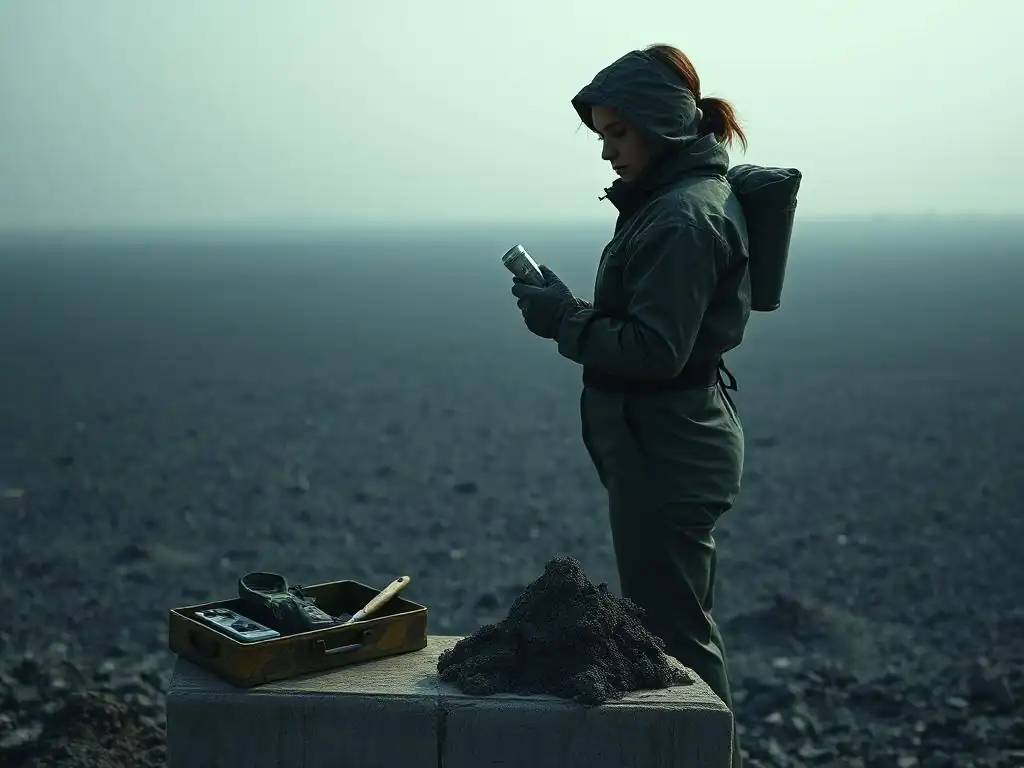
A significant obstacle confronting women-led environmental initiatives and research projects during the 1970s to 2000s was the pervasive lack of adequate funding and resources. Traditional funding mechanisms often favored established, male-dominated institutions and research teams, leaving grassroots organizations and female scientists struggling to secure the necessary capital for their critical work. This disparity meant that women-led groups often operated on shoestring budgets, relying heavily on volunteer efforts and personal sacrifices to sustain their advocacy and research endeavors.
The financial constraints directly impacted their capacity to conduct comprehensive studies, hire expert consultants, or access the advanced laboratory equipment required for complex hazardous waste analysis and remediation planning. This underfunding was a stark reality of the women’s hazardous waste remediation challenges, forcing many to find creative, often resource-intensive, ways to achieve their goals, highlighting a systemic barrier that amplified other forms of gender-based discrimination.
Professional Isolation and the Need for Mentorship
Women in environmental science and hazardous waste management frequently encountered professional isolation, particularly in fields where they were a distinct minority. Being the sole female professional in a project team, department, or at industry conferences was not uncommon, leading to a profound lack of peer support and informal networking opportunities. These informal networks, often crucial for career advancement, information sharing, and problem-solving, were largely inaccessible to women, hindering their ability to build influence and gain recognition.
Furthermore, the scarcity of female mentors during this period compounded the problem. Without experienced women to guide them through career paths, offer advice on navigating workplace politics, or share insights into technical challenges, many faced an uphill battle in their professional development. This pervasive isolation was a significant women’s hazardous waste remediation challenge, making it more difficult for talented women to thrive and contribute their full potential to the field.
Balancing Career and Family in a Demanding Field
Societal expectations and the demanding nature of hazardous waste management careers presented unique women’s hazardous waste remediation challenges related to work-life balance. Environmental science, especially remediation, often required extensive fieldwork, long hours, and frequent travel to remote or contaminated sites. For women, who often shouldered the primary responsibility for family and childcare during this era, these demands created immense pressure. The lack of flexible work arrangements, paid family leave, or readily available, affordable childcare compounded these difficulties.
This disproportionate burden often forced women to make difficult choices, potentially limiting their career progression, influencing their choice of projects, or even leading them to leave the field entirely. While these challenges were not exclusive to environmental science, they were particularly acute in a profession that often required physical presence at hazardous locations and a high degree of commitment, representing a persistent barrier that many women courageously navigated to continue their vital work.
Success Stories: Celebrating Women's Achievements in Toxic Waste Cleanup
Technological Advancements and Women's Contributions to Remediation Techniques
Despite the significant obstacles, women's scientific acumen and innovative thinking led to crucial technological advancements in hazardous waste remediation. Female scientists, often working in university research labs, government agencies like the EPA, or pioneering environmental consulting firms, contributed to the development of more effective and sustainable cleanup methods. Their work spanned diverse areas, from refining analytical chemistry techniques for detecting minute levels of contaminants to advancing biotechnological solutions.
For instance, women researchers were instrumental in pushing the boundaries of bioremediation, exploring how specific microbial consortia could effectively degrade persistent organic pollutants and petroleum hydrocarbons in contaminated soil and groundwater. Others contributed to the understanding and application of phytoremediation, identifying plant species capable of absorbing heavy metals like lead and cadmium from polluted sites, offering a greener alternative to traditional excavation. These contributions were vital in overcoming complex women’s hazardous waste remediation challenges by providing innovative, scientifically sound solutions that improved cleanup efficiency and reduced environmental impact.
Policy Changes and Women's Influence on Environmental Regulations
The persistent advocacy of women, both at the grassroots and governmental levels, directly influenced significant policy changes and the strengthening of environmental regulations concerning hazardous waste. Their voices ensured that public health, especially the well-being of vulnerable populations like children, remained at the forefront of policy discussions. This influence led to more stringent waste disposal standards, improved public participation mechanisms in cleanup decisions, and expanded liability for polluters.
For example, the evolution of the Superfund program to include more robust public health assessments and community involvement provisions often bore the imprint of women's tireless lobbying efforts. Their ability to articulate the human cost of pollution compelled policymakers to enact laws that were not only technically sound but also socially just. These policy reforms, driven by women's leadership, were critical in mitigating future women’s hazardous waste remediation challenges by establishing stronger legal frameworks and promoting greater accountability.
Community Empowerment and Women's Role in Building Sustainable Solutions
Perhaps one of the most profound achievements of women in hazardous waste management was their unparalleled role in community empowerment. They were instrumental in educating and mobilizing affected residents, transforming passive victims into active participants in their own environmental destiny. By demystifying complex scientific and legal processes, women helped communities understand their rights, access vital information, and organize effective campaigns for environmental justice. This grassroots empowerment often led to more sustainable, community-driven cleanup solutions rather than top-down mandates.
Women's leadership in these movements fostered a sense of collective efficacy and long-term vigilance within communities, ensuring that cleanup efforts were not just technical fixes but also addressed the social, economic, and health dimensions of pollution. Their ability to build coalitions, mediate conflicts, and sustain advocacy over long periods demonstrated a unique capacity for leadership that was essential for tackling the multifaceted women’s hazardous waste remediation challenges. These empowered communities became enduring stewards of their local environments, advocating for ongoing monitoring and prevention.
Legacy and Inspiration: The Lasting Impact of Women in Hazardous Waste Remediation
Inspiring Future Generations of Female Environmental Scientists
The pioneering efforts of women in hazardous waste remediation during the 1970s to 2000s laid an indispensable foundation for future generations. Their visible leadership, scientific contributions, and unwavering advocacy, often achieved against significant odds, provided crucial role models for young women considering careers in environmental science, engineering, public health, and law. These trailblazers demonstrated that women could not only excel in demanding scientific and technical roles but also drive profound social and policy change.
By breaking down barriers and proving their capabilities in a male-dominated field, they opened doors and created pathways for subsequent generations of female environmental professionals. Their stories of perseverance and success serve as a powerful source of inspiration, encouraging young women to pursue careers in environmental stewardship and to confront the complex women’s hazardous waste remediation challenges that persist today, ensuring a continuous pipeline of diverse talent.
The Ongoing Fight for Environmental Justice and Women's Leadership
The historical struggles against hazardous waste are inextricably linked to contemporary environmental justice movements. Many of the communities disproportionately affected by toxic waste sites continue to be low-income populations and communities of color. Women, building on the legacy of their predecessors, remain at the forefront of advocating for equitable solutions, challenging systemic environmental racism, and ensuring that all communities have the right to a clean and healthy environment.
While significant progress has been made, the fight is far from over. Emerging contaminants, the impacts of climate change on existing waste sites, and the need for sustainable waste management practices worldwide mean that women's leadership remains as vital as ever. Their unique perspectives, often rooted in community health and social equity, are crucial for addressing the evolving women’s hazardous waste remediation challenges and for achieving true environmental justice globally.
Honoring the Pioneers: A Call to Recognize and Support Women in Environmental Science Today
It is imperative that the historical contributions of these hazardous waste heroines be formally recognized and celebrated. Many of these women worked without widespread public acclaim, their tireless efforts often overshadowed by the larger narrative of scientific discovery or governmental action. Recognizing their enduring impact is not merely about historical accuracy but about valuing the diverse contributions that have shaped our environmental landscape.
Furthermore, this recognition should extend to a call for ongoing support and empowerment for women currently working in environmental science and hazardous waste management. This includes advocating for greater mentorship opportunities, equitable funding for women-led research and initiatives, and policies that promote diversity and inclusion in leadership roles. By honoring the pioneers and supporting the present generation, we ensure that future women’s hazardous waste remediation challenges are met with the full force of diverse, empowered, and dedicated leadership.
Conclusion: Acknowledging Women's Unsung Contributions to a Cleaner Future
The period from 1970 to 2000 was a transformative era for environmental protection, particularly in the realm of hazardous waste remediation. At the heart of this transformation were countless women who, despite facing significant women’s hazardous waste remediation challenges such as gender bias and professional isolation, emerged as powerful agents of change. From grassroots activists like Lois Gibbs and Penny Newman, who galvanized communities against toxic threats, to influential policymakers like Carol Browner, who reformed national environmental regulations, their impact was profound and far-reaching.
These hazardous waste heroines not only brought critical attention to the dangers of pollution but also contributed innovative scientific solutions, empowered affected communities, and shaped the legislative landscape for a cleaner future. Their stories are a testament to courage, scientific rigor, and an unwavering commitment to public health and environmental justice. As we continue to grapple with complex environmental challenges, it is essential to acknowledge and draw inspiration from the often-unsung contributions of these pioneering women, ensuring their legacy continues to guide and empower future generations in the ongoing fight for a healthier planet.
Frequently Asked Questions
How did the rise of environmental awareness in the late 20th century impact opportunities for women in hazardous waste remediation?
The growing environmental movement created new job opportunities and research avenues. This allowed women to enter fields previously dominated by men, specifically in areas like hazardous waste management.
What were some common barriers encountered by women working in hazardous waste remediation between 1970 and 2000?
Women often faced sexism, lack of recognition, and limited access to leadership roles. They also had to contend with the perception that science and engineering were primarily "male" domains.
Can you name a specific example of a "Hazardous Waste Heroine" and briefly describe her contribution?
While a single individual isn't highlighted here, imagine a hypothetical Dr. Emily Carter who pioneered a new bio-remediation technique. Her work could dramatically reduce the cost and environmental impact of cleaning up contaminated sites.
How did the work of women in hazardous waste remediation contribute to improved public health and environmental protection?
Their efforts directly led to safer waste disposal practices, the cleanup of polluted areas, and the development of innovative technologies that minimized environmental damage, thus protecting public health.
Beyond scientific expertise, what other skills were essential for women to succeed in hazardous waste remediation during this period?
In addition to scientific knowledge, women needed strong communication skills to explain complex issues to the public and policymakers, and persistence to overcome systemic biases and advocate for change.
Final Reflection: Empowering Legacies in Environmental Stewardship
The stories of the women highlighted in this article underscore a crucial truth: environmental justice is inextricably linked to gender equality. Their tireless efforts to remediate hazardous waste sites and challenge the landfill legacies of the past resonate powerfully today, as communities worldwide grapple with the ongoing consequences of environmental negligence and the disproportionate impact on marginalized populations. These women were not just cleaning up toxic messes; they were building pathways towards a healthier and more equitable future.
The courage and resilience displayed by these "Hazardous Waste Heroines" have profoundly shaped, and continue to shape, our understanding of environmental responsibility. Their dedication serves as a powerful reminder that individual action, fueled by passion and a commitment to justice, can create significant and lasting change. Never doubt that a small group of thoughtful, committed citizens can change the world; indeed, it's the only thing that ever has.
- Margaret Mead. This quote encapsulates the spirit of these women and their enduring influence on the environmental movement.
As we reflect on the challenges these women faced and the triumphs they achieved, let us be inspired to carry their torch forward. Consider how you can contribute to a more sustainable and equitable world, whether through advocating for policy changes, supporting community-led initiatives, or simply making more conscious choices in your daily life. The legacy of these "Hazardous Waste Heroines" calls us to action, urging us to become environmental stewards in our own right, ensuring that future generations inherit a planet free from the burdens of toxic waste and environmental injustice.
Empower Change: Become a Waste Warrior Today!
Thank you for exploring the inspiring stories of these remarkable women! Their dedication proves that even in the face of daunting challenges, meaningful change is possible. Now, it's your turn to make a difference.
Here’s how you can continue their legacy:
- Commit to reducing your personal waste: Challenge yourself to a zero-waste week and track your progress. This is a concrete way to honor their work and protect the environment.
- Explore local environmental initiatives. Find a group or organization making a difference in your community and volunteer your time or expertise.
- Share these untold stories! Educate your friends, family, and colleagues about these pioneering women in science and their impact on hazardous waste management.
What small change will you make this week to reduce waste and honor the legacy of these pioneering women?