
Tamara E. Jernigan: Five Shuttle Flights and a Spacewalking Pioneer (19911999)

Welcome to WomenInScienceHistory.com!
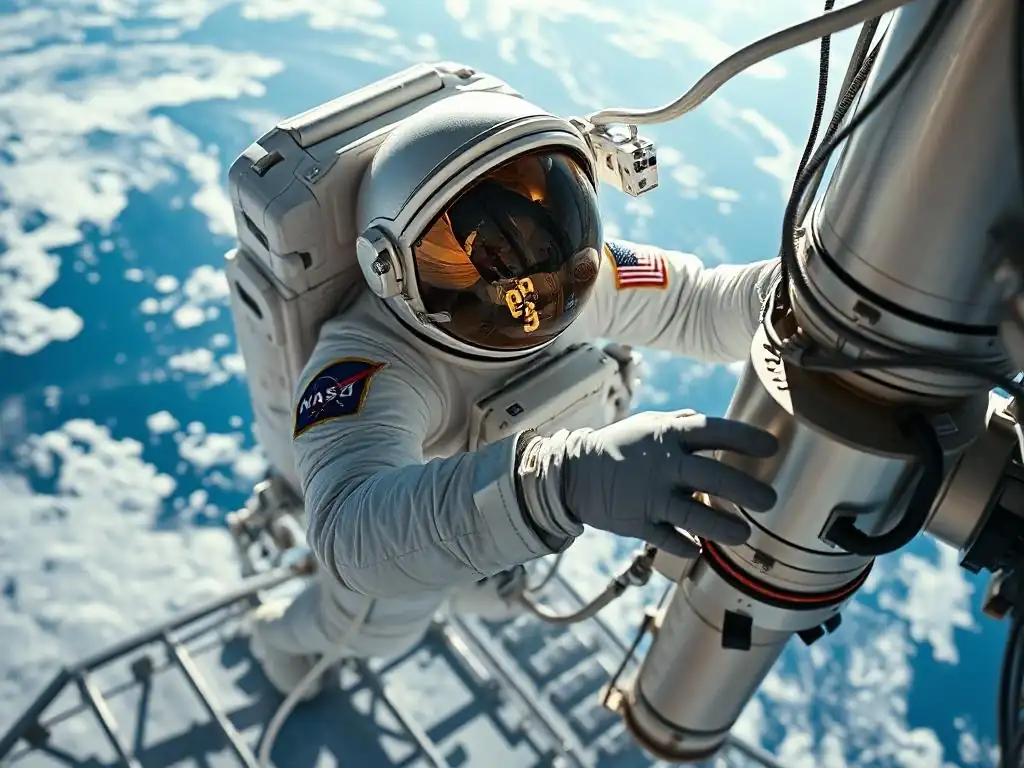
Dive into the extraordinary life of Tamara E. Jernigan, a true pioneer who defied gravity and shattered glass ceilings. Ever wondered what it takes to log over 1,300 hours in space across five incredible space shuttle flights? Discover the captivating story of her groundbreaking work and the challenges she overcame in our latest article, focusing on her remarkable Tamara Jernigan space shuttle flights. Prepare to be inspired by this remarkable woman's journey among the stars!
- Introduction: Celebrating Tamara Jernigan's Contributions to Space Science
- Early Life and Education: The Foundations of a Space Pioneer
- Tamara Jernigan's First Space Shuttle Flight: STS-40 (1991)
- STS-52: Deploying the Laser Geodynamic Satellite (LAGEOS II)
- STS-67: Jernigan's Third Space Shuttle Mission and Ultraviolet Astronomy
- STS-80: Furthering Microgravity Research and Space Technology
- STS-96: Jernigan's Final Flight and Pioneering Spacewalk
- Tamara Jernigan's Post-NASA Career: Leadership and Education
- Tamara Jernigan: Awards, Honors, and Recognition
- Conclusion: Remembering Tamara Jernigan's Stellar Career
-
Frequently Asked Questions
- What were Tamara Jernigan's most significant contributions to the space program?
- How many space shuttle flights did Tamara Jernigan participate in?
- What were some of the challenges Tamara Jernigan faced as a woman in science and space exploration?
- What type of scientific work did Tamara Jernigan conduct during her space shuttle flights?
- Why is it important to highlight Tamara Jernigan's achievements, particularly her space shuttle flights?
- Final Reflection: Reaching for the Stars and Inspiring Generations
- Ignite Your Inner Pioneer: Dare to Reach for the Stars!
Introduction: Celebrating Tamara Jernigan's Contributions to Space Science
Women in Science History: Highlighting Pioneering Female Astronauts
Women In Science History is dedicated to illuminating the often-overlooked achievements of women who have shaped scientific understanding and technological advancement. In the realm of space exploration, a field traditionally dominated by men, the contributions of female astronauts are particularly significant. These pioneers not only pushed the boundaries of human endeavor but also broke down societal barriers, demonstrating exceptional intellect, resilience, and courage. Their stories are vital in inspiring future generations and ensuring a more complete historical record of scientific progress.
Among these remarkable figures, Tamara E. Jernigan stands out as a distinguished astronaut whose career spanned nearly a decade of significant space shuttle missions. Her extensive experience, including five space shuttle flights, showcased her versatility and expertise in diverse scientific disciplines, from life sciences to astronomy and engineering. By detailing her journey, we celebrate her individual achievements while also recognizing the broader impact of women in space, paving the way for greater inclusivity in scientific fields.
Tamara Jernigan's Legacy: A Symbol of Achievement in Space Exploration
Tamara E. Jernigan's career as an astronaut is a testament to perseverance and scientific dedication, making her a true symbol of achievement in space exploration. Her record of five space shuttle flights between 1991 and 1999 places her among a select group of highly experienced spacefarers, demonstrating her profound commitment to advancing scientific knowledge through space-based research. Each of her missions contributed uniquely to our understanding of the universe, microgravity effects, and the foundational steps toward building the International Space Station.
Beyond the sheer number of her Tamara Jernigan space shuttle flights, her legacy is further cemented by her pioneering spacewalk during her final mission, STS-96. This extravehicular activity (EVA) was a critical step in the early assembly of the ISS and marked her as one of the few women at that time to perform such complex and vital tasks outside a spacecraft. Her career underscores the critical role women have played in humanity's quest to explore and understand the cosmos, leaving an indelible mark on the history of space exploration.
Early Life and Education: The Foundations of a Space Pioneer
From Physics to Engineering: Jernigan's Academic Journey
Tamara E. Jernigan's path to becoming an astronaut was paved with a rigorous academic foundation, beginning with a strong interest in the fundamental principles of the universe. She earned a Bachelor of Science degree in Physics from Stanford University in 1981, demonstrating an early aptitude for complex scientific inquiry. This foundational knowledge in physics provided her with the analytical and problem-solving skills essential for a career in cutting-edge research and development.
Furthering her academic pursuits, Jernigan went on to obtain a Master of Science degree in Engineering Science from Stanford in 1983, broadening her expertise to include practical applications of scientific theory. Her dedication to interdisciplinary learning continued with a Doctor of Philosophy degree in Space Physics and Astronomy from Rice University in 1985. This comprehensive educational background in both theoretical physics and practical engineering equipped her with a unique blend of skills, making her an ideal candidate for the demanding and multifaceted role of an astronaut.
Preparing for the Stars: Jernigan's Selection by NASA
Jernigan's exceptional academic record and clear passion for space science caught the attention of NASA, leading to her selection as an astronaut candidate in June 1985. She was chosen as part of NASA Astronaut Group 11, a highly competitive cohort of 13 individuals from a pool of thousands of applicants. This selection marked the culmination of years of intense study and preparation, signaling the beginning of her professional journey into space.
Following her selection, Jernigan underwent an intensive year of astronaut training at the Johnson Space Center in Houston, Texas. This training regimen included extensive instruction in shuttle systems, scientific payload operations, emergency procedures, and rigorous physical conditioning. Her ability to master these diverse and challenging requirements quickly prepared her for the complexities of spaceflight, laying the groundwork for her remarkable career of Tamara Jernigan space shuttle flights.
Tamara Jernigan's First Space Shuttle Flight: STS-40 (1991)
Spacelab Life Sciences (SLS-1): Jernigan's Initial Mission Objectives
Tamara Jernigan embarked on her maiden voyage into space aboard Space Shuttle Columbia on June 5, 1991, as a mission specialist for STS-40. This mission was designated Spacelab Life Sciences (SLS-1), marking the first dedicated Spacelab mission to focus entirely on biological and medical research in microgravity. The primary objective was to investigate how the human body and other organisms adapt to the space environment, addressing critical questions about bone density loss, cardiovascular deconditioning, and neurovestibular changes experienced by astronauts.
The SLS-1 crew, comprising a record seven members, including three women, conducted a wide array of experiments involving both humans and animals. This extensive research aimed to gather vital data for understanding the physiological challenges of long-duration spaceflight and to develop countermeasures. Jernigan's role was instrumental in executing these complex scientific protocols, providing her with invaluable hands-on experience in orbital research operations.
Experiencing Spaceflight: Jernigan's Role in Scientific Experiments
During the nine-day STS-40 mission, Jernigan was actively involved in the execution of 18 primary life sciences experiments housed within the Spacelab module. Her responsibilities included monitoring physiological data from her fellow crew members, who often served as subjects for various tests, and conducting precise procedures with animal subjects such as rodents and jellyfish to observe their responses to microgravity. For instance, she participated in experiments designed to study the effects of microgravity on the immune system and the cardiovascular system, meticulously following scientific protocols.
This initial experience with Tamara Jernigan space shuttle flights provided her with a deep understanding of the intricacies of conducting scientific research in an orbital environment. She gained practical skills in operating sophisticated laboratory equipment in weightlessness and managing complex data collection, all while adapting to the unique challenges of spaceflight. Her contributions to SLS-1 helped lay the groundwork for future life sciences research, directly impacting the health and safety protocols for astronauts on extended missions.
STS-52: Deploying the Laser Geodynamic Satellite (LAGEOS II)
Jernigan's Contributions to Earth Observation and Geodesy
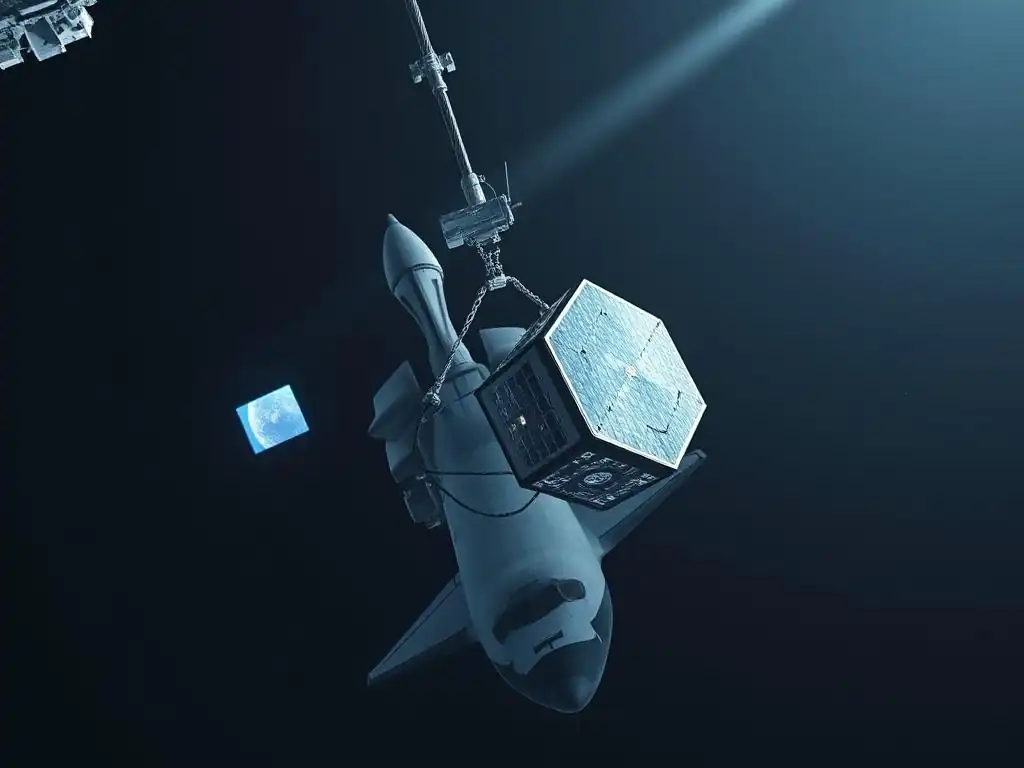
Tamara Jernigan's second orbital journey commenced on October 22, 1992, aboard Space Shuttle Columbia for STS-52. On this mission, her contributions shifted focus from life sciences to Earth observation and the critical field of geodesy. A primary objective of STS-52 was the deployment of the Laser Geodynamic Satellite (LAGEOS II), a collaborative project between NASA and the Italian Space Agency (ASI). LAGEOS II is a passive, cannonball-shaped satellite covered with 426 retroreflectors, designed to be tracked by ground-based lasers.
Jernigan's role as a mission specialist involved meticulously preparing and deploying this highly precise satellite. Her technical expertise ensured the successful release of LAGEOS II into its stable, high-altitude orbit at approximately 5,900 kilometers. The satellite's purpose was to provide ultra-precise measurements of Earth's shape, gravitational field, and crustal movements, contributing essential data to global geodetic networks. Her involvement in this deployment was crucial for establishing a long-term reference point for Earth science studies.
The Significance of LAGEOS II for Global Positioning Systems
The successful deployment of LAGEOS II by Jernigan and the STS-52 crew had profound implications for global positioning systems and our understanding of Earth's dynamic processes. Data acquired from LAGEOS II, through laser ranging, enables scientists to precisely measure tectonic plate motion, continental drift, polar motion, and the length of day variations. These measurements are fundamental to improving geodetic models and establishing highly accurate global reference frames.
While not directly a component of the Global Positioning System (GPS), the precise geodetic data derived from LAGEOS II significantly enhances the accuracy and understanding of the Earth's geoid, which is critical for refining GPS measurements and other satellite navigation systems. The long-term stability and precision of LAGEOS II data have been invaluable for geophysicists, providing insights into seismic activity, sea-level change, and the Earth's internal structure. Jernigan's participation in this mission underscores the diverse scientific scope of Tamara Jernigan space shuttle flights.
STS-67: Jernigan's Third Space Shuttle Mission and Ultraviolet Astronomy
The Astro-2 Mission: Exploring the Universe in Ultraviolet Light
Tamara Jernigan embarked on her third spaceflight, STS-67, aboard Space Shuttle Endeavour on March 2, 1995. This mission was unique as it was primarily dedicated to ultraviolet astronomy, carrying the ASTRO-2 observatory in the shuttle's payload bay. ASTRO-2 comprised three powerful ultraviolet telescopes: the Hopkins Ultraviolet Telescope (HUT), the Ultraviolet Imaging Telescope (UIT), and the Wisconsin Ultraviolet Photo-Polarimeter Experiment (WUPPE). These instruments were designed to observe celestial objects across a broad spectrum of ultraviolet light, which is largely absorbed by Earth's atmosphere and thus inaccessible from ground-based observatories.
The scientific objectives of ASTRO-2 were ambitious, aiming to study the composition and evolution of galaxies, quasars, hot stars, and the interstellar medium. By capturing ultraviolet emissions, astronomers could gain crucial insights into processes like star formation, the properties of supernova remnants, and the nature of active galactic nuclei. This mission offered an unprecedented window into the high-energy processes occurring throughout the universe.
Operating the Ultraviolet Telescopes Aboard the Shuttle Endeavour
As Payload Commander for the STS-67 mission, Tamara Jernigan held a critical role in overseeing the operation of the sophisticated ASTRO-2 observatory. Her responsibilities included coordinating the scientific observations, managing the complex pointing of the telescopes, and ensuring the collection of high-quality data. The mission lasted a record-setting 16 days and 15 hours for an Endeavour flight, allowing for an extensive program of observations.
Throughout the mission, Jernigan and her crew meticulously executed a demanding schedule of observations, targeting hundreds of celestial objects. They gathered vast amounts of data on diverse cosmic phenomena, including the faint ultraviolet emission from galaxy clusters, the composition of stellar winds, and the distribution of gas in the halos of galaxies. Her expertise in physics and astronomy was invaluable in maximizing the scientific return of ASTRO-2, contributing significantly to our understanding of the universe's ultraviolet spectrum and highlighting the versatility of Tamara Jernigan space shuttle flights.
STS-80: Furthering Microgravity Research and Space Technology
Testing New Technologies: Jernigan's Role in Space Research
Tamara Jernigan's fourth space mission, STS-80, took place aboard Space Shuttle Columbia from November 19 to December 7, 1996. This extended mission, lasting nearly 18 days, was primarily dedicated to deploying and retrieving two free-flying scientific satellites: the Wake Shield Facility (WSF) and the Orbiting Retrievable Far and Extreme Ultraviolet Spectrometer (ORFEUS-SPAS II). As a mission specialist, Jernigan played a key role in the deployment and retrieval operations, which required precise robotic arm maneuvers and meticulous planning.
The Wake Shield Facility was an innovative experiment designed to create an ultra-vacuum environment in space by flying ahead of the shuttle, essentially creating a "wake" devoid of residual atmospheric gases. This unique condition allowed for the growth of high-quality thin films and semiconductor materials that are impossible to produce on Earth due to atmospheric contamination. Jernigan's involvement in these cutting-edge materials science experiments underscored her versatility and contribution to advancing fundamental scientific research in microgravity.
The Importance of Microgravity Experiments for Future Space Missions
The STS-80 mission, with its focus on the WSF and ORFEUS-SPAS II, demonstrated the critical importance of microgravity experiments for developing future space technologies and enhancing our understanding of the universe. The ORFEUS-SPAS II, a German-led mission, provided further insights into ultraviolet astronomy, building upon the successes of ASTRO-2. Its observations contributed to studies of stellar evolution, the interstellar medium, and the hot gas in galactic halos.
The success of the WSF experiments, in particular, proved the feasibility of manufacturing advanced materials in the unique environment of space, potentially leading to breakthroughs in electronics and nanotechnology. The extensive duration of this mission, setting a new record for the longest Space Shuttle flight at 17 days, 15 hours, and 53 minutes, also provided valuable data on the long-term performance of both crew and spacecraft systems. These Tamara Jernigan space shuttle flights were pivotal in advancing both fundamental science and the practical applications necessary for sustained human presence in space.
STS-96: Jernigan's Final Flight and Pioneering Spacewalk
Docking with the International Space Station (ISS): A Milestone Mission
Tamara Jernigan's fifth and final spaceflight, STS-96, occurred from May 27 to June 6, 1999, aboard Space Shuttle Discovery. This mission marked a significant milestone in human space exploration: it was the first Space Shuttle mission to dock with the nascent International Space Station (ISS). At this point, the ISS consisted only of the Russian Zarya module and the U.S. Unity module. The primary objective of STS-96 was to deliver four tons of supplies and equipment to the station, essential for its initial outfitting and future assembly.
As a mission specialist, Jernigan played a crucial role in the rendezvous and docking maneuvers, which required precision and coordination. The cargo delivered included a Russian Strela crane, a U.S. built orbital replacement unit (ORU) transfer device, and various logistics items, all vital for the ongoing construction and habitation of the orbital outpost. This mission laid critical groundwork for the continuous human presence on the ISS, a testament to the evolving nature of Tamara Jernigan space shuttle flights.
Jernigan's Spacewalk: Contributions to ISS Construction and Maintenance
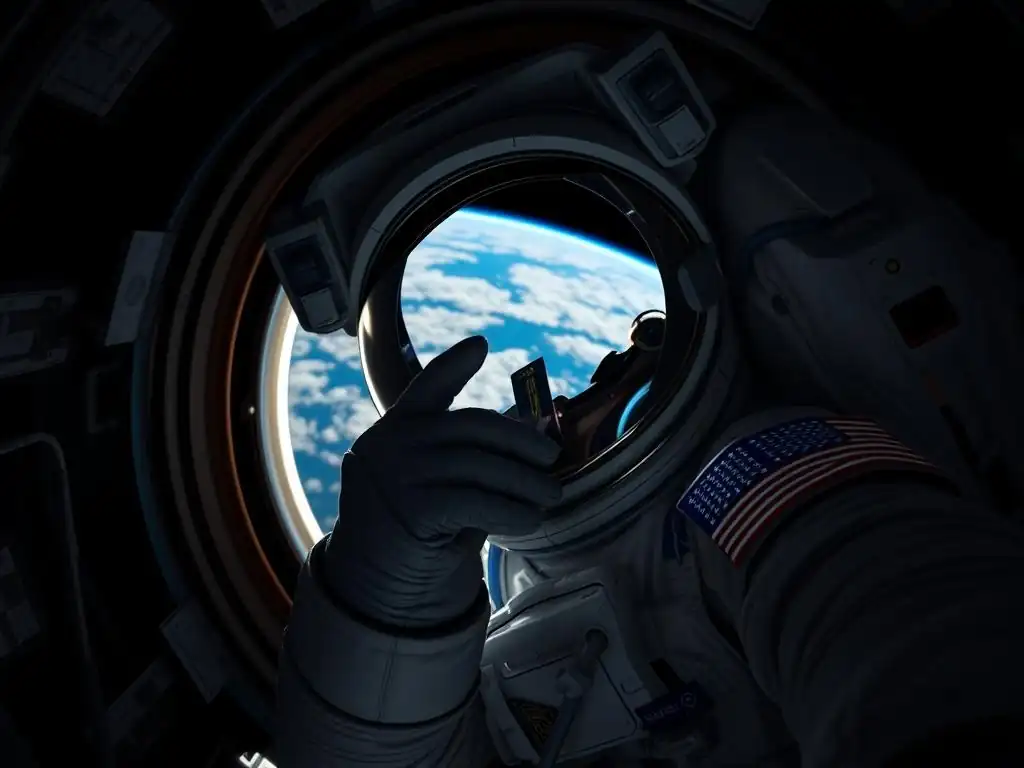
During STS-96, Tamara Jernigan made history by performing her first and only extravehicular activity (EVA), or spacewalk, on May 30, 1999. Alongside fellow astronaut Daniel Barry, she spent 7 hours and 55 minutes outside the Discovery and the ISS. Their spacewalk was crucial for preparing the station for future assembly missions. Among their key tasks were the installation of two cranes, one U.S. and one Russian, on the exterior of the Unity module, which would be used for moving equipment and components during later construction phases.
Additionally, Jernigan and Barry installed several foot restraints and communication antennas, and transferred vital equipment such as a power converter and a data relay box from the shuttle to the ISS. These complex tasks required precise movements and coordination in the vacuum of space, highlighting Jernigan's exceptional dexterity and problem-solving skills. Her contribution was vital for ensuring the structural integrity and operational readiness of the early ISS.
Becoming a Spacewalking Pioneer: Jernigan's Impact on EVA Procedures
Tamara Jernigan's spacewalk on STS-96 cemented her status as a pioneering figure in space exploration, particularly for women. At the time, very few women had conducted EVAs, and her successful completion of such critical tasks for ISS assembly demonstrated the increasing capabilities and roles of female astronauts. Her experience contributed directly to the refinement of EVA procedures and training protocols for future ISS construction and maintenance.
Her spacewalk not only helped to outfit the orbiting laboratory but also provided invaluable insights into the challenges and requirements of working in the harsh environment of space for extended periods. This historic EVA further underscored the diversity of her career during her Tamara Jernigan space shuttle flights, showcasing her ability to excel in both scientific research and complex engineering operations, setting a powerful precedent for women in space.
Tamara Jernigan's Post-NASA Career: Leadership and Education
Lawrence Livermore National Laboratory: Director of the Computation Directorate
After a distinguished career at NASA, Tamara Jernigan retired from the astronaut corps in September 2001, transitioning her exceptional leadership and scientific acumen to a new domain. She joined the Lawrence Livermore National Laboratory (LLNL), a premier federally funded research and development center focusing on national security science. At LLNL, she assumed a significant leadership role, eventually becoming the Associate Director for Physical Sciences and later the Director of the Computation Directorate.
In her role as Director of the Computation Directorate, Jernigan oversaw a vast array of scientific computation programs, including high-performance computing, data science, and advanced simulation capabilities crucial for national security applications and scientific discovery. Her leadership was instrumental in guiding LLNL's efforts in developing exascale computing systems and applying cutting-edge computational methods to complex problems in physics, engineering, and materials science. This transition showcased her ability to apply her unique blend of scientific knowledge and operational experience to complex organizational challenges.
Inspiring Future Generations of Women in STEM
Throughout her post-NASA career, Tamara Jernigan has continued to be a powerful advocate for science, technology, engineering, and mathematics (STEM) education, particularly for young women and girls. Her own journey, from a keen student of physics to a veteran astronaut and a leader in national scientific research, serves as a compelling example of what can be achieved through dedication and intellectual curiosity. She frequently shares her experiences, emphasizing the importance of rigorous education and the diverse opportunities available in STEM fields.
By speaking at educational institutions and participating in outreach initiatives, Jernigan actively works to demystify scientific careers and inspire future generations to pursue their passions in science and engineering. Her narrative highlights the importance of perseverance in the face of challenges and the profound impact individuals can have on scientific advancement. Her ongoing commitment to inspiring women in STEM ensures that her legacy extends far beyond her remarkable Tamara Jernigan space shuttle flights, fostering a new wave of innovators and explorers.
Tamara Jernigan: Awards, Honors, and Recognition
NASA Space Flight Medals and Honorary Degrees
Tamara E. Jernigan's exceptional contributions to space exploration have been widely recognized through numerous prestigious awards and honors. For each of her five Space Shuttle missions, she was awarded the NASA Space Flight Medal, a testament to her consistent excellence and dedication in orbital operations. These include medals for STS-40, STS-52, STS-67, STS-80, and STS-96, each signifying her integral role in advancing scientific objectives across diverse fields. Beyond mission-specific recognition, she also received the NASA Exceptional Service Medal, acknowledging her outstanding service and significant contributions to the agency.
Her leadership and profound impact were further recognized with the NASA Outstanding Leadership Medal, underscoring her capabilities in guiding complex scientific endeavors and her team. In addition to her NASA accolades, Jernigan has also received honorary degrees from various academic institutions, celebrating her intellectual achievements and her role as an inspirational figure in science and engineering. These honors reflect the high esteem in which she is held by both the scientific community and the nation.
A Lasting Impact on Space Exploration and Women in Science
The numerous awards and recognitions bestowed upon Tamara Jernigan collectively highlight her lasting impact on both space exploration and the advancement of women in science. Her career, marked by five successful Tamara Jernigan space shuttle flights and a pioneering spacewalk, demonstrates an unparalleled commitment to scientific discovery and operational excellence. She not only contributed significantly to our understanding of microgravity, Earth's geodesy, and ultraviolet astronomy but also played a crucial role in the foundational assembly of the International Space Station.
Her achievements have served as a powerful source of inspiration, challenging traditional perceptions of who can excel in highly technical and demanding fields like astronautics. Jernigan's legacy continues to encourage young women to pursue STEM careers, proving that with dedication and expertise, the sky is not the limit. Her exemplary career serves as a beacon for future generations, solidifying her place as a true icon in the history of women in science.
Conclusion: Remembering Tamara Jernigan's Stellar Career
Celebrating Jernigan's Five Space Shuttle Flights
Tamara E. Jernigan's remarkable career as a NASA astronaut is defined by her impressive record of five space shuttle flights, each contributing significantly to humanity's understanding of space and its applications. From her inaugural mission on STS-40 (Spacelab Life Sciences-1) in 1991, where she delved into the complexities of human physiology in microgravity, to her final, pivotal flight on STS-96 in 1999, where she contributed to the early assembly of the International Space Station, her versatility and dedication were evident.
Her missions spanned diverse scientific disciplines, including the deployment of the LAGEOS II satellite for geodesy on STS-52, commanding the ASTRO-2 ultraviolet astronomy observatory on STS-67, and conducting advanced microgravity research on STS-80.
These Tamara Jernigan space shuttle flights collectively represent nearly 47 days spent orbiting Earth, accumulating a wealth of experience in orbital operations, scientific experimentation, and complex engineering tasks. Her consistent performance across such varied missions underscored her exceptional technical prowess and commitment to scientific discovery. She was a key player in the era of shuttle-based research, pushing the boundaries of what was possible in low Earth orbit.
Tamara Jernigan: A True Pioneer in Women's Space Exploration History
Tamara E. Jernigan's enduring legacy extends far beyond her impressive flight statistics. She is celebrated as a true pioneer in women's space exploration history, particularly for her groundbreaking spacewalk during STS-96. This extravehicular activity was not only critical for the nascent International Space Station but also solidified her place among the select group of women who performed complex operations outside a spacecraft, paving the way for future female spacewalkers.
Her career exemplifies the immense contributions women have made to science and exploration, often overcoming significant barriers in historically male-dominated fields. By excelling in every aspect of her astronautical duties, from intricate scientific experiments to demanding engineering tasks and pioneering spacewalks, Tamara Jernigan inspired countless individuals. Her story remains a powerful narrative of achievement, dedication, and the breaking of new ground, ensuring her place as an iconic figure in the annals of women in science.
Frequently Asked Questions
What were Tamara Jernigan's most significant contributions to the space program?
Tamara Jernigan is known for her five space shuttle flights and her significant contributions to various missions, including deploying satellites and conducting scientific experiments. She is also notable for being a spacewalking pioneer, a crucial aspect of her career.
How many space shuttle flights did Tamara Jernigan participate in?
Tamara Jernigan participated in a total of five space shuttle flights, from 1991 to 1999, showcasing her commitment and expertise in space exploration. Each mission contributed to her legacy as a prominent figure in space shuttle history.
What were some of the challenges Tamara Jernigan faced as a woman in science and space exploration?
Like many women in science, Jernigan likely faced challenges related to gender bias and underrepresentation in a male-dominated field. Overcoming these hurdles was a testament to her skill and determination.
What type of scientific work did Tamara Jernigan conduct during her space shuttle flights?
During her space shuttle flights, Jernigan participated in various scientific experiments, satellite deployments, and repairs. Her work contributed to our understanding of space and technological advancements.
Why is it important to highlight Tamara Jernigan's achievements, particularly her space shuttle flights?
Highlighting Tamara Jernigan's space shuttle flights and achievements is crucial to inspiring future generations of women in STEM. It also helps correct the historical record by recognizing the often-overlooked contributions of women in science history.
Final Reflection: Reaching for the Stars and Inspiring Generations
The journey of Tamara Jernigan, chronicled through her five space shuttle flights, is not merely a historical account; it is a testament to the enduring power of human ambition and unwavering dedication. Her story, meticulously detailed, serves as a potent reminder that even the most audacious dreams can be realized through perseverance and a relentless pursuit of knowledge.
The impact of Jernigan's achievements extends far beyond the confines of NASA and the scientific community. Her groundbreaking spacewalk and repeated voyages into the cosmos have indelibly shaped the perception of women in STEM and ignited the imaginations of countless young people. As she herself stated, The most rewarding thing is to see the excitement in the eyes of young people when they realize that they, too, can achieve their dreams.
This inspiration is her lasting legacy.
Let us, therefore, carry forward the spirit of Tamara Jernigan. Let her story be a constant reminder that the boundaries we face are often self-imposed. Dare to dream big, embrace challenges, and strive to reach for your own stars, knowing that your journey, like hers, can inspire generations to come.
Ignite Your Inner Pioneer: Dare to Reach for the Stars!
Thank you for exploring the inspiring journey of Tamara E. Jernigan. We hope her dedication and groundbreaking achievements have ignited a spark within you. Now, let's translate that inspiration into action!
Here are a few ways you can honor Tamara's legacy and fuel your own passion for exploration:
- Share Tamara's story with your network! Help spread awareness of her incredible contributions to space exploration and inspire future generations.
- Explore resources and information about women in STEM to find mentorship programs, scholarships, and opportunities that can help you pursue your own scientific aspirations.
- Attend a local astronomy club meeting or visit a science museum to learn more about space exploration and connect with like-minded enthusiasts.
What small step will you take today to unleash your inner pioneer and contribute to the world of science?