
From Assistant to Authority: Women's Ascent in Astronomical Research (19001950)

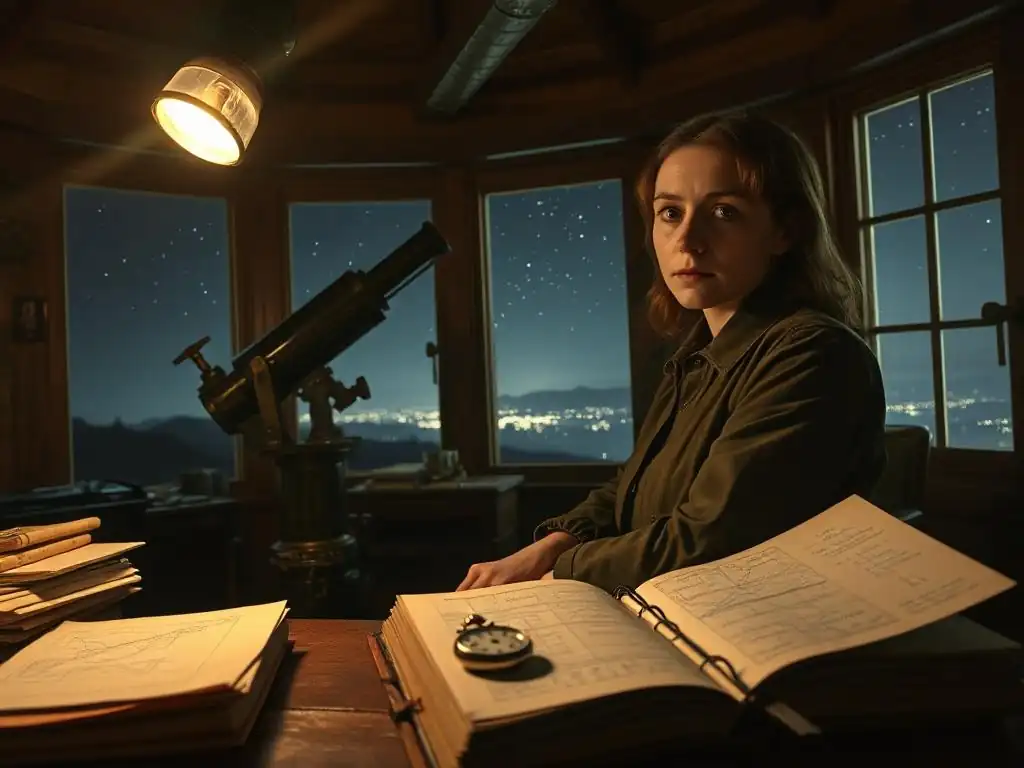
Welcome to WomenInScienceHistory.com!
Discover the untold stories of brilliant minds that shaped our understanding of the universe. This month, we delve into the fascinating and often challenging journey of women astronomy research careers between 1900 and 1950. How did these pioneering women navigate a male-dominated field and leave an indelible mark on the cosmos? Prepare to be inspired by their resilience and groundbreaking contributions, and uncover the secrets of their remarkable ascent.
- Introduction: Recognizing Women's Contributions to Early 20th Century Astronomy
-
Frequently Asked Questions
- What were some common obstacles faced by women pursuing an astronomy research career between 1900 and 1950?
- How did women contribute significantly to astronomy research during the period 1900-1950, despite the challenges?
- What types of roles were typically available to women in astronomy before they could establish themselves in a research career?
- How did the changing social landscape of the early 20th century impact women's opportunities in astronomy?
- What advice would you give to a young woman today interested in pursuing a "women astronomy research career" based on the experiences of women in the early 20th century?
- Final Reflection: Illuminating the Path Forward
- Ignite Your Own Cosmic Journey
Introduction: Recognizing Women's Contributions to Early 20th Century Astronomy
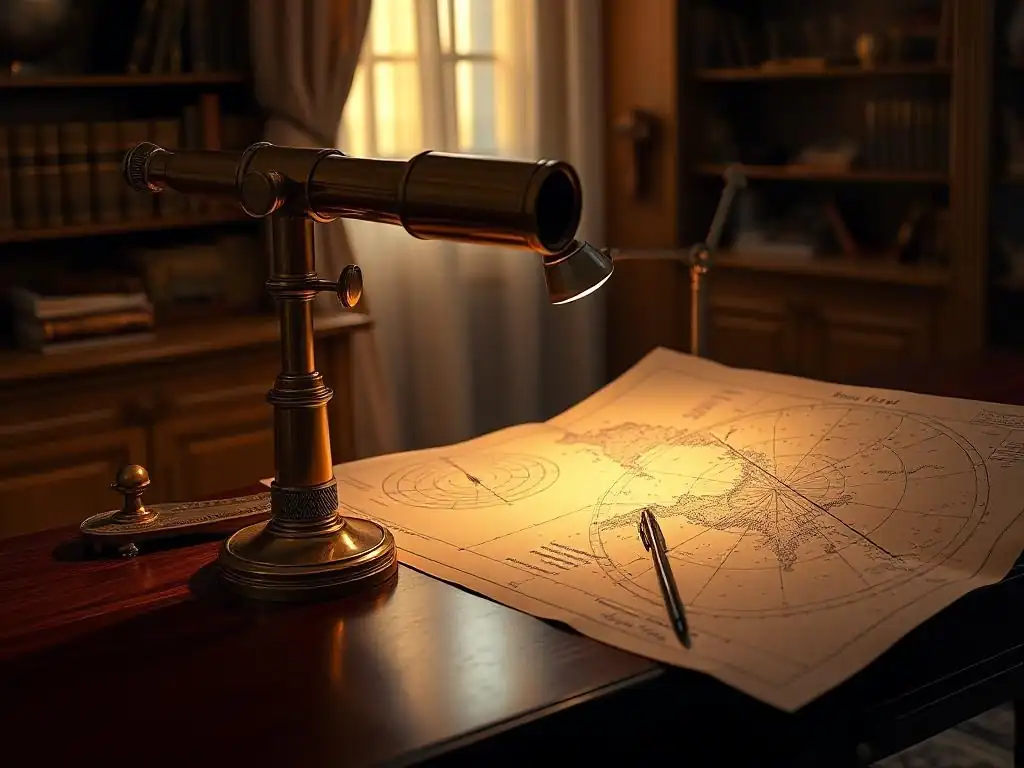
The Undervalued Role of Women in Early Astronomical Observatories
At the dawn of the 20th century, the landscape of astronomical observatories was predominantly male-dominated, with women often relegated to supporting roles that were essential but largely uncredited. These roles frequently involved meticulous, repetitive tasks such as measuring photographic plates, performing complex calculations, and cataloging vast amounts of stellar data.
While this work was foundational to major astronomical discoveries, the women undertaking it were rarely acknowledged as researchers in their own right, and their contributions were often seen as clerical or technical assistance rather than genuine scientific inquiry. This limited the perception of a potential women astronomy research career and reinforced the societal expectation that women's intellectual contributions were secondary.
For instance, at institutions like the Harvard College Observatory, dozens of women were employed as "computers" or "calculators" from the late 19th century into the early 20th. Their precise work, often carried out for meager wages compared to their male counterparts, directly enabled groundbreaking research. However, their names seldom appeared on published papers, even when their analytical skills directly led to the insights. This systemic undervaluation meant that the path to a recognized women astronomy research career was exceptionally steep, with professional advancement and public recognition remaining largely out of reach for many talented individuals.
Shifting Perceptions: Acknowledging Female Astronomers' Expertise
Despite the initial undervaluation, the sheer volume, precision, and intellectual rigor demonstrated by these female "computers" gradually began to shift perceptions within the astronomical community. As their meticulous work led to undeniable breakthroughs and critical data sets, it became increasingly difficult to deny their intrinsic expertise and scientific acumen. The necessity of their contributions for the advancement of astronomy itself forced a reluctant, yet growing, acknowledgment of their capabilities beyond mere data entry.
This shift was not sudden but rather a slow, arduous process, often spearheaded by a few visionary male astronomers who recognized the talent before them, alongside the relentless dedication of the women themselves. When specific women began to publish significant findings under their own names, or when their unique methodologies proved indispensable, the traditional barriers began to show cracks. This emerging recognition was crucial for validating the concept of a viable women astronomy research career, transitioning from an uncredited assistantship to a more recognized professional role.
Women's Astronomical Research Careers: A Historical Overview (1900-1950)
The period between 1900 and 1950 represents a pivotal half-century for women in astronomy, marking a transition from nearly invisible support roles to increasingly visible and impactful research positions. This era saw the foundational work of pioneering female scientists who, despite significant societal and professional hurdles, made indispensable contributions that redefined our understanding of the cosmos. Their journeys illustrate a complex evolution of the women astronomy research career, characterized by tenacity, intellectual brilliance, and a persistent fight for recognition.
Initially, opportunities were scarce and often confined to specific institutions or specific types of work. However, as the decades progressed, particularly influenced by the World Wars which opened up more scientific roles, the landscape slowly began to change. By the mid-20th century, while gender disparities certainly persisted, more women were not only participating in astronomical research but were also leading significant projects, publishing their findings, and slowly gaining a foothold in academic and professional societies, thereby solidifying the path for a future women astronomy research career.
Frequently Asked Questions
What were some common obstacles faced by women pursuing an astronomy research career between 1900 and 1950?
Women often faced gender discrimination and were relegated to lower-paying, less recognized roles such as calculators or assistants, despite their contributions. They also struggled with limited access to funding and leadership positions.
How did women contribute significantly to astronomy research during the period 1900-1950, despite the challenges?
Women made crucial contributions through stellar classification, photographic plate analysis, and variable star research. Their meticulous work formed the foundation for many astronomical discoveries, even if they weren't always fully credited.
What types of roles were typically available to women in astronomy before they could establish themselves in a research career?
Many women started as "human computers", analyzing data and processing observations, often working as assistants to male astronomers. These roles, while limited, provided valuable experience and training.
The rise of the suffrage movement and changing societal attitudes gradually opened doors for women in higher education and professional fields. However, progress was slow and uneven, with many institutional barriers remaining.
What advice would you give to a young woman today interested in pursuing a "women astronomy research career" based on the experiences of women in the early 20th century?
Learn from the persistence and resilience of past female astronomers. Seek out mentorship and support networks, and never underestimate the value of your contributions, even when facing adversity.
Final Reflection: Illuminating the Path Forward
The narratives unearthed in this article, detailing the arduous yet inspiring journey of women in astronomical research between 1900 and 1950, resonate powerfully today. Their struggle for recognition and authority underscores the ongoing need for equitable opportunities within STEM fields. These pioneers laid the groundwork, battling systemic biases and societal expectations to contribute significantly to our understanding of the cosmos. Their stories are not just historical accounts; they are a testament to resilience and a call to action for continued progress.
The impact of these women extends far beyond the scientific discoveries they made. Their perseverance shattered glass ceilings and paved the way for future generations of female scientists, demonstrating that brilliance knows no gender. Their legacy continues to inspire, reminding us of the importance of mentorship, advocacy, and unwavering belief in one's potential. Look up at the stars and not down at your feet. Try to make sense of what you see, and wonder about what makes the universe exist. Be curious.
- Stephen Hawking, a sentiment perfectly embodying the spirit of these astronomical trailblazers.
As we reflect on the challenges and triumphs of these women, let us consider our own role in fostering a more inclusive and equitable scientific community. What steps can we take to ensure that every aspiring astronomer, regardless of gender or background, has the opportunity to reach their full potential? Let us honor their legacy by actively championing diversity, promoting mentorship, and creating a space where all voices are heard and valued, so that the future of astronomical research shines even brighter.
Ignite Your Own Cosmic Journey
Thank you for delving into the inspiring stories of women who shaped astronomical research! We hope you've gained a newfound appreciation for their contributions and the challenges they overcame. Ready to make your own mark?
Here’s how you can continue the legacy:
- Identify a contemporary woman astronomer whose work resonates with you and write a letter of appreciation, highlighting her impact.
- Explore online archives of historical scientific data, such as digitized astronomical plates, and contribute to citizen science projects that help uncover new insights.
- Share this article with three friends or colleagues who might be inspired by these stories and start a conversation about the importance of recognizing women's contributions in STEM.
What untold story will you uncover in the vast universe of scientific history?