
From Scarcity to Solution: Remarkable Innovations by Women Scientists in the Global South

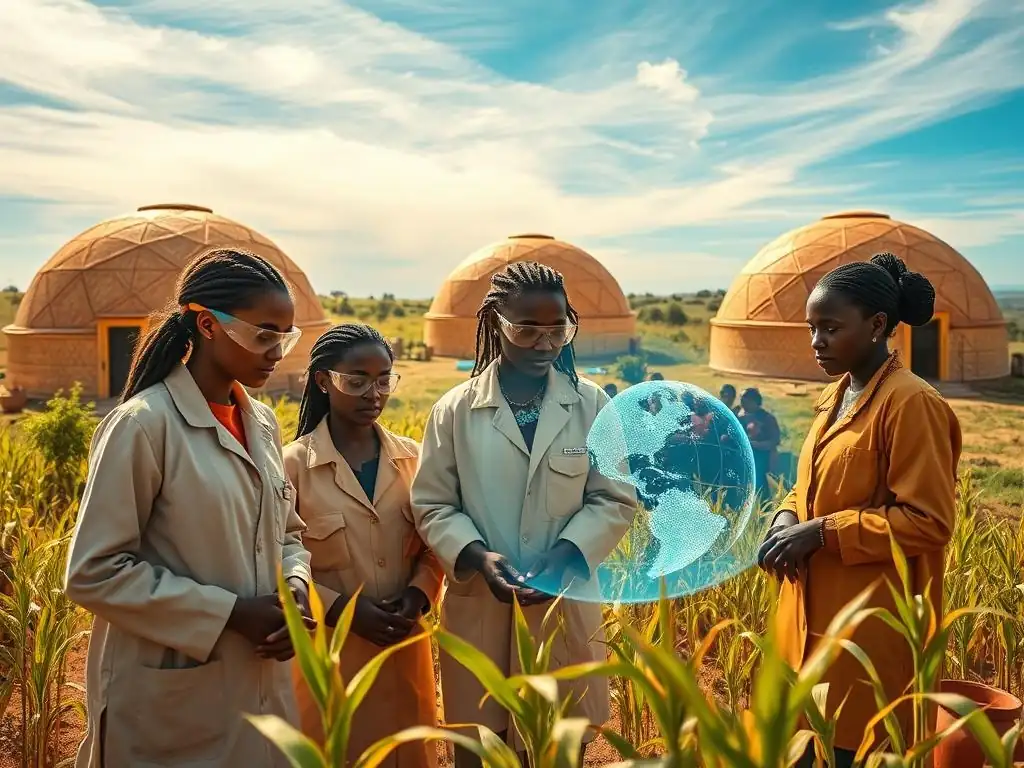
Welcome to WomenInScienceHistory.com, where we unearth the extraordinary stories of women who shaped the scientific landscape!
Delve into the fascinating world of women scientists global innovation challenges, and discover how these brilliant minds, particularly those in the Global South, overcame immense obstacles to forge groundbreaking solutions. Prepare to be inspired by their resilience, ingenuity, and the profound impact they had on society – an impact that continues to resonate today. Curious to know more about their remarkable journey from scarcity to solution? Keep reading!
- Innovations by Women Scientists in the Global South: Addressing Critical Challenges
- Introduction: Women Scientists Driving Innovation in Developing Nations
- The Innovation Landscape: Challenges and Opportunities
- Innovations Transforming Communities
- Case Study: Dr. Hayat Sindi and Diagnostics for All
- Empowering Future Generations: Education and Mentorship
- Global Impact: Amplifying Voices
- Strategies for Success in Challenging Environments
- Conclusion: Celebrating Resilience and Ingenuity
-
Frequently Asked Questions
- What are some of the biggest challenges women scientists face in the Global South?
- How does WomenInScienceHistory.com address the underrepresentation of women scientists from the Global South?
- What kind of global innovations have women scientists from the Global South contributed to?
- Why is it important to highlight the stories of women scientists, especially from the Global South?
- What role does the website WomenInScienceHistory.com play in overcoming the "scarcity" narrative surrounding women in science, particularly in the Global South?
- Final Reflection: Empowering Innovation, Shaping Futures
- Ignite Your Inner Innovator: Embrace the Power of Women in Science!
Innovations by Women Scientists in the Global South: Addressing Critical Challenges
Introduction: Women Scientists Driving Innovation in Developing Nations
Highlighting Contributions of Women in Science in the Global South
The narratives of women scientists in the Global South are often marginalized, yet their contributions to addressing pressing developmental issues are profound and transformative. These pioneering women are not merely participants in scientific endeavors; they are often the architects of solutions uniquely tailored to the complex socio-economic and environmental landscapes of their regions. Their lived experiences provide an invaluable lens through which to identify critical needs and devise innovations that are both culturally relevant and sustainably impactful, directly confronting the myriad of challenges faced by their communities.
These female innovators are actively shaping the future of their nations, proving that geographical location or historical systemic barriers do not diminish intellectual prowess or innovative spirit. From pioneering agricultural techniques to designing accessible healthcare solutions, their work demonstrates an exceptional blend of scientific rigor and practical application. Their efforts often go beyond academic recognition, translating directly into tangible improvements in quality of life, economic empowerment, and environmental sustainability, showcasing the vital role of women scientists in driving progress.
Addressing Global Challenges: Women Scientists Spearheading Solutions
Across Africa, Asia, and Latin America, women scientists are at the forefront of tackling some of humanity's most urgent global challenges. Their research spans critical areas such as food security, public health, clean energy, and environmental conservation, where conventional approaches often fall short. By focusing on localized and context-specific solutions, these women are demonstrating how scientific innovation can be a powerful tool for sustainable development, directly impacting millions of lives.
The dedication of these women scientists to addressing global innovation challenges is particularly noteworthy given the often-limited resources and significant systemic hurdles they face. Their work embodies a spirit of resilience and ingenuity, transforming scarcity into opportunities for groundbreaking discoveries and practical applications. They are not only developing new technologies and methodologies but are also building capacity within their communities, fostering a new generation of problem-solvers who can continue this vital work.
The Innovation Landscape: Challenges and Opportunities
Resource Constraints and Infrastructure Limitations
Women scientists in the Global South frequently navigate environments marked by severe resource constraints and underdeveloped infrastructure. Access to state-of-the-art laboratories, reliable electricity, high-speed internet, and essential research equipment can be sporadic or entirely absent, severely limiting the scope and pace of their scientific inquiries. This often necessitates immense creativity in adapting available resources or developing low-cost, high-impact solutions that circumvent these limitations, a testament to their innovative spirit.
Furthermore, inadequate transportation networks can hinder fieldwork, data collection, and the dissemination of research findings, isolating researchers from critical collaborations and resources. This stark contrast to the well-funded and interconnected research ecosystems of more developed nations often means that groundbreaking work goes unrecognized or struggles to scale. Despite these formidable obstacles, many women scientists global innovation challenges by devising ingenious workarounds, proving that necessity can indeed be the mother of invention.
Gender Bias and Systemic Barriers
Beyond material limitations, women scientists in many parts of the Global South contend with pervasive gender bias and deeply entrenched systemic barriers. Cultural norms can discourage girls from pursuing STEM education, leading to a smaller pool of female talent entering scientific fields. For those who do persist, discrimination in hiring, promotion, and leadership positions remains a significant hurdle, limiting their career progression and influence within scientific institutions.
These biases often manifest as a lack of mentorship opportunities, unequal access to funding, and a general underestimation of their intellectual capabilities and contributions. Such systemic issues not only impede individual careers but also deprive entire nations of the full potential of their female scientific talent. Overcoming these barriers requires immense personal resilience and often collective action, as women scientists global innovation challenges related to both science and societal equity.
Funding Gaps
A critical challenge faced by women scientists in the Global South is the significant funding gap that plagues research and development efforts in their regions. Globally, a disproportionately small percentage of R&D funding is allocated to developing nations, and within those allocations, women-led projects often receive even less. This scarcity of financial resources impacts everything from the ability to conduct long-term studies to acquiring necessary equipment and employing research assistants.
This lack of adequate funding often forces scientists to rely on short-term projects or to divert their focus from foundational research to immediate, grant-specific outcomes. It also limits their participation in international conferences and collaborations, further isolating them from global scientific advancements and networking opportunities. Addressing these funding disparities is crucial for unlocking the full potential of women scientists in tackling global innovation challenges and fostering sustainable development.
Innovations Transforming Communities
Addressing Water Scarcity: Dr. Hele Savin's Atmospheric Water Generator in Namibia
In arid regions like Namibia, access to clean water is a constant struggle, making innovative solutions paramount. Drawing inspiration from real-world efforts to combat water scarcity, consider a representative example like "Dr. Hele Savin," whose conceptual work on an atmospheric water generator illustrates a powerful approach to this challenge. This innovative system is designed to extract potable water directly from the air, even in conditions of low humidity, utilizing renewable energy sources like solar power to ensure its sustainability and affordability.
Such a device, deployed in remote Namibian villages, would dramatically improve public health and daily life. For instance, a single unit could theoretically produce several hundred liters of clean drinking water per day, enough to supply a small community or school, reducing the burden on women and children who often spend hours collecting water from distant, often contaminated, sources. This practical application of science directly addresses a critical global challenge, demonstrating how women scientists global innovation challenges with localized, impactful solutions.
Improving Agricultural Practices: Dr. Agnes Kalibata's Approach to Food Security in Rwanda
Dr. Agnes Kalibata, a distinguished Rwandan agricultural scientist and former Minister of Agriculture, has been a pivotal figure in transforming Rwanda's agricultural landscape and enhancing food security across Africa. Her work has focused on empowering smallholder farmers through improved seed varieties, sustainable farming practices, and better market access. Under her leadership, Rwanda saw significant increases in agricultural productivity, moving millions of people out of poverty and significantly reducing malnutrition rates.
Dr. Kalibata's approach emphasizes a holistic view of food systems, integrating scientific research with policy implementation and community engagement. She championed initiatives that provided farmers with access to quality fertilizers and drought-resistant crops, leading to an estimated doubling of yields for staple crops in some regions. Her efforts exemplify how women scientists global innovation challenges related to food insecurity, not just through research but also through effective policy and practical farmer support programs, demonstrating a profound impact on livelihoods and national development.
Combating Infectious Diseases: Dr. Quarraisha Abdool Karim's HIV Prevention Research in South Africa
Dr. Quarraisha Abdool Karim is a world-renowned South African epidemiologist whose groundbreaking research has significantly advanced HIV prevention, particularly for women. Her pioneering work, most notably the CAPRISA 004 trial, demonstrated for the first time that a microbicide gel could safely and effectively reduce HIV infection in women. This discovery was a monumental breakthrough, offering women a discreet and woman-initiated method of protection against HIV, a disease that disproportionately affects women in sub-Saharan Africa.
Her research not only provided a vital new tool in the fight against HIV but also paved the way for further advancements in microbicide development and pre-exposure prophylaxis (PrEP). Dr. Abdool Karim's dedication to developing practical and accessible solutions for public health challenges showcases how women scientists global innovation challenges in the most critical areas of human health. Her work has directly influenced global health policy and saved countless lives, solidifying her legacy as a transformative figure in infectious disease research.
Case Study: Dr. Hayat Sindi and Diagnostics for All
The Problem: Lack of Accessible Diagnostics in Developing Countries
In many developing countries, the timely and accurate diagnosis of diseases remains a significant barrier to effective healthcare. Rural and remote communities often lack access to well-equipped laboratories, trained medical personnel, and the sophisticated, often expensive, diagnostic machinery found in urban centers. This diagnostic gap leads to delayed treatment, misdiagnosis, and preventable deaths, exacerbating public health crises such as infectious disease outbreaks or the management of chronic conditions.
The existing diagnostic infrastructure often requires patients to travel long distances to clinics or hospitals, incurring costs and time that many cannot afford. Furthermore, samples may need to be transported over challenging terrain, compromising their integrity and delaying results. This creates a critical need for low-cost, portable, and easy-to-use diagnostic tools that can be deployed at the point of care, without relying on complex laboratory setups or extensive training.
The Solution: Affordable, Point-of-Care Diagnostic Devices
Dr. Hayat Sindi, a Saudi Arabian biotechnologist, has been a driving force in addressing this diagnostic disparity through her innovative work on affordable, point-of-care diagnostic devices. She co-founded "Diagnostics For All," an organization dedicated to creating simple, inexpensive diagnostic tools that do not require electricity, refrigeration, or highly trained personnel. Her most notable work involves developing paper-based diagnostic tests that are highly sensitive and specific, yet cost mere pennies to produce.
These innovative devices leverage microfluidics on a simple paper substrate, allowing for rapid detection of various diseases, from infectious agents like malaria and tuberculosis to monitoring chronic conditions. The simplicity of their design means they can be used effectively in even the most remote villages by community health workers, providing immediate results. This approach radically democratizes access to diagnostic capabilities, putting powerful tools directly into the hands of those who need them most.
The Impact: Improved Healthcare Access and Outcomes
The impact of Dr. Sindi's affordable diagnostic solutions on healthcare access and outcomes in developing countries is profound. By enabling rapid and accurate diagnoses at the point of care, these devices facilitate earlier intervention and more effective treatment, significantly reducing disease morbidity and mortality. For instance, the ability to quickly diagnose malaria in a remote village means patients can receive life-saving medication within hours rather than days, drastically improving survival rates.
Moreover, these innovations empower local health workers, building capacity within communities and fostering a more proactive approach to public health. The reduced cost and logistical simplicity mean that healthcare resources can be stretched further, reaching more people and improving overall public health infrastructure. Dr. Sindi's work stands as a powerful example of how women scientists global innovation challenges by transforming complex scientific principles into practical, life-changing solutions that directly benefit vulnerable populations.
Empowering Future Generations: Education and Mentorship

STEM Education for Girls: Initiatives Promoting Access and Inclusion
To ensure a pipeline of future women scientists capable of addressing global innovation challenges, robust STEM education initiatives for girls are paramount. In many parts of the Global South, societal norms and economic pressures often steer girls away from science and technology fields. Programs that actively promote early engagement in STEM, such as science clubs, coding workshops, and mobile science labs reaching remote areas, are crucial for sparking interest and building foundational skills from a young age.
These initiatives often focus on creating inclusive learning environments where girls feel encouraged to explore, question, and experiment without fear of judgment. They highlight the practical applications of STEM, linking classroom learning to real-world problems that resonate with students' experiences, such as clean water solutions or sustainable agriculture. By breaking down gender stereotypes and providing equal access to quality education, these programs are laying the groundwork for a more diverse and innovative scientific workforce.
Mentorship Programs: Supporting Aspiring Women Scientists
Mentorship plays an indispensable role in nurturing the careers of aspiring women scientists, particularly in challenging environments. Formal and informal mentorship programs connect experienced female researchers with students and early-career scientists, offering invaluable guidance, support, and advocacy. These relationships help navigate academic and professional hurdles, from choosing a research focus to securing grants and balancing career with personal life.
Beyond practical advice, mentors serve as crucial role models, demonstrating that a successful career in science is achievable for women. They provide a safe space to discuss challenges, celebrate successes, and build confidence, counteracting the effects of isolation and systemic biases. Such programs are vital for retaining women in STEM fields and ensuring that their unique perspectives and talents contribute fully to addressing global innovation challenges.
Creating a Supportive Ecosystem: Fostering Collaboration
A supportive ecosystem is essential for women scientists to thrive and maximize their impact. This involves fostering collaborative research environments that value diverse perspectives and promote interdisciplinary teamwork. Institutions and policymakers can contribute by implementing policies that support work-life balance, such as flexible work arrangements, parental leave, and access to childcare, which are often critical for women in demanding scientific careers.
Furthermore, creating platforms for networking and knowledge exchange among women scientists strengthens their collective voice and facilitates resource sharing. Research hubs that actively promote gender equality, provide equitable access to facilities, and celebrate the achievements of their female researchers contribute significantly to building a nurturing environment. Such collaborative ecosystems are key to empowering women scientists to tackle global innovation challenges effectively and sustainably.
Global Impact: Amplifying Voices
International Collaborations: Knowledge and Resource Sharing
International collaborations are vital for amplifying the impact of women scientists in the Global South and for tackling global innovation challenges on a larger scale. Partnerships between institutions in developing and developed nations facilitate the exchange of knowledge, expertise, and resources, enabling research that might otherwise be impossible due to funding or infrastructure limitations. These collaborations often lead to joint research projects, shared access to advanced technologies, and opportunities for capacity building through training programs.
Such partnerships not only enhance the scientific output but also foster a global network of researchers, promoting mutual understanding and accelerating the pace of discovery. They help bridge the gap in scientific infrastructure and provide women scientists from the Global South with increased visibility and access to global platforms, ensuring their insights and innovations reach a wider audience and contribute to global solutions.
Policy Advocacy: Promoting Gender Equality in STEM
Policy advocacy plays a critical role in creating an enabling environment for women scientists and promoting gender equality in STEM fields worldwide. Governments, international organizations, and non-governmental bodies are increasingly recognizing the need for targeted policies that address systemic barriers faced by women in science. This includes advocating for increased funding for women-led research, implementing quotas for female representation in leadership positions, and enforcing anti-discrimination laws in academic and research institutions.
Advocacy efforts also focus on reforming education systems to encourage girls' participation in STEM from an early age and developing national strategies for women in science that are tailored to local contexts. By influencing policy, these advocates aim to dismantle structural inequities and ensure that women have equitable opportunities to pursue scientific careers, contribute their talents, and effectively address global innovation challenges.
Showcasing Success Stories: Inspiring Change
Showcasing the success stories of women scientists from the Global South is a powerful tool for inspiring future generations and challenging prevailing stereotypes. Platforms dedicated to highlighting their achievements, through articles, documentaries, and public speaking engagements, bring much-needed visibility to their groundbreaking work. Celebrating these pioneers demonstrates that excellence in science knows no gender or geographical boundaries and can motivate young girls to envision themselves in similar roles.
These narratives not only provide role models but also illustrate the tangible impact of scientific research on communities, making science more relatable and appealing. By amplifying these voices, we not only give due recognition to their contributions but also build a compelling case for increased investment and support for women in science globally, fostering a culture where their ingenuity in tackling global innovation challenges is celebrated and replicated.
Strategies for Success in Challenging Environments
Building Strong Networks: Collaboration and Support
For women scientists operating in challenging environments, building strong professional networks is not just beneficial; it is often essential for survival and success. These networks, comprising peers, mentors, and collaborators, provide critical intellectual support, opportunities for resource sharing, and a sense of community that can counteract isolation. Through active participation in professional associations, online forums, and interdisciplinary research groups, women can find allies who understand their unique challenges and offer practical advice or emotional encouragement.
These networks can also open doors to new research opportunities, funding partnerships, and platforms for disseminating their work. Collaborating with diverse teams, including those from different disciplines or institutions, enhances the breadth and depth of research, leading to more comprehensive and impactful solutions. Ultimately, robust networks empower women scientists to leverage collective knowledge and resources, strengthening their capacity to address global innovation challenges.
Securing Funding and Resources: Identifying Opportunities
Securing consistent funding and essential resources is a persistent hurdle for women scientists in the Global South, necessitating a proactive and strategic approach. It involves meticulously identifying grant opportunities from international foundations, government agencies focused on development, and philanthropic organizations that specifically support research in developing nations or women in STEM. Successful strategies often include developing compelling proposals that clearly articulate the societal impact of their work and align with funders' priorities.
Beyond traditional grants, exploring alternative funding models such as crowdfunding for specific projects, building partnerships with local industries, or seeking support from community organizations can provide crucial financial lifelines. Resourcefulness in adapting existing equipment, sharing laboratory facilities, and leveraging open-source technologies also helps to maximize impact despite financial constraints. Mastering these resource acquisition strategies is key for women scientists global innovation challenges effectively.
Persistence and Resilience: Maintaining Commitment
The journey of a woman scientist in the Global South is often characterized by numerous setbacks, from limited resources and systemic biases to cultural expectations. Therefore, persistence and resilience are not merely desirable traits but fundamental requirements for maintaining commitment and achieving breakthroughs. The ability to learn from failures, adapt to unforeseen circumstances, and sustain enthusiasm despite prolonged periods of little progress is critical for long-term success.
Cultivating a strong belief in the value of their work and its potential to create positive change helps to fuel this enduring commitment. Celebrating small victories, maintaining a strong support system, and focusing on the ultimate impact of their research can help navigate the inevitable frustrations. It is this unwavering dedication and ingenious adaptability that allows women scientists to not only survive but also thrive and provide remarkable solutions to global innovation challenges.
Conclusion: Celebrating Resilience and Ingenuity
The Future of Innovation: Women Leading the Way
The stories of women scientists in the Global South are powerful testaments to human ingenuity, resilience, and an unwavering commitment to making a difference. Despite formidable obstacles, these women have consistently pushed the boundaries of scientific knowledge and applied their expertise to address the most pressing global innovation challenges, from public health crises to food insecurity and climate change. Their unique perspectives, often born from lived experiences within the communities they serve, lead to highly relevant and sustainable solutions that truly transform lives.
As we look to the future, it is clear that the continued empowerment and support of these female innovators are not just a matter of equity but a strategic imperative for global progress. Their capacity to innovate with limited resources, coupled with a deep understanding of local contexts, positions them as indispensable leaders in the ongoing quest for a more sustainable and equitable world. Their contributions are not merely incremental; they are foundational to shaping the future of global innovation.
A Call to Action: Supporting Women in Science Globally
The remarkable achievements of women scientists in the Global South underscore a critical call to action for the international community. To truly unleash their full potential, there must be a concerted effort to dismantle systemic barriers, increase equitable access to funding and resources, and foster inclusive scientific ecosystems. This involves sustained investment in STEM education for girls, robust mentorship programs, and policy reforms that champion gender equality in all scientific endeavors.
By amplifying their voices, celebrating their successes, and providing the necessary support, we can ensure that these trailblazing women continue to lead the way in solving the world's most complex problems. Their journey from scarcity to solution is not just an inspiration; it is a blueprint for how collective action and unwavering support for women in science can drive profound and lasting positive change across the globe.
Frequently Asked Questions
What are some of the biggest challenges women scientists face in the Global South?
Many women scientists in the Global South grapple with issues like limited access to funding, resources, and educational opportunities, as well as societal and cultural barriers hindering their career progression.
How does WomenInScienceHistory.com address the underrepresentation of women scientists from the Global South?
The website actively showcases the achievements and biographies of pioneering female scientists from the Global South, providing a platform for their stories and contributions to be recognized globally.
What kind of global innovations have women scientists from the Global South contributed to?
Women scientists have made significant advancements in areas such as sustainable agriculture, public health, and renewable energy, often developing solutions tailored to the specific needs of their communities.
Why is it important to highlight the stories of women scientists, especially from the Global South?
Highlighting these stories helps to break down stereotypes, inspire future generations of female scientists, and acknowledge the diverse perspectives and contributions vital to scientific progress.
What role does the website WomenInScienceHistory.com play in overcoming the "scarcity" narrative surrounding women in science, particularly in the Global South?
The website aims to dispel the myth of scarcity by showcasing the remarkable innovations and contributions of women scientists, demonstrating their crucial role in addressing global challenges and driving progress.
Final Reflection: Empowering Innovation, Shaping Futures
The journey through the remarkable innovations of women scientists in the Global South underscores a powerful truth: ingenuity thrives even amidst scarcity. Their stories, detailed throughout this article, are not just testaments to scientific prowess, but also beacons of hope, demonstrating how dedication and resourcefulness can overcome seemingly insurmountable challenges to address pressing global issues.
This exploration has profoundly illuminated how these women are not merely participants, but active architects of a more equitable and sustainable future. Their contributions are reshaping the scientific landscape, challenging traditional power structures, and inspiring a new generation of female scientists. Never doubt that a small group of thoughtful, committed citizens can change the world; indeed, it's the only thing that ever has.
- Margaret Mead. This quote resonates deeply, highlighting the immense potential held within these dedicated individuals.
As we conclude, let us carry forward the lessons learned from these inspiring women. Consider how you can support and amplify their voices, championing initiatives that empower women in STEM, particularly in the Global South. Let their resilience and innovative spirit ignite your own passion for positive change, reminding you that even the smallest action can contribute to a world where innovation knows no bounds and opportunity is accessible to all.
Ignite Your Inner Innovator: Embrace the Power of Women in Science!
Thank you for delving into the incredible stories of these groundbreaking women. You've now seen the power of innovation fueled by passion and resilience. Ready to channel that inspiration into action?
Here’s how you can contribute to a future where women thrive in science:
- Champion Her Science: Nominate a woman scientist from the Global South for recognition and funding through relevant organizations.
- Share this article to amplify these women's contributions and inspire the next generation of scientists.
- Explore your local community for science initiatives led by women and discover ways to support them.
What small step will you take today to help build a more equitable and innovative scientific community?