
Degrees of Difficulty: Women's Arduous Path to Higher Education in Scientific Disciplines


Welcome to WomenInScienceHistory.com!
Dive into the fascinating, often untold stories of women who dared to challenge the status quo and forge their own paths in the world of science. This isn't just about celebrating achievements; it's about understanding the battles fought and the barriers overcome. In our latest exploration, we unravel the Degrees of Difficulty: Women's Arduous Path to Higher Education in Scientific Disciplines. What obstacles did they face, and how did they persevere to revolutionize scientific thought?
Discover the social and societal impact that resonates even today, and learn how these trailblazers paved the way for future generations. Intrigued? Keep reading to uncover the struggles and triumphs that shaped women’s science higher education challenges.
- Introduction: Unveiling the Historical Struggles of Women in Science Higher Education
- Overcoming Obstacles: Pioneering Women Breaking Barriers in Scientific Academe
- The Curriculum Conundrum: Gender Bias in Science Education
- The "Leaky Pipeline": Attrition Rates and Challenges in Advanced Science Studies
- Achieving Recognition: The Fight for Equal Acknowledgment of Scientific Contributions
- The Legacy and Future of Women's Science Higher Education
- Conclusion: Continuing the Pursuit of Equality in Science Education
-
Frequently Asked Questions
- What were some of the main obstacles women faced when seeking higher education in science historically?
- How did societal attitudes contribute to the challenges women faced in scientific education?
- What strategies did women employ to overcome these obstacles and gain access to scientific education?
- How did the lack of access to laboratories specifically hinder women's scientific advancement?
- What impact did the visibility of successful female scientists have on future generations of women in science?
- Final Reflection: Breaking Barriers, Building Futures
- Empower Change: Ignite Your Scientific Journey!
Introduction: Unveiling the Historical Struggles of Women in Science Higher Education
Limited Access to Formal Education for Women in Early Science
Historically, formal education for women was severely restricted, often limited to basic literacy or domestic skills, a stark contrast to the burgeoning male-dominated universities. Prior to the mid-19th century, institutions of higher learning were almost exclusively male preserves, barring women from matriculating, attending lectures, or earning degrees. This systemic exclusion meant that even intellectually gifted women found themselves without the foundational scientific training readily available to their male counterparts.
The lack of access to formal scientific education forced many aspiring women to pursue knowledge through unconventional means. They often relied on self-study, private tutors, or informal apprenticeships within family circles, if their fathers or brothers were scientists. For instance, in the 17th and 18th centuries, women like Maria Sibylla Merian, a pioneering entomologist, gained their expertise through painstaking observation and personal expeditions, rather than university curricula, illuminating the significant women’s science higher education challenges of the era.
Societal Expectations and Gender Roles Hindering Scientific Pursuits
Prevailing societal norms rigidly dictated that a woman's primary domain was the domestic sphere, focusing on homemaking, child-rearing, and social graces. Intellectual pursuits, particularly in demanding fields like science, were often deemed unfeminine, inappropriate, or even detrimental to a woman's delicate constitution and reproductive health. These deeply ingrained gender roles actively discouraged women from aspiring to, or even contemplating, a scientific career, regardless of their innate curiosity or talent.
This pervasive cultural sentiment manifested in various forms of resistance to women's scientific engagement. For example, during the 19th century, prominent medical figures sometimes argued that higher education could overtax a woman's brain, diverting energy from her reproductive organs. Such pseudoscientific beliefs reinforced the notion that women were inherently unsuited for rigorous academic or scientific work, creating immense women’s science higher education challenges that extended beyond mere access to institutions.
Financial Constraints and Unequal Access to Resources
For many women, the pursuit of higher education in science was an economic impossibility, compounded by their general lack of independent financial means. Women were often dependent on male relatives—fathers, husbands, or brothers—for financial support, and securing funds for an education deemed "unnecessary" or "unsuitable" for a woman was exceedingly rare. This economic barrier was particularly high for scientific studies, which often required expensive textbooks, laboratory equipment, and specialized instruments.
Moreover, even if a woman managed to secure funding, access to vital scientific resources was often denied. University laboratories, libraries, and scientific societies were typically closed to women, preventing them from gaining practical experience or engaging with the broader scientific community. This exclusion from essential resources like state-of-the-art instruments or research materials created a double bind, making the arduous path to scientific proficiency even more difficult and highlighting a core aspect of women’s science higher education challenges.
Overcoming Obstacles: Pioneering Women Breaking Barriers in Scientific Academe
Early Female Trailblazers in Science and Their Academic Journeys
Despite formidable barriers, a select group of early female trailblazers managed to carve out paths in scientific inquiry, often through sheer determination and unconventional means. These women's academic journeys rarely followed the traditional male trajectory of university matriculation and formal degrees. Instead, they leveraged familial connections, self-education, or apprenticeships to acquire scientific knowledge.
For instance, Caroline Herschel, born in 1750, initially served as her astronomer brother William Herschel's assistant, but through diligent self-study and tireless work, she became a renowned astronomer in her own right, discovering several comets and nebulae. Similarly, Maria Winkelmann Kirch, an influential German astronomer of the late 17th century, received her training through her father and later from prominent astronomers, eventually working alongside her husband. These examples underscore the exceptional personal commitment required to overcome women’s science higher education challenges in an era of systemic exclusion.
Establishing Women's Colleges and Institutions Focused on Scientific Education
A pivotal development in expanding women's access to higher education, particularly in the sciences, was the establishment of women's colleges in the mid-to-late 19th century. Institutions like Vassar College (founded 1861), Wellesley College (founded 1870), and Smith College (founded 1871) in the United States, and Girton College (founded 1869) and Newnham College (founded 1871) in the UK, were founded with the explicit aim of providing women with an education comparable to that offered to men.
These colleges were revolutionary in their commitment to scientific education, often boasting well-equipped laboratories, observatories, and dedicated science faculties. Vassar, for example, placed a strong emphasis on practical science from its inception, offering courses in astronomy, chemistry, and physics with hands-on experience, a rarity for women at the time. These institutions provided a nurturing and intellectually stimulating environment where women could pursue rigorous scientific studies without the pervasive biases found elsewhere, effectively tackling some of the most pressing women’s science higher education challenges.
The Fight for Admission to Prestigious Universities: A History of Resistance
Even as women's colleges flourished, the battle for admission to established, co-educational universities remained a protracted and often hostile struggle. Many prestigious institutions, steeped in centuries of male tradition, resisted women's entry fiercely, citing concerns ranging from maintaining academic standards to preserving social propriety. When women were finally admitted, it was often on a limited basis, initially to specific programs or as non-degree-seeking students.
The fight for full degree-granting rights was particularly arduous. At the University of Cambridge, for instance, women attended lectures and passed exams for decades before they were granted full university degrees in 1948, a stark testament to the entrenched resistance. Similarly, Oxford University only granted women full degrees in 1920. This prolonged battle highlights the deep-seated institutional inertia and societal prejudices that constituted significant women’s science higher education challenges, even as the 20th century progressed.
The Curriculum Conundrum: Gender Bias in Science Education
Gendered Expectations in Science Course Content and Teaching Methods
Even when women gained admission to higher education, they often encountered curricula and teaching methods subtly, or overtly, shaped by gendered expectations. Science course content was frequently designed by men, for men, sometimes reinforcing stereotypes about male intellectual superiority or overlooking the contributions of women. Examples used in lectures or textbooks often centered on male figures, implicitly suggesting that scientific discovery was an exclusively male endeavor.
Furthermore, traditional teaching methods, such as competitive, lecture-heavy formats or aggressive debate styles, might not have been universally conducive to all learning styles, and could have been particularly intimidating for women in male-dominated classrooms. The pervasive underrepresentation of women in scientific narratives and the implicit biases in instructional materials created a learning environment that, while technically accessible, still presented substantial women’s science higher education challenges by subtly undermining female students' sense of belonging and capability.
The Impact of Male-Dominated Learning Environments on Women's Scientific Engagement
Learning within environments where women were a distinct minority often had a profound impact on their scientific engagement and confidence. In classrooms and laboratories dominated by male peers and instructors, women frequently faced isolation, subtle dismissals, or even outright harassment. This "chilly climate" could lead to reduced participation in discussions, reluctance to ask questions, or a general feeling of not belonging.
Such environments could significantly affect a woman's self-perception as a scientist, leading to self-doubt or imposter syndrome, despite their intellectual capabilities. The lack of a supportive peer group or accessible mentors could exacerbate these feelings, ultimately contributing to higher attrition rates among women in scientific disciplines. These social dynamics underscore how male-dominated spaces presented ongoing women’s science higher education challenges that went beyond academic content.
Lack of Female Role Models in Science Faculties and Textbooks
A significant impediment to women's full integration into scientific higher education was the pervasive scarcity of female role models, both in faculty positions and within the historical narratives presented in textbooks. For generations, aspiring female scientists rarely saw women in positions of authority or leadership within university science departments, reinforcing the implicit message that such careers were not for them.
Moreover, scientific textbooks, for many decades, either completely omitted or significantly minimized the groundbreaking contributions of women scientists. This historical erasure meant that female students had few visible examples of women who had achieved scientific eminence, perpetuating a distorted view of science as an exclusively male domain. This lack of representation in both the present (faculty) and the past (textbooks) created a critical gap in inspiring and validating female students, compounding the women’s science higher education challenges they faced.
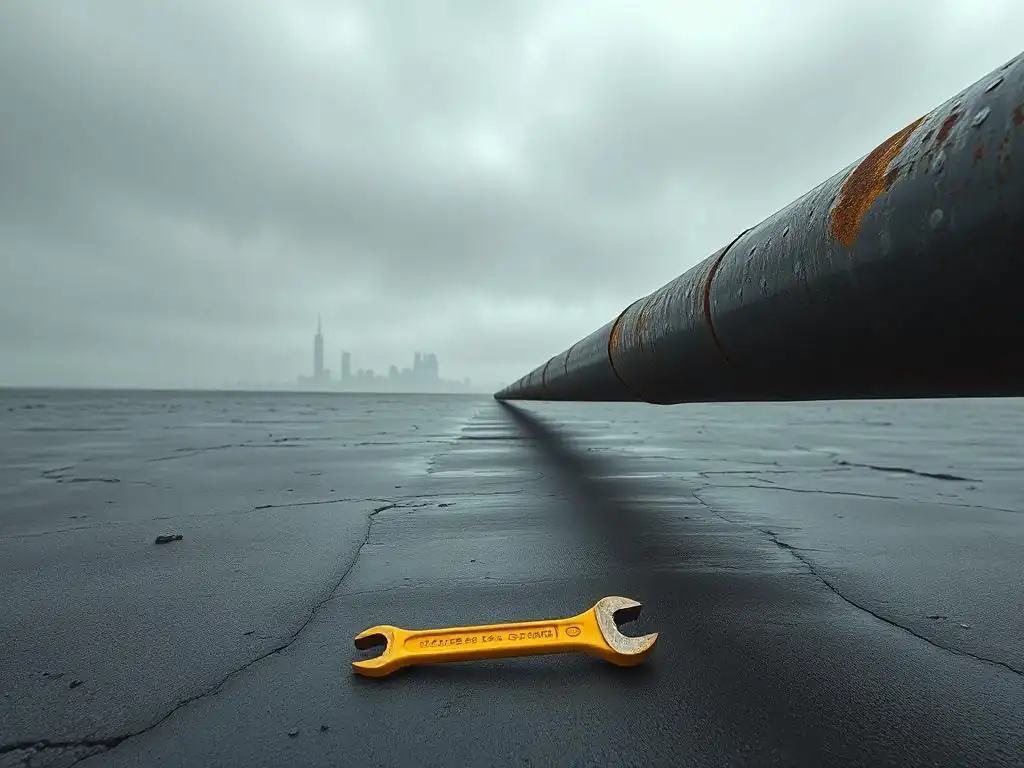
The "Leaky Pipeline": Attrition Rates and Challenges in Advanced Science Studies
Balancing Family Responsibilities and Demands of Scientific Research
The demanding nature of scientific research and advanced academic pursuits often clashes sharply with societal expectations for women to bear the primary burden of family responsibilities. Unlike their male counterparts, women pursuing higher degrees and research careers historically faced, and often continue to face, immense pressure to balance rigorous scientific work with domestic duties, childcare, and elder care. This dual burden can lead to significant burnout and forced career interruptions.
For many women, the lack of affordable childcare, inflexible work schedules, and the expectation of continuous, uninterrupted research time make it exceedingly difficult to advance in science. Historical examples abound where marriage bars prevented women from holding academic positions, or where brilliant minds were forced to choose between family life and a demanding scientific career, illustrating a persistent aspect of women’s science higher education challenges that extends into professional life.
Workplace Discrimination and Lack of Support for Women in STEM Fields
Even after successfully navigating higher education, women in STEM fields frequently encounter various forms of workplace discrimination and a pervasive lack of institutional support. This discrimination can manifest as unequal pay for comparable work, fewer opportunities for promotion, exclusion from informal networks, and being passed over for leadership roles. Studies have shown that women in STEM often receive lower starting salaries than men with similar qualifications.
Furthermore, institutional support systems—or the lack thereof—disproportionately affect women. Limited parental leave policies, absence of flexible work arrangements, and insufficient mentorship programs can hinder women's career progression. This systemic neglect means that even highly qualified women struggle to thrive in scientific workplaces, contributing to the "leaky pipeline" phenomenon where talented women leave STEM fields at higher rates than men, a critical extension of women’s science higher education challenges.
The Impact of Unconscious Bias on Women's Career Progression in Science
Unconscious bias plays a subtle yet pervasive role in hindering women's career progression in science, often without explicit intent. These ingrained stereotypes and assumptions about gender can subtly influence crucial decisions related to hiring, promotion, funding allocation, and peer review. For instance, research suggests that identical CVs are often rated more highly when attributed to a male name than a female name.
This bias can lead to women's contributions being undervalued, their ideas being attributed to male colleagues, or their leadership potential being overlooked. The "maternal wall" bias, for example, can lead to assumptions that mothers are less committed to their careers, impacting their opportunities. Addressing these deeply embedded biases is crucial for fostering equitable environments where women can advance fairly, directly tackling the insidious nature of ongoing women’s science higher education challenges in professional settings.
Achieving Recognition: The Fight for Equal Acknowledgment of Scientific Contributions
Overcoming Gender Bias in Scientific Publications and Peer Review Processes
For decades, women scientists faced significant hurdles in achieving equal recognition for their research, particularly within scientific publications and the peer review process. Bias, both conscious and unconscious, sometimes led to women's research being less likely to be accepted by prestigious journals, or receiving less favorable reviews compared to similar work submitted by men. This meant that even groundbreaking discoveries by women could struggle to gain visibility and impact.
Furthermore, women's names were sometimes omitted from co-authored papers, or their contributions were downplayed in favor of male collaborators. A notable historical example, though not strictly a publication issue, is the delayed and often incomplete recognition of Rosalind Franklin's pivotal X-ray diffraction work in understanding the structure of DNA, which highlights the broader struggle for acknowledgment. This persistent bias in recognition is a significant, often overlooked, aspect of women’s science higher education challenges extending into professional validation.
The Struggle for Leadership Positions in Scientific Institutions
Despite increasing numbers of women pursuing higher education and entering scientific fields, their representation in leadership positions within universities, research institutions, and scientific societies remains disproportionately low. This disparity is not simply a matter of time; it reflects systemic barriers that prevent women from ascending to top roles. These barriers include a lack of sponsorship, exclusion from informal networks that facilitate advancement, and persistent stereotypes about leadership qualities.
The "glass ceiling" effect, where women can see but not reach the highest echelons of power, is particularly evident in science. For example, as of 2022, UNESCO data indicated that globally, women held only 28% of senior research positions, a figure that underscores the significant gap between women's qualifications and their representation in leadership. This ongoing struggle for equitable leadership is a critical extension of women’s science higher education challenges, impacting the entire scientific ecosystem.
Celebrating the Achievements of Women Scientists Despite the Challenges
Given the profound and pervasive obstacles women have historically faced in pursuing scientific education and careers, it is imperative to proactively celebrate their immense achievements. The resilience, intellectual prowess, and sheer determination of women who made groundbreaking discoveries despite systemic exclusion and bias deserve prominent recognition. Their stories not only correct historical omissions but also provide powerful inspiration.
Highlighting the contributions of women like Marie Curie, who not only won two Nobel Prizes but also navigated a male-dominated scientific world, or Barbara McClintock, who persevered through academic challenges to win a Nobel for her work on jumping genes, reinforces the fact that scientific brilliance is not limited by gender. Celebrating these achievements is vital for counteracting the historical narrative of exclusion and for inspiring future generations to overcome any remaining women’s science higher education challenges.
The Legacy and Future of Women's Science Higher Education
The Progress Made in Increasing Women's Representation in Science
Over the past century, significant strides have been made in increasing women's representation in science, particularly within higher education. The tireless advocacy of early feminists, the establishment of women's colleges, and gradual societal shifts have led to a marked increase in the number of women pursuing and attaining scientific degrees. Today, women constitute a significant portion of undergraduate and graduate students in many scientific disciplines, a stark contrast to a century ago.
For instance, UNESCO data indicates that globally, women now account for 35% of all students enrolled in STEM fields in higher education, a substantial improvement from the negligible figures of earlier eras. This progress is a testament to the persistent efforts to dismantle barriers and acknowledge women's intellectual capabilities. While parity is still a goal in many advanced fields like engineering and computer science, the overall trajectory demonstrates a positive shift in addressing women’s science higher education challenges.
Addressing the Remaining Challenges and Promoting Gender Equity in STEM
Despite the progress, significant challenges persist in achieving full gender equity in STEM higher education and careers. These include lingering unconscious biases in academic and hiring processes, the disproportionate burden of family responsibilities on women, and the continued underrepresentation of women in senior leadership and tenured faculty positions. The "leaky pipeline" remains a concern, with women often leaving STEM fields at higher rates at mid-career stages.
Addressing these issues requires multifaceted approaches. This includes implementing bias training for faculty and hiring committees, promoting flexible work arrangements and robust parental leave policies, fostering inclusive learning and working environments, and actively sponsoring women for leadership roles. Continued focus on these areas is vital to fully dismantle the remaining women’s science higher education challenges and ensure equitable opportunities for all.
Inspiring Future Generations of Women Scientists Through Education and Mentorship
To ensure a vibrant and diverse future for science, it is critical to actively inspire and support future generations of women scientists, beginning with early education and extending through higher studies and mentorship. Encouraging girls' interest in STEM from a young age, providing engaging and unbiased science education in schools, and showcasing diverse female role models are crucial steps in building a strong pipeline.
In higher education, robust mentorship programs, supportive networks, and visible female faculty members are essential for guiding young women through their academic and early career stages. By investing in these foundational elements, institutions can foster an environment where women feel empowered, supported, and confident in pursuing scientific excellence, thereby overcoming historical women’s science higher education challenges and paving the way for groundbreaking discoveries by all.
Conclusion: Continuing the Pursuit of Equality in Science Education
Reflecting on the Historical Struggles and Future Potential of Women in Science
The journey of women in science higher education has been one defined by arduous struggles, systemic exclusion, and remarkable resilience. From being entirely barred from universities to fighting for recognition in male-dominated fields, women have consistently pushed against societal and institutional barriers to pursue their scientific passions. Their stories are a powerful testament to intellectual courage and unwavering determination.
Looking forward, the potential for women in science is boundless. While historical women’s science higher education challenges have been significantly mitigated, continued vigilance and proactive efforts are necessary to dismantle remaining biases and ensure full equity. By celebrating the past, addressing present disparities, and fostering inclusive environments, we can unlock the full potential of all scientific minds, ensuring that the future of science is truly equitable and globally representative.
Frequently Asked Questions
What were some of the main obstacles women faced when seeking higher education in science historically?
Women encountered significant institutional barriers, including exclusion from universities and laboratories, as well as pervasive social biases that questioned their intellectual capabilities and suitability for scientific pursuits.
How did societal attitudes contribute to the challenges women faced in scientific education?
Prevailing gender stereotypes often portrayed women as intellectually inferior or better suited for domestic roles, leading to limited access to educational resources and professional opportunities in science. This created a hostile environment for women in academia.
What strategies did women employ to overcome these obstacles and gain access to scientific education?
Many women pursued private tutoring, attended "female academies" offering limited scientific training, or sought opportunities to study abroad, often at great personal and financial sacrifice. They also advocated for change within educational institutions.
How did the lack of access to laboratories specifically hinder women's scientific advancement?
Without laboratory access, women were denied the opportunity to gain crucial hands-on experience and conduct independent research, severely limiting their ability to contribute meaningfully to scientific knowledge and advance their careers. This impeded their progress.
What impact did the visibility of successful female scientists have on future generations of women in science?
The achievements of pioneering female scientists served as powerful inspiration and demonstrated that women could excel in scientific fields, encouraging subsequent generations to pursue higher education and careers in science despite the persistent challenges. Their representation mattered.
Final Reflection: Breaking Barriers, Building Futures
The preceding analysis of women's science higher education challenges reveals a persistent and deeply ingrained disparity that continues to shape the scientific landscape today. While progress has undoubtedly been made, the obstacles – from systemic biases to cultural expectations – remain significant hurdles, preventing countless talented women from reaching their full potential in STEM fields. This isn't just a matter of fairness; it's a loss of innovation and perspective that impacts us all.
The journey towards equitable representation in science is far from over, and its impact resonates far beyond the classroom and laboratory. Witnessing the ongoing struggle, and the resilience of women navigating these challenges, underscores the critical need for continued advocacy and systemic change. You educate a man; you educate a man. You educate a woman; you educate a generation.
This African proverb encapsulates the profound ripple effect of empowering women in science, not just for their individual success, but for the betterment of society as a whole.
Now, consider the implications of these findings in your own life. How can you contribute to creating a more inclusive and supportive environment for women in science? Whether it's mentoring a young student, challenging biased assumptions, or advocating for policy changes, your actions, however small they may seem, can help pave the way for a future where talent, not gender, determines success in the scientific realm. Let us all strive to build a future where every aspiring scientist, regardless of gender, has the opportunity to flourish and contribute to the advancement of knowledge.
Empower Change: Ignite Your Scientific Journey!
Thank you for diving into the inspiring, albeit challenging, journey of women in scientific disciplines. You now understand the historical hurdles and the incredible resilience that shaped their paths. It's time to use that knowledge to fuel action and continue pushing boundaries.
Here's how you can contribute:
- Amplify the voices of women in science: Share this article and other stories from WomenInScienceHistory.com to spread awareness and inspire others.
- Seek out, support, and mentor young women interested in STEM fields. Your guidance can make a world of difference.
- Research and nominate pioneering women scientists for historical recognition – let's ensure their contributions are never forgotten.
What concrete step will you take today to help build a more equitable future for women in science?