
More Than Just Scientists: The Multifaceted Lives and Sacrifices of Women in STEM in Developing Nations

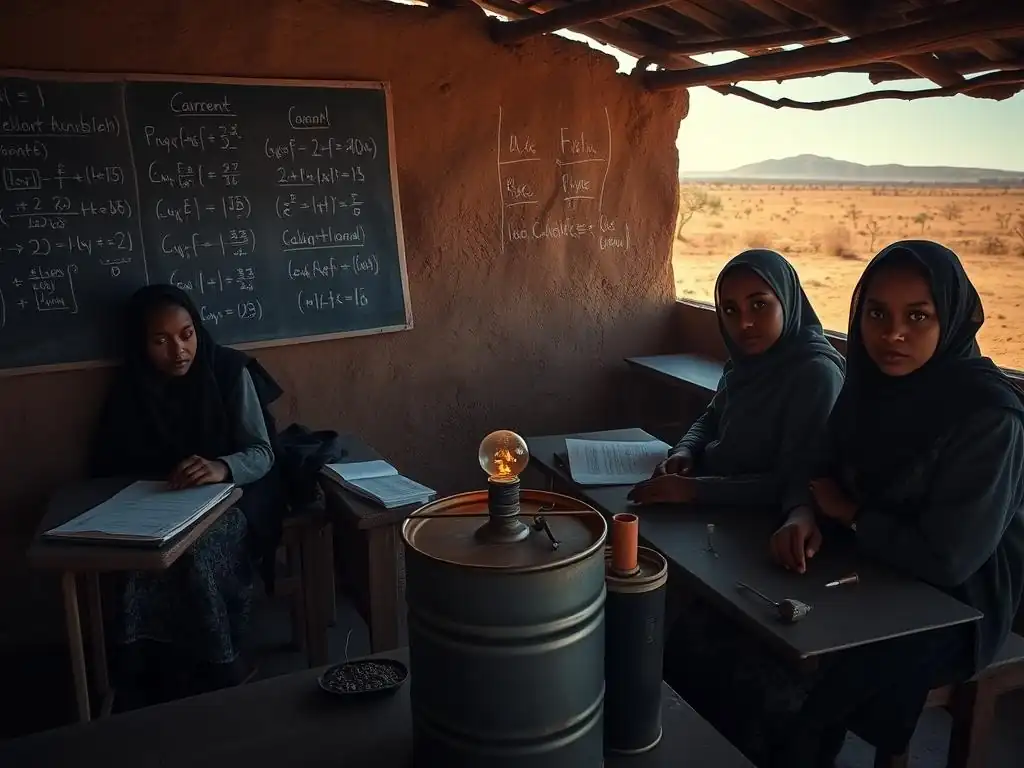
Welcome to WomenInScienceHistory.com, a space dedicated to illuminating the untold stories of remarkable women who shaped the world of science.
Delve into the inspiring and often challenging journeys of female scientists, particularly those making a profound impact in developing nations. Discover how these women navigated societal hurdles and personal sacrifices to contribute groundbreaking advancements in STEM. Intrigued? Our latest article, " More Than Just Scientists: The Multifaceted Lives and Sacrifices of Women in STEM in Developing Nations," explores this crucial topic. Prepare to be captivated by their resilience and dedication – their stories are waiting to be uncovered.
- Unique Challenges Faced by Women in STEM in Africa
-
Frequently Asked Questions
- How does WomenInScienceHistory.com address the contributions of women in STEM from developing nations?
- What kind of struggles did women in STEM in developing nations typically encounter?
- Why is it important to focus on the stories of women in STEM from developing nations?
- How can WomenInScienceHistory.com help increase the visibility of women in STEM from developing nations?
- What is the ultimate goal of WomenInScienceHistory.com in highlighting these narratives of "Women STEM developing nations"?
- Final Reflection: Empowering Futures Through STEM
- Empower Her Future: Advocate for Women in STEM!
Unique Challenges Faced by Women in STEM in Africa
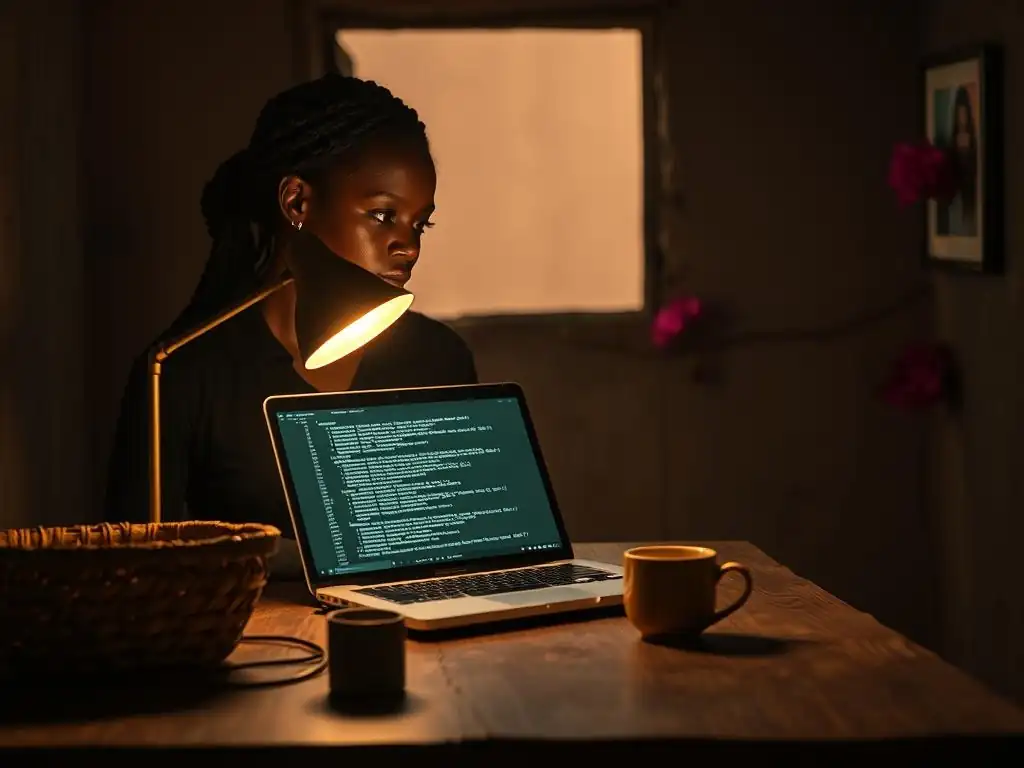
Socio-Cultural Barriers: Gender Norms and Expectations Affecting STEM Pursuits
In many African societies, deeply entrenched socio-cultural norms and traditional gender roles significantly impede the participation and progression of women in STEM fields. Girls are often channeled into domestic roles or encouraged to pursue careers deemed more 'suitable' for women, such as teaching or nursing, rather than science, technology, engineering, or mathematics.
This societal conditioning can begin early, with parental expectations and community pressures subtly, or overtly, discouraging academic pursuits in STEM for young girls. For instance, in some sub-Saharan African regions, despite efforts to promote education, cultural expectations may still lead to girls dropping out of school at higher rates than boys, particularly at the secondary level, effectively shrinking the pipeline of potential women STEM developing nations candidates.
Furthermore, issues like early marriage and adolescent pregnancies, though declining in some areas, remain significant barriers in many rural and even urban communities across Africa. These factors often force young women to abandon their education prematurely, making it nearly impossible to pursue demanding STEM degrees.
Even when women do enter STEM fields, they may face resistance or a lack of support from family members who prioritize traditional family structures over professional ambitions. This pervasive cultural backdrop means that many talented women STEM developing nations must navigate a complex landscape where their aspirations are often at odds with deeply rooted societal expectations.
Limited Access to Resources: Funding, Infrastructure, and Educational Opportunities
A critical challenge for women pursuing STEM careers in Africa is the often-limited access to essential resources, including quality educational infrastructure, funding for research, and technological tools. Many educational institutions, particularly in public and rural areas, lack well-equipped laboratories, up-to-date scientific instruments, and reliable internet connectivity, which are vital for a comprehensive STEM education.
This resource deficit means that students, especially women, might not receive the hands-on experience or exposure to cutting-edge technologies necessary to compete globally. For example, a university department in a less-resourced country might have one functional electron microscope for an entire faculty, severely limiting practical training opportunities for aspiring scientists.
Beyond basic infrastructure, securing adequate funding for research projects and advanced studies presents a formidable hurdle. Scholarships for higher education, particularly for postgraduate STEM degrees, are scarce, and competition is fierce. Women, who may already face economic disadvantages or familial responsibilities, find it particularly challenging to fund their continued education or research endeavors. This financial strain, coupled with a general lack of institutional support for innovative research, often forces brilliant minds among women STEM developing nations to abandon their academic or research aspirations or seek opportunities abroad, leading to a significant brain drain from the continent.
Despite growing awareness, underrepresentation and pervasive gender bias continue to plague STEM fields in many African nations, creating an unwelcoming environment for women. From classrooms to boardrooms, women often find themselves in a distinct minority, leading to feelings of isolation and a lack of visible female role models.
This scarcity of representation can perpetuate the stereotype that STEM is a male domain, discouraging young girls from even considering these fields. For instance, in some engineering faculties across Africa, female students may constitute less than 15-20% of the cohort, and this percentage often dwindles further at higher academic and professional levels.
Furthermore, women in STEM often encounter unconscious bias, discrimination, and even overt sexism in their professional lives. This can manifest in various ways, from being overlooked for promotions or leadership positions to having their contributions undervalued or dismissed by male colleagues. Anecdotal evidence suggests that women STEM developing nations frequently report challenges in gaining recognition for their intellectual contributions or securing equal pay for equal work. Navigating these male-dominated environments requires immense resilience and determination, as women must not only excel in their scientific pursuits but also constantly contend with systemic biases that question their competence and belonging.
Frequently Asked Questions
How does WomenInScienceHistory.com address the contributions of women in STEM from developing nations?
The site specifically highlights the biographies and work of pioneering women scientists from developing nations, showcasing their achievements in diverse fields of STEM. It also explores the unique challenges they faced in these contexts.
What kind of struggles did women in STEM in developing nations typically encounter?
Women often faced significant societal and cultural barriers, alongside limited access to education, resources, and mentorship opportunities. These obstacles were further compounded by gender bias within their respective scientific communities.
Why is it important to focus on the stories of women in STEM from developing nations?
Their stories are often overlooked in mainstream narratives and highlight the global reach of scientific innovation. Recognizing their contributions is crucial for inspiring future generations and promoting diversity in STEM fields.
How can WomenInScienceHistory.com help increase the visibility of women in STEM from developing nations?
By providing a dedicated platform to showcase their accomplishments and struggles, the website helps raise awareness and challenge existing biases. It also serves as a valuable resource for researchers and educators.
What is the ultimate goal of WomenInScienceHistory.com in highlighting these narratives of "Women STEM developing nations"?
The ultimate goal is to inspire future generations of women in STEM, especially those from developing nations, by demonstrating that they too can achieve greatness in science, despite facing significant obstacles, and to promote equity in STEM globally.
Final Reflection: Empowering Futures Through STEM
The narratives shared throughout this article underscore a powerful truth: women in STEM in developing nations are not just scientists, they are pioneers, innovators, and agents of change. Their stories, filled with resilience and unwavering dedication, resonate deeply in a world grappling with complex challenges that demand diverse perspectives and innovative solutions. Recognizing their multifaceted contributions is not merely an act of acknowledgement, but a crucial step towards unlocking the full potential of global scientific advancement.
The journey of these women, often marked by significant personal sacrifices and societal hurdles, profoundly shapes the cultural and social landscape. Their determination serves as a beacon of hope, inspiring future generations to break barriers and pursue their passions, regardless of the obstacles they may face. The future belongs to those who believe in the beauty of their dreams,
a quote often attributed to Eleanor Roosevelt, perfectly encapsulates the spirit of these women who dare to dream of a world where their contributions are valued and celebrated.
As you reflect on these stories, consider the power you hold to champion these remarkable women. How can you, in your own sphere of influence, contribute to creating a more equitable and supportive environment for women in STEM in developing nations? Let their courage ignite your own commitment to fostering inclusivity and empowering the next generation of female scientists to shape a brighter future for us all.
Empower Her Future: Advocate for Women in STEM!
Thank you for exploring the inspiring stories of women in STEM from developing nations. Your engagement honors their resilience and contributions. Now, let's turn awareness into action!
- Champion their cause: Share their stories to inspire others and break down gender barriers in science.
- Explore resources and organizations dedicated to supporting women in STEM education in developing countries and consider donating or volunteering.
- Start a local initiative, like a mentorship program for young girls interested in science, to foster the next generation of female STEM leaders.
What small step will you take today to ensure a brighter future for women in science globally?