
Erased No More: Reclaiming the Narratives of Women of Color in Science's Past

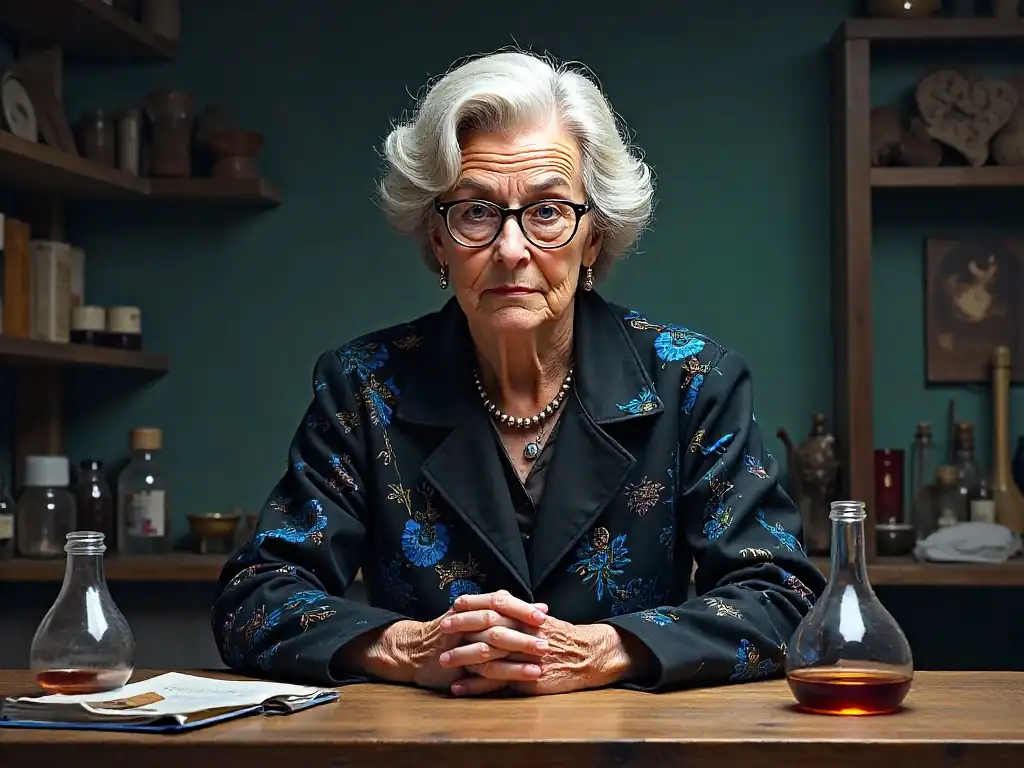
Welcome to WomenInScienceHistory.com! Ever wondered about the untold stories behind scientific breakthroughs? Prepare to be captivated. This month, we delve into a crucial, often overlooked aspect of scientific history: the groundbreaking contributions of women of color. Discover how these remarkable individuals defied societal barriers and left an indelible mark on science, and join us as we begin to reclaim their narratives. What challenges did they face, and what impact did their work have? Read on to learn more about the women of color science history that deserves to be celebrated!
- Introduction: Why Women of Color Science History Matters
- Unveiling the Hidden Figures: Women of Color Pioneers in Science
- Overcoming Systemic Barriers: Challenges Faced by Women of Color in STEM
- The Impact of Women of Color on Scientific Innovation
- Reclaiming and Amplifying Voices: Strategies for a More Inclusive Science History
- The Future of Women of Color in STEM: Building a More Equitable and Inclusive Scientific Community
- Conclusion: Honoring the Past, Inspiring the Future
-
Frequently Asked Questions
- What is the main goal of WomenInScienceHistory.com?
- Why is it important to focus on "Women of Color Science History" specifically?
- What kind of information can I find on WomenInScienceHistory.com about women of color in science?
- What challenges did women of color in science typically face in the past?
- How does WomenInScienceHistory.com aim to "reclaim the narratives" of these women?
- Final Reflection: Illuminating Hidden Scientific Legacies
- Unveil the Hidden Figures: Champion Women of Color in Science!
Introduction: Why Women of Color Science History Matters
The Underrepresentation of Women of Color in Scientific Narratives
Throughout history, the contributions of women to scientific progress have often been marginalized, overlooked, or outright erased. This invisibility is compounded for women of color, whose narratives are frequently absent from mainstream accounts of scientific discovery and innovation. Textbooks, documentaries, and popular science media have historically presented a predominantly white and male vision of scientific achievement, creating a distorted understanding of who can be a scientist and what constitutes significant women of color science history.
This systemic omission not only deprives these pioneering women of the recognition they deserve but also robs future generations of vital role models. When young girls of color search for examples of scientific excellence, the limited visibility of their predecessors can inadvertently suggest that science is not a field where they belong or can excel. Reclaiming these narratives is therefore crucial for a more accurate and inclusive understanding of women of color science history.
The Importance of Intersectionality in Understanding Scientific History
To truly appreciate the experiences and contributions of women of color in science, an intersectional lens is indispensable. Intersectionality acknowledges that individuals hold multiple social identities—such as race, gender, class, and ethnicity—which intersect to create unique experiences of discrimination and privilege. For women of color, the challenges they faced were not simply due to being women, nor solely due to their race, but rather the complex interplay of both.
Understanding women of color science history through an intersectional framework illuminates the specific barriers these individuals encountered, from racial segregation in educational institutions to gender bias in research labs, often simultaneously. It reveals how their pathways to scientific careers were uniquely arduous and how their perseverance, ingenuity, and often collaborative efforts enabled them to make groundbreaking discoveries despite systemic obstacles. This deeper understanding enriches our appreciation of their resilience and the profound impact they had.
Alice Ball: Chemist and Developer of the "Ball Method" for Leprosy Treatment
Alice Ball (1892-1916) was an extraordinary African American chemist whose groundbreaking work revolutionized the treatment of leprosy. Born in Seattle, Washington, she excelled academically, earning degrees in pharmaceutical chemistry and pharmacology from the University of Washington and the College of Hawaii, respectively. In 1915, at just 23 years old, she became the first African American and the first woman to earn a master's degree in chemistry from the University of Hawaii, where she also became the first female chemistry instructor.
Her most significant achievement came during her research on the active chemical compounds in chaulmoogra oil, which had shown promise in treating leprosy but was difficult to administer due to its viscous nature and unpleasant taste. Ball developed a refined, injectable form of the oil's fatty acids, known as the "Ball Method." This water-soluble, non-irritating extract became the most effective treatment for leprosy until the advent of sulfa drugs in the 1940s, significantly improving the lives of countless patients worldwide.
Tragically, she died prematurely at 24, and her work was initially claimed by her former professor, Arthur Dean, who attempted to rename it the "Dean Method." Her legacy as a pivotal figure in women of color science history was only fully recognized decades later.
Mae Jemison: Physician and First African American Woman in Space
Dr. Mae Jemison (b. 1956) is a remarkable figure in women of color science history, renowned as a physician, engineer, and the first African American woman to travel to space. Her journey began with a degree in chemical engineering from Stanford University, followed by a medical degree from Cornell University. Before her historic spaceflight, she served as a medical officer with the Peace Corps in Liberia and Sierra Leone, demonstrating her commitment to global health and humanitarian efforts.
In 1987, Dr. Jemison was one of 15 individuals selected from over 2,000 applicants to join NASA's astronaut corps. On September 12, 1992, she made history aboard the Space Shuttle Endeavour as a mission specialist on STS-47, a joint U.S.-Japanese mission. During her eight days in space, she conducted experiments on bone cell research and motion sickness, orbiting the Earth 126 times. Post-NASA, she founded the Jemison Group, Inc., and has been a vocal advocate for science literacy, particularly among minority youth, through initiatives like the Dorothy Jemison Foundation for Excellence, inspiring countless future women of color scientists.
Ynes Mexia: Botanist and Plant Collector Documenting Flora in North and South America
Ynes Mexia (1870-1938) was a pioneering Mexican American botanist and plant collector whose intrepid expeditions significantly expanded the botanical knowledge of North and South America. Despite starting her scientific career relatively late in life—she began studying botany at the University of California, Berkeley, in her 50s—Mexia quickly distinguished herself through her rigorous field work and extensive collections.
Between 1925 and 1937, Mexia undertook numerous arduous expeditions, primarily in Mexico, but also extending to South America, including Brazil, Argentina, Chile, Peru, and Ecuador. She often traveled alone or with minimal support, navigating remote and challenging terrains. Her dedication resulted in the collection of over 150,000 plant specimens, including many new species previously unknown to science.
Approximately 50 new species were named in her honor, and the genus Mexianthus was established to commemorate her contributions. Her meticulous documentation and vast collections have provided invaluable resources for botanical research, solidifying her place as a crucial figure in women of color science history and conservation.
Overcoming Systemic Barriers: Challenges Faced by Women of Color in STEM
Racial Discrimination and Exclusion in Scientific Institutions
Throughout history, women of color have faced overt and subtle forms of racial discrimination within scientific institutions. From segregated laboratories and universities to being denied opportunities for research, publication, or promotion, the systemic exclusion was pervasive. For instance, many talented African American women scientists in the mid-20th century were relegated to teaching positions in historically Black colleges and universities, often with fewer resources and less recognition, rather than being integrated into mainstream research institutions.
This discrimination extended beyond mere access; it often involved the devaluation of their intellectual contributions. Their ideas might be dismissed, their work uncredited, or their presence simply tolerated rather than genuinely welcomed. This created an environment where women of color in science history had to constantly prove their competence and worth, often working twice as hard to achieve half the recognition of their white or male counterparts. The emotional and professional toll of navigating such exclusionary systems was immense, yet their perseverance led to significant breakthroughs.
Gender Bias and its Impact on Career Advancement for Women of Color
In addition to racial discrimination, women of color in STEM have historically contended with pervasive gender bias, creating a "double bind" that significantly hampered their career advancement. They faced the same stereotypes and prejudices as white women regarding their intellectual capacity and suitability for scientific careers, coupled with racial stereotypes that further marginalized them. This often manifested as being overlooked for leadership roles, receiving less mentorship, or being excluded from informal networks crucial for career progression.
A 2018 report by the National Academies of Sciences, Engineering, and Medicine highlighted that women, particularly women of color, experience disproportionately high rates of sexual harassment in academic STEM environments, which can lead to negative career outcomes, including leaving the field. This combined racial and gender bias meant that even when women of color achieved academic or professional positions, they often faced significant hurdles in securing tenure, obtaining research funding, or rising to senior leadership. Their triumphs in women of color science history are therefore testaments to extraordinary resilience against formidable odds.
Socioeconomic Disparities and Access to Scientific Education
Socioeconomic disparities have historically created significant barriers for women of color seeking to enter and advance in scientific fields. Many communities of color have faced systemic underinvestment in education, leading to under-resourced schools with limited access to quality STEM programs, advanced courses, and experienced science educators. This early educational disadvantage often meant that aspiring women of color scientists started their journeys with fewer foundational opportunities compared to their more privileged peers.
Furthermore, economic hardship often necessitated that women of color prioritize immediate employment over prolonged education, or balance demanding work schedules with their studies. The financial burden of higher education, coupled with family responsibilities, could make pursuing advanced degrees in science—which often require years of intensive study and low-paying graduate assistantships—an insurmountable challenge. These enduring socioeconomic disparities have profoundly shaped the landscape of women of color science history, making the achievements of those who broke through these barriers even more remarkable.
The Impact of Women of Color on Scientific Innovation

Contributions to Chemistry by Women of Color
The field of chemistry has been significantly advanced by the intellect and dedication of women of color, whose work often went unrecognized for decades. Beyond Alice Ball's pioneering leprosy treatment, Dr. Marie Maynard Daly stands out as the first African American woman to earn a Ph.D. in chemistry in the United States, achieving this milestone in 1947 from Columbia University. Her groundbreaking research focused on the composition and metabolism of histones, crucial proteins within the cell nucleus, which significantly contributed to understanding cell biology and the causes of disease.
Dr. Daly also conducted extensive research on the effects of diet on the circulatory system, investigating the relationship between cholesterol and heart attacks, and the impact of creatine on muscle metabolism. Her work laid foundational knowledge for future cardiovascular research. Another notable figure is Dr. Betty Wright Harris, an African American chemist who developed methods for the analysis of explosives and detection of residues from explosions, contributing significantly to forensic science and national security. These contributions highlight the profound and diverse impact of women of color in science history on chemical innovation.
Advances in Space Exploration Led by Women of Color Scientists
The narrative of space exploration is incomplete without acknowledging the vital contributions of women of color, particularly the unsung "human computers" of NASA. Pioneers like Katherine Johnson, Dorothy Vaughan, and Mary Jackson, African American mathematicians working at NASA Langley Research Center, performed complex manual calculations that were absolutely essential for America's early space missions, including Project Mercury and the Apollo program. Katherine Johnson's precise calculations for orbital mechanics were critical for John Glenn's successful orbital flight in 1962, a feat that would have been impossible without her accuracy.
Today, women of color scientists continue to push the boundaries of space exploration. Dr. Aprille Ericsson-Jackson, an accomplished aerospace engineer at NASA Goddard Space Flight Center, was the first African American woman to receive a Ph.D. in mechanical engineering from Howard University. Her work has focused on developing satellite instruments and designing spacecraft, including contributing to missions like the Tropical Rainfall Measuring Mission and the Lunar Reconnaissance Orbiter. Their collective efforts span decades, underscoring the enduring and critical role of women of color in science history in humanity's quest to understand the cosmos.
The Role of Women of Color in Botanical Research and Conservation
Women of color have played a crucial role in expanding our understanding of the plant kingdom and advocating for its preservation. Ynes Mexia's extensive collections across North and South America provided invaluable data on biodiversity, leading to the discovery of numerous new species and significantly enriching botanical knowledge. Her adventurous spirit and scientific rigor set a high standard for field botany.
Beyond individual contributions, many women of color botanists, particularly those from Indigenous communities, have brought unique perspectives rooted in traditional ecological knowledge. This knowledge, passed down through generations, offers deep insights into sustainable plant use, conservation practices, and the intricate relationships between plants and ecosystems. Their work is vital not only for scientific classification but also for preserving biodiversity and promoting environmental stewardship. These botanical pioneers and contemporary researchers are indispensable to the ongoing story of women of color in science history and global conservation efforts.
Reclaiming and Amplifying Voices: Strategies for a More Inclusive Science History
Initiatives to Document and Preserve the Legacies of Women of Color in Science
Reclaiming the narratives of women of color in science requires concerted efforts to document and preserve their legacies. Numerous initiatives by academic institutions, museums, and non-profit organizations are now dedicated to this vital task. For example, universities are establishing archives and oral history projects to collect personal accounts and scientific papers of women of color scientists, ensuring their stories are not lost to future generations.
Digital platforms and databases are also playing a crucial role, making previously obscure information widely accessible. Websites dedicated to women of color science history serve as central repositories for biographies, research highlights, and photographic records, allowing researchers, educators, and the public to learn about these pioneers. These collective efforts are essential for systematically integrating these overlooked contributions into the broader historical record and providing a more accurate representation of scientific progress.
Educational Programs and Resources Highlighting Diverse Scientific Contributions
To ensure that the contributions of women of color in science are recognized and celebrated, it is imperative to integrate their stories into educational curricula at all levels. This involves developing new textbooks, online modules, and teaching resources that prominently feature women of color scientists alongside their better-known counterparts. By introducing these diverse role models from an early age, students can develop a more inclusive understanding of who can be a scientist and be inspired by a wider range of possibilities.
Beyond formal education, public outreach programs, museum exhibitions, and documentary films are vital for amplifying these voices. Science centers are increasingly creating exhibits that celebrate the achievements of women of color in science history, making complex scientific concepts relatable through personal narratives. These accessible resources help to reshape public perception and ensure that the groundbreaking work of these pioneers reaches a broad audience, fostering a more inclusive appreciation of scientific heritage.
The Role of Mentorship and Support Networks for Aspiring Women of Color Scientists
Mentorship and strong support networks are critical for nurturing and retaining aspiring women of color in STEM fields. Historically, women of color often lacked access to mentors who understood their unique challenges and could guide them through academic and professional hurdles. Today, programs that intentionally connect young women of color with established women of color scientists provide invaluable guidance, encouragement, and a sense of belonging.
Professional organizations such as the National Society of Black Engineers (NSBE), the Society for Advancement of Chicanos/Hispanics and Native Americans in Science (SACNAS), and Women in Engineering (WIE) create vital spaces for networking, collaboration, and mutual support. These networks offer opportunities for peer mentorship, career development workshops, and advocacy, helping to navigate systemic barriers. By fostering these connections, the scientific community can ensure that future generations of women of color scientists are supported and empowered to thrive.
The Future of Women of Color in STEM: Building a More Equitable and Inclusive Scientific Community
Addressing Systemic Issues to Promote Diversity and Inclusion in STEM Fields
Building a truly equitable and inclusive scientific community for women of color requires a sustained commitment to addressing systemic issues. This involves implementing robust diversity, equity, and inclusion (DEI) policies within academic institutions, research labs, and corporations. Key actions include establishing transparent and equitable hiring, promotion, and tenure processes, conducting regular pay equity analyses, and developing clear anti-discrimination policies with effective enforcement mechanisms.
Beyond policy, a fundamental cultural shift is necessary. This means fostering environments where unconscious biases are actively challenged, microaggressions are addressed, and psychological safety is prioritized. Institutions must recognize that diversity in thought and experience, brought by women of color scientists, is a powerful driver of innovation and scientific excellence. Proactive measures to dismantle historical barriers are essential to ensure that the future of STEM is truly representative of all talent.
Empowering Future Generations of Women of Color Scientists
Empowering future generations of women of color scientists begins with early intervention and sustained support throughout the educational pipeline. Investing in high-quality K-12 STEM education in underserved communities, providing access to advanced science courses, and offering hands-on research experiences are crucial first steps. Scholarship programs specifically designed for women of color pursuing STEM degrees can alleviate financial burdens and open doors to higher education.
Furthermore, visible role models are paramount. Showcasing contemporary women of color scientists in media, public speaking engagements, and educational materials helps to normalize their presence in STEM and provides tangible aspirations for young girls. By celebrating their achievements and sharing their journeys, we can inspire a new wave of innovators and ensure that the field of science reflects the diverse talents of all individuals.
The Ongoing Importance of Recognizing and Celebrating the Achievements of Women of Color in Science History
The work of recognizing and celebrating the achievements of women of color in science history is not a finite project but an ongoing commitment. Each unearthed story, each newly digitized archive, and each public acknowledgment contributes to a more complete and accurate narrative of scientific progress. This continuous effort ensures that the contributions of these pioneers are not merely remembered, but actively integrated into the collective consciousness of science.
By consistently highlighting the ingenuity, resilience, and groundbreaking discoveries of women of color scientists, we not only correct historical injustices but also provide powerful inspiration for current and future generations. Their stories demonstrate that scientific curiosity, intellectual rigor, and the capacity for innovation know no racial or gender boundaries, reinforcing the critical importance of diversity for the advancement of all scientific endeavors.
Conclusion: Honoring the Past, Inspiring the Future
The Enduring Legacy of Women of Color Pioneers in Science
The women of color who defied societal norms and systemic barriers to pursue scientific careers left an indelible mark on history. From Alice Ball's revolutionary leprosy treatment to Mae Jemison's trailblazing journey into space and Ynes Mexia's invaluable botanical expeditions, their contributions have fundamentally shaped our understanding of the world, advanced technology, and improved human well-being. Their legacies extend beyond their specific scientific discoveries; they embody perseverance, intellectual courage, and an unwavering commitment to knowledge.
These pioneers, and countless others whose names are yet to be fully recognized, laid crucial groundwork. They navigated environments rife with discrimination, often working in isolation or without proper recognition, yet their dedication to scientific inquiry never wavered. Their stories are powerful reminders of the immense talent that has historically been overlooked and underscore the profound impact that women of color in science history have had on every scientific discipline.
Continuing the Work of Reclaiming and Celebrating Their Stories
The task of fully reclaiming and celebrating the narratives of women of color in science is an ongoing, vital endeavor. It requires continued scholarly research to unearth more hidden figures, dedicated efforts to preserve their records, and widespread educational initiatives to integrate their stories into mainstream curricula. By actively seeking out, sharing, and amplifying these voices, we ensure that their contributions are not just footnotes but central chapters in the grand narrative of scientific achievement.
This collective commitment to honoring the past is essential for building a more equitable and inclusive scientific future. By recognizing the rich tapestry of women of color science history, we inspire future generations, demonstrating that scientific excellence is boundless and that diverse perspectives are not merely beneficial but absolutely indispensable for solving the complex challenges of tomorrow.
Frequently Asked Questions
What is the main goal of WomenInScienceHistory.com?
The main goal is to celebrate the contributions of women to science and inspire future generations by highlighting overlooked narratives in science history.
Why is it important to focus on "Women of Color Science History" specifically?
Focusing on women of color helps to address the historical erasure and acknowledge the unique challenges they faced due to both gender and racial biases in science.
What kind of information can I find on WomenInScienceHistory.com about women of color in science?
You can find biographies of pioneering women of color scientists, discussions of their groundbreaking work, and insights into the systemic barriers they overcame.
What challenges did women of color in science typically face in the past?
They faced a double burden of gender and racial discrimination, often experiencing limited access to education, funding, and recognition for their scientific achievements.
How does WomenInScienceHistory.com aim to "reclaim the narratives" of these women?
The site aims to reclaim narratives by actively researching and sharing the stories of women of color, ensuring their contributions are acknowledged and celebrated within the broader history of science.
The stories we've explored, the names we've unearthed, and the contributions we've celebrated throughout this article underscore a crucial truth: the history of science is incomplete without acknowledging the vital roles of women of color. Their erasure, whether intentional or systemic, has robbed us of a richer understanding of scientific progress and perpetuated harmful stereotypes that continue to impact representation in STEM fields today.
This journey into the past has profoundly shaped my own perspective, highlighting the urgent need to actively seek out and amplify marginalized voices in science. It's not simply about correcting the historical record; it's about inspiring future generations and fostering a more inclusive and equitable scientific community. As Mae Jemison, the first African American woman in space, so eloquently stated: Never be limited by other people's limited imaginations.
Now, I invite you to consider the power of these rediscovered narratives. How can you, in your own sphere of influence, contribute to a more inclusive and representative understanding of science? Let us all commit to actively seeking out and celebrating the contributions of women of color, ensuring that their brilliance shines brightly for generations to come, and that their stories are erased no more.
Thank you for exploring the untold stories of Women of Color who shaped science. Now, let's amplify their voices and ensure their legacies endure!
- Most Importantly: Share this article with at least three friends, family members, or colleagues who are passionate about STEM and social justice. Let's spread the word!:
- Explore WomenInScienceHistory.com to uncover even more inspiring biographies and resources.
- Nominate a contemporary Woman of Color in Science for recognition and celebration on our platform.
What other overlooked contributions of Women of Color in STEM deserve recognition and widespread celebration? Share your thoughts below!