
When Women Lead: The Transformative Impact of Female Ecologists on Conservation Policy

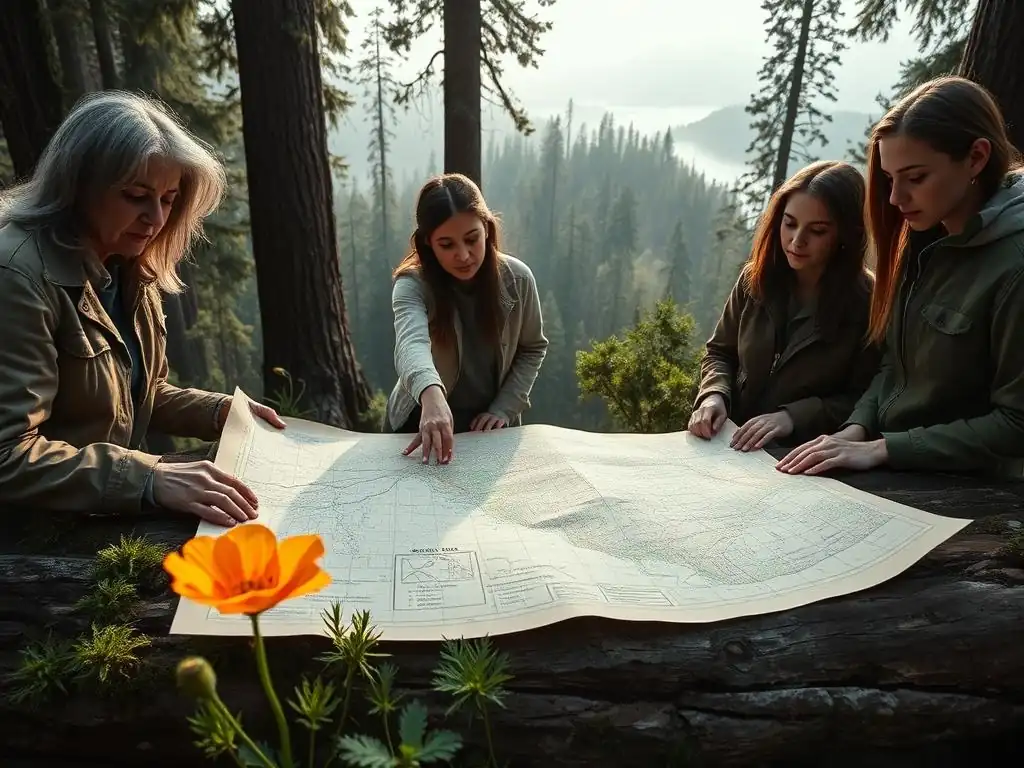
Welcome to WomenInScienceHistory.com, where we unearth the remarkable stories of women who shaped the world of science! Ever wondered how female ecologists conservation policy is rewriting the rules of environmental protection? Dive into the groundbreaking work and inspiring journeys of these often-unsung heroines, and discover how their unique perspectives are forging a more sustainable future. Prepare to be amazed by the profound impact they've had, and the vital lessons we can learn from their dedication.
- Introduction: The Rising Influence of Women in Ecology and Conservation
- Pioneering Female Ecologists: Shaping Conservation Policy
- The Unique Contributions of Female Ecologists to Conservation
- Case Studies: Female Ecologists Driving Policy Impact
- Overcoming Challenges: Barriers Faced by Women in Conservation Leadership
- The Future of Conservation Policy: Empowering Female Ecologists
- Conclusion: The Indispensable Role of Female Ecologists in Shaping a Sustainable Future
-
Frequently Asked Questions
- What is the primary focus of "Women in Science History" regarding female scientists?
- How does the "Women in Science History" website aim to inspire future generations?
- What is the central theme explored in the article "When Women Lead: The Transformative Impact of Female Ecologists on Conservation Policy"?
- What kind of challenges did female ecologists historically face in conservation policy?
- Why is it important to highlight the contributions of female ecologists to conservation policy?
- Final Reflection: Shaping a Sustainable Future
- Ignite Your Inner Conservationist!
Introduction: The Rising Influence of Women in Ecology and Conservation
Celebrating Women in Science History: Highlighting Female Ecologists
The annals of scientific discovery are often dominated by male figures, yet a closer look reveals a rich tapestry of contributions from women whose pioneering work has profoundly shaped our understanding of the natural world. This article aims to spotlight the remarkable achievements of female ecologists, whose dedication and innovative approaches have been instrumental in advancing environmental science and, crucially, in influencing global conservation policy. Their stories, often overlooked, are central to understanding the evolution of modern ecological thought and its practical applications.
By bringing these narratives to the forefront, we not only celebrate the individual brilliance of these women but also acknowledge the systemic challenges they overcame. From groundbreaking research in diverse ecosystems to relentless advocacy for environmental protection, female ecologists have consistently demonstrated a profound commitment to safeguarding our planet. Their collective impact extends far beyond academic papers, directly informing the very policies that govern how we interact with the environment, thus proving the vital role of female ecologists in shaping conservation policy.
The Underrepresentation of Women in Environmental Science: A Historical Perspective
Historically, women have faced significant barriers to entry and advancement in scientific fields, and environmental science, particularly ecology, was no exception. For much of the 20th century, academic institutions and fieldwork opportunities were largely inaccessible or unwelcoming to women, leading to a notable underrepresentation in positions of influence and leadership. This limited the diversity of perspectives in early conservation efforts, often prioritizing approaches that did not fully integrate social or community dimensions.
Despite these obstacles, many female ecologists persevered, often working in less visible roles or receiving delayed recognition for their critical discoveries. While progress has been made, with women now comprising a significant portion of environmental science graduates, challenges persist in achieving equitable representation in senior research, policy-making, and leadership positions. Understanding this historical context is crucial to appreciating the extraordinary achievements of the female ecologists who broke through these barriers to shape conservation policy and inspire future generations.
Pioneering Female Ecologists: Shaping Conservation Policy
Rachel Carson: A Catalyst for Environmental Awareness and Policy Change
Rachel Carson, a marine biologist and conservationist, stands as a monumental figure in the history of environmentalism, largely due to her seminal 1962 book, Silent Spring. Through meticulous research and compelling prose, Carson exposed the devastating ecological impacts of synthetic pesticides, particularly DDT, on bird populations and human health. Her work meticulously detailed how these chemicals accumulated in the food chain, leading to widespread environmental damage, and ignited a national conversation about humanity's relationship with nature.
Silent Spring was not merely a scientific exposé; it was a powerful call to action that resonated deeply with the public and policymakers alike. The book faced fierce opposition from the chemical industry, but its undeniable scientific rigor and public support ultimately spurred significant legislative changes.
Within a decade of its publication, DDT was banned in the United States in 1972, and the book is widely credited with catalyzing the modern environmental movement, leading to the creation of the U.S. Environmental Protection Agency (EPA) in 1970 and influencing landmark legislation like the Clean Air Act and Clean Water Act. Carson's legacy as a female ecologist fundamentally transformed conservation policy.
Wangari Maathai: The Green Belt Movement and Sustainable Development Policies
Wangari Maathai, a Kenyan environmental activist and Nobel Peace Prize laureate, pioneered a grassroots approach to conservation that profoundly influenced sustainable development policies globally. In 1977, she founded the Green Belt Movement (GBM), a non-governmental organization focused on community-based tree planting to prevent deforestation, combat soil erosion, and provide fuel wood. Her vision extended beyond environmental restoration, linking ecological degradation directly to poverty, conflict, and disempowerment, particularly among rural women.
Maathai's work demonstrated that environmental conservation could be a powerful tool for social and economic development. The GBM empowered millions of women by providing them with income for planting trees and educating them on environmental stewardship and civic rights. Her advocacy for environmental democracy and sustainable resource management challenged authoritarian regimes and promoted a holistic view of development. In 2004, she was awarded the Nobel Peace Prize, becoming the first African woman to receive the honor, recognizing her profound impact on linking environmental sustainability with peace and human rights, thereby significantly influencing global conservation policy.
Elinor Ostrom: Redefining Common Resource Management and Policy
Elinor Ostrom, an American political economist, revolutionized the understanding of how communities can sustainably manage common-pool resources, challenging the prevailing notion that such resources inevitably lead to degradation without private ownership or government control. Her extensive research, often involving field studies of diverse resource systems around the world, demonstrated that local communities frequently develop complex, effective, and enduring institutions for managing shared assets like forests, fisheries, and irrigation systems. Her groundbreaking work earned her the Nobel Memorial Prize in Economic Sciences in 2009, making her the first woman to receive the award in this category.
Ostrom's findings provided a critical alternative to top-down policy interventions, showcasing the efficacy of polycentric governance—where multiple centers of authority interact to make and enforce rules. Her research has had a profound impact on conservation policy by advocating for solutions that empower local communities, respect traditional knowledge, and foster collective action. Rather than imposing universal solutions, Ostrom's work emphasizes the importance of context-specific, adaptive governance structures that can lead to more equitable and sustainable outcomes for shared natural resources globally.
The Unique Contributions of Female Ecologists to Conservation
Empathy and Collaboration: Key Traits in Female-Led Conservation Initiatives
Many female ecologists bring a distinct approach to conservation initiatives, often characterized by a profound sense of empathy and a strong emphasis on collaboration. This perspective frequently extends beyond the scientific study of ecosystems to encompass a deep understanding of the social and human dimensions intertwined with environmental issues. They tend to prioritize community engagement, seeking to build consensus and empower local stakeholders rather than imposing solutions from above.
This collaborative spirit fosters more inclusive decision-making processes, leading to conservation policies that are not only ecologically sound but also socially just and culturally sensitive. For instance, initiatives led by female ecologists in indigenous communities often involve extensive dialogue and co-creation of strategies, respecting traditional ecological knowledge alongside modern science. This approach results in more resilient and widely supported conservation outcomes, demonstrating the effectiveness of female ecologists in shaping conservation policy through partnership.
A hallmark of many female ecologists' contributions is their adoption of holistic approaches, recognizing the intricate and inseparable links between human well-being, cultural practices, and ecosystem health. Unlike more reductionist scientific paradigms, which might isolate ecological problems from their social contexts, these women often integrate socio-economic factors, gender dynamics, and community livelihoods directly into their conservation strategies and policy recommendations.
This comprehensive perspective leads to the development of integrated conservation policies that address the root causes of environmental degradation, such as poverty, inequality, or unsustainable consumption patterns, rather than just treating symptoms. For example, a project might focus on sustainable agriculture not only to protect biodiversity but also to improve food security and empower local farmers. This integrated thinking ensures that conservation efforts are more effective and sustainable in the long term, making the contributions of female ecologists invaluable to comprehensive conservation policy.
Long-Term Vision: Prioritizing Sustainability and Future Generations in Environmental Planning
Female ecologists frequently demonstrate a strong emphasis on intergenerational equity and a long-term vision in their environmental planning and advocacy. Their work often reflects a deep commitment to safeguarding natural resources and ecological processes not just for immediate benefit, but for the well-being of future generations. This perspective is crucial in addressing complex environmental challenges like climate change and biodiversity loss, which require foresight and sustained commitment.
This long-term outlook translates into policy recommendations that prioritize sustainability over short-term economic gains, advocating for robust protected area networks, resilient climate adaptation strategies, and responsible resource management. For instance, many female ecologists champion policies that promote regenerative agriculture or renewable energy transitions, understanding that these investments will yield benefits for decades to come. Their dedication to a sustainable future underscores the critical role of female ecologists in shaping enduring conservation policy.
Case Studies: Female Ecologists Driving Policy Impact
Dr. Jane Goodall: Championing Chimpanzee Conservation and Ethical Treatment of Animals
Dr. Jane Goodall's groundbreaking research on wild chimpanzees in Gombe Stream National Park, Tanzania, beginning in 1960, revolutionized primatology and our understanding of animal behavior. Her observations revealed complex social structures, tool-making abilities, and individual personalities, challenging prevailing scientific views and fostering a deeper appreciation for the cognitive and emotional lives of animals. This pioneering work laid the foundation for a more empathetic approach to wildlife conservation.
Beyond her research, Dr. Goodall became a tireless advocate for chimpanzee conservation and animal welfare globally. In 1977, she established the Jane Goodall Institute (JGI), which focuses on research, conservation, and community-centered development. Her advocacy has directly influenced international wildlife trade policies, promoted habitat protection, and championed ethical treatment of animals in captivity and the wild. Her Roots & Shoots program empowers young people worldwide to become environmental stewards, showcasing her enduring impact as a female ecologist on conservation policy and ethical considerations.
Dr. Sylvia Earle: Advocating for Ocean Conservation and Marine Protected Areas
Dr. Sylvia Earle, an acclaimed oceanographer, explorer, and marine biologist, has dedicated her life to exploring and protecting the world's oceans. A pioneer in deep-sea exploration, she has spent thousands of hours underwater, leading more than 100 expeditions and setting depth records. Her firsthand experiences have provided invaluable insights into the health of marine ecosystems and the devastating impacts of human activities like overfishing, pollution, and climate change.
Dr. Earle's profound knowledge and passionate advocacy have made her a powerful voice for ocean conservation. She founded Mission Blue, an initiative that establishes "Hope Spots"—critical areas of the ocean identified for their ecological significance and needing protection. Her efforts have significantly influenced the establishment and expansion of marine protected areas (MPAs) worldwide and have contributed to international policy discussions on ocean governance, deep-sea mining, and sustainable fisheries. Dr. Earle exemplifies the critical role of female ecologists in driving marine conservation policy.
Dr. Vandana Shiva: Promoting Biodiversity, Organic Farming, and Food Sovereignty
Dr. Vandana Shiva, an Indian philosopher, environmental activist, and ecofeminist, has been a leading voice in the global movement for biodiversity conservation, organic farming, and food sovereignty. Trained as a physicist, she transitioned to environmental activism, fiercely advocating against corporate control over agriculture, genetic engineering, and intellectual property rights on seeds. Her work champions traditional ecological knowledge and sustainable agricultural practices that respect local ecosystems and communities.
Dr. Shiva founded Navdanya, a national movement in India for the protection of biodiversity and farmers' rights. Through Navdanya, she has established community seed banks, promoted organic farming methods, and educated farmers on sustainable practices. Her advocacy has directly influenced policy debates on agricultural subsidies, patent laws, and food security in India and internationally. She has been instrumental in shaping policies that prioritize biodiversity, promote local food systems, and empower farmers to resist corporate pressures, demonstrating the profound influence of female ecologists on agricultural and environmental policy.
Overcoming Challenges: Barriers Faced by Women in Conservation Leadership
Despite significant progress, female ecologists continue to encounter gender bias and discrimination within the scientific community and conservation leadership. Historically, male-dominated environments in academia, fieldwork, and policy-making often presented formidable barriers, including skepticism about women's capabilities, exclusion from informal networks, and outright harassment. While overt discrimination may be less common today, subtle biases persist, such as women being overlooked for senior positions, grants, or keynote speaking opportunities.
These biases can hinder career progression, limit access to essential resources, and diminish the visibility of women's contributions to conservation policy. Studies, for example, have indicated that women in environmental science may receive fewer citations or be less recognized for collaborative work. Navigating these entrenched systems requires resilience and often involves advocating for oneself in environments that are not always equitable, underscoring the ongoing need to address systemic issues to fully empower female ecologists.
Funding and Recognition: Addressing Inequalities in Resource Allocation
Female ecologists often face disparities in accessing research funding, grants, and professional recognition compared to their male counterparts. Data from various scientific fields suggest that grant applications submitted by women may be rated lower or receive less funding, even when the scientific merit is comparable. This unequal access to financial resources can severely limit the scope and scale of research projects, making it challenging for women to conduct extensive fieldwork or implement large-scale conservation initiatives.
Furthermore, issues of recognition persist, with women sometimes receiving less credit for collaborative work or being underrepresented in prestigious awards and leadership roles. This lack of visibility can impact their ability to influence conservation policy, as recognized expertise and robust research findings are crucial for advocating for specific environmental changes. Addressing these inequalities in resource allocation is vital to ensure that the valuable contributions of female ecologists are fully supported and acknowledged.
Work-Life Balance: Supporting Women in Scientific Careers
The demanding nature of scientific careers, particularly in ecology and conservation, often presents significant challenges to work-life balance, which disproportionately affects women. Fieldwork can involve extended periods away from home, and policy advocacy roles often require extensive travel and long hours. Societal expectations and traditional gender roles frequently place a greater burden of family and caregiving responsibilities on women, leading to difficult choices between career advancement and personal life.
This can result in career interruptions, slower progression, or even women leaving the field prematurely. To retain and promote talented female ecologists, supportive institutional policies are crucial. These include flexible work arrangements, extended parental leave, access to affordable childcare, and mentorship programs that acknowledge these unique challenges. Fostering a supportive environment is essential to ensure that women can thrive in scientific careers and continue to make vital contributions to conservation policy.
The Future of Conservation Policy: Empowering Female Ecologists
Mentorship and Education: Fostering the Next Generation of Female Leaders
To secure a sustainable future, it is imperative to actively foster the next generation of female leaders in ecology and conservation. Robust mentorship programs are critical, providing young women with guidance, support, and opportunities to learn from experienced female ecologists who have navigated similar career paths. These relationships can offer invaluable insights into research methodologies, policy advocacy, and navigating professional challenges.
Alongside mentorship, targeted educational initiatives are essential. This includes promoting STEM education for girls from an early age, ensuring equitable access to field experiences, and developing curricula that highlight the contributions of women in science history. Equipping future female ecologists with strong scientific foundations, leadership skills, and an understanding of policy-making processes will empower them to effectively influence conservation policy and drive meaningful environmental change.
Policy Recommendations: Promoting Gender Equality in Environmental Governance
Achieving gender equality in environmental governance is not just a matter of fairness but a strategic imperative for more effective conservation policy. Governments, non-governmental organizations, and academic institutions must implement concrete policy recommendations to promote women's leadership. This includes setting clear targets for female representation in decision-making bodies, such as environmental agencies, scientific advisory committees, and international negotiation teams.
Furthermore, gender-sensitive budgeting should be adopted, ensuring that conservation funds are allocated equitably and support initiatives that benefit women. Inclusive hiring practices, transparent promotion pathways, and anti-discrimination policies are also crucial to dismantle systemic barriers. By actively promoting the inclusion of female ecologists in all levels of environmental governance, we can ensure that conservation policy is more diverse, equitable, and ultimately, more successful.
Amplifying Voices: Showcasing the Impact of Women in Ecology and Conservation
To inspire future generations and educate the public, it is vital to actively amplify the voices and showcase the profound impact of women in ecology and conservation. Platforms dedicated to Women in Science History, media features, documentaries, and public recognition awards play a crucial role in bringing these stories to a wider audience. Highlighting the achievements of female ecologists helps to dismantle stereotypes and provides visible role models for aspiring scientists.
By celebrating their groundbreaking research, innovative conservation strategies, and tireless advocacy, we can demonstrate the indispensable contributions of women to environmental science and policy. This amplification not only inspires individuals but also educates policymakers about the value of diverse perspectives, encouraging them to actively seek out and integrate the expertise of female ecologists into current and future conservation policy frameworks.
Conclusion: The Indispensable Role of Female Ecologists in Shaping a Sustainable Future
Women's Leadership: A Critical Component of Effective Conservation Strategies
The evidence is clear: the leadership of female ecologists is not merely beneficial but a critical component of effective and sustainable conservation strategies. Their unique perspectives, often characterized by empathy, collaboration, and holistic thinking, lead to more inclusive and robust conservation policy outcomes. From Rachel Carson's pivotal work on pesticides to Wangari Maathai's grassroots empowerment through tree planting, and Elinor Ostrom's insights into common resource management, women have consistently demonstrated their capacity to drive transformative environmental change.
Their contributions extend beyond scientific discovery to encompass powerful advocacy that integrates ecological well-being with social justice and long-term sustainability. Ignoring or underutilizing the talents and insights of female ecologists represents a missed opportunity for global conservation efforts. Their leadership ensures that conservation policy is not only scientifically sound but also socially equitable and resilient, addressing the complex interconnectedness of environmental challenges.
Inspiring Future Generations: Celebrating the Legacy of Female Ecologists and their Impact on Conservation Policy
The legacies of pioneering female ecologists continue to inspire and inform how we approach environmental challenges today. By celebrating their achievements, we not only honor their past contributions but also light the path for future generations of women in science. Their stories of perseverance, innovation, and profound impact on conservation policy serve as powerful reminders that diverse voices are essential for tackling the world's most pressing environmental issues.
Empowering female ecologists through mentorship, equitable opportunities, and amplified recognition is fundamental to safeguarding our planet for generations to come. Their ongoing and future contributions will be indispensable in shaping a sustainable future, ensuring that conservation policy is driven by comprehensive knowledge, compassionate leadership, and a deep commitment to the well-being of both people and the planet.
Frequently Asked Questions
What is the primary focus of "Women in Science History" regarding female scientists?
The website primarily focuses on celebrating the contributions of women to various scientific fields and highlighting their groundbreaking work throughout history. It also addresses the challenges they faced.
How does the "Women in Science History" website aim to inspire future generations?
By showcasing the biographies of pioneering female scientists and their achievements, the website aims to inspire future generations and shed light on often overlooked narratives.
What is the central theme explored in the article "When Women Lead: The Transformative Impact of Female Ecologists on Conservation Policy"?
The article explores the impact of female ecologists on shaping and influencing conservation policy, demonstrating their transformative leadership in the field.
What kind of challenges did female ecologists historically face in conservation policy?
Female ecologists often faced challenges related to gender bias in male-dominated fields, limiting their access to opportunities and influence within conservation policy.
Why is it important to highlight the contributions of female ecologists to conservation policy?
Highlighting their contributions helps to rectify historical imbalances in representation and demonstrates the significant impact women have had on shaping effective and sustainable conservation strategies.
Final Reflection: Shaping a Sustainable Future
The insights shared throughout this article underscore a crucial truth: the leadership of female ecologists is not just beneficial, it is essential for crafting effective and equitable conservation policies. The stories and data presented demonstrate that diverse perspectives, particularly those of women, are vital for understanding the complex interplay between ecosystems and human societies, leading to more holistic and impactful conservation strategies.
This topic resonates deeply because it highlights the ongoing struggle for representation and the undeniable power of diverse voices in shaping our world. Witnessing the impact of female ecologists on conservation policy is not just inspiring; it's a call to action to dismantle systemic barriers and amplify the voices that have been historically marginalized. We cannot solve our problems with the same thinking we used when we created them.
- Albert Einstein. This quote perfectly encapsulates the need for fresh perspectives, like those brought by female ecologists, to address the pressing environmental challenges we face.
As you reflect on the transformative impact of female ecologists on conservation policy, consider how you can contribute to a more inclusive and sustainable future. What steps can you take to support women in STEM fields, advocate for equitable policies, and champion the preservation of our planet? The future of conservation depends on our collective commitment to embracing diversity and empowering those who are dedicated to safeguarding our natural world. Let us all strive to be catalysts for positive change, ensuring that the voices of female ecologists continue to shape a brighter tomorrow.
Ignite Your Inner Conservationist!
Thank you for delving into the inspiring stories of female ecologists who are shaping conservation policy! Now that you've seen their impact, let's turn that inspiration into action:
- Take the first step: Identify one local environmental issue you are passionate about and research the policies influencing it.:
- Share this article with three friends or colleagues to amplify the message about the importance of women in science.
- Explore the "Women in Science History" website for more stories of remarkable women making a difference.
What specific action will you take today to support a more equitable and sustainable future?