
For the Next Seven Generations: Indigenous Women's LongTerm Vision for Earth

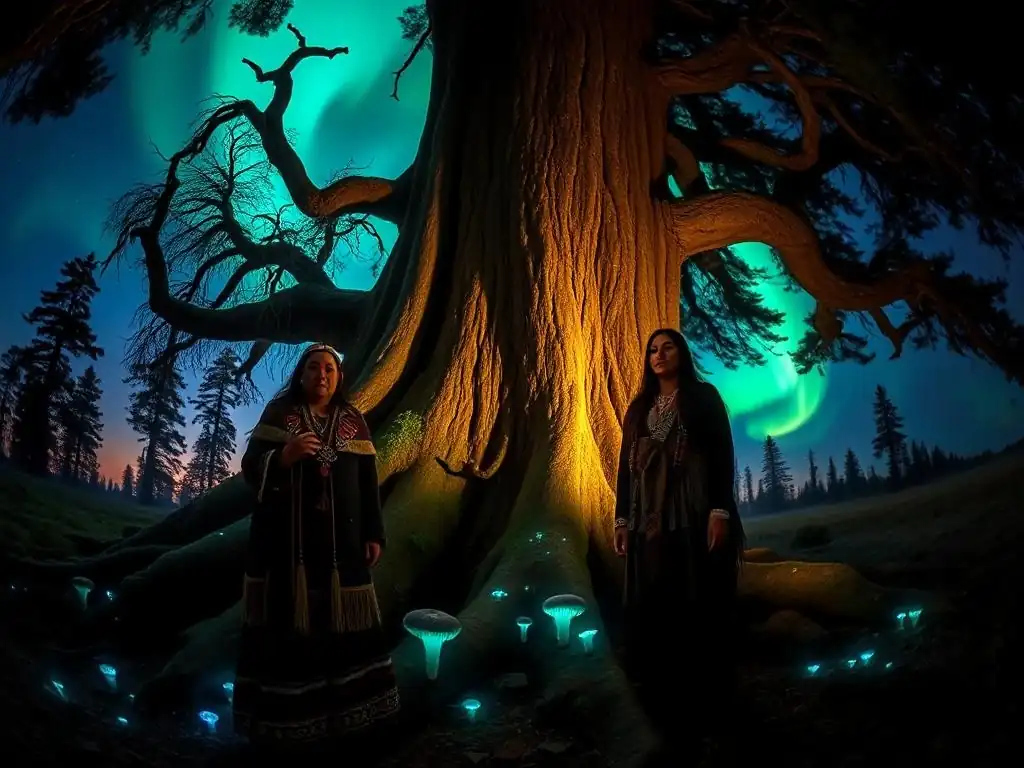
Welcome to WomenInScienceHistory.com, where we uncover the untold stories of groundbreaking female scientists. Delve into a world of innovation and resilience, and discover the profound impact women have had on shaping our understanding of the universe.
But beyond the lab coats and equations, lies a deep connection to our planet. Are you ready to explore the powerful and often overlooked Indigenous women environmental vision? Discover how their ancestral wisdom offers crucial insights for a sustainable future in our latest article, "For the Next Seven Generations: Indigenous Women's LongTerm Vision for Earth," and prepare to be inspired by their commitment to our shared world.
- Introduction: Honoring Indigenous Women's Environmental Stewardship
- Indigenous Women's Environmental Vision: A Holistic Approach
- Key Principles of Indigenous Women's Environmental Knowledge
- Case Studies: Indigenous Women Leading Environmental Initiatives
- Challenges Faced by Indigenous Women Environmental Leaders
- The Power of Intergenerational Knowledge Transfer
- Integrating Indigenous Knowledge into Modern Environmental Science
- The Seven Generations Principle in Action: Long-Term Sustainability
- Conclusion: Amplifying Indigenous Women's Voices for a Healthy Earth
-
Frequently Asked Questions
- What is the primary focus of "WomenInScienceHistory.com"?
- Why is it important to highlight the stories of Indigenous women in environmental science?
- What is meant by "For the Next Seven Generations" in the context of Indigenous environmental vision?
- What are some common challenges faced by Indigenous women in environmental science?
- How can "WomenInScienceHistory.com" inspire future generations through stories of Indigenous women?
- Final Reflection: Weaving a Legacy of Stewardship
- Embrace Your Role: Champion Earth's Future!
Introduction: Honoring Indigenous Women's Environmental Stewardship
Recognizing Indigenous Women's Role in Environmental Conservation
Indigenous women have historically served as the primary custodians of biodiversity and cultural knowledge within their communities, a role often overlooked in mainstream environmental narratives. Their deep, intrinsic connection to the land, water, and all living beings has positioned them as vital stewards, responsible for the health and sustainability of their ancestral territories. This stewardship is not merely a practice but a way of life, passed down through generations, embodying a unique and profound understanding of ecological balance.
Globally, Indigenous peoples inhabit and manage approximately 25% of the world's land surface, yet these territories harbor an estimated 80% of the planet's biodiversity. A significant portion of this invaluable stewardship, particularly concerning traditional food systems, medicinal plants, and water resources, falls under the direct care and leadership of Indigenous women. Their efforts are crucial in protecting ecosystems that are disproportionately rich in species and vital for global ecological health.
The Seven Generations Principle: A Foundation for Sustainable Practices
At the heart of many Indigenous philosophies, particularly prominent among the Haudenosaunee (Iroquois) Confederacy, is the concept of the Seven Generations Principle. This profound guiding philosophy dictates that all decisions made in the present must consider their impact on the next seven generations – a timeframe spanning approximately 200 to 250 years. It compels leaders and community members to act with foresight, ensuring that the resources and environment inherited by future descendants are not only preserved but enhanced.
This principle fundamentally shapes the long-term Indigenous women environmental vision, moving beyond immediate gains to prioritize enduring sustainability. It fosters a deep sense of responsibility, urging individuals to consider how their actions today will affect the well-being and prosperity of children yet unborn. This intergenerational perspective is a stark contrast to short-term economic or political cycles, embedding a commitment to ecological integrity and social equity for centuries to come.
Indigenous Women's Environmental Vision: A Holistic Approach
Interconnectedness of Nature and Humanity in Indigenous Worldviews
Many Indigenous worldviews articulate a profound understanding of the interconnectedness between all forms of life and the natural world. Humans are not seen as separate from nature, but rather as an integral part of a vast, complex web of relationships. This holistic perspective views the health of the land, rivers, and forests as inextricably linked to the physical, spiritual, and cultural well-being of the community.
This deep-seated belief informs the Indigenous women environmental vision, where environmental degradation is understood as a direct threat to human existence and cultural continuity. For instance, the Lakota concept of Mitakuye Oyasin, meaning "all my relations," extends kinship to all living beings – animals, plants, rocks, and water – fostering a reciprocal relationship of respect and responsibility for the entire ecosystem. This holistic lens shapes their environmental practices, ensuring that interventions benefit the entire living system.
Traditional Ecological Knowledge (TEK): A Legacy of Sustainable Practices
Traditional Ecological Knowledge (TEK) represents a cumulative body of knowledge, practices, and beliefs concerning the relationship of living beings (including humans) with their environment. This knowledge is culturally transmitted across generations, often through oral traditions, ceremonies, and hands-on learning. Indigenous women frequently serve as the primary custodians and transmitters of this invaluable wisdom, particularly concerning plant medicines, food cultivation, and water management.
TEK includes sophisticated sustainable practices developed over millennia, such as sophisticated rotational farming techniques, selective harvesting methods that promote regeneration, and the use of prescribed burning to maintain forest health and prevent catastrophic wildfires. For example, Indigenous communities in California have historically used controlled burns for thousands of years to manage landscapes, foster biodiversity, and reduce fuel loads, proving far more effective than modern fire suppression alone. This legacy of sustainable practices is a cornerstone of the Indigenous women environmental vision, offering time-tested solutions for contemporary ecological challenges.
Key Principles of Indigenous Women's Environmental Knowledge
Reciprocity and Respect for Natural Resources
A fundamental principle guiding Indigenous women's environmental practices is reciprocity – the understanding that for every gift received from the natural world, something must be given back. This concept extends beyond merely replacing what is taken; it encompasses spiritual acknowledgment, gratitude, and actions that actively contribute to the regeneration and health of the ecosystem. This respectful exchange ensures a sustainable relationship with all natural resources.
For instance, when harvesting medicinal plants or wild foods, Indigenous women often leave an offering, such as tobacco or a prayer, as a sign of gratitude and respect for the plant's sacrifice. Similarly, traditional hunting and fishing protocols emphasize taking only what is needed and ensuring that populations can regenerate, thereby maintaining ecological balance. This deep-seated ethic of reciprocity is vital to the Indigenous women environmental vision, fostering a culture of mindful consumption and active stewardship.
Importance of Biodiversity and Ecosystem Health
Indigenous women inherently understand that a healthy ecosystem is a diverse and resilient one. Their traditional practices often prioritize the maintenance of biodiversity, recognizing that a wide array of species contributes to the overall stability and productivity of the land. This focus on ecological integrity is evident in their seed-saving traditions and their efforts to protect specific habitats.
Many Indigenous women's groups, such as the Native American Food Sovereignty Alliance, are actively involved in preserving heirloom seeds, safeguarding genetic diversity in crops against monoculture and industrial agriculture. Their efforts ensure the availability of culturally significant and climate-resilient plant varieties. Furthermore, their knowledge of interconnected species within an ecosystem, such as the importance of certain insects for pollination or specific predators for population control, often guides their conservation strategies, contributing significantly to a holistic Indigenous women environmental vision.
Indigenous Women's Leadership in Climate Change Mitigation
Indigenous women are increasingly at the forefront of climate change adaptation and mitigation efforts, drawing upon their extensive Traditional Ecological Knowledge (TEK) to observe environmental shifts and develop community-based solutions. Their intimate connection to the land allows them to detect subtle changes in weather patterns, plant cycles, and animal behavior, providing invaluable early warning signs of climate impacts.
Their leadership is evident in initiatives such as advocating for the protection of forests as critical carbon sinks, participating in land restoration projects to enhance carbon sequestration, and developing resilient local food systems less vulnerable to extreme weather events. For example, Indigenous women in the Arctic are documenting changes in ice patterns and permafrost thaw, sharing crucial data with scientists, while simultaneously developing community-led adaptation strategies to protect their homes and traditional ways of life. This proactive engagement is a testament to the dynamic and evolving Indigenous women environmental vision.
Case Studies: Indigenous Women Leading Environmental Initiatives
Women of the Klamath River - Restoring Salmon Populations
For decades, Indigenous women from the Yurok, Karuk, and Hoopa nations along the Klamath River in Northern California and Southern Oregon have been instrumental in advocating for the removal of hydroelectric dams that have severely impacted salmon populations. Salmon are not merely a food source but a cultural keystone species, central to their identity, ceremonies, and economy. The decline of salmon due to dam obstructions and degraded water quality threatened the very fabric of their communities.
Through sustained advocacy, legal challenges, and grassroots organizing, these women amplified their voices on both tribal and national stages. Their tireless efforts, rooted in traditional ecological knowledge and a fierce commitment to their ancestral lands, culminated in a historic agreement for the removal of four dams by 2024. This monumental undertaking, the largest dam removal project in U.S. history, is expected to restore hundreds of miles of salmon habitat, revitalizing the river and its surrounding ecosystems, and showcasing the profound impact of their Indigenous women environmental vision.
Maasai Women in Kenya - Combating Desertification Through Holistic Grazing
In the arid and semi-arid lands of Kenya, Maasai women are leading innovative efforts to combat desertification and improve food security through the revitalization of traditional livestock management practices. Facing severe land degradation and increased droughts, they are implementing holistic planned grazing, a method that mimics the natural movement of large herds of wild herbivores.
This involves intensely grazing small areas with large numbers of cattle for short periods, followed by long recovery periods for the land. The trampling and manure deposition by the livestock break up soil crusts, incorporate organic matter, and stimulate plant growth, leading to improved soil health, increased water infiltration, and enhanced biodiversity. This "green desert" approach, championed by Maasai women who are deeply connected to the land and livestock, has transformed degraded rangelands into thriving grasslands, securing livelihoods and demonstrating a powerful Indigenous women environmental vision for arid regions.
Indigenous Women of the Amazon - Protecting Forests Against Deforestation
Indigenous women throughout the Amazon basin, including those from the Waorani, Kichwa, and Sápara nations, are at the forefront of the global fight against deforestation, illegal mining, and oil extraction. They are fiercely defending their ancestral territories, which are critical biodiversity hotspots and vital carbon sinks for the planet. Their leadership often involves confronting powerful extractive industries and governments.
A notable example is the 2019 legal victory by Waorani women in Ecuador, who successfully sued their government to prevent oil drilling in 500,000 acres of their ancestral Amazonian rainforest. This landmark ruling set a crucial precedent for Indigenous land rights and environmental protection, demonstrating the power of collective action led by Indigenous women. Their unwavering commitment to protecting the forest, which they view as their home and provider, is a testament to their profound Indigenous women environmental vision and their role as guardians of one of the world's most vital ecosystems.
Challenges Faced by Indigenous Women Environmental Leaders
Land Rights and Resource Extraction
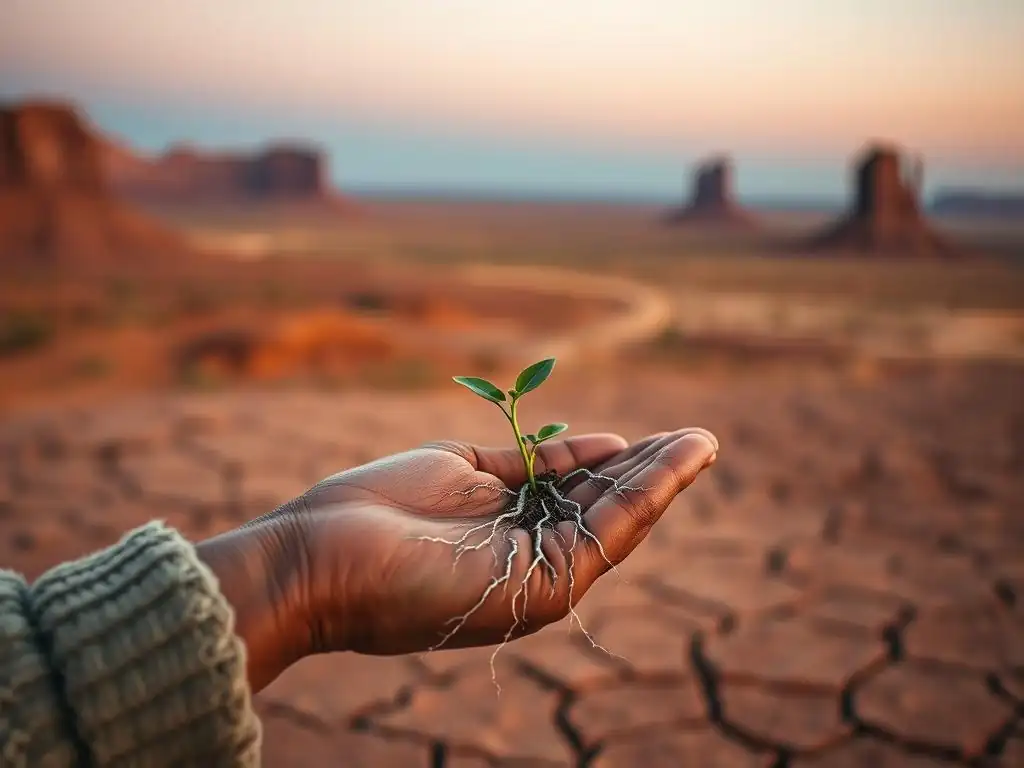
A primary challenge confronting Indigenous women environmental leaders is the pervasive issue of insecure land tenure and the relentless pressure from extractive industries. Despite often holding ancestral rights to their territories for millennia, many Indigenous communities lack formal legal recognition of their land ownership. This vulnerability makes their lands susceptible to large-scale mining, logging, oil, and agricultural projects, often without their free, prior, and informed consent.
When Indigenous women stand up to defend their lands, they frequently face intimidation, criminalization, and violence. Reports from organizations like Global Witness indicate that environmental defenders, many of whom are Indigenous, are killed at an alarming rate, with hundreds of deaths recorded annually. Indigenous women are particularly vulnerable, often facing gender-specific threats and violence in addition to the dangers inherent in land defense, which directly undermines their crucial Indigenous women environmental vision.
Cultural Preservation and Knowledge Transmission
The ongoing impacts of colonization, forced assimilation policies, and globalization pose significant threats to the preservation and transmission of Traditional Ecological Knowledge (TEK). The decline of Indigenous languages, for instance, directly correlates with the loss of specific environmental knowledge embedded within those linguistic frameworks, as many ecological concepts and plant uses are untranslatable into other tongues.
Furthermore, the disruption of traditional educational systems and the allure of modern lifestyles can lead to a disconnect between younger generations and their elders, making it challenging to pass down complex TEK systems. This erosion of cultural practices and knowledge imperils the very foundation of the Indigenous women environmental vision, weakening the collective ability to sustainably manage resources and adapt to environmental changes based on millennia of accumulated wisdom.
Gender Inequality and Systemic Barriers
Indigenous women frequently face compounded discrimination due to their intersecting identities as women, Indigenous individuals, and often, members of economically marginalized communities. This multi-layered discrimination creates systemic barriers that limit their access to resources, decision-making platforms, and political power, despite their pivotal roles in environmental stewardship.
These barriers manifest in various ways: Indigenous women may be underrepresented in formal environmental policy discussions at national or international levels, their grassroots initiatives may struggle to secure adequate funding, and their voices may be dismissed in favor of male counterparts or non-Indigenous experts. Such systemic inequalities hinder their ability to fully realize their Indigenous women environmental vision and implement effective solutions for their communities and the wider environment.
The Power of Intergenerational Knowledge Transfer
Mentorship and Education within Indigenous Communities
Intergenerational knowledge transfer is the bedrock of Indigenous environmental stewardship. Within Indigenous communities, elders, particularly grandmothers and mothers, play a crucial role as mentors, passing down Traditional Ecological Knowledge (TEK) through storytelling, ceremonies, and hands-on learning experiences. This informal yet highly effective educational system ensures that practical skills and deep ecological understanding are woven into the fabric of daily life.
For example, young girls might accompany their grandmothers on plant gathering expeditions, learning not only to identify specific medicinal plants but also the proper way to harvest them sustainably, when to gather them, and the prayers or songs associated with their use. This immersive mentorship fosters a profound connection to the land and instills the values of respect and reciprocity, directly perpetuating the Indigenous women environmental vision.
Passing Down Traditional Ecological Knowledge
Traditional Ecological Knowledge (TEK) is not static; it is a living, dynamic system that is constantly adapted and refined through generations of observation and practice. Indigenous women are central to this process, ensuring that TEK remains relevant and responsive to changing environmental conditions. This transmission involves not just facts, but also the worldview and ethical framework that underpins sustainable living.
To counter the threats of cultural erosion, many Indigenous women are actively engaged in revitalizing TEK through community-led initiatives such as language immersion programs, cultural camps for youth, and collaborative research projects that document traditional practices. These efforts ensure that vital knowledge about sustainable resource management, climate adaptation, and biodiversity conservation continues to inform the Indigenous women environmental vision for future generations.
Empowering Future Generations of Indigenous Environmental Stewards
Empowering future generations of Indigenous environmental stewards is crucial for the long-term health of both Indigenous communities and the planet. This involves equipping young Indigenous women with the tools and opportunities to blend traditional wisdom with contemporary knowledge and advocacy strategies. It means supporting their access to education, leadership training, and platforms where their voices can be heard.
Programs that foster leadership among young Indigenous women, encouraging them to pursue careers in environmental science, law, or activism, are vital. By nurturing their innate connection to the land and providing them with modern skills, these initiatives ensure that a new generation of Indigenous women can lead the charge in shaping a resilient and sustainable future, rooted in their ancestral Indigenous women environmental vision while addressing modern challenges.
Integrating Indigenous Knowledge into Modern Environmental Science
Bridging the Gap Between TEK and Western Scientific Approaches
There is a growing recognition within the broader scientific community of the immense value of Traditional Ecological Knowledge (TEK) and the need to bridge the historical divide between Indigenous wisdom and Western scientific approaches. TEK often provides thousands of years of localized, empirical data on ecological processes, climate patterns, and species behavior, offering insights that Western science, with its typically shorter observational periods, often lacks.
For instance, Indigenous knowledge of long-term climate variability, specific plant phenology (seasonal cycles), or animal migration patterns can complement and enrich modern scientific models, particularly in understanding resilience and adaptation to environmental change. This collaborative approach moves beyond merely extracting data from Indigenous communities to one of respectful knowledge co-creation, enhancing the depth and applicability of scientific understanding.
Collaborative Research and Partnerships
Effective integration of Indigenous knowledge requires genuine collaborative research and partnerships, where Indigenous knowledge holders are recognized as co-creators of knowledge, not merely as subjects of study or providers of data. This involves equitable power dynamics, mutual respect, and shared decision-making throughout the research process, from question formulation to dissemination of findings.
Successful examples include co-managed protected areas where Indigenous governance structures and TEK inform conservation strategies alongside Western ecological science. For instance, in parts of Australia and Canada, Indigenous rangers and scientists work together to manage national parks, combining traditional fire management techniques with satellite imagery analysis to protect biodiversity and mitigate wildfire risks. Such partnerships lead to more robust, culturally appropriate, and effective conservation outcomes, directly contributing to a comprehensive Indigenous women environmental vision.
Benefits of Combining Indigenous Wisdom and Scientific Innovation
The synergistic benefits of combining Indigenous wisdom with scientific innovation are profound. Traditional Ecological Knowledge offers deep, localized understanding of ecosystems and time-tested sustainable practices, often rooted in a holistic worldview that emphasizes interconnectedness. Western science, conversely, provides tools for broad-scale analysis, precise measurement, and rapid assessment, allowing for systematic testing and modeling.
By integrating these two powerful knowledge systems, solutions to complex environmental challenges like climate change, biodiversity loss, and resource depletion become more comprehensive, equitable, and effective. The combination can lead to the development of innovative conservation strategies that are both culturally relevant and scientifically robust, ultimately fostering a more sustainable and resilient future for all, guided by a truly holistic Indigenous women environmental vision.
The Seven Generations Principle in Action: Long-Term Sustainability
Planning for Future Generations' Well-being
The Seven Generations Principle, a cornerstone of the Indigenous women environmental vision, compels current generations to make decisions with a profound sense of responsibility for those who will come after them. This principle transcends short-term political cycles or immediate economic gains, demanding foresight and a deep commitment to intergenerational well-being. It means evaluating every action – from resource extraction to infrastructure development – by its potential impact on the environment and society for the next two centuries.
This long-term planning manifests in practical ways, such as carefully managed resource allocation that ensures renewal, land-use planning that protects vital ecosystems, and community development strategies that prioritize sustainable livelihoods over fleeting profits. It cultivates a culture where the health of the land is paramount, understood as the ultimate inheritance for future generations, rather than a commodity to be exploited.
Sustainable Resource Management for a Thriving Planet
Indigenous women apply the Seven Generations Principle directly to their practices of sustainable resource management, ensuring that natural capital is enhanced rather than depleted. Their methods often emphasize regenerative approaches that not only conserve but also improve the health and productivity of forests, fisheries, agricultural lands, and water sources. This contrasts sharply with extractive models that prioritize maximum yield in the short term.
For example, traditional forest management practices, often guided by Indigenous women, focus on selective harvesting, fostering natural regeneration, and maintaining a diverse range of tree species, leading to healthier, more resilient forests over centuries. Similarly, traditional fishing protocols ensure that fish populations are not overharvested, allowing for natural replenishment and securing food sources for countless future generations. These practices embody a living, breathing Indigenous women environmental vision.
The Role of Indigenous Women in Shaping a Sustainable Future
Indigenous women are not merely guardians of traditional knowledge; they are active architects of a sustainable future. Their leadership, rooted in the Seven Generations Principle, extends beyond their immediate communities, offering vital lessons and advocacy for global systemic change. They demonstrate through their actions how a respectful, reciprocal relationship with the Earth is not only possible but essential for collective survival.
They advocate tirelessly for policies that recognize Indigenous land rights, protect biodiversity, and integrate traditional knowledge into global environmental governance. Their voices are increasingly heard on international platforms, pushing for a paradigm shift away from unsustainable consumption and towards a more balanced, harmonious relationship with the planet. This powerful and enduring Indigenous women environmental vision provides a roadmap for all humanity seeking to build a truly sustainable world.
Conclusion: Amplifying Indigenous Women's Voices for a Healthy Earth
Recognizing the Invaluable Contributions of Indigenous Women
The profound and often unacknowledged contributions of Indigenous women to global environmental health are immense. Through their deep Traditional Ecological Knowledge, their unwavering commitment to the Seven Generations Principle, and their tireless advocacy, they have protected vast biodiverse territories and maintained sustainable practices for millennia. Their unique understanding of interconnectedness and reciprocity offers vital lessons for all of humanity in addressing the escalating planetary crises.
Their stewardship extends far beyond their local communities, providing essential models for climate change adaptation, biodiversity conservation, and sustainable resource management. Recognizing and valuing these contributions is not just an act of justice but a strategic imperative for securing a healthy future for the entire planet.
Supporting Indigenous-Led Environmental Initiatives
To truly foster a healthy Earth, it is imperative to actively support Indigenous-led environmental initiatives, particularly those championed by Indigenous women. This support must be tangible, including direct funding that respects Indigenous self-determination, legal recognition and protection of their ancestral land rights, and robust measures to ensure their safety from violence and intimidation.
Empowering these initiatives is not merely an ethical obligation; it is a strategic investment in proven, effective environmental solutions. Indigenous women's approaches, rooted in deep ecological understanding and long-term vision, offer some of the most effective and equitable pathways to a sustainable future. Their leadership provides invaluable insights into living in harmony with nature.
A Call to Action: Embracing the Seven Generations Vision
The challenges facing our planet demand a fundamental shift in perspective, and the Indigenous women environmental vision, particularly the Seven Generations Principle, offers a powerful framework for this transformation. It calls upon all of us to consider the long-term consequences of our actions and to cultivate a profound sense of responsibility for the well-being of future generations.
By learning from and embracing the wisdom of Indigenous women – their holistic worldview, their reciprocal relationship with nature, and their unwavering commitment to stewardship – we can begin to heal our planet and build a truly sustainable world. Amplifying their voices and supporting their efforts is not just about environmental protection; it is about securing a healthy, equitable, and thriving future for all generations to come.
Frequently Asked Questions
What is the primary focus of "WomenInScienceHistory.com"?
The website primarily focuses on celebrating the contributions of women to various scientific fields throughout history, showcasing their biographies and groundbreaking work. It also addresses the challenges they faced in male-dominated environments.
Why is it important to highlight the stories of Indigenous women in environmental science?
Highlighting these stories helps to shed light on overlooked narratives and recognizes the unique perspectives and traditional ecological knowledge that Indigenous women bring to environmental stewardship. It also promotes diversity and inclusion in science.
What is meant by "For the Next Seven Generations" in the context of Indigenous environmental vision?
This phrase represents a commitment to long-term sustainability and decision-making that considers the impact on future generations, ensuring the health of the planet for those to come. It's a core principle in many Indigenous cultures.
What are some common challenges faced by Indigenous women in environmental science?
They often face challenges such as lack of recognition for their traditional knowledge, systemic barriers within scientific institutions, and the impacts of environmental degradation on their communities and cultural practices.
How can "WomenInScienceHistory.com" inspire future generations through stories of Indigenous women?
By showcasing their resilience, innovation, and commitment to environmental stewardship, the website can empower and inspire young people, particularly Indigenous girls, to pursue careers in science and environmental fields. This demonstrates the impact of diverse perspectives in addressing global challenges.
Final Reflection: Weaving a Legacy of Stewardship
The threads of Indigenous women's environmental vision, as explored throughout this article, are not relics of the past, but rather vital strands in the tapestry of our planet's future. Their profound connection to the land, their unwavering commitment to intergenerational well-being, and their holistic understanding of ecological balance offer a powerful antidote to the short-sightedness that plagues modern environmental policies. This isn't just about preserving ecosystems; it's about cultivating a way of life that honors the interconnectedness of all living things.
The enduring influence of Indigenous women's leadership in environmental stewardship is undeniable. Their voices, often marginalized, are now more crucial than ever in shaping a sustainable future for all. Their traditional knowledge, passed down through generations, provides invaluable insights into ecological resilience and the delicate balance of nature. We do not inherit the earth from our ancestors; we borrow it from our children.
This ancient wisdom, deeply embedded in many Indigenous cultures, serves as a constant reminder of our responsibility to future generations.
As you reflect on the stories and insights shared in this article, consider how you can integrate the principles of Indigenous women's environmental vision into your own life. How can you cultivate a deeper connection to the land, prioritize long-term sustainability over short-term gains, and amplify the voices of those who have been stewarding the Earth for millennia?
The future of our planet depends on our collective willingness to embrace a more holistic, interconnected, and intergenerational approach to environmental stewardship. Let us all strive to be worthy ancestors, leaving a legacy of respect, resilience, and reverence for the Earth for the next seven generations and beyond.
Embrace Your Role: Champion Earth's Future!
Thank you for exploring the inspiring vision of Indigenous women and their commitment to our planet. You now understand the power of long-term thinking and the importance of honoring our connection to the Earth. Ready to put these lessons into action?
- Commit to one sustainable practice inspired by Indigenous wisdom: Reduce your consumption, support local and sustainable businesses, or advocate for environmental justice in your community.
- Share this article with three friends to spark a broader conversation about sustainable living and Indigenous perspectives.
- Explore the history of Indigenous science and technology on our website to deepen your understanding of their contributions to our world.
What specific action will you take today to honor the Earth and future generations?