
Champions of EcoJustice: Women Fighting for Environmental Equity in the New Millennium

Welcome to WomenInScienceHistory.com!
Dive into a world where brilliance meets resilience, and discover the untold stories of women who shaped the scientific landscape. Are you aware of the powerful contributions women have made to environmental justice? Our latest article, " Champions of EcoJustice: Women Fighting for Environmental Equity in the New Millennium," shines a light on the courageous women environmental justice activists who are leading the charge for a more equitable and sustainable future.
Explore their inspiring journeys and learn how they're challenging the status quo. What innovative solutions are they implementing, and what obstacles do they still face? Start reading to uncover the crucial role women play in safeguarding our planet.
- Introduction: The Rise of Women Environmental Justice Activists in the 21st Century
- Pioneering Figures: Profiles of Leading Women Environmental Justice Activists
- Key Issues Addressed by Women in Environmental Justice
- Strategies and Approaches: How Women are Advancing Environmental Equity
- Challenges and Obstacles Faced by Women Environmental Justice Activists
- The Future of EcoJustice: Continuing the Legacy of Women Environmental Leaders
- Conclusion: Celebrating the Achievements of Women Environmental Justice Activists
-
Frequently Asked Questions
- What is environmental justice and why is it a key area for women environmental justice activists?
- What are some common challenges faced by women environmental justice activists?
- How does the work of women environmental justice activists impact communities?
- Can you provide an example of a significant achievement by women environmental justice activists in the 21st century?
- How can I support women environmental justice activists and get involved in environmental justice initiatives?
- Final Reflection: Amplifying the Voices of EcoJustice
- Ignite Your Inner Eco-Champion!
Introduction: The Rise of Women Environmental Justice Activists in the 21st Century
Defining Environmental Justice: A Crucial Movement for Equity
Environmental justice is a multifaceted movement that addresses the disproportionate exposure of marginalized communities to environmental hazards and their lack of access to environmental benefits. It posits that all people, regardless of race, origin, or income, have the right to equal protection from environmental harms and to equal access to decision-making processes that affect their environment. This crucial framework emerged in the United States in the 1980s, driven by civil rights activists who observed that polluting industries and waste sites were often located in low-income communities and communities of color.
The movement seeks to dismantle systemic inequities that lead to environmental racism and classism, advocating for policies that promote healthy and sustainable communities for everyone. For instance, studies have consistently shown that neighborhoods with a higher percentage of minority residents are more likely to host hazardous waste facilities, even when controlling for income levels. This disparity highlights the deep-seated injustices that environmental justice aims to rectify, moving beyond traditional conservation to encompass social and economic equity.
Women at the Forefront: Why Their Leadership Matters in EcoJustice
Women have historically been at the vanguard of environmental movements, often driven by their roles as caregivers and community protectors who directly experience the impacts of environmental degradation on their families and neighborhoods. Their leadership in ecojustice is particularly significant because they bring a unique perspective that often emphasizes community health, intergenerational well-being, and collaborative solutions. Many women environmental justice activists leverage their deep understanding of local ecosystems and social dynamics to mobilize communities effectively.
Their involvement extends beyond protest; they are often the ones organizing, educating, and leading initiatives for sustainable development and equitable resource distribution. Research indicates that women's participation in environmental governance leads to more effective conservation outcomes and more equitable resource management. For example, in many developing nations, women are primary agricultural producers and water managers, making them acutely aware of climate change impacts and resource scarcity, thus positioning them as natural leaders in the fight for environmental equity.
Pioneering Figures: Profiles of Leading Women Environmental Justice Activists
Wangari Maathai: Fighting Deforestation and Promoting Community Empowerment in Kenya
Wangari Maathai, a Kenyan environmental and political activist, founded the Green Belt Movement in 1977, an indigenous grassroots organization focused on environmental conservation, community development, and women's empowerment. Her work was groundbreaking in its holistic approach, linking deforestation directly to poverty, conflict, and the disempowerment of rural women. She understood that environmental degradation was not just an ecological problem but a deep-seated social justice issue, particularly for the rural poor who depended directly on natural resources.
Maathai's vision was to plant trees to prevent soil erosion, provide firewood, and improve local livelihoods, thereby empowering women to take charge of their environment and economic future. Her efforts led to the planting of over 51 million trees across Kenya by 2004, significantly contributing to reforestation and carbon sequestration. This monumental achievement earned her the Nobel Peace Prize in 2004, making her the first African woman to receive the award, recognizing her dedication to sustainable development, democracy, and peace.
Maathai's Key Contributions to Environmental Equity
Maathai's most significant contribution to environmental equity was demonstrating that environmental rehabilitation could be a powerful tool for social and economic justice. The Green Belt Movement paid women a small stipend for each tree seedling that survived, providing them with an independent income source and enhancing their social standing within their communities. This economic empowerment was crucial in a patriarchal society, enabling women to send their children to school and improve their families' living conditions.
Furthermore, Maathai championed the idea that environmental problems are often rooted in governance issues. She actively campaigned against corruption and abuses of power that led to land grabbing and deforestation, thereby linking environmental justice with democratic rights and good governance. Her work inspired similar grassroots movements worldwide, proving that local actions, led by communities, can have a global impact on environmental sustainability and human rights.
Overcoming Challenges: Maathai's Journey in Environmental Advocacy
Wangari Maathai faced immense challenges throughout her advocacy, including severe government opposition, harassment, and even imprisonment. The Kenyan government under President Daniel Arap Moi viewed her activism as a threat to their authority, particularly her campaigns against the construction of luxury housing in public parks and other unsustainable development projects. Despite these obstacles, Maathai remained resolute, often leading peaceful protests and using legal avenues to challenge environmental destruction.
Her resilience in the face of adversity galvanized international support and brought global attention to the plight of environmental defenders, particularly women environmental justice activists in the Global South. Maathai's story is a testament to the courage required to stand up for environmental and social justice against powerful interests. Her unwavering commitment to her principles, even when facing personal danger, solidified her legacy as a formidable champion of ecojustice.
Winona LaDuke: Championing Indigenous Rights and Sustainable Agriculture through Anishinaabe Traditions
Winona LaDuke is a renowned Anishinaabemowin activist, economist, and writer, known for her tireless work on tribal land claims and preservation, as well as sustainable development. As a member of the Ojibwe Nation and executive director of Honor the Earth, she has dedicated her life to advocating for indigenous sovereignty and environmental protection, integrating traditional ecological knowledge with contemporary environmental challenges. Her work emphasizes that the health of the land is inextricably linked to the health and rights of indigenous peoples.
LaDuke's advocacy often centers on fighting large-scale industrial projects that threaten indigenous lands and natural resources, such as oil pipelines and mining operations. She played a prominent role in the Standing Rock Sioux Tribe's opposition to the Dakota Access Pipeline in 2016-2017, highlighting the potential for water contamination and the violation of treaty rights. Her leadership embodies the intersection of environmental justice and indigenous rights, asserting that self-determination is fundamental to environmental stewardship.
LaDuke's Innovative Strategies for Environmental Protection
LaDuke employs innovative strategies that blend traditional indigenous practices with modern advocacy to achieve environmental protection. Through Honor the Earth, she has supported grassroots indigenous environmental groups and developed projects promoting renewable energy, sustainable food systems, and economic alternatives that respect the earth. For instance, she has been instrumental in efforts to reintroduce traditional crops like wild rice (Manoomin), which is central to Anishinaabe culture and diet, and to protect it from genetic modification and pollution.
Her approach emphasizes "cultural revitalization as environmental restoration," recognizing that indigenous knowledge systems offer profound insights into living sustainably with the land. LaDuke advocates for a shift away from fossil fuel dependence towards a "green economy" rooted in local, community-based solutions. She has also co-founded the White Earth Land Recovery Project, which has successfully reacquired thousands of acres of reservation land, demonstrating a tangible commitment to land rematriation and ecological restoration.
Inspiring Future Generations: LaDuke's Legacy
Winona LaDuke's enduring legacy lies in her ability to inspire future generations of women environmental justice activists and indigenous leaders. Her unwavering commitment to indigenous rights and environmental sovereignty has made her a powerful voice on both national and international stages. By consistently connecting environmental degradation to historical injustices and advocating for systemic change, she has broadened the discourse on environmentalism to include issues of social equity, cultural preservation, and economic justice.
Through her writings, public speaking, and direct activism, LaDuke has educated countless individuals about the importance of protecting sacred lands and waters, and the vital role of indigenous peoples in this effort. Her work continues to empower indigenous communities to assert their rights and lead the transition towards a more sustainable and just future, demonstrating how traditional wisdom can inform contemporary solutions to global environmental crises.
Marielle Franco was a Brazilian politician, feminist, and human rights activist who served as a city councilor in Rio de Janeiro from 2017 until her assassination in 2018. Although not exclusively an environmental activist, her work deeply intersected with environmental justice, particularly concerning the rights and living conditions of Afro-Brazilian communities in the city's favelas. Franco consistently highlighted how issues like inadequate sanitation, lack of basic infrastructure, and exposure to pollution disproportionately affected marginalized populations, framing these as critical components of environmental racism.
Her advocacy focused on the right to the city, demanding that urban development benefit all residents, not just the privileged. She campaigned against forced evictions, police brutality, and the neglect of public services in favelas, recognizing that these social injustices directly contributed to poor environmental health outcomes for millions of residents. Franco's approach underscored that environmental justice cannot be separated from broader struggles for human rights and social equity.
Franco's Grassroots Approach to Environmental Justice
Franco's approach to environmental justice was deeply rooted in grassroots organizing and community empowerment. Having grown up in the Maré favela complex, she had firsthand experience with the environmental challenges faced by its residents, such as precarious housing, lack of waste collection, and vulnerability to natural disasters. She used her position as a city councilor to amplify the voices of those often unheard, advocating for policies that would improve living conditions and environmental quality in these marginalized areas.
Her legislative efforts included pushing for better public transportation, improved sanitation systems, and increased access to green spaces, all of which directly impacted the environmental health and well-being of favela residents. Franco understood that true environmental justice required not just mitigating pollution but transforming the social and economic structures that perpetuate inequality. Her work was a testament to the power of local activism in addressing complex urban environmental issues.
Building Community Power: Franco's Impact
Marielle Franco's impact was profound in building community power and raising awareness about the intersection of social justice and environmental issues in Brazil. She mobilized residents, particularly women and youth, to demand their rights and participate in decision-making processes. Her activism brought national and international attention to the plight of Afro-Brazilian communities facing systemic discrimination and environmental neglect, inspiring countless individuals to join the fight for a more just society.
Her legacy continues to resonate, even after her tragic death, as a symbol of resistance against injustice and a call to action for comprehensive human rights. Franco's work demonstrated that effective women environmental justice activists often operate at the nexus of multiple struggles, understanding that environmental well-being is intrinsically linked to racial equality, economic justice, and human dignity. Her courage in confronting powerful interests left an indelible mark on the landscape of social and environmental activism in Brazil and beyond.
Key Issues Addressed by Women in Environmental Justice
Climate Change and its Disproportionate Impact on Vulnerable Communities
Climate change represents one of the most pressing environmental justice issues of our time, with its impacts disproportionately burdening vulnerable communities globally. Rising sea levels, extreme weather events, and changes in agricultural productivity often hit low-income communities and indigenous populations the hardest, as they typically have fewer resources to adapt or recover. For instance, in many developing nations, women comprise a large percentage of agricultural workers and are responsible for collecting water and fuel, making them acutely vulnerable to droughts, floods, and resource scarcity exacerbated by climate change.
Globally, approximately 80% of people displaced by climate change are women, according to UN figures, highlighting their heightened susceptibility to environmental crises. This disproportionate impact is not solely due to proximity to hazards but also due to existing social inequalities that limit women's access to education, land ownership, and decision-making power, which are crucial for building resilience. Women environmental justice activists consistently highlight these disparities, advocating for climate solutions that prioritize equity and human rights.
Women-Led Initiatives for Climate Resilience
In response to these challenges, women are leading numerous initiatives for climate resilience, often at the local and community levels. From developing early warning systems for extreme weather in coastal villages to implementing sustainable farming practices that conserve water and improve soil health, their efforts are vital for adaptation. For example, in parts of Bangladesh, women have organized to build raised homes and establish community-managed freshwater reserves in areas prone to cyclones and salinity intrusion, demonstrating innovative, context-specific solutions.
These women-led projects often focus on empowering community members with knowledge and skills, fostering collective action, and strengthening social networks, which are crucial for navigating climate impacts. They advocate for climate policies that are inclusive and consider the specific needs of marginalized groups, pushing for recognition of traditional ecological knowledge and the equitable distribution of climate finance. Their work exemplifies how grassroots leadership can build effective climate resilience from the ground up.
Pollution and Environmental Health Disparities
Pollution, whether from industrial emissions, contaminated water sources, or improper waste disposal, creates significant environmental health disparities, with marginalized communities often bearing the brunt of exposure. Studies in the United States, for instance, have shown that communities of color are significantly more likely to live near hazardous waste sites and suffer higher rates of respiratory illnesses, certain cancers, and developmental problems linked to environmental toxins. This systematic injustice is a core focus for women environmental justice activists who fight for clean air and water for all.
Women often lead the charge against pollution because they witness its direct effects on their families' health, particularly on children, who are more vulnerable to environmental toxins. Their advocacy frequently stems from a deep concern for public health and a desire to protect the most vulnerable members of society. They organize protests, conduct community health surveys, and push for stronger environmental regulations to prevent further contamination.
Fighting for Clean Air and Water: Women's Environmental Health Advocacy
Across the globe, women are at the forefront of campaigns for clean air and water, often against formidable corporate and governmental opposition. In Flint, Michigan, for example, women like LeeAnne Walters and Melissa Mays played pivotal roles in exposing the lead contamination crisis in the city's water supply, mobilizing residents, and demanding accountability from officials. Their persistent advocacy brought national attention to the issue and ultimately led to action, albeit after significant harm had been done.
Similarly, in indigenous communities, women have been instrumental in protecting sacred water sources from industrial pollution, as seen in the ongoing struggles against mining and oil extraction projects that threaten rivers and groundwater. These women environmental justice activists often combine traditional ecological knowledge with scientific evidence to build compelling cases for environmental protection, demonstrating a powerful blend of cultural wisdom and modern advocacy. Their relentless pursuit of environmental health equity highlights a profound commitment to justice.
Land Rights and Indigenous Environmental Stewardship
Land rights are fundamental to environmental justice, particularly for indigenous communities whose cultural identity, livelihoods, and spiritual practices are intrinsically linked to their ancestral lands. The historical dispossession of indigenous peoples from their territories has led to environmental degradation, loss of biodiversity, and the erosion of traditional ecological knowledge. Women in these communities are often the primary custodians of this knowledge, making them crucial advocates for the protection and reclamation of their lands.
Their struggle for land rights is not merely about ownership but about preserving ecosystems, maintaining cultural heritage, and ensuring the well-being of future generations. They advocate for the recognition of customary land tenure systems and resist destructive development projects, such as large-scale mining, logging, and agribusiness, that threaten their territories and way of life. The connection between land and identity is a powerful motivator for these women environmental justice activists.
Honoring Indigenous Knowledge: Women Protecting Sacred Lands
Women in indigenous communities worldwide are leading efforts to protect sacred lands by honoring and revitalizing traditional ecological knowledge. They are often the keepers of ancestral wisdom regarding sustainable resource management, medicinal plants, and ecological cycles. For instance, in the Amazon, indigenous women are at the forefront of defending their forests against illegal logging and mining, using their traditional knowledge to identify ecologically sensitive areas and monitor environmental changes.
These women environmental justice activists organize land patrols, engage in legal battles, and educate their communities and external stakeholders about the importance of biodiversity and cultural preservation. Their work ensures that the wisdom accumulated over generations continues to guide environmental stewardship and provides a powerful counter-narrative to destructive industrial practices. By protecting their lands, they are not only safeguarding ecosystems but also preserving unique cultural identities and invaluable knowledge systems for the benefit of all humanity.
Strategies and Approaches: How Women are Advancing Environmental Equity
Community Organizing and Grassroots Activism
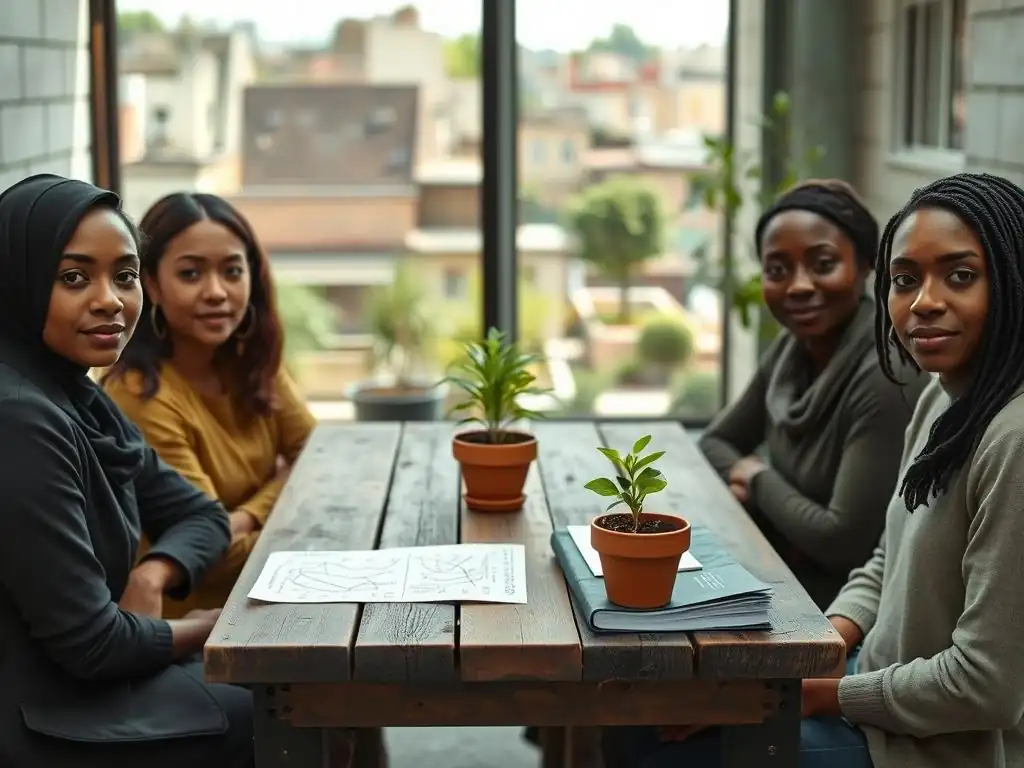
Community organizing and grassroots activism form the bedrock of the environmental justice movement, and women are consistently at its core. They often serve as the primary mobilizers, communicators, and organizers within their neighborhoods, translating complex environmental issues into relatable terms and empowering residents to take collective action. This approach leverages the power of local knowledge and shared experiences to build resilient movements from the ground up, directly addressing the environmental injustices faced by specific communities.
For example, in many urban areas, women have organized community gardens on vacant lots, transforming polluted spaces into productive green areas that provide healthy food and foster community cohesion. These initiatives not only improve the local environment but also create spaces for dialogue and empowerment, demonstrating how grassroots efforts can lead to tangible improvements in environmental equity. Their ability to connect with diverse community members makes them exceptionally effective in sustained advocacy.
Empowering Local Communities to Fight for Environmental Justice
Women environmental justice activists excel at empowering local communities to fight for their rights and demand environmental equity. They conduct workshops, facilitate meetings, and provide resources that enable residents to understand environmental regulations, monitor pollution, and advocate effectively to policymakers. This empowerment is crucial in communities that have historically been excluded from decision-making processes and have lacked the resources to challenge environmental injustices.
Their leadership often involves building coalitions with other community groups, legal aid organizations, and environmental scientists to strengthen their collective voice. By fostering a sense of ownership and collective agency, these women help communities articulate their needs, develop local solutions, and hold polluters and responsible authorities accountable. This bottom-up approach ensures that solutions are culturally appropriate and address the specific environmental health concerns of those most affected.
Legal Advocacy and Policy Change
While grassroots activism is vital, legal advocacy and policy change are crucial for achieving systemic environmental justice, and women are increasingly prominent in these fields. Women lawyers, policymakers, and advocates are working to challenge discriminatory zoning laws, strengthen environmental regulations, and ensure that environmental impact assessments adequately consider the disproportionate burdens on marginalized communities. They leverage legal frameworks to protect vulnerable populations from pollution and secure their right to a healthy environment.
This work involves drafting legislation, litigating cases against polluters, and advocating for policies that promote equitable access to clean air, water, and green spaces. For instance, women legal scholars and practitioners have been instrumental in developing the concept of "environmental racism" as a legal and policy concern, pushing for its recognition in courts and legislative bodies. Their efforts aim to embed environmental justice principles into the legal and regulatory landscape, ensuring long-term systemic change.
Shaping Environmental Regulations: Women's Role in Environmental Law
Women play a significant role in shaping environmental regulations and policies that advance environmental justice. They serve as legal counsel for environmental organizations, lead government agencies, and hold positions in international bodies, where they advocate for stronger protections for frontline communities. Their expertise helps to craft legislation that addresses historical injustices and prevents future environmental harms.
For example, women have been key figures in advocating for policies that mandate cumulative impact assessments, which consider the combined effects of multiple pollution sources on a community, rather than just individual permits. This approach recognizes that marginalized communities often bear the burden of multiple polluting industries simultaneously. Their work in environmental law ensures that the voices and needs of women environmental justice activists on the ground are translated into enforceable legal frameworks that promote equity and public health.
Scientific Research and Data Collection
Scientific research and data collection are indispensable tools for documenting environmental injustice, and many women are leading efforts in this area. By systematically gathering and analyzing data on pollution levels, health outcomes, and demographic patterns, they provide irrefutable evidence of environmental disparities. This scientific rigor is crucial for validating community concerns, challenging industry claims, and informing policy decisions.
Women scientists, researchers, and community members are collaborating to conduct participatory research, where affected communities are directly involved in the data collection process. This not only builds trust but also ensures that the research questions are relevant to the community's lived experiences. The data collected often becomes powerful ammunition in legal battles and advocacy campaigns, demonstrating the tangible impacts of environmental racism.
Using Science to Document Environmental Injustice
Women are effectively using science to document and expose environmental injustice. They employ various methodologies, from air quality monitoring and water testing to health surveys and geographic information systems (GIS) mapping, to illustrate the disproportionate exposure of marginalized communities to environmental hazards. For instance, women-led citizen science projects have equipped residents with air monitors to track pollution from nearby industrial facilities, providing real-time data that can be used to demand regulatory enforcement.
This evidence-based approach strengthens the arguments of women environmental justice activists, making it harder for polluters or authorities to deny the existence of environmental disparities. By translating complex scientific information into accessible formats, they empower communities to understand the risks they face and to advocate for evidence-based solutions. Their work underscores the critical role of scientific literacy and independent data in achieving environmental equity.
Environmental Education and Awareness
Environmental education and awareness-raising are fundamental to building a broad-based movement for ecojustice, and women are often the primary educators within their families and communities. They disseminate information about environmental risks, sustainable practices, and the importance of civic engagement. This educational outreach empowers individuals with the knowledge to protect themselves and their environment, and to advocate for systemic change.
Their efforts extend from informal conversations within neighborhoods to formal educational programs in schools and community centers. They organize workshops, create educational materials, and use various media to raise public consciousness about environmental justice issues, often highlighting the interconnectedness of environmental health with social and economic well-being. This work is foundational to fostering a generation of environmentally conscious and civically engaged citizens.
Raising Awareness: Women as Environmental Educators
Women serve as powerful environmental educators, bridging the gap between scientific understanding and community action. They often use storytelling and personal testimonies to illustrate the human impact of environmental degradation, making abstract concepts like climate change and pollution tangible and relatable. For example, mothers affected by contaminated water or air pollution frequently share their experiences to galvanize public support and pressure policymakers for action.
These women environmental justice activists create educational campaigns that target specific community needs, such as teaching children about healthy food choices and sustainable agriculture or providing information on how to reduce exposure to household toxins. By fostering a deeper understanding of environmental issues and their justice implications, they inspire individuals to become active participants in the movement for a more equitable and sustainable future. Their dedication to education ensures that the message of ecojustice resonates widely.
Challenges and Obstacles Faced by Women Environmental Justice Activists
Gender Bias and Discrimination in Environmental Fields
Despite their pivotal roles, women environmental justice activists frequently encounter significant gender bias and discrimination within environmental fields and broader society. They may face challenges in being taken seriously by male counterparts in scientific, policy, or corporate settings, often having their expertise undervalued or their concerns dismissed as emotional rather than factual. This systemic bias can hinder their ability to access funding, leadership positions, and influential networks, slowing progress on critical environmental justice issues.
Furthermore, women of color and indigenous women often experience intersectional discrimination, facing biases based on both their gender and their race or ethnicity. This can manifest in a lack of representation in mainstream environmental organizations, limited opportunities for mentorship, and the burden of constantly having to prove their credibility. Overcoming these entrenched biases requires persistent advocacy for equitable representation and recognition of their unique contributions.
Lack of Funding and Resources for Women-Led Initiatives
A significant obstacle for women environmental justice activists is the pervasive lack of adequate funding and resources for women-led initiatives, particularly those operating at the grassroots level in marginalized communities. Traditional funding mechanisms often favor larger, established organizations, or projects with easily quantifiable outcomes, overlooking the nuanced, community-based work that women often lead. This resource disparity can cripple essential advocacy, education, and direct action efforts.
Many women-led environmental justice groups rely on volunteer efforts and minimal budgets, severely limiting their capacity to scale up their impact, hire staff, or invest in necessary equipment for monitoring and research. This underfunding is compounded by the fact that many of these groups address issues that are politically sensitive or challenge powerful corporate interests, making it difficult to attract mainstream philanthropic support. Securing sustainable funding remains a constant uphill battle for many women environmental justice activists.
Threats and Violence Against Environmental Defenders
Perhaps the most severe and alarming challenge faced by women environmental justice activists is the increasing threat of violence, harassment, and even assassination. Women defenders, particularly those working on land rights, indigenous rights, and against extractive industries, are disproportionately targeted. They face gender-specific forms of violence, including sexual assault, intimidation tactics targeting their families, and smear campaigns that aim to discredit them.
Globally, hundreds of environmental defenders are killed each year, with a significant number being women. For instance, in 2022, Global Witness reported that over 170 land and environmental defenders were killed, with women facing unique threats. These acts of violence are often perpetrated by state actors, corporate security forces, or criminal organizations seeking to silence opposition to environmentally destructive projects. The risks associated with their advocacy underscore the immense courage and sacrifice of these women who fight for environmental equity.
The Future of EcoJustice: Continuing the Legacy of Women Environmental Leaders
Empowering the Next Generation of Women Environmental Justice Leaders
Empowering the next generation of women environmental justice leaders is crucial for the continued success and growth of the ecojustice movement. This involves providing mentorship, educational opportunities, and platforms for young women to develop their leadership skills and engage in environmental advocacy. Programs that connect experienced women environmental justice activists with emerging leaders can facilitate knowledge transfer and build strong networks of support.
Investing in STEM education for girls and young women, particularly in marginalized communities, can also equip them with the scientific and technical skills needed to address complex environmental challenges. Creating safe spaces for dialogue, skill-sharing, and collaborative action will foster a new wave of diverse and resilient women leaders ready to tackle future environmental injustices. Their unique perspectives and experiences will be vital in shaping an inclusive and effective environmental movement.
The Importance of Intersectionality in Environmental Advocacy
The future of ecojustice hinges on fully embracing the importance of intersectionality in environmental advocacy. This means recognizing that environmental issues are deeply intertwined with social, racial, economic, and gender inequalities. Environmental justice cannot be achieved without addressing systemic injustices that disproportionately affect marginalized groups. Women environmental justice activists often inherently understand this, as their lived experiences frequently involve multiple forms of oppression.
An intersectional approach ensures that solutions are holistic and equitable, considering the diverse experiences and needs of all affected communities. It calls for collaboration across different movements—climate justice, racial justice, indigenous rights, and gender equality—to build a more powerful and inclusive front. By centering the voices of those most impacted by environmental harm, particularly women from vulnerable communities, the movement can develop more effective and just strategies for a sustainable future.
Building a More Just and Sustainable Future for All
Building a more just and sustainable future for all requires a fundamental shift in how societies approach environmental issues, moving beyond reactive measures to proactive, equitable solutions. This vision, championed by women environmental justice activists, emphasizes the need for systemic change that addresses root causes of environmental degradation and social inequality. It calls for policies that prioritize public health and ecological integrity over corporate profits, and that ensure equitable access to resources and decision-making power.
Achieving this future necessitates a global commitment to human rights, climate action, and the recognition of indigenous sovereignty. It involves transitioning to renewable energy, developing sustainable agriculture, and ensuring clean water and air for every community. The leadership of women environmental justice activists will be indispensable in guiding this transformation, as they continue to inspire, organize, and advocate for a world where environmental health and social equity are fundamental rights for everyone.
Conclusion: Celebrating the Achievements of Women Environmental Justice Activists
Throughout the new millennium, women environmental justice activists have emerged as powerful forces for change, dedicating their lives to fighting for environmental equity and justice for all. From the reforestation efforts of Wangari Maathai in Kenya to the indigenous rights advocacy of Winona LaDuke in North America, and the urban social justice work of Marielle Franco in Brazil, their contributions have been profound and far-reaching. They have redefined environmentalism to encompass social, racial, and economic justice, demonstrating that a healthy planet is inseparable from healthy, equitable communities.
These women have overcome immense challenges, including gender bias, resource limitations, and direct threats to their safety, yet they continue to lead with courage, resilience, and unwavering commitment. Their strategies, ranging from grassroots organizing and legal advocacy to scientific research and community education, showcase a diverse and effective approach to tackling complex environmental problems. They have successfully brought attention to the disproportionate impacts of climate change and pollution on vulnerable populations, while championing indigenous knowledge and land rights.
A Call to Action: Supporting Women in the Fight for Environmental Equity
The achievements of women environmental justice activists are a testament to their strength and vision, but their work is far from over. There is an urgent call to action to support these invaluable leaders in their ongoing fight for environmental equity. This support can take many forms:
- Providing financial resources: Directing funding to women-led grassroots organizations and initiatives.
- Amplifying their voices: Ensuring their stories and advocacy are heard in media, policy discussions, and international forums.
- Protecting environmental defenders: Advocating for stronger protections and accountability for those who threaten activists.
- Promoting inclusive policies: Supporting legislation and policies that integrate environmental justice principles and ensure women's meaningful participation in decision-making.
- Educating future generations: Fostering environmental literacy and empowering young women to become leaders in ecojustice.
By actively supporting women environmental justice activists, we can help build a more just, sustainable, and equitable world for present and future generations, honoring their legacy and empowering them to continue their vital work.
Frequently Asked Questions
What is environmental justice and why is it a key area for women environmental justice activists?
Environmental justice addresses the fair distribution of environmental benefits and burdens, regardless of race, class, or gender. Women environmental justice activists are crucial because they often lead the charge in protecting communities disproportionately affected by environmental hazards and pollution.
What are some common challenges faced by women environmental justice activists?
Women environmental justice activists often face challenges such as gender bias, lack of funding, and limited access to decision-making power in environmental policy. These challenges are amplified when intersecting with race and socioeconomic status.
How does the work of women environmental justice activists impact communities?
The work of women environmental justice activists directly benefits communities by reducing pollution, improving public health, and advocating for equitable environmental policies. This leads to healthier and more sustainable environments for all.
Can you provide an example of a significant achievement by women environmental justice activists in the 21st century?
Many women environmental justice activists have successfully campaigned against polluting industries and advocated for clean energy solutions in their communities. They've achieved significant wins in policy changes and community empowerment.
How can I support women environmental justice activists and get involved in environmental justice initiatives?
You can support women environmental justice activists by donating to their organizations, volunteering your time, and advocating for environmental justice policies at the local and national levels. Educating yourself and others is also crucial.
Final Reflection: Amplifying the Voices of EcoJustice
The stories of the women environmental justice activists highlighted in this article are not just historical accounts; they are urgent calls to action echoing in the present. As environmental degradation disproportionately impacts marginalized communities, the tireless work of these champions becomes even more critical, demanding that we recognize and support their ongoing fight for a more equitable and sustainable world.
The legacy of these women extends far beyond policy changes and legal victories. It has profoundly shaped the cultural landscape, inspiring a new generation of activists to challenge systemic injustices and advocate for environmental equity. Their unwavering commitment serves as a potent reminder that individual action, fueled by passion and a deep sense of justice, can spark transformative change. We do not inherit the earth from our ancestors; we borrow it from our children.
- Native American Proverb, encapsulating the core principle driving ecojustice.
Now, as you reflect on the journeys of these remarkable women, consider your own role in the fight for environmental justice. How can you amplify their voices, support their initiatives, and contribute to creating a world where everyone has access to a healthy and sustainable environment? Let their courage inspire you to become a champion of ecojustice in your own community and beyond.
Ignite Your Inner Eco-Champion!
Thank you for diving into the stories of these inspiring women and their fight for environmental equity. We hope you've discovered a renewed appreciation for the power of individual action in creating a more just and sustainable world. Now it's your turn to make a difference!
Here are a few ways you can get started:
- Amplify their voices: Share this article on your social media platforms to help spread awareness about the incredible work these women are doing and inspire others to join the movement.
- Discover local eco-justice initiatives: Research and volunteer your time or donate to organizations in your community that are dedicated to environmental justice and supporting marginalized communities affected by environmental hazards.
- Start a "Green Reads" club: Host discussions about books and articles focused on environmental justice and women in science, encouraging critical thinking and collaborative action.
What small, but impactful, eco-action will you commit to this week?