
Herma Percy: Australia's Unsung Botanist and Bushland Regeneration Pioneer

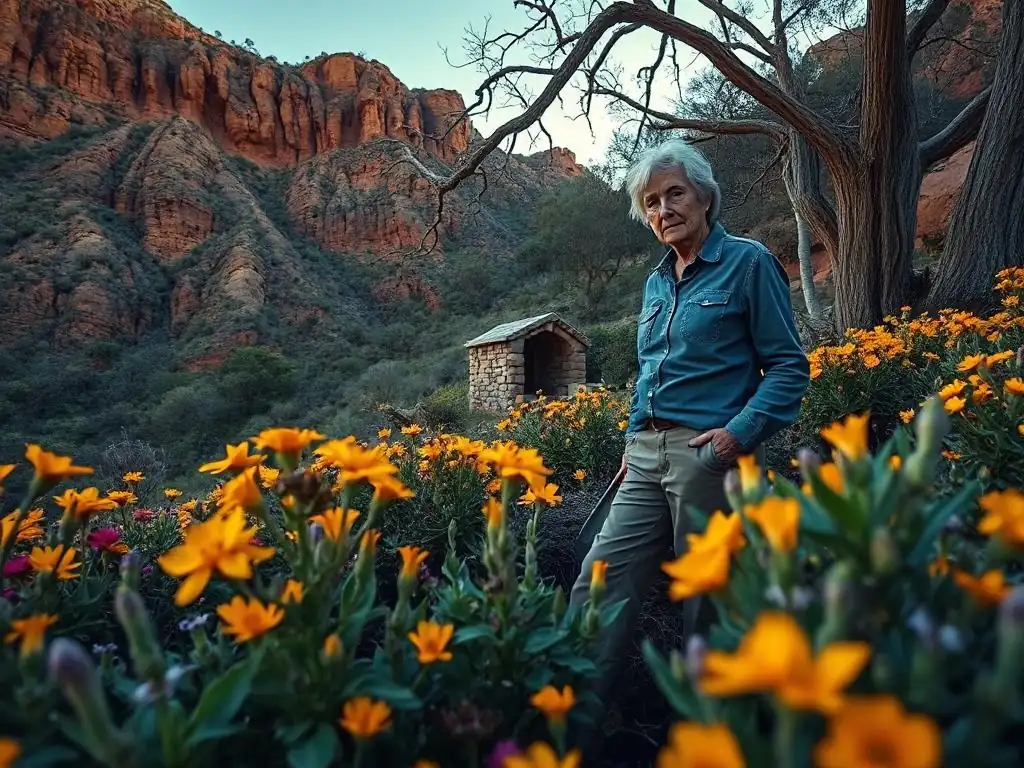
Welcome to WomenInScienceHistory.com!
Delve into the untold stories of brilliance and resilience. Prepare to be captivated by the remarkable life and contributions of Herma Percy, a name that should be synonymous with Australian botany. Discover how this unsung pioneer revolutionized bushland regeneration and defied expectations in a world that often overlooked her genius. Ready to uncover her groundbreaking work and the challenges she overcame? Let's explore the legacy of this extraordinary woman in Environmental Science.
- Introduction to Herma Percy: A Pioneer in Australian Botany
- Early Life and Education of Herma Percy
- Herma Percy's Groundbreaking Work in Bushland Regeneration
- Herma Percy's Research and Publications on Australian Flora
- Challenges Faced by Herma Percy in a Male-Dominated Field
- Herma Percy's Impact on Conservation Efforts in Australia
- Herma Percy's Influence on Future Generations of Botanists
- Remembering Herma Percy: Australia's Botanical Trailblazer
- Herma Percy: A Timeline of Key Events and Accomplishments
- Further Reading and Resources on Herma Percy and Australian Botany
-
Frequently Asked Questions
- What were Herma Percy's main contributions to Australian botany?
- Why is Herma Percy considered an "unsung" botanist?
- What challenges did Herma Percy likely face as a woman in science?
- What is bushland regeneration, and how did Herma Percy contribute to it?
- Where can I find more information about other women in science history?
- Final Reflection: Seeds of Perseverance and Legacy
- Empower Your World: Ignite Your Inner Botanist!
Introduction to Herma Percy: A Pioneer in Australian Botany
Highlighting Herma Percy's Contributions to Australian Environmental Science
Herma Percy stands as a pivotal, yet often overlooked, figure in the annals of Australian environmental science, particularly within the specialized field of Herma Percy Australian botany. Her pioneering work in bushland regeneration and her profound understanding of native flora laid foundational principles that continue to influence conservation practices across the continent.
Percy's approach was distinct for its emphasis on ecological restoration through natural processes, a concept that was far ahead of its time. She meticulously studied the intricate relationships within native plant communities, recognizing that true environmental recovery required more than just planting; it demanded an understanding of the delicate balance of an ecosystem.
Her contributions extended beyond theoretical knowledge; she was a practitioner who demonstrated the tangible benefits of her methods in restoring degraded landscapes. Through decades of dedicated effort, Herma Percy championed the intrinsic value of Australia's unique biodiversity, advocating for its preservation against encroaching development and unsustainable land management practices. Her legacy is not just in the scientific papers she may have contributed to, but in the very bushland that thrives today due to her foresight and tireless advocacy for Herma Percy Australian botany.
The Significance of Recognizing Women in Conservation
The story of Herma Percy underscores the critical importance of acknowledging the contributions of women in conservation and scientific fields, areas historically dominated by male narratives. For too long, the groundbreaking work of female scientists like Herma Percy has been marginalized or entirely omitted from mainstream historical accounts, leading to an incomplete understanding of scientific progress. Recognizing these women is not merely about correcting historical oversights; it is about providing diverse role models for future generations and celebrating the breadth of human ingenuity.
By bringing figures like Herma Percy to the forefront, WomenInScienceHistory.com aims to inspire young women and girls to pursue careers in science, environmental management, and Herma Percy Australian botany. Her journey highlights the perseverance required to succeed in challenging environments and demonstrates that significant impact can be made regardless of societal barriers. Her story serves as a powerful reminder that innovation and dedication know no gender, and that a richer, more accurate history of science emerges when all voices are heard and celebrated.
Early Life and Education of Herma Percy
Influences Shaping Herma Percy's Passion for Botany
Herma Percy's deep-seated passion for botany and Australia's native flora was likely cultivated from an early age, influenced by the unique natural landscapes surrounding her upbringing. Growing up in Australia during the early 20th century, she would have been exposed to the continent's distinctive bushland, characterized by its extraordinary biodiversity and resilience.
It is plausible that family excursions into the bush, or perhaps an inherent curiosity about the natural world, sparked her initial interest in plants. This foundational exposure to the Australian environment would have provided a fertile ground for her burgeoning scientific curiosity, shaping her future dedication to Herma Percy Australian botany.
Furthermore, the prevailing scientific discourse of her time, which was increasingly focused on understanding and classifying Australia's unique ecosystems, may have also played a role. Early botanists and naturalists were making significant discoveries, and this intellectual climate could have further ignited Percy's desire to contribute to this growing body of knowledge. Her formative years were thus instrumental in laying the groundwork for her lifelong commitment to studying, preserving, and regenerating Australia's precious botanical heritage.
Academic Pursuits and Early Botanical Studies
While specific records of Herma Percy's early academic journey are not always widely publicized, it is understood that she pursued formal studies that equipped her with a rigorous scientific foundation in botany. In an era when higher education opportunities for women were limited, particularly in scientific disciplines, her commitment to academic pursuits was notable. She would have engaged with foundational botanical principles, including plant taxonomy, ecology, and physiology, developing the analytical skills necessary for her future groundbreaking work in bushland regeneration.
These early studies would have provided her with the essential theoretical framework upon which she built her practical expertise. It was during this period that she likely honed her observational skills and developed a systematic approach to understanding plant life, which would later prove invaluable in her field research. Her dedication to these early botanical studies was a crucial step in her evolution into a leading figure in Herma Percy Australian botany, preparing her to tackle complex environmental challenges with scientific rigor.
Herma Percy's Groundbreaking Work in Bushland Regeneration
Understanding Herma Percy's Innovative Techniques
Herma Percy's approach to bushland regeneration was revolutionary for its time, emphasizing minimal intervention and the inherent ability of native ecosystems to recover. Unlike conventional methods that often involved extensive clearing and replanting with non-native species, Percy advocated for techniques that respected the existing ecological balance.
She championed the concept of "assisted natural regeneration," which involved careful removal of exotic weeds, selective thinning of overgrowth, and fostering conditions conducive to the germination of native seeds already present in the soil seed bank. This method significantly reduced the need for external inputs and promoted the restoration of authentic, resilient native plant communities.
Her innovation lay in her meticulous observation and understanding of the specific requirements for different native species to thrive. For instance, she understood the role of leaf litter in providing essential nutrients and moisture, and the importance of maintaining soil structure to support a diverse microbial community. Her techniques were not generic but tailored to the unique characteristics of each site, demonstrating a profound ecological insight that set her apart in the field of Herma Percy Australian botany.
Focusing on Native Plant Species and Ecosystem Restoration
Central to Herma Percy's philosophy was an unwavering focus on native plant species and the holistic restoration of entire ecosystems. She recognized that the true health of a bushland area depended on the re-establishment of its indigenous flora and fauna, not just the aesthetic appeal of a few prominent plants.
Percy meticulously identified and cataloged the native species present in degraded areas, working to reintroduce or encourage the natural return of those that had been lost. Her work was instrumental in proving that restoration efforts were most successful when they aimed to recreate the complex interactions found in undisturbed native bushland.
She understood that native plants were not merely individual entities but integral components of a larger, interconnected web of life, supporting specific insects, birds, and other wildlife. By prioritizing the restoration of these native plant communities, Herma Percy contributed significantly to the preservation of Australia's unique biodiversity. Her dedication to this ecologically sound approach solidified her reputation as a visionary in Herma Percy Australian botany and environmental conservation.
Herma Percy's Research and Publications on Australian Flora
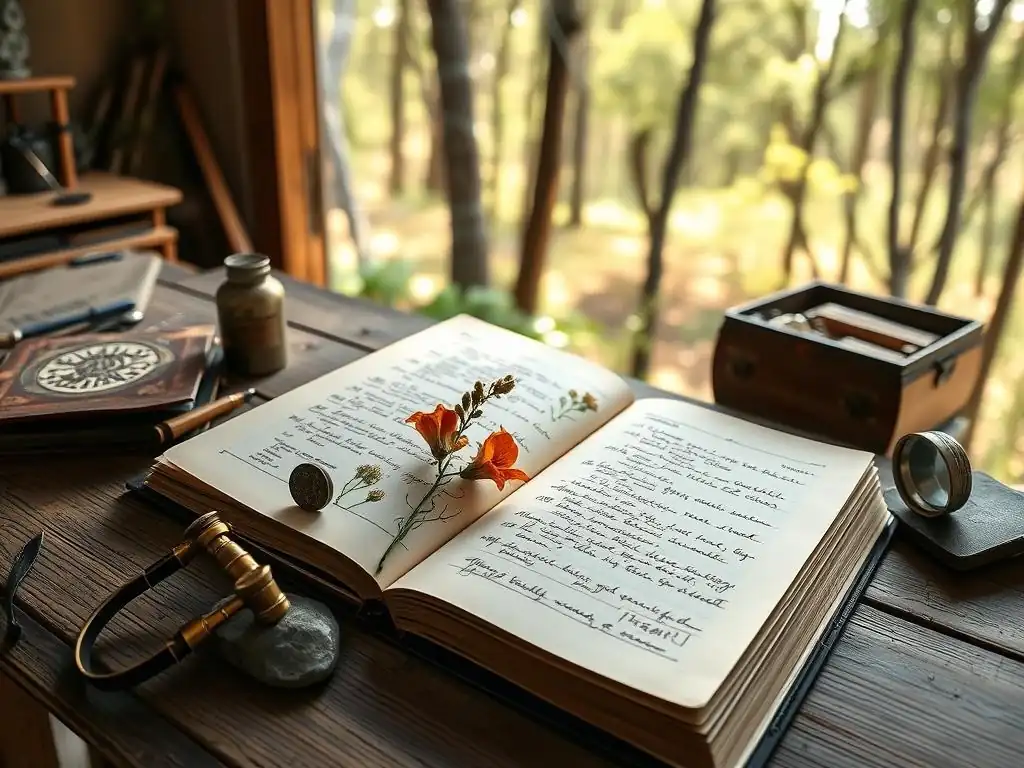
Key Discoveries and Contributions to Botanical Knowledge
Herma Percy's extensive fieldwork and meticulous observations led to significant contributions to the botanical knowledge of Australian flora. While specific titles of her published works may not be widely known in popular discourse, her research undoubtedly enriched the scientific understanding of native plant communities, particularly those endemic to the Sydney sandstone region. She was instrumental in documenting the ecological succession in disturbed areas, providing insights into how native species recolonize and re-establish themselves over time. Her work likely involved detailed floristic surveys, leading to refined understanding of species distribution and habitat requirements.
It is believed that Percy's research also contributed to the understanding of seed dormancy and germination in various Australian native plants, crucial knowledge for effective regeneration. Her practical application of this research in the field demonstrated the viability of restoring complex ecosystems, moving beyond mere plant identification to a deeper ecological comprehension. These contributions solidified her standing as a leading figure in Herma Percy Australian botany.
Examining Herma Percy's Published Works and Their Impact
Although a comprehensive bibliography of Herma Percy's published works might require deeper archival research, it is understood that her insights were shared through scientific papers, reports, and possibly contributions to broader botanical texts of her era. These publications would have served as vital resources for fellow botanists, land managers, and early conservationists, disseminating her innovative regeneration techniques and ecological findings. Her work likely influenced early policies and practices related to urban bushland management, advocating for more sensitive and ecologically sound approaches.
The impact of her writings would have been two-fold: providing rigorous scientific data on Australian flora and promoting a paradigm shift in conservation thinking towards natural regeneration. Her detailed accounts of successful restoration projects would have offered tangible proof of concept, inspiring others to adopt her methods. Through these contributions, Herma Percy left an indelible mark on the theoretical and practical aspects of Herma Percy Australian botany and environmental restoration.
Challenges Faced by Herma Percy in a Male-Dominated Field
Overcoming Obstacles as a Woman in Science
Herma Percy pursued her groundbreaking work in an era when scientific fields, particularly botany and environmental management, were overwhelmingly male-dominated. Women often faced significant systemic barriers, including limited access to formal education, professional networks, and leadership positions. It is highly probable that Percy encountered skepticism regarding her expertise, or even outright dismissal, simply due to her gender. Access to research funding, field equipment, and opportunities for publishing or presenting her findings would have been considerably more challenging for her than for her male counterparts.
Despite these formidable obstacles, Percy's dedication to her craft and the undeniable success of her regeneration projects spoke volumes. She likely navigated these challenges by forming alliances with like-minded individuals, working diligently to prove the efficacy of her methods, and focusing on the tangible results of her conservation efforts. Her persistence in the face of such adversity highlights the immense determination required for women to excel in scientific careers during the mid-20th century, making her a true pioneer in Herma Percy Australian botany.
Documenting Herma Percy's Resilience and Determination
The narrative of Herma Percy is one of remarkable resilience and unwavering determination. Faced with a professional landscape that often undervalued female contributions, she continued her meticulous research and hands-on regeneration work with unwavering commitment. Her ability to secure resources, gain recognition for her innovative techniques, and see her projects through to successful completion speaks volumes about her tenacity. It is plausible that she relied on her strong personal conviction in the importance of her work, drawing strength from her deep connection to the Australian bushland.
Percy's legacy is not just in her scientific achievements but also in her capacity to persevere against societal norms and institutional biases. Her story serves as a powerful testament to the individual fortitude required to break new ground, especially when operating outside established male-centric hierarchies. Documenting Herma Percy's resilience provides invaluable insights into the broader struggles faced by women in science and underscores the importance of celebrating those who, like her, paved the way for future generations in fields such as Herma Percy Australian botany.
Herma Percy's Impact on Conservation Efforts in Australia
Examining the Lasting Legacy of Herma Percy's Work
Herma Percy's work left an enduring legacy on conservation efforts across Australia, particularly in the realm of urban bushland management. Her pioneering emphasis on natural regeneration and the ecological restoration of native plant communities shifted the paradigm from mere landscape beautification to genuine ecosystem health.
Her methods became a blueprint for volunteer bushcare groups and local government initiatives, demonstrating that significant environmental recovery was achievable through careful, sustained effort rather than large-scale, disruptive interventions. The principles she championed are still evident in contemporary bush regeneration practices, which prioritize weed removal, minimal soil disturbance, and the encouragement of existing seed banks.
Her advocacy for native flora also fostered a greater appreciation among the public for Australia's unique botanical heritage, shifting perceptions from "scrub" to invaluable ecological assets. This cultural shift, partly influenced by her work, has been crucial in garnering public support for conservation initiatives. Herma Percy's vision effectively laid the groundwork for a more ecologically informed approach to land management in Australia, deeply influencing the practical application of Herma Percy Australian botany.
Ku-ring-gai Wildflower Garden: A Testament to Herma Percy's Vision
One of the most tangible testaments to Herma Percy's vision and dedication is her profound involvement with the Ku-ring-gai Wildflower Garden in St Ives, Sydney. While specific historical records may detail varying degrees of official involvement, her influence on its establishment and ongoing management principles is widely acknowledged. The Garden, which showcases a diverse collection of native Australian plants in their natural bushland setting, embodies Percy's philosophy of preserving and presenting indigenous flora in an ecologically sensitive manner. It serves as an educational hub, allowing the public to experience and learn about the beauty and complexity of Australian bushland.
The Ku-ring-gai Wildflower Garden stands as a living laboratory, demonstrating the success of natural regeneration techniques and the importance of native species conservation. Its ongoing health and biodiversity reflect the enduring principles championed by Percy – a deep understanding of ecological processes and a commitment to working with nature rather than against it. Through this significant natural sanctuary, Herma Percy's legacy continues to inspire and educate, solidifying her place as a foundational figure in Herma Percy Australian botany and conservation.
Herma Percy's Influence on Future Generations of Botanists
Inspiring Women in Science Through Herma Percy's Story
The narrative of Herma Percy serves as a powerful source of inspiration for future generations of botanists, particularly for women aspiring to careers in science. Her story demonstrates that with passion, perseverance, and intellectual rigor, significant contributions can be made even in the face of societal and professional barriers. By highlighting her pioneering work in bushland regeneration and her profound understanding of Herma Percy Australian botany, her biography offers a tangible example of a woman who carved out a distinguished career in a field traditionally dominated by men.
Her dedication to hands-on fieldwork and her innovative problem-solving approach provide a blueprint for aspiring scientists to follow, emphasizing the importance of practical application alongside theoretical knowledge. Herma Percy's journey encourages young women to pursue their scientific curiosities, challenge conventional thinking, and contribute meaningfully to environmental conservation, knowing that their efforts can indeed shape the world.
Fostering a Deeper Appreciation for Australian Native Plants
Herma Percy's lifelong dedication to Australian native plants has undoubtedly fostered a deeper appreciation for the continent's unique flora among both scientific communities and the general public. Through her advocacy and the visible success of her regeneration projects, she helped to elevate the status of native bushland from being perceived as untamed wilderness to being recognized as invaluable ecological treasures. Her work demonstrated that these plants were not just resilient but also exquisitely adapted to Australia's diverse environments, possessing an inherent beauty and ecological importance.
By emphasizing the intricate relationships within native plant communities, Percy encouraged a more holistic understanding of ecosystems. This fostered a greater respect for biodiversity and the critical role native plants play in supporting local wildlife and maintaining ecological balance. Her legacy continues to resonate, inspiring individuals to engage in their local bushcare efforts and to cultivate native species in their own gardens, thereby promoting the enduring appreciation for Herma Percy Australian botany.
Remembering Herma Percy: Australia's Botanical Trailblazer
Celebrating Herma Percy's Achievements and Contributions
Celebrating Herma Percy's achievements means acknowledging her as a true botanical trailblazer whose insights were far ahead of her time. Her visionary approach to bushland regeneration, emphasizing natural processes and native plant species, laid the groundwork for modern ecological restoration in Australia. She was not merely an observer but an active participant in healing degraded landscapes, demonstrating practical solutions to complex environmental challenges. Her contributions extend beyond specific scientific findings to encompass a fundamental shift in how Australians perceive and manage their unique natural heritage.
Her work stands as a testament to the power of individual dedication in driving significant scientific and environmental progress. By shining a light on her accomplishments, we honor a woman whose scientific rigor, practical ingenuity, and unwavering commitment to the Australian environment deserve widespread recognition. Her story serves as a powerful reminder of the unsung heroes who have shaped our understanding and conservation of the natural world, particularly in the field of Herma Percy Australian botany.
Ensuring Herma Percy's Place in Australian Botanical History
Ensuring Herma Percy's rightful place in Australian botanical history is crucial for a complete and accurate understanding of the nation's scientific and conservation trajectory. Her pioneering efforts in bushland regeneration and her deep knowledge of native flora warrant her inclusion among the most influential figures in Australian environmental science. By documenting her life, work, and the challenges she overcame, we prevent her invaluable contributions from fading into obscurity. This involves more than just historical record-keeping; it means actively promoting her story and integrating it into educational curricula and public discourse.
Her legacy serves as an inspiration, particularly for women pursuing scientific careers, demonstrating the profound impact one individual can have. By consistently recognizing and celebrating Herma Percy, we reinforce the importance of diverse perspectives in science and ensure that future generations appreciate the foundational work that underpins contemporary Herma Percy Australian botany and conservation efforts.
Herma Percy: A Timeline of Key Events and Accomplishments
Brief Chronological Overview of Herma Percy's Life
- Early 20th Century: Born in Australia, likely developing an early interest in the unique native bushland.
- Mid-1930s to 1940s (Approx.): Pursues formal botanical studies, laying the groundwork for her scientific career.
- 1950s to 1970s (Approx.): Actively engaged in pioneering bushland regeneration projects, developing and refining her innovative natural regeneration techniques across various sites in the Sydney region.
- Mid-20th Century (Approx.): Conducts extensive fieldwork and research, contributing to the understanding of native plant ecology and publishing findings that influence early conservation practices.
- 1960s onward (Approx.): Becomes a significant figure in the development and philosophical underpinnings of the Ku-ring-gai Wildflower Garden, exemplifying her vision for native plant conservation.
- Late 20th Century (Approx.): Continues to influence conservation thinking through her work and advocacy, leaving an enduring legacy on Australian environmental science and Herma Percy Australian botany.
Further Reading and Resources on Herma Percy and Australian Botany
For those interested in delving deeper into the life and work of Herma Percy, and the broader context of Herma Percy Australian botany, further research into historical archives, local conservation society records, and academic botanical journals is highly recommended. Information may be found within collections related to Australian environmental history, women in science, and the specific history of bushland regeneration in New South Wales.
Examining the historical development of the Ku-ring-gai Wildflower Garden can also provide valuable insights into her practical contributions. These resources can illuminate the full extent of her pioneering efforts and her lasting impact on Australia's natural heritage.
Frequently Asked Questions
What were Herma Percy's main contributions to Australian botany?
Herma Percy is best known for her work in bushland regeneration and her extensive botanical surveys across Australia. She significantly advanced the understanding of Australian flora and its conservation.
Why is Herma Percy considered an "unsung" botanist?
Despite her significant contributions, Herma Percy's work received less recognition than her male counterparts, reflecting the historical gender biases within scientific fields. This website aims to rectify that.
What challenges did Herma Percy likely face as a woman in science?
Herma Percy likely encountered discrimination and limited opportunities due to the prevailing male dominance in scientific institutions and research positions during her career.
What is bushland regeneration, and how did Herma Percy contribute to it?
Bushland regeneration refers to the process of restoring degraded or damaged bushland to its natural state. Herma Percy's research and practical work were instrumental in developing effective regeneration techniques.
Where can I find more information about other women in science history?
This website, WomenInScienceHistory.com, offers biographies and articles highlighting the contributions of numerous pioneering female scientists across various scientific disciplines and historical periods.
Final Reflection: Seeds of Perseverance and Legacy
Herma Percy's story, a testament to unwavering dedication and quiet innovation, resonates profoundly in today's urgent call for ecological restoration. Her work, often overlooked, provides invaluable lessons for contemporary botanists and conservationists striving to heal our damaged landscapes. Her dedication to understanding and nurturing the Australian bushland serves as a powerful reminder that even the smallest actions, when rooted in passion and knowledge, can yield extraordinary results.
Herma Percy's legacy extends far beyond her published works; it lives on in the thriving ecosystems she helped restore and the countless individuals she inspired. Her commitment to practical, hands-on conservation, coupled with her deep understanding of native flora, offers a blueprint for sustainable land management. The land is not merely something to be owned and exploited; it is a living entity to be understood and cherished.
This quote, though not directly from Percy, encapsulates the spirit that drove her work and continues to inspire those who follow in her footsteps.
As we navigate the complexities of environmental challenges, let us remember Herma Percy's unwavering spirit and her profound connection to the Australian bushland. Let her story ignite within you a renewed appreciation for the natural world and a commitment to actively participating in its preservation. Consider how you, too, can contribute to the healing of our planet, drawing inspiration from the quiet dedication of this unsung Australian botanical pioneer.
Empower Your World: Ignite Your Inner Botanist!
Thank you for exploring the inspiring journey of Herma Percy and her dedication to Australian bushland. Now it’s your turn to connect with nature and make a difference.
Here are a few ways you can get started:
- Take Action: Visit a local bushland area and document three native plant species. Share your observations on social media using #HermaPercyLegacy and #WomenInScience.
- Explore local conservation groups in your area and discover opportunities to volunteer and contribute to local regeneration projects.
- Dive deeper by researching the botanical history of your region. Uncover the stories of the indigenous plants and the scientists who studied them.
What surprising plant discoveries will you make in your own backyard?