
Silent Sentinels of the Sea: 19thCentury Women's Contributions to Marine Biology and Coastal Preservation

Welcome to WomenInScienceHistory.com!
Delve into the fascinating world where scientific discovery meets untold stories. Are you ready to uncover the hidden depths of women marine biology history? Explore our meticulously researched articles, beginning with "Silent Sentinels of the Sea," and discover how 19th-century women left an indelible mark on marine biology and coastal preservation. Their contributions, often overlooked, shaped our understanding of the ocean. Prepare to be inspired by their resilience and groundbreaking work. What secrets of the sea will you unearth next?
- Introduction: Unveiling the Overlooked History of Women in Marine Biology
- Early Pioneers: Women Breaking Barriers in 19th-Century Marine Research
- Coastal Preservation and Environmental Awareness: Women as Early Conservationists
- Challenges and Triumphs: Navigating Societal Expectations and Scientific Rigor
- Specific Contributions: Exploring Key Areas of Marine Biological Research
- The Influence of 19th-Century Women on Modern Marine Biology
- Conclusion: Celebrating the Enduring Legacy of Women in Marine Sciences
-
Frequently Asked Questions
- What were some of the primary challenges faced by 19th-century women in marine biology?
- How did 19th-century women contribute to marine biology and coastal preservation despite facing discrimination?
- Can you name a few prominent 19th-century women who made significant contributions to marine biology?
- Why is it important to highlight the contributions of women in marine biology history?
- What kind of resources does WomenInScienceHistory.com offer to learn more about women in marine biology history?
- Final Reflection: Echoes of the Silent Sentinels
- Empower the Waves: Become a Coastal Champion!
Introduction: Unveiling the Overlooked History of Women in Marine Biology
Recognizing the Silent Contributions of 19th-Century Women to Ocean Science
The 19th century, a period of immense scientific discovery and industrialization, often presents a historical narrative dominated by male figures. However, beneath the surface of formal institutions and public acclaim, a remarkable cohort of women quietly pursued scientific inquiry, particularly in the burgeoning field of marine biology. These women, often self-taught naturalists, collectors, and illustrators, meticulously observed and documented the intricacies of ocean life, laying foundational groundwork that has, until recently, been largely overlooked in the broader women marine biology history.
Their contributions were often made from their homes, coastal excursions, or through correspondence networks, circumventing the formal academic and professional structures that largely excluded them. Despite these significant societal barriers, their passion for the natural world, coupled with keen observational skills, led to invaluable insights into marine ecosystems, from the classification of seaweeds to the revolutionary concept of maintaining marine life in artificial environments.
Why Women's History in Marine Biology Matters: Inspiration and Recognition
Acknowledging the pioneering efforts of 19th-century women in marine biology is crucial for several reasons. Firstly, it corrects a historical oversight, ensuring that the full breadth of scientific contribution is recognized, rather than perpetuating an incomplete narrative. Their stories reveal the profound intellectual curiosity and dedication that transcended societal expectations, proving that scientific rigor was not solely the domain of men.
Secondly, uncovering this rich women marine biology history serves as a powerful source of inspiration for current and future generations. By highlighting the resilience and ingenuity of these early female scientists, we provide role models who demonstrate that passion and persistence can overcome significant obstacles. Their legacy encourages young women to pursue scientific careers, reinforcing the message that their intellectual contributions are not only valued but essential for advancing our understanding of the natural world.
Early Pioneers: Women Breaking Barriers in 19th-Century Marine Research
Anna Thynne: Early Life, Education, and Scientific Pursuits
Anna Thynne, born around 1806 into an aristocratic British family, was a woman whose scientific curiosity blossomed outside the confines of formal education. As the wife of Lord John Thynne, she enjoyed a degree of leisure that allowed her to pursue her passions, which increasingly turned towards the wonders of the sea. Her initial fascination with marine life began through collecting shells and observing tidal pools during visits to coastal areas, particularly in Torquay, Devon.
Driven by a profound desire to study marine organisms more closely and continuously, Thynne began experimenting with keeping them alive in her London home. This endeavor was not merely a hobby; it was a challenging scientific pursuit that required a deep understanding of marine ecosystems and the delicate balance required to sustain life outside its natural habitat. Her meticulous observations and persistent trials laid the groundwork for a revolutionary concept.
Anna Thynne's Groundbreaking Work in the Creation of the First Marine Aquarium
Anna Thynne's most significant contribution to women marine biology history was her pioneering work in creating the first truly successful balanced marine aquarium. In the early 1840s, she managed to keep corals and sponges alive and thriving in glass tanks filled with artificial seawater for over three years. This was an astonishing feat, as previous attempts by others had largely failed due to a lack of understanding regarding oxygenation and waste removal.
Thynne's success stemmed from her innovative realization of the symbiotic relationship between marine plants and animals. She introduced seaweed into her tanks, understanding that the plants would produce oxygen vital for the animals, while the animals would provide carbon dioxide for the plants. This "balanced system" concept, revolutionary for its time, directly influenced the development of public aquariums, with the first major public marine aquarium opening at Regent's Park Zoo in London in 1853, largely based on principles Thynne had demonstrated.
Margaret Gatty: Overcoming Obstacles in a Male-Dominated Field
Margaret Gatty (1809-1873) was another formidable figure in 19th-century women marine biology history, whose scientific pursuits were largely undertaken from her home in Yorkshire as a busy parson's wife and mother to ten children. The societal expectations of her era dictated that women's primary domain was the domestic sphere, making formal scientific careers virtually impossible. Despite these limitations, Gatty cultivated an intense passion for natural history, particularly marine botany.
She navigated these obstacles by immersing herself in detailed observation and extensive correspondence with leading naturalists of her time, including figures like William Henry Harvey, a prominent phycologist. This network allowed her to exchange specimens, discuss findings, and gain access to the latest scientific knowledge, effectively participating in the scientific discourse of the day without holding a formal position or being part of an academic institution.
Documenting Marine Life: The Artistic and Scientific Contributions of Margaret Gatty
Margaret Gatty's most enduring legacy is her monumental work, "British Sea-Weeds: Nereis Britannica" (1863). This comprehensive two-volume guide was the culmination of years of meticulous research, collection, and classification of British marine algae. The work was celebrated not only for its scientific accuracy, providing detailed descriptions and classifications of hundreds of species, but also for its exquisite illustrations, many of which were done by Gatty herself or under her direct supervision.
"British Sea-Weeds" became a standard reference text for phycologists and naturalists across Britain, solidifying Gatty's reputation as a leading authority in marine botany. Her work was instrumental in advancing the understanding of marine flora, contributing significantly to the fields of taxonomy and biogeography. It stands as a testament to her scientific rigor and artistic talent, showcasing the profound impact women could have on scientific disciplines despite the societal barriers of the 19th century.
Coastal Preservation and Environmental Awareness: Women as Early Conservationists
Women's Role in Raising Awareness about Coastal Ecosystems in the 1800s
During the 19th century, a growing public fascination with natural history, fueled by expeditions and new scientific discoveries, led many individuals to explore and collect from coastal environments. Women, often excluded from formal scientific training and expeditions, became keen observers and collectors of marine specimens, from shells to seaweeds and small invertebrates. Their extensive collections and detailed amateur studies inadvertently played a significant role in fostering early environmental awareness.
Through their popular natural history books, articles, and public lectures (often delivered to female audiences or children), these women shared their discoveries and observations, subtly educating the public about the beauty and fragility of coastal ecosystems. They highlighted the interconnectedness of marine life and the potential impacts of human activity, laying conceptual groundwork for future conservation movements, even if the term "conservation" was not yet widely used in its modern sense.
Beatrix Potter: Championing Coastal Conservation Efforts
Beatrix Potter (1866-1943), while primarily celebrated for her beloved children's books, was also a highly skilled naturalist and mycologist whose scientific pursuits often involved detailed observations of various ecosystems. Though her most famous conservation efforts were focused on land preservation in the Lake District, her deep understanding and appreciation for the natural world exemplify the broader spirit of environmental awareness that also applied to coastal environments.
Potter's dedication to preserving natural habitats was profound; she purchased significant tracts of land, ultimately donating over 4,000 acres to the National Trust. This proactive approach to land acquisition was a pioneering act of environmental conservation, demonstrating a commitment to protecting natural beauty and biodiversity for future generations. Her actions set a powerful precedent for environmental stewardship, inspiring a broader conservation ethic that would inevitably encompass the protection of vulnerable coastal ecosystems, reflecting an important facet of women marine biology history in a broader environmental context.
The Impact of Victorian Era Women on Marine Resource Management
While formal marine resource management policies were still nascent in the Victorian era, the meticulous observations and documentation by women naturalists provided valuable baseline data that indirectly influenced future understanding of marine health. Their detailed records of species distribution, abundance, and habitat conditions, often compiled through extensive personal collections and published works, served as an informal inventory of marine biodiversity.
This collective body of knowledge, though not always immediately translated into policy, contributed to a growing awareness of the finite nature of marine resources. For instance, the detailed catalogs of seaweeds or shells could, over time, highlight changes in populations or the disappearance of certain species, subtly informing early discussions about sustainable practices and the impact of over-collection. Their passion for the natural world, widely disseminated through popular literature, fostered a public sentiment that valued and sought to protect marine environments.
Societal Constraints Faced by Women in 19th-Century Science
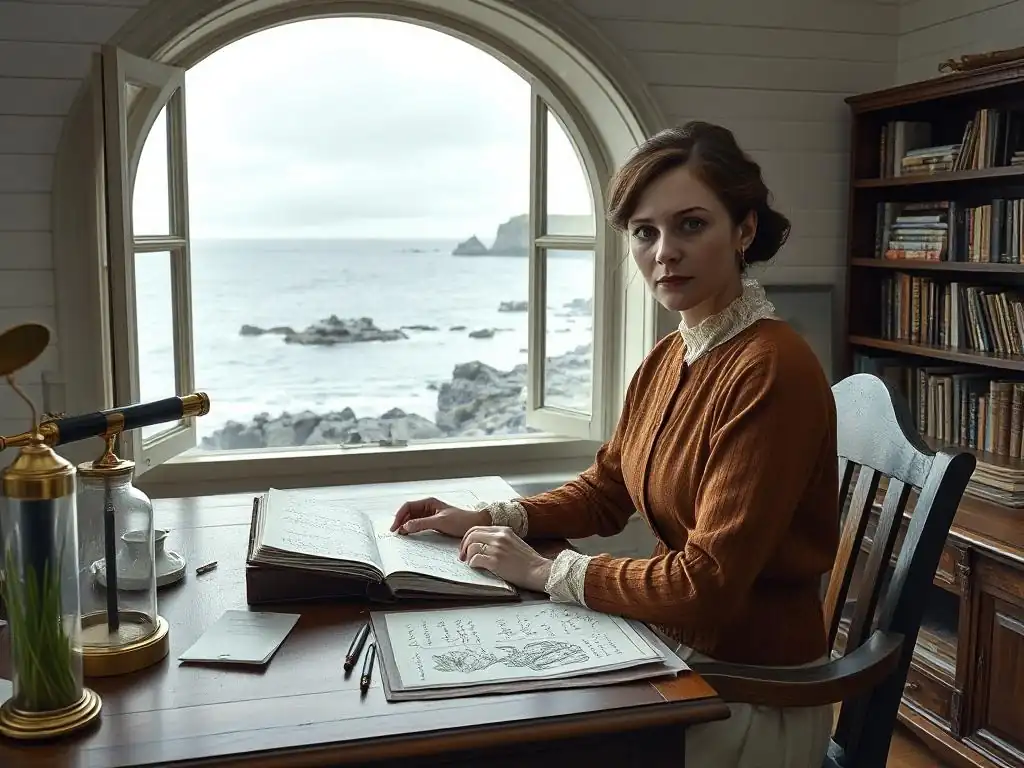
The 19th century presented formidable societal constraints for women aspiring to engage in scientific pursuits. Formal higher education was largely inaccessible, with universities and scientific societies often barring women from enrollment or membership. This meant that women were excluded from crucial academic training, professional networks, and the laboratories and expeditions that were the epicenters of scientific discovery.
Furthermore, prevailing gender norms dictated that a woman's place was in the home, focused on domestic duties and family. Public intellectual pursuits, especially in rigorous fields like science, were often deemed unfeminine or even detrimental to a woman's health. This cultural climate meant that many women who engaged in scientific work did so in isolation, as "amateurs," receiving little to no recognition or financial support for their endeavors, thus obscuring much of their contributions to women marine biology history.
Strategies for Success: How Women Made Their Mark in Marine Biology
Despite these formidable barriers, 19th-century women found ingenious ways to make their mark in marine biology. Many leveraged informal networks, corresponding extensively with male scientists who could offer guidance, identify specimens, and sometimes even advocate for their work. Self-publishing, often through subscription models, allowed them to disseminate their findings when traditional academic presses were closed to them.
Their success often stemmed from their exceptional observational skills, meticulous record-keeping, and artistic talents, which were invaluable for illustrating new species. Figures like Anna Thynne demonstrated remarkable experimental ingenuity, while Margaret Gatty showcased unparalleled dedication to systematic classification. These women often worked from home, transforming domestic spaces into makeshift laboratories and relying on their own intellectual curiosity and perseverance to contribute significantly to the burgeoning field of marine science.
Recognition and Legacy: Acknowledging the Lasting Impact of 19th-Century Women Marine Biologists
For many years, the contributions of 19th-century women marine biologists remained largely unacknowledged in mainstream scientific history. Their work was often seen as amateur, or simply overshadowed by their male contemporaries who held formal positions. However, in recent decades, concerted efforts by historians of science have begun to unearth and properly credit these pioneering figures.
The lasting impact of these women is profound. They not only made specific scientific discoveries—from the balanced aquarium to comprehensive algal classifications—but also paved the way for future generations of women in science. Their resilience and intellectual achievements shattered prevailing stereotypes, proving that women were equally capable of rigorous scientific inquiry. Their legacy continues to inspire, enriching the narrative of women marine biology history and highlighting the importance of inclusivity in scientific recognition.
Specific Contributions: Exploring Key Areas of Marine Biological Research
Women's Contributions to the Study of Marine Invertebrates
The study of marine invertebrates was a particularly fertile ground for 19th-century women naturalists, largely because many specimens could be collected in tidal pools or acquired relatively easily. Anna Thynne's groundbreaking work with corals and sponges in her home aquarium exemplified this, demonstrating how to successfully maintain these complex organisms outside their natural habitat. Her observations provided invaluable insights into their physiology and requirements.
Beyond Thynne, numerous other women meticulously collected, observed, and categorized a vast array of invertebrates such as sea anemones, jellyfish, mollusks, and crustaceans. Their detailed descriptions, often accompanied by precise drawings, significantly contributed to the taxonomy and early understanding of the life cycles and behaviors of these diverse marine creatures. These efforts helped to build a foundational database of marine invertebrate knowledge, crucial for the developing field of women marine biology history.
Research on Algae and Marine Botany by Female Scientists of the 1800s
Marine botany, particularly the study of algae (phycology), was another area where 19th-century women made substantial contributions. Margaret Gatty's "British Sea-Weeds" (1863) remains a seminal work, showcasing her exceptional botanical knowledge and meticulous classification skills. Her book meticulously described hundreds of British seaweed species, providing detailed scientific information alongside beautiful illustrations, making it an indispensable resource for naturalists.
Other women also dedicated themselves to phycology, collecting specimens from coastal regions, identifying new species, and documenting their habitats and ecological roles. Their efforts provided crucial baseline data on marine flora, contributing to a systematic understanding of algal diversity and distribution. This collective body of work by women naturalists was fundamental to the establishment of marine botany as a distinct scientific discipline, enriching the broader narrative of women marine biology history.
Observations and Documentation of Marine Mammals by Women Naturalists
While direct, systematic research on marine mammals was logistically challenging for most 19th-century women, often requiring offshore expeditions or access to large specimens, some naturalists did contribute through detailed observations and documentation. These contributions were often made from coastal vantage points, observing seals, porpoises, or occasional whale sightings.
For instance, women living in coastal communities might have recorded observations of local marine mammal populations, their behaviors, or seasonal migrations. Although not always formal scientific studies, these anecdotal records and detailed natural history accounts contributed to the broader knowledge base of marine fauna. They sometimes influenced early conservation sentiments, particularly regarding the impact of whaling or seal hunting, providing valuable historical context for the future of marine mammal conservation and the evolving scope of women marine biology history.
The Influence of 19th-Century Women on Modern Marine Biology
Building a Foundation: How Early Women's Research Shaped Current Practices
The meticulous observational data and classification work performed by 19th-century women naturalists provided an invaluable foundational layer for modern marine biology. Their detailed records of species distribution, morphology, and habitat conditions served as baseline information, allowing subsequent generations of scientists to track changes in marine ecosystems, understand biodiversity loss, and assess the impact of environmental shifts.
Furthermore, pioneering efforts like Anna Thynne's balanced aquarium directly influenced the development of modern marine research facilities and public aquariums. Her understanding of the symbiotic relationship between marine plants and animals laid the groundwork for advanced life support systems, enabling controlled experiments and the long-term study of marine organisms in captivity. This practical innovation significantly shaped current practices in marine science and conservation.
Inspiring Future Generations: The Enduring Legacy of Women in Ocean Science
The stories of 19th-century women in marine biology serve as powerful and enduring inspirations for future generations. Their perseverance in the face of significant societal barriers, their intellectual curiosity, and their profound contributions to scientific knowledge demonstrate that passion and dedication can overcome immense obstacles. By highlighting these narratives, we encourage young girls and women to pursue careers in STEM fields, particularly marine biology, where their unique perspectives and talents are vital.
The legacy of these pioneering women extends beyond their individual discoveries; it lies in the precedent they set. They proved that scientific rigor and groundbreaking insights were not limited by gender. Recognizing their place in women marine biology history empowers contemporary female scientists and encourages a more inclusive and equitable scientific community, inspiring continued exploration and understanding of our oceans.
Further Research: Resources for Learning More About Women's History in Marine Biology
For those interested in delving deeper into the rich tapestry of women marine biology history, numerous resources are available. Historical archives, often housed in university libraries or national institutions, contain correspondence, original drawings, and unpublished notes of these early naturalists. Academic journals dedicated to the history of science frequently publish articles that uncover and analyze their contributions.
Specialized biographies and collective works on women in science offer detailed insights into their lives, challenges, and achievements. Engaging with these resources provides a deeper appreciation for the intellectual landscape of the 19th century and the often-hidden roles women played in shaping scientific understanding. Continued research in this area is vital to ensure that the full scope of scientific achievement is recognized and celebrated.
Conclusion: Celebrating the Enduring Legacy of Women in Marine Sciences
Recognizing the Significant Role of 19th-Century Women in Shaping Our Understanding of the Oceans
The 19th century saw a quiet but profound revolution in marine biology, largely driven by the tireless efforts of women naturalists and scientists. From Anna Thynne's pioneering work in creating the balanced aquarium, which revolutionized the study of marine life, to Margaret Gatty's meticulous documentation of British seaweeds, these women laid fundamental groundwork for our understanding of ocean ecosystems. Their contributions extended to fostering early environmental awareness and providing crucial baseline data for future conservation efforts.
Despite facing significant societal constraints, including limited access to formal education and professional recognition, these women demonstrated remarkable ingenuity, perseverance, and scientific rigor. Their passion for the marine world led them to make discoveries and compile knowledge that was, and remains, essential to the field. Their collective work is an indispensable part of women marine biology history, shaping the very foundations of modern ocean science.
A Call to Action: Continuing to Uncover and Celebrate Women's Contributions to Science.
The stories of these 19th-century silent sentinels of the sea are a powerful reminder that scientific progress is a collective human endeavor, often enriched by individuals whose contributions have been historically overlooked. It is imperative that we continue to research, uncover, and celebrate the full spectrum of women's contributions to science, ensuring that their legacies are properly acknowledged and integrated into the historical narrative.
By actively seeking out and highlighting these hidden figures in women marine biology history, we not only correct past omissions but also inspire future generations. Their resilience and intellectual achievements serve as powerful role models, encouraging diversity and inclusivity in scientific fields today. Let us commit to recognizing all who have shaped our understanding of the world, fostering a more complete and equitable history of scientific discovery.
Frequently Asked Questions
What were some of the primary challenges faced by 19th-century women in marine biology?
Women faced significant obstacles, including limited access to education and research institutions, as well as societal biases that questioned their intellectual capabilities in scientific fields. They were often excluded from formal recognition and opportunities.
How did 19th-century women contribute to marine biology and coastal preservation despite facing discrimination?
Despite the barriers, women made significant contributions through detailed observations, specimen collection, and private research. They also played vital roles in early conservation efforts and advocacy for coastal protection.
Can you name a few prominent 19th-century women who made significant contributions to marine biology?
Figures like Anna Thynne, who created the first successful saltwater aquarium, and Margaret Gatty, a popular author of marine biology books for the general public, are just a few examples of pioneering women.
Why is it important to highlight the contributions of women in marine biology history?
Highlighting their contributions rectifies historical oversights, inspires future generations, and demonstrates that scientific advancement is a collaborative effort involving diverse perspectives and talents.
What kind of resources does WomenInScienceHistory.com offer to learn more about women in marine biology history?
The website provides biographies of female marine biologists, discussions on their groundbreaking research, and articles exploring the historical context of their work and the challenges they overcame.
Final Reflection: Echoes of the Silent Sentinels
The stories of these 19th-century women, once relegated to the footnotes of history, resonate powerfully today, reminding us that the pursuit of knowledge knows no gender. Their pioneering work in marine biology and coastal preservation laid the groundwork for our current understanding and stewardship of the oceans, a legacy that demands recognition and continued action.
The impact of these "silent sentinels" extends far beyond scientific discovery. Their dedication, often pursued against societal constraints, continues to inspire a new generation of female scientists and conservationists. Their unwavering commitment underscores the vital role of diverse perspectives in addressing the complex challenges facing our marine ecosystems. Never doubt that a small group of thoughtful, committed citizens can change the world; indeed, it's the only thing that ever has.
- Margaret Mead. This quote perfectly encapsulates the spirit of these women and their enduring influence.
As we navigate the urgent realities of climate change and ocean degradation, let us remember the lessons learned from these unsung heroines. Consider how their passion for observation, meticulous research, and unwavering advocacy can inform your own actions. Embrace your own potential to become a steward of the sea, ensuring that the echoes of these silent sentinels continue to inspire generations to come.
Empower the Waves: Become a Coastal Champion!
Thank you for exploring the untold stories of these pioneering women and their invaluable contributions to marine science! Now, it's your turn to carry their legacy forward.
- Dive Deep: Explore a local beach or coastal area and document your findings, just like these early marine biologists.: Share your photos and observations on social media using #WomenInMarineScience and #CoastalChampions.
- Learn more about contemporary women making waves in marine biology – research their work and share an inspiring story with a friend.
- Consider volunteering for a coastal cleanup or supporting a marine conservation organization in your area.
What small act will you take today to honor these silent sentinels and safeguard our oceans for future generations?