
Nature's First Cataloguers: Women Systematizing Flora and Fauna PreLinnaeus

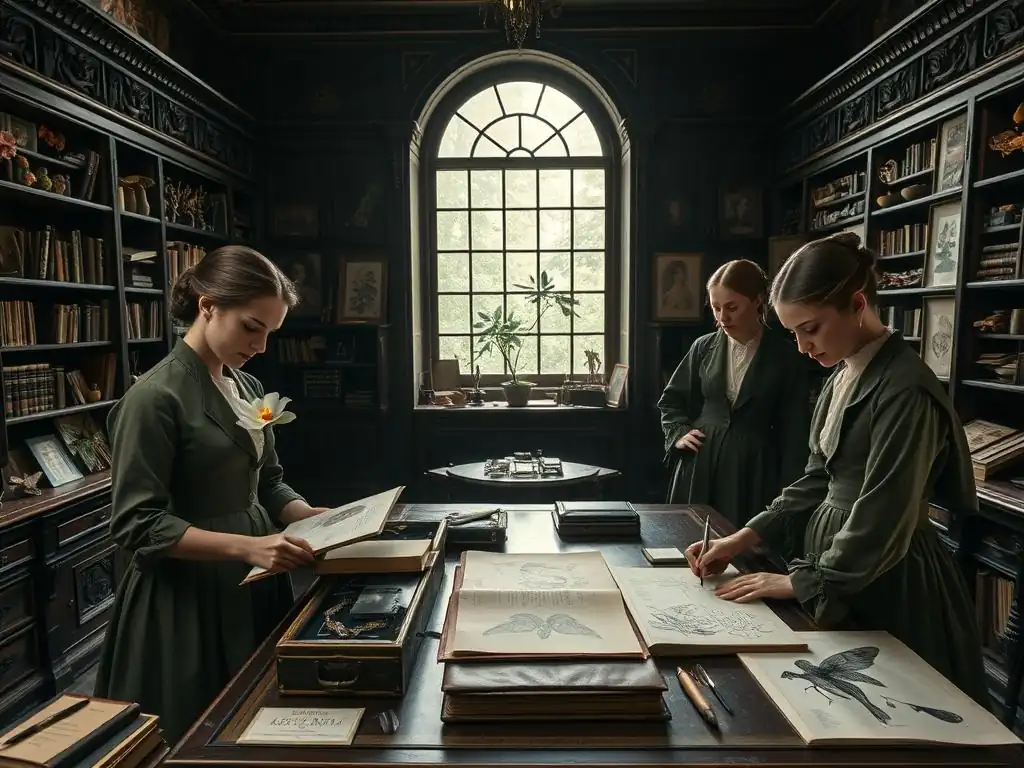
Welcome to WomenInScienceHistory.com, where we unearth the untold stories of brilliant women who shaped the scientific world. Prepare to be amazed by the legacy of women who defied expectations and advanced our understanding of the universe. Today, we delve into the fascinating world of Nature's First Cataloguers, exploring how Women played a pivotal role in systematizing 18th-century flora and fauna pre-Linnaeus. Their contributions are more significant than you might think... are you ready to discover their hidden impact?
- Introduction: Unveiling the Unsung Heroines of Natural History
- Women Systematizing 18th-Century Flora and Fauna: Laying the Groundwork
- Pioneering Women and Their Contributions to Botanical Knowledge Before Linnaeus
- Women's Contributions to Zoology Before Formal Classification
- The Significance of Women's Work in Shaping Linnaeus's System
- Obstacles and Societal Barriers Faced by Women Naturalists
- Legacy and Recognition: Celebrating Women's Contributions to Natural History
- Conclusion: Reclaiming the Narrative of Women in Pre-Linnaean Natural Science
-
Frequently Asked Questions
- What specific historical period does the article primarily focus on?
- Why is the work of these women often considered "pre-Linnaeus"?
- What challenges did women face in systematizing flora and fauna during this era?
- What contributions did these women make to the systematization of flora and fauna?
- How does the "Women in Science History" website aim to address the historical oversight of these women's contributions?
- Final Reflection: Echoes of Unsung Pioneers
- Unearth Your Inner Naturalist!
Introduction: Unveiling the Unsung Heroines of Natural History
Pre-Linnaean Natural History: A Landscape Before Formal Taxonomy
Before the monumental work of Carl Linnaeus in the mid-18th century, natural history was a vibrant but largely unsystematized field. Knowledge of flora and fauna was accumulated through exploration, observation, and the collection of specimens, often driven by practical applications like medicine or agriculture. Naturalists, physicians, apothecaries, and even wealthy amateurs contributed to a growing body of descriptive knowledge, but a universally accepted method for classifying and naming species remained elusive.
This era was characterized by detailed, often artistic, representations of plants and animals, alongside extensive written descriptions. Collections of dried plants (herbaria), preserved animals, and meticulously illustrated books were the primary tools for understanding biodiversity. While these efforts were foundational, they lacked a unified framework, leading to a proliferation of names for the same species and considerable confusion among scholars across different regions.
The Overlooked Role of Women in Early Naturalism
Historically, the contributions of women to early natural history have been largely overlooked or relegated to footnotes, if mentioned at all. Confined by societal norms that often limited their public roles and access to formal education, many women pursued scientific inquiry within private spheres—their homes, gardens, and personal studies. Their engagement in activities like botanical illustration, specimen collection, and detailed observation was often seen as a genteel hobby rather than serious scientific work.
Despite these significant barriers, numerous women engaged deeply with the natural world, conducting meticulous observations, creating detailed records, and even developing their own systems for organizing their findings. These unheralded efforts were crucial steps in the larger process of making sense of the planet's biodiversity, effectively positioning these women as early cataloguers and systematizers, even if their foundational work was rarely given formal scientific recognition.
Women Systematizing 18th-Century Flora and Fauna: Laying the Groundwork
Documenting the Natural World: Women's Contributions to Plant and Animal Knowledge
The act of documenting the natural world was a cornerstone of pre-Linnaean natural history, and women played a crucial role in this endeavor. Their contributions often took the form of precise botanical illustrations, comprehensive written descriptions of species, and the careful preservation of specimens in herbaria or private collections. These detailed records were invaluable for understanding the vast array of biodiversity and for comparing species across different geographical regions, thereby laying foundational data for future classification systems.
Many women, often working in private settings, meticulously recorded the characteristics of plants and animals, noting their habitats, growth cycles, and distinguishing features. For instance, detailed drawings captured the precise morphology of a plant, while accompanying notes might describe its medicinal properties or flowering season. These documentations, shared through correspondence or privately published works, expanded the collective knowledge of flora and fauna, serving as vital scientific records long before formal institutions acknowledged their significance.
Beyond Observation: Early Attempts at Categorization by Female Naturalists
While not adhering to a universally adopted system like Linnaeus's, many women systematizing 18th-century flora fauna went beyond mere observation to develop their own methods for organizing their collections and findings. This demonstrated an inherent drive to bring order to the natural world, even if their approaches were personal or regional. These proto-taxonomic efforts often involved grouping plants by practical uses, such as medicinal efficacy or culinary application, or by observable characteristics like flowering time or habitat.
Examples of these early attempts at categorization can be seen in the logical arrangement of specimens within herbaria or the sequential organization of illustrations in personal florilegia. For instance, a woman managing a private garden might arrange plants by their physical similarities or their ecological relationships, effectively creating a localized system of understanding. These personal systems, though not universally adopted, were crucial steps towards understanding relationships between species and were a vital form of systematization that contributed to the broader scientific understanding of the natural world.
Pioneering Women and Their Contributions to Botanical Knowledge Before Linnaeus
Maria Merian: The Art and Science of Insect Metamorphosis
Maria Sibylla Merian (1647–1717) stands as an unparalleled figure in early natural history, celebrated for her groundbreaking work on insect metamorphosis, particularly her seminal "Metamorphosis Insectorum Surinamensium" (1705). While primarily known for entomology, her work was profoundly botanical, as she meticulously illustrated the entire life cycle of various insect species, crucially depicting them alongside the specific host plants they inhabited and fed upon. Her illustrations were revolutionary, showing insects in their natural habitats rather than as mere specimens, combining scientific accuracy with artistic beauty.
Merian's methodical observation and documentation of the intricate relationships between insects and their host plants were a significant contribution to both entomology and botany. She carefully noted the different stages of insect development—egg, larva, pupa, adult—and linked them directly to the specific botanical species providing sustenance. This holistic ecological view provided invaluable data for understanding natural interactions, effectively acting as an early form of natural history systematization and paving the way for future classifications by illustrating the interdependencies of flora and fauna.
Elizabeth Blackwell: A Physician and Botanist's Fight Against Herbal Misinformation
Elizabeth Blackwell (c. 1707–1758) made an extraordinary contribution to botanical knowledge with her two-volume "A Curious Herbal" (1737–1739), a monumental undertaking driven by necessity. This comprehensive work featured 500 hand-colored engravings of medicinal plants, each accompanied by detailed descriptions of their uses, origins, and cultivation. Blackwell undertook this project to alleviate her husband's debts, working diligently from the Chelsea Physic Garden in London and meticulously drawing, engraving, and coloring each plate herself.
Her "Curious Herbal" was highly valued by apothecaries and physicians for its remarkable accuracy and practicality, serving as a reliable guide to medicinal flora at a time when misinformation about herbal remedies was rampant. Blackwell's precise illustrations and descriptions were a crucial step in standardizing botanical knowledge for medical application. Her work exemplifies how women systematizing 18th-century flora fauna contributed directly to both scientific rigor and public health, filling a critical need for accurate botanical documentation.
Other Notable Women in Botany
Beyond these widely recognized figures, numerous other women contributed significantly to botanical understanding, often through private efforts or in support of male relatives. Agnes Block (1629–1704), a wealthy Dutch Mennonite art collector and amateur horticulturist, was renowned for her extensive botanical garden near Amsterdam, which housed a remarkable collection of exotic plants, including the first pineapple grown in Europe. Her garden served as a living catalog, and she commissioned detailed botanical illustrations, effectively contributing to the visual documentation of plant species.
Similarly, Anna Zuccari (fl. 1770s), an Italian botanical artist, produced exquisite illustrations for significant works like the "Flora Romana" by Giovanni Battista de Toni. Though often working in the shadow of male colleagues or patrons, these women systematizing 18th-century flora fauna through their detailed art and meticulous cultivation practices provided invaluable visual and practical data. Their efforts significantly enhanced the collective botanical knowledge available before the widespread adoption of Linnaeus's systematic approach.
Women's Contributions to Zoology Before Formal Classification
Anna Maria Sibylla Merian's Influence on Early Zoological Illustration
Anna Maria Sibylla Merian's artistic prowess extended profoundly into zoological illustration, setting a new standard for accuracy and dynamism that profoundly influenced the field before formal classification systems. Her detailed depictions of insects, particularly their various life stages, were revolutionary. Unlike previous illustrations that often depicted isolated specimens, Merian's work showed insects in their natural settings, interacting with their environment and host plants—a pioneering ecological approach that transformed zoological art into a powerful scientific tool.
Her meticulous observations of insect behavior, feeding habits, and reproductive cycles, documented through her precise illustrations, provided critical insights into zoology. For instance, her comprehensive work on the silkworm moth, detailing its complete metamorphosis from egg to adult, was a significant contribution to entomology. These visual records, products of women systematizing 18th-century flora fauna, were not merely artistic but served as precise scientific data, aiding in the identification and understanding of countless insect species.
Eleanor Glanville: The "Butterfly Woman" and Her Lepidoptera Collection
Eleanor Glanville (died 1709) is celebrated as one of England's earliest and most dedicated entomologists, earning the moniker "the butterfly woman" for her extraordinary passion for Lepidoptera. Residing in Wiltshire, she meticulously collected and studied butterflies, contributing significantly to the understanding of British species. Her detailed observations and collection practices were exemplary for the time, demonstrating a systematic approach to cataloguing and understanding butterfly diversity.
Glanville's dedication led her to correspond with prominent naturalists of her era, including James Petiver, to whom she sent numerous specimens along with precise records of capture locations and dates. Her ability to identify distinct species and her careful documentation were invaluable. While perhaps not formal taxonomy, her work was a vital form of women systematizing 18th-century flora fauna by establishing foundational data for the later classification of butterflies and moths in Britain, and her legacy is honored by the Glanville Fritillary butterfly, named in her recognition.
The Challenges Faced by Women in Zoological Studies
Women interested in zoological studies faced unique and often more pronounced challenges compared to botanical pursuits, particularly regarding fieldwork and access to specimens. Societal norms severely restricted their ability to travel independently or engage in the strenuous and sometimes dangerous pursuits required for collecting animals in diverse, often remote, habitats. This limitation significantly curtailed their direct engagement with certain aspects of zoological research, such as large-scale expeditions, compared to their male counterparts.
Furthermore, formal scientific societies and universities, which were primary hubs for zoological discourse, specimen exchange, and publication, were largely closed to women. This exclusion meant they often lacked access to cutting-edge research, collaborative networks, and the institutional validation necessary for their contributions to be fully recognized. This forced many women systematizing 18th-century flora fauna to operate within private spheres, often in isolation, or through informal channels, making their zoological achievements all the more remarkable given the systemic barriers.
The Significance of Women's Work in Shaping Linnaeus's System
How Women's Observations and Collections Influenced Linnaean Taxonomy
The meticulous observations, detailed illustrations, and extensive collections compiled by women systematizing 18th-century flora fauna provided an invaluable repository of data that directly and indirectly influenced Carl Linnaeus's development of binomial nomenclature. While Linnaeus himself might not have directly collaborated with many women, the specimens and descriptions circulating through informal networks, private gardens, and published herbals formed the very raw material upon which his revolutionary system was built.
For example, the detailed botanical drawings of artists like Maria Sibylla Merian, with their accurate depictions of plant structures and ecological relationships, or the comprehensive plant descriptions in Elizabeth Blackwell's "A Curious Herbal," offered a visual and descriptive catalogue of species that Linnaeus and his students could consult and incorporate into their systematic efforts. These widespread contributions ensured that a rich and diverse body of knowledge was available, enabling Linnaeus to consolidate and formalize the existing understanding of the natural world.
The Indirect Recognition of Women's Contributions Through Named Species
Though formal recognition was rare, some of the significant contributions of women systematizing 18th-century flora fauna were subtly acknowledged through the naming of species or genera in their honor by Linnaeus or his students and contemporaries. While not a direct collaboration, this practice served as a quiet testament to their profound, often overlooked, work in natural history. It was a way for the scientific community, albeit retrospectively, to honor individuals who had made substantial contributions to the understanding of particular groups of organisms.
For instance, the genus Meriania (in the plant family Melastomataceae) was named after Maria Sibylla Merian by Linnaeus's contemporary, Carl Ludwig Willdenow, acknowledging her profound impact on botanical and entomological knowledge. Similarly, the Glanville Fritillary butterfly ( Melitaea cinxia) is widely believed to be named in honor of Eleanor Glanville, recognizing her pioneering work in British entomology. These dedications, though few, highlight the enduring, albeit indirect, legacy of these women whose work provided the foundational data for systematic biology.
Obstacles and Societal Barriers Faced by Women Naturalists
The Lack of Formal Education and Access to Scientific Institutions
One of the most formidable barriers faced by women systematizing 18th-century flora fauna was the almost complete lack of access to formal scientific education. Universities and learned societies, the primary centers of scientific discourse and training, were exclusively male domains throughout this period. This meant women could not pursue degrees, attend public lectures, or access institutional libraries, laboratories, and extensive collections, severely limiting their opportunities for structured learning and mentorship.
Consequently, many aspiring female naturalists were compelled to rely on self-education, private tutors, family connections, or informal apprenticeships within their households. While some, like Maria Sibylla Merian, benefited from family traditions of artistry and scientific inquiry, others, like Elizabeth Blackwell, had to navigate a world without established pathways for female scientific development. This made their achievements even more remarkable, as they carved out their own paths to knowledge and contribution without institutional support.
Overcoming Gender Bias in the Scientific Community
Even when women managed to produce significant scientific work, they frequently encountered overt gender bias within the nascent scientific community. Their observations and theories were often dismissed as "feminine hobbies" rather than serious scholarly contributions, or their work was sometimes published anonymously or under the names of male relatives or patrons to gain credibility and acceptance. This systemic bias made it incredibly difficult for women systematizing 18th-century flora fauna to receive due credit or recognition for their intellectual endeavors.
The prevailing patriarchal attitudes meant that women's intellectual capabilities were often underestimated, and their participation in public scientific discourse was actively discouraged. This societal pressure forced many to operate predominantly within private spheres, circulating their findings through correspondence or privately printed works, which further limited their visibility and impact on the broader scientific narrative of the time.
The Importance of Patronage and Collaboration
Despite the pervasive obstacles, many women systematizing 18th-century flora fauna managed to make their mark through strategic patronage and collaboration. Support from enlightened male relatives, such as fathers or husbands who recognized and fostered their talents, or from wealthy benefactors, often provided the financial means, access to crucial resources (like private libraries or extensive gardens), and social legitimacy necessary for their scientific work to flourish.
Additionally, informal networks of like-minded individuals, including other women naturalists or sympathetic male scholars, proved invaluable. These collaborations allowed for the exchange of specimens, observations, and ideas, creating a parallel scientific community where women could operate and contribute. These informal channels and acts of patronage effectively circumvented the formal institutions that excluded them, allowing their vital contributions to natural history to emerge.
Legacy and Recognition: Celebrating Women's Contributions to Natural History
Preserving and Promoting the Stories of Early Women in Science
Preserving and promoting the rich stories of early women systematizing 18th-century flora fauna is crucial for a complete and accurate understanding of scientific history. Much of their work was conducted in private, published anonymously, or simply overlooked by traditional historical accounts, making dedicated historical research essential to unearth and celebrate their contributions. Modern initiatives, including digital archives and specialized websites like WomenInScienceHistory.com, now play a pivotal role in making these narratives accessible to a global audience.
By highlighting figures like Maria Sibylla Merian and Elizabeth Blackwell, and by unearthing lesser-known but equally significant contributors, we challenge the traditional, male-dominated narrative of scientific progress. This ongoing effort ensures that their ingenuity, perseverance, and foundational work in documenting and ordering the natural world are properly acknowledged, enriching our collective historical memory and providing a more inclusive view of scientific development.
Inspiring Future Generations of Women in STEM Fields Through Historical Awareness
Understanding the historical contributions of women systematizing 18th-century flora fauna is not merely an academic exercise; it is a powerful source of inspiration for future generations, particularly for young women considering careers in STEM fields. Seeing how women overcame immense societal barriers to pursue their scientific passions demonstrates remarkable resilience, intellectual prowess, and unwavering dedication, proving that scientific aptitude knows no gender.
These historical narratives provide vital role models, showing that women have always been at the forefront of discovery and innovation, even when their efforts went unrecognized or undervalued. By celebrating these pioneering figures, we can foster a more inclusive and encouraging environment for women in contemporary science, encouraging them to break new ground, pursue their scientific curiosities with confidence, and contribute to the ongoing advancement of knowledge.
Conclusion: Reclaiming the Narrative of Women in Pre-Linnaean Natural Science
The Enduring Impact of Women's Early Efforts in Systematizing Flora and Fauna
The collective efforts of women systematizing 18th-century flora fauna, though often conducted outside formal scientific structures, laid an indispensable groundwork for the systematic study of the natural world. Their meticulous observations, detailed illustrations, and dedicated collections provided the raw data and foundational understanding that later formal taxonomies, including Linnaeus's revolutionary system, would build upon. Their work was instrumental in transforming natural history from a largely descriptive pursuit into a more organized and analytical discipline.
From the comprehensive herbaria of private collectors to the groundbreaking entomological studies of Maria Sibylla Merian, these women were not merely passive observers; they were active participants in the nascent scientific endeavor to classify and understand biodiversity. Their enduring impact is evident in the rich body of pre-Linnaean knowledge that continues to inform our understanding of historical natural science and the development of modern biology, underscoring their vital role in shaping scientific progress.
Further Research and Exploration of Women's Roles in Natural History
Despite growing recognition, much remains to be discovered about the full extent of women's contributions to early natural history. Many names and works are still hidden in archives, private collections, or attributed incorrectly, awaiting rediscovery. Continued scholarly research, interdisciplinary collaboration, and the digitization of historical documents are essential to uncover these untold stories and fully integrate them into the scientific narrative, providing a more complete picture of who contributed to our understanding of the natural world.
By actively seeking out and promoting the work of these forgotten naturalists, we not only pay homage to their individual achievements but also gain a more nuanced and accurate understanding of how scientific knowledge evolved. This ongoing exploration ensures that the legacy of women systematizing 18th-century flora fauna receives the comprehensive and celebratory acknowledgement it rightfully deserves, inspiring a new generation of researchers to continue uncovering these invaluable contributions.
Frequently Asked Questions
What specific historical period does the article primarily focus on?
The article concentrates on the period before Linnaeus, specifically highlighting the 18th century and the efforts of women in systematizing flora and fauna.
Why is the work of these women often considered "pre-Linnaeus"?
Their work predates Linnaeus's standardized system of classification, meaning their contributions, while significant, weren't formally recognized within his binomial nomenclature system.
What challenges did women face in systematizing flora and fauna during this era?
They faced male-dominated scientific arenas, often lacking access to formal education, resources, and recognition compared to their male counterparts.
What contributions did these women make to the systematization of flora and fauna?
They meticulously observed, documented, and categorized plants and animals, contributing to the growing body of knowledge about the natural world.
How does the "Women in Science History" website aim to address the historical oversight of these women's contributions?
The website aims to highlight overlooked narratives and inspire future generations by showcasing the biographies and groundbreaking work of pioneering female scientists.
Final Reflection: Echoes of Unsung Pioneers
The meticulous work of women systematizing 18th-century flora and fauna, often overshadowed by their male counterparts, remains profoundly relevant today. Their dedication to observation and classification laid a vital, often unacknowledged, foundation for modern scientific understanding. Recognizing their contributions is not merely historical revision; it's a crucial step in acknowledging the breadth and diversity of scientific thought throughout history.
The impact of these women extends far beyond the dusty pages of forgotten manuscripts. Their passion for understanding the natural world, often pursued against societal constraints, serves as an enduring inspiration for aspiring scientists, particularly women, today. Their stories remind us that scientific progress is rarely a solitary endeavor, but rather a collective effort built upon the contributions of many. The history of science is not a linear progression of discoveries, but a complex tapestry woven from the threads of countless individuals, each contributing their unique perspective and expertise.
As we reflect on the legacy of these unsung pioneers, let us be inspired to cultivate our own curiosity and dedication to understanding the world around us. Their stories remind us that every observation, every classification, every attempt to make sense of the natural world contributes to a larger, ongoing narrative. Embrace the spirit of these women; observe, question, and contribute your own unique perspective to the ever-evolving story of our planet.
Unearth Your Inner Naturalist!
Thank you for exploring the fascinating world of pre-Linnaean women who shaped our understanding of nature. Now it's your turn to contribute!
Here are a few ways to continue your journey:
- Become a modern-day cataloguer: Start documenting the flora and fauna in your own backyard or local park. Share your observations online using citizen science platforms!
- Delve deeper: Research a specific woman mentioned in the article and share your findings on social media, inspiring others with her story.
- Join the conversation: Connect with fellow enthusiasts in online forums or local nature groups to discuss these pioneering women and their lasting impact.
What surprising discovery will you make as you explore the natural world around you?