
Beyond the Beaker: Download Your Intriguing Reading Checklist on Female Chemists

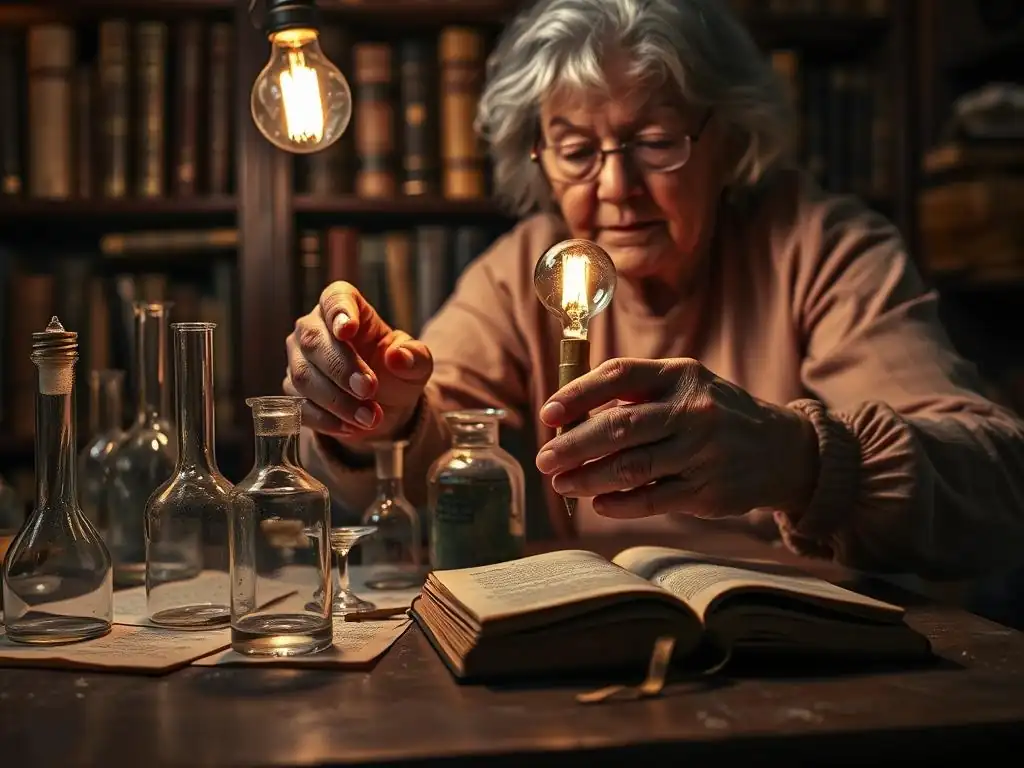
Welcome to WomenInScienceHistory.com, where we unearth the untold stories of brilliant women who shaped the world of science! Prepare to be captivated by their ingenuity, resilience, and groundbreaking discoveries. Are you ready to delve into the fascinating world of female chemists? Download your exclusive historical reading list and embark on a journey through the lives and legacies of these pioneering figures – a journey that promises to challenge assumptions and inspire a deeper appreciation for their often-overlooked contributions. What secrets will you uncover?
- Unveiling the Untold Stories: A Historical Reading List of Female Chemists
-
How to Build Your Own Library of Pioneering Women in Chemistry
- Step 1: Download Your Essential Female Chemists Historical Reading List (Free Checklist!)
- Step 2: Dive into the Biographies: Exploring the Lives of Female Chemistry Trailblazers
- Step 3: Uncovering Scientific Papers and Publications by Women in Chemistry
- Step 4: Exploring the Context: Understanding the Challenges Faced by Women Scientists
- Expanding Your Knowledge: Beyond the Basic Female Chemists Reading List
- Monetization Opportunities: Supporting Women In Science History
- Continue Your Journey: More Resources on Female Scientists
-
Frequently Asked Questions
- What is Beyond the Beaker: Download Your Intriguing Reading Checklist on Female Chemists about?
- Why is it important to create a Female Chemists Historical Reading List?
- Where can I find the Female Chemists Historical Reading List?
- What kind of content will I find on the Female Chemists Historical Reading List?
- How can this Female Chemists Historical Reading List benefit me?
- Final Reflection: Illuminating the Legacy of Female Chemists
- Unleash Your Inner Science Historian!
Unveiling the Untold Stories: A Historical Reading List of Female Chemists
Why a Female Chemists Historical Reading List Matters
The history of science, particularly chemistry, has often been told through a predominantly male lens, leading to the unfortunate overshadowing or outright omission of numerous groundbreaking contributions by women. A dedicated female chemists historical reading list serves as a vital tool to rectify this historical imbalance, providing a more comprehensive and accurate narrative of scientific progress.
It allows us to recognize the intellectual prowess and unwavering dedication of female chemists who, despite systemic barriers and societal prejudices, pushed the boundaries of knowledge. Without such a focused effort, the rich tapestry of chemical discovery remains incomplete, denying future generations a full understanding of their scientific heritage.
Beyond historical accuracy, curating and exploring a female chemists historical reading list holds immense inspirational value. By delving into the lives and work of these pioneering women, we illuminate pathways for current and aspiring scientists, demonstrating that excellence in chemistry knows no gender. These stories of resilience, ingenuity, and profound insight can ignite curiosity and passion, encouraging young minds to pursue scientific careers, regardless of the challenges they might encounter. Such a list not only celebrates past achievements but also actively shapes a more inclusive and equitable future for scientific endeavors.
Discovering Inspiring Women in Chemistry: More Than Just Marie Curie
While Marie Curie stands as an undeniable titan in the annals of chemistry, a Nobel laureate whose work on radioactivity irrevocably changed our understanding of matter, her singular prominence often inadvertently overshadows a vast constellation of other brilliant female chemists. Her story is crucial, but it is just one chapter in a much larger, equally compelling narrative. To truly appreciate the breadth of women's impact in chemistry, we must expand our gaze beyond even this celebrated figure and explore the diverse contributions made across various sub-disciplines.
A comprehensive female chemists historical reading list reveals a rich array of women who made significant, yet often underappreciated, advancements. Consider, for instance, Dorothy Hodgkin, who won the Nobel Prize in Chemistry in 1964 for her revolutionary work in X-ray crystallography, elucidating the structures of penicillin, vitamin B12, and insulin.
Or Rosalind Franklin, whose critical X-ray diffraction images were instrumental in determining the structure of DNA. These women, alongside countless others, contributed to organic chemistry, biochemistry, physical chemistry, and analytical chemistry, synthesizing new compounds, understanding complex biological processes, and developing novel methodologies, showcasing the profound and varied impact of women in the field.
How to Build Your Own Library of Pioneering Women in Chemistry
Step 1: Download Your Essential Female Chemists Historical Reading List (Free Checklist!)
Embarking on a journey through the history of women in chemistry can feel daunting given the sheer volume of potential information. A curated checklist acts as an invaluable compass, providing a structured and accessible starting point for your exploration. This essential female chemists historical reading list is meticulously designed to guide readers through key biographies, pivotal scientific papers, and contextual analyses, ensuring a comprehensive and rewarding dive into the contributions of these remarkable women. It simplifies the process of discovering influential figures and their groundbreaking work.
The checklist offers a streamlined approach to building your knowledge base, presenting a carefully selected array of resources rather than an overwhelming open-ended search. It outlines foundational texts and encourages a systematic approach to learning about female chemistry trailblazers. By utilizing this structured guide, you can efficiently organize your reading journey, ensuring that you encounter a diverse range of stories and scientific achievements, making the rich history of women in chemistry accessible and engaging.
Step 2: Dive into the Biographies: Exploring the Lives of Female Chemistry Trailblazers
- Recommendation: The Madame Curie Complex: The Hidden History of Women in Science by Julie Des Jardins.
Biographies offer an unparalleled window into the lives of female chemists, revealing not only their scientific triumphs but also the personal struggles, societal pressures, and gender biases they navigated. Reading these detailed accounts provides crucial context, allowing us to understand the immense perseverance required to pursue scientific excellence in environments that were often unwelcoming or overtly discriminatory.
For example, the biography of Lise Meitner, a co-discoverer of nuclear fission, vividly illustrates her intellectual brilliance alongside the profound challenges she faced as a Jewish woman fleeing Nazi Germany, and the subsequent overlooking of her pivotal role in the Nobel Prize award.
Such narratives deepen our appreciation for these women's resilience and ingenuity. Consider the story of Alice Augusta Ball, an African American chemist who developed an injectable oil extract for leprosy treatment in the early 20th century; her biography highlights both her scientific innovation and the systemic barriers she faced due to her race and gender, which ultimately led to her work being initially miscredited. Exploring these personal journeys through a female chemists historical reading list makes their scientific achievements even more remarkable, painting a vivid picture of the human element behind the breakthroughs.
Step 3: Uncovering Scientific Papers and Publications by Women in Chemistry
- Tip: Accessing historical scientific journals through JSTOR or Project MUSE to find original research by female chemists.
Engaging directly with original scientific papers and publications by female chemists is an essential step in understanding their contributions. This direct engagement allows readers to grasp the methodologies, experimental rigor, and groundbreaking insights firsthand, rather than relying solely on secondary interpretations. Reading the original research provides an authentic encounter with the scientific process as it unfolded, offering unparalleled clarity on the specific discoveries and innovations made by these pioneering women.
For instance, delving into the original papers by Irène Joliot-Curie and Frédéric Joliot on artificial radioactivity provides a direct insight into their Nobel-winning discovery, showcasing the meticulous experimental design and profound theoretical implications of their work. While challenging, navigating these primary sources offers an unparalleled appreciation for the scientific process and the specific breakthroughs made by these pioneering female chemists. It allows for a deeper, more nuanced understanding of their intellectual contributions and the scientific landscape of their time.
Step 4: Exploring the Context: Understanding the Challenges Faced by Women Scientists
- Recommendation: Eminent Lives in Chemistry: Women in Chemistry and Physics by G. Kass-Simon and Patricia Farnes.
Understanding the historical context is absolutely vital when studying the achievements of female chemists. Many of these women operated within academic and professional landscapes riddled with discrimination, limited educational opportunities, and exclusion from prestigious scientific societies. These systemic issues profoundly impacted their careers, often leading to delayed recognition, reduced funding, or outright denial of credit for their work. For example, Gerty Cori, who won a Nobel Prize in Physiology or Medicine in 1947 for her work on carbohydrate metabolism, consistently faced lower pay and fewer opportunities than her male counterparts, despite her exceptional scientific output.
Exploring these challenges through specific historical accounts enriches any female chemists historical reading list. It helps readers grasp the immense perseverance and sheer determination required to achieve scientific success in often hostile or unsupportive environments. The struggles of Rosalind Franklin to gain proper credit for her pivotal X-ray diffraction images of DNA, or the numerous instances of women contributing significantly to laboratory work without receiving proper attribution due to prevailing gender norms, are critical components of their full story. Acknowledging these obstacles adds depth to our appreciation of their extraordinary accomplishments.
Expanding Your Knowledge: Beyond the Basic Female Chemists Reading List
Delving Deeper: Specialized Areas Within Chemistry and Their Female Pioneers
To truly appreciate the multifaceted impact of women in chemistry, it is beneficial to move beyond general overviews and explore their contributions within specialized sub-disciplines. This focused approach allows for a more granular understanding of specific innovations and their lasting influence. For example, in the realm of analytical chemistry, the work of Ida Noddack stands out; she not only co-discovered the element Rhenium but also, remarkably, proposed the concept of nuclear fission in 1934, years before Hahn and Strassmann's definitive experiments. Investigating such specific cases provides compelling insights into groundbreaking ideas.
Further specialized exploration could delve into the contributions of Stephanie Kwolek to polymer chemistry, where her invention of Kevlar revolutionized materials science, leading to applications from bulletproof vests to fiber optic cables. Another area of focus might be the pioneering work of Rachel Fuller Brown, co-developer of the antifungal drug Nystatin, which significantly improved public health. Such focused exploration enriches any female chemists historical reading list, providing concrete examples of innovation and profound impact across various chemical domains.
Building a Resource Library: Tools for Studying Women in Chemistry History
Cultivating a robust personal resource library for studying women in chemistry history extends far beyond simply acquiring books. It involves actively seeking out and utilizing a diverse array of materials, including archival letters, detailed laboratory notebooks, and invaluable oral histories. These primary sources offer unique, intimate insights into the daily lives, scientific processes, and collaborative dynamics of historical female chemists, providing a level of detail and authenticity that secondary accounts often cannot capture.
Many university libraries, historical societies, and scientific institutions have digitized extensive collections that include correspondence between scientists, meticulously kept lab notes, and early publications. Utilizing these digital archives, often accessible through library databases, can provide a richer, more nuanced understanding of the scientific journey and personal experiences of women in chemistry. Such diligent research, incorporating both published works and primary documents, makes a female chemists historical reading list truly comprehensive and deeply insightful.
Monetization Opportunities: Supporting Women In Science History
Donate to Support Women In Science History
The mission of Women In Science History is to celebrate and highlight the often-overlooked achievements of female chemists and other pioneering women across all scientific fields. Your generous donations are crucial in sustaining this vital work. These contributions directly support the extensive research required to uncover new stories, the meticulous content creation process, and the ongoing maintenance and development of the platform, ensuring that these inspiring narratives remain accessible to a global audience.
Every contribution, no matter the size, makes a tangible impact. For instance, a small donation can help expand the digital archives, allowing more rare documents and biographies of female scientists to be digitized and shared. It ensures the continued availability of invaluable resources, such as the comprehensive female chemists historical reading list, which educates and inspires countless individuals around the world. Your support is an investment in a more complete and inclusive history of science.
Purchasing Recommended Biographies and Books
When you choose to purchase the recommended biographies and books featured on Women In Science History, you are directly supporting our mission at no additional cost to yourself. A small commission from each sale contributes to the operational costs and ongoing research efforts of our platform. This provides a seamless way to enrich your own knowledge about female chemists and their groundbreaking work while simultaneously fueling our ability to bring more inspiring stories to light.
These purchases directly contribute to the website's capacity to continue its vital work. Every book acquired through our recommendations helps fund the dedicated effort required to uncover, document, and share the inspiring narratives of women in science. This financial support ensures that resources like the female chemists historical reading list and other educational content remain available and continue to grow, fostering a deeper understanding and appreciation for women's contributions to scientific advancement.
Support Our Website by Purchasing a Women In Science History T-Shirt
Show your support for Women In Science History and our mission to celebrate female chemists and other women in science by purchasing a Women In Science History T-shirt. The proceeds from merchandise sales directly contribute to the operational costs of our website and fund future projects aimed at highlighting the incredible achievements of women scientists throughout history. It's a simple, yet impactful, way to make a difference.
Wearing a Women In Science History T-shirt serves a dual purpose: you acquire a high-quality item that promotes awareness of women's profound impact in science, while simultaneously providing essential financial support to our platform. It’s a visible statement of your commitment to championing this important cause and helps ensure the longevity and expansion of valuable resources like the female chemists historical reading list and our extensive archive of inspiring stories.
Continue Your Journey: More Resources on Female Scientists
Explore the WomenInScienceHistory.com Archives for More Inspiring Stories
Your journey into the world of female chemists is just the beginning. WomenInScienceHistory.com hosts an extensive and ever-growing archive brimming with biographies, in-depth articles, and discussions on a wide array of women across various scientific disciplines. From astronomy to zoology, our archives offer a rich tapestry of inspiring stories, each meticulously researched to provide accurate and engaging insights into the challenges and triumphs of these pioneering women.
The archives are a treasure trove for anyone passionate about the history of women in science. It's an invitation to embark on a continuous journey of discovery, offering fresh perspectives and expanding your understanding far beyond the specific focus of the female chemists historical reading list. Delve into the lives of unsung heroes and celebrated figures alike, and witness the enduring legacy of women's intellectual contributions to the scientific world.
The exploration of women's contributions to chemistry is a collective endeavor, and we invite you to become an active participant in this ongoing narrative. We encourage you to share your own discoveries and recommended readings related to female chemists that have particularly resonated with you. Your insights and suggestions can highlight lesser-known figures or provide new perspectives on familiar ones, enriching the collective knowledge base for our entire community.
By sharing your personal insights or recommending figures that might be overlooked in standard historical accounts, you help to further expand and diversify our understanding of women in chemistry. This collaborative approach not only fosters a vibrant learning environment but also ensures that our understanding of the impact of women in chemistry continues to grow, complementing and enhancing the provided female chemists historical reading list for everyone.
Frequently Asked Questions
What is Beyond the Beaker: Download Your Intriguing Reading Checklist on Female Chemists about?
This checklist, offered by WomenInScienceHistory.com, provides a curated reading list that focuses on the lives and achievements of female chemists throughout history. It aims to highlight their often-overlooked contributions.
Why is it important to create a Female Chemists Historical Reading List?
It's crucial to address the historical underrepresentation of women in science by providing resources that showcase their achievements. This list helps inspire future generations and provides a more complete picture of scientific progress.
Where can I find the Female Chemists Historical Reading List?
The reading list is available for download on WomenInScienceHistory.com, specifically linked to the "Beyond the Beaker" article. Look for a clear call to action or a download button within the article.
What kind of content will I find on the Female Chemists Historical Reading List?
You can expect to find biographies, articles, and potentially even book recommendations about pioneering female chemists and their groundbreaking research. It could also include information on the challenges they faced.
How can this Female Chemists Historical Reading List benefit me?
This list provides valuable insights into the contributions of women in chemistry, expanding your knowledge and potentially inspiring further research or study in related fields. It also helps in promoting gender equality in science.
Final Reflection: Illuminating the Legacy of Female Chemists
The journey through the lives and work of female chemists, as highlighted in our reading list, reveals a powerful truth: scientific progress is inextricably linked to inclusivity and the recognition of diverse talent. The stories we've explored are not just historical anecdotes; they are vital reminders that systemic barriers have historically silenced brilliant minds and hindered innovation. By actively seeking out and celebrating these narratives, we challenge the status quo and pave the way for a more equitable future in STEM.
This exploration has profoundly impacted my understanding of scientific history, revealing the often-overlooked contributions of women who persevered against immense odds. It underscores the critical importance of actively seeking out diverse voices and perspectives, not just in science, but in all aspects of life. The most effective way to do it, is to do it.
- Amelia Earhart. This quote, though not from a chemist, perfectly encapsulates the spirit of these women who, despite facing prejudice and discouragement, relentlessly pursued their scientific passions.
Now, I invite you to reflect on the stories you've encountered in this reading list. Consider how their struggles and triumphs resonate with the challenges and opportunities we face today. Let their resilience inspire you to champion inclusivity, to amplify marginalized voices, and to actively contribute to a world where scientific brilliance knows no gender. Download the checklist, delve into their lives, and become a part of their enduring legacy.
Unleash Your Inner Science Historian!
Thank you for diving into the world of women in science! We hope this article ignited your curiosity and deepened your appreciation for these remarkable figures. Now, let's take that inspiration further!
Here are a few ways to continue your exploration:
- Download our exclusive "Intriguing Reading Checklist on Female Chemists" for a curated guide to further reading and resources.
- Share this article with friends and fellow science enthusiasts to spread the word about these incredible women!
- Explore our website, WomenInScienceHistory.com, and discover new female science icons from around the globe.
What surprised you most about the female chemists you learned about today, and how will you use that knowledge to inspire others?