
The Intersection of Beauty and Truth: Women Exploring Science Through Art

Welcome to WomenInScienceHistory.com!
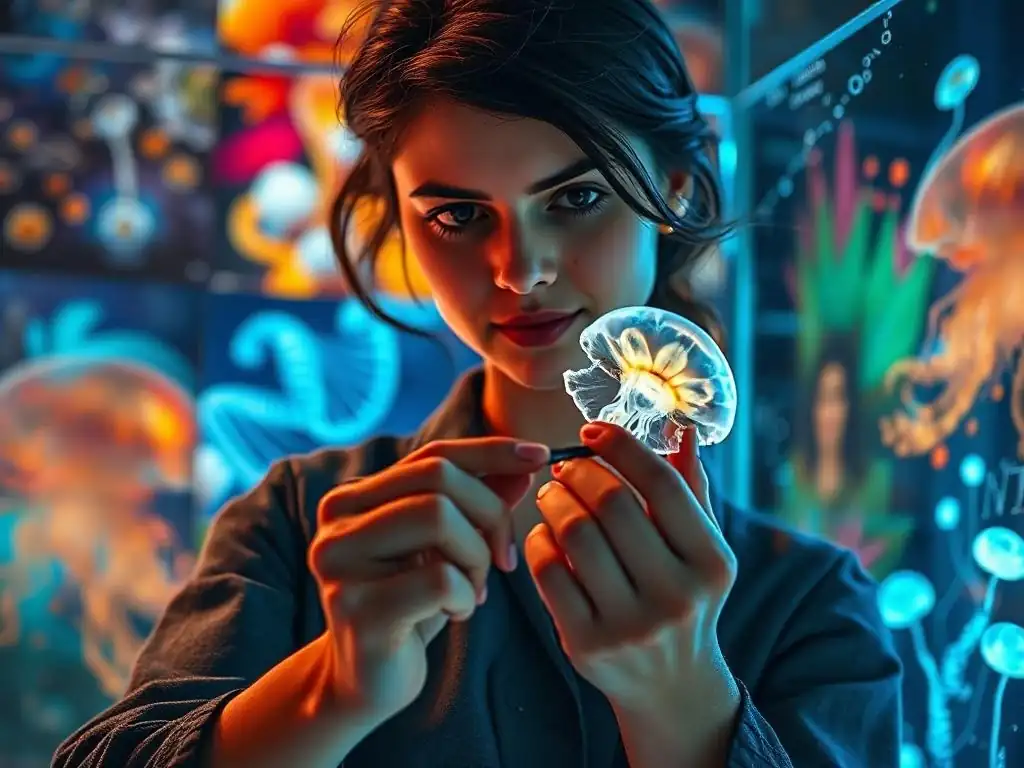
Prepare to be captivated by the untold stories of brilliant women who defied expectations and revolutionized science. Delve into the fascinating world where creativity meets discovery as we explore Women's Science Art Connections. How did these pioneering figures weave together the seemingly disparate threads of scientific inquiry and artistic expression? Uncover the unexpected harmonies between logic and imagination, and learn how these remarkable women shaped both fields.
- Introduction: Unveiling Women’s Science Art Connections
- Pioneering Women Bridging Science and Art
- The Power of Visual Representation in Scientific Communication
- Contemporary Artists and Scientists: Blurring Disciplinary Boundaries
- The Importance of Interdisciplinary Approaches in STEM Education
- Challenges and Triumphs: Navigating Gendered Expectations in Science and Art
- Women’s Science Art Connections: Case Studies
- The Future of Women in Science and Art: Inspiring the Next Generation
- Conclusion: A Legacy of Innovation and Creativity in Women’s Science Art Connections
-
Frequently Asked Questions
- How has the WomenInScienceHistory.com website contributed to highlighting women's roles in science?
- What does the phrase "Women’s science art connections" refer to in the context of WomenInScienceHistory.com?
- What kind of challenges did women in science historically face, as discussed on WomenInScienceHistory.com?
- How might exploring "The Intersection of Beauty and Truth: Women Exploring Science Through Art" inspire future generations?
- Can you provide an example of a specific "Women’s science art connections" figure that WomenInScienceHistory.com might feature?
- Final Reflection: Illuminating Science Through Art
- Ignite Your Inner Scientist-Artist!
Introduction: Unveiling Women’s Science Art Connections
Celebrating Women in Science & Art History
Historically, the narratives of women's contributions to both science and art have often been marginalized, treated as separate and distinct realms. Yet, a closer examination reveals a profound and often overlooked synergy, particularly through the lens of women who seamlessly wove scientific inquiry with artistic expression. These pioneering women, often working in the shadows of male-dominated fields, utilized their artistic talents not merely for aesthetic pleasure but as crucial tools for scientific observation, documentation, and communication. Their legacy illuminates a rich tapestry of women’s science art connections that deserve greater recognition and celebration.
This interdisciplinary approach allowed women to navigate the restrictive societal norms of their time, finding innovative ways to engage with the natural world and articulate complex scientific phenomena. From detailed botanical illustrations to groundbreaking photographic experiments, these women forged unique paths, demonstrating that the pursuit of truth and the creation of beauty are not mutually exclusive. Their work provides invaluable insights into how women shaped scientific understanding through visual means, offering a fresh perspective on the history of both disciplines.
Exploring the Synergies Between Scientific Inquiry and Artistic Expression
The realms of scientific inquiry and artistic expression, while seemingly disparate, share fundamental commonalities: a profound curiosity about the world, a meticulous attention to detail, and a desire to communicate understanding. Science strives for objective truth through systematic observation and experimentation, while art often explores subjective truths through creative interpretation and aesthetic representation. However, for many women throughout history, these two pursuits converged, forming powerful women’s science art connections.
This synergy allowed for a holistic exploration of phenomena, where artistic skill enhanced scientific accuracy and scientific knowledge informed artistic vision. Whether documenting the intricate anatomy of a plant, illustrating the life cycle of an insect, or visualizing abstract scientific concepts, these women leveraged art to make the invisible visible, the complex comprehensible, and the beautiful scientifically sound. Their work not only advanced specific scientific fields but also broadened the very definition of scientific communication, making it more accessible and engaging.
Pioneering Women Bridging Science and Art
Early Examples of Women’s Contributions to Scientific Illustration
Before the advent of photography, scientific illustration was an indispensable tool for disseminating knowledge, requiring not only artistic skill but also profound scientific understanding. Women, often relegated to domestic or decorative arts, found a legitimate avenue for intellectual engagement through this precise discipline. They meticulously documented flora, fauna, and anatomical structures, contributing significantly to fields like botany, zoology, and medicine. These early women’s science art connections were foundational to scientific progress, as their detailed drawings and engravings served as the primary means of visual scientific communication.
One notable example is Elizabeth Blackwell, an 18th-century Scottish botanical illustrator who, to free her husband from debt, undertook the monumental task of illustrating and engraving 500 species of medicinal plants for her work, A Curious Herbal (1737-1739). Her illustrations were highly accurate, drawn from live specimens at the Chelsea Physic Garden, and were praised by apothecaries for their scientific precision and artistic quality. Her dedication and talent exemplify how women utilized art to make significant, practical contributions to scientific knowledge, underscoring the vital role of women’s science art connections in the pre-photographic era.
Maria Merian: The Art of Entomological Illustration
Maria Sibylla Merian (1647–1717) stands as a towering figure in the history of women’s science art connections, renowned for her groundbreaking work in entomology and botanical illustration. Breaking societal norms, Merian embarked on an unprecedented expedition to Suriname in 1699, at the age of 52, to study insects and plants in their natural habitats. Her meticulous observations and stunning illustrations captured the entire life cycles of insects, including their host plants, a revolutionary approach at a time when insects were often depicted in isolation or viewed as "creatures of mud."
Her magnum opus, Metamorphosis Insectorum Surinamensium (1705), is celebrated for its scientific accuracy and exquisite artistry. Merian’s illustrations, hand-colored by herself and her daughters, depicted the intricate relationships between insects and their environment with unparalleled detail and vibrancy. Her work not only significantly advanced the field of entomology but also elevated scientific illustration to an art form, demonstrating how the precise eye of a scientist could merge with the skilled hand of an artist, creating enduring women’s science art connections that continue to inspire.
Anna Atkins: Cyanotypes and the Study of Algae
Anna Atkins (1799–1871) pioneered the use of photography for scientific documentation, establishing herself as a pivotal figure in the history of women’s science art connections. A botanist and photographer, Atkins was among the first to recognize the potential of the cyanotype process, developed by her friend Sir John Herschel, for creating detailed and accurate images of botanical specimens. Her work, Photographs of British Algae: Cyanotype Impressions (1843), is widely regarded as the first book ever illustrated with photographs, preceding Fox Talbot's The Pencil of Nature.
Atkins meticulously arranged dried algae specimens directly onto sensitized paper, exposing them to sunlight to create striking blue and white silhouettes. This artistic technique served a purely scientific purpose, providing precise visual records for botanical study at a time when drawing intricate specimens was time-consuming and less accurate. Her innovative application of a novel artistic medium to scientific classification not only cemented her place as a photographic pioneer but also highlighted the profound impact of women’s science art connections on both scientific methodology and visual communication.
The Power of Visual Representation in Scientific Communication
How Art Enhances Scientific Understanding
The ability of art to enhance scientific understanding is profound, acting as a crucial bridge between complex data and public comprehension. Visual representations, whether diagrams, illustrations, or artistic interpretations, can simplify abstract concepts, highlight critical relationships, and make scientific information more accessible and memorable. For instance, a detailed anatomical drawing can convey the intricate structure of the human body more effectively than pages of text, while a compelling infographic can summarize vast datasets into digestible insights. This inherent power of visual communication is where many women’s science art connections have historically flourished.
Art engages different parts of the brain, allowing for intuitive grasp and deeper engagement with scientific principles. It can evoke emotion, spark curiosity, and foster a sense of wonder, making the learning process more dynamic and impactful. From the precise rendering of cell structures to the imaginative depiction of theoretical physics, art allows scientists to communicate their discoveries to a broader audience, transcending linguistic and technical barriers. This visual language is essential for both scientific education and public engagement, underscoring the enduring value of women’s science art connections.
Women’s Role in Making Science Accessible Through Art
Throughout history, women have played a pivotal, though often unsung, role in making science accessible to the public through their artistic talents. Many women found avenues to contribute to science by illustrating textbooks, creating educational charts, or designing museum exhibits, thereby translating complex scientific information into visually engaging formats. Their work was instrumental in popularizing scientific knowledge, making it comprehensible not just to specialists but to students, enthusiasts, and the general public, thereby strengthening the public's appreciation for women’s science art connections.
Consider the countless women who worked as illustrators for natural history publications, botanical journals, and medical texts. Their precision and aesthetic sensibility ensured that scientific facts were conveyed with clarity and beauty, fostering a deeper appreciation for the natural world and human anatomy. This role extended beyond mere technical drawing; it involved interpreting scientific concepts and presenting them in a way that was both accurate and aesthetically pleasing. By doing so, these women democratized scientific knowledge, empowering a wider audience to engage with and understand the wonders of science through compelling visual storytelling.
Contemporary Artists and Scientists: Blurring Disciplinary Boundaries
Profiles of Modern Women Integrating Science and Art in Their Work
In the contemporary landscape, the boundaries between science and art continue to dissolve, with many women artists and scientists actively integrating these disciplines in groundbreaking ways. They utilize new technologies and materials, from biotechnology to digital media, to explore complex scientific questions through aesthetic lenses. These modern women’s science art connections are not just about illustration or documentation; they often involve direct experimentation with scientific processes as artistic mediums, challenging traditional notions of creation and discovery.
These artists grapple with ethical dilemmas, philosophical questions, and societal implications arising from scientific advancements, using their work to provoke thought and stimulate dialogue. Their practices often involve collaborations with scientists, blending rigorous research with creative inquiry to produce works that are both intellectually stimulating and visually captivating. The emergence of fields like BioArt and data visualization has provided fertile ground for these interdisciplinary explorations, showcasing the evolving nature and expanding influence of women’s science art connections in the 21st century.
Suzanne Anker: Biopunk and the Exploration of Genetics
Suzanne Anker, a pioneering American artist and theorist, is a leading figure in the BioArt movement, deeply exploring the intersection of art and genetics. Her work, often described as "biopunk," delves into the ethical and aesthetic implications of biotechnology, genetic engineering, and synthetic biology. Anker uses actual biological materials and processes—such as petri dishes, DNA sequences, and cell cultures—as her artistic medium, creating installations and sculptures that are both visually striking and intellectually provocative. Her art exemplifies cutting-edge women’s science art connections.
Through pieces like her "Astroculture" series or her "Remote Sensing" works, Anker invites viewers to contemplate the beauty and complexity of microscopic life, while simultaneously raising critical questions about life itself, its manipulation, and its future. Her exhibitions often feature living organisms or scientific apparatus, blurring the lines between the laboratory and the gallery. Anker's contribution lies in her ability to translate complex scientific concepts into compelling aesthetic experiences, making the often-abstract world of genetics tangible and fostering a deeper public engagement with crucial biotechnological discussions.
Heather Barnett: Microbial Art and the Beauty of Biology
Heather Barnett is a British artist and researcher celebrated for her innovative work with non-human intelligences, particularly slime molds ( Physarum polycephalum). Her practice embodies a unique blend of scientific inquiry and artistic expression, transforming biological research into captivating art installations and performances. Barnett's approach highlights the inherent beauty and complex behaviors of microscopic life forms, demonstrating how even the simplest organisms can inspire profound aesthetic and philosophical contemplation, showcasing another facet of women’s science art connections.
Through projects such as "The Physarum Experiments" or her "Slime Mould Orchestra," Barnett explores themes of emergence, collective intelligence, and decentralized systems. She collaborates with scientists to understand the biological mechanisms behind slime mold behavior, then translates these insights into interactive artworks that reveal the surprising capabilities of these organisms. Her work not only educates audiences about microbiology but also challenges anthropocentric views, inviting viewers to consider the intelligence and artistry present in the natural world, reinforcing the dynamic potential of women’s science art connections.
The Importance of Interdisciplinary Approaches in STEM Education
Encouraging Creativity and Innovation Through Art and Science Integration
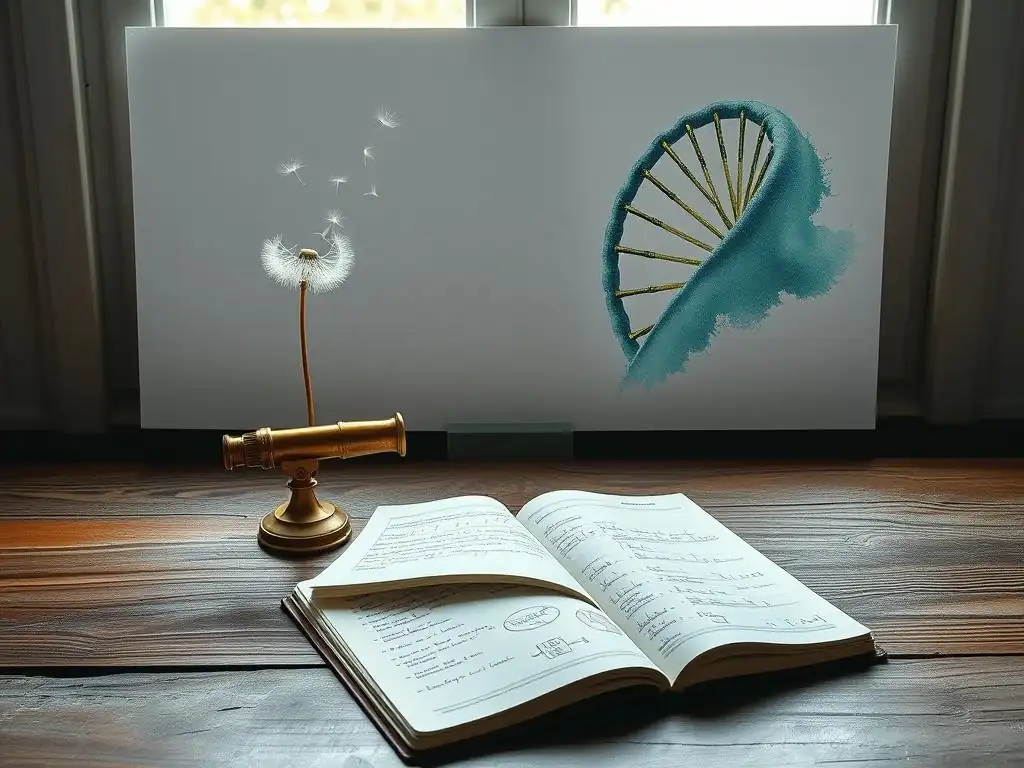
Integrating art into STEM (Science, Technology, Engineering, and Mathematics) education, transforming it into STEAM, is increasingly recognized as a vital strategy for fostering creativity, critical thinking, and innovation. This interdisciplinary approach encourages students, particularly young women, to see connections between seemingly disparate fields, nurturing a holistic understanding of the world. By incorporating artistic elements into scientific learning, students are empowered to visualize complex concepts, design innovative solutions, and communicate their ideas more effectively, thereby strengthening future women’s science art connections.
For example, asking students to draw a biological process, build a model of a chemical reaction, or compose music based on mathematical patterns, stimulates different cognitive pathways. This hands-on, creative engagement can make abstract scientific principles more tangible and exciting, breaking down the perception that science is solely about rote memorization or rigid formulas. This method not only enhances comprehension but also cultivates problem-solving skills and encourages divergent thinking, preparing a new generation of innovators who are adept at navigating complex challenges with both scientific rigor and artistic flair.
Supporting Women in STEM and the Arts: Breaking Down Silos
To truly unlock the potential of interdisciplinary approaches, it is crucial to actively support and promote women in both STEM and the arts, and especially at their intersection. Historically, women have faced systemic barriers in both fields, from limited access to education and resources to pervasive gender bias. By breaking down these traditional silos and fostering environments where women can freely explore women’s science art connections, we can cultivate a more diverse, inclusive, and innovative intellectual landscape.
Initiatives that provide mentorship, funding, and platforms for women pursuing STEAM fields are essential. This includes creating educational programs that explicitly integrate art and science from an early age, showcasing role models who exemplify success in both domains, and challenging stereotypical notions of what a scientist or an artist "looks like." By supporting women to excel in these combined fields, we not only address historical inequities but also enrich both scientific discovery and artistic expression, leading to more comprehensive and insightful contributions to knowledge and culture.
Women navigating the intersection of science and art have historically faced a unique set of challenges, stemming from deeply ingrained gendered expectations in both domains. In science, women were often excluded from formal education, denied access to laboratories, and their contributions dismissed or attributed to male colleagues. In art, women were frequently relegated to "feminine" crafts or decorative arts, their serious artistic endeavors undervalued. When women attempted to combine these fields, they encountered compounded resistance, making the pursuit of women’s science art connections particularly arduous.
Beyond institutional barriers, women often battled societal prejudices that deemed scientific pursuits unfeminine or artistic careers impractical. Securing recognition, funding, and professional opportunities was an uphill battle. Despite these formidable obstacles, many women persisted, driven by intellectual curiosity and creative passion. Their resilience and ingenuity in finding ways to engage with scientific inquiry through artistic means underscore their remarkable determination and the profound impact of their contributions, paving the way for future generations.
Celebrating the Achievements of Women Who Excel in Both Domains
Despite the significant barriers, countless women have triumphed, excelling in both scientific exploration and artistic creation, leaving an indelible mark on history. Their achievements are a testament to their exceptional intellect, perseverance, and vision, and serve as powerful inspirations for contemporary women’s science art connections. These women demonstrated that the pursuit of knowledge and the creation of beauty are not only compatible but can mutually enrich each other, leading to deeper insights and more compelling forms of expression.
From pioneering naturalists who illustrated their own discoveries with breathtaking precision to contemporary artists who use genetic material as their medium, these women broke molds and redefined possibilities. Their stories highlight the importance of recognizing and celebrating these dual talents, offering a more complete and nuanced understanding of human ingenuity. By spotlighting these women, we not only honor their individual legacies but also inspire future generations to embrace interdisciplinary thinking and to confidently forge their own unique women’s science art connections.
Women’s Science Art Connections: Case Studies
The Women of the Harvard College Observatory: From Data to Starlight
While not artists in the conventional sense, the "human computers" of the Harvard College Observatory, primarily women like Henrietta Leavitt, Annie Jump Cannon, and Williamina Fleming, exemplify profound women’s science art connections through their meticulous visual interpretation and organization of astronomical data. From the late 19th to the early 20th century, these women painstakingly analyzed photographic glass plates, classifying millions of stars and identifying celestial phenomena. This work, though scientific, demanded an extraordinary eye for pattern, detail, and anomaly, akin to an artistic sensibility in discerning order and beauty within vast, complex visual information.
Their systematic classification of stellar spectra, for instance, involved recognizing subtle variations in light patterns, a task requiring precise visual discrimination and an almost aesthetic appreciation for categorization. Henrietta Leavitt's discovery of the period-luminosity relationship of Cepheid variables, crucial for measuring cosmic distances, emerged from her meticulous observation of these patterns.
The sheer volume and intricate nature of their visual analysis transformed raw photographic data into organized scientific knowledge, demonstrating how a refined visual capacity, often associated with artistic skill, was fundamental to groundbreaking astronomical discoveries. Their legacy underscores how women’s contributions to science often involved a sophisticated interplay between visual interpretation and scientific rigor.
The BioArt Revolution: Women Leading the Way in Biological Art
The BioArt revolution, which emerged in the late 20th century, sees artists working directly with living organisms, biological processes, and biotechnological tools as their medium. Women artists have been at the forefront of this movement, pushing ethical boundaries and exploring profound questions about life, identity, and humanity's relationship with nature. These contemporary women’s science art connections are characterized by their innovative use of scientific techniques and materials, often challenging the traditional confines of both the art studio and the laboratory.
Artists like Orlan, known for her "Carnal Art" and surgical performances that explore body modification and identity, or Marta de Menezes, who creates "living sculptures" using biological material like proteins and DNA, exemplify this pioneering spirit. Their work often provokes debate about the responsibilities of scientific advancement and the definition of life itself. These women are not merely illustrating scientific concepts; they are actively engaging with them, using scientific methods to create art that compels viewers to confront the complex implications of biotechnology, thereby leading the charge in defining new frontiers for women’s science art connections.
The Future of Women in Science and Art: Inspiring the Next Generation
Promoting Diversity and Inclusion in STEM and the Arts
The future of women in science and art, particularly at their intersection, hinges on a concerted effort to promote diversity and inclusion within both fields. Historically, underrepresentation and systemic biases have limited opportunities for women, stifling their potential contributions. By actively fostering environments where women from all backgrounds feel welcomed, valued, and empowered, we can unlock new perspectives and drive unprecedented innovation in both scientific discovery and artistic expression. This commitment to diversity ensures that the rich tapestry of women’s science art connections continues to grow and evolve.
Implementing inclusive policies, providing equitable access to resources, and challenging ingrained stereotypes are crucial steps. This includes encouraging young girls to pursue STEM subjects and artistic endeavors without gendered expectations, showcasing diverse role models, and creating mentorship programs that support women throughout their careers. A truly diverse and inclusive environment not only benefits women but enriches the entire scientific and artistic community, leading to more creative solutions, broader research questions, and more impactful cultural contributions.
Resources and Opportunities for Women Interested in Exploring Science Through Art
For women aspiring to explore the vibrant intersection of science and art, a growing number of resources and opportunities are emerging to support their interdisciplinary journeys. Educational institutions are increasingly offering STEAM (Science, Technology, Engineering, Arts, and Mathematics) programs, recognizing the value of integrating creative thinking with scientific rigor. These programs provide structured pathways for students to develop skills in both domains, fostering a new generation adept at forging women’s science art connections.
Beyond academia, various organizations, foundations, and residencies specifically cater to artists and scientists working across disciplines. Grants and fellowships are available to support collaborative projects, while dedicated art-science collectives and online communities provide platforms for networking, sharing ideas, and showcasing work. These resources are vital for providing financial support, professional development, and a sense of community for women navigating these innovative career paths. By leveraging these opportunities, women can continue to push the boundaries of knowledge and creativity, building upon the rich legacy of women’s science art connections.
Conclusion: A Legacy of Innovation and Creativity in Women’s Science Art Connections
Frequently Asked Questions
How has the WomenInScienceHistory.com website contributed to highlighting women's roles in science?
The website celebrates women's contributions by providing biographies of pioneering female scientists and discussing their groundbreaking work. It also sheds light on the challenges they faced in male-dominated fields.
What does the phrase "Women’s science art connections" refer to in the context of WomenInScienceHistory.com?
It refers to the intersection of artistic expression and scientific inquiry as explored by women throughout history. The site may showcase women who used art to visualize scientific concepts, or whose scientific work inspired artistic creations.
What kind of challenges did women in science historically face, as discussed on WomenInScienceHistory.com?
Women in science often encountered challenges such as limited access to education, gender bias in research, and lack of recognition for their achievements. These are key themes that WomenInScienceHistory.com addresses.
How might exploring "The Intersection of Beauty and Truth: Women Exploring Science Through Art" inspire future generations?
By showcasing the creativity and innovation of women who bridged science and art, the website can encourage young people to pursue both fields. It demonstrates that science and art are not mutually exclusive, but can complement each other.
Can you provide an example of a specific "Women’s science art connections" figure that WomenInScienceHistory.com might feature?
While a specific figure isn't named here, the site might feature someone like Maria Merian, a naturalist and scientific illustrator. She made detailed drawings of insects and plants, combining scientific observation with artistic skill.
Final Reflection: Illuminating Science Through Art
The journey we've taken through the vibrant landscape of women's science art connections reveals a powerful truth: the pursuit of knowledge and the expression of beauty are not mutually exclusive, but rather, deeply intertwined. The stories shared throughout this article demonstrate how art serves as a vital lens through which to understand, interpret, and communicate complex scientific concepts, enriching both the scientific and artistic realms.
This intersection has profoundly shaped, and continues to shape, our understanding of the world around us. The ability of women to bridge the gap between seemingly disparate disciplines is not just a talent, but a necessity for fostering innovation and empathy in a world increasingly reliant on both. The important thing is not to stop questioning. Curiosity has its own reason for existing.
- Albert Einstein. This quote perfectly encapsulates the spirit of inquiry that drives both scientific discovery and artistic creation, a spirit embodied by the women explored in this article.
Now, we invite you to reflect on the power of this connection in your own life. How can you embrace the intersection of beauty and truth, whether through actively engaging with science-inspired art, supporting women in STEM fields, or simply cultivating a deeper appreciation for the interconnectedness of all things? Let the stories of these remarkable women inspire you to explore the world with both a scientific mind and an artistic heart, and to contribute to a future where knowledge and beauty illuminate each other.
Ignite Your Inner Scientist-Artist!
Thank you for diving into the captivating world where art and science intertwine! You've now witnessed the inspiring stories of women who beautifully blended these disciplines. Ready to create your own masterpiece of discovery?
Here are a few ways to get started:
- Embrace the challenge and create your own art piece inspired by a scientific concept that fascinates you. Share your creation on social media using #WomenInScienceHistoryArt to inspire others!
- Delve deeper! Explore the resources on WomenInScienceHistory.com to uncover more hidden stories of women who dared to be both scientists and artists.
- Start a conversation! Share this article with a friend or colleague and discuss how art can enhance scientific understanding.
What scientific principle will you bring to life through art?