Top 5 Marie Curie Biographies: Unveiling the Woman Behind the Legend
🌟 Discover the top Marie Curie biography resources online that reveal the inspiring story of a pioneering woman in science. Celebrate her…
Read article
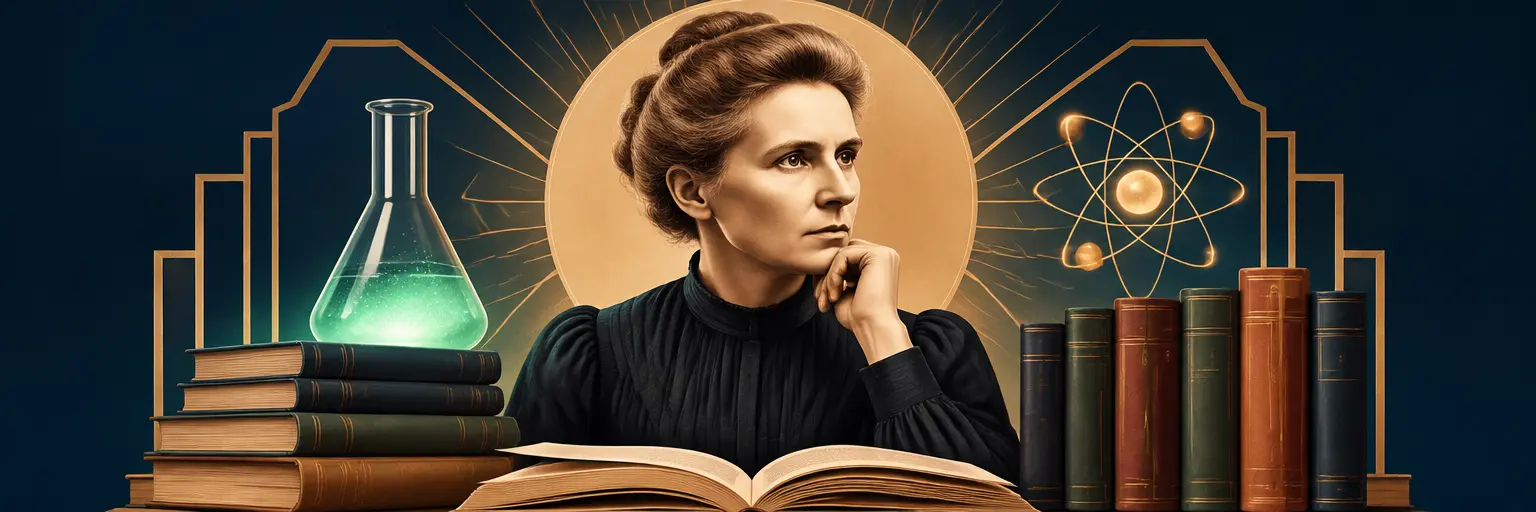
Discover the definitive reading list of Marie Curie biographies that capture the relentless brilliance of science’s most iconic pioneer. From her groundbreaking Nobel Prize-winning research on radioactivity to her daring life as a wartime innovator, these carefully selected books offer intimate insights into her personal sacrifices, scientific triumphs, and the societal barriers she shattered. Whether you’re a history buff, a STEM enthusiast, or seeking inspiration from a trailblazing woman, this curated guide helps you choose the perfect volume—balancing scholarly depth, engaging storytelling, and rare archival photographs. Dive into the legacy of the only person ever to win Nobel Prizes in two different sciences, and let her story ignite your own curiosity.
🌟 Discover the top Marie Curie biography resources online that reveal the inspiring story of a pioneering woman in science. Celebrate her…
Read article
🌟 Explore Marie Curie’s inspiring journey as she overcame sexism challenges in her groundbreaking career, breaking barriers in science and paving the…
Read article
🌟 Discover how Marie Curie's groundbreaking research on radioactivity revolutionized science, inspiring countless women in STEM. Her enduring legacy, showcased through captivating…
Read articleMarie Curie stands as one of history’s most transformative scientists, yet choosing the right biography can shape how you understand her legacy. Whether you seek a scholarly deep dive into her radiation research or a narrative focused on her personal sacrifices, our curated buying guide helps you navigate top titles. Explore detailed comparisons, read about unique perspectives, and find a biography that matches your reading level, interest, and purpose—from classroom resources to inspiring leisure reads.
For readers wanting the full arc of Curie’s life—from Polish childhood to dual Nobel Prizes—classic biographies like “Madame Curie” by Eve Curie remain indispensable. These works offer meticulous research, chronological detail, and intimate family insights, often written by those who knew her. Expect thorough coverage of her discovery of polonium and radium, her wartime mobile X-ray units, and her battles with institutional sexism.
These comprehensive tomes are ideal for students, researchers, or history buffs seeking a single authoritative source. They frequently include appendices, letters, and photographs that enrich understanding. While some older volumes may lack modern historiographical nuance, their narrative power endures, making them the backbone of any serious Curie collection.
Recent biographies, such as “Marie Curie: A Life” by Susan Quinn, re-examine Curie through a contemporary feminist lens, highlighting how her gender shaped her career and public perception. These works delve into the scandal surrounding her affair with Paul Langevin, her exclusion from the French Academy of Sciences, and her deliberate creation of a scientific dynasty. They contextualize her achievements within systemic barriers, offering critical analysis rather than mere hagiography.
Readers will appreciate fresh interpretations using newly available archives, including her journals and correspondence. These biographies are perfect for those already familiar with Curie’s basics but craving deeper cultural and political context. They also connect her story to ongoing conversations about women in STEM, making them relevant for book clubs, gender studies courses, and modern science communicators.
Young adult and middle-grade biographies, like “Who Was Marie Curie?” by Megan Stine, distill her life into engaging, digestible prose with illustrations and timelines. These books emphasize resilience, curiosity, and the scientific method, avoiding overly technical jargon. They are excellent entry points for ages 8-14, sparking interest in science history without overwhelming readers with complex chemistry or physics.
Teachers and parents will find these titles invaluable for classroom discussions, book reports, or casual learning. Many include sidebars on radioactivity, glossary terms, and historical context, bridging entertainment and education. While they simplify controversies, they still convey her groundbreaking spirit, ensuring young minds grasp why Curie remains a role model for aspiring scientists worldwide.
For scientifically inclined readers, biographies like “Marie Curie and the Science of Radioactivity” by Naomi Pasachoff prioritize the technical evolution of her work. These volumes delve into her laboratory methods, the properties of radioactive elements, and the mathematical foundations of her discoveries. They often include diagrams, historical reproductions of her papers, and explanations of contemporary radiation physics, making them ideal for science enthusiasts.
Beyond pure science, some specialized works explore her wartime contributions or her role in founding the Curie Institutes. Expect a balanced mix of biographical detail and scientific explanation, catering to readers who want to understand exactly how she isolated radium. These books are perfect for STEM students seeking inspiration, or for anyone fascinated by the intersection of personal determination and experimental brilliance.
For busy professionals or commuters, audiobook versions of major Curie biographies offer narrated experiences, often with dramatic readings of her letters. Meanwhile, graphic biographies like “Radioactive: Marie & Pierre Curie” by Lauren Redniss combine art and text to convey emotional and scientific depth visually. These formats make her story accessible to visual learners and those with limited reading time, without sacrificing accuracy.
Illustrated editions also appeal to reluctant readers or gift-givers seeking a coffee-table book. Many such editions feature archival photographs, artistic renderings, and concise written passages that blend art history with science. Whether listening during a commute or flipping through vivid pages, these alternative formats ensure that Curie’s legacy reaches a broader audience, maintaining engagement through diverse media.
For absolute beginners, “Who Was Marie Curie?” by Megan Stine offers a simple, engaging narrative with illustrations and clear timelines. It covers her life and discoveries without technical overload, making it perfect for young readers or adults seeking a quick overview. Its accessible language and structured chapters provide a solid foundation before moving to more detailed works.
Yes, many comprehensive biographies dedicate substantial chapters to her 1903 Physics and 1911 Chemistry Nobels. “Marie Curie: A Life” by Susan Quinn provides detailed accounts of the nomination processes, scientific debates, and personal reactions. For a laser focus, academic papers and edited volumes like “The Nobel Prize in Chemistry” series also offer contextualized stories of her achievements.
Absolutely. Contemporary works like Quinn’s biography openly examine her affair with Paul Langevin, public vilification, and the toll on her health. They balance scientific achievement with personal struggles, presenting a nuanced portrait. Older biographies often omitted these aspects, so modern readers benefit from deeper honesty about her life’s challenges.
For science-focused readers, “Marie Curie and the Science of Radioactivity” by Naomi Pasachoff is exceptional. It explains her experimental techniques, radiation theory, and laboratory discoveries in detail, supplemented with diagrams. The book also connects her work to modern physics, making it both educational and inspirational for students in STEM fields.
Yes, her daughter Ève Curie wrote the classic “Madame Curie,” published in 1937. It remains a touching, intimate portrait based on family letters and memories, though it omits some later controversies. Her granddaughter Hélène Langevin-Joliot has also contributed forewords to newer editions, adding family perspective to historical revisions.