
The Unsung Biologist: How One Woman's 1950s Research Changed Medical Science

Welcome to WomenInScienceHistory.com!
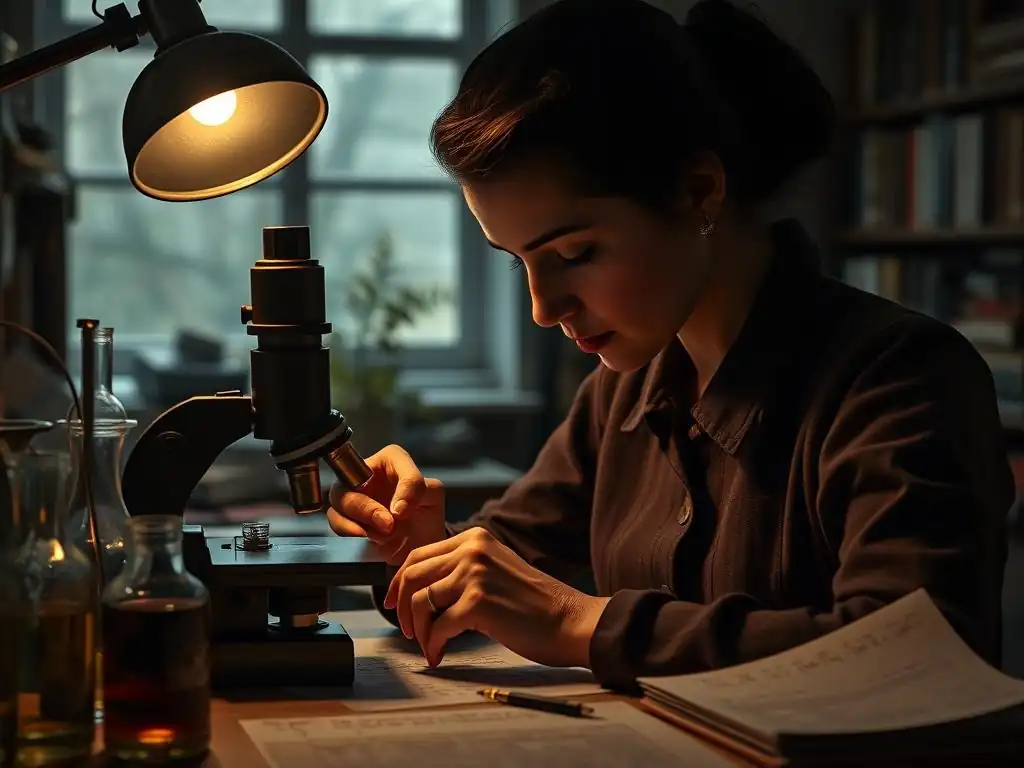
Dive into the fascinating world of scientific discovery and uncover the untold stories of remarkable women who shaped our understanding of the universe. Today, we explore the groundbreaking – yet often unacknowledged – contributions of Rosalind Franklin and DNA. Prepare to be captivated by the story of a brilliant mind and the pivotal role she played in unraveling one of the greatest mysteries of life. What secrets did her research hold, and why did her contributions remain largely in the shadows? Keep reading to find out!
- The Unsung Biologist: How Rosalind Franklin's Research Changed Medical Science
- Introduction: Remembering the Forgotten Contributions of Women in Science
- The Early Life and Education of Rosalind Franklin
- Rosalind Franklin's Groundbreaking Work on DNA Structure
- Photo 51: Unveiling the Secrets of the DNA Double Helix
- The Controversy Surrounding the Nobel Prize and Recognition
- Beyond DNA: Franklin's Research on Viruses
- The Challenges and Obstacles Faced by Rosalind Franklin
- Rosalind Franklin's Lasting Legacy and Influence on Medical Science
- Franklin's Personality and Relationships with Colleagues
- Franklin's Research Methodologies
- The Scientific Context of the 1950s
- Conclusion: Celebrating Rosalind Franklin's Enduring Contribution to Science
-
Frequently Asked Questions
- What was Rosalind Franklin's primary contribution to the field of science?
- What were some of the challenges Rosalind Franklin faced as a woman in science during her time?
- How did Rosalind Franklin's work impact the understanding of DNA?
- Why is Rosalind Franklin often considered an "unsung" biologist?
- What can we learn from Rosalind Franklin's story about the importance of recognizing women in science?
- Final Reflection: The Enduring Legacy of Scientific Vision
- Unveil Your Inner Pioneer: Empowering the Next Generation of Scientists!
The Unsung Biologist: How Rosalind Franklin's Research Changed Medical Science
Introduction: Remembering the Forgotten Contributions of Women in Science
The Rosalind Franklin Papers: A Window into Her Scientific Mind
The personal papers, notebooks, and correspondence of Rosalind Franklin offer an invaluable glimpse into the meticulous scientific mind that profoundly impacted our understanding of DNA. These primary sources reveal her rigorous experimental design, her keen analytical abilities, and her independent intellectual contributions, which were often overshadowed in the initial historical narratives of the double helix discovery. Studying her original documentation provides a more complete and accurate picture of her scientific process, demonstrating her precise measurements and hypotheses even before the final structure of DNA was widely accepted.
Within these detailed records, insights emerge regarding Franklin's methodical approach to crystallography and her early interpretations of the complex X-ray diffraction patterns. Her lab notebooks, for instance, contain precise calculations and observations that underscore her deep understanding of molecular structures. These documents are crucial for understanding how Rosalind Franklin arrived at her conclusions, emphasizing her role not merely as a technician, but as a brilliant scientist whose empirical work was foundational to the breakthroughs that followed.
Highlighting Franklin's Impact on DNA and Virus Research
Rosalind Franklin's direct contributions to elucidating the structure of DNA are undeniable and foundational. Her groundbreaking X-ray diffraction images, most notably Photo 51, provided the critical empirical evidence that allowed James Watson and Francis Crick to formulate and confirm their double helix model. Her precise measurements of the helical pitch and diameter of the DNA molecule, detailed in her internal reports, were indispensable for validating the proposed structure, cementing her pivotal role in this monumental scientific achievement.
Beyond her work on DNA, Franklin made equally significant, though often less celebrated, contributions to the field of virology. After leaving King's College London, she pioneered research into the structure of RNA viruses, most notably the Tobacco Mosaic Virus (TMV). Her meticulous X-ray diffraction studies revealed the helical arrangement of TMV's protein subunits and the precise location of its RNA, providing fundamental insights into viral architecture. She also began crucial work on the polio virus, further demonstrating her versatility and expertise in structural biology.
The Early Life and Education of Rosalind Franklin
Academic Pursuits and a Passion for Chemistry and Physics
Born in London in 1920, Rosalind Franklin displayed exceptional intellectual promise from a young age, particularly in the sciences. She attended St Paul's Girls' School, one of the few schools at the time that offered rigorous science education to girls, where she excelled in physics and chemistry. Her early aptitude led her to Newnham College, Cambridge, in 1938, where she pursued a degree in Natural Sciences, specializing in physical chemistry, a field that would lay the groundwork for her future groundbreaking work.
Following her undergraduate studies, Franklin embarked on postgraduate research at Cambridge, earning her Ph.D. in 1945 for her thesis on the physical chemistry of carbons and coals. Her doctoral work involved applying X-ray diffraction techniques to analyze the microstructure of coal, a skill that would prove invaluable in her later investigations into the complex structures of DNA and viruses. This early research demonstrated her commitment to meticulous experimental work and her growing mastery of crystallographic methods.
Challenges Faced by Women in Scientific Education During the 1930s and 40s in Britain
During the 1930s and 1940s, women pursuing higher education and careers in science in Britain faced significant systemic barriers and societal prejudices. While institutions like Cambridge began admitting women, they often operated under patriarchal structures, with limited resources and opportunities specifically for female students. Women were frequently expected to prioritize domestic roles, and their intellectual capabilities were often underestimated or openly questioned within academic circles.
Rosalind Franklin navigated this challenging landscape with remarkable determination. Despite the prevailing skepticism and lack of institutional support for women in rigorous scientific fields, she persevered, demonstrating an unwavering commitment to her research. Her success in obtaining a Ph.D. and securing research positions in a male-dominated environment speaks volumes about her exceptional talent and resilience in the face of widespread gender bias.
Rosalind Franklin's Groundbreaking Work on DNA Structure
Joining King's College London and the MRC Unit
In 1951, Rosalind Franklin joined the Medical Research Council (MRC) Biophysics Unit at King's College London, a move that would place her at the epicenter of the race to understand the structure of DNA. She was recruited by John Randall, the unit head, to work on DNA fibers using X-ray diffraction. However, a crucial misunderstanding regarding her role and autonomy, particularly concerning her colleague Maurice Wilkins, set the stage for professional tensions that would later become a significant point of historical contention.
Franklin was specifically tasked with improving the existing X-ray diffraction equipment and applying her advanced crystallographic skills to obtain higher-resolution images of DNA. Her expertise, honed during her four years at the Laboratoire Central des Services Chimiques de l'État in Paris, made her uniquely qualified for this critical assignment. She brought an unprecedented level of precision and rigor to the King's College DNA research.
X-ray Diffraction and the Quest to Define DNA's Structure
Rosalind Franklin's work at King's College centered on perfecting the X-ray diffraction technique for biological molecules like DNA. This method involves bombarding a crystallized or highly ordered sample with X-rays and analyzing the resulting diffraction pattern, which reveals information about the three-dimensional arrangement of atoms within the molecule. Franklin meticulously controlled the humidity levels around the DNA fibers, a crucial step that allowed her to distinguish between two distinct forms of DNA: the 'A' form (drier, more crystalline) and the 'B' form (wetter, more hydrated).
Her rigorous experimental approach yielded exceptionally clear and detailed X-ray diffraction patterns, particularly for the 'B' form of DNA. The patterns for the 'B' form showed a characteristic 'X' shape, which strongly indicated a helical structure, along with precise spacings that revealed the dimensions of the helix. These highly resolved images and her subsequent quantitative analyses provided the most accurate structural data available at the time, offering undeniable empirical evidence for the helical nature of DNA.
Photo 51: Unveiling the Secrets of the DNA Double Helix
Understanding X-ray Crystallography and its Application to Biological Molecules
X-ray crystallography is a powerful technique that allows scientists to determine the atomic and molecular structure of a crystal. For biological molecules such as DNA, the process involves preparing highly ordered samples, often fibers or crystals, and then firing a beam of X-rays at them. When the X-rays strike the atoms in the sample, they are diffracted, creating a distinctive pattern of spots on a detector. This diffraction pattern is essentially a Fourier transform of the electron density within the molecule, and with complex mathematical analysis, it can be used to reconstruct the molecule's three-dimensional structure.
Interpreting these intricate patterns requires highly specialized skills and a deep understanding of crystallography, a mastery that Rosalind Franklin possessed in abundance. Her expertise, honed through years of work on carbon structures and later in Paris, enabled her not only to produce exceptionally high-quality X-ray images of DNA but also to extract precise measurements and deduce crucial structural parameters from them. This analytical capability was a distinct advantage in the competitive quest to unravel the DNA structure.
Franklin's Role in Capturing and Interpreting Photo 51
Photo 51, the iconic X-ray diffraction image of DNA, was captured in May 1952 by Rosalind Franklin's doctoral student, Raymond Gosling, under her direct supervision. This image, a remarkably clear depiction of the 'B' form of DNA, displayed a distinct 'X' shape characteristic of a helix, along with dark reflections at the top and bottom that indicated a repeating unit every 3.4 Ångstroms and a pitch of 34 Ångstroms. Its clarity and resolution were unparalleled at the time, providing unequivocal evidence of DNA's helical nature.
Upon analyzing Photo 51 and other related images, Rosalind Franklin meticulously deduced critical structural parameters of the DNA molecule. Her King's College internal report from December 1952 detailed these precise measurements, including the helical nature, the number of strands (initially considering two or three), and the exact dimensions of the molecule. This report, along with Photo 51 itself, was shown to James Watson and Francis Crick without Franklin's explicit permission or knowledge, playing a pivotal role in their formulation of the double helix model.
The Controversy Surrounding the Nobel Prize and Recognition
The 1962 Nobel Prize in Physiology or Medicine: A Debate on Credit and Attribution
In 1962, the Nobel Prize in Physiology or Medicine was awarded to James Watson, Francis Crick, and Maurice Wilkins for their discoveries concerning the molecular structure of nucleic acids and its significance for information transfer in living material. Notably, Rosalind Franklin, whose critical X-ray diffraction data, including Photo 51, was indispensable for their model, was not a recipient. Tragically, Franklin had passed away from ovarian cancer in 1958 at the age of 37, making her ineligible for the award, as Nobel Prizes are not awarded posthumously.
The circumstances surrounding the use of Franklin's data by Watson and Crick, particularly Photo 51 and her detailed measurements from the King's College report, have ignited a long-standing debate about scientific ethics and proper attribution. The fact that her data was accessed without her direct knowledge or consent, and its profound impact on the Nobel-winning discovery, raises significant questions about the historical recognition of her contributions and the often-complex dynamics of scientific collaboration.
Franklin's Legacy: Reassessing Her Role in DNA Discovery and Scientific Collaboration
In the decades following the 1962 Nobel Prize, there has been a significant and ongoing re-evaluation of Rosalind Franklin's pivotal role in the discovery of the DNA double helix. Historians of science and the broader scientific community now widely acknowledge that her precise X-ray diffraction data and meticulous interpretations were absolutely essential for Watson and Crick to construct and validate their model. Her empirical findings provided the foundational evidence that transformed theoretical speculation into a confirmed molecular structure.
This reassessment of Rosalind Franklin's legacy has broadened into a critical discussion about intellectual property in science, the intricacies of scientific collaboration, and the historical marginalization of women in scientific fields. Franklin's story has become a powerful symbol, prompting greater scrutiny of how scientific breakthroughs are attributed and inspiring a more inclusive approach to recognizing the diverse contributions that underpin major scientific advancements.
Beyond DNA: Franklin's Research on Viruses
Pioneering Work on the Structure of RNA Viruses, Specifically Tobacco Mosaic Virus (TMV)
After her challenging tenure at King's College, Rosalind Franklin moved to Birkbeck College in 1953, where she led a productive research group focused on the structure of viruses. Her work on the Tobacco Mosaic Virus (TMV) was revolutionary. Using her refined X-ray diffraction techniques, she demonstrated that TMV was a helical structure with the RNA embedded within the protein coat, rather than inside a central hollow. This discovery was a major breakthrough in virology, clarifying how genetic material was organized in viruses.
Franklin’s TMV research was characterized by the same rigorous experimental approach she applied to DNA. She meticulously prepared highly oriented gels of the virus, obtaining exceptionally clear diffraction patterns that allowed her to deduce the precise arrangement of protein subunits and the location of the viral RNA. Her findings, published in Nature in 1955, provided definitive structural evidence that laid crucial groundwork for understanding viral replication and assembly.
Contributions to Understanding Polio Virus Structure
Following her success with TMV, Rosalind Franklin expanded her research to other viruses, including the more complex polio virus. At Birkbeck, her group began applying X-ray diffraction methodologies to study this spherical, icosahedral virus, aiming to determine its three-dimensional structure. This was a challenging endeavor, as icosahedral viruses are structurally more intricate than helical ones like TMV.
Although her life was tragically cut short by cancer in 1958, preventing her from fully completing her work on polio, her preliminary findings and the innovative methodologies she developed provided a crucial foundation for subsequent studies on icosahedral viruses. Her efforts demonstrated a consistent commitment to using structural biology as a tool to understand fundamental biological processes, extending her impact far beyond her initial work on DNA.
The Challenges and Obstacles Faced by Rosalind Franklin
Sexism and Discrimination in the Scientific Community at King's College
Rosalind Franklin faced pervasive sexism and discrimination within the scientific community, particularly during her time at King's College London in the early 1950s. The college operated under deeply entrenched patriarchal norms, with women often excluded from informal scientific discussions held in male-only common rooms and dining facilities. This isolation denied her opportunities for casual collaboration and information exchange, which were often crucial for scientific progress.
This discriminatory environment significantly strained her professional relationships, most notably with Maurice Wilkins. The lack of clear communication and mutual respect, exacerbated by the sexist culture of the institution, contributed to the unfortunate circumstance of her data being shared without her knowledge. This gendered bias not only created a hostile work environment but also undermined her authority and intellectual ownership of her groundbreaking DNA research.
The Impact of Gender Bias on Recognition and Opportunities within the MRC
The gender bias prevalent in the 1950s undoubtedly impacted Rosalind Franklin's recognition and opportunities within the Medical Research Council (MRC) unit at King's College. Despite her exceptional expertise in X-ray crystallography and her critical contributions to the DNA project, she was often perceived as a subordinate technician rather than an independent researcher or peer. This mischaracterization limited her autonomy and the credit she received for her work.
Furthermore, Franklin's assertive and meticulous scientific style, which would typically be lauded as rigorous in a male colleague, was sometimes misconstrued as "difficult" or uncooperative because she was a woman. This gendered perception contributed to a lack of full appreciation for her scientific insights and hindered her ability to gain the recognition and influence she deserved within the highly competitive scientific landscape of the time.
Rosalind Franklin's Lasting Legacy and Influence on Medical Science
Inspiring Future Generations of Scientists, Particularly Women in STEM
Rosalind Franklin's story, initially marked by oversight and delayed recognition, has powerfully transformed into an inspirational narrative for future generations of scientists, especially women pursuing careers in STEM fields. Her unwavering dedication to scientific inquiry, her intellectual rigor, and her undeniable contributions to understanding DNA and viruses serve as a beacon, encouraging young women to overcome persistent barriers and pursue their scientific passions with tenacity. Her journey underscores the importance of perseverance in the face of adversity.
Her legacy extends beyond historical correction; it actively fosters a more inclusive scientific environment. Numerous scholarships, awards, and initiatives named in her honor now support and celebrate women in science, ensuring that their talents are nurtured and recognized. Franklin's experience highlights the critical need to acknowledge and celebrate the diverse contributions to scientific progress, thereby empowering a new generation of female researchers to break ground and lead.
Franklin's Work: A Pivotal Moment in the Development of Molecular Biology
Rosalind Franklin's X-ray diffraction work on DNA was not merely a set of experiments; it was a foundational pillar in the nascent field of molecular biology. Her precise measurements and interpretations of the 'A' and 'B' forms of DNA provided the empirical blueprint that allowed for the transition from speculative models to an accurate, verifiable structural understanding of the genetic material. This level of detail was crucial for elucidating how genetic information might be stored and replicated.
The elucidation of the DNA structure, heavily reliant on Franklin's data, marked a watershed moment, fundamentally transforming biological research. It paved the way for subsequent groundbreaking discoveries in genetics, gene expression, genetic engineering, and biotechnology, all of which are cornerstones of modern medical science. Franklin's rigorous methodology and structural insights were integral to establishing the paradigm of molecular biology that continues to underpin much of today's biomedical research and development.
Franklin's Personality and Relationships with Colleagues
Interactions with Maurice Wilkins, James Watson, and Francis Crick
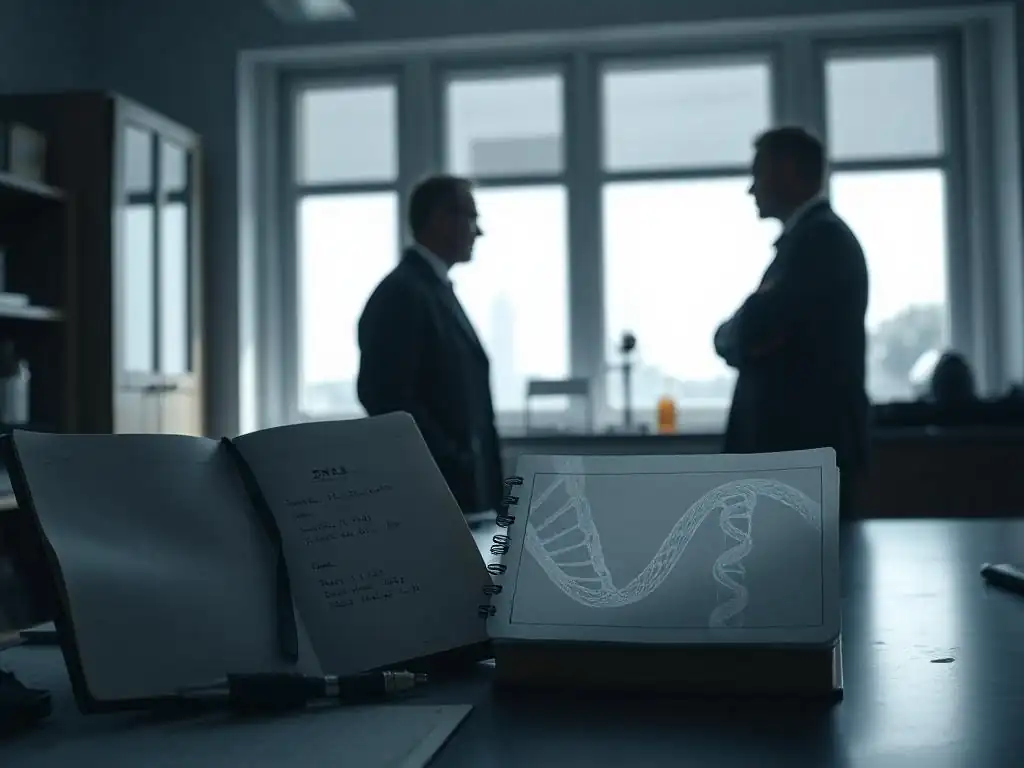
Rosalind Franklin's professional relationships at King's College, particularly with Maurice Wilkins, were unfortunately strained, largely due to a fundamental misunderstanding of their respective roles and a lack of clear communication. This tension was exacerbated by the prevailing sexist environment of the institution. Wilkins' unauthorized sharing of Franklin's data, including Photo 51, with James Watson and Francis Crick, further complicated these dynamics and became a significant point of historical contention regarding attribution.
Watson and Crick's interactions with Franklin were often limited and, in Watson's self-narrated account in "The Double Helix," sometimes dismissive or critical. While Watson later acknowledged the crucial role of Franklin's data, his initial portrayal contributed to a public perception that often overlooked her scientific rigor and independent intellectual contributions. More balanced historical accounts now emphasize the critical, indispensable nature of her empirical work in validating the double helix model.
Personal Letters and Insights into Her Character and Determination
Insights gleaned from Rosalind Franklin's personal correspondence and diaries offer a more nuanced and complete picture of her character, often contrasting with earlier, less favorable portrayals. These private writings reveal a sharp intellect, an unwavering dedication to scientific truth, and a profound passion for her research. Her letters frequently showcase a resilient and determined individual, driven by a deep commitment to evidence-based science rather than theoretical speculation.
Her personal writings often express her meticulous approach to experimentation and her frustration with premature theorizing that lacked robust empirical support. For example, she famously resisted publishing a model of DNA until her data unequivocally supported it, demonstrating her scientific integrity. These documents provide a valuable glimpse into her unwavering focus on rigorous data analysis and her commitment to scientific precision, which were hallmarks of her distinguished career.
Franklin's Research Methodologies
Techniques in X-ray Diffraction and Data Analysis
Rosalind Franklin's mastery of X-ray diffraction techniques was unparalleled in her field. Her methodology extended far beyond simple operation of equipment; she meticulously purified DNA samples, precisely controlled environmental conditions like humidity to obtain distinct crystalline forms (A and B), and calibrated her cameras to achieve unprecedented resolution in her diffraction patterns. This careful preparation was critical for obtaining high-quality data from complex biological molecules.
Her analytical prowess in interpreting these complex X-ray patterns was equally profound. Franklin developed sophisticated methods for quantitatively analyzing the diffraction spots and reflections, enabling her to derive precise measurements such as the helical pitch, diameter, and the number of repeating units per turn for the DNA molecule. This rigorous data analysis was fundamental to distinguishing between different potential DNA structures and ultimately confirming the double helix.
Rigorous Experimental Design and Interpretation of Results
A hallmark of Rosalind Franklin's scientific approach was her unwavering commitment to rigorous experimental design. She applied the same methodical precision to her DNA research as she had to her earlier work on coal, systematically varying conditions, meticulously recording all observations, and ensuring the reproducibility of her results. This disciplined approach was crucial for obtaining reliable and accurate structural data for complex biological molecules.
Franklin was also known for her cautious and evidence-driven interpretation of results. Unlike some contemporaries who were quick to propose theoretical models, she insisted on waiting until her experimental data definitively supported a particular structure. This scientific integrity, while perhaps delaying her own public announcement of the double helix, ensured the accuracy and robustness of her findings, laying an unshakeable empirical foundation for the ultimate discovery of the DNA structure.
The Scientific Context of the 1950s
The Race to Understand the Structure of DNA
The early 1950s witnessed an intense global scientific competition to decipher the structure of DNA, which was widely recognized as the fundamental molecule of heredity and thus, the "secret of life." Prominent laboratories worldwide, including King's College London, the Cavendish Laboratory at Cambridge, and Linus Pauling's group at Caltech, were all vying to be the first to unlock this biological mystery. The stakes were incredibly high, promising profound implications for medicine and biology.
Different research groups employed various approaches: Linus Pauling, a leading chemist, was pursuing a theoretical model, notably proposing an incorrect triple helix. At King's College, Rosalind Franklin and Maurice Wilkins focused on experimental X-ray diffraction to obtain empirical evidence. Meanwhile, at Cambridge, James Watson and Francis Crick were engaged in model-building, drawing upon existing chemical knowledge and, crucially, the experimental data emerging from King's College, including Franklin's precise measurements and Photo 51.
The Emergence of Molecular Biology as a Discipline
The 1950s represented a transformative period in biology, marking a significant shift from descriptive biological studies to a more fundamental, molecular understanding of life processes. The elucidation of the DNA structure was arguably the most pivotal event in the establishment of this new discipline, molecular biology, which sought to explain biological phenomena at the molecular level, from gene expression to cellular function.
Rosalind Franklin's work, along with that of other structural biologists, contributed immensely to shaping the methodologies and conceptual framework of this emerging field. Her pioneering application of physical chemistry techniques, specifically X-ray diffraction, to discern the structures of both DNA and viruses exemplified the power of this interdisciplinary approach. Her insights were instrumental in laying the groundwork for a new era of biological research that continues to define modern medical science.
Conclusion: Celebrating Rosalind Franklin's Enduring Contribution to Science
Franklin: A Symbol of Perseverance and Scientific Excellence
Rosalind Franklin stands as a truly remarkable figure in the annals of science. Despite facing significant professional and societal barriers, including pervasive sexism and a lack of full recognition during her lifetime, her unwavering dedication to scientific inquiry and her meticulous experimental work led to breakthroughs that were fundamental to modern biology and medicine. Her contributions to understanding the structure of DNA and viruses were driven by an unyielding pursuit of scientific truth.
Her story has evolved into an enduring symbol not only of scientific excellence but also of perseverance against adversity. Franklin's experience encourages a vital re-evaluation of how scientific history is recorded and celebrated, ensuring that all significant contributions, regardless of gender or initial acknowledgment, are rightfully recognized. She exemplifies the profound impact a single dedicated individual can have on the trajectory of scientific discovery.
Ensuring Recognition for Women's Contributions to Biology and Medicine
Rosalind Franklin's compelling narrative serves as a powerful example of the imperative to actively seek out and highlight the often-overlooked contributions of women throughout scientific history, particularly in critical fields like biology and medicine. Her case underscores the systemic biases that have historically marginalized female scientists, preventing their achievements from being fully appreciated and integrated into the mainstream scientific narrative.
By shining a light on pioneering figures like Rosalind Franklin, we not only correct historical inaccuracies but also provide invaluable role models for current and future generations of aspiring scientists. This commitment to a more accurate, inclusive, and inspiring portrayal of scientific progress ensures that the full spectrum of human ingenuity, regardless of gender, is celebrated and utilized to advance knowledge for the benefit of all.
Frequently Asked Questions
What was Rosalind Franklin's primary contribution to the field of science?
Rosalind Franklin's most significant contribution was her X-ray diffraction images of DNA, particularly "Photo 51," which were crucial in determining the double helix structure of DNA. Her work provided vital experimental data.
What were some of the challenges Rosalind Franklin faced as a woman in science during her time?
Franklin faced significant challenges due to gender bias prevalent in the scientific community. She often received less recognition and respect than her male colleagues, and her contributions were sometimes overlooked or minimized.
How did Rosalind Franklin's work impact the understanding of DNA?
Her X-ray diffraction images provided critical evidence for the double helix structure of DNA. Without her work, understanding the structure and function of DNA would have been significantly delayed.
Why is Rosalind Franklin often considered an "unsung" biologist?
Because her contribution to the discovery of DNA's structure was initially underappreciated and overshadowed by the recognition given to Watson, Crick, and Wilkins. Her role in the crucial discovery was not fully acknowledged until much later.
What can we learn from Rosalind Franklin's story about the importance of recognizing women in science?
Franklin's story highlights the need to actively recognize and celebrate the contributions of women in science. It also underscores the importance of addressing gender bias and ensuring equitable opportunities for all scientists.
Final Reflection: The Enduring Legacy of Scientific Vision
The story of Rosalind Franklin, though often overshadowed, remains profoundly relevant today, reminding us that scientific progress is rarely a solitary endeavor and often relies on the contributions of many, seen and unseen. Her groundbreaking work on DNA, though initially overlooked, has fundamentally shaped our understanding of life itself and continues to fuel advancements in medicine and biotechnology. It serves as a potent reminder to critically examine narratives and ensure credit is given where it is due.
The impact of Franklin's research extends far beyond the scientific community. It has influenced our understanding of gender dynamics in STEM fields and the importance of recognizing diverse perspectives in research. Her story is a powerful testament to the resilience of the human spirit and the enduring value of pursuing knowledge, even in the face of adversity. Science and everyday life cannot and should not be separated.
- Rosalind Franklin. This quote encapsulates her dedication and the importance of her work, which continues to resonate deeply within the scientific community and beyond.
As we reflect on Rosalind Franklin's legacy, let us be inspired to champion inclusivity and equity in all fields. Let us strive to recognize and celebrate the contributions of all individuals, regardless of their background or perceived status. Consider how you can actively promote a more just and equitable environment in your own sphere of influence, ensuring that future generations benefit from the full spectrum of human talent and ingenuity.
Unveil Your Inner Pioneer: Empowering the Next Generation of Scientists!
Thank you for joining us on this journey of discovery! We hope learning about this remarkable woman has inspired you to appreciate the often-overlooked contributions of female scientists and consider your own potential to impact the world. Now, let's translate that inspiration into action.
Here's how you can further explore the world of women in science:
- Become an advocate: Share this article with friends, family, and colleagues to help spread awareness about the vital contributions of women in science.
- Dive deeper: Explore the archives of WomenInScienceHistory.com to discover more untold stories of groundbreaking female scientists and their lasting impact.
- Ignite curiosity: Encourage young girls in your life to pursue STEM fields by providing them with resources, mentorship, and opportunities to explore their scientific passions.
What small step will you take today to champion women in science and inspire future generations?