
"No Admittance for Ladies": The Grueling Fight for 19thCentury Women to Enter Medical Schools

Welcome to WomenInScienceHistory.com!
Delve into the remarkable, and often untold, stories of women who dared to break barriers in the scientific world. Here, we celebrate their groundbreaking contributions and acknowledge the challenges they overcame. Ever wondered about the fight for equality in medical education? Our latest deep dive explores the uphill battle faced by aspiring female physicians in the 19th century, specifically focusing on the grueling journey to gain admittance into medical schools.
Discover the resilience and determination of these pioneering women and the lasting impact they had on the field of medicine. What obstacles did they face, and how did they triumph? Read on to uncover the fascinating history of " No Admittance for Ladies: The Grueling Fight for 19th Century Women to Enter Medical Schools" and much more!
- Introduction: The Barriers Facing Aspiring Female Doctors in the 19th Century
- Early Pioneers: Women Who Broke the Medical Mold in the 1800s
- The Establishment of Women's Medical Colleges
- Co-education: The Struggle for Admission to Mainstream Medical Schools
- Key Figures Who Advocated for Women's Access to Medical Education
- Overcoming Obstacles: The Tactics and Strategies Employed by Women
- The Impact of Women Physicians on 19th-Century Healthcare
- The Slow but Steady Progress: Gains Made by the End of the 19th Century
- The Legacy of the 19th-Century Female Medical Pioneers
- Conclusion: Celebrating the Resilience of 19th-Century Women in Medical Schools
-
Frequently Asked Questions
- What were some of the biggest obstacles 19th-century women faced when trying to enter medical schools?
- How did women overcome the "No Admittance for Ladies" attitude prevalent in 19th-century medical schools?
- Why is it important to remember and celebrate the contributions of 19th-century women in medicine?
- What kind of groundbreaking work did these 19th-century female medical pioneers contribute to?
- What role did organizations and societies play in supporting women's access to medical education in the 19th century?
- Final Reflection: Enduring Echoes of Perseverance
- Ignite Change: Champion Women in Science!
Introduction: The Barriers Facing Aspiring Female Doctors in the 19th Century
During the 19th century, societal norms rigidly confined women to the domestic sphere, primarily as wives and mothers. The idea of women entering demanding professions like medicine was met with widespread incredulity and outright hostility. It was commonly believed that women were too delicate, emotional, and intellectually inferior to handle the rigors of medical study and practice, particularly the "indelicate" aspects of human anatomy and disease. Public opinion largely dictated that a woman's true calling was within the home, with any venture outside it seen as a threat to her health, morality, and even the fabric of society.
Furthermore, pseudo-scientific theories of the era reinforced these prejudices. Prominent medical figures, such as Dr. Edward H. Clarke of Harvard, argued in his influential 1873 book Sex in Education; or, A Fair Chance for the Girls, that intense intellectual exertion, like that required for medical studies, would divert energy from a woman's reproductive organs, leading to infertility or nervous disorders. These prevailing attitudes created a formidable ideological barrier, painting the pursuit of a medical career by women as unnatural, dangerous, and even grotesque, making the very concept of 19th century women medical schools a radical notion.
The Scarcity of Opportunities for Female Medical Education
At the dawn of the 19th century, formal medical education for women was virtually non-existent. Existing medical schools, overwhelmingly male-dominated, staunchly refused admission to women, citing a mixture of tradition, fear of scandal, and the belief that women simply did not belong in such an environment. Aspiring female doctors had extremely limited avenues: a rare private tutelage under a sympathetic physician, or the daunting and costly prospect of traveling to Europe, where a handful of more progressive institutions might offer a glimmer of hope.
This severe lack of institutional access meant that any woman daring to dream of becoming a physician faced an uphill battle from the outset. Without recognized pathways, their education often lacked uniformity and formal accreditation, further complicating their ability to practice legally and gain public trust. The struggle to establish legitimate 19th century women medical schools or gain entry into existing ones became a defining fight for pioneering women in medicine.
Early Pioneers: Women Who Broke the Medical Mold in the 1800s
Elizabeth Blackwell: America's First Female Physician
Elizabeth Blackwell stands as a monumental figure in the history of 19th-century women in medicine. Born in Bristol, England, in 1821, she emigrated to the United States with her family and, after witnessing the suffering caused by inadequate medical care for women, resolved to become a physician.
She faced relentless rejection from over 20 medical schools across the United States. Undeterred, her persistence finally paid off in 1847 when she was unexpectedly accepted into Geneva Medical College in rural New York, a decision reportedly made by the male students who, when polled, voted unanimously as a practical joke, never imagining she would actually attend.
Blackwell graduated at the head of her class in 1849, becoming the first woman to earn a medical degree in the United States. Her achievement was not just a personal triumph but a symbolic victory for all aspiring female doctors. She proved, against all prevailing prejudices, that women possessed the intellectual capacity and fortitude to excel in the most rigorous of scientific fields, setting a precedent for future 19th century women medical schools.
The Challenges Blackwell Faced in Gaining Acceptance
Despite her groundbreaking graduation, Elizabeth Blackwell's challenges were far from over. At Geneva, she endured social ostracism from the local community, disdain from some professors, and a general atmosphere of skepticism. She was often excluded from anatomical demonstrations and clinical rounds due to "propriety," severely limiting her practical learning. Upon graduation, she struggled to secure hospital positions, with most institutions refusing to hire a female doctor.
This pervasive discrimination forced Blackwell to forge her own path. Unable to gain entry into established medical practices, she eventually established her own dispensary in New York City in 1853, which evolved into the New York Infirmary for Indigent Women and Children in 1857. This institution not only provided vital healthcare to underserved populations but also created essential training and employment opportunities for other female physicians and nurses, demonstrating the resilience required to overcome barriers to 19th century women medical schools.
Sophia Jex-Blake and The Edinburgh Seven
Across the Atlantic, Sophia Jex-Blake spearheaded a similar, equally arduous battle for women's medical education in Britain. In 1869, she and six other women—Mary Anderson, Emily Bovell, Matilda Chaplin, Helen Evans, Edith Pechey, and Isabella Stevenson—were admitted to study medicine at the University of Edinburgh. These women, collectively known as "The Edinburgh Seven," became pioneers in the fight for formal medical degrees for women in the United Kingdom, facing intense opposition from male students and faculty alike.
Their presence ignited a fierce backlash, culminating in the notorious "Surgeons' Hall Riot" in November 1870, where a mob of male students physically assaulted the women as they arrived for an anatomy exam. Despite winning a court case that affirmed their right to study, the university's governing body ultimately refused to grant them degrees, effectively expelling them.
However, their highly publicized struggle drew national attention to the injustice and directly contributed to the passage of the Medical Act (1876), which legally enabled all British medical authorities to license qualified applicants regardless of gender, opening the door for future 19th century women medical schools.
The Establishment of Women's Medical Colleges
The Founding of the Woman's Medical College of Pennsylvania
In response to the pervasive exclusion of women from existing medical institutions, pioneering educators and activists took matters into their own hands. A landmark achievement in this struggle was the founding of the Female Medical College of Pennsylvania in Philadelphia in 1850, later renamed the Woman's Medical College of Pennsylvania (WMCP). This institution holds the distinction of being the first medical school in the world established specifically for the education of women, offering a comprehensive and rigorous curriculum comparable to that of male medical colleges.
The WMCP was a beacon of hope for aspiring female physicians, providing a safe and supportive environment where women could receive the necessary theoretical and practical training without the prejudice and harassment they faced elsewhere. Its establishment marked a crucial turning point, demonstrating a tangible commitment to providing legitimate pathways for 19th century women medical schools.
Notable Faculty and Graduates of Women's Medical Colleges
The Woman's Medical College of Pennsylvania attracted and nurtured remarkable talent, both among its faculty and its student body. Dr. Ann Preston, a graduate of the first class in 1851, became the first woman dean of the college in 1866, advocating fiercely for women's right to clinical instruction and professional recognition. The college's faculty included both male and female physicians who believed in the intellectual capabilities of women and were committed to providing a high-quality medical education.
Graduates of WMCP and similar institutions, such as the New England Female Medical College (founded 1848) and the London School of Medicine for Women (founded 1874), went on to make significant contributions to medicine globally. For instance, Anandibai Joshi, one of the first Indian female physicians, graduated from WMCP in 1886, bringing Western medical knowledge back to her home country. These institutions not only trained doctors but also produced leaders and advocates who further championed the cause of 19th century women medical schools.
The Curriculum and Training Offered at These Institutions
The curriculum at the Woman's Medical College of Pennsylvania and other women's medical colleges was designed to be as comprehensive and demanding as that offered to male students. Students engaged in a rigorous course of study that included anatomy, physiology, chemistry, materia medica, surgery, obstetrics, and the theory and practice of medicine. Dissections were a mandatory part of the anatomical training, conducted under strict supervision to ensure proper scientific understanding.
Clinical training was also a vital component. Many of these institutions established their own hospitals or dispensaries, such as the Woman's Hospital of Philadelphia (opened in 1861 by WMCP), to provide hands-on experience in patient care. This practical training ensured that graduates were not only theoretically proficient but also skilled practitioners, fully equipped to enter the medical profession and demonstrate the caliber of graduates from 19th century women medical schools.
Co-education: The Struggle for Admission to Mainstream Medical Schools
The Resistance to Integrating Women into Existing Medical Programs
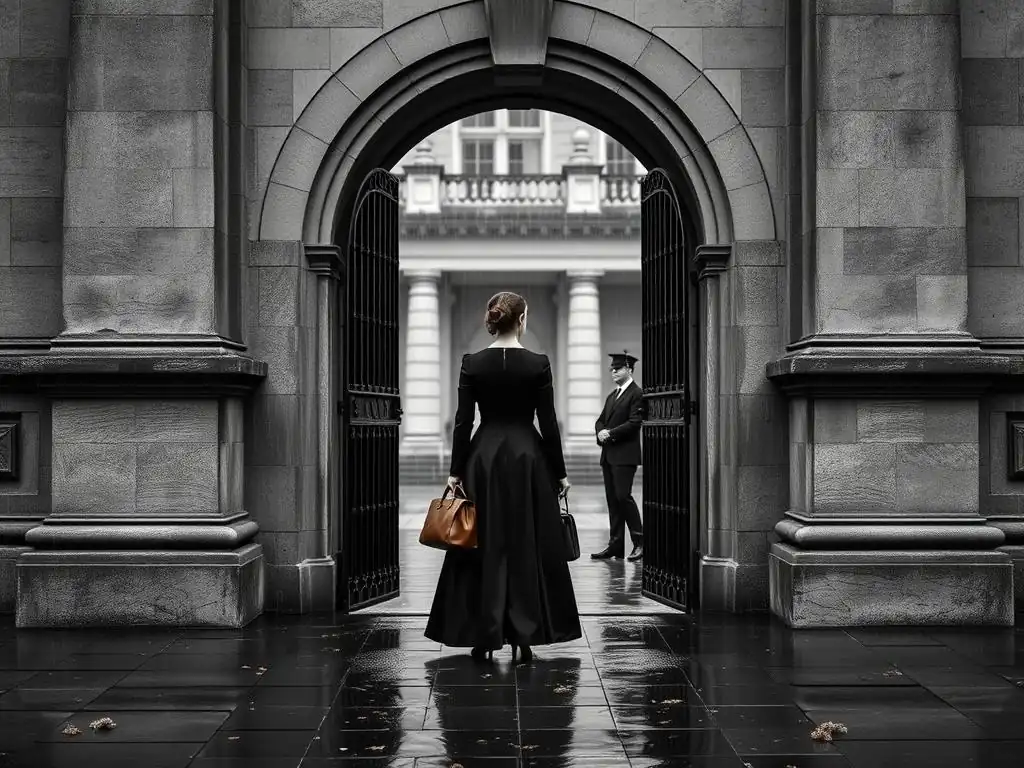
While women's medical colleges offered a vital alternative, the ultimate goal for many was full integration into established, mainstream medical universities. However, this aspiration was met with fierce and sustained resistance. Male faculty members often feared a perceived decline in academic standards, loss of prestige, and the disruption of traditional male-only learning environments. The resistance was deeply rooted in the prevailing patriarchal attitudes of the time, which viewed women as intellectually inferior and physically unsuited for the rigors of medical study.
Many institutions simply refused to consider female applicants, even those with exceptional qualifications. This resistance often manifested in formal policies against co-education, or through informal means such as hostile classroom environments, lack of access to clinical facilities, and social ostracism. The struggle for 19th century women medical schools to achieve parity with male institutions was a prolonged battle against deeply entrenched sexism.
The Arguments Against Female Medical Students
The arguments against admitting female medical students were varied but consistently relied on stereotypes and pseudo-scientific claims. A common assertion was that women lacked the physical and mental fortitude to withstand the demands of medical practice, particularly the sight of blood or suffering. It was also argued that women's presence would be a "distraction" to male students, disrupting the serious academic atmosphere. Furthermore, concerns were raised about the "propriety" of women attending lectures on anatomy and physiology alongside men, or participating in dissections.
These arguments were often presented as legitimate medical or social concerns, masking underlying anxieties about women's changing roles and the potential threat they posed to male professional dominance. The medical establishment, largely composed of men, actively perpetuated these myths to maintain their exclusive control over the profession, making the path for 19th century women medical schools incredibly arduous.
Harvard Medical School's Initial Rejection of Women
Harvard Medical School, a bastion of medical education in the United States, serves as a prominent example of institutional resistance to female medical students. Despite persistent pressure and the growing success of women's medical colleges, Harvard maintained a staunchly male-only policy for much of the 19th century. In 1850, a petition to admit women was decisively rejected by the faculty, who argued that admitting women would "lower the dignity of the profession" and "corrupt the morals of the students."
This opposition continued for decades, even as other institutions slowly began to open their doors. It wasn't until 1945, well into the 20th century, that Harvard Medical School finally began admitting women to its full medical degree program. This prolonged exclusion highlights the immense institutional barriers faced by women seeking medical education in prominent universities throughout the 19th century.
Key Figures Who Advocated for Women's Access to Medical Education
Dr. Horatio Storer and His Support for Female Medical Education
While many male physicians opposed women's entry into medicine, a few progressive figures stood out as crucial advocates. One such individual was Dr. Horatio Storer (1830-1922), a prominent American physician and gynecologist, who, despite some controversial views, notably supported the establishment of women's medical colleges. He believed that women had a rightful place in medicine, particularly in the care of other women, and often lent his professional influence to the cause.
These male allies, though few, played a vital role. They often provided teaching, offered clinical opportunities, or used their standing within the male-dominated medical community to challenge prevailing prejudices. Their support was instrumental in lending legitimacy to the burgeoning movement for 19th century women medical schools and in helping to bridge the gap between pioneering female physicians and the established medical fraternity.
Elizabeth Garrett Anderson: Physician and Advocate
Elizabeth Garrett Anderson (1836-1917) was a towering figure in the British struggle for women's medical education. Denied entry to medical schools, she pursued an unconventional and arduous path, studying privately and attending lectures unofficially. In 1865, she successfully passed the examinations of the Society of Apothecaries, making her the first woman in Britain to qualify as a physician and surgeon. However, the Society immediately changed its regulations to prevent other women from following her path.
Undeterred, Garrett Anderson continued to advocate fiercely for women's rights to medical training. In 1874, she co-founded the London School of Medicine for Women, the first teaching hospital for women in the United Kingdom. This institution became a vital training ground, demonstrating that women could achieve high medical standards and providing a direct pathway for future 19th century women medical schools in Britain. Her resilience and unwavering commitment inspired countless women to pursue medical careers.
Overcoming Obstacles: The Tactics and Strategies Employed by Women
The Importance of Mentorship and Support Networks
In an era where formal opportunities were scarce and hostility was rampant, female medical pioneers relied heavily on informal mentorship and robust support networks. Senior female physicians, such as Elizabeth Blackwell and Elizabeth Garrett Anderson, often took younger aspiring doctors under their wing, offering guidance, practical advice, and emotional encouragement. These networks provided a crucial lifeline, helping women navigate the complex and often discriminatory medical landscape.
Beyond individual mentorship, women formed professional and social organizations, like the Women's Medical Association of New York City (founded in 1884), to share knowledge, advocate for their rights, and provide mutual support. These networks were instrumental in fostering a sense of community and solidarity, enabling women to collectively push back against systemic barriers and sustain the momentum for 19th century women medical schools.
Mary Putnam Jacobi's Academic Achievements and Advocacy
Mary Putnam Jacobi (1842-1906) exemplified the strategy of using intellectual rigor and scientific achievement to dismantle prejudice. An exceptionally bright student, she graduated from the Woman's Medical College of Pennsylvania in 1864 and subsequently became the first woman to study at the École de Médecine in Paris, graduating with honors in 1871. Her academic brilliance and dedication to scientific inquiry made it difficult for critics to dismiss her capabilities based on gender.
Jacobi was also a prolific writer and advocate. Her groundbreaking essay, "The Question of Rest for Women During Menstruation" (1877), directly challenged the widely held belief that women's brains were too delicate for intellectual work and that they needed constant rest during their menstrual cycles. Using empirical data and logical argumentation, she debunked these myths, arguing instead that women were fully capable of intellectual and physical exertion, thereby strengthening the case for their full inclusion in professions like medicine and access to 19th century women medical schools.
The Use of Scientific Research to Counter Anti-Women Arguments
A powerful strategy employed by female physicians and their allies was to counter pseudo-scientific arguments against women in medicine with actual scientific research and empirical evidence. As women gained access to education and conducted their own studies, they were able to directly refute claims about female intellectual inferiority or physical fragility. For example, by collecting data on the health outcomes of female students and practitioners, they demonstrated that higher education did not, in fact, lead to the debilitating health problems predicted by critics like Dr. Clarke.
This evidence-based approach was crucial in chipping away at the ideological foundations of discrimination. By excelling in their studies, publishing research, and demonstrating clinical competence, women proved their capacity for rigorous scientific thought and practice, thereby legitimizing their presence in the medical field and paving the way for further development of 19th century women medical schools.
The Impact of Women Physicians on 19th-Century Healthcare

Contributions to Specific Fields of Medicine, such as Gynecology and Pediatrics
Female physicians in the 19th century often gravitated towards specialties like gynecology, obstetrics, and pediatrics. This was partly due to societal norms that made it more acceptable for women to treat other women and children, especially for "delicate" conditions. However, it also stemmed from a genuine desire to improve healthcare for these underserved populations. Women physicians brought a unique perspective and empathy to these fields, often focusing on preventive care, public health education, and a more holistic approach to women's and children's health.
They made significant advancements in understanding and treating female reproductive health issues, improving childbirth practices, and reducing infant mortality. Their contributions were not just about providing access but also about innovating and shaping the standards of care in these critical areas, demonstrating the profound impact of graduates from 19th century women medical schools.
Improving Healthcare Access for Women and Children
The establishment of women's hospitals, dispensaries, and clinics by female physicians was instrumental in expanding healthcare access for women and children, particularly those from disadvantaged backgrounds. Many male physicians were reluctant to treat poor women or those with sensitive gynecological issues, leaving a significant gap in care. Institutions like the New York Infirmary for Indigent Women and Children, founded by Elizabeth Blackwell, provided compassionate and competent medical services to those who otherwise would have gone without.
These facilities also served as vital training grounds for female medical students and nurses, creating a self-sustaining ecosystem for women in medicine. By addressing critical public health needs, female physicians proved their indispensable value to society, strengthening the argument for more accessible 19th century women medical schools.
The Changing Perceptions of Women's Roles in Society
The success of female physicians in the 19th century profoundly challenged traditional notions of women's roles. Their entry into a highly respected and intellectually demanding profession shattered the widespread belief that women were inherently incapable of higher learning or professional careers. By demonstrating their competence, resilience, and compassion in a public sphere, they expanded the definition of what women could achieve beyond the confines of the domestic realm.
This shift in perception had a ripple effect, contributing to the broader women's rights movement and the push for greater educational and professional opportunities for women in other fields. The presence of women in medicine became a powerful symbol of progress and a testament to women's intellectual and professional capabilities, redefining societal expectations for graduates of 19th century women medical schools.
The Slow but Steady Progress: Gains Made by the End of the 19th Century
Increased Acceptance of Women in Certain Medical Specialties
By the close of the 19th century, while full integration into all areas of medicine remained elusive, there was a noticeable, albeit slow, increase in the acceptance of women in certain medical specialties. Fields such as pediatrics, obstetrics, and gynecology became more amenable to female practitioners, largely due to the pioneering work of women physicians who established their expertise and built trust with female patients. Additionally, women found niches in public health, school medicine, and laboratory research, areas that were perhaps less visible or deemed less "threatening" to male dominance.
This gradual acceptance, while not universal, provided more defined pathways for graduates of 19th century women medical schools. It allowed female doctors to build successful practices and contribute significantly to public health, further solidifying their professional standing.
The Growth in the Number of Female Doctors
The most tangible evidence of progress by the end of the 19th century was the significant growth in the number of female doctors. From just a handful of women practicing medicine in the United States in the mid-1800s, this number saw a dramatic increase. By 1870, there were approximately 500 female physicians in the U.S., and by 1890, this figure had surged to over 4,500. This exponential growth was largely facilitated by the establishment and proliferation of women's medical colleges, which provided the necessary training when mainstream institutions refused.
This growing presence demonstrated that the demand for female physicians was real, and that women were capable of meeting that demand. It was a clear indication that the persistent efforts to establish and support 19th century women medical schools were yielding substantial results.
U.S. Census Data on Female Physicians in 1900
The U.S. Census of 1900 provided concrete data illustrating the advancements made by women in medicine. According to the census, there were approximately 7,387 female physicians and surgeons practicing in the United States. While this number still represented a minority—around 5% of the total medical profession at the time—it was a monumental achievement considering the almost complete exclusion of women from the field just five decades earlier.
This statistical evidence underscores the profound impact of the determined struggle waged by these pioneering women and their supporters. It serves as a powerful testament to the effectiveness of establishing separate institutions and the unwavering commitment to overcome systemic barriers, marking a significant milestone for 19th century women medical schools.
The Legacy of the 19th-Century Female Medical Pioneers
Inspiring Future Generations of Women in STEM
The courage, perseverance, and intellectual prowess of 19th-century female medical pioneers laid an indispensable foundation for future generations of women in all scientific fields. Their relentless fight to break into a male-dominated profession demonstrated that gender was not a barrier to scientific capability or professional excellence. Their stories became powerful narratives of resilience and determination, inspiring countless young women to pursue careers not only in medicine but also in engineering, technology, and mathematics.
By proving that women could master complex scientific subjects and contribute meaningfully to professional life, these trailblazers created a precedent. They opened doors that had previously been shut, making it incrementally easier for subsequent generations of women to access higher education and enter professional fields that were once considered exclusively male domains. The legacy of 19th century women medical schools extends far beyond healthcare.
The Ongoing Fight for Gender Equality in Medicine Today
While immense progress has been made since the 19th century—women now constitute roughly half of all medical school enrollees in many Western countries and hold significant positions in healthcare—the fight for true gender equality in medicine continues. Challenges persist, including the persistent gender pay gap, underrepresentation of women in leadership roles (such as hospital directorships, department chairs, and academic deans), and subtle biases that can affect career progression.
The legacy of the 19th-century female medical pioneers serves as a powerful reminder that progress, while substantial, is often hard-won and requires ongoing vigilance and advocacy. Their struggles highlight the enduring need to address systemic inequalities and ensure that all individuals, regardless of gender, have equitable opportunities to contribute to the medical field.
Conclusion: Celebrating the Resilience of 19th-Century Women in Medical Schools
A Call to Remember the Struggles and Achievements of These Trailblazers
The journey of 19th-century women to enter medical schools was an arduous and often lonely one, fraught with societal prejudice, institutional resistance, and personal hardship. Yet, through unwavering determination, intellectual brilliance, and a profound commitment to human welfare, these trailblazers shattered barriers and carved out a legitimate place for women in medicine. Their struggles were not just for personal ambition but for the advancement of women's rights, the improvement of public health, and the expansion of human potential.
It is imperative that we remember and honor these pioneering women—figures like Elizabeth Blackwell, Sophia Jex-Blake, Elizabeth Garrett Anderson, and Mary Putnam Jacobi—and the institutions like the Woman's Medical College of Pennsylvania that championed their cause. Their achievements remind us of the immense courage required to challenge the status quo and the transformative power of perseverance in the face of adversity. Their legacy continues to inspire and inform the ongoing pursuit of gender equality in all fields of science and beyond.
Frequently Asked Questions
What were some of the biggest obstacles 19th-century women faced when trying to enter medical schools?
The biggest hurdles included institutional bias against women, lack of funding for female medical education, and social prejudice that questioned their intellectual capabilities and suitability for the medical profession.
How did women overcome the "No Admittance for Ladies" attitude prevalent in 19th-century medical schools?
Women persevered by establishing their own female-only medical colleges, advocating for co-education, and demonstrating their academic prowess through rigorous study and practice.
Why is it important to remember and celebrate the contributions of 19th-century women in medicine?
Highlighting their achievements helps correct historical omissions, inspires future generations of female scientists, and showcases the impact of diversity in scientific fields.
What kind of groundbreaking work did these 19th-century female medical pioneers contribute to?
They pioneered advancements in areas like women's health, public hygiene, and surgical techniques, often focusing on underserved populations and challenging existing medical paradigms.
What role did organizations and societies play in supporting women's access to medical education in the 19th century?
Various organizations provided financial support, advocated for policy changes, and offered mentorship and networking opportunities, crucial for women navigating the male-dominated medical landscape.
Final Reflection: Enduring Echoes of Perseverance
The arduous journey of 19th-century women striving to enter medical schools, as detailed in this article, resonates powerfully today, reminding us that the fight for equitable access to education and professional opportunities is far from over. While significant progress has been made, systemic barriers and implicit biases continue to hinder the full participation of marginalized groups in various fields, underscoring the enduring relevance of these historical struggles.
The courage and tenacity of these pioneering women have indelibly shaped the cultural and social landscape, paving the way for future generations of female physicians and scientists. Their unwavering commitment to their dreams serves as a potent reminder of the transformative power of resilience and the importance of challenging societal norms. I am not afraid of storms, for I am learning how to sail my ship.
- Louisa May Alcott, a sentiment that perfectly captures the spirit of these women.
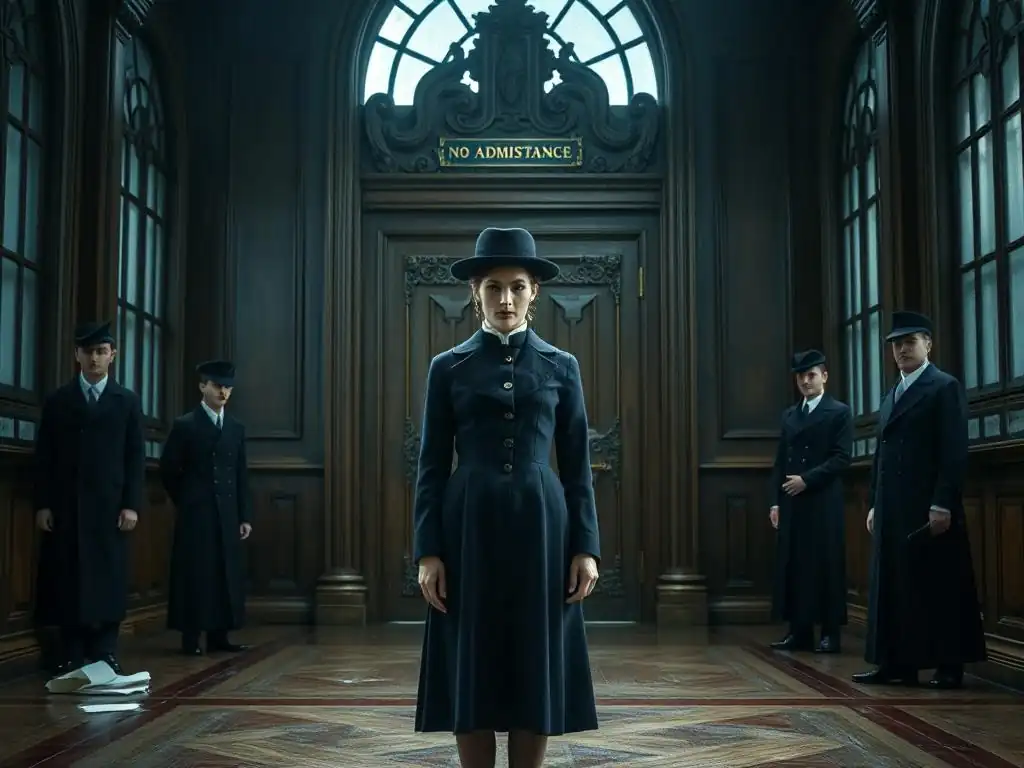
As we reflect on the "No Admittance for Ladies" sign that once barred entry to medical schools, let us not forget the lessons learned from their struggle. Consider how you can actively contribute to creating a more inclusive and equitable world, where talent and ambition are nurtured regardless of gender or background. Let their legacy inspire you to challenge injustice, break down barriers, and champion the dreams of others, ensuring that the echoes of their perseverance continue to resonate for generations to come.
Ignite Change: Champion Women in Science!
Thank you for delving into the inspiring history of women in medicine. We hope you've found a renewed appreciation for the perseverance of these pioneering figures. Now, let's translate that inspiration into action.
- Become an advocate: Share this article: to amplify the stories of these unsung heroes and spark conversations about equality in STEM.
- Explore our "Pioneer Profiles" section to uncover even more hidden histories of remarkable women who defied expectations.
- Consider supporting organizations dedicated to promoting women in science and creating more inclusive opportunities for future generations.
What small step will you take today to honor the legacy of these trailblazers and ensure a more equitable future for women in science?