
Dr. Susan Solomon: Unmasking the Antarctic Ozone Hole and Its Biological Impact

Welcome to WomenInScienceHistory.com!
Delve into the captivating stories of women who have shaped the world of science. Today, we spotlight a brilliant mind in atmospheric science: Dr. Susan Solomon. Her groundbreaking work not only unveiled the mystery behind the Antarctic ozone hole but also shed light on its profound biological impact. Intrigued? Join us as we explore Susan Solomon's ozone hole biology research and discover how her dedication transformed our understanding of our planet and its delicate ecosystems. Prepare to be inspired!
- Introduction: Honoring Dr. Susan Solomon's Scientific Legacy
- Early Life and Education: The Foundations of a Scientific Career
- The Discovery of the Antarctic Ozone Hole: A Scientific Puzzle
- Dr. Susan Solomon's Groundbreaking Research: Unveiling the Mechanism
- Biological Impacts of Ozone Depletion: The Threat to Life
- International Collaboration and Policy Change: Addressing the Ozone Crisis
- Beyond the Ozone Hole: Dr. Solomon's Continued Research and Contributions
- Awards and Recognition: Celebrating Dr. Susan Solomon's Achievements
- Legacy and Inspiration: Dr. Susan Solomon's Impact on Future Generations of Scientists
- Conclusion: Dr. Susan Solomon, a Pioneer in Ozone Hole Biology and Atmospheric Science
-
Frequently Asked Questions
- What is Dr. Susan Solomon best known for in the field of science?
- How did Dr. Solomon's research impact global environmental policy?
- What were some of the challenges Dr. Solomon faced as a woman in science during her career?
- How does the depletion of the ozone layer, as studied by Dr. Solomon, impact biology?
- What biological effects did Dr. Solomon link to the thinning of the ozone layer over Antarctica?
- Final Reflection: A Legacy of Protection
- Ignite Change: Step Into Dr. Solomon's Legacy!
Introduction: Honoring Dr. Susan Solomon's Scientific Legacy
Women in Science: Recognizing Dr. Solomon's Contributions to Atmospheric Chemistry
Dr. Susan Solomon stands as a towering figure in the annals of atmospheric chemistry, whose groundbreaking work fundamentally reshaped our understanding of Earth's protective ozone layer. As a leading woman in a field historically dominated by men, her meticulous research and audacious hypotheses illuminated the causes of the Antarctic ozone hole, a discovery that sent shockwaves through the scientific community and the global public alike.
Her contributions extend beyond mere identification; she provided the crucial empirical evidence that linked human-made chemicals to this profound environmental crisis, thereby forging a critical connection between atmospheric chemistry and the Susan Solomon ozone hole biology implications for life on Earth.
Her pioneering expeditions to Antarctica were instrumental in gathering the direct observations needed to confirm the destructive mechanisms at play. This work not only solidified her reputation as an exceptional scientist but also underscored the vital role of dedicated research in uncovering complex environmental phenomena. Dr. Solomon's ability to translate intricate scientific findings into actionable knowledge for policymakers was a testament to her comprehensive approach, making her a pivotal voice in the global effort to safeguard our planet.
The Significance of Ozone Layer Research: Protecting Life on Earth
The ozone layer, a delicate shield of gas in the Earth's stratosphere, plays an indispensable role in absorbing most of the Sun's harmful ultraviolet-B (UV-B) radiation, preventing it from reaching the planet's surface. Without this natural filter, life as we know it would be severely compromised, as excessive UV-B exposure can damage DNA, suppress immune systems, and disrupt critical biological processes. The discovery of a gaping hole in this vital layer over Antarctica in the mid-1980s presented an unprecedented environmental emergency, demanding urgent scientific investigation and a global response.
Understanding the mechanisms behind ozone depletion, a field where Dr. Solomon's work was central, became paramount for protecting global ecosystems and human health. Her research provided the scientific bedrock for international policy, demonstrating that environmental science is not an abstract pursuit but a direct guardian of planetary well-being. The implications of her findings on Susan Solomon ozone hole biology were profound, highlighting the direct link between atmospheric changes and the survival of diverse life forms, from microscopic marine organisms to humans.
Early Life and Education: The Foundations of a Scientific Career
From Chicago to MIT: Dr. Solomon's Academic Journey
Susan Solomon was born in Chicago, Illinois, in 1956, and displayed an early fascination with the natural world, particularly the intricacies of science. This burgeoning interest propelled her towards a rigorous academic path, laying the groundwork for her future groundbreaking contributions to atmospheric chemistry. She pursued her undergraduate studies at the Illinois Institute of Technology, where she earned a Bachelor of Science degree in Chemistry in 1977, distinguishing herself through her intellectual curiosity and analytical prowess.
Her academic journey continued at the University of California, Berkeley, where she delved deeper into the theoretical and experimental aspects of physical chemistry. In 1981, she successfully completed her doctoral studies, earning a Ph.D. in Chemical Physics. This robust educational foundation in both chemistry and physics equipped her with a unique interdisciplinary perspective, enabling her to tackle complex problems at the interface of atmospheric science and chemical reactions, a critical asset in her subsequent work on the ozone layer.
Influences and Mentors: Shaping Dr. Solomon's Path in Chemistry and Atmospheric Science
Throughout her formative years and academic pursuits, Dr. Solomon was influenced by the intellectual rigor of her professors and the vibrant scientific environment of her institutions. While specific individual mentors are not always publicly detailed, the culture of inquiry and the emphasis on fundamental principles instilled during her education at institutions like the Illinois Institute of Technology and UC Berkeley undeniably shaped her scientific approach. Her studies in chemical kinetics and spectroscopy, for instance, provided her with the essential tools to understand how trace gases interact in the atmosphere.
Her early career also benefited from the collaborative spirit within the scientific community, particularly at the National Oceanic and Atmospheric Administration (NOAA), where she joined the Aeronomy Laboratory in 1981. This environment allowed her to engage with leading atmospheric scientists and access cutting-edge research facilities. It was within this context that she began to focus her formidable analytical skills on the intricate processes governing the Earth's atmosphere, preparing her for the pivotal role she would play in unraveling the mystery of the ozone hole and its critical Susan Solomon ozone hole biology connections.
The Discovery of the Antarctic Ozone Hole: A Scientific Puzzle
The Initial Observations: Unexplained Ozone Depletion Over Antarctica
The scientific community was taken aback in 1985 when British Antarctic Survey scientists Joseph Farman, Brian Gardiner, and Jonathan Shanklin published their startling findings in Nature. Their long-term measurements from Halley Research Station in Antarctica revealed a dramatic and unprecedented decline in stratospheric ozone levels every spring since the late 1970s. Specifically, they reported that ozone concentrations in October (Antarctic spring) had dropped by as much as 40-50% compared to levels observed in the 1970s, forming a distinct "hole" over the continent.
This observation was initially met with skepticism by some, as NASA's satellite data, which should have detected such a massive depletion, had been programmed to filter out anomalously low readings, assuming they were instrument errors. Once re-analyzed, the satellite data confirmed the ground-based observations, revealing an immense area of severe ozone thinning, roughly the size of the continental United States. This presented a profound scientific puzzle: conventional atmospheric models at the time could not explain such a rapid and localized depletion.
Challenging Existing Theories: Dr. Solomon's Hypothesis on Chlorine's Role
In the wake of these perplexing observations, various theories emerged to explain the ozone hole, ranging from natural solar cycles to unusual atmospheric dynamics. However, Dr. Susan Solomon, then a relatively young scientist at NOAA, proposed a daring and ultimately correct hypothesis in 1986. She suggested that the primary culprits were not natural phenomena, but rather human-made chlorofluorocarbons (CFCs), which had been widely used as refrigerants and propellants.
Her innovative idea centered on the role of polar stratospheric clouds (PSCs) in the extremely cold Antarctic winter. She hypothesized that these ice clouds, which are rare elsewhere, provided surfaces for unique chemical reactions. On these surfaces, inactive chlorine compounds (derived from CFCs) could be converted into highly reactive forms, such as chlorine monoxide (ClO), which then rapidly destroyed ozone when sunlight returned in the spring. This mechanism, known as heterogeneous chemistry, challenged prevailing homogeneous gas-phase theories and laid the intellectual groundwork for understanding the Susan Solomon ozone hole biology threat.
Dr. Susan Solomon's Groundbreaking Research: Unveiling the Mechanism
The McMurdo Station Expeditions: Gathering Crucial Atmospheric Data
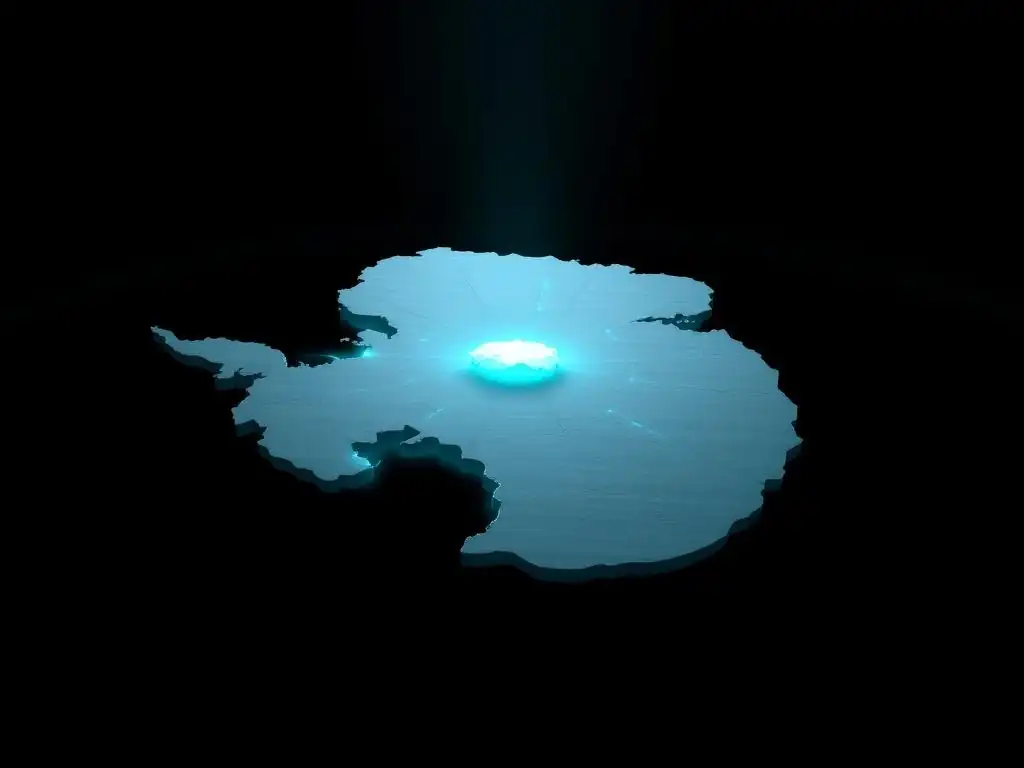
To test her bold hypothesis, Dr. Susan Solomon led the National Ozone Expedition (NOZE) to McMurdo Station, Antarctica, in 1986 and 1987. These expeditions were arduous, conducted in the harsh, unforgiving environment of the Antarctic continent, often battling extreme cold and logistical challenges. Despite the difficulties, her team deployed ground-based instruments, including UV-visible spectrometers, designed to measure trace gases in the stratosphere with unprecedented precision.
The data collected during these expeditions proved to be the smoking gun. The team's instruments detected exceptionally high levels of chlorine monoxide (ClO), a highly reactive molecule predicted by Solomon's theory, directly correlating with the observed ozone depletion. This direct, real-time measurement of the key ozone-destroying radical in the Antarctic stratosphere provided compelling empirical evidence that CFCs were indeed the primary cause of the ozone hole, effectively shifting the scientific consensus.
Chlorine Monoxide and Ozone Destruction: The Key Chemical Reactions
The critical measurements taken by Dr. Solomon's team at McMurdo Station confirmed that the high concentrations of chlorine monoxide (ClO) were the direct consequence of the chemical reactions taking place on the surface of polar stratospheric clouds. In the intense cold of the Antarctic winter, CFCs released chlorine atoms, which then underwent heterogeneous reactions on ice particles within these clouds. This process converted stable, unreactive chlorine reservoirs into highly reactive forms, particularly molecular chlorine (Cl2) and hypochlorous acid (HOCl).
When spring sunlight returned to Antarctica, these reactive chlorine compounds rapidly broke down, releasing atomic chlorine (Cl) and chlorine monoxide (ClO). The catalytic cycle then began: a single chlorine atom could react with an ozone molecule (O3) to form ClO and oxygen gas (O2).
The ClO molecule could then react with another ClO molecule or an oxygen atom to regenerate the chlorine atom, allowing it to destroy thousands of additional ozone molecules. The discovery of these elevated ClO levels directly above the region of ozone depletion provided the unequivocal proof linking human-emitted CFCs to the rapid and massive destruction of the ozone layer, underscoring the critical Susan Solomon ozone hole biology implications.
Biological Impacts of Ozone Depletion: The Threat to Life
Increased UV Radiation: A Danger to Ecosystems and Human Health
The thinning of the stratospheric ozone layer directly leads to an increase in harmful ultraviolet-B (UV-B) radiation reaching the Earth's surface. Unlike UV-A, which is less damaging, UV-B radiation carries enough energy to cause significant molecular damage to living organisms. This heightened exposure poses a severe threat to both natural ecosystems and human health, initiating a cascade of adverse biological effects that were a major concern following the discovery of the ozone hole.
For instance, UV-B radiation can directly damage DNA, leading to mutations and impaired cellular function. It can also suppress the immune system, making organisms more susceptible to diseases. Beyond direct cellular damage, increased UV-B can interfere with critical biological processes such as photosynthesis in plants and phytoplankton, potentially altering global biogeochemical cycles. The understanding of these profound biological impacts was a key driver in the urgent global response to the ozone crisis, underscoring the vital connection between atmospheric chemistry and the Susan Solomon ozone hole biology framework.
Effects on Phytoplankton and Marine Life: The Food Chain at Risk
One of the most immediate and concerning biological impacts identified in the Antarctic region was the potential threat to phytoplankton, the microscopic marine algae that form the base of the ocean's food web. These single-celled organisms are highly sensitive to UV-B radiation, which can inhibit their photosynthesis and reproduction. Studies conducted in the Southern Ocean, for example, estimated that increased UV-B exposure due to ozone depletion could lead to reductions in phytoplankton productivity by 6-12% in some areas during peak ozone depletion periods.
Such a decline in phytoplankton populations has dire implications for the entire marine ecosystem. Phytoplankton are consumed by krill, which in turn are a primary food source for a vast array of larger marine life, including fish, seals, penguins, and whales. A disruption at this foundational level of the food chain could lead to widespread ecosystem collapse, affecting biodiversity and the health of commercially important fisheries. The potential for such widespread ecological damage highlighted the severe Susan Solomon ozone hole biology ramifications of atmospheric changes.
Beyond the marine environment, the increased UV-B radiation resulting from ozone depletion posed direct and significant risks to human health. The most widely publicized concerns were the projected increases in skin cancers and cataracts. Exposure to elevated UV-B levels is a well-established cause of various forms of skin cancer, including basal cell carcinoma, squamous cell carcinoma, and the more dangerous melanoma.
Estimations from the United Nations Environment Programme (UNEP) and other health organizations projected that for every 1% decrease in stratospheric ozone, there could be a 2% increase in the incidence of non-melanoma skin cancers. Additionally, prolonged UV-B exposure is a major contributing factor to the development of cataracts, a clouding of the eye's lens that can lead to impaired vision and blindness. These alarming health projections, directly linked to the atmospheric changes revealed by Dr. Solomon's work, underscored the urgent need for global action and the profound Susan Solomon ozone hole biology implications for public health.
International Collaboration and Policy Change: Addressing the Ozone Crisis
The Montreal Protocol: A Global Effort to Phase Out Ozone-Depleting Substances
The compelling scientific evidence, largely spearheaded by Dr. Susan Solomon's research, led to an unprecedented international response to the ozone crisis. In September 1987, just two years after the ozone hole's discovery and one year after Solomon's initial expeditions to Antarctica, nations convened in Montreal, Canada, to sign the Montreal Protocol on Substances that Deplete the Ozone Layer. This landmark international treaty committed signatory countries to phasing out the production and consumption of chlorofluorocarbons (CFCs) and other ozone-depleting substances (ODS).
The Protocol is widely regarded as one of the most successful international environmental agreements in history. Its effectiveness is evident in the dramatic reduction of ODS emissions; global consumption of these substances decreased by over 98% between 1986 and 2005. This rapid and decisive action demonstrated that global environmental challenges could be effectively addressed when robust scientific understanding is combined with political will, setting a precedent for future environmental policy.
Dr. Solomon's Influence on Environmental Policy: A Scientific Voice for Change
Dr. Susan Solomon's role extended far beyond her groundbreaking scientific discoveries; she was a powerful and articulate advocate for policy change. Her ability to clearly communicate the complex science of ozone depletion and its dire Susan Solomon ozone hole biology implications to policymakers and the public was critical in galvanizing international action. She actively participated in numerous international scientific assessments and served as a key advisor to the United States government and international bodies.
Her rigorous scientific credibility and persuasive communication style were instrumental in bridging the gap between scientific understanding and urgent policy needs. She effectively conveyed the certainty of the scientific findings and the potential catastrophic consequences of inaction, helping to build the consensus necessary for the rapid adoption and strengthening of the Montreal Protocol. Her commitment to ensuring that scientific truth informed global environmental policy remains a testament to the importance of scientific advocacy.
Beyond the Ozone Hole: Dr. Solomon's Continued Research and Contributions

Climate Change Research: Dr. Solomon's Focus on Global Warming
Following her pivotal work on the ozone hole, Dr. Susan Solomon shifted her formidable scientific intellect to another pressing global environmental challenge: climate change. Her expertise in atmospheric processes and chemical modeling made her an invaluable contributor to the understanding of global warming. She became a prominent figure in the Intergovernmental Panel on Climate Change (IPCC), the leading international body for assessing climate change.
Notably, Dr. Solomon co-chaired Working Group I (The Physical Science Basis) for the IPCC's Fourth Assessment Report (AR4), published in 2007. This monumental report synthesized the most up-to-date scientific understanding of the climate system and climate change, providing comprehensive evidence for human-induced global warming. The IPCC, including the contributions from AR4, was awarded the Nobel Peace Prize in 2007, shared with Al Gore, recognizing its efforts to build up and disseminate greater knowledge about man-made climate change.
Atmospheric Modeling and Prediction: Understanding Future Climate Scenarios
Dr. Solomon's research also significantly contributed to the field of atmospheric modeling and prediction. She utilized sophisticated computer models to simulate complex atmospheric processes, helping scientists to understand past climate changes and project future climate scenarios. Her work focused on the long-term impacts of greenhouse gas emissions, examining how various pollutants persist in the atmosphere and continue to exert warming effects over centuries.
Her research highlighted the concept of "irreversible climate change," demonstrating that even if greenhouse gas emissions were to cease, certain impacts, such as sea-level rise due to thermal expansion, would continue for extended periods due to the long atmospheric lifetimes of many greenhouse gases. This work underscored the critical importance of immediate and sustained action to mitigate climate change, emphasizing the long-term commitment to warming inherent in current emission trajectories.
Research on Perfluorocarbons and Atmospheric Lifetimes
In addition to her broad contributions to climate change science, Dr. Solomon also conducted specific research on the atmospheric lifetimes and impacts of various greenhouse gases, including highly potent substances like perfluorocarbons (PFCs). PFCs are synthetic compounds used in various industrial applications that, while emitted in smaller quantities than carbon dioxide, have extremely long atmospheric lifetimes and high global warming potentials.
For example, carbon tetrafluoride (CF4), a type of PFC, has an atmospheric lifetime estimated at 50,000 years, meaning that once emitted, it persists in the atmosphere for millennia, contributing to warming over vast timescales. Dr. Solomon's work elucidated the persistence and long-term radiative forcing of such gases, providing crucial data for climate policy and mitigation strategies. Her comprehensive understanding of atmospheric chemistry, from the Susan Solomon ozone hole biology link to long-lived greenhouse gases, demonstrates her deep impact on environmental science.
Awards and Recognition: Celebrating Dr. Susan Solomon's Achievements
National Medal of Science: A Prestigious Honor
Dr. Susan Solomon's profound contributions to science have been recognized with numerous prestigious awards and honors throughout her illustrious career. Among the most significant is the National Medal of Science, the highest scientific honor bestowed by the President of the United States. She was awarded this esteemed medal in 1999 by President Bill Clinton, specifically for her "key insights in explaining the cause of the Antarctic ozone hole."
This award acknowledged not only her groundbreaking scientific discovery but also the immense societal impact of her work, which led directly to international policy action to protect the ozone layer. The National Medal of Science cemented her status as one of America's leading scientists, recognizing her exceptional intellect, rigorous methodology, and unwavering dedication to understanding and addressing critical environmental challenges.
Crafoord Prize, Blue Planet Prize, Grande Médaille of the French Academy of Sciences
Beyond the National Medal of Science, Dr. Solomon has received a remarkable array of international accolades, underscoring the global significance of her research. In 2018, she was awarded the Crafoord Prize in Geosciences by the Royal Swedish Academy of Sciences, sharing the honor with other prominent ozone researchers. The prize recognized her "fundamental insights into the processes behind the depletion of the Arctic and Antarctic ozone layers," further solidifying her legacy in atmospheric science.
In 2009, she received the Blue Planet Prize, one of the world's most prestigious environmental awards, presented by the Asahi Glass Foundation. This award celebrated her pioneering contributions to environmental science and her instrumental role in the success of the Montreal Protocol. Additionally, in 2008, the French Academy of Sciences awarded her its Grande Médaille, acknowledging her exceptional scientific achievements. These honors collectively highlight the profound and widespread impact of Dr. Solomon's work, from unraveling the Susan Solomon ozone hole biology puzzle to shaping global climate policy.
Legacy and Inspiration: Dr. Susan Solomon's Impact on Future Generations of Scientists
Inspiring Women in STEM: Breaking Barriers in Atmospheric Science
Dr. Susan Solomon's career serves as a powerful source of inspiration for women pursuing careers in Science, Technology, Engineering, and Mathematics (STEM). Her journey, from early academic promise to leading groundbreaking expeditions in the challenging Antarctic environment, demonstrates that women can achieve extraordinary scientific breakthroughs in highly technical and demanding fields. At a time when atmospheric science was even more male-dominated than it is today, she not only excelled but led the charge in unraveling one of the 20th century's most critical environmental mysteries.
Her success shattered stereotypes and opened doors, providing a tangible example of how rigorous scientific inquiry, regardless of gender, can lead to world-changing discoveries. By showcasing her intellectual prowess, leadership, and unwavering commitment to scientific truth, Dr. Solomon has become a role model, encouraging countless young women to pursue their passions in STEM and to envision themselves as future leaders in scientific research and discovery.
The Importance of Scientific Advocacy: Speaking Truth to Power
Beyond her direct scientific contributions, Dr. Solomon's legacy is also defined by her exemplary commitment to scientific advocacy. She consistently demonstrated the critical importance of scientists engaging with the public and policymakers, translating complex research findings into clear, actionable insights. Her ability to articulate the dire consequences of ozone depletion and the compelling evidence for human causation was instrumental in fostering the global consensus that led to the Montreal Protocol.
Her work exemplifies that scientific responsibility extends beyond the laboratory or field; it includes effectively communicating truth to power and advocating for evidence-based policy. In an era of increasing environmental challenges, Dr. Solomon's career stands as a powerful reminder that scientists have a vital role to play in informing public discourse and shaping policies that protect the planet and its inhabitants, reinforcing the enduring relevance of understanding the Susan Solomon ozone hole biology connection.
Conclusion: Dr. Susan Solomon, a Pioneer in Ozone Hole Biology and Atmospheric Science
Reflecting on Dr. Solomon's Lasting Contributions to Environmental Science
Dr. Susan Solomon's enduring legacy in environmental science is immeasurable. Her groundbreaking research on the Antarctic ozone hole not only identified the cause of one of the most significant environmental threats of the late 20th century but also provided the crucial scientific evidence that spurred unprecedented global action. Her pioneering expeditions, meticulous measurements of chlorine monoxide, and the subsequent validation of her heterogeneous chemistry hypothesis were pivotal in unraveling the mystery of ozone depletion.
Her work seamlessly connected the intricate processes of atmospheric chemistry with the profound Susan Solomon ozone hole biology implications for life on Earth, from marine ecosystems to human health. By elucidating these connections, she laid the scientific foundation for the Montreal Protocol, a treaty that stands as a beacon of successful international environmental cooperation and has led to the projected recovery of the ozone layer. Her contributions underscore the vital role of fundamental research in safeguarding our planet.
A Call to Action: Continuing the Fight for a Healthy Planet
While the ozone layer is slowly but surely recovering thanks to the decisive global action inspired by scientists like Dr. Susan Solomon, the planet continues to face other severe environmental challenges, most notably climate change. Dr. Solomon herself dedicated much of her later career to understanding and communicating the science of global warming, serving as a leading voice within the IPCC. Her life's work is a powerful testament to the necessity of rigorous scientific inquiry, effective communication, and collaborative global efforts to address complex environmental issues.
The lessons learned from the ozone crisis, particularly the understanding of how atmospheric changes can profoundly impact biology, remain highly relevant. Dr. Solomon's legacy serves as a compelling call to action: to continue supporting scientific research, to listen to the evidence, and to work collectively towards a sustainable future for all life on Earth. Her story reminds us that dedicated individuals can indeed make a world of difference.
Frequently Asked Questions
What is Dr. Susan Solomon best known for in the field of science?
Dr. Solomon is renowned for her groundbreaking work in explaining the cause of the Antarctic ozone hole. Her research connected chlorofluorocarbons (CFCs) to ozone depletion.
How did Dr. Solomon's research impact global environmental policy?
Her findings provided crucial scientific evidence that led to the Montreal Protocol, an international treaty phasing out ozone-depleting substances. This had a significant positive impact on environmental protection.
What were some of the challenges Dr. Solomon faced as a woman in science during her career?
She navigated a male-dominated field, encountering biases and skepticism regarding her research. Gaining recognition for her work was a challenge, highlighting gender disparities in the scientific community.
How does the depletion of the ozone layer, as studied by Dr. Solomon, impact biology?
Ozone depletion increases levels of harmful UV radiation reaching the Earth's surface. This radiation can damage DNA, leading to increased risks of skin cancer and harm to ecosystems.
What biological effects did Dr. Solomon link to the thinning of the ozone layer over Antarctica?
She linked the thinning to increased UV radiation, which affected plankton and other marine life, disrupting the Antarctic food web. This had significant consequences for the entire ecosystem.
Final Reflection: A Legacy of Protection
The scientific journey of Dr. Susan Solomon, as detailed in this article, underscores the profound impact of dedicated research and unwavering commitment to environmental stewardship. The unraveling of the Antarctic ozone hole's biological impact stands as a testament to the power of scientific inquiry in addressing global crises. This discovery, and the subsequent international action it spurred, remains incredibly relevant today as we grapple with new and evolving environmental challenges, reminding us that informed action can indeed safeguard our planet.
The story of Dr. Solomon and the ozone hole is not just a scientific achievement; it's a powerful narrative about the interconnectedness of our world and the responsibility we share to protect it. Witnessing the tangible effects of scientific discovery, from understanding the mechanisms of ozone depletion to observing the recovery of the ozone layer, instills a profound sense of hope and reinforces the importance of supporting scientific endeavors. Science can be used for good or evil. It all depends on the choices that are made.
- Susan Solomon. This quote encapsulates the ethical weight that accompanies scientific progress and the crucial role of scientists in guiding its application for the betterment of humanity and the environment.
As we reflect on Dr. Solomon's legacy, let us consider how we can each contribute to a more sustainable future. What actions, however small, can we take to reduce our environmental footprint and advocate for policies that protect our planet? The ozone hole crisis demonstrated that collective action, driven by scientific understanding, can lead to remarkable progress. Let us embrace that spirit of collaboration and dedication, ensuring that future generations inherit a healthy and thriving Earth.
Ignite Change: Step Into Dr. Solomon's Legacy!
Thank you for joining us on this journey through Dr. Solomon's groundbreaking work. Now that you're aware of the profound impact of her research, let's turn that knowledge into action.
Here's how you can contribute:
- Amplify Dr. Solomon's story! Share this article with your network to inspire future generations of scientists and environmental advocates.
- Explore local environmental initiatives and discover how you can contribute to ozone layer protection in your community.
- Delve deeper into related fields: investigate climate change and learn from historical breakthroughs and innovative solutions.
What small step will you take today to honor Dr. Solomon's legacy and help protect our planet?