
The Unseen Architects: Women Medical Illustrators Who Visualized Medical Breakthroughs

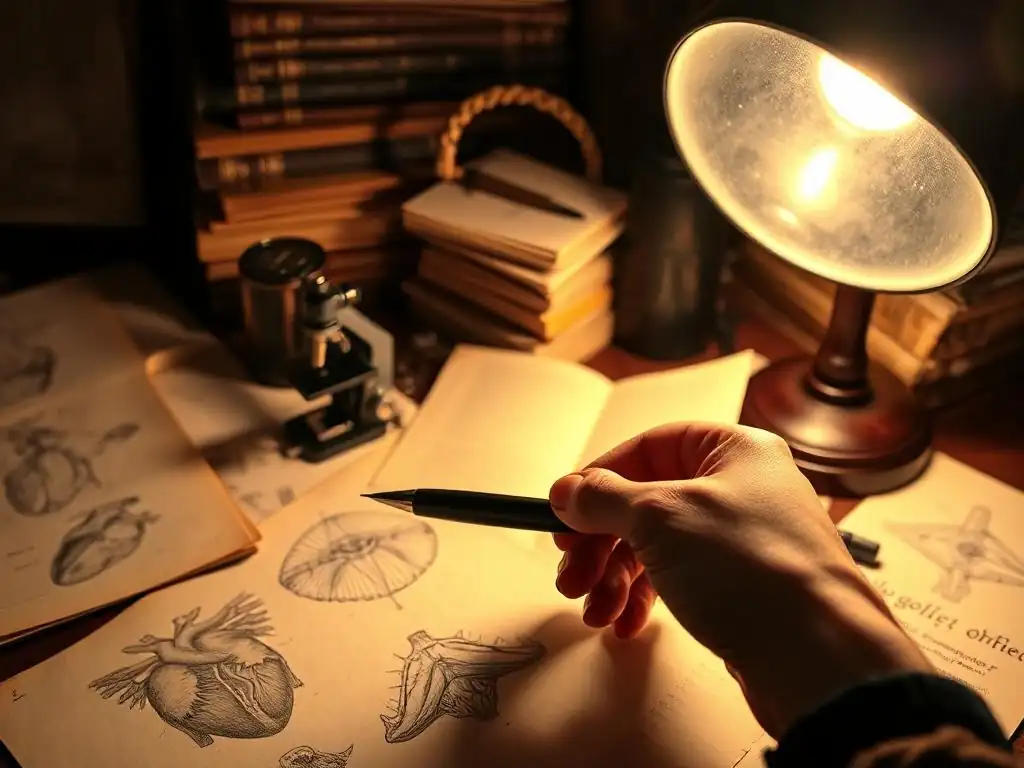
Welcome to WomenInScienceHistory.com, where we unearth the remarkable stories of women who shaped the scientific landscape. Dive into the fascinating world of Biology & Medicine and discover how these brilliant minds overcame obstacles to make groundbreaking contributions. Ever wondered about the vital role of Women Medical Illustrators History in visualizing medical advancements? Prepare to be amazed as we unveil the untold narratives of these unsung heroes, whose artistry and scientific understanding brought complex concepts to life, often from behind the scenes. Read on to learn more!
- Introduction: Honoring Women Medical Illustrators and Their Impact
- Early Pioneers: Women Breaking Barriers in Medical Illustration
- The Golden Age of Medical Illustration: Women's Roles Expanded
- Specific Contributions: Landmark Illustrations by Women Medical Artists
- Challenges Faced by Women in Medical Illustration
- Modern Women Medical Illustrators: Continuing the Legacy
- The Enduring Significance of Women in Medical Illustration
- Resources for Learning More About Women Medical Illustrators
-
Frequently Asked Questions
- What role did women play in the history of medical illustration?
- What were some of the challenges faced by women medical illustrators in the past?
- How did women medical illustrators contribute to medical advancements?
- Where can I find more information about the history of women in medical illustration?
- Why is it important to highlight the history of women medical illustrators?
- Final Reflection: Illuminating the Invisible
- Unveil the Visual Legacy: Celebrate Women in Medical Illustration!
Introduction: Honoring Women Medical Illustrators and Their Impact
Highlighting the Contributions of Women in Medical Visualization
Medical illustration stands as a unique discipline, bridging the intricate world of science with the expressive power of art. It involves the creation of visual aids to communicate complex medical and biological information, from anatomical structures and surgical procedures to cellular processes and disease mechanisms.
While often working behind the scenes, women have played an indispensable role in shaping this field, translating groundbreaking scientific discoveries into accessible and understandable visuals for centuries. The rich history of women medical illustrators reveals a crucial, yet often overlooked, dimension of scientific communication, demonstrating their profound impact on medical education, research, and clinical practice.
These uncredited architects have consistently demonstrated an extraordinary blend of scientific rigor and artistic finesse. Their detailed drawings, paintings, and later, digital renderings, have served as invaluable tools for surgeons learning new techniques, students grasping complex anatomy, and researchers presenting their findings. From illustrating the human circulatory system with painstaking accuracy to depicting the nuances of a novel surgical approach, women medical illustrators have provided the visual backbone for countless medical breakthroughs, ensuring that knowledge was not only discovered but also effectively shared and preserved.
Why Women Medical Illustrators Matter to Science and Art
The significance of women medical illustrators extends far beyond mere aesthetic appeal; their work is fundamental to the advancement and dissemination of scientific knowledge. In science, their precision and clarity have enabled generations of medical professionals to visualize and comprehend intricate biological systems and pathological conditions that would be challenging to convey through text alone. For instance, a detailed illustration of a nerve pathway or a tumor's exact location can be far more informative than pages of description, directly impacting diagnostic accuracy and surgical planning.
Furthermore, these artists have enriched the world of art by demonstrating the profound capacity of visual representation to serve a practical, life-saving purpose. Their contributions challenge conventional notions of artistic expression, proving that art can be both beautiful and profoundly functional. Understanding the impact of women medical illustrators is essential to fully appreciate the evolution of both medical education and artistic representation in science, highlighting how their unique perspective and dedication have fostered a deeper understanding of the human body and its complexities.
Early Pioneers: Women Breaking Barriers in Medical Illustration
Maria Genowefa Gąsiorowska and Her Groundbreaking Anatomical Work
Maria Genowefa Gąsiorowska, born in Poland in 1881, stands as a remarkable figure among the early women medical illustrators who defied societal expectations to pursue a career in the demanding field of anatomical art. Her meticulous work contributed significantly to the anatomical atlases of her time, most notably collaborating with Professor Edward Loth at the University of Warsaw. Gąsiorowska's illustrations were distinguished by their exceptional precision and clarity, capturing the intricate details of human anatomy with a scientific accuracy that was paramount for medical students and practitioners.
Her contributions were not merely decorative; they were integral to the educational materials used to train future doctors, particularly in the burgeoning fields of surgery and diagnostics. In an era where women's professional roles were largely confined, Gąsiorowska carved out a niche through sheer talent and perseverance, ensuring that her visual interpretations of the human body became foundational texts for anatomical study. Her work exemplifies the dedication required by women medical illustrators in the early 20th century to establish themselves in a male-dominated scientific landscape.
Overcoming Gender Bias in the Pursuit of Medical Art
The path for early women medical illustrators was fraught with significant gender bias and institutional barriers. In the late 19th and early 20th centuries, medical schools and scientific institutions were often closed to women, limiting their access to formal training in both medicine and the specialized art forms required for medical illustration. Many women entered the field through less conventional routes, such as apprenticeships with established illustrators, working as assistants in laboratories, or leveraging artistic skills developed through private art education.
Despite these formidable obstacles, these pioneering women demonstrated incredible persistence and ingenuity. They often had to prove their scientific acumen and artistic skill repeatedly to gain acceptance and professional standing. Their ability to produce work of undeniable quality eventually chipped away at the prevailing prejudices, slowly opening doors for subsequent generations of women in this specialized field. Their determination laid the groundwork for a more inclusive future in medical art, shaping the history of women medical illustrators in profound ways.
The Golden Age of Medical Illustration: Women's Roles Expanded
Women Medical Illustrators and the Rise of Detailed Surgical Illustrations
The mid-20th century, often referred to as the "Golden Age" of medical illustration, witnessed an explosion of medical advancements, particularly in surgical techniques, creating an unprecedented demand for highly detailed and accurate visual documentation. Women medical illustrators became increasingly integral to surgical teams during this period, translating complex procedures into visual guides that were essential for teaching and training. Institutions like the Johns Hopkins Medical Institutions and the Mayo Clinic, centers of surgical innovation, saw a significant increase in female illustrators contributing to their landmark surgical texts and publications.
These illustrators worked closely with surgeons, often observing operations firsthand to capture the precise steps and anatomical considerations involved in new procedures. Their ability to render complex surgical fields with clarity and precision was critical for standardizing techniques and minimizing risks. The detailed surgical illustrations created by women during this era played a pivotal role in the dissemination of surgical knowledge, enabling rapid adoption of new methods across the globe and significantly influencing surgical education.
The Influence of Watercolor Techniques on Women's Medical Illustrations
During the Golden Age, watercolor emerged as a particularly favored medium for medical illustration, and many women artists excelled in its mastery. Watercolor allowed for an unparalleled level of detail, luminosity, and the subtle rendering of tissue textures, which was crucial for depicting the nuanced appearance of organs, blood vessels, and pathological conditions. Its ability to create delicate gradations of color made it ideal for distinguishing between different tissue types and anatomical layers, enhancing the clarity of anatomical and surgical illustrations.
Women medical illustrators often brought a distinct aesthetic and meticulous attention to detail to their watercolor works, which greatly enhanced the educational value and visual appeal of medical atlases and textbooks. This mastery of watercolor techniques contributed significantly to the field, making complex anatomical and surgical concepts more accessible and understandable to students and clinicians. Their skill with this medium solidified their reputation as indispensable contributors to the visual lexicon of medicine, leaving an indelible mark on the history of women medical illustrators.
Specific Contributions: Landmark Illustrations by Women Medical Artists
Dorothy Stirling: Illustrating Open-Heart Surgery Techniques
Dorothy Stirling (1918-2009) stands as a monumental figure in the history of women medical illustrators, particularly for her extensive contributions to cardiac surgery visualization. As a prominent medical illustrator at the Mayo Clinic for several decades, Stirling collaborated directly with pioneering surgeons during the nascent stages of open-heart surgery in the 1950s. Her detailed anatomical drawings of the heart and its intricate vascular network were not only scientifically precise but also artistically compelling, capturing the dynamic nature of these groundbreaking procedures.
Stirling's illustrations were instrumental in teaching and documenting the complex steps involved in early open-heart operations, including repairs of congenital heart defects and valve replacements. Her work appeared in numerous surgical textbooks, medical journals, and educational materials, serving as a vital visual guide for surgeons worldwide learning these revolutionary techniques. Her legacy underscores the critical role that skilled women medical illustrators played in translating surgical innovation into teachable and reproducible practices, directly contributing to advancements in cardiovascular medicine.
Muriel McLatchie Miller and Her Visual Representation of Craniofacial Anatomy
Muriel McLatchie Miller (1900-1990) was another highly respected medical illustrator whose work left an enduring impact, particularly in the field of craniofacial anatomy. Based primarily at the University of Toronto, Miller's illustrations were renowned for their extraordinary precision and depth, focusing on the intricate structures of the skull, face, and neck. Her detailed renderings were crucial for advancements in specialized fields such as dentistry, oral surgery, and neurosurgery, where an exact understanding of minute anatomical relationships is paramount.
Miller's illustrations appeared in numerous academic papers and textbooks throughout the mid-20th century, providing invaluable visual aids for students and practitioners alike. Her ability to depict complex bone structures, nerve pathways, and muscle groups with such clarity made her an indispensable asset to research and education in these areas. Her dedication to accuracy and her artistic talent helped to define the visual standards for craniofacial anatomy, solidifying her place among the influential women medical illustrators.
The Impact of Women's Medical Art on Surgical Training
The cumulative impact of women's medical art on surgical training cannot be overstated. Before the widespread use of high-fidelity simulations and video recordings, meticulously drawn and painted illustrations were the primary means of conveying surgical techniques. The precise visual aids provided by skilled women medical illustrators significantly streamlined the learning process for medical students and surgical residents. They offered a clear, step-by-step understanding of complex procedures, anatomical variations, and potential pitfalls, which was difficult to achieve through textual descriptions alone.
These illustrations played a pivotal role in standardizing surgical techniques across different institutions and geographical locations, ensuring that best practices were widely disseminated. By providing clear visual benchmarks, women medical illustrators directly contributed to improved patient outcomes by enhancing the quality and consistency of surgical education. Their artistic contributions were, in essence, a silent but powerful force in advancing medical knowledge and practical application.
Challenges Faced by Women in Medical Illustration
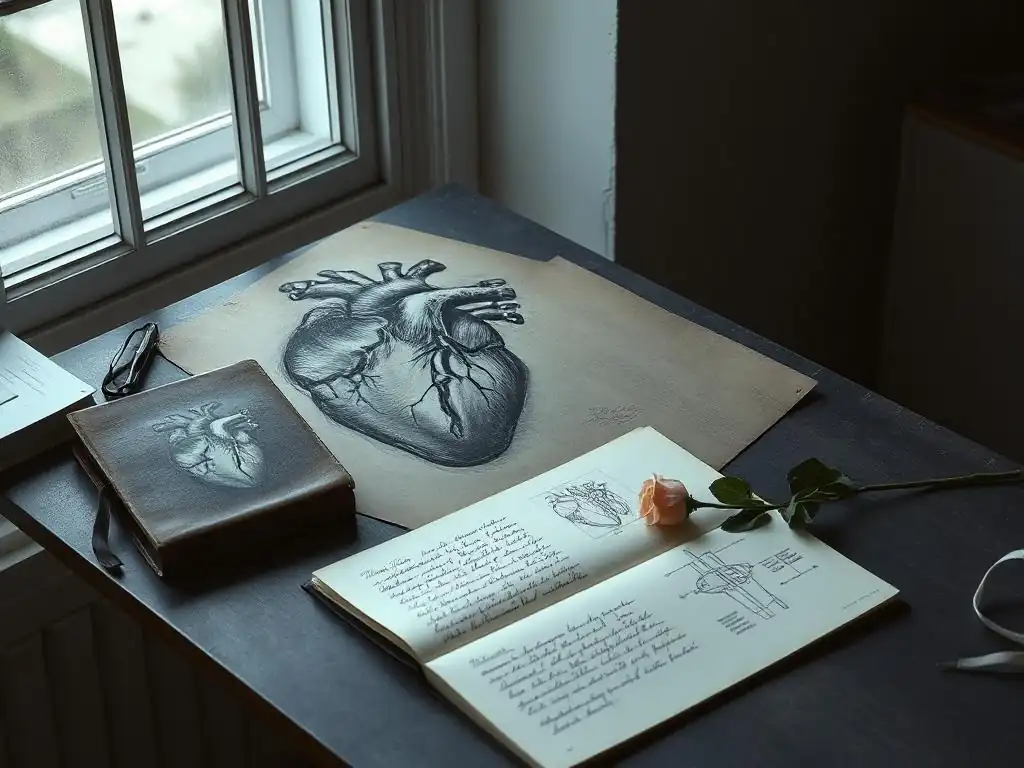
Underrepresentation and Recognition: The Struggle for Equality
Despite their significant contributions, women medical illustrators historically faced considerable challenges, particularly regarding underrepresentation in leadership roles and adequate professional recognition. While women comprised a substantial portion of the workforce in medical illustration by the mid-20th century, they were far less likely to hold departmental directorships, senior academic positions, or receive individual credit on major publications compared to their male counterparts. Their work was often attributed to male colleagues or simply listed under a general "staff" acknowledgment.
This systemic underrepresentation was not merely a matter of prestige; it also impacted opportunities for professional advancement, networking, and equitable compensation. Many talented women found their careers limited by these biases, struggling to achieve the same level of visibility and financial reward as men in the same field. The fight for equality in recognition and opportunity remained a significant hurdle for women medical illustrators throughout much of the 20th century, a crucial aspect of the history of women medical illustrators.
Balancing Family and Career: A Common Obstacle for Women Artists
Another pervasive obstacle for women medical illustrators, common across many professions, was the societal expectation to balance demanding careers with primary responsibility for family and domestic duties. This often meant that talented women worked part-time, took extended breaks, or operated from home, which could limit their ability to take on large-scale projects, participate in professional development, or gain the necessary visibility for career advancement. The pressures of childcare and household management frequently forced compromises in their professional aspirations.
For many, the pursuit of their artistic and scientific passion involved immense personal sacrifice. The lack of institutional support for working mothers, such as affordable childcare or flexible work arrangements, further exacerbated these challenges. This balancing act often meant that brilliant contributions by women medical illustrators went unrecognized or were not as widely published as they might have been had they enjoyed more equitable support structures.
A specific and persistent challenge for women medical illustrators, and indeed for illustrators in general, was the struggle to receive proper credit and authorship in medical publications. For decades, it was common practice for medical illustrators to be uncredited or merely mentioned in a general acknowledgment section, rather than being named as co-authors on works where their visual contributions were as critical as the written text. This issue was particularly acute for women, whose contributions were often undervalued.
Illustrations are not merely decorative; they are intellectual contributions that require deep scientific understanding, meticulous research, and exceptional artistic skill. The fight for authorship recognition was, and to some extent remains, a battle for intellectual property rights and professional respect. Securing proper credit ensures that the significant intellectual and artistic labor invested by women medical illustrators is acknowledged, elevating their status from mere technicians to indispensable scientific collaborators.
Modern Women Medical Illustrators: Continuing the Legacy
Digital Medical Illustration and the Evolution of the Field
The advent of digital technology has profoundly transformed the field of medical illustration, ushering in new possibilities for visualization and communication. Modern women medical illustrators have enthusiastically embraced this evolution, transitioning from traditional media like pen and ink or watercolor to sophisticated digital tools such such as Adobe Illustrator, Photoshop, 3D modeling software like ZBrush, and animation programs. This shift has not only streamlined the illustration process but also expanded the scope of what can be visualized.
Digital tools allow for unprecedented levels of detail, accuracy, and flexibility, enabling the creation of dynamic 3D models, interactive anatomical atlases, and animated surgical sequences. This technological leap has opened new avenues for medical illustrators to contribute to cutting-edge research, virtual reality surgical training, and patient education apps. Contemporary women medical illustrators continue to be at the forefront of this digital revolution, combining their artistic talent with technological prowess to push the boundaries of scientific visualization.
Contemporary Women Medical Illustrators Making a Difference in Medicine
Today, women medical illustrators continue to make profound differences across various medical disciplines, leveraging both traditional and digital techniques to communicate complex scientific and clinical information. They are integral members of research teams, medical education departments, and pharmaceutical companies, creating visuals for everything from groundbreaking cancer therapies to intricate neurological pathways. Their work facilitates clearer communication between scientists, clinicians, and patients, bridging critical knowledge gaps.
For example, Dr. Annie Cavanagh, a contemporary medical illustrator and scientist, exemplifies this modern role. She utilizes advanced digital techniques to create compelling visuals for neuroscience research, making complex brain structures and neural pathways understandable to a wider audience. Her work spans from academic papers to public engagement initiatives, demonstrating how a deep understanding of both art and science, combined with technological expertise, can drive scientific communication forward.
Marie Dvorzak and Her Work in Veterinary Medical Illustration
Marie Dvorzak stands out as a distinguished contemporary medical illustrator with a specific specialization in veterinary medicine. Her work focuses on the intricate anatomy and pathology of animals, a niche yet vital area of medical illustration. Dvorzak's precise and detailed illustrations are indispensable for the education of future veterinarians, providing visual clarity for understanding animal diseases, surgical procedures, and anatomical structures across various species.
Her contributions appear in numerous veterinary textbooks, scientific journals, and educational materials, serving as critical visual aids for veterinary students and professionals. By meticulously depicting everything from skeletal structures to internal organ systems of animals, Marie Dvorzak directly contributes to advancements in animal health and welfare. Her work highlights the diverse applications of medical illustration and the continued impact of women medical illustrators in specialized fields.
The Enduring Significance of Women in Medical Illustration
Women Medical Illustrators' Influence on Visualizing Medical Knowledge
The enduring legacy of women medical illustrators has profoundly shaped how medical knowledge is disseminated and understood, from intricate anatomical atlases to patient education materials. Their unwavering commitment to accuracy, clarity, and aesthetic excellence has established the high standards that define the field today. Through their meticulous work, they have transformed abstract scientific concepts into tangible, comprehensible visuals, making medicine more accessible to countless students, practitioners, and the general public.
Their historical contributions have demonstrated that effective scientific communication relies heavily on the ability to visualize complex information. The impact of women medical illustrators extends beyond individual artworks; it encompasses the development of visual languages that have become indispensable tools in medical education and research. Their influence continues to resonate, ensuring that critical medical information is not only discovered but also effectively communicated and understood.
Inspiring Future Generations of Women in Science and Art
By highlighting the lives and works of pioneering women medical illustrators such as Dorothy Stirling, Muriel McLatchie Miller, and contemporary figures like Marie Dvorzak, WomenInScienceHistory.com aims to inspire future generations of women in both science and art. These stories demonstrate that artistic talent can be a powerful and essential tool in scientific discovery and communication. They show that careers at the intersection of these disciplines are not only possible but also incredibly impactful.
The challenges these women faced and overcame serve as powerful narratives of perseverance and dedication. Their achievements underscore the importance of diverse perspectives in scientific fields and encourage young women to pursue their passions, even in traditionally male-dominated areas. By celebrating the history of women medical illustrators, we empower a new generation to envision themselves as integral contributors to scientific advancement, whether through a microscope, a paintbrush, or a digital tablet.
Resources for Learning More About Women Medical Illustrators
Books and Articles on Women's Contributions to Medical Art
For those interested in delving deeper into the history of women medical illustrators, numerous scholarly publications and articles offer valuable insights. Resources focusing on the history of science and art, as well as biographies of prominent medical illustrators, often contain chapters or sections dedicated to the significant contributions of women in the field. These texts provide historical context, analyze artistic techniques, and discuss the societal challenges faced by these pioneers.
Academic journals specializing in medical history, art history, and scientific illustration frequently publish research on individual artists and broader trends within the discipline. Exploring these resources can offer a comprehensive understanding of how women shaped the visual landscape of medicine across different eras and geographical locations.
Museums and Archives Featuring Medical Illustrations
Many major medical universities with historical collections, specialized medical museums, and national archives frequently house original medical illustrations. These institutions serve as invaluable repositories for the artworks of both renowned and lesser-known medical illustrators, including many women whose contributions might not be widely publicized. Visiting these archives can provide a unique opportunity to view original works firsthand and appreciate their intricate detail and historical significance.
Prominent institutions known for their extensive medical collections often include historical medical illustration departments or special collections dedicated to anatomical art. Researchers and enthusiasts can explore these collections to uncover the visual legacy of women who dedicated their lives to illustrating the complexities of the human body.
Online Resources and Databases for Further Research
The digital age has made a wealth of information about the history of women medical illustrators more accessible than ever before. Online archives of historical medical texts, university library special collections, and digital repositories from professional organizations for medical illustrators often provide online access to digitized artworks, biographical information, and scholarly articles. These platforms allow for convenient exploration and research from anywhere in the world.
Furthermore, databases maintained by professional associations like the Association of Medical Illustrators (AMI) can offer insights into the contemporary field and sometimes include historical sections. Exploring these online resources provides a rich tapestry of information for anyone seeking to learn more about the profound and often unsung contributions of women to medical illustration.
Frequently Asked Questions
What role did women play in the history of medical illustration?
Women played a significant role, often uncredited, in creating medical illustrations. They contributed significantly to visualizing medical breakthroughs and educational materials.
What were some of the challenges faced by women medical illustrators in the past?
They faced challenges such as limited access to education, discrimination in a male-dominated field, and lack of recognition for their contributions.
How did women medical illustrators contribute to medical advancements?
Their detailed and accurate illustrations were essential for teaching, research, and surgical planning. They provided visual clarity that aided in understanding complex medical concepts.
Where can I find more information about the history of women in medical illustration?
Resources like WomenInScienceHistory.com offer biographies, articles, and discussions focusing on the contributions of women in various scientific fields, including medical illustration.
Why is it important to highlight the history of women medical illustrators?
Highlighting their history helps correct historical inaccuracies, inspires future generations, and acknowledges the diverse contributions to science and medicine.
Final Reflection: Illuminating the Invisible
The stories of these unseen architects of medical knowledge resonate profoundly today, reminding us that progress is often built on the contributions of those whose names are not etched in textbooks. By shining a light on the women medical illustrators who meticulously visualized medical breakthroughs, we not only rewrite history but also challenge the persistent underrepresentation of women in STEM and the arts.
The impact of these women extends far beyond the pages of medical journals; their artistry shaped our understanding of the human body and fueled advancements in healthcare. Their dedication and skill, often overlooked, serve as a powerful reminder that innovation thrives on diverse perspectives and contributions. The details are not the details. They make the design.
- Charles Eames. This quote perfectly encapsulates the meticulous work of these illustrators, whose attention to detail transformed complex medical concepts into accessible visual narratives.
Now, consider the legacy of these pioneering women. How can we ensure that their stories, and the stories of other unsung heroes, are not lost to the shadows of history? Let us commit to actively seeking out and celebrating the contributions of women in all fields, fostering a more inclusive and equitable future where every voice is heard and every talent is recognized.
Unveil the Visual Legacy: Celebrate Women in Medical Illustration!
Thank you for exploring the fascinating world of women medical illustrators and their vital contributions to medical breakthroughs. Now, let's bring their legacy to life.
Here are a few ways you can continue the journey:
- Nominate a deserving woman in science for recognition on WomenInScienceHistory.com. Share her story and help us expand our archive!
- Dive deeper into the techniques of medical illustration. Explore online courses or workshops to cultivate your own artistic skills inspired by these pioneers.
- Share this article with other science enthusiasts and budding artists to spark conversations about the importance of visual communication in medicine.
What's one thing you learned today that inspired you to appreciate the power of visual storytelling in science?